Rio's Olympic Park will leave a lasting legacy, says AECOM's Bill Hanway



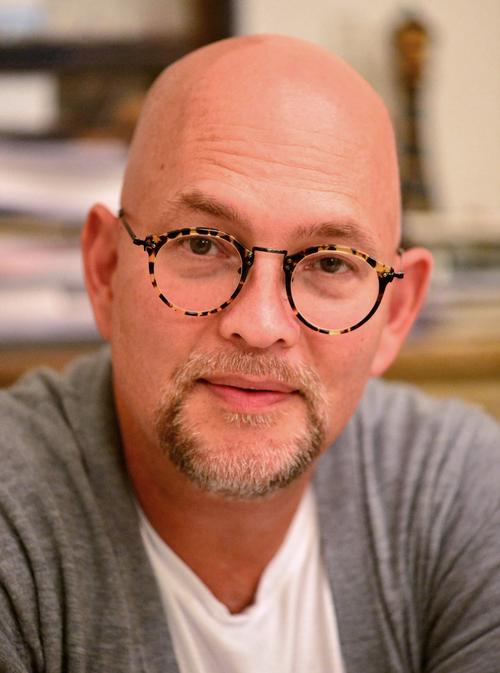
– Bill Hanway
The architect behind the Rio 2016 Olympic Park masterplan has revealed how a focus on sustainable design and temporary venues has created a lasting legacy for the Brazilian city.
Bill Hanway, executive vice president at AECOM, has worked with the international practice to masterplan Olympic parks for both the Rio Games and the London Olympics four years earlier.
In an exclusive interview, he told CLAD how this time round there has been an enhanced focus on ensuring the facilities have a life after the world’s athletes have headed home.
“One of the key issues we carried on from London was that we didn’t want to be in a position where we had arenas and venues which were abandoned after the Games – or had a capacity which was in excess of what was required,” he said. “We didn’t want a repeat of some of the problems faced by previous Games.
“In London, it meant that we had a number of temporary venues. The Rio mayor wanted us to take that concept of temporary one step further. So instead of just thinking about venues which could be demounted, moved to an alternative location and rebuilt in that same form, he wanted to see whether we could design these temporary venues in modular parts – in order to take them apart and then reuse them in an entirely different way.”
This strategy has been one of the most successful architectural innovations of the Games in Rio. Notable examples are the Future Arena for handball – designed by Oficina de Arquitetos and local practice Lopes, Santos & Ferreira Gomes – which will be dismantled after the event. Material from the building will be used to build four state schools.
In a similar vein, the Olympics Aquatic Stadium will be disassembled after the Olympics and rebuilt as two public pools elsewhere in the city. Meanwhile six venues from the Olympic Park will be utilised as a new Olympic Training Centre.
Hanway described himself as “particularly proud” of how effectively architects have adopted an approach to temporary architecture. He said the question of how to create a lasting legacy for the facilities has occupied AECOM for over a decade.
“We won the international competition for Rio in in the middle of 2005 when we were still heavily involved in the London planning,” he said. “We had confidence in our methodology and approach for London, which we thought was relevant as a starting point for the conversation at Rio.
“When we were working on the London plans, we were always drawing a transition masterplan and a legacy masterplan at the same time to ensure all of our work [between the two Games] overlapped.
“We used that same approach when it came to starting the conversations about the Rio bid, so legacy was very much part of our early planning process.”
The full interview with Bill Hanway, and an outline of all the facilities being used at the Rio Olympics can be read in the latest issue of CLAD's sister title Sports Management.
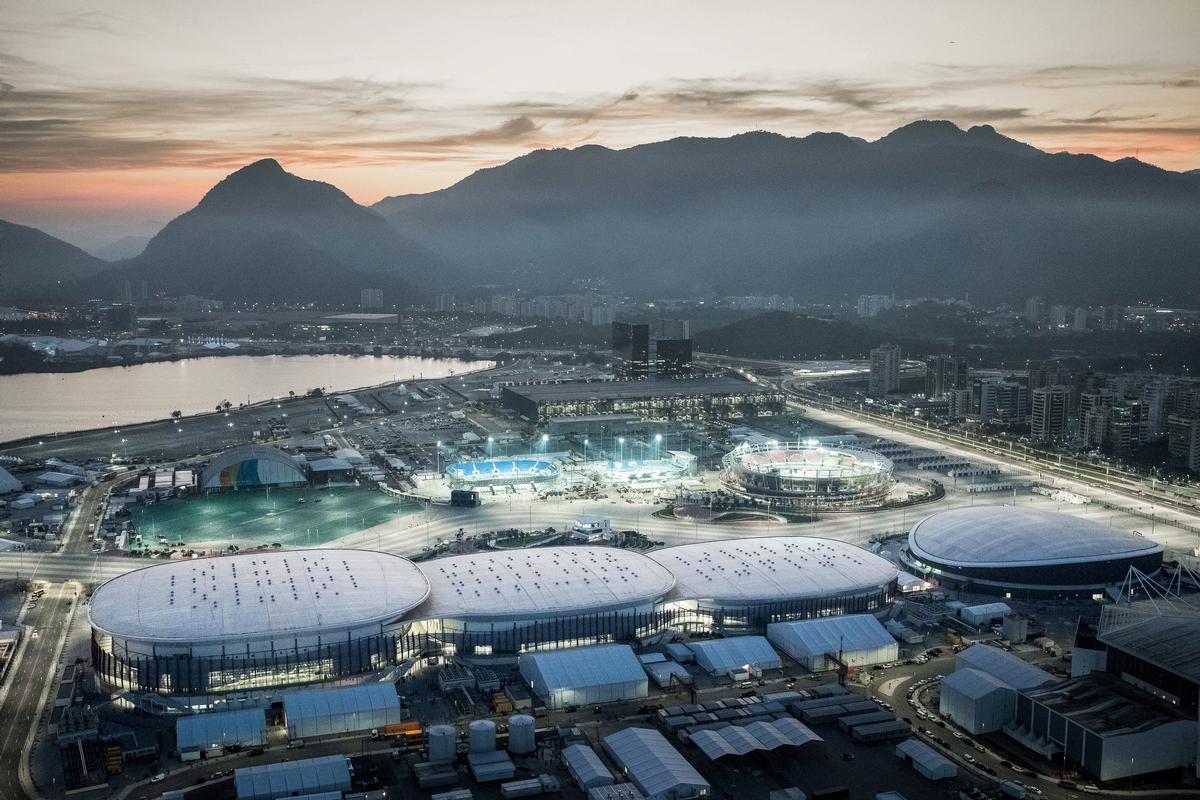
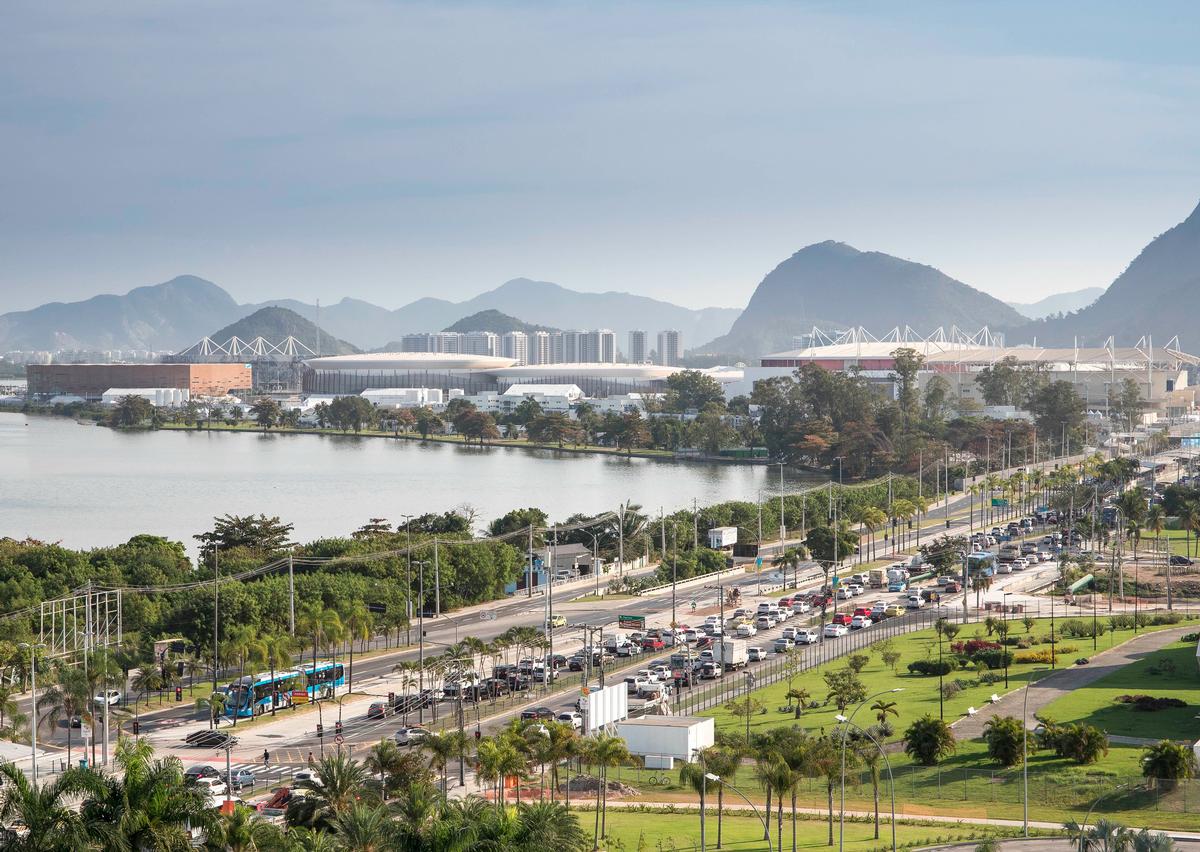
The park is located on the site of the former Autódromo Internacional Nelson Piquet – a Formula 1 racing track. It’s triangular in shape and about 150 acres in size. It’s a really interesting location and I think the starting point to understand the Olympic Park’s plans is to understand the city itself.
Rio is arguably one of the most beautiful cities in the world. The way the rainforest and mountains come crashing right down to the beach is breathtaking. The Olympic Park site is similar to this – it is bound at the north end by mountains and the Atlantica rainforest and in the south by the Jacarepagua lagoon, so it’s a natural habitat.
The close connection with nature influenced some of the original masterplanning we did for the park’s design competition when Rio first launched its bid for the Games. We took some of our design cues from looking at the structure of the unique plants found in the surrounding rainforests.
One of these was to look at the language of the plants – the stem and the petals – and transform that into the architecture by using it to come up with an idea for a temporary covering for an arena.
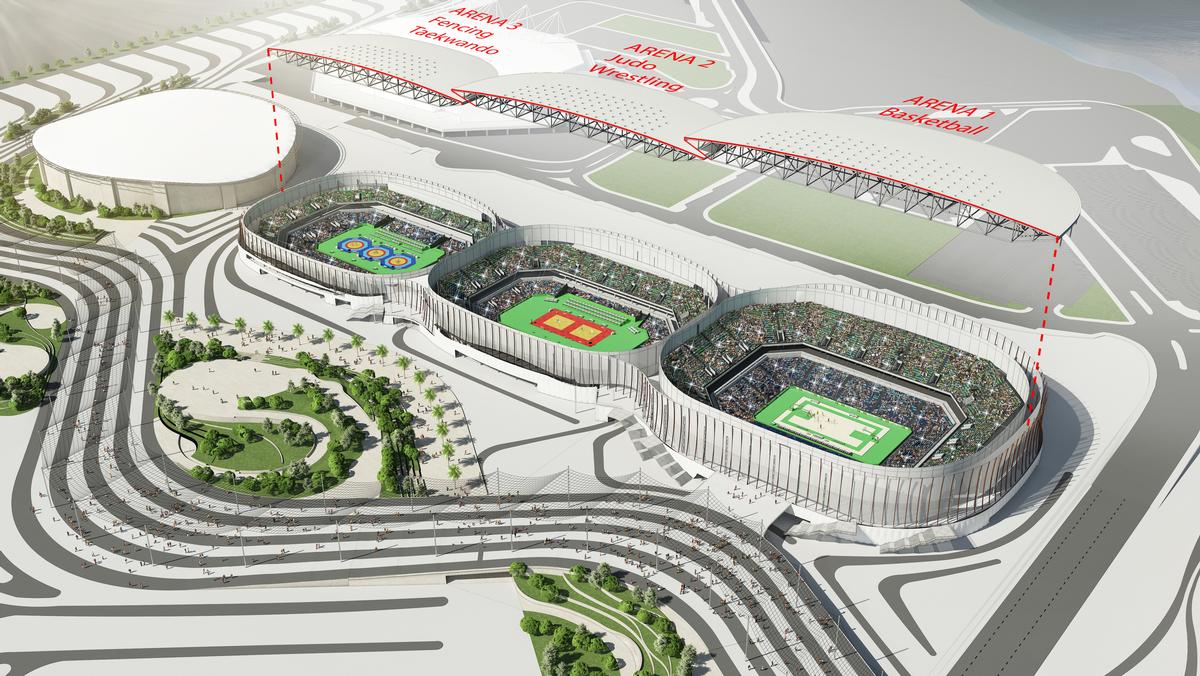
The largest facility in the Barra Olympic Park is WilkinsonEyre’s Arenas Cariocas.
Formed as three arenas under one roof, the 400m long structure provides seating for 36,000 spectators and is hosting several Olympic competitions, including basketball, judo, wrestling, taekwondo and fencing. For the Paralympic Games it will be the venue for wheelchair basketball, rugby and boccia.
Sam Wright, associate director at WilkinsonEyre, said: “We designed the Arenas Cariocas in Rio with functionality and adaptability in mind. Much like our final design for the Basketball Arena at the 2012 London Olympics Games, the challenge was to create a temporary building that would be both simple to erect and sustainable in terms of its legacy.
“This is a transitional building that can morph after the Games into a different typology with zero impact on the fabric of the built form. Aesthetically, the Arenas Cariocas differs from our other stadium designs in that we were asked to deliver three arenas in one footprint.
“From the outside, one can glimpse the singular form housing the three venues, operating simultaneously and yet from within, the spectator will be fully immersed in the drama of the individual sport.”
AndArchitects' Rio Handball Arena will be dismantled after Olympics to build new schools
Rio 2016 venues declared ready, despite delays
Rio Olympics: Henning Larsen Architects create cultural pavilion for 2016 Games
Rio 2016 Olympic Park declared ‘92 per cent complete’
AI firm Midjourney enters wellness with spa, fitness and body scanning concept
Hot spring wellness community Ameyalli sells residences and breaks ground on resort and spa

OMA completes New Museum transformation with landmark expansion and Oberon restaurant
OMA has completed a major transformation of New York's New Museum, creating a larger cultural campus that combines expanded exhibition spaces with learning, performance, hospitality and public programming. The latest addition, Oberon, extends the visitor experience beyond the gallery, reflecting a growing trend for museums to become all-day destinations.
The New Museum in New York has entered a new chapter with the completion of a major
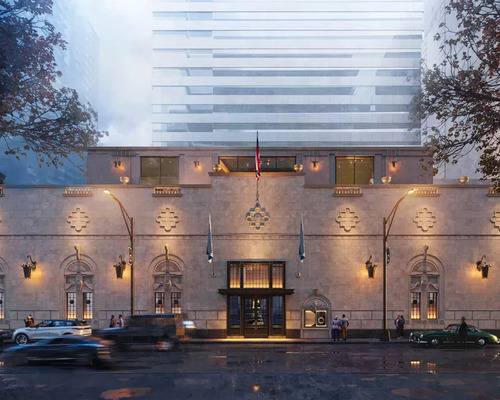
David Rockwell creates immersive magic destination, The Hand and The Eye
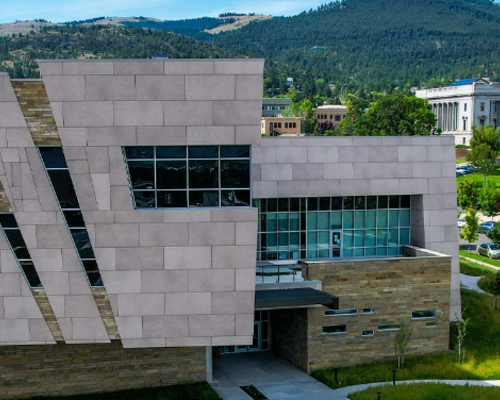
Montana Heritage Center by Cushing Terrell opens after US$107 million investment

Universal launches new theme park model with Kids Resort
'Minor wellness hotels' recorded the strongest growth across top KPIs in 2025, finds RLA Global
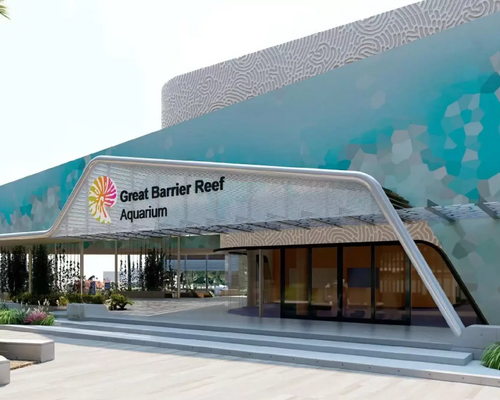
Great Barrier Reef attraction set for AU$180 million reinvention
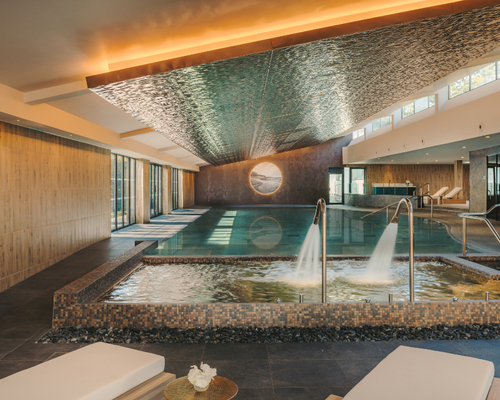
Fairmont Cheshire, The Mere, has architecture by Leach Rhodes Walker and interiors by Bergman Design House.
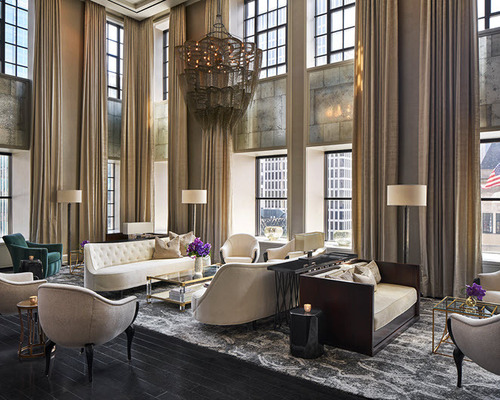
Marriott International partners with Fitwel for wellness solutions across its residential portfolio
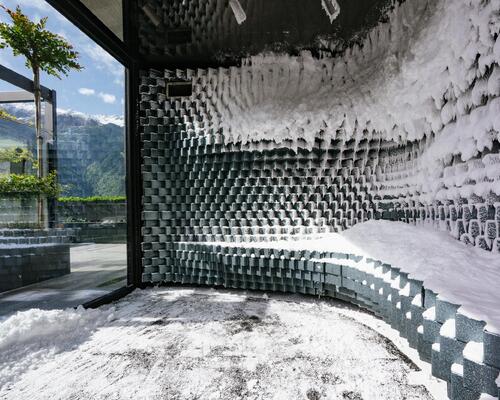
Preidlhof Luxury DolceVita Resort to unveil new spa in February 2027
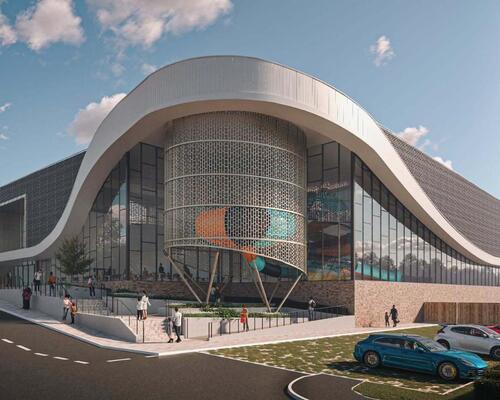
Places Leisure is working with Roberts Limbrick to build £60m wellness flagship in Basingstoke
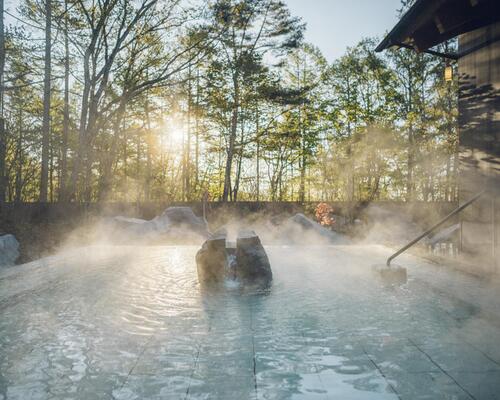
Hoshino Resorts opens Kai Kusatsu as it expands the Kai onsen ryokan brand
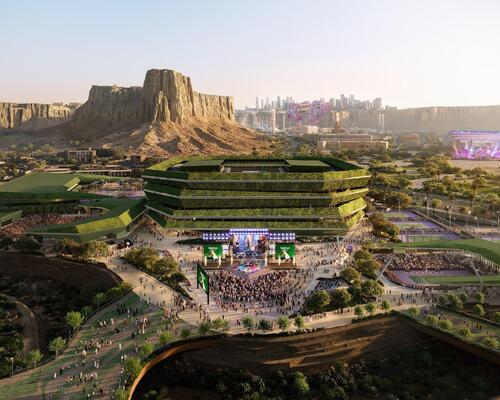
Qiddiya and Populous share details of Saudi Arabia’s National Tennis Centre
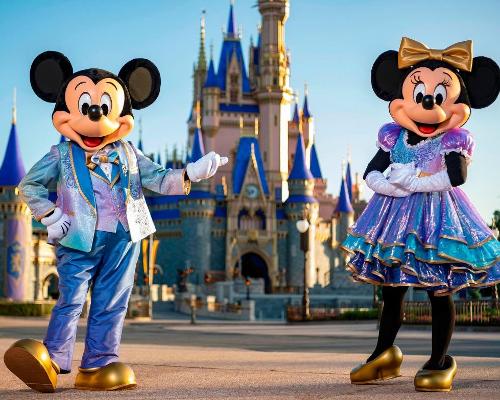
Disney confirms US$30 billion investment programme as it highlights its economic impact
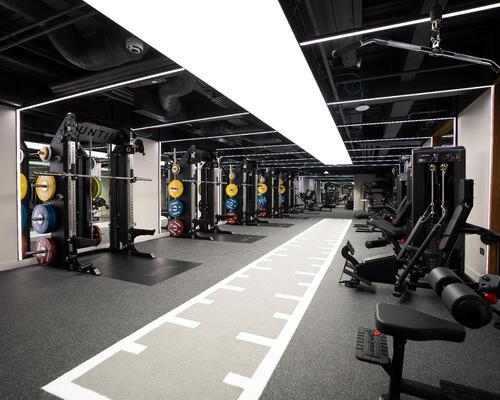
Until combines multiple disciplines at new Canary Wharf club
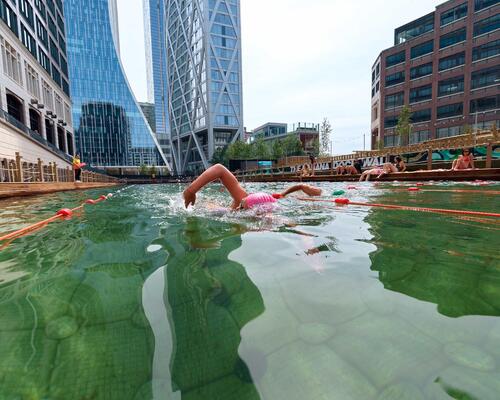
Sea Lanes opens following a partnership between The Eden Project and Canary Wharf Group
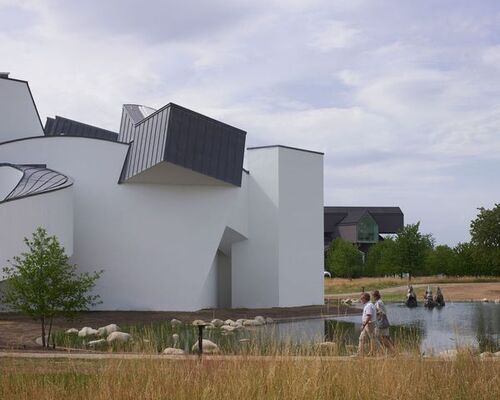
Bas Smets brings water and wilderness to Vitra
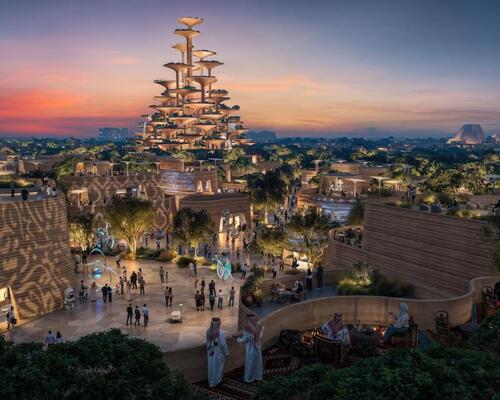
Expo 2030 Riyadh will create a permanent global destination
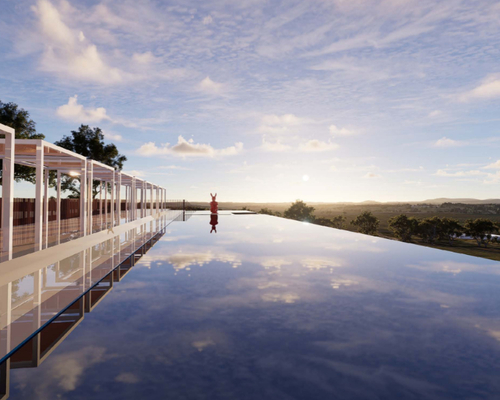
Luxury resort coming to Hunter Valley will have longevity spa
'Data chocolate', dreams made real and artworks shaped by visitors’ emotions: Refik Anadol’s AI art museum launches in Los Angeles
London Museum reveals 2026 opening date for new Smithfield home
BIG unveils Eve Music Hall as Croatia venue nears completion
Bob Rogers hands BRC to long-serving leadership team
Palazzo di Varignana launches family wellbeing and longevity retreat in Emilia Romagna
Anasa Wellness and Spa debuts at Patmos Aktis as it joins Marriott
Design-led Koru Health Club combines high-performance training with recovery

Wellness care hospital opens in Vilnius with innovative spa and hospitality concept

Universal and Puy du Fou projects point to rise of Oxford–Cambridge corridor
A proposed Puy du Fou development near Bicester and Universal Destinations and Experiences’ planned resort in Bedford are emerging as part of a wider transformation of the Oxford–Cambridge Growth Corridor into a major centre for UK leisure and tourism investment.
For years, the corridor has been associated primarily with science, technology, housing and university-led economic growth. However, the clustering of large-scale visitor attraction projects along the

All-inclusive eco-wellness development Auko to open near Vietnam’s Son Doong caves