OMA completes New Museum transformation with landmark expansion and Oberon restaurant


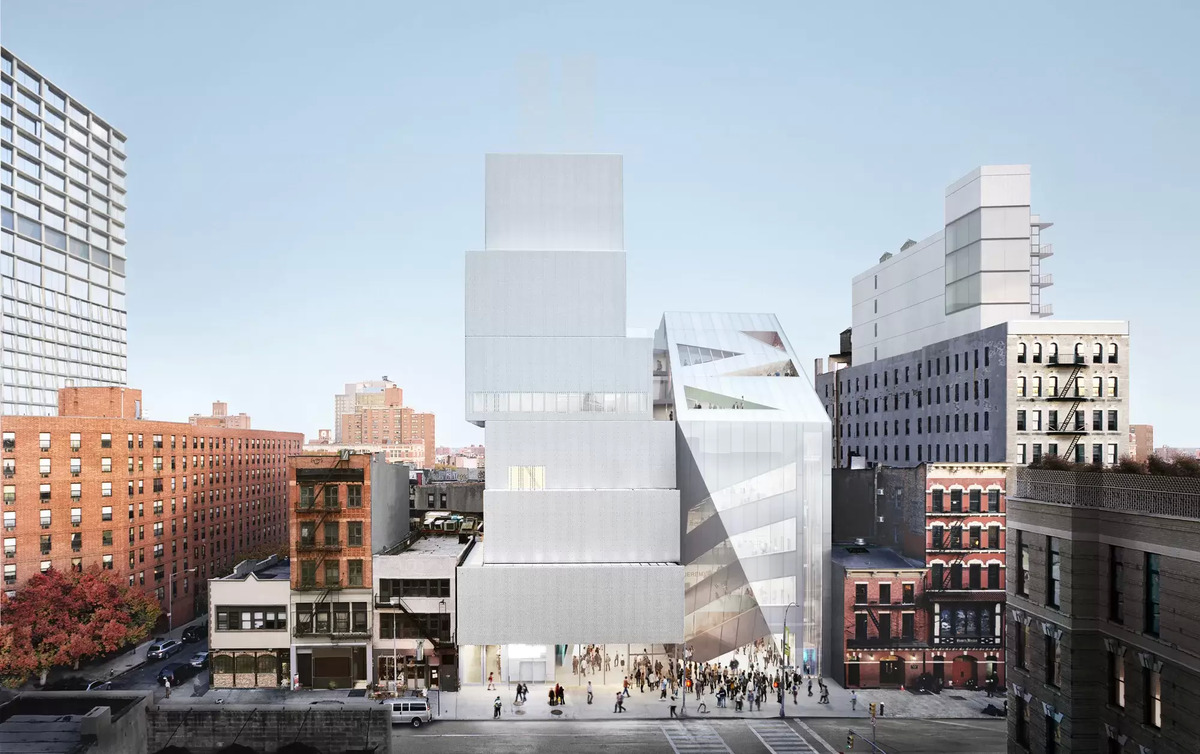
OMA has completed a major transformation of New York's New Museum, creating a larger cultural campus that combines expanded exhibition spaces with learning, performance, hospitality and public programming. The latest addition, Oberon, extends the visitor experience beyond the gallery, reflecting a growing trend for museums to become all-day destinations.
The New Museum in New York has entered a new chapter with the completion of a major expansion by OMA that nearly doubles its footprint and reimagines the institution as a multidisciplinary cultural destination.
The US$82 million project adds a new seven-storey building alongside the museum's iconic 2007 home, designed by SANAA, increasing the campus to almost 120,000sq ft. Gallery space has expanded by more than 50 per cent, while new artist studios, education facilities, performance spaces, outdoor terraces and public amenities have been created to support a broader programme of exhibitions and events.
Designed by OMA partner Shohei Shigematsu with founding partner Rem Koolhaas, the addition was conceived not as a replacement for SANAA's celebrated architecture, but as a complementary building that respects its distinctive identity while providing the museum with the capacity to grow.
The new building aligns with the proportions of the original structure while introducing a more transparent architectural language, opening views into the museum and strengthening connections with the surrounding Bowery neighbourhood. A central atrium links the two buildings, improving circulation and creating visual connections between galleries and public spaces.
The expansion significantly increases the museum's flexibility, allowing it to stage larger exhibitions, immersive installations, performances and multidisciplinary events while accommodating more educational activity and artist development programmes. Outdoor terraces overlooking Manhattan create additional venues for public events and social gatherings.
Shigematsu said the project was designed to create "a highly connected museum" in which architecture encourages interaction between visitors, artists and the surrounding city.
The expansion reflects a wider evolution taking place across the museum sector, where institutions are increasingly combining exhibition spaces with learning, hospitality, retail and social experiences. Rather than serving solely as places to view collections, museums are seeking to become destinations where visitors spend more time, engage in multiple activities and return throughout the day and evening.
That ambition is illustrated by the latest addition to the campus: Oberon, a restaurant and bar designed by OMA as an integral part of the overall visitor experience.
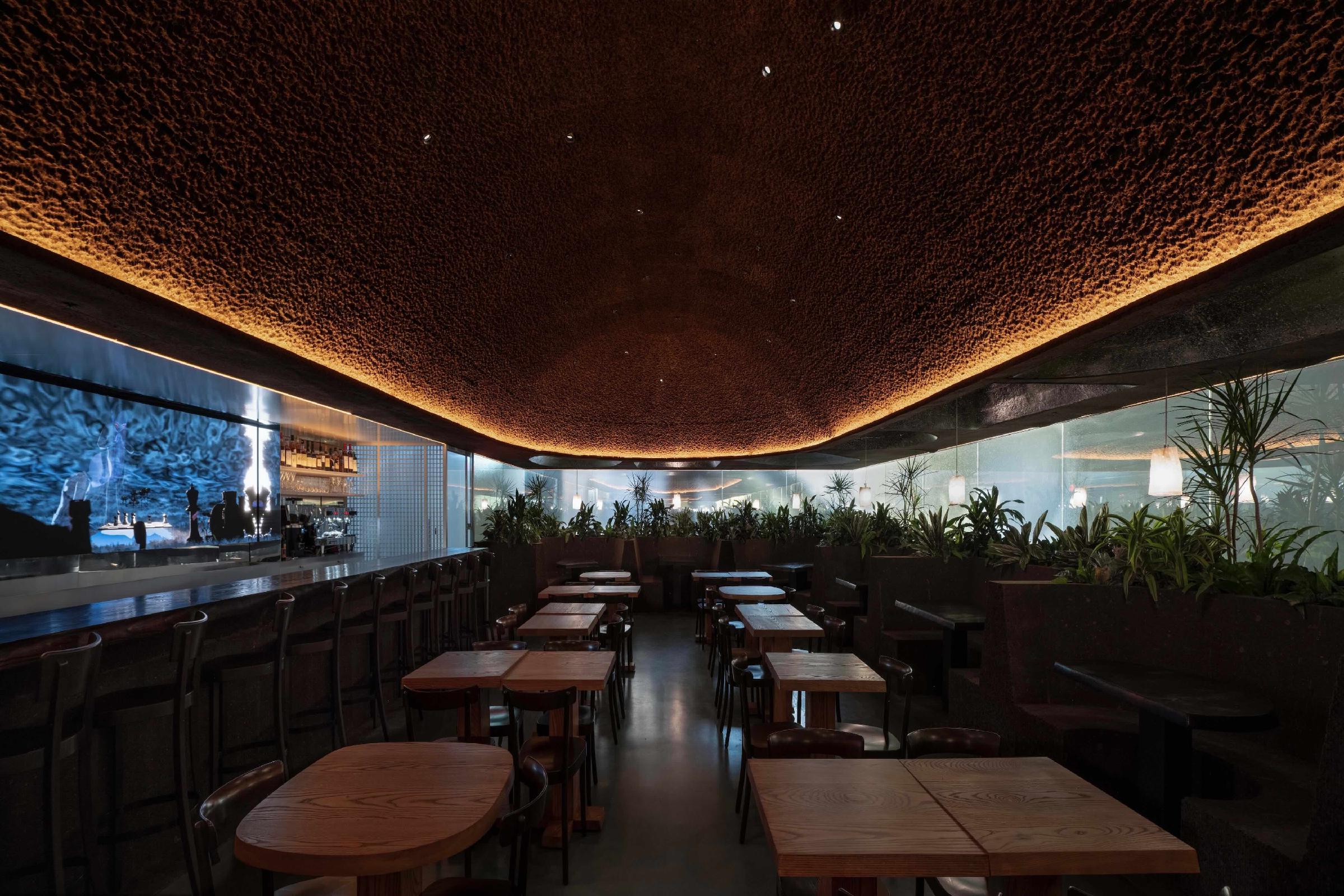
Rather than creating a conventional museum café, the architects worked with hospitality operator Oberon Group to develop a destination in its own right. The 90-seat venue has its own entrance from the street, allowing it to operate independently from museum opening hours while remaining closely connected to the institution's cultural programme.
OMA describes Oberon as "a restaurant that has its own identity yet feels connected to the museum", blurring the traditional boundaries between architecture, hospitality and cultural programming.
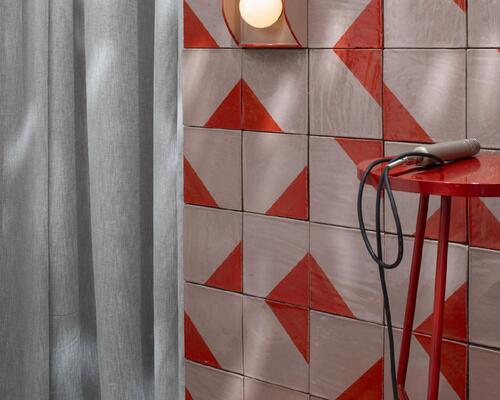
The interiors continue the architectural language established in the new museum building, combining concrete and steel with warmer materials including cork-lined ceilings and bespoke furniture created by artist Minjae Kim. An AI-powered installation by artist Ian Cheng adds another artistic layer to the experience, ensuring visitors continue to engage with contemporary art beyond the galleries.
The food offering has been developed by co-executive chefs Julia Sherman and Ali Ghriskey and centres on seasonal ingredients sourced from farms in the Hudson Valley. Oberon Group intends the venue to function as an all-day neighbourhood restaurant as well as a meeting place for New York's contemporary art community, with a programme of artist collaborations, talks and cultural events.
The restaurant completes OMA's vision for the expanded museum by demonstrating how hospitality can become part of the cultural offer rather than simply supporting it. Food and beverage are integrated into the overall visitor journey, encouraging guests to extend their stay, socialise and participate in the wider programme of events.
The approach mirrors a broader shift taking place internationally, with museums increasingly investing in hospitality, public spaces and flexible programming as a means of attracting wider audiences, increasing dwell time and generating activity beyond traditional exhibition hours. Restaurants, cafés and event spaces are becoming destinations in their own right, helping cultural institutions build stronger relationships with local communities as well as tourists.
For OMA, the project represents its first public museum building in New York and adds to a growing portfolio of cultural commissions that explore the relationship between architecture, public life and visitor experience. For the New Museum, it provides the infrastructure to support its ambitions as a centre for contemporary art, education and civic engagement for decades to come.
OMA has completed a major transformation of New York's New Museum, creating a larger cultural campus that combines expanded exhibition spaces with learning, performance, hospitality and public programming. The latest addition, Oberon, extends the visitor experience beyond the gallery, reflecting a growing trend for museums to become all-day destinations.
The New Museum in New York has entered a new chapter with the completion of a major

David Rockwell creates immersive magic destination, The Hand and The Eye
Montana Heritage Center by Cushing Terrell opens after US$107 million investment
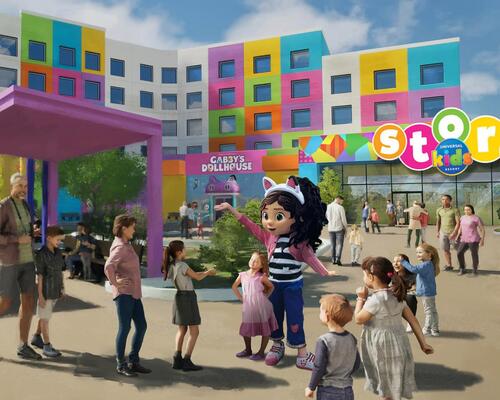
Universal launches new theme park model with Kids Resort
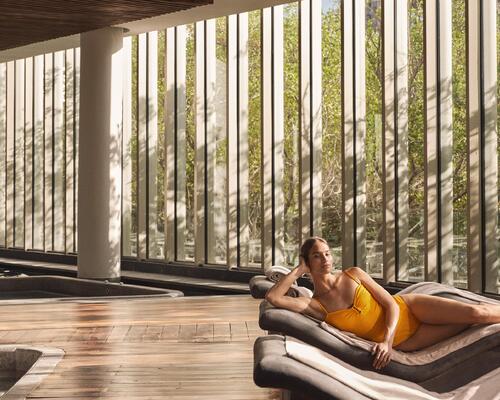
'Minor wellness hotels' recorded the strongest growth across top KPIs in 2025, finds RLA Global
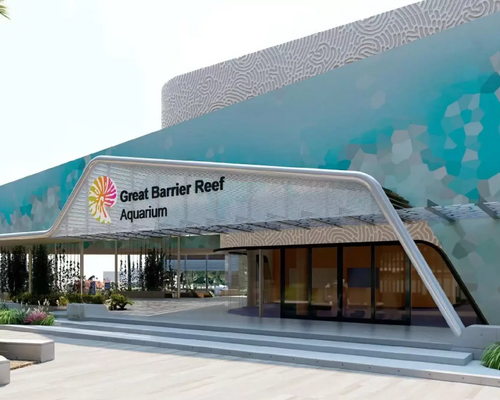
Great Barrier Reef attraction set for AU$180 million reinvention
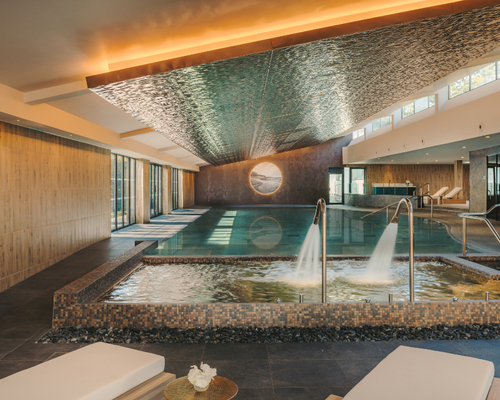
Fairmont Cheshire, The Mere, has architecture by Leach Rhodes Walker and interiors by Bergman Design House.
Marriott International partners with Fitwel for wellness solutions across its residential portfolio
Preidlhof Luxury DolceVita Resort to unveil new spa in February 2027
Places Leisure is working with Roberts Limbrick to build £60m wellness flagship in Basingstoke
Hoshino Resorts opens Kai Kusatsu as it expands the Kai onsen ryokan brand
Qiddiya and Populous share details of Saudi Arabia’s National Tennis Centre
Disney confirms US$30 billion investment programme as it highlights its economic impact
Until combines multiple disciplines at new Canary Wharf club
Sea Lanes opens following a partnership between The Eden Project and Canary Wharf Group
Bas Smets brings water and wilderness to Vitra
Expo 2030 Riyadh will create a permanent global destination
Luxury resort coming to Hunter Valley will have longevity spa
'Data chocolate', dreams made real and artworks shaped by visitors’ emotions: Refik Anadol’s AI art museum launches in Los Angeles
London Museum reveals 2026 opening date for new Smithfield home
BIG unveils Eve Music Hall as Croatia venue nears completion
Bob Rogers hands BRC to long-serving leadership team
Palazzo di Varignana launches family wellbeing and longevity retreat in Emilia Romagna
Anasa Wellness and Spa debuts at Patmos Aktis as it joins Marriott
Design-led Koru Health Club combines high-performance training with recovery

Wellness care hospital opens in Vilnius with innovative spa and hospitality concept

Universal and Puy du Fou projects point to rise of Oxford–Cambridge corridor
A proposed Puy du Fou development near Bicester and Universal Destinations and Experiences’ planned resort in Bedford are emerging as part of a wider transformation of the Oxford–Cambridge Growth Corridor into a major centre for UK leisure and tourism investment.
For years, the corridor has been associated primarily with science, technology, housing and university-led economic growth. However, the clustering of large-scale visitor attraction projects along the
All-inclusive eco-wellness development Auko to open near Vietnam’s Son Doong caves
Shedd Aquarium upgrades its visitor experience with new Immersion Theater
Shedd Aquarium has opened the Immersion Theater developed in partnership with SimEx-Iwerks, as part of a wider strategy to enhance the guest experience and create additional revenue opportunities.
The attraction has transformed the aquarium’s Phelps Auditorium into a multi-sensory venue combining panoramic projection, environmental effects and interactive technology.
A new pre-show area allows visitors to engage with augmented reality marine animals before entering the
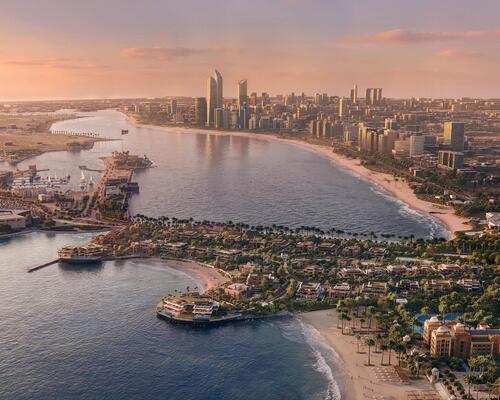
Mandarin Oriental announces standalone Mansions-branded residences for Abu Dhabi
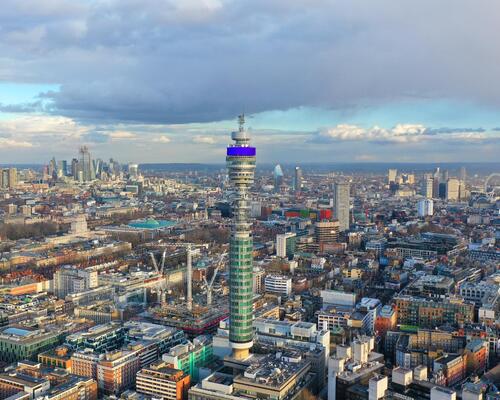
MCR is planning a luxury hotel for London's BT Tower















Designed to restore neglected land and renew the identity of Iraq’s capital city, Baghdad Sustainable Forests promises a new way of living surrounded by nature. Gensler’s Ian Mulcahay tells us why he thinks the project could become a model for the repair and enhancement of urban centres