Signature buildings taking precedence over city development, says David Chipperfield


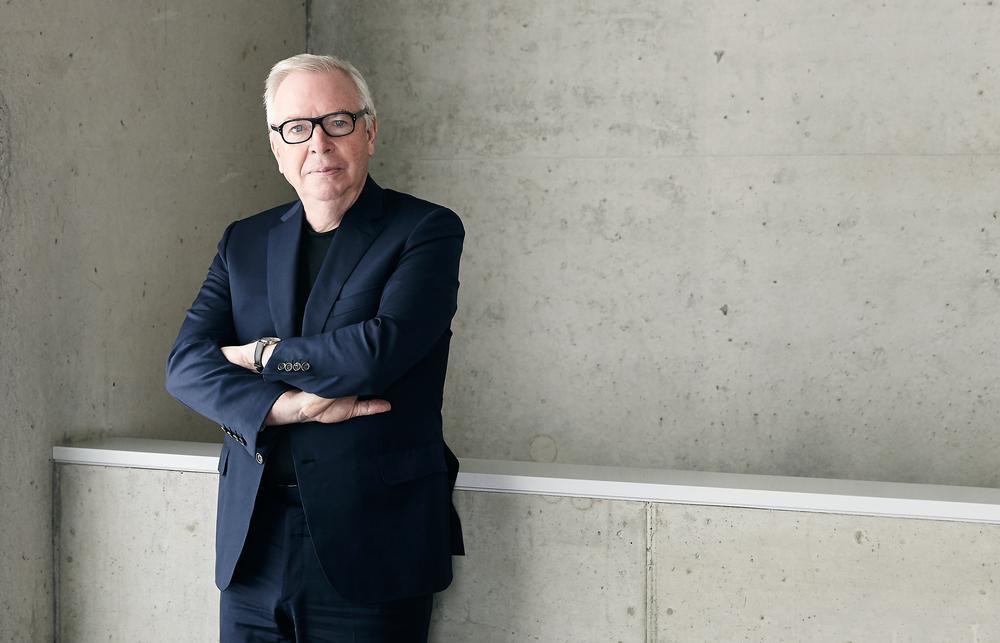
– David Chipperfield
There is a “danger” that architects are being swayed to work on signature buildings at the expense of the coherent development of cities, according to David Chipperfield.
In an exclusive interview, published in the new issue of CLADmag, the British architect said that, particularly in the UK, planning was “being overtaken by investment”.
“In London I think there is planning permission for a further 200 towers right now, and more in the pipeline. Those are money packets; it’s not about building a city,” he said.
“Each investor will try their hardest to make a good building. They’ll say ‘we have a good architect, we’re spending a lot of money, we’re trying to do it right’. I think they’re being genuine about that, and investors in Britain now are a million times better than they were 20 years ago. However, they’re still working on projects one by one that don’t necessarily add up to anything.”
In contrast, Chipperfield argued that in continental Europe the state and private sector worked more in harmony on developing projects.
He said: “In Europe, the bigger vision would come from the city itself. The private sector and public sector work together. You get buy-in from the community; you get buy in from the planners. In the UK, there’s no proactive engagement in the planning process.
“[In the UK] we call our planners ‘development control officers’. The attitude is like when you have mice in your house and you need ‘pest control’, to hold things back. It’s a very clear demonstration of the move from a pro-active idea into a reactive one. Planning departments are underfunded and overwhelmed.”
Despite the pressure to create buildings that are “photogenic” and that will “look good in magazines”, Chipperfield said that he has become increasingly more interested in the societal issues of architecture.
“We want to create buildings with a certain architectural integrity, and we want to give those buildings meaning by being purposeful,” he said.
He argued that it's particularly crucial that public spaces and public realm are well designed, “because they represent the things that connect us.”
“Contemporary society tends to celebrate and exaggerate individualism, but we are resilient creatures that want to gather together,” he said. “Why do we go to restaurants and pay a fortune for something that we could have cooked at home, to sit in a room with 50 other people we never speak to? It’s our desire to be part of something bigger; to be part of society.
“Our cities used to be very representative of those ambitions. But gradually territory is being privatised. We’re less and less able to give a form to those ambitions, and – particularly in the UK – we rely increasingly on the private sector to make gestures towards the public. In the Germanic world, I feel that there’s a strong public voice. There are still planners with this philosophy and the state still has a voice. In Britain, there’s no coordinated public voice.”
The full interview with David Chipperfield can be read online, and on digital turning pages.
The new issue of CLADmag also features interviews with architects Thom Mayne and Joshua Prince-Ramus, and designers Yabu Pushelberg and Patricia Urquiola.
David Chipperfield architecture design planning urbanism development CLADglobalDavid Chipperfield: 'Brexit one of the worst decisions ever made'
Chipperfield triumphs in competition to design 'world class' Edinburgh concert hall
David Chipperfield Architects revive plans to expand historic Russian opera house
Chipperfield's Nobel Center set for construction as Stockholm county throws out appeals
Chipperfield gets green light to transform Saarinen's US embassy building into luxury London hotel
David Chipperfield Architects to introduce remote Sudan museum project at Venice Biennale

AI firm Midjourney enters wellness with spa, fitness and body scanning concept
Hot spring wellness community Ameyalli sells residences and breaks ground on resort and spa

OMA completes New Museum transformation with landmark expansion and Oberon restaurant
OMA has completed a major transformation of New York's New Museum, creating a larger cultural campus that combines expanded exhibition spaces with learning, performance, hospitality and public programming. The latest addition, Oberon, extends the visitor experience beyond the gallery, reflecting a growing trend for museums to become all-day destinations.
The New Museum in New York has entered a new chapter with the completion of a major
David Rockwell creates immersive magic destination, The Hand and The Eye
Montana Heritage Center by Cushing Terrell opens after US$107 million investment

Universal launches new theme park model with Kids Resort
'Minor wellness hotels' recorded the strongest growth across top KPIs in 2025, finds RLA Global
Great Barrier Reef attraction set for AU$180 million reinvention
Fairmont Cheshire, The Mere, has architecture by Leach Rhodes Walker and interiors by Bergman Design House.
Marriott International partners with Fitwel for wellness solutions across its residential portfolio
Preidlhof Luxury DolceVita Resort to unveil new spa in February 2027
Places Leisure is working with Roberts Limbrick to build £60m wellness flagship in Basingstoke

Hoshino Resorts opens Kai Kusatsu as it expands the Kai onsen ryokan brand
Qiddiya and Populous share details of Saudi Arabia’s National Tennis Centre
Disney confirms US$30 billion investment programme as it highlights its economic impact
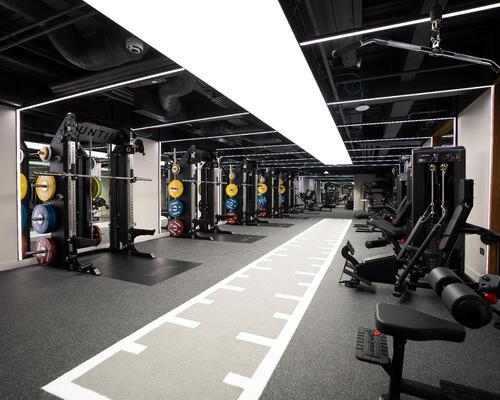
Until combines multiple disciplines at new Canary Wharf club
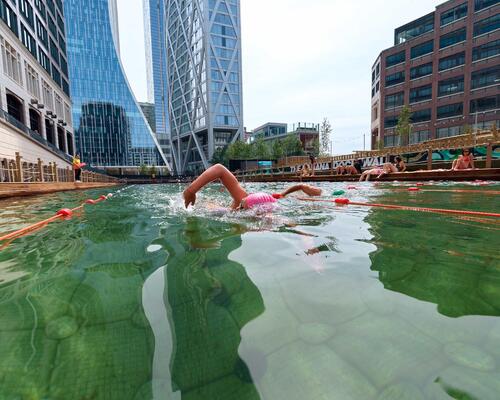
Sea Lanes opens following a partnership between The Eden Project and Canary Wharf Group
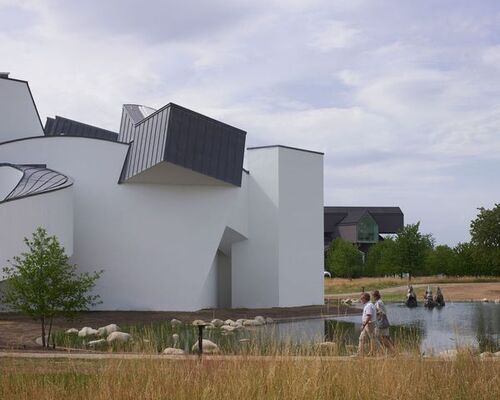
Bas Smets brings water and wilderness to Vitra
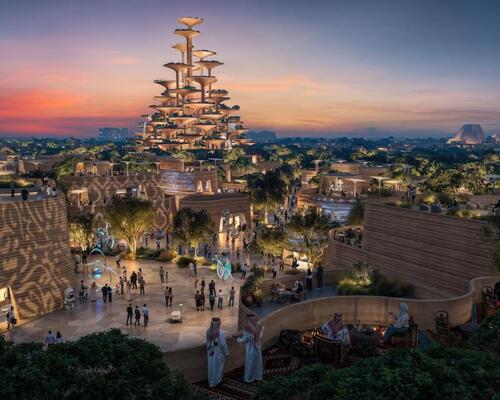
Expo 2030 Riyadh will create a permanent global destination
Luxury resort coming to Hunter Valley will have longevity spa
'Data chocolate', dreams made real and artworks shaped by visitors’ emotions: Refik Anadol’s AI art museum launches in Los Angeles
London Museum reveals 2026 opening date for new Smithfield home
BIG unveils Eve Music Hall as Croatia venue nears completion
Bob Rogers hands BRC to long-serving leadership team
Palazzo di Varignana launches family wellbeing and longevity retreat in Emilia Romagna
Anasa Wellness and Spa debuts at Patmos Aktis as it joins Marriott
Design-led Koru Health Club combines high-performance training with recovery

Wellness care hospital opens in Vilnius with innovative spa and hospitality concept

Universal and Puy du Fou projects point to rise of Oxford–Cambridge corridor
A proposed Puy du Fou development near Bicester and Universal Destinations and Experiences’ planned resort in Bedford are emerging as part of a wider transformation of the Oxford–Cambridge Growth Corridor into a major centre for UK leisure and tourism investment.
For years, the corridor has been associated primarily with science, technology, housing and university-led economic growth. However, the clustering of large-scale visitor attraction projects along the

All-inclusive eco-wellness development Auko to open near Vietnam’s Son Doong caves




Designed to restore neglected land and renew the identity of Iraq’s capital city, Baghdad Sustainable Forests promises a new way of living surrounded by nature. Gensler’s Ian Mulcahay tells us why he thinks the project could become a model for the repair and enhancement of urban centres