Arup Foresight talks to CLAD about healthy wellness buildings and holistic design


The global foresight manager at international architecture and engineering firm Arup has told CLAD that closer collaboration between architects, designers, developers and investors is essential if the buildings of the future are to successfully boost our health and wellbeing.
Josef Hargrave said the increasingly sophisticated demands we make of our buildings necessitate a more holistic approach in how they are designed and developed.
“We’re moving from a world where building design has been driven to a large degree by sustainability targets to one where the impact on user and health and wellbeing is being increasingly considered,” he said.
“The horizon and breadth of things that architects and designers have to consider to achieve this is always increasing, and as a consequence the complexity of getting it right grows.”
“Energy systems will become more complex going forward so we need a more reactive and responsive way of design,” he said. “The only way to thrive is to embrace total architecture – the idea that everyone on the project team should be aware of everyone's needs and capabilities and the agreed path forwards. Everyone should have a basic understanding of lighting, for example.
“Without this, you can create something that has components which are all designed in an excellent way, but doesn't work as a whole.
“There are always competing interests from various stakeholders – from the investor who wants to see a return, to the community who want to make sure their needs are considered, and the designer who wants the best quality outcome. Our work is to bring them together holistically.”
Arup’s Foresight team is an internal think-tank and consultancy which tracks the changing design trends impacting built environments, and how they might overcome challenges such as growing and shrinking populations, climate change and inequality. They have recently released a report on how our cities could look and function in the year 2050.
Asked by CLAD to outline how the design of leisure buildings is changing, Hargrave said they are increasingly being created and controlled “like the operating system on your phone.”
“It's going to be much more platform based in the future,” he explained. “In hotels, for example, you’ll download an app to control your lighting and control your heating and cooling system in a way that is much more compatible and integrated than it is right now.
“Going from this notion of a silo system to something that follows the principles of an app will create many more opportunities to customise solutions within buildings and cities and provide greater control for the individual.”
“There will also be new forms of leisure and new forms of sport – drone racing for example – so there’s lots of cool stuff happening in that space that can be explored.
“A whole raft of consumer-focused trends will be driven by tech, but these are very difficult to project. There will always be new surprises – like the scale and capability of virtual reality – but how that will change people’s experiences of spaces and places remains a big unknown.”
Arup Arup Foresight future architecture design built environment Josef Hargrave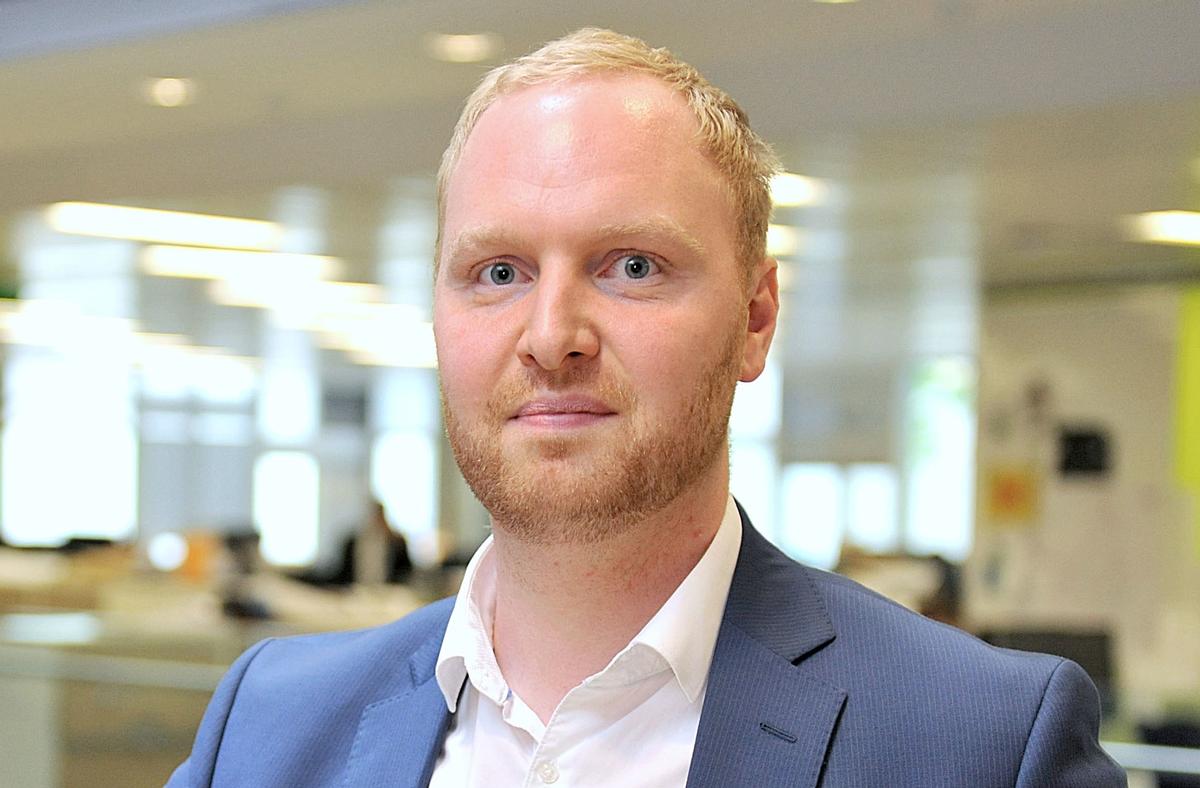
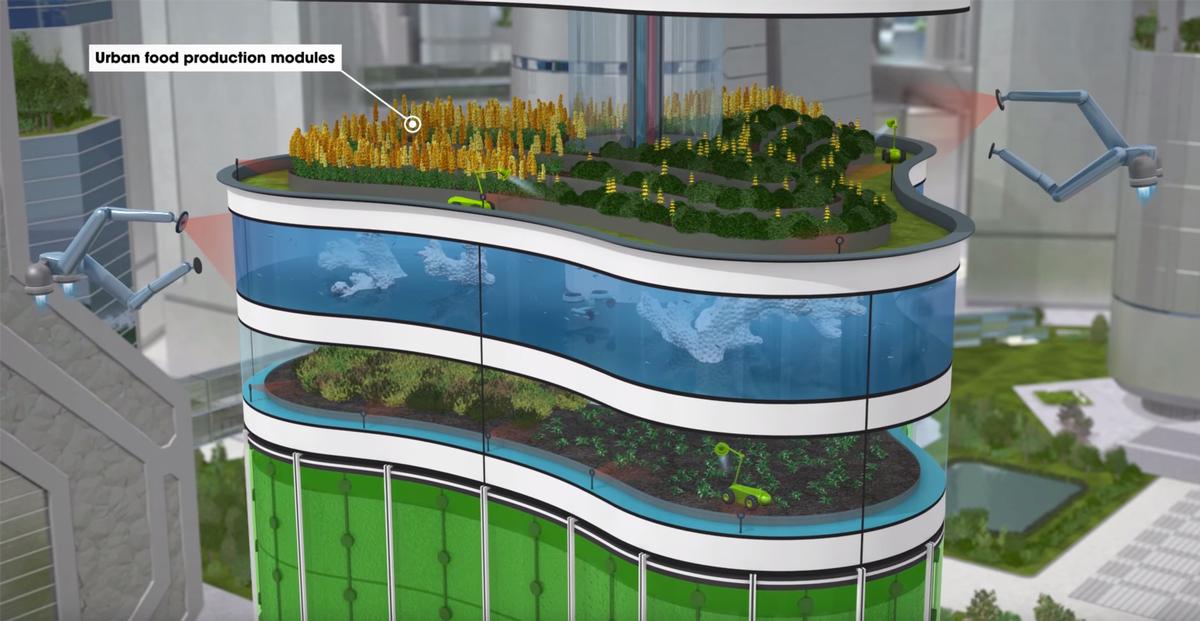
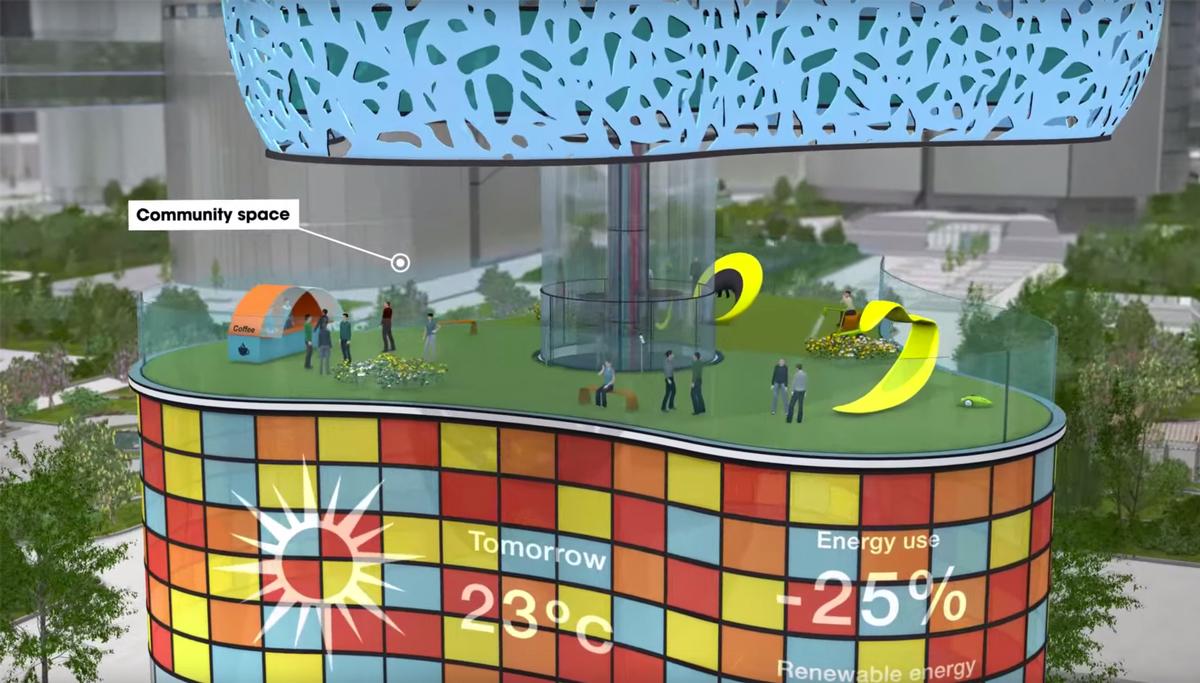
Arup predict a future of smart, interactive, conscious cities
Greening Madrid to fight climate change
Arup outline vision for greener global cities
AI firm Midjourney enters wellness with spa, fitness and body scanning concept
Hot spring wellness community Ameyalli sells residences and breaks ground on resort and spa

OMA completes New Museum transformation with landmark expansion and Oberon restaurant
OMA has completed a major transformation of New York's New Museum, creating a larger cultural campus that combines expanded exhibition spaces with learning, performance, hospitality and public programming. The latest addition, Oberon, extends the visitor experience beyond the gallery, reflecting a growing trend for museums to become all-day destinations.
The New Museum in New York has entered a new chapter with the completion of a major
David Rockwell creates immersive magic destination, The Hand and The Eye
Montana Heritage Center by Cushing Terrell opens after US$107 million investment

Universal launches new theme park model with Kids Resort
'Minor wellness hotels' recorded the strongest growth across top KPIs in 2025, finds RLA Global
Great Barrier Reef attraction set for AU$180 million reinvention
Fairmont Cheshire, The Mere, has architecture by Leach Rhodes Walker and interiors by Bergman Design House.
Marriott International partners with Fitwel for wellness solutions across its residential portfolio
Preidlhof Luxury DolceVita Resort to unveil new spa in February 2027
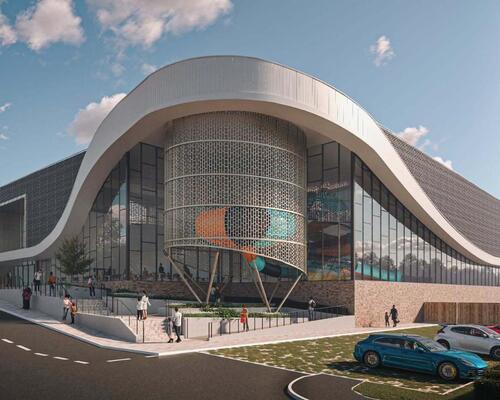
Places Leisure is working with Roberts Limbrick to build £60m wellness flagship in Basingstoke
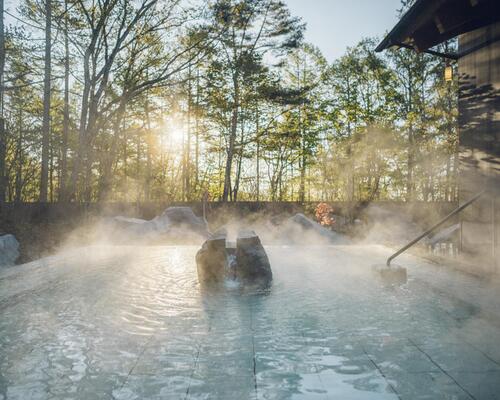
Hoshino Resorts opens Kai Kusatsu as it expands the Kai onsen ryokan brand
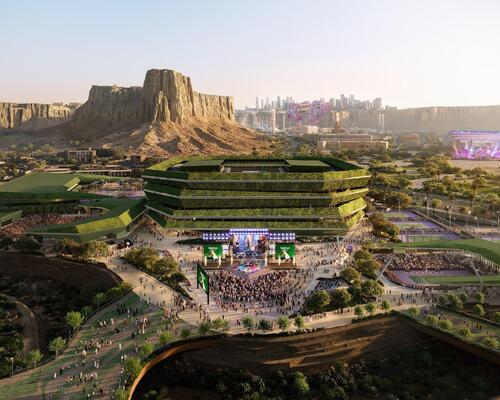
Qiddiya and Populous share details of Saudi Arabia’s National Tennis Centre
Disney confirms US$30 billion investment programme as it highlights its economic impact
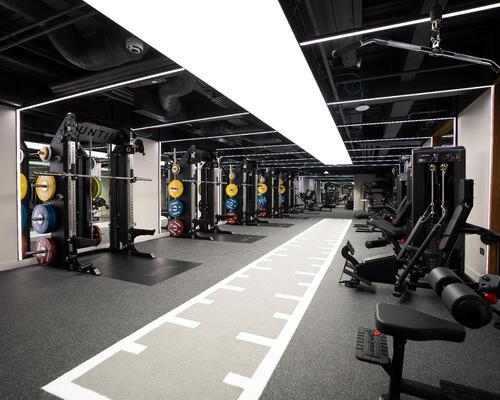
Until combines multiple disciplines at new Canary Wharf club
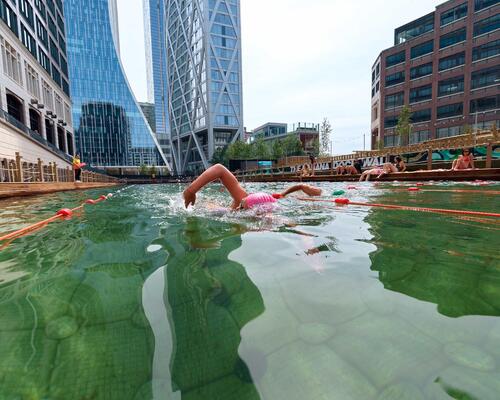
Sea Lanes opens following a partnership between The Eden Project and Canary Wharf Group
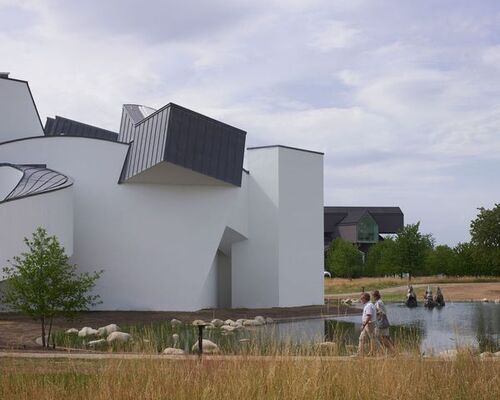
Bas Smets brings water and wilderness to Vitra
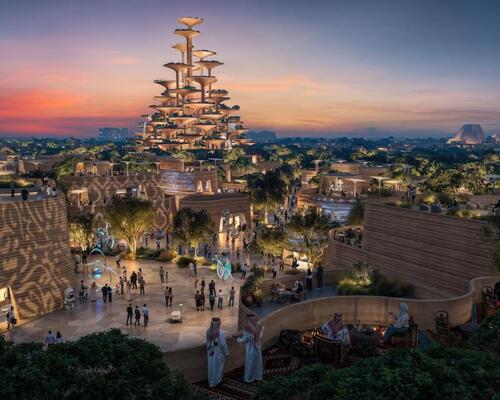
Expo 2030 Riyadh will create a permanent global destination
Luxury resort coming to Hunter Valley will have longevity spa
'Data chocolate', dreams made real and artworks shaped by visitors’ emotions: Refik Anadol’s AI art museum launches in Los Angeles
London Museum reveals 2026 opening date for new Smithfield home
BIG unveils Eve Music Hall as Croatia venue nears completion
Bob Rogers hands BRC to long-serving leadership team
Palazzo di Varignana launches family wellbeing and longevity retreat in Emilia Romagna
Anasa Wellness and Spa debuts at Patmos Aktis as it joins Marriott
Design-led Koru Health Club combines high-performance training with recovery

Wellness care hospital opens in Vilnius with innovative spa and hospitality concept

Universal and Puy du Fou projects point to rise of Oxford–Cambridge corridor
A proposed Puy du Fou development near Bicester and Universal Destinations and Experiences’ planned resort in Bedford are emerging as part of a wider transformation of the Oxford–Cambridge Growth Corridor into a major centre for UK leisure and tourism investment.
For years, the corridor has been associated primarily with science, technology, housing and university-led economic growth. However, the clustering of large-scale visitor attraction projects along the

All-inclusive eco-wellness development Auko to open near Vietnam’s Son Doong caves
















Designed to restore neglected land and renew the identity of Iraq’s capital city, Baghdad Sustainable Forests promises a new way of living surrounded by nature. Gensler’s Ian Mulcahay tells us why he thinks the project could become a model for the repair and enhancement of urban centres