Architects behind Guggenheim Helsinki ‘disappointed’ at council’s vote to block the project


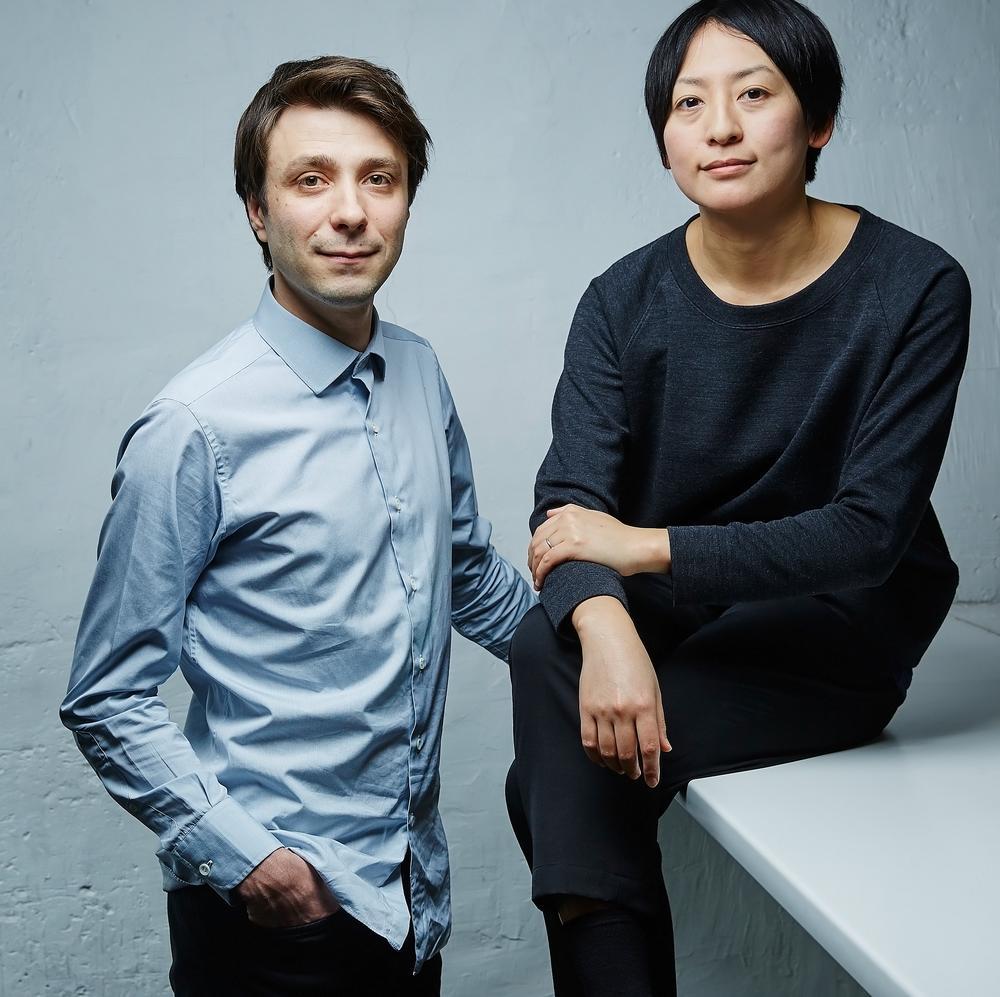
– Moreau Kusunoki
Moreau Kusunoki, the architecture studio behind the failed attempt to bring the Guggenheim art museum to Helsinki, have expressed their “disappointment” at the council’s decision to block the project.
However, the philosophical founders of the Paris-based practice, Nicolas Moreau and Hiroko Kusunoki, told CLAD that the process of designing the project as an “extraordinary adventure” despite the result of the council’s vote, which was recorded as 53 to 32 against.
“The reflections we had in conceiving the 21st-century museum in Helsinki were thought-provoking and revelatory, such as the participatory and social dimensions of the museum, the studies on in-between spaces and flexible use, and the use of charred-wood cladding,” they said.
“This journey was also an opportunity to meet exceptional professionals, whose commitment to promoting art and architecture we deeply admire.
“We are confident that this project represents a stepping stone and the possibility of an exciting future for our firm and for the field of architecture.”
Speaking to the Helsinki Times in the wake of the council’s vote, the director of the Solomon R Guggenheim Foundation, Richard Armstrong, said the latest rejection means no further alternative funding options will be put forward.
The scrapping of the project follows mounting pressure from national and city politicians and sections of the Finnish architecture community who questioned the choice of site in the city's historic South Harbour. Earlier this month Finnish architect Juhani Pallasmaa told the Architects’ Journal the museum was a “ruthless business presented as a cultural project” and said it did not deserve public funding.
However, supporters of the scheme pointed to an assessment made by the City that the museum would have increased Helsinki tourism and annual spending by visitors by at least €16m (US$17m, £13.4m), also boosting employment.
The decision to cancel the scheme now due to funding disagreements, despite a competition being held in which 1,715 submissions were received from 77 countries, has also caused consternation. Rationalising the outcome, competition organiser Malcolm Reading said: “2016 has turned out to be a year of extraordinary events and turmoil and perhaps the final vote should be seen from this perspective.”
Moreau Kusunoki said they hoped their experience would “encourage new thoughts towards competitions, including openness and transparency, for an upcoming generation of architects.”
“The record number of participants in the competition and the high degree of international media interest towards the process demonstrate how people, despite the vicissitudes of life and economic difficulties, continue to find art and culture essential to life,” they said.
Moreau Kusunoki Guggenheim Helsinki Finland architecture design art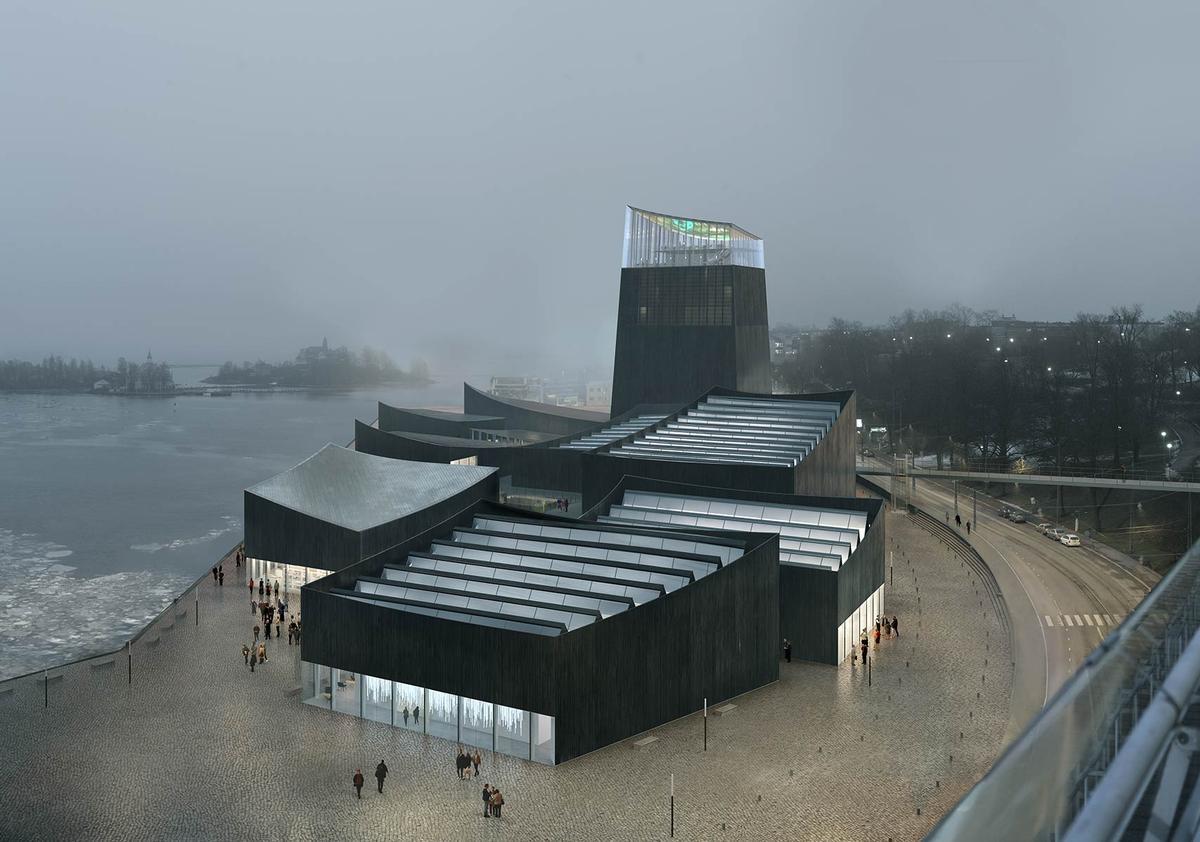
Guggenheim Helsinki plans derailed following funding collapse
City of Helsinki fights to save Guggenheim project with new funding proposal
Government clashes jeopardise development of Guggenheim Helsinki
CLAD World Exclusive: Moreau Kusunoki discuss winning controversial Guggenheim Helsinki contest
FEATURE: Culture – Moreau Kusunoki
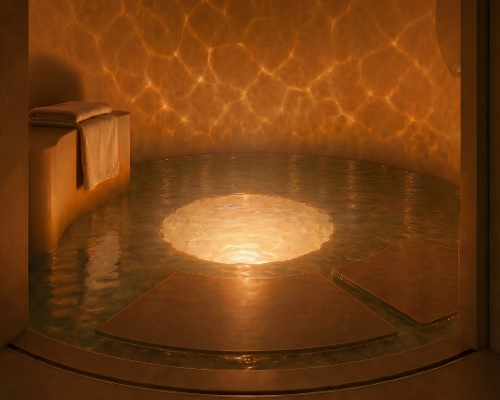
AI firm Midjourney enters wellness with spa, fitness and body scanning concept
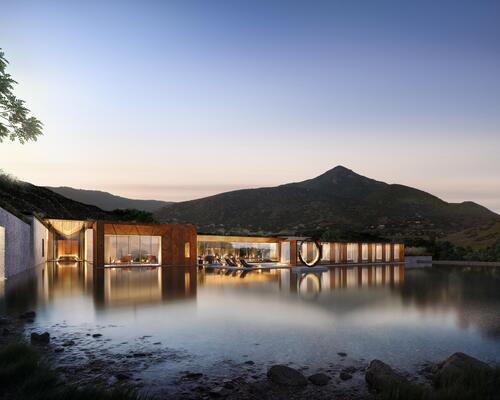
Hot spring wellness community Ameyalli sells residences and breaks ground on resort and spa

OMA completes New Museum transformation with landmark expansion and Oberon restaurant
OMA has completed a major transformation of New York's New Museum, creating a larger cultural campus that combines expanded exhibition spaces with learning, performance, hospitality and public programming. The latest addition, Oberon, extends the visitor experience beyond the gallery, reflecting a growing trend for museums to become all-day destinations.
The New Museum in New York has entered a new chapter with the completion of a major
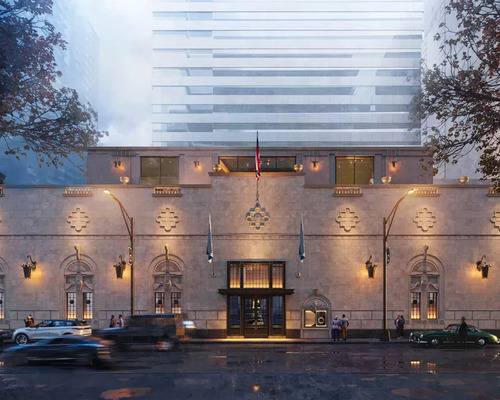
David Rockwell creates immersive magic destination, The Hand and The Eye
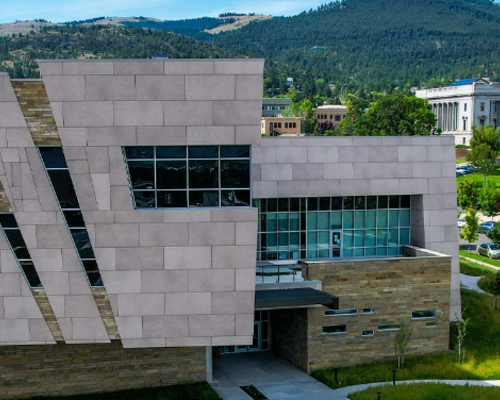
Montana Heritage Center by Cushing Terrell opens after US$107 million investment

Universal launches new theme park model with Kids Resort
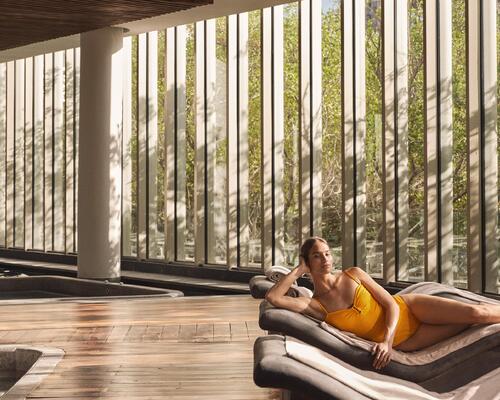
'Minor wellness hotels' recorded the strongest growth across top KPIs in 2025, finds RLA Global
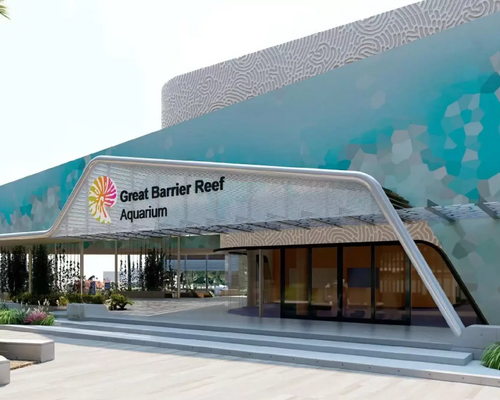
Great Barrier Reef attraction set for AU$180 million reinvention
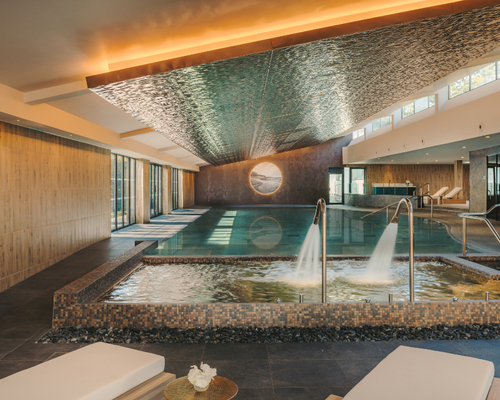
Fairmont Cheshire, The Mere, has architecture by Leach Rhodes Walker and interiors by Bergman Design House.
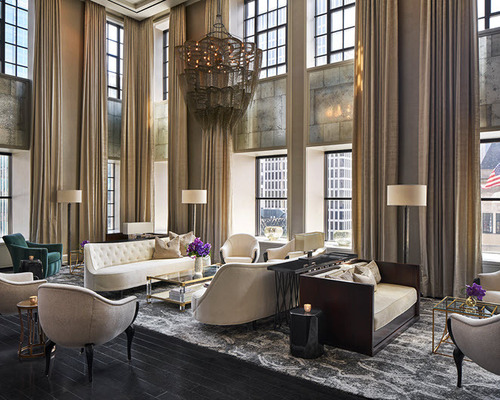
Marriott International partners with Fitwel for wellness solutions across its residential portfolio
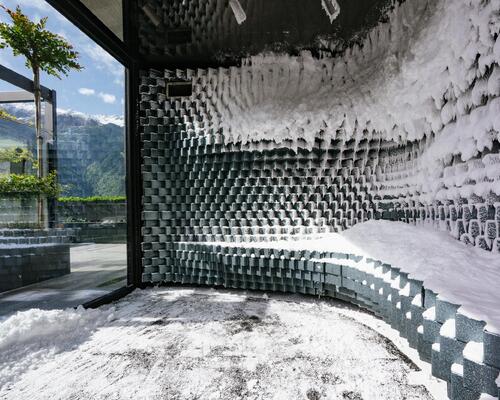
Preidlhof Luxury DolceVita Resort to unveil new spa in February 2027
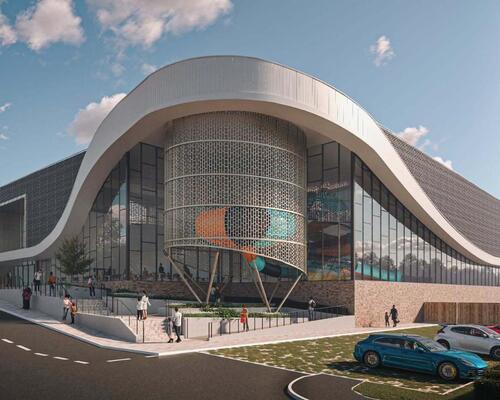
Places Leisure is working with Roberts Limbrick to build £60m wellness flagship in Basingstoke
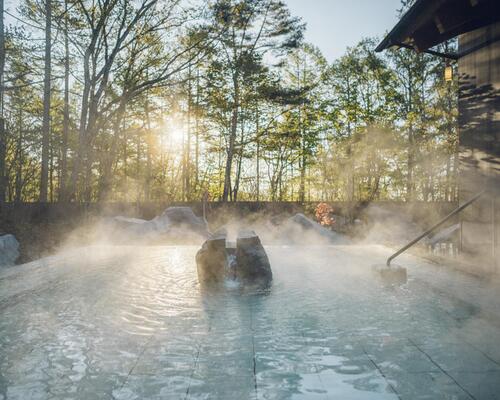
Hoshino Resorts opens Kai Kusatsu as it expands the Kai onsen ryokan brand
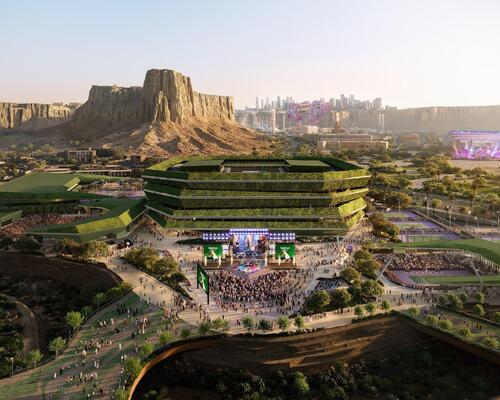
Qiddiya and Populous share details of Saudi Arabia’s National Tennis Centre
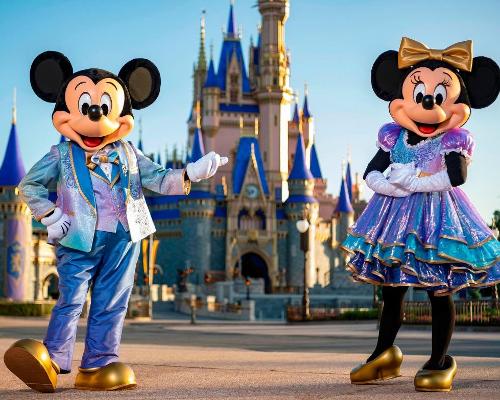
Disney confirms US$30 billion investment programme as it highlights its economic impact
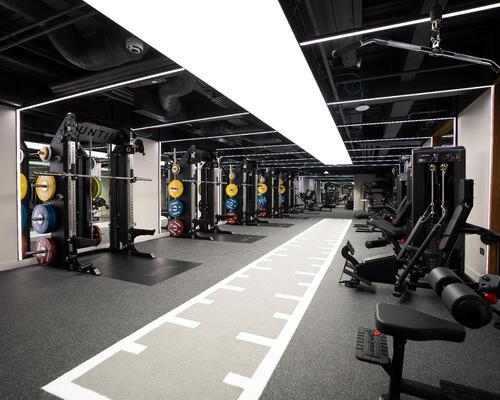
Until combines multiple disciplines at new Canary Wharf club
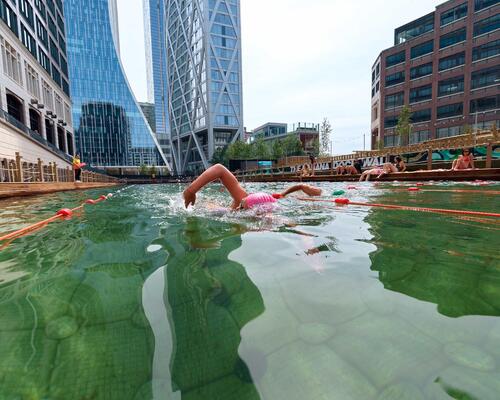
Sea Lanes opens following a partnership between The Eden Project and Canary Wharf Group
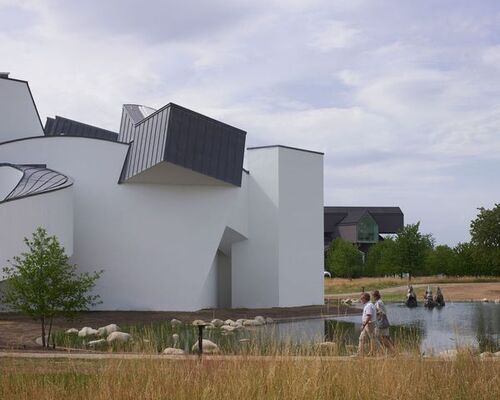
Bas Smets brings water and wilderness to Vitra
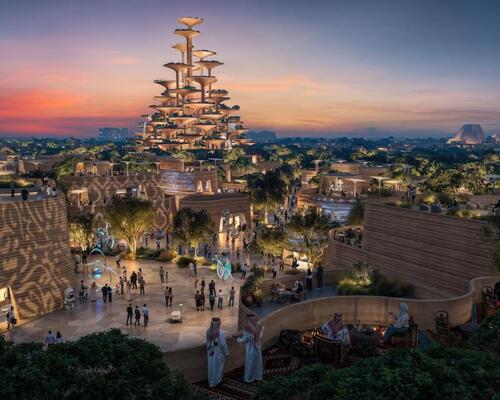
Expo 2030 Riyadh will create a permanent global destination
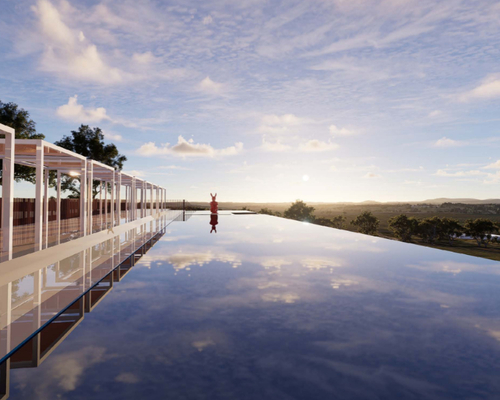
Luxury resort coming to Hunter Valley will have longevity spa
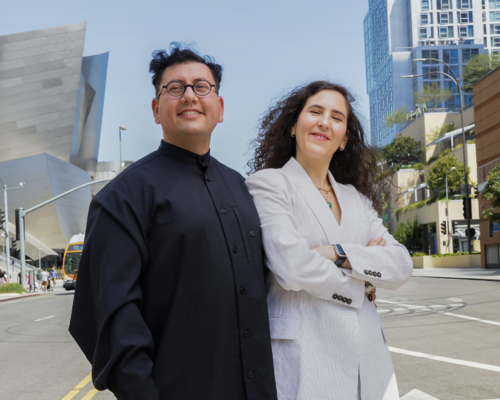
'Data chocolate', dreams made real and artworks shaped by visitors’ emotions: Refik Anadol’s AI art museum launches in Los Angeles
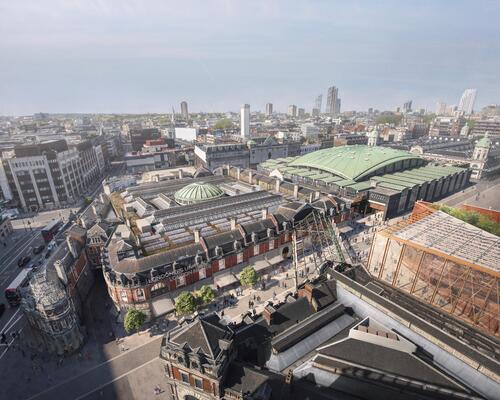
London Museum reveals 2026 opening date for new Smithfield home
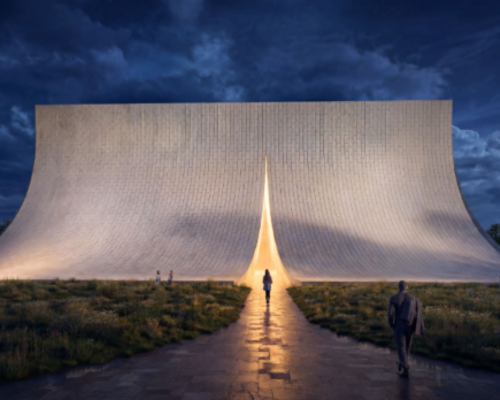
BIG unveils Eve Music Hall as Croatia venue nears completion
Bob Rogers hands BRC to long-serving leadership team
Palazzo di Varignana launches family wellbeing and longevity retreat in Emilia Romagna
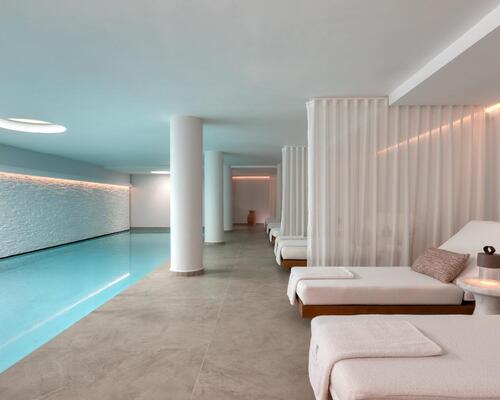
Anasa Wellness and Spa debuts at Patmos Aktis as it joins Marriott
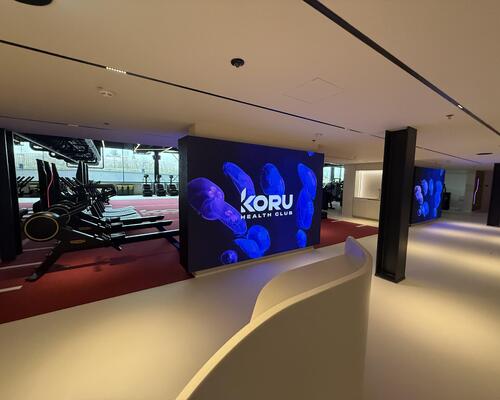
Design-led Koru Health Club combines high-performance training with recovery

Wellness care hospital opens in Vilnius with innovative spa and hospitality concept

Universal and Puy du Fou projects point to rise of Oxford–Cambridge corridor
A proposed Puy du Fou development near Bicester and Universal Destinations and Experiences’ planned resort in Bedford are emerging as part of a wider transformation of the Oxford–Cambridge Growth Corridor into a major centre for UK leisure and tourism investment.
For years, the corridor has been associated primarily with science, technology, housing and university-led economic growth. However, the clustering of large-scale visitor attraction projects along the

All-inclusive eco-wellness development Auko to open near Vietnam’s Son Doong caves