Is this the stadium of the future? Italian architects unveil modular timber concept


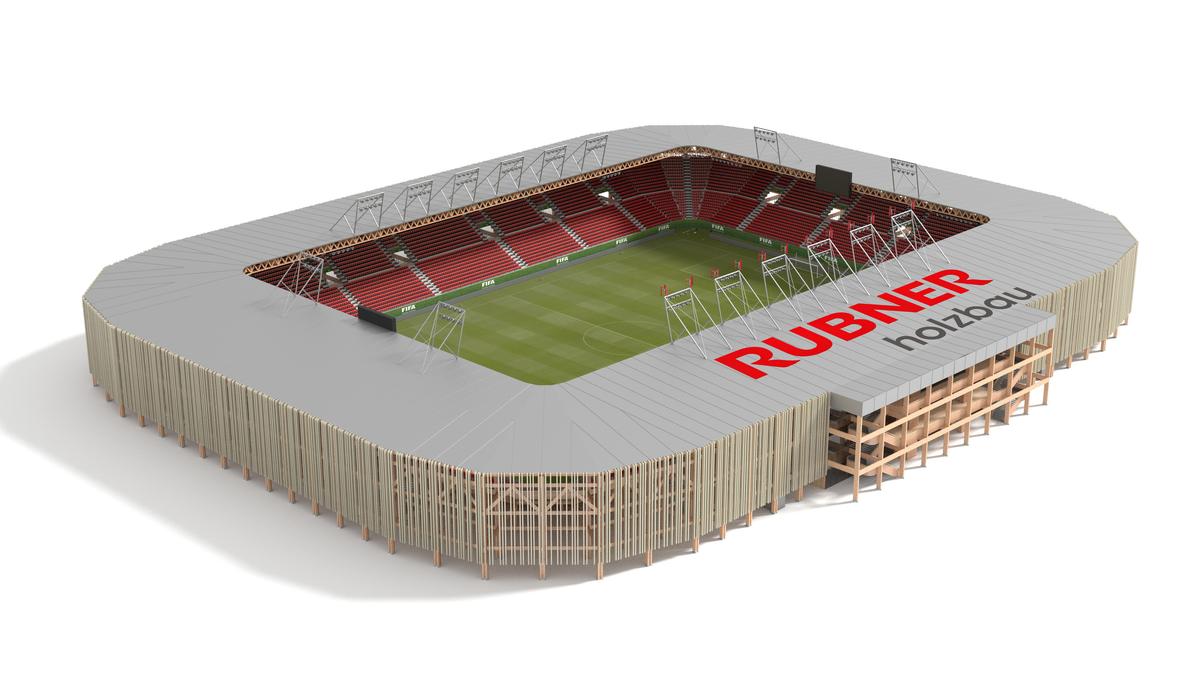
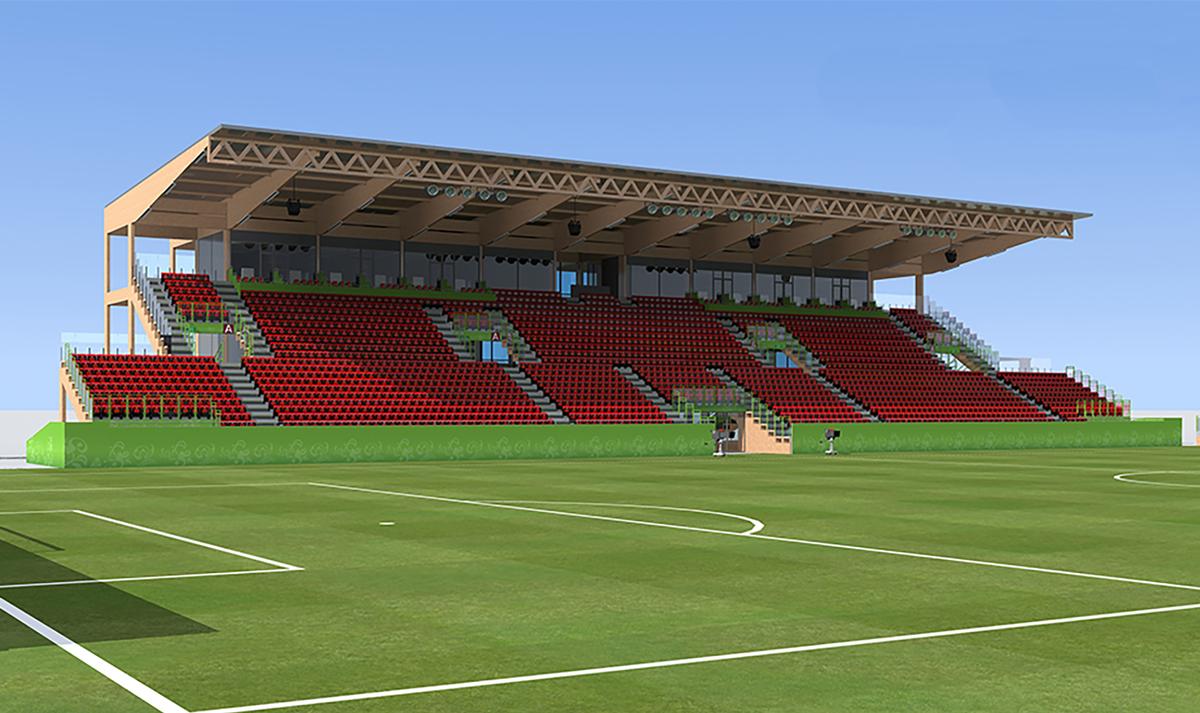
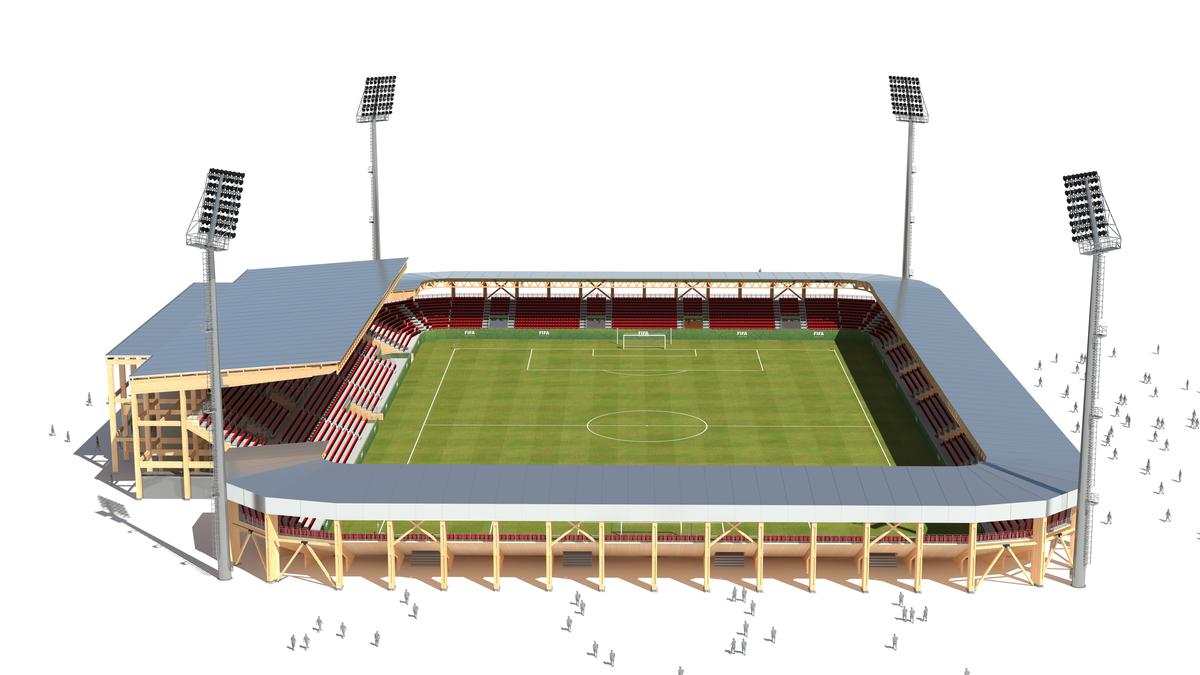
Architecture practice Bear Stadiums and Italian timber manufacturer Rubner Holzbau have joined forces to produce wooden sports venues that can be built quickly and cost-efficiently.
The two companies claim their modular, mid-capacity “stadiums of the future” can be assembled in just six to eight months and are totally green.
The project was conceived for Italy’s smaller sports clubs beginning to move up the ladder of the professional game.
The proposed stadiums start from a minimum 1,500 seats – the minimum demanded by Italy’s smaller leagues – but this can be raised incrementally to a maximum of 20,000 seats for clubs with ambitions of top-flight football. The result of this flexibility, according to the concept’s creators, is “reduced management and maintenance costs and a stadium that is always tailored to the needs of the club”.
In their design, Bear Stadium have included all the necessary facilities, including spacious locker rooms for athletes and referees, an anti-doping area, an infirmary, a media room, a conference hall and a club terrace on the first floor with a bar, restaurant and large window facing the playing field.
The cost for a stadium has been set at €1,500 (US$1,700, £1,300) per seat for a mid-sized structure, and €2,000 (US$2,300, £1,800) per seat for a smaller format. In comparison, the designers said a traditional stadium would cost €2,500-€3,000 per seat and take up to 18 months longer to build.
“We see a huge demand in the world for medium-capacity stadiums, typically ranging from 5,000 to 20,000 seats, which actually represents 80 per cent of the global market for this type of infrastructure,” said Jaime Manca Di Villahermosa, creator of the new format and co-founder of Bear Stadiums.
“The stadiums should replace existing structures made from reinforced concrete or metal that become dilapidated in just a few decades, resulting in high maintenance costs and low appeal to the public and fans.
“Given the significant development of HD television technology which drives us to watch games comfortably seated on the sofa at home, it’s necessary to build a new concept of a beautiful, comfortable, safe and easy-to-assemble stadium, whose structures express wellbeing, serenity and favour encounters among individuals and team supporters”.
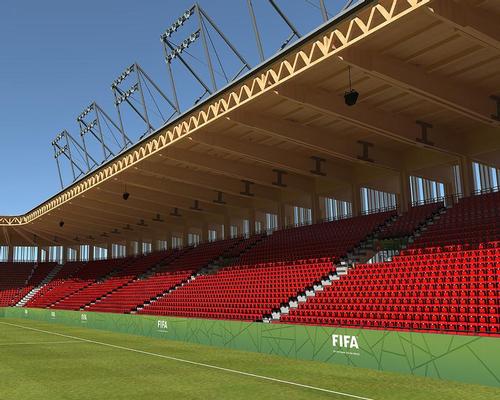
The modular stadiums will be constructed using glulam timber – a structurally engineered wood product comprising a number of layers bound together with ecological adhesives – in order to reduce the greenhouse gas emissions and high energy consumption that come from using reinforced concrete or metal.
“Wood is an extraordinary building material,” said Claudio Rustioni, CEO of Rubner Holzbau. “It’s capable of creating warmth and comfort and offering a secure and lightweight structure, while minimising the impact on the landscape. Our stadium is built with certified wood from sustainably managed forests.
“Glulam wood enhances the structural capabilities of wood and allows the development of innovative design solutions with efficient engineering qualities. The result is low energy consumption that contributes to reducing carbon dioxide emissions in the atmosphere.”
He added that the company and Bear Stadiums are collaborating with a pool of leading Italian companies to offer customers a ‘turnkey’ formula for even greener stadiums by supplying, where requested, mini wind turbines, solar panels, high efficiency and low energy consumption light towers, and recyclable, synthetic or hybrid lawns.
This is not the first time an architect has proposed building a stadium completely out of timber. Last year, English football club Forest Green Rovers selected Zaha Hadid Architects to design its new football stadium completely out of wood, with the aim of making it “the greenest football stadium in the world.”
Meanwhile, Japanese architect Kengo Kuma has designed the forthcoming Olympic Stadium in Tokyo using a large quantity of timber and landscaping.
Modular stadium sports architecture Bear Stadiums Rubner Holzbau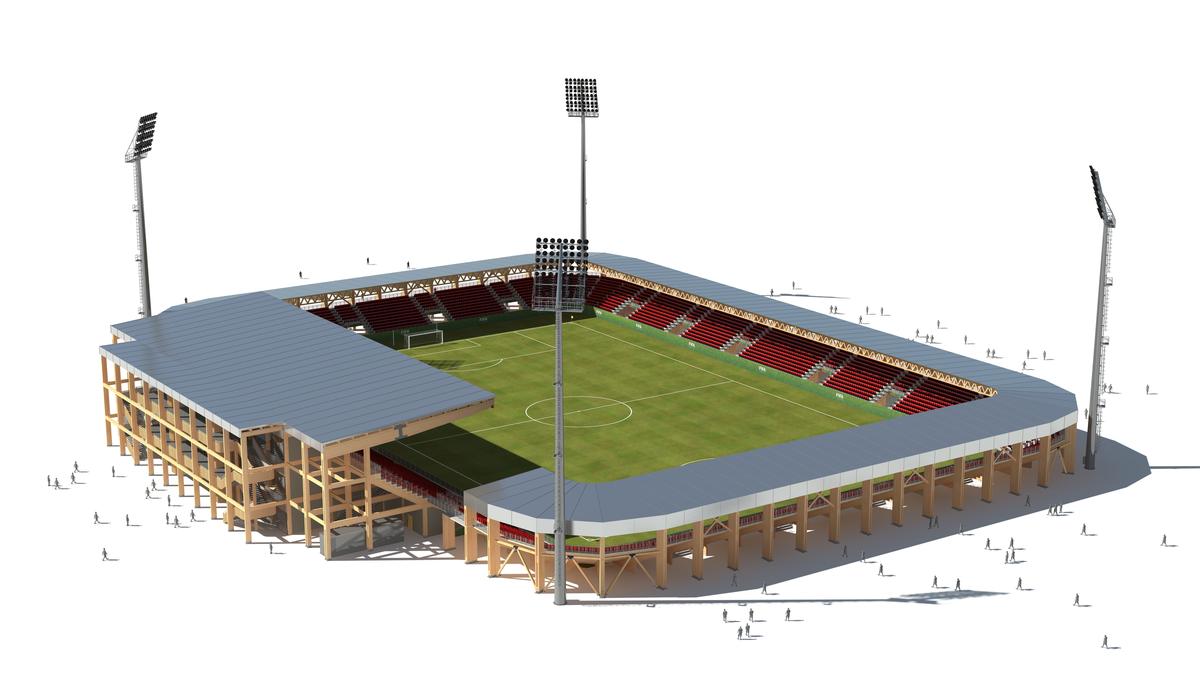

AART Architects win design competition for timber-clad new Denmark Rowing Stadium
Can timber construction overcome the obstacles of urban development?
Molecular 'glue' could hold the key to building towering timber skyscrapers, research finds
Construction begins on Kengo Kuma's National Stadium for 2020 Tokyo Olympics
Zaha Hadid Architects win competition to design 'greenest stadium in the world'
Architects invited to propose how timber buildings can save our cities for international competition
Will our skyscrapers soon be built from timber?
FEATURE: Ask the experts – Timber towers
AI firm Midjourney enters wellness with spa, fitness and body scanning concept
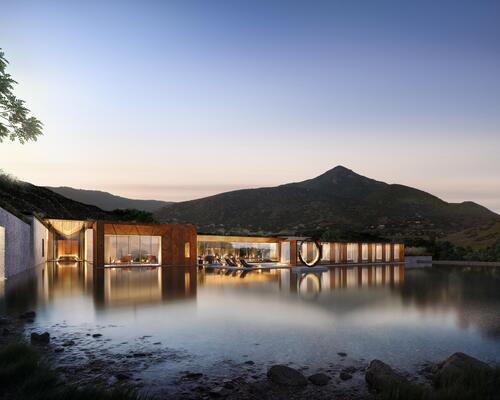
Hot spring wellness community Ameyalli sells residences and breaks ground on resort and spa

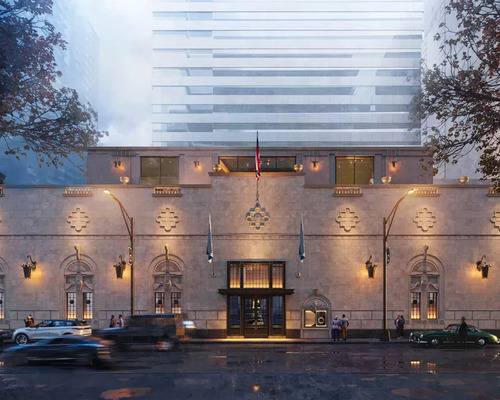
OMA completes New Museum transformation with landmark expansion and Oberon restaurant
OMA has completed a major transformation of New York's New Museum, creating a larger cultural campus that combines expanded exhibition spaces with learning, performance, hospitality and public programming. The latest addition, Oberon, extends the visitor experience beyond the gallery, reflecting a growing trend for museums to become all-day destinations.
The New Museum in New York has entered a new chapter with the completion of a major
David Rockwell creates immersive magic destination, The Hand and The Eye
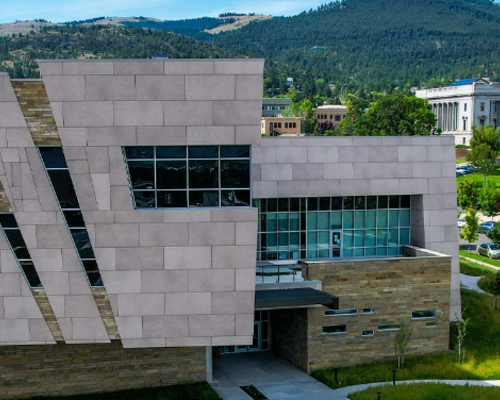
Montana Heritage Center by Cushing Terrell opens after US$107 million investment

Universal launches new theme park model with Kids Resort
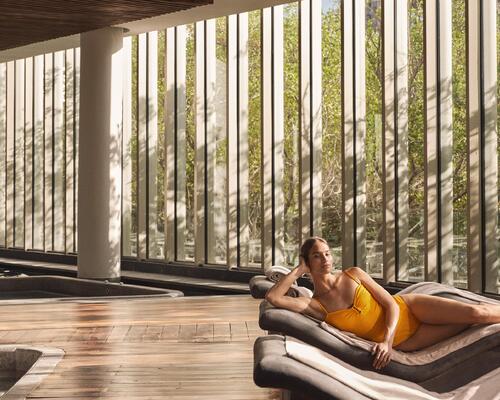
'Minor wellness hotels' recorded the strongest growth across top KPIs in 2025, finds RLA Global
Great Barrier Reef attraction set for AU$180 million reinvention
Fairmont Cheshire, The Mere, has architecture by Leach Rhodes Walker and interiors by Bergman Design House.
Marriott International partners with Fitwel for wellness solutions across its residential portfolio
Preidlhof Luxury DolceVita Resort to unveil new spa in February 2027
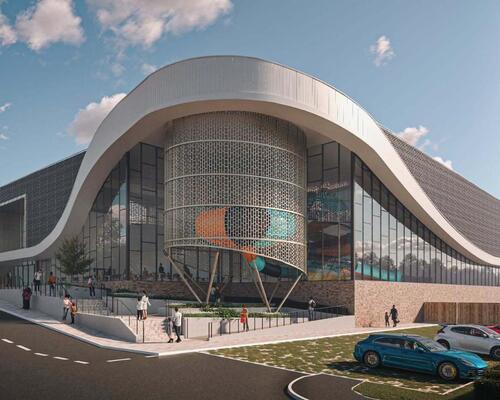
Places Leisure is working with Roberts Limbrick to build £60m wellness flagship in Basingstoke
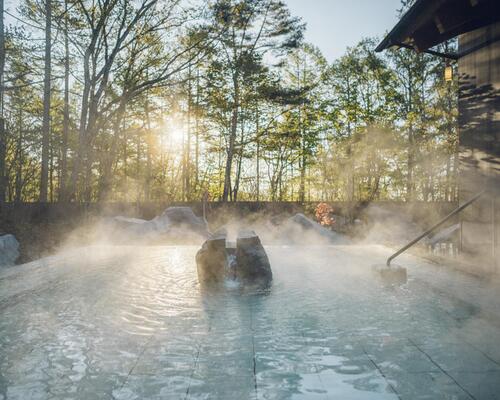
Hoshino Resorts opens Kai Kusatsu as it expands the Kai onsen ryokan brand
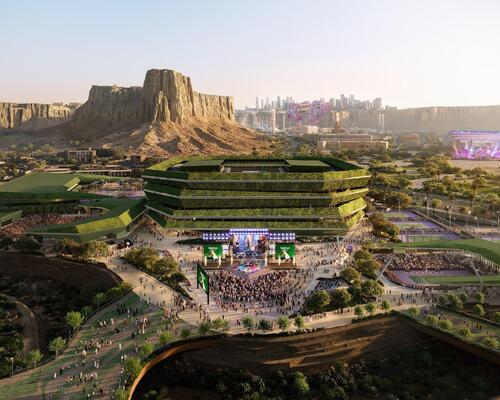
Qiddiya and Populous share details of Saudi Arabia’s National Tennis Centre
Disney confirms US$30 billion investment programme as it highlights its economic impact
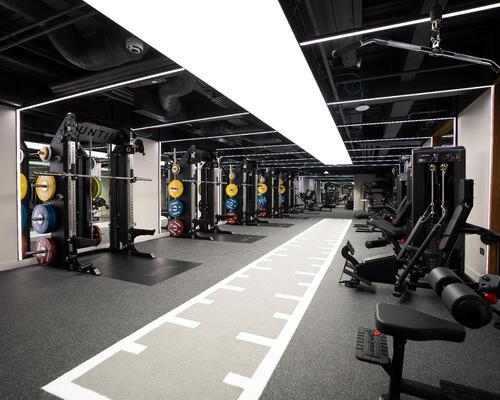
Until combines multiple disciplines at new Canary Wharf club
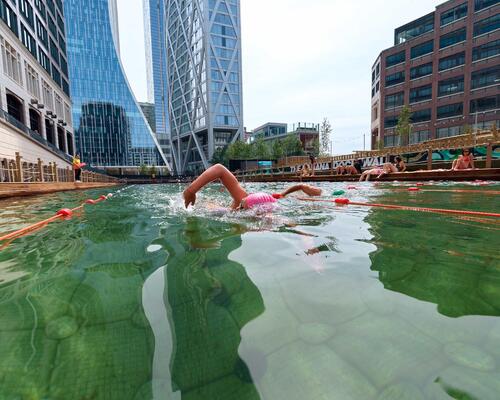
Sea Lanes opens following a partnership between The Eden Project and Canary Wharf Group
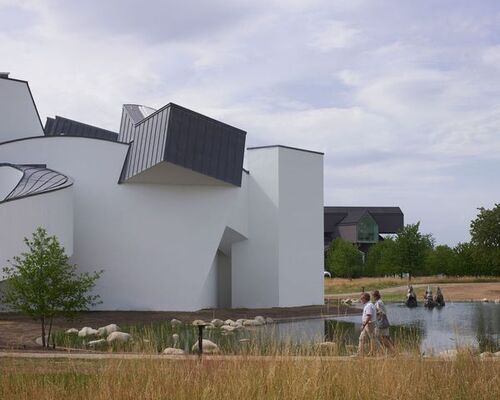
Bas Smets brings water and wilderness to Vitra
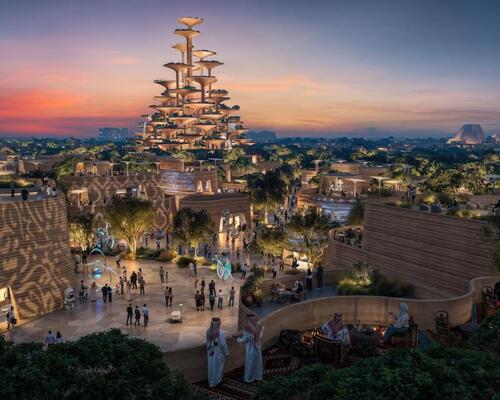
Expo 2030 Riyadh will create a permanent global destination
Luxury resort coming to Hunter Valley will have longevity spa
'Data chocolate', dreams made real and artworks shaped by visitors’ emotions: Refik Anadol’s AI art museum launches in Los Angeles
London Museum reveals 2026 opening date for new Smithfield home
BIG unveils Eve Music Hall as Croatia venue nears completion
Bob Rogers hands BRC to long-serving leadership team

Palazzo di Varignana launches family wellbeing and longevity retreat in Emilia Romagna
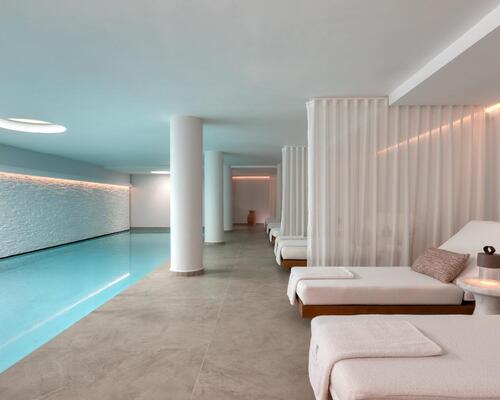
Anasa Wellness and Spa debuts at Patmos Aktis as it joins Marriott
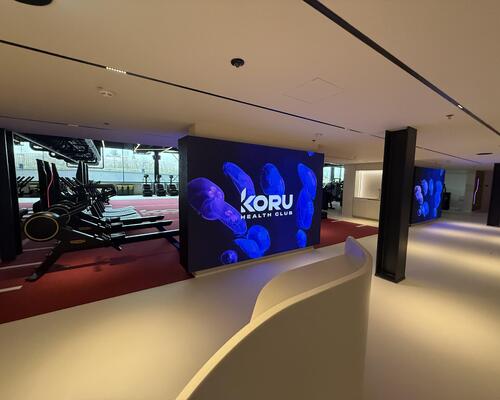
Design-led Koru Health Club combines high-performance training with recovery

Wellness care hospital opens in Vilnius with innovative spa and hospitality concept

Universal and Puy du Fou projects point to rise of Oxford–Cambridge corridor
A proposed Puy du Fou development near Bicester and Universal Destinations and Experiences’ planned resort in Bedford are emerging as part of a wider transformation of the Oxford–Cambridge Growth Corridor into a major centre for UK leisure and tourism investment.
For years, the corridor has been associated primarily with science, technology, housing and university-led economic growth. However, the clustering of large-scale visitor attraction projects along the

All-inclusive eco-wellness development Auko to open near Vietnam’s Son Doong caves








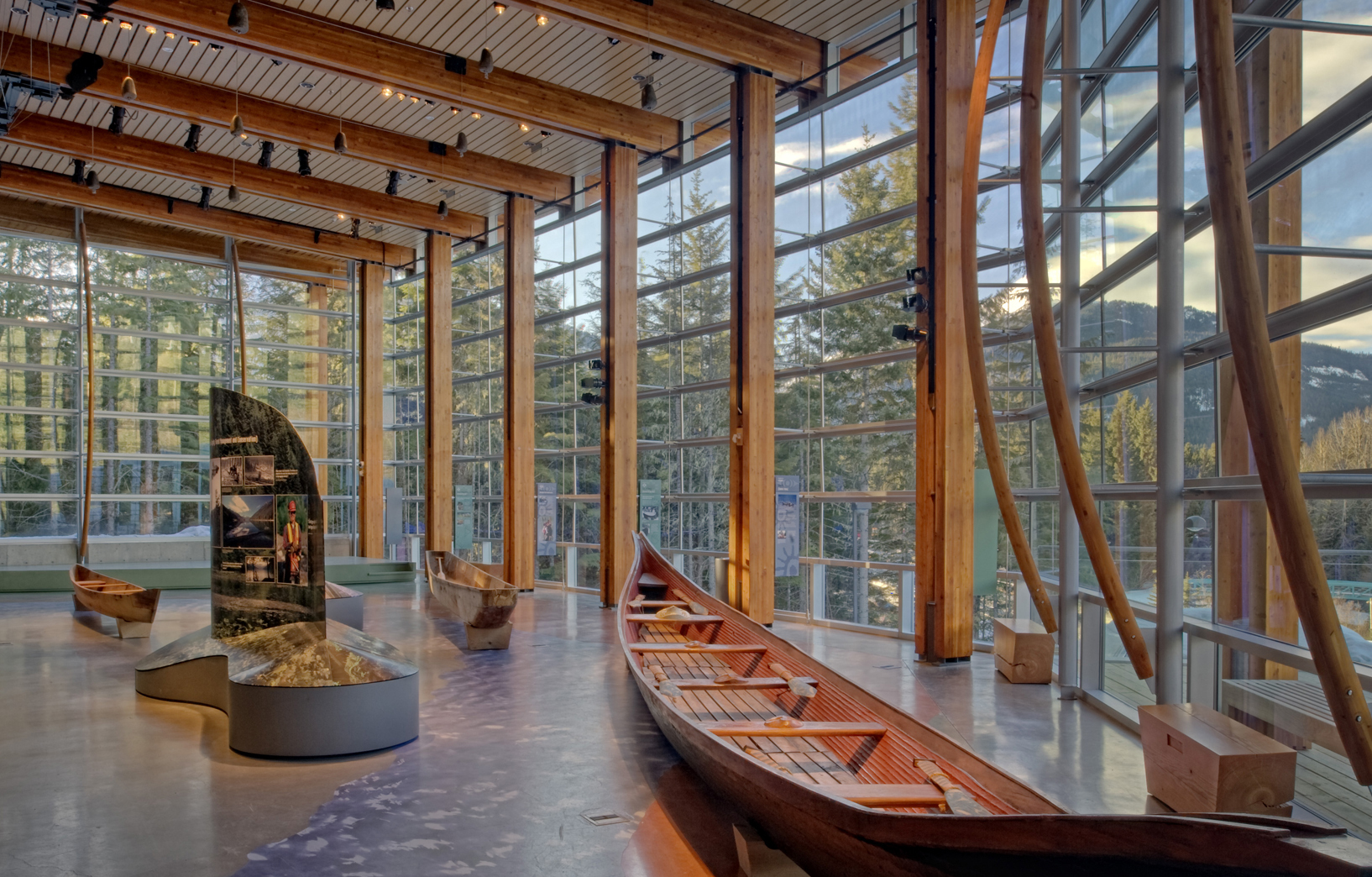










Designed to restore neglected land and renew the identity of Iraq’s capital city, Baghdad Sustainable Forests promises a new way of living surrounded by nature. Gensler’s Ian Mulcahay tells us why he thinks the project could become a model for the repair and enhancement of urban centres