Zaha Hadid Architects win competition to design 'greenest stadium in the world'


– Jim Heverin, ZHA director
Following a seven-month international competition, English football club Forest Green Rovers has selected Zaha Hadid Architects to design its new football stadium.
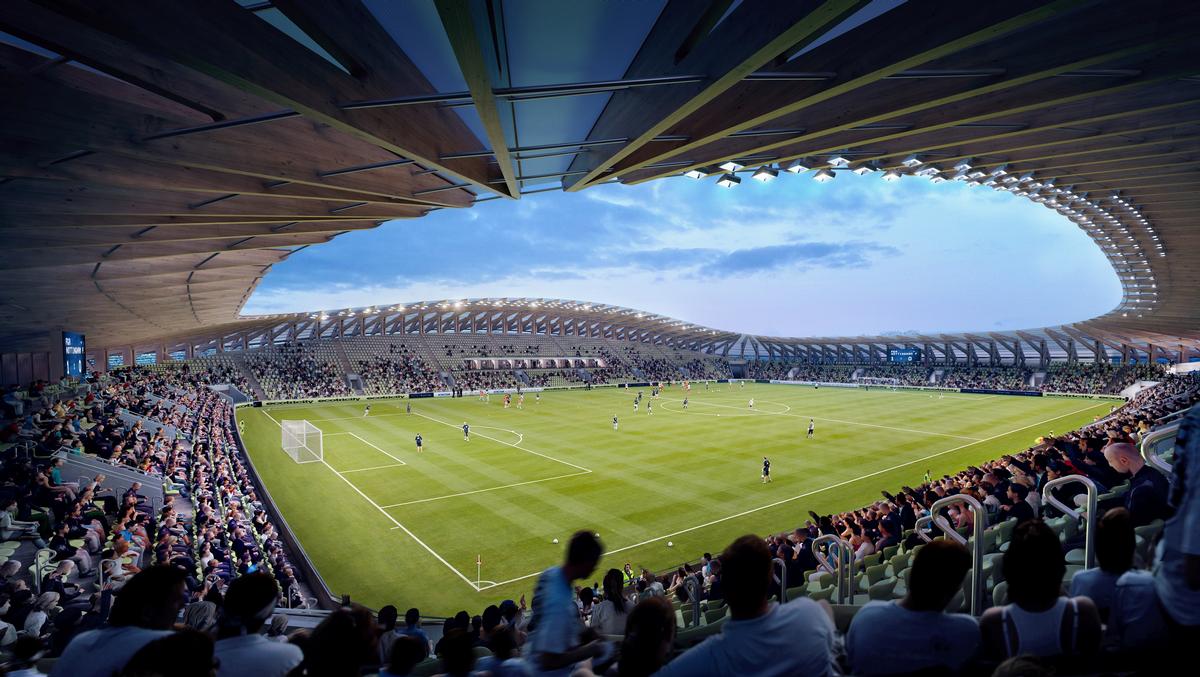
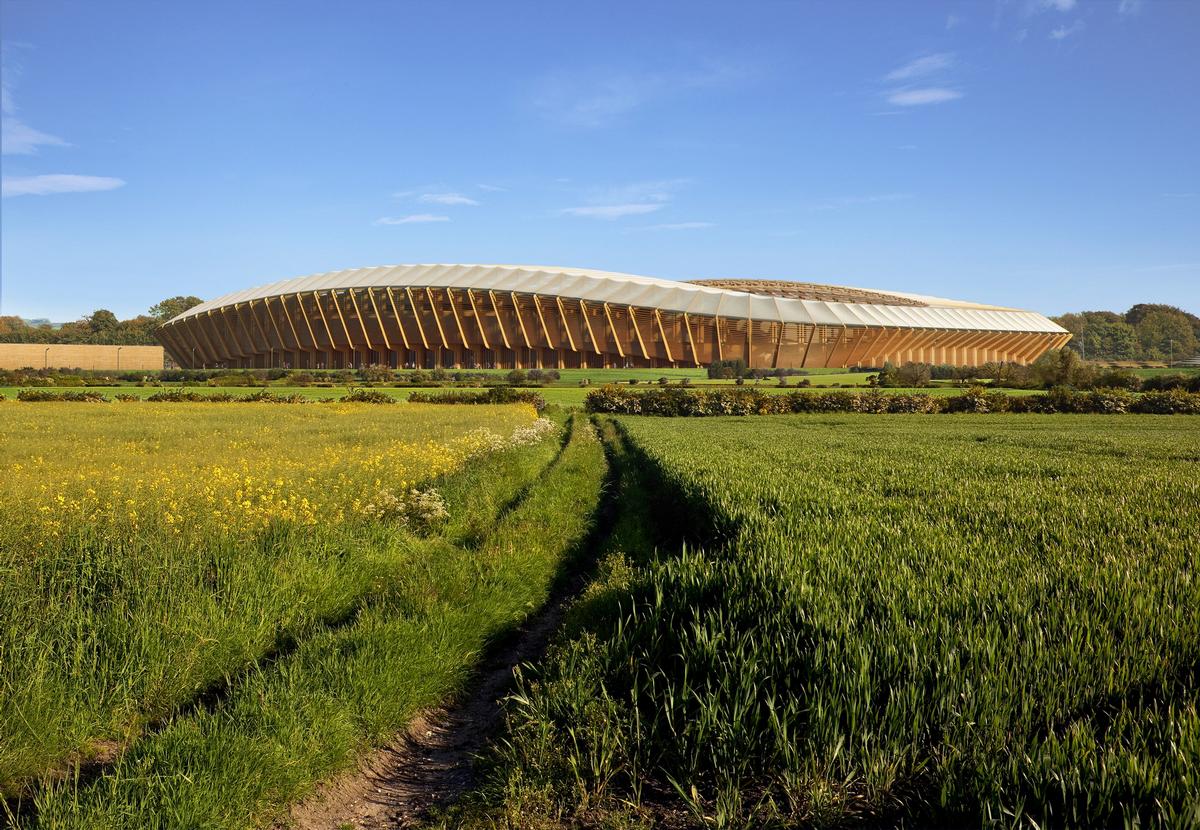
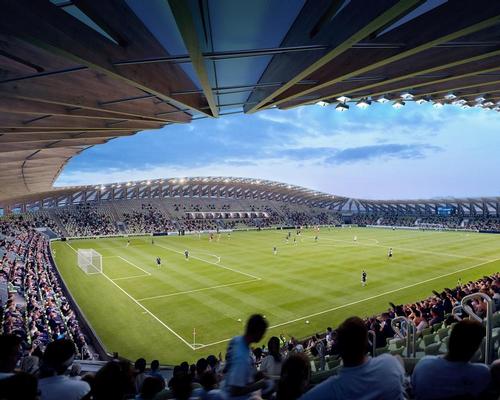
The studio will build the ground completely out of wood, with the aim of making it “the greenest football stadium in the world.”
The stadium will be the centrepiece of the £100m (US$124.5m, €112.3m) Eco Park development in Gloucestershire – a 100 acre sports and green technology business park owned by clean energy group Ecotricity. It will sit alongside grass and all-weather training pitches, publicly accessible multi-disciplinary facilities and a sports science hub.
“Zaha Hadid have built some fantastic sport stadia around the world, including one at the Olympic Park in London and one of the five stadiums for the next World Cup in Qatar,” said Dale Vince, Ecotricity founder and Forest Green Rovers chair. “Now they’ve designed one for Forest Green.”
Vince said the use of wood to build the “iconic and original new stadium” stadium “is the first time that will have been done anywhere in the world.” He added that the material was chosen for being both a naturally occurring material and having very low carbon content. “If you bear in mind that around three quarters of the lifetime carbon impact of any stadium comes from its building materials, you can see why this is so important – and it’s why our new stadium will have the lowest carbon content of any stadium in the world,” he said.
Forest Green announced the competition in March this year, and received over 50 entries from around the world, including Sweden, Germany, France, Britain and the United States. In May, the club shortlisted nine entries, before selecting two finalists – ZHA and Glenn Howells Architects – in August, who were given another two months to take their concepts further.
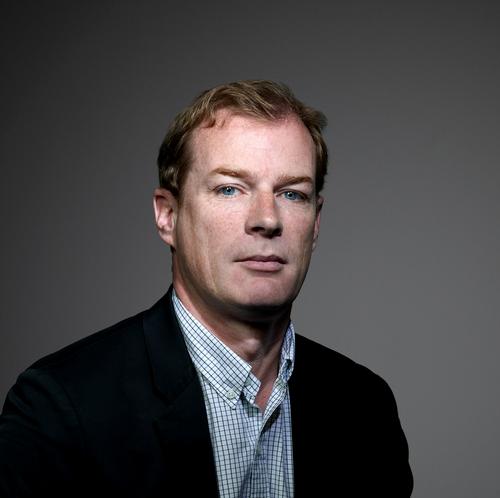
Jim Heverin, director at Zaha Hadid Architects, said the stadium will prove that “sustainable architecture can be dynamic and beautiful.”
“The club’s heritage, ambition and vision reflect our own, combining the latest material research and construction techniques with new design approaches to build a more ecologically sustainable and inclusive architecture,” he said.
“With the team’s community and supporters at its core, fans will be as close as five meters from the pitch and every seat has been calculated to provide unrestricted sight lines to the entire field of play. The stadium’s continuous spectator bowl surrounding the pitch will maximise match day atmosphere.”
“Forest Green Rovers have established a holistic vision for the site to retain its pastoral qualities whilst adding new facilities for the town. While the stadium will be the centrepiece, the project creates a new public realm with both recreational and occupational uses, enabling the entire site to contribute to the town - not only on match days, but every day of the year.
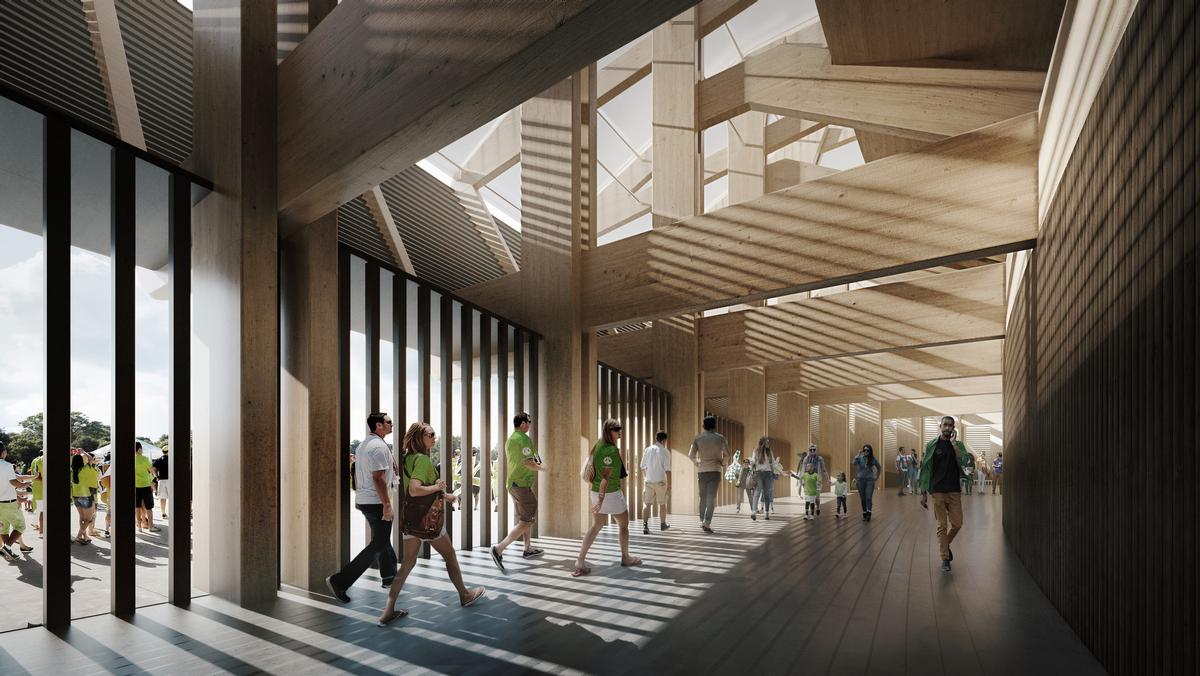
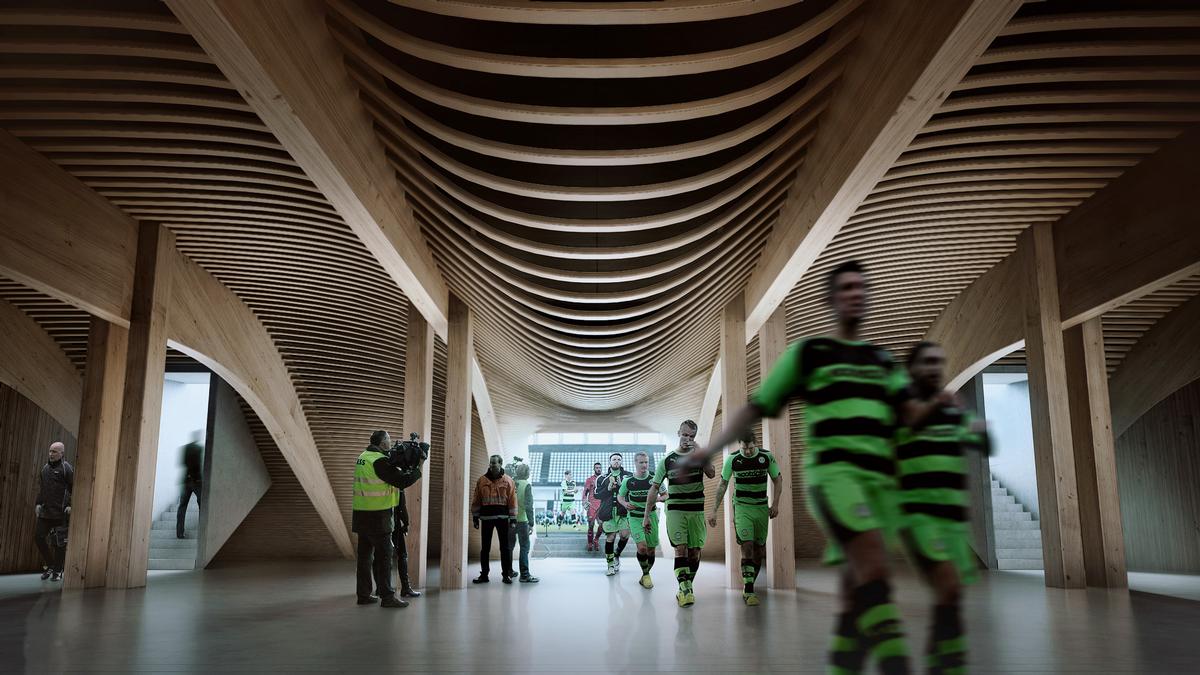
“The design retains and enhances the existing meadow landscape of the site whilst adding the stadium and other functions for the town. Embodying low carbon construction methods and operational processes, it will be the first all timber football stadium with almost every element made of sustainably sourced timber including its structure, roof cantilevers and louvered cladding.
"As a building material, timber is highly durable, recyclable and beautiful. The proximity of the stadium’s structural elements to each other has also been determined to enable the seating terraces and floor slab to be made from timber. In most other stadiums, these elements are concrete or steel.
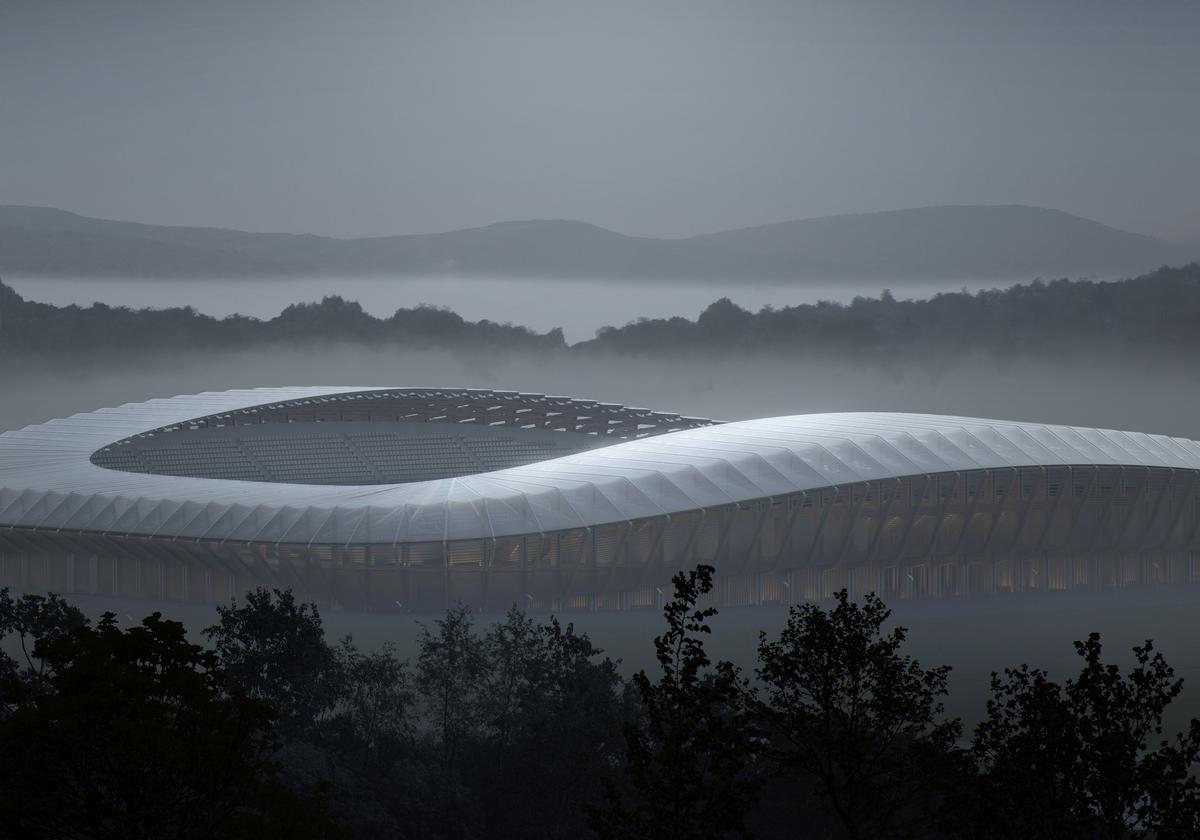
“The stadium’s roof is covered with a transparent membrane, which contributes to turf growth, minimises stark shadows for players and fans and reduces the volumetric impact of the stadium from distant views in the surrounding landscape.
“With the team’s community and supporters at its core, fans will be as close as five meters from the pitch and the position of every seat has been calculated to provide excellent, unrestricted views of the entire field of play. The stadium’s continuous spectator bowl surrounding the pitch will maximise matchday atmosphere.
“The stadium’s design incorporates the club’s future growth. Initially for 5,000 spectators, increasing to 10,000 with the club’s success, expansion from phase 1 to phase 2 can be achieved without the costs of major construction works.
“Forest Green Rovers’ new stadium and Eco Park aims to be carbon neutral or carbon negative, including measures such as the provision of on-site renewable energy generation."
Dale Vince lifts the lid on 'first of its kind' Forest Green Rovers eco-stadium project
Glenn Howells and Zaha Hadid Architects reach final in stadium design competition for Forest Green Rovers
Nine architects shortlisted in race to design eco-stadium for Forest Green Rovers FC
English football club Forest Green Rovers launches stadium design competition for £100m Eco Park
Forest Green Rovers reveal £100m Eco Park plans
FEATURE: News Feature – Forest Green Rovers and the ‘world’s first’ eco-stadium
AI firm Midjourney enters wellness with spa, fitness and body scanning concept
Hot spring wellness community Ameyalli sells residences and breaks ground on resort and spa

OMA completes New Museum transformation with landmark expansion and Oberon restaurant
OMA has completed a major transformation of New York's New Museum, creating a larger cultural campus that combines expanded exhibition spaces with learning, performance, hospitality and public programming. The latest addition, Oberon, extends the visitor experience beyond the gallery, reflecting a growing trend for museums to become all-day destinations.
The New Museum in New York has entered a new chapter with the completion of a major
David Rockwell creates immersive magic destination, The Hand and The Eye
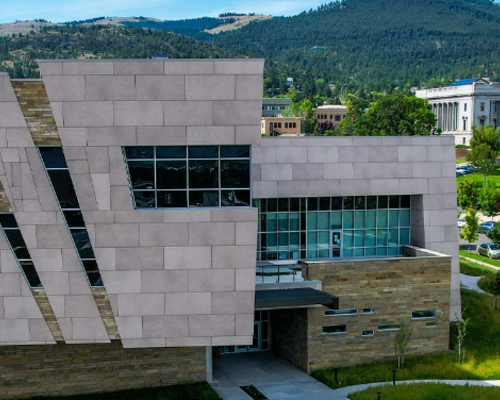
Montana Heritage Center by Cushing Terrell opens after US$107 million investment
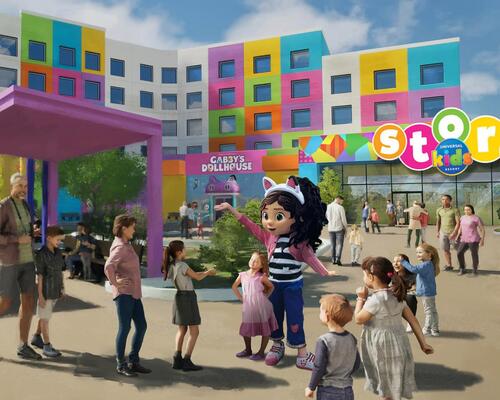
Universal launches new theme park model with Kids Resort
'Minor wellness hotels' recorded the strongest growth across top KPIs in 2025, finds RLA Global
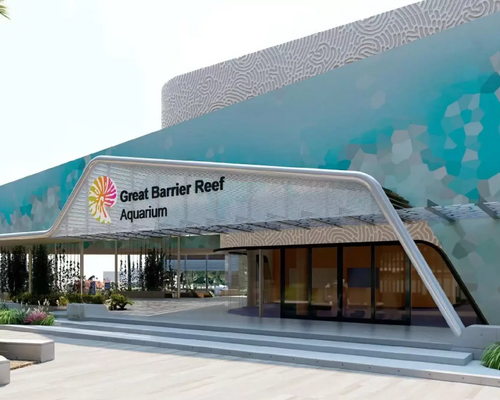
Great Barrier Reef attraction set for AU$180 million reinvention
Fairmont Cheshire, The Mere, has architecture by Leach Rhodes Walker and interiors by Bergman Design House.
Marriott International partners with Fitwel for wellness solutions across its residential portfolio
Preidlhof Luxury DolceVita Resort to unveil new spa in February 2027
Places Leisure is working with Roberts Limbrick to build £60m wellness flagship in Basingstoke
Hoshino Resorts opens Kai Kusatsu as it expands the Kai onsen ryokan brand
Qiddiya and Populous share details of Saudi Arabia’s National Tennis Centre
Disney confirms US$30 billion investment programme as it highlights its economic impact
Until combines multiple disciplines at new Canary Wharf club
Sea Lanes opens following a partnership between The Eden Project and Canary Wharf Group
Bas Smets brings water and wilderness to Vitra
Expo 2030 Riyadh will create a permanent global destination
Luxury resort coming to Hunter Valley will have longevity spa
'Data chocolate', dreams made real and artworks shaped by visitors’ emotions: Refik Anadol’s AI art museum launches in Los Angeles
London Museum reveals 2026 opening date for new Smithfield home
BIG unveils Eve Music Hall as Croatia venue nears completion
Bob Rogers hands BRC to long-serving leadership team
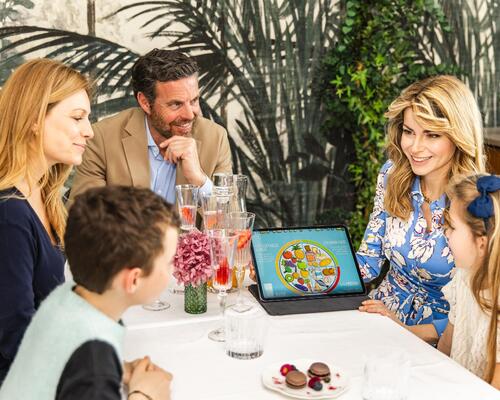
Palazzo di Varignana launches family wellbeing and longevity retreat in Emilia Romagna
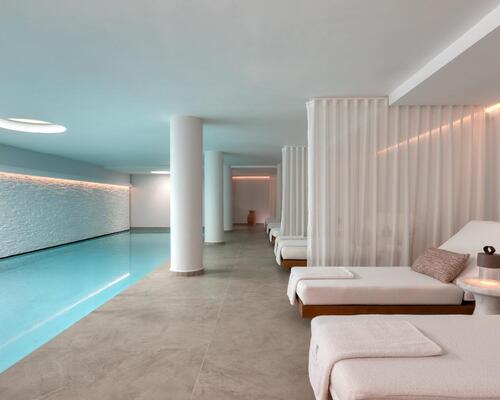
Anasa Wellness and Spa debuts at Patmos Aktis as it joins Marriott
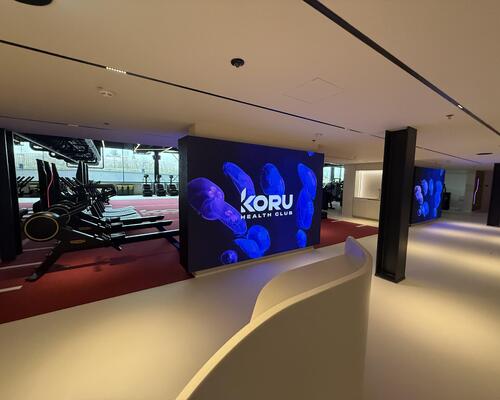
Design-led Koru Health Club combines high-performance training with recovery

Wellness care hospital opens in Vilnius with innovative spa and hospitality concept

Universal and Puy du Fou projects point to rise of Oxford–Cambridge corridor
A proposed Puy du Fou development near Bicester and Universal Destinations and Experiences’ planned resort in Bedford are emerging as part of a wider transformation of the Oxford–Cambridge Growth Corridor into a major centre for UK leisure and tourism investment.
For years, the corridor has been associated primarily with science, technology, housing and university-led economic growth. However, the clustering of large-scale visitor attraction projects along the
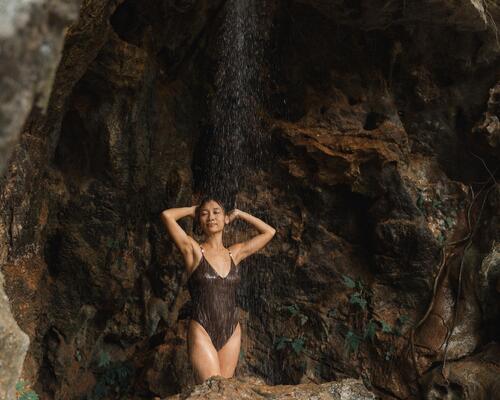
All-inclusive eco-wellness development Auko to open near Vietnam’s Son Doong caves





Designed to restore neglected land and renew the identity of Iraq’s capital city, Baghdad Sustainable Forests promises a new way of living surrounded by nature. Gensler’s Ian Mulcahay tells us why he thinks the project could become a model for the repair and enhancement of urban centres