Molecular 'glue' could hold the key to building towering timber skyscrapers, research finds


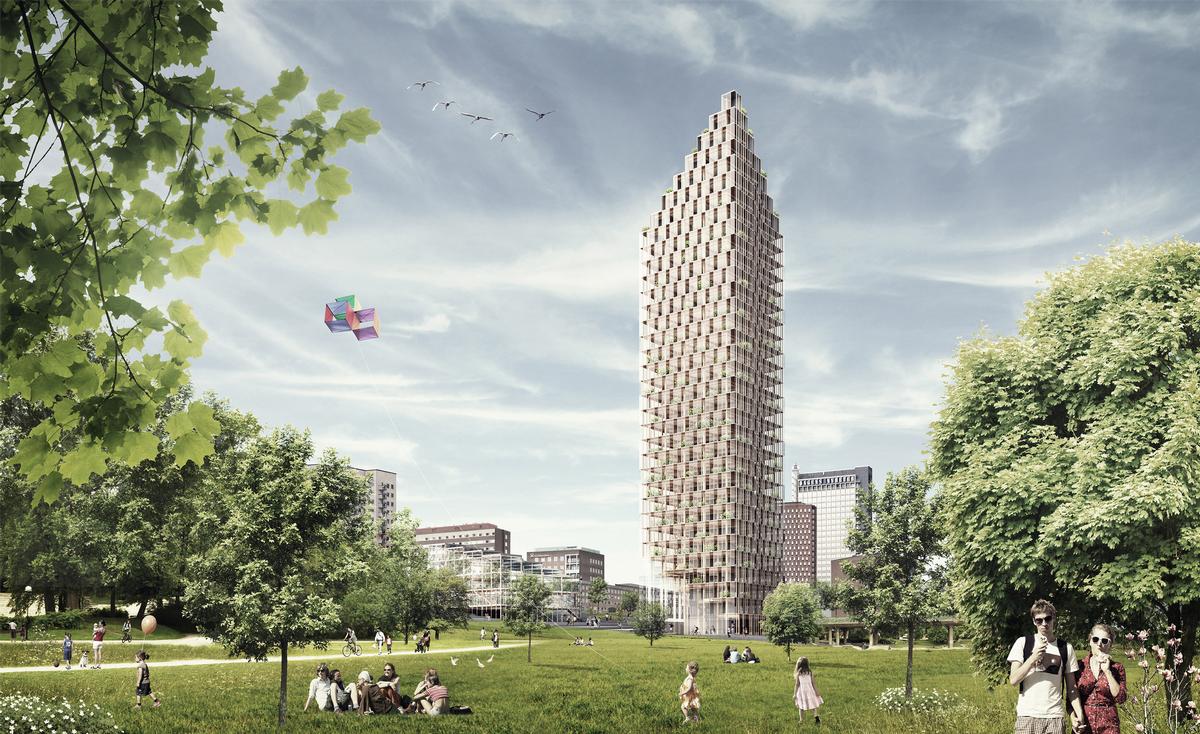
Molecules 10,000 times narrower than the width of a human hair could hold the key to building towering wooden skyscrapers in the future, new research has found.
A father and son team at the Universities of Warwick and Cambridge in England have unlocked the mystery of how key sugars in cells bind to form strong, indigestible materials – a finding they believe could lead to the creation of super-strong skyscraper-supporting ’glue.’
The research, published in the journal Nature Communications, explains how thick, rod-like cellulose and long, winding xylan – the Earth’s two most common large molecules – stick together to form strong plant walls despite being fundamentally different.
“We knew the answer must be elegant and simple,” said Professor Paul Dupree from the department of biochemistry at the University of Cambridge, who led the research. “And in fact, it was. What we found was that cellulose induces xylan to untwist itself and straighten out, allowing it to attach itself to the cellulose molecule. It then acts as a kind of ‘glue’ that can protect cellulose or bind the molecules together, making very strong structures.”
This finding arrived following careful study of Arabidopsis, a newly-discovered plant related to cabbage and mustard, which revealed how the sugars and molecules that connect to xylan are altered when cellulose is also present, allowing binding to occur. Professor Ray Dupree – Paul Dupree’s father – studied other plants at a nanoscale using special imaging technology, which led to the discovery that the phenomenon appears to occur in all plants – and so must have evolved in ancient times.
Understanding how cellulose and xylan fit together could have a dramatic effect on industries as diverse as biofuels, paper production and agriculture. Paul Dupree said it is particularly relevant for the architecture and engineering industries, as it may enable the creation of much stronger materials.
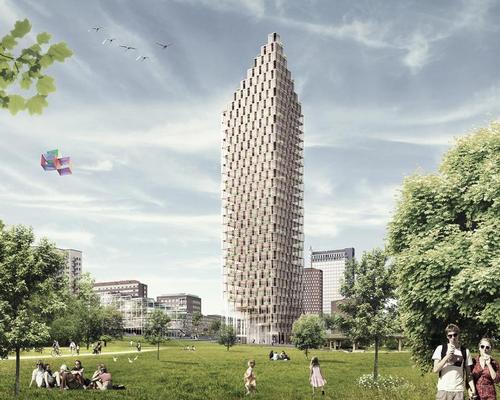
Dupree is involved in the Centre for Natural Material Innovation at the University of Cambridge, which is looking at whether buildings as tall as skyscrapers could be built using modified wood. The team recently collaborated with British practice PLP Architecture and engineers Smith and Wallwork to propose an 80-storey, 300m (984ft) high wooden tower integrated within the Barbican arts centre in London.
Timber construction and its advantages and potential pitfalls is discussed in detail in the latest issue of CLADmag, with architects, fire-specialising engineers and academics offering their insight on the topic.
Molecular glue timber rowers wooden skyscrapers architecture design engineering University of Cambridge University of WarwickWill the windows of the future be made from transparent wood?
Architects invited to propose how timber buildings can save our cities for international competition
Will our skyscrapers soon be built from timber?
FEATURE: Ask the experts – Timber towers

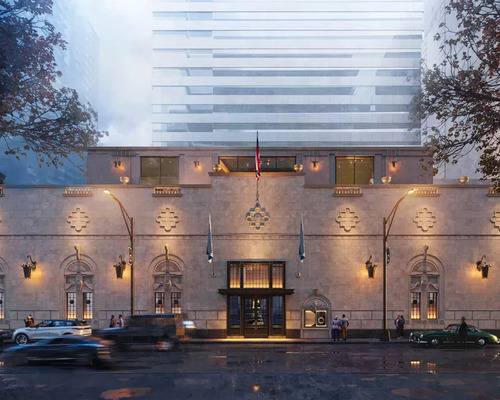
OMA completes New Museum transformation with landmark expansion and Oberon restaurant
OMA has completed a major transformation of New York's New Museum, creating a larger cultural campus that combines expanded exhibition spaces with learning, performance, hospitality and public programming. The latest addition, Oberon, extends the visitor experience beyond the gallery, reflecting a growing trend for museums to become all-day destinations.
The New Museum in New York has entered a new chapter with the completion of a major
David Rockwell creates immersive magic destination, The Hand and The Eye

Montana Heritage Center by Cushing Terrell opens after US$107 million investment

Universal launches new theme park model with Kids Resort

'Minor wellness hotels' recorded the strongest growth across top KPIs in 2025, finds RLA Global
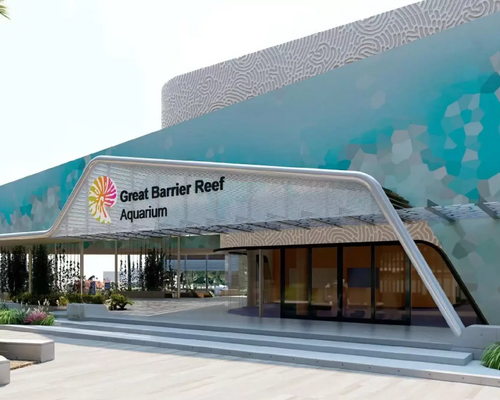
Great Barrier Reef attraction set for AU$180 million reinvention
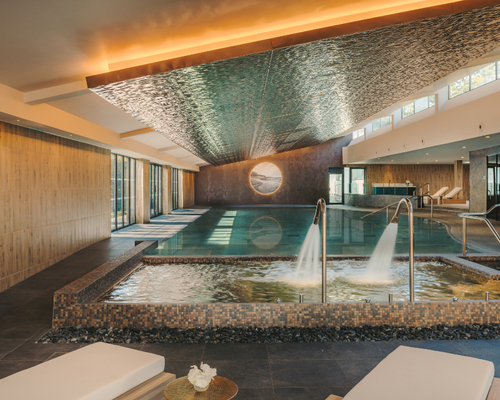
Fairmont Cheshire, The Mere, has architecture by Leach Rhodes Walker and interiors by Bergman Design House.
Marriott International partners with Fitwel for wellness solutions across its residential portfolio
Preidlhof Luxury DolceVita Resort to unveil new spa in February 2027

Places Leisure is working with Roberts Limbrick to build £60m wellness flagship in Basingstoke

Hoshino Resorts opens Kai Kusatsu as it expands the Kai onsen ryokan brand
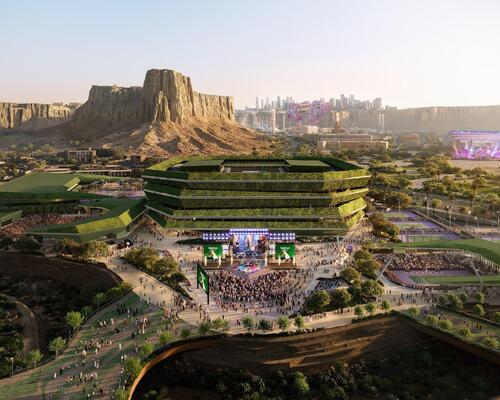
Qiddiya and Populous share details of Saudi Arabia’s National Tennis Centre

Disney confirms US$30 billion investment programme as it highlights its economic impact
Until combines multiple disciplines at new Canary Wharf club

Sea Lanes opens following a partnership between The Eden Project and Canary Wharf Group
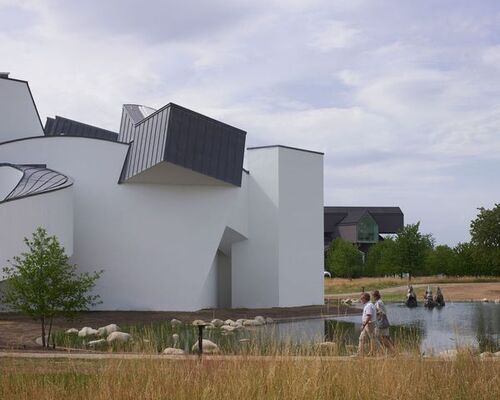
Bas Smets brings water and wilderness to Vitra

Expo 2030 Riyadh will create a permanent global destination
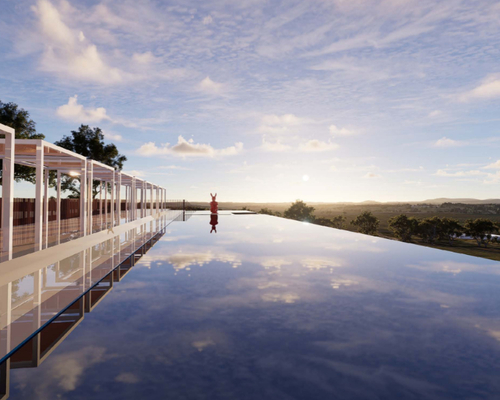
Luxury resort coming to Hunter Valley will have longevity spa

'Data chocolate', dreams made real and artworks shaped by visitors’ emotions: Refik Anadol’s AI art museum launches in Los Angeles
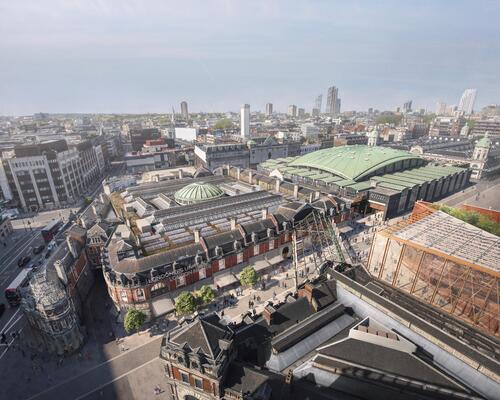
London Museum reveals 2026 opening date for new Smithfield home

BIG unveils Eve Music Hall as Croatia venue nears completion

Bob Rogers hands BRC to long-serving leadership team

Palazzo di Varignana launches family wellbeing and longevity retreat in Emilia Romagna
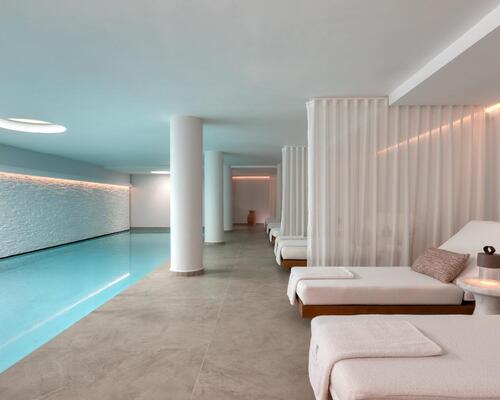
Anasa Wellness and Spa debuts at Patmos Aktis as it joins Marriott
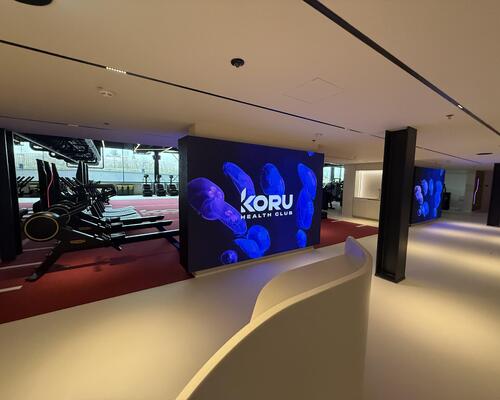
Design-led Koru Health Club combines high-performance training with recovery

Wellness care hospital opens in Vilnius with innovative spa and hospitality concept

Universal and Puy du Fou projects point to rise of Oxford–Cambridge corridor
A proposed Puy du Fou development near Bicester and Universal Destinations and Experiences’ planned resort in Bedford are emerging as part of a wider transformation of the Oxford–Cambridge Growth Corridor into a major centre for UK leisure and tourism investment.
For years, the corridor has been associated primarily with science, technology, housing and university-led economic growth. However, the clustering of large-scale visitor attraction projects along the

All-inclusive eco-wellness development Auko to open near Vietnam’s Son Doong caves

Shedd Aquarium upgrades its visitor experience with new Immersion Theater
Shedd Aquarium has opened the Immersion Theater developed in partnership with SimEx-Iwerks, as part of a wider strategy to enhance the guest experience and create additional revenue opportunities.
The attraction has transformed the aquarium’s Phelps Auditorium into a multi-sensory venue combining panoramic projection, environmental effects and interactive technology.
A new pre-show area allows visitors to engage with augmented reality marine animals before entering the

Mandarin Oriental announces standalone Mansions-branded residences for Abu Dhabi









Designed to restore neglected land and renew the identity of Iraq’s capital city, Baghdad Sustainable Forests promises a new way of living surrounded by nature. Gensler’s Ian Mulcahay tells us why he thinks the project could become a model for the repair and enhancement of urban centres