Diébédo Francis Kéré wins 2017 Serpentine Pavilion commission with responsive tree-inspired design


– Diébédo Francis Kéré
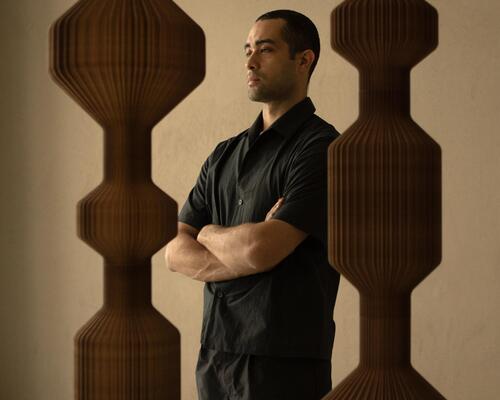
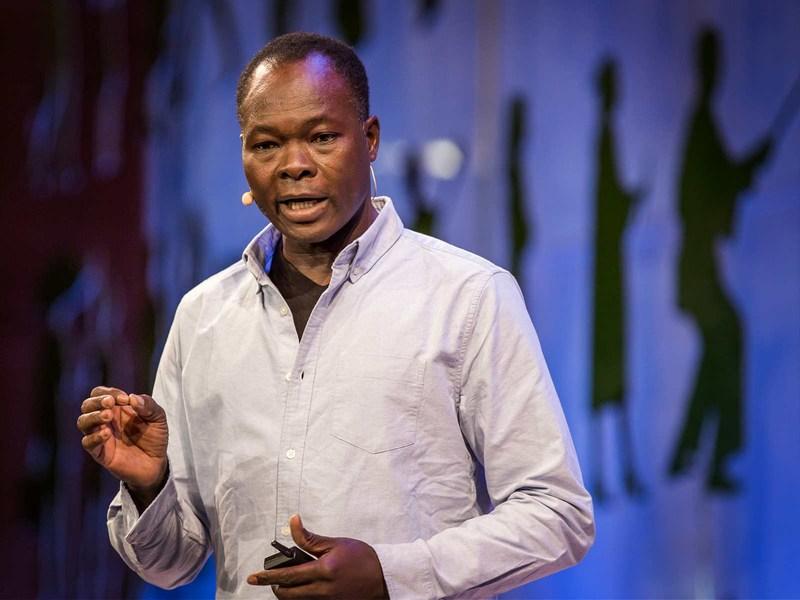
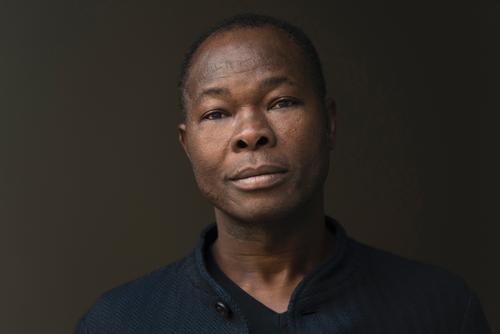
Diébédo Francis Kéré, the award-winning architect from Burkino Faso, has been commissioned to design the Serpentine Pavilion 2017.
The Serpentine Pavilion programme, which began in 2000, sees an architect who has never built in the UK create a temporary summer pavilion in Kensington Gardens.
Herzog & de Meuron, Jean Nouvel, Sou Fujimoto, SANAA and Bjarke Ingels Group – whose ‘unzipped wall’ structure was visited by more than 250,000 people in 2016 – are among the international architects to have previously taken part.
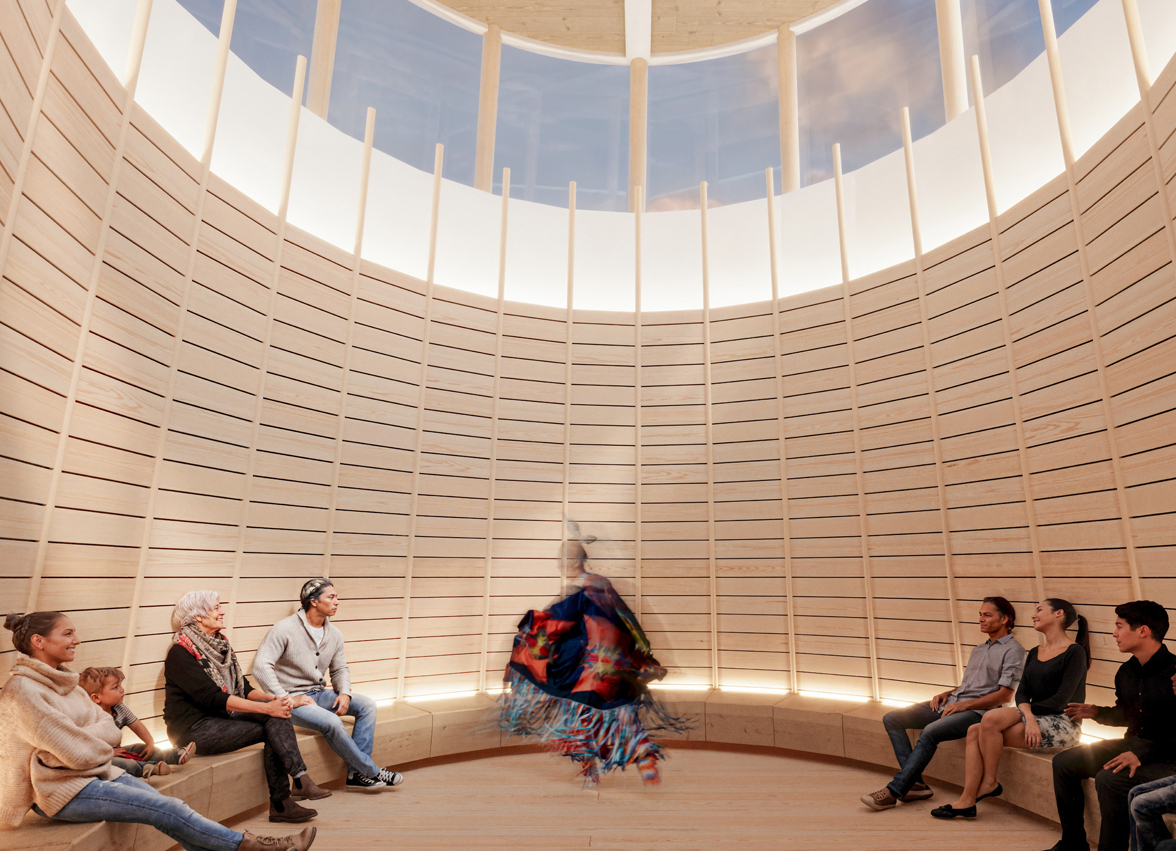
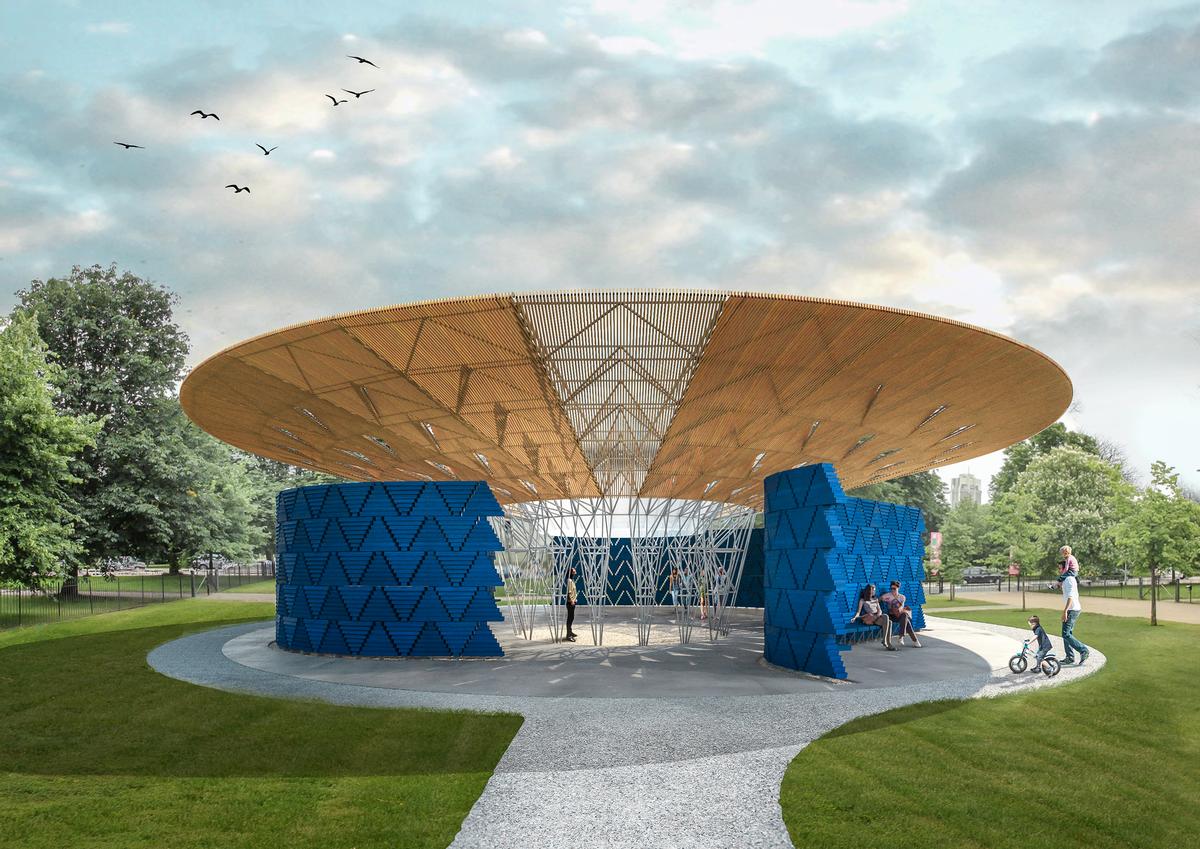
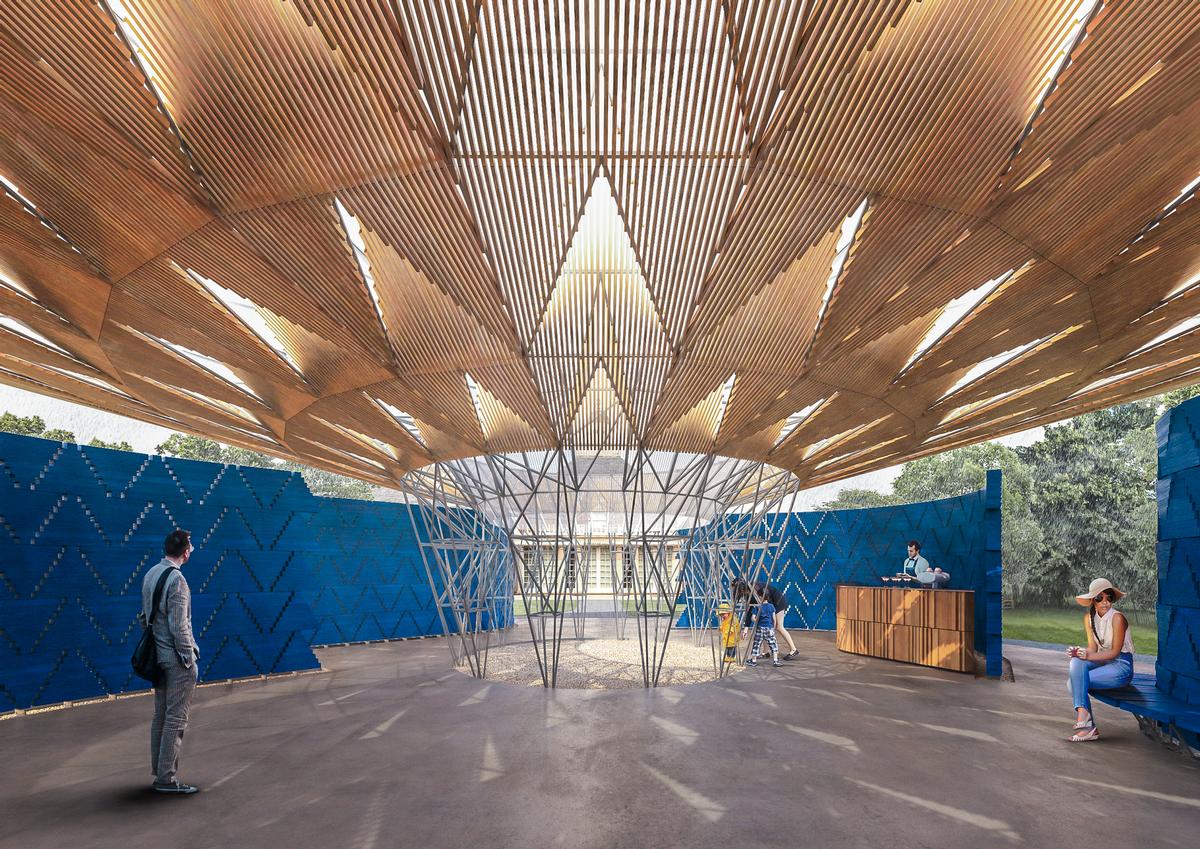
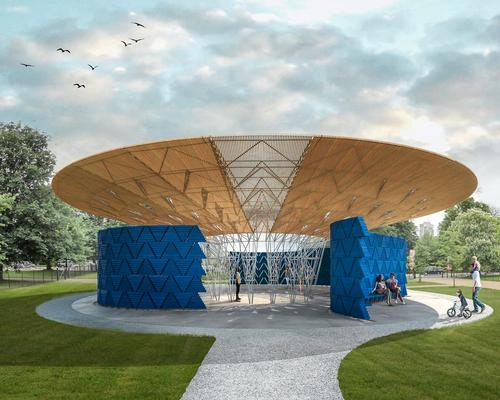
Kéré, who leads the Berlin-based practice Kéré Architecture, has been inspired by the tree that serves as a central meeting point for life in his hometown of Gando. His pavilion will be responsive and connect its visitors to nature. An expansive roof, supported by a central steel framework, will mimic a tree’s canopy, allowing air to circulate freely while offering shelter against London rain and summer heat.
There will be four separate entry points, with an open air courtyard in the centre allowing visitors to sit and relax during sunny days. In the case of rain, an oculus will funnel any water that collects on the roof into a waterfall effect, before it is evacuated through a drainage system in the floor for later use in irrigating the park.
The roof and wall system will be made from wood that acts as solar shading during the day, and a source of illumination “as small perforations twinkle with the movement and activity from inside.”
“As an architect, it is an honour to work in such a grand park, especially knowing the long history of how the gardens evolved and changed into what we see today," said Kéré. "Every path and tree, and even the Serpentine lake, were all carefully designed. I am fascinated by how this artificial landscape offered a new way for people in the city to experience nature."
In a joint statement, Serpentine artistic director Hans Ulrich Obrist and CEO Yana Peel described the pavilion as “a space of conversation, collaboration and exchange.”
"We share Kéré's belief that architecture, at its best, can enhance our collective creativity and push people to take the future into their own hands,” they added.
The architect has been chosen in part for his commitment to socially engaged and ecological design, and this will be reflected in the programme of events taking place in the pavilion, including events exploring questions of community and rights to the city.
This year, architects were, for the first time, invited to submit their own designs rather than being approached by the leadership of London's Serpentine Galleries. The winning design submission was selected by Obrist and Peel, together with advisors Sir David Adjaye and Richard Rogers.
The proposed design for the 2017 Serpentine Pavilion is conceived as a micro cosmos – a community structure within Kensington Gardens that fuses cultural references of my home country Burkina Faso with experimental construction techniques. My experience of growing up in a remote desert village has instilled a strong awareness of the social, sustainable, and cultural implications of design. I believe that architecture has the power to, surprise, unite, and inspire all while mediating important aspects such as community, ecology and economy.
In Burkina Faso, the tree is a place where people gather together, where everyday activities play out under the shade of its branches. My design for the Serpentine Pavilion has a great over-hanging roof canopy made of steel and a transparent skin covering the structure, which allows sunlight to enter the space while also protecting it from the rain. Wooden shading elements line the underside of the roof to create a dynamic shadow effect on the interior spaces. This combination of features promotes a sense of freedom and community; like the shade of the tree branches, the Pavilion becomes a place where people can gather and share their daily experiences.
Fundamental to my architecture is a sense of openness. In the Pavilion this is achieved by the wall system, which is comprised of prefabricated wooden blocks assembled into triangular modules with slight gaps, or apertures, between them. This gives a lightness and transparency to the building enclosure. The composition of the curved walls is split into four elements, creating four different access points to the Pavilion. Detached from the roof canopy, these elements allow air to circulate freely throughout.
At the centre of the Pavilion is a large opening in the canopy, creating an immediate connection to nature. In times of rain, the roof becomes a funnel channelling water into the heart of the structure. This rain collection acts symbolically, highlighting water as a fundamental resource for human survival and prosperity.
In the evening, the canopy becomes a source of illumination. Wall perforations will give glimpses of movement and activity inside the pavilion to those outside. In my home village of Gando (Burkina Faso), it is always easy to locate a celebration at night by climbing to higher ground and searching for the source of light in the surrounding darkness. This small light becomes larger as more and more people arrive to join the event. In this way the Pavilion will become a beacon of light, a symbol of storytelling and togetherness.
Serpentine launches Hadid retrospective and announces Adjaye and Rogers will help choose 2017 Pavilion
Do you want to own one of this year’s Serpentine Summer houses?
Bjarke Ingels creates 'unzipped wall' for London's Serpentine Pavilion
Yana Peel appointed new CEO of Serpentine Galleries to develop new art and architecture programmes
First look: Bjarke Ingels' intriguing design for 2016 Serpentine Pavilion
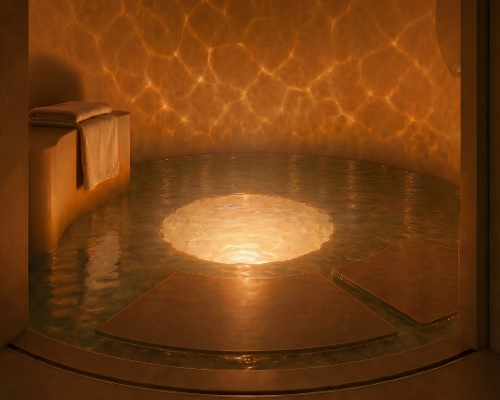
AI firm Midjourney enters wellness with spa, fitness and body scanning concept
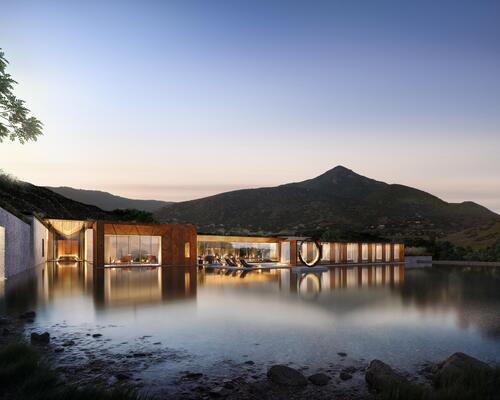
Hot spring wellness community Ameyalli sells residences and breaks ground on resort and spa

OMA completes New Museum transformation with landmark expansion and Oberon restaurant
OMA has completed a major transformation of New York's New Museum, creating a larger cultural campus that combines expanded exhibition spaces with learning, performance, hospitality and public programming. The latest addition, Oberon, extends the visitor experience beyond the gallery, reflecting a growing trend for museums to become all-day destinations.
The New Museum in New York has entered a new chapter with the completion of a major
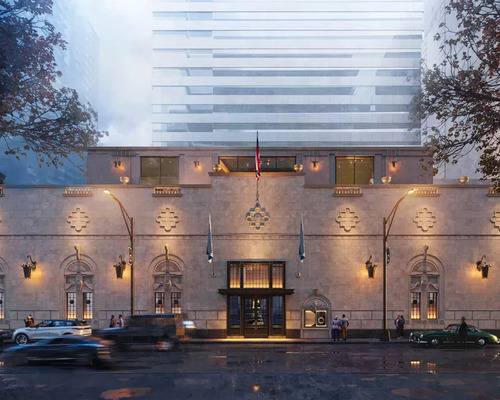
David Rockwell creates immersive magic destination, The Hand and The Eye
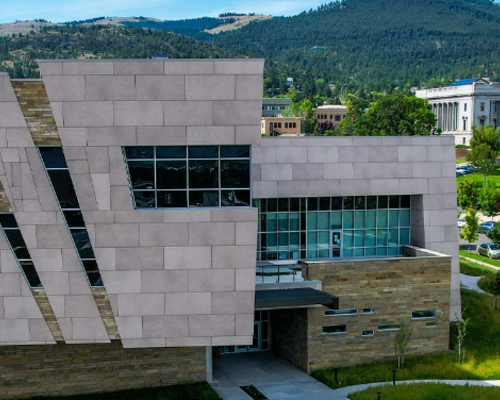
Montana Heritage Center by Cushing Terrell opens after US$107 million investment
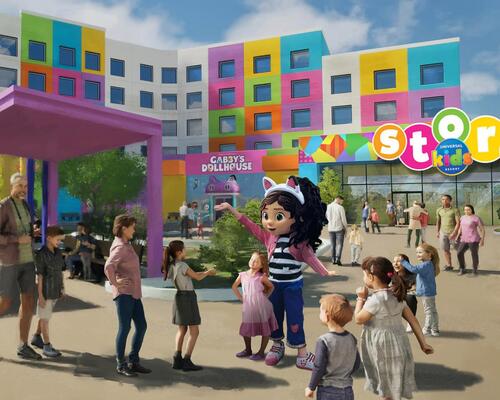
Universal launches new theme park model with Kids Resort
'Minor wellness hotels' recorded the strongest growth across top KPIs in 2025, finds RLA Global
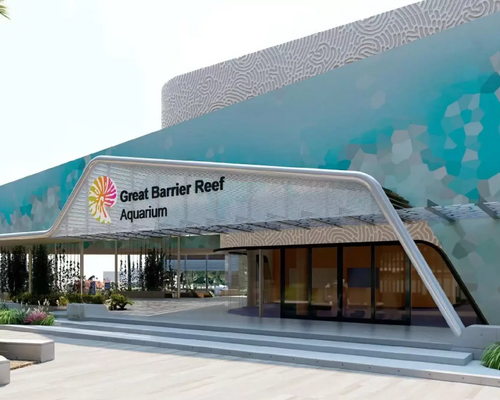
Great Barrier Reef attraction set for AU$180 million reinvention
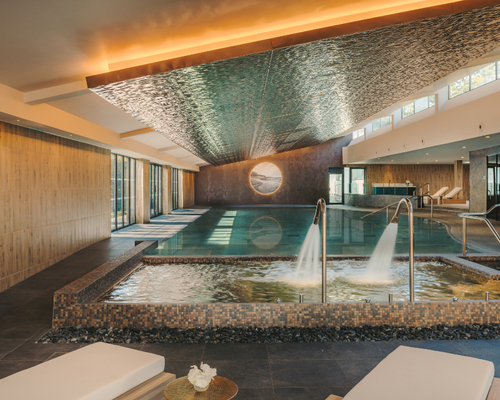
Fairmont Cheshire, The Mere, has architecture by Leach Rhodes Walker and interiors by Bergman Design House.
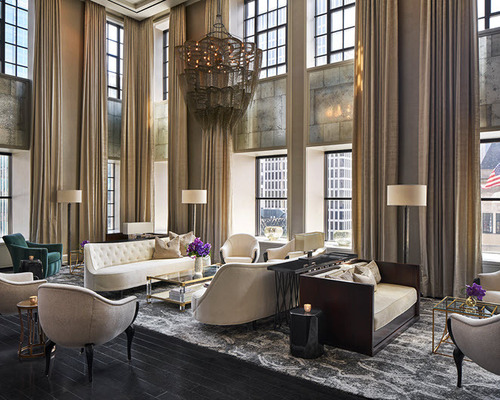
Marriott International partners with Fitwel for wellness solutions across its residential portfolio
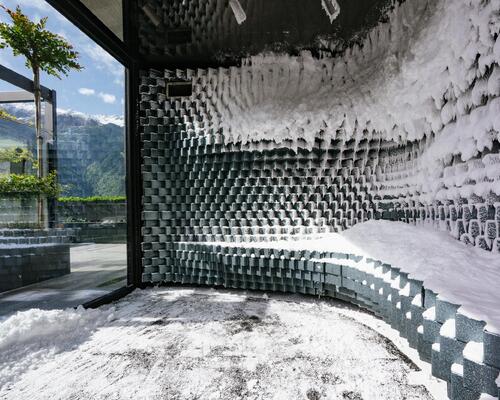
Preidlhof Luxury DolceVita Resort to unveil new spa in February 2027
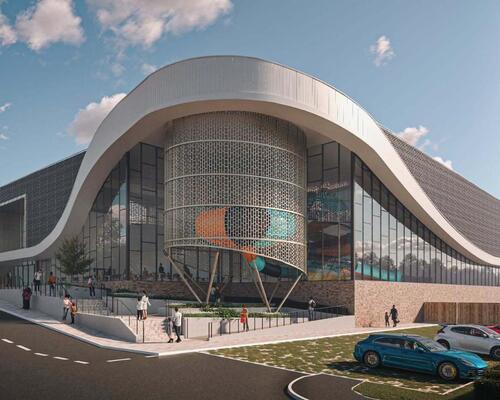
Places Leisure is working with Roberts Limbrick to build £60m wellness flagship in Basingstoke
Hoshino Resorts opens Kai Kusatsu as it expands the Kai onsen ryokan brand
Qiddiya and Populous share details of Saudi Arabia’s National Tennis Centre
Disney confirms US$30 billion investment programme as it highlights its economic impact
Until combines multiple disciplines at new Canary Wharf club
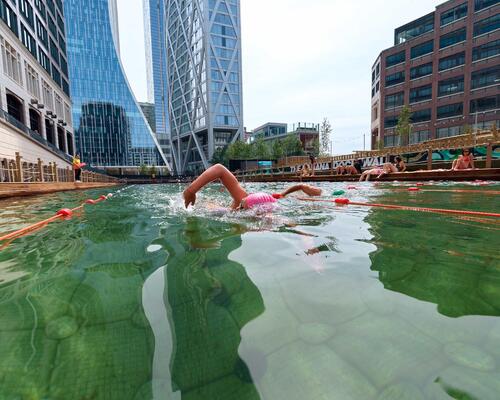
Sea Lanes opens following a partnership between The Eden Project and Canary Wharf Group
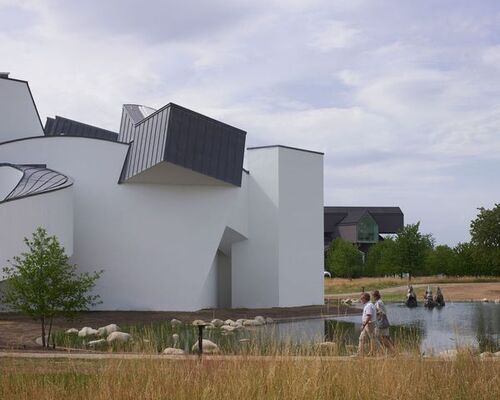
Bas Smets brings water and wilderness to Vitra
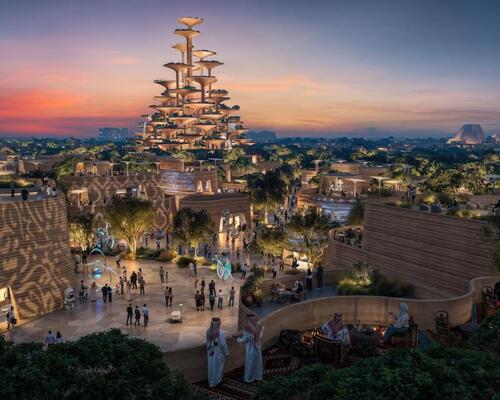
Expo 2030 Riyadh will create a permanent global destination
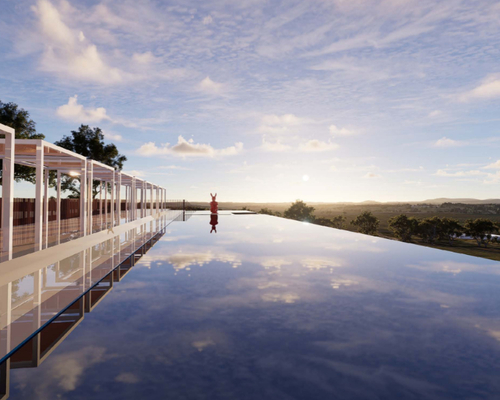
Luxury resort coming to Hunter Valley will have longevity spa
'Data chocolate', dreams made real and artworks shaped by visitors’ emotions: Refik Anadol’s AI art museum launches in Los Angeles
London Museum reveals 2026 opening date for new Smithfield home
BIG unveils Eve Music Hall as Croatia venue nears completion
Bob Rogers hands BRC to long-serving leadership team
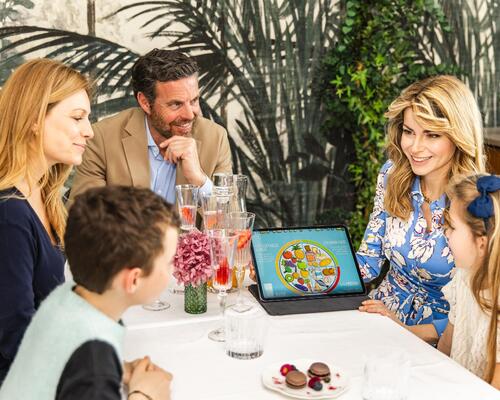
Palazzo di Varignana launches family wellbeing and longevity retreat in Emilia Romagna
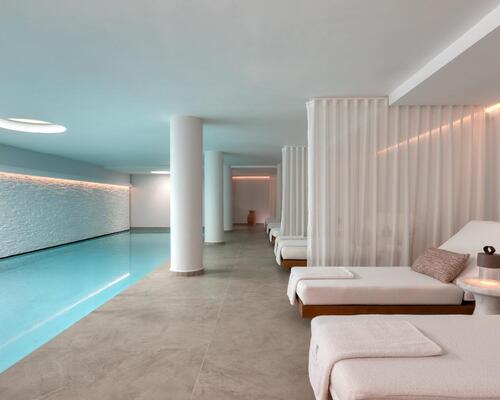
Anasa Wellness and Spa debuts at Patmos Aktis as it joins Marriott
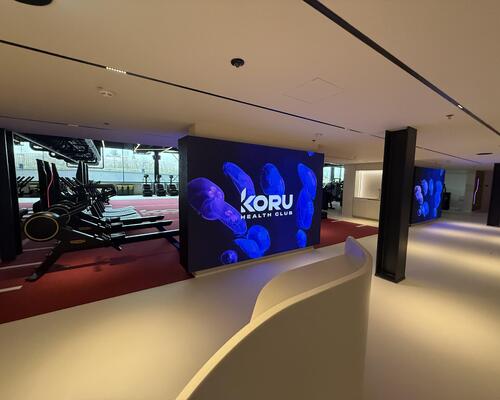
Design-led Koru Health Club combines high-performance training with recovery

Wellness care hospital opens in Vilnius with innovative spa and hospitality concept

Universal and Puy du Fou projects point to rise of Oxford–Cambridge corridor
A proposed Puy du Fou development near Bicester and Universal Destinations and Experiences’ planned resort in Bedford are emerging as part of a wider transformation of the Oxford–Cambridge Growth Corridor into a major centre for UK leisure and tourism investment.
For years, the corridor has been associated primarily with science, technology, housing and university-led economic growth. However, the clustering of large-scale visitor attraction projects along the
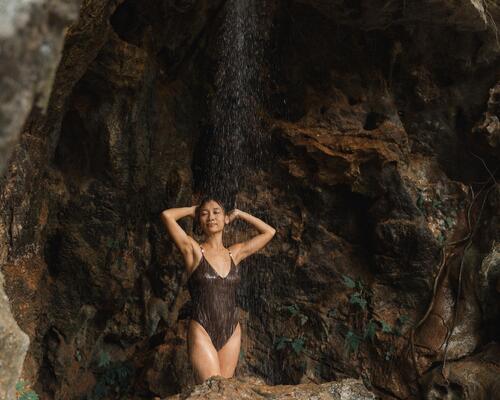
All-inclusive eco-wellness development Auko to open near Vietnam’s Son Doong caves