Stefano Boeri: Vertical forests are the future of our cities


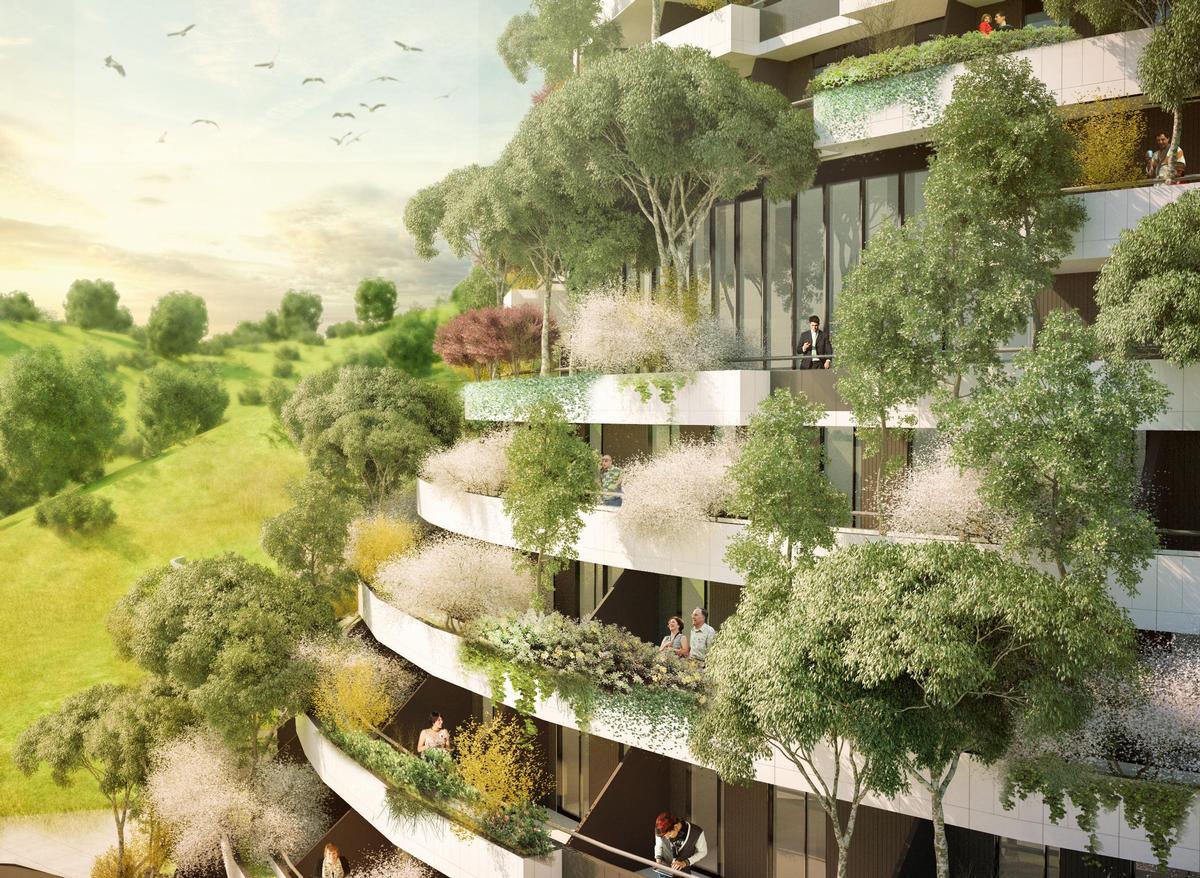
Italian architect Stefano Boeri has told CLAD how the ‘vertical forest’ model of architecture promotes wellness and creates sustainable urbanisation in our towns and cities.
Boeri is a specialist in the field of green design, having created tree-topped towers in Switzerland and Italy, and in an exclusive interview he explained how his “continuous experiment of cohabitation” – in which he covers structures in flora and fauna – can change the face of cities.
“Multidisciplinary research has enabled us to develop the building technologies to bring trees very high up in the sky in and around our structures and irrigate them with recycled water,” he said. “This advancement, alongside ongoing analysis of the vegetation that can thrive in these special environments, is allowing us to conceive unique buildings specific to their locations.
“The result is new spheres, where people, trees and animals can coexist in an environment of wellness.”
Boeri said that the architecture industry too often engages in a “merely shallow” discourse about energy efficiency, and said truly environmental architecture, such as vertical forests, is necessary “to induce sustainability and a relationship of symbiosis between man, architecture and nature.”
He said: “One important method to improve our ecosystem is the ‘de-mineralisation’ of the cities, that is, the multiplication of green surfaces to find a balance between urban construction and the natural environment. A green surface can reduce the air temperature, sink CO2 levels and reduce noise.
“This not only adds quality to human life, but also helps to diminish the impact of man-made constructions on the natural environment and enriches the variety of living organisms. If we adopt this approach, we can benefit both the natural and human environments.”
Boeri said that these innovations are being used in his next forest-inspired project: a resort property and “lifestyle destination” in China’s Guizhou province with trees on every terrace.
“We envision our façade as a living element that will become part of a wider system, a shelter for the local fauna and an oxygen machine able to reduce the carbon dioxide in the air,” he said. “To guarantee this synergy, a careful study will accompany the design to guarantee that all the species introduced by the building are reinforcing and enriching the existing environment and will survive the wind, height and solar exposure.”
The design complements the landscape by reconstructing a hill that was previously flattened. It will be built using traditional Guizhou materials and colours.
The building – the centrepiece of Cachet Hotel Group’s Wanfeng Valley resort – will feature a 182-room Cachet Resort Hotel and a 71-room URBN hotel, two restaurants and lounges, a swimming pool, spa and fully equipped fitness centre.
Other examples of vertical forests include projects being developed by Thomas Heatherwick, Ingenhoven Architects and DGT Architects.
Stefano Boeri Vertical forests architecture design ecosystems environmental design Wanfeng Valley future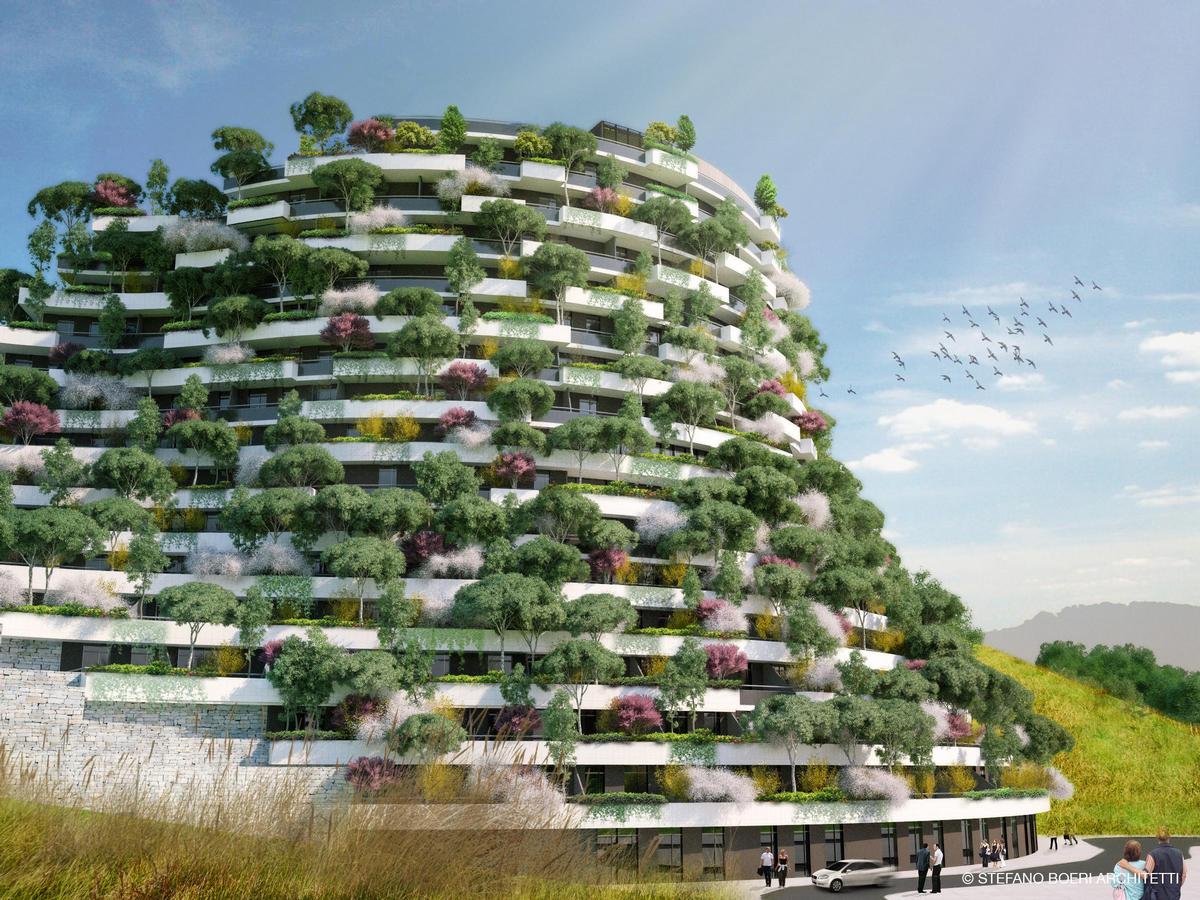
Greening Madrid to fight climate change
Stefano Boeri designs vertical forest hotel for Cachet resort in China
Heatherwick’s Shanghai design inspired by tree-topped mountains
Arup outline vision for greener global cities
Architects propose jungle-infused towers featuring Singapore's largest public plaza
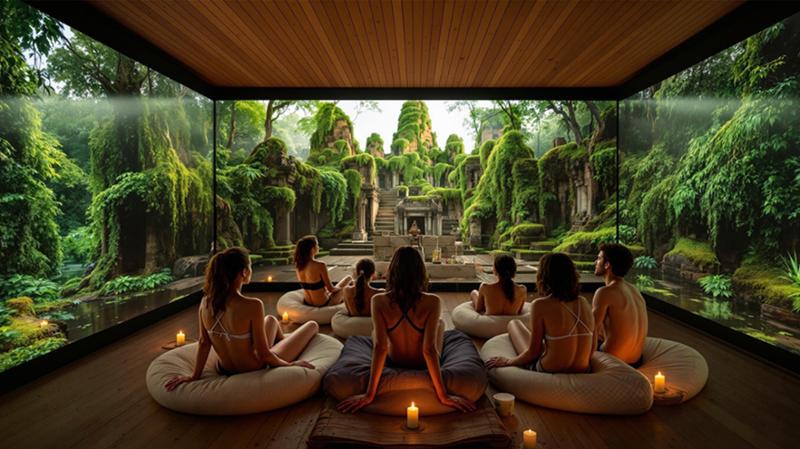
AI firm Midjourney enters wellness with spa, fitness and body scanning concept
Hot spring wellness community Ameyalli sells residences and breaks ground on resort and spa

OMA completes New Museum transformation with landmark expansion and Oberon restaurant
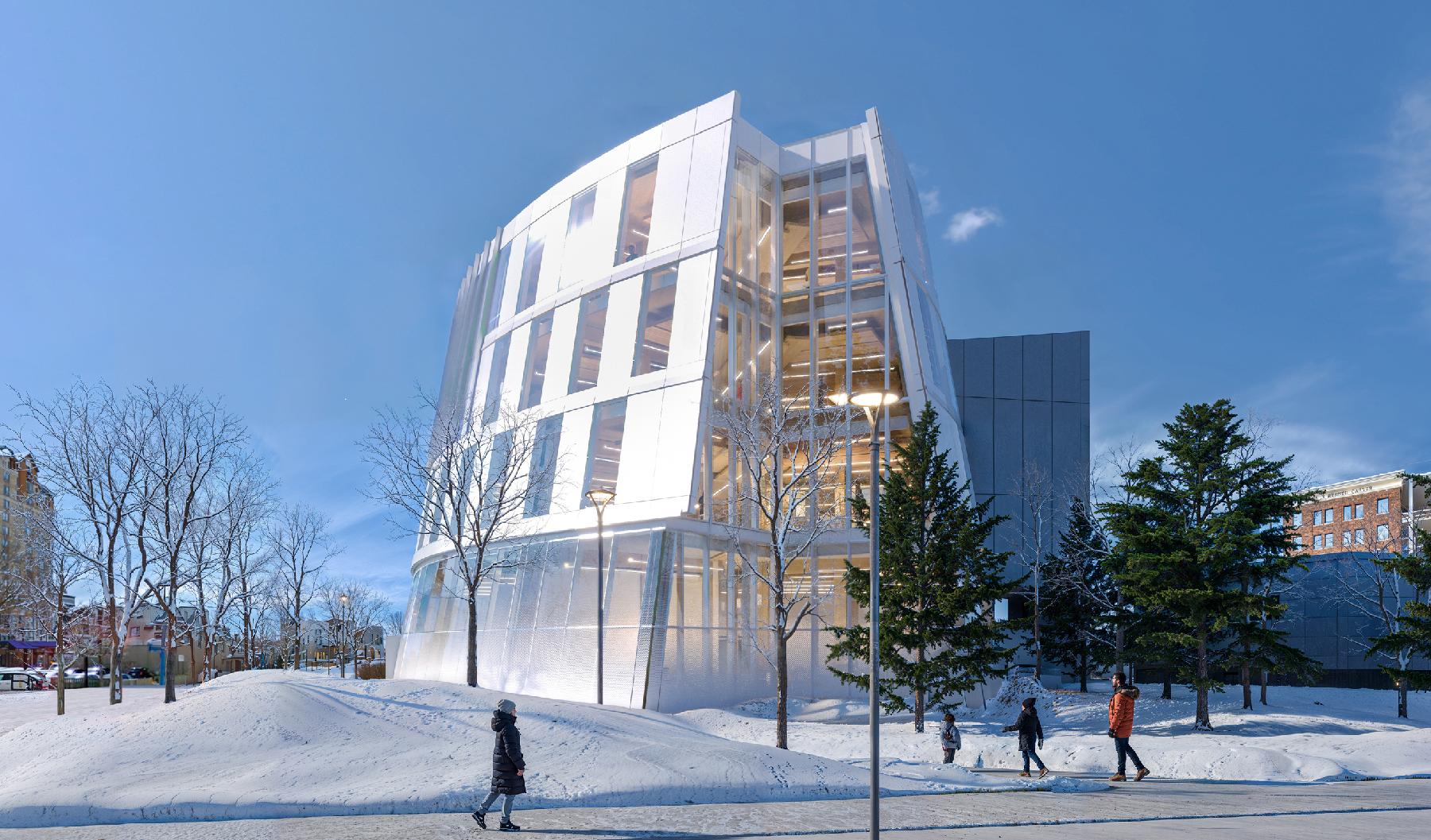
OMA has completed a major transformation of New York's New Museum, creating a larger cultural campus that combines expanded exhibition spaces with learning, performance, hospitality and public programming. The latest addition, Oberon, extends the visitor experience beyond the gallery, reflecting a growing trend for museums to become all-day destinations.
The New Museum in New York has entered a new chapter with the completion of a major
David Rockwell creates immersive magic destination, The Hand and The Eye
Montana Heritage Center by Cushing Terrell opens after US$107 million investment
Universal launches new theme park model with Kids Resort
'Minor wellness hotels' recorded the strongest growth across top KPIs in 2025, finds RLA Global
Great Barrier Reef attraction set for AU$180 million reinvention
Fairmont Cheshire, The Mere, has architecture by Leach Rhodes Walker and interiors by Bergman Design House.
Marriott International partners with Fitwel for wellness solutions across its residential portfolio
Preidlhof Luxury DolceVita Resort to unveil new spa in February 2027
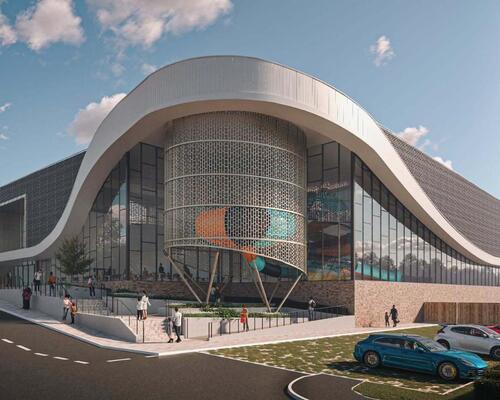
Places Leisure is working with Roberts Limbrick to build £60m wellness flagship in Basingstoke
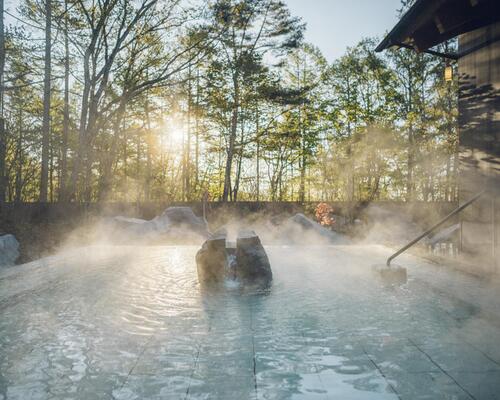
Hoshino Resorts opens Kai Kusatsu as it expands the Kai onsen ryokan brand
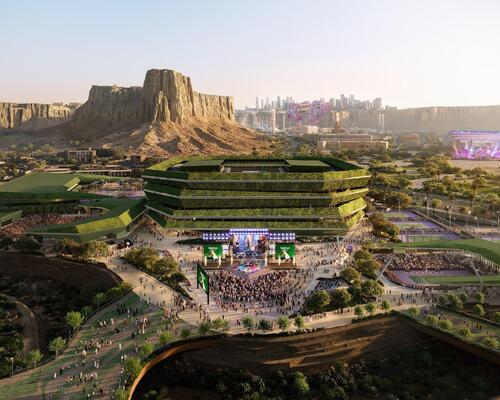
Qiddiya and Populous share details of Saudi Arabia’s National Tennis Centre
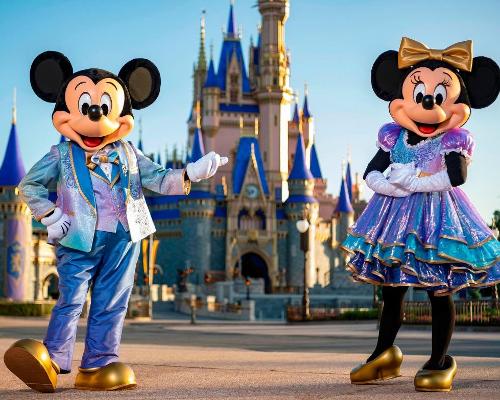
Disney confirms US$30 billion investment programme as it highlights its economic impact
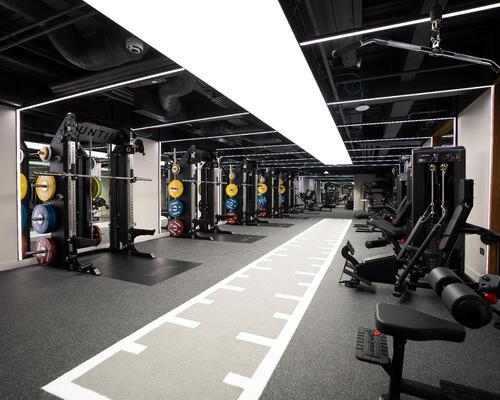
Until combines multiple disciplines at new Canary Wharf club
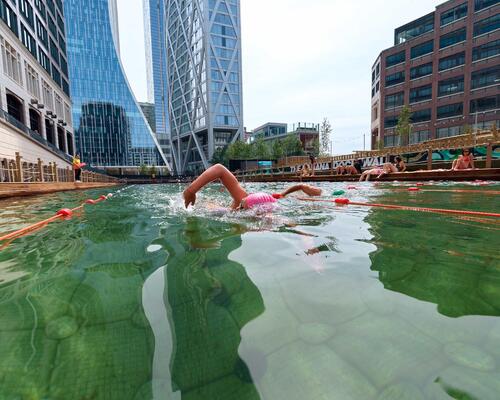
Sea Lanes opens following a partnership between The Eden Project and Canary Wharf Group
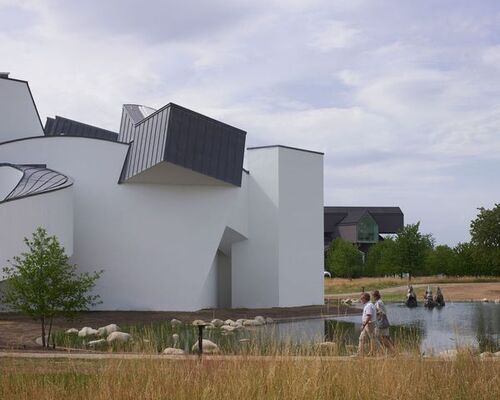
Bas Smets brings water and wilderness to Vitra
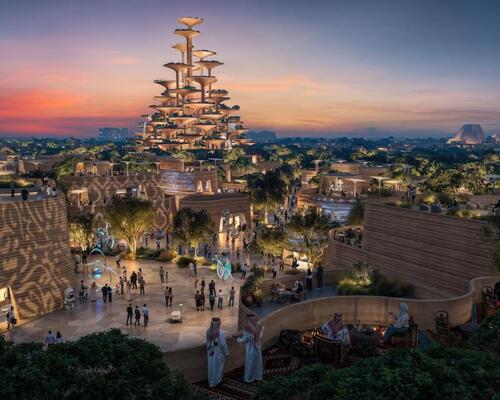
Expo 2030 Riyadh will create a permanent global destination
Luxury resort coming to Hunter Valley will have longevity spa
'Data chocolate', dreams made real and artworks shaped by visitors’ emotions: Refik Anadol’s AI art museum launches in Los Angeles
London Museum reveals 2026 opening date for new Smithfield home
BIG unveils Eve Music Hall as Croatia venue nears completion
Bob Rogers hands BRC to long-serving leadership team
Palazzo di Varignana launches family wellbeing and longevity retreat in Emilia Romagna
Anasa Wellness and Spa debuts at Patmos Aktis as it joins Marriott
Design-led Koru Health Club combines high-performance training with recovery

Wellness care hospital opens in Vilnius with innovative spa and hospitality concept

Universal and Puy du Fou projects point to rise of Oxford–Cambridge corridor
A proposed Puy du Fou development near Bicester and Universal Destinations and Experiences’ planned resort in Bedford are emerging as part of a wider transformation of the Oxford–Cambridge Growth Corridor into a major centre for UK leisure and tourism investment.
For years, the corridor has been associated primarily with science, technology, housing and university-led economic growth. However, the clustering of large-scale visitor attraction projects along the
All-inclusive eco-wellness development Auko to open near Vietnam’s Son Doong caves