Steven Holl completes Glassell School of Art at the Museum of Fine Arts in Houston



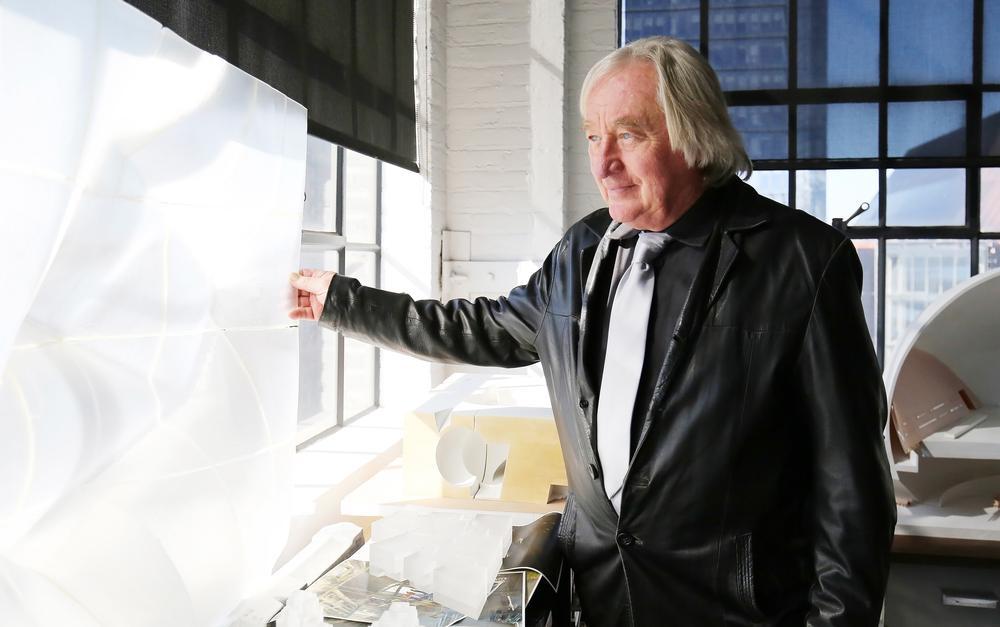

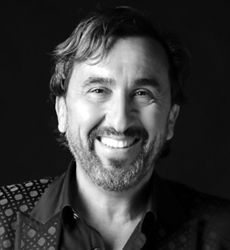
– Steven Holl
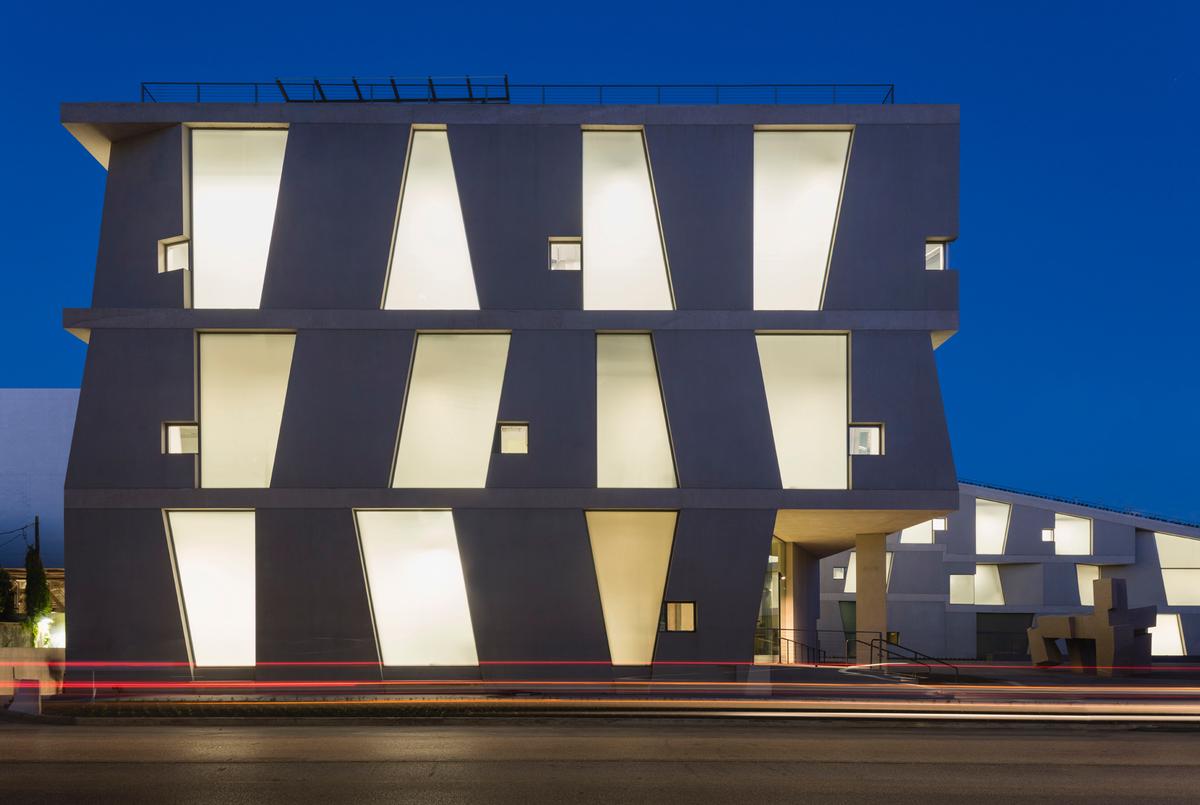
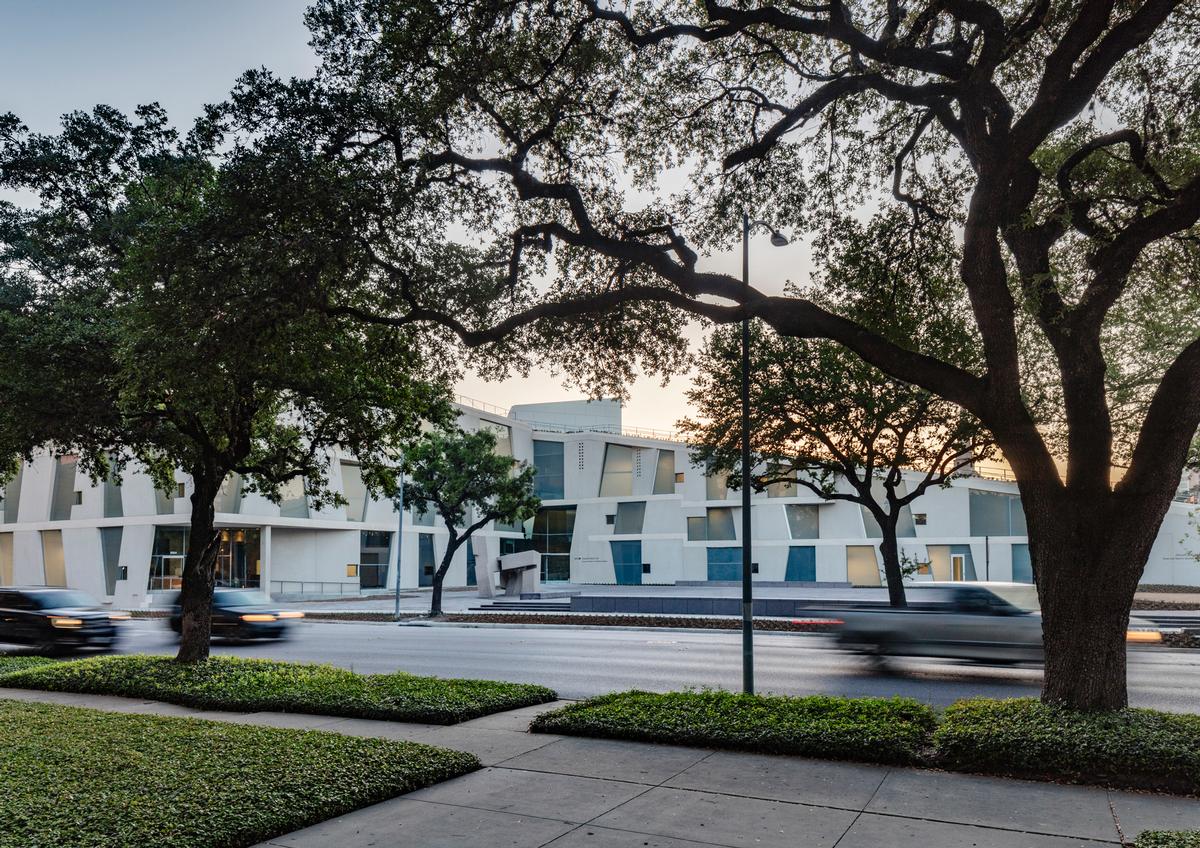
Work has been completed on the new Glassell School of Art at the Museum of Fine Arts in Houston (MFAH), designed by Steven Holl Architects.
The School – the only museum-run institute in the US with programmes that serve students of all ages, from 3-year-olds to adults – is a major component of the museum’s 14-acre redevelopment, masterminded by Holl, which is currently the largest cultural project under construction in North America.
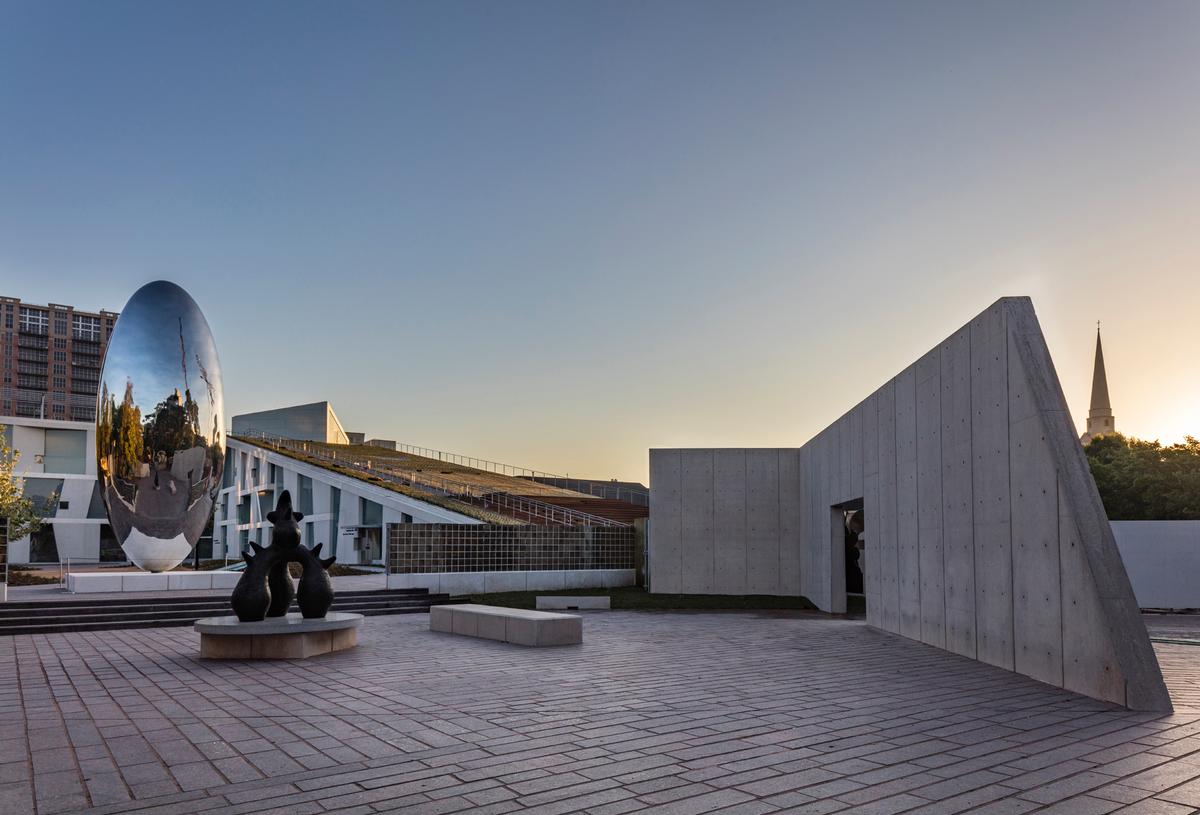
The L-shaped design of the latest building features a sloping, walkable roofline that runs the length of the structure and connects a wide-stepped amphitheatre at its base and a roof garden above.
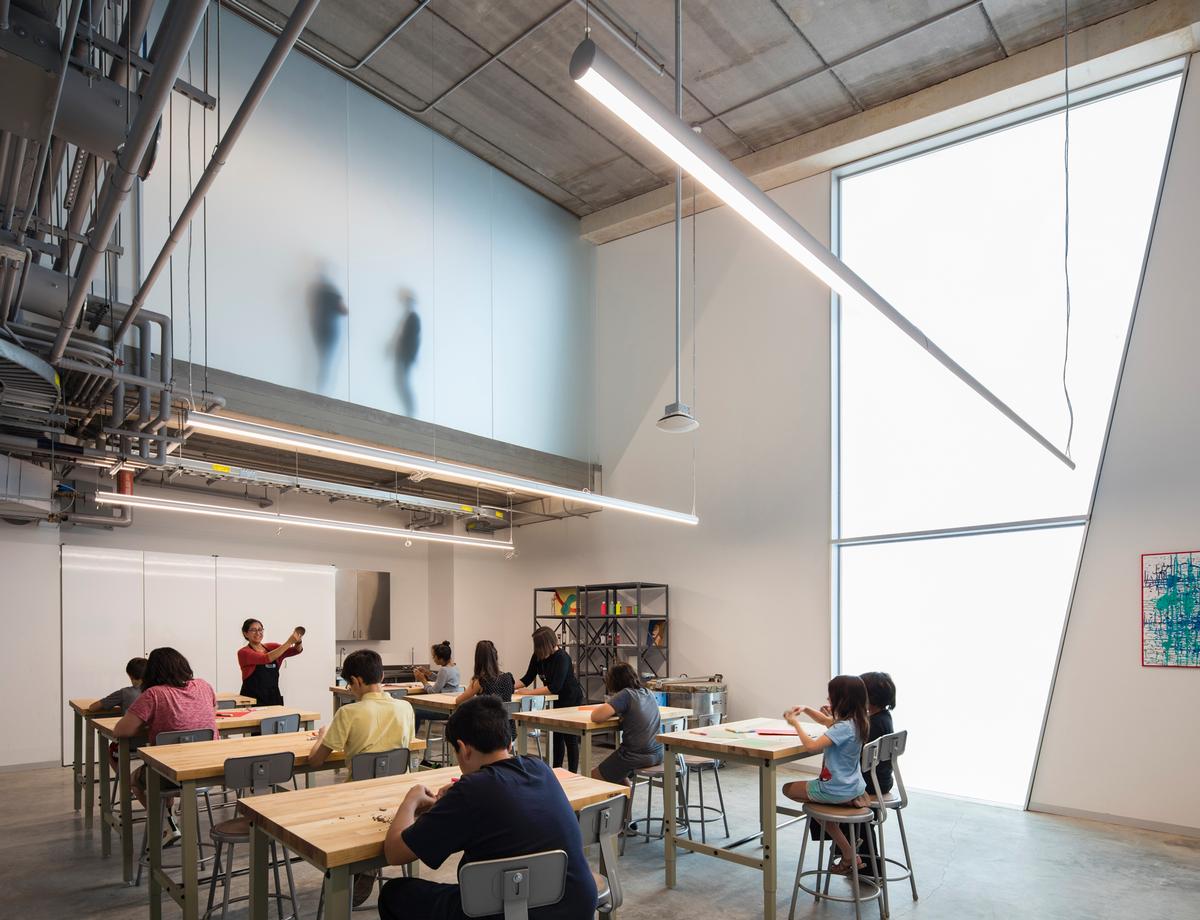
The interior of the 93,000sq ft (8,600sq m) school features three dozen studios, all illuminated with natural light and designed to serve more than 8,500 children and adults annually, as well as public gallery spaces for exhibitions.
“Our building for the Glassell School is a key part of the overall strategy to shape the public spaces for the entire campus,” said Steven Holl.
“Alternating concrete and glass panels create a porosity between indoors and out, and the gathering spaces – including the building’s walkable, sloping roof – provide a civic experience for students and the public alike, with spectacular views of the neighbourhood and the city skyline.”
Deborah Nevins & Associates and Nevins & Benito Landscape Architecture have also completed the Brown Foundation, Inc. Plaza, a public gateway to the museum’s entire campus, which extends onto the School’s roof.
The plaza provides the dramatic setting for a reflecting pool, a shaded seating area and two monumental public sculptures: Cloud Column (1998–2006), a 32-foot-high stainless steel form by Anish Kapoor; and Eduardo Chillida’s stacked-granite Song of Strength (1966).
Commenting on the completed projects, Gary Tinterow, director of the MFAH, said: “As we reveal not only a glorious new building for the Glassell School, but also a public plaza, large fountain, amphitheater, and roof garden, I think Houstonians will quickly grasp that our project intends to create a new destination for the city.”
Next to open as part of the campus revamp will be the Sarah Campbell Blaffer Foundation Center for Conservation, designed by Lake|Flato Architects, later this year, and the Nancy and Rich Kinder Building, a museum extension designed by Holl, in early 2020.
When complete, the campus will boast public plazas; reflecting pools; gardens; improved sidewalks, lighting, and wayfinding; and an “active setting” for visitors to admire its older buildings, designed by the likes of Ludwig Mies van der Rohe and Rafael Moneo.
The project - largely funded by philanthropists Nancy and Rich Kinder – has been designed to expand the role the museum plays in the daily life of Houston, “not only as a cultural institution but also as an urban oasis open to all.” The redevelopment is projected to generate nearly $334 million in economic activity over 20 years.
The origins of an MFAH school date to 1927, three years after the museum’s 1924 opening. The Glassell School of Art opened in 1979. Now, each year, the school offers more than $100,000 in scholarships and enrols about 7,000 students. Enrollment is expected to grow to 8,500 in the new building, which doubles the space of the original.
An extensive interview with Steven Holl features in the most recent issue of CLADmag, and can be read here.
Holl’s Nancy and Rich Kinder Building museum extension was originally set to be built on the site of a parking lot owned by the church across the street, with the competition brief calling for the addition of a new seven-storey car park. The Glassell School building was to remain exactly as it was.
“I studied the site, and I decided they shouldn’t be building a car park there, they should just put a layer of parking underground to free up more space. But in order to do that, they would have to tear down the Glassell School,” he told CLADglobal. “We figured out we could do them a new school building about twice the size. So I took a radical decision in the competition, and I told them, ‘This is how I would do it. It’s not what you asked for, but this way you can double the size of your sculpture garden and it will be bigger than the one in Dallas.’
“The great thing about a place like Houston is there’s enough space to spread out,” he continued. “That creates the right kind of circulation. Every time you’re moving around these buildings, you understand where you are, you never get lost and you can regularly see Isamu Noguchi’s gardens and the great white oaks outside.
“Movement is absolutely key to the human experience, and all the best museum experiences are horizontal. In vertical museums, everybody’s always standing by a stupid elevator and there’s something irritating about it because moving through the galleries is not so commodious. With these buildings we had space to breathe, and more opportunities to let the daylight flood in.”
Steven Holl blames 'corruption in power' for construction industry's failure to embrace renewable energy in hard-hitting interview
Medieval fortress and Apocalypse Tapestry inspire Steven Holl's museum and hotel design for Angers
'Parachutes frozen in the sky': Historic airfield inspires Steven Holl's mixed-use Moscow district
Steven Holl's cloud-inspired Houston art gallery breaks ground
Clocks and clouds inspire Steven Holl's Shanghai culture and health centre
Steven Holl returns with sculptural arts complex in Iowa
Steven Holl wins international prize for his use of daylight in design
FEATURE: Interview – Steven Holl
AI firm Midjourney enters wellness with spa, fitness and body scanning concept
Hot spring wellness community Ameyalli sells residences and breaks ground on resort and spa

OMA completes New Museum transformation with landmark expansion and Oberon restaurant
OMA has completed a major transformation of New York's New Museum, creating a larger cultural campus that combines expanded exhibition spaces with learning, performance, hospitality and public programming. The latest addition, Oberon, extends the visitor experience beyond the gallery, reflecting a growing trend for museums to become all-day destinations.
The New Museum in New York has entered a new chapter with the completion of a major
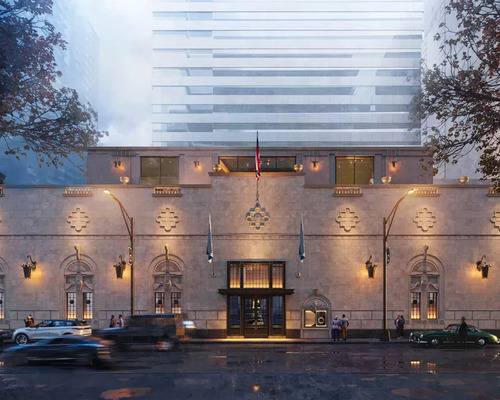
David Rockwell creates immersive magic destination, The Hand and The Eye
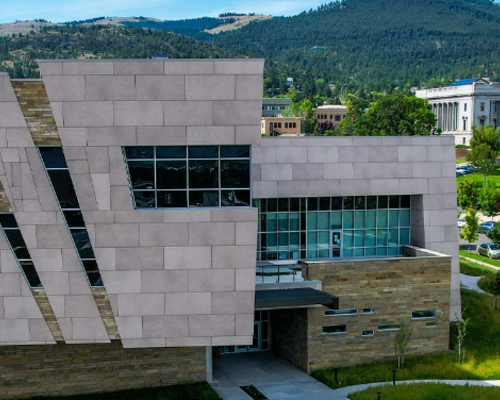
Montana Heritage Center by Cushing Terrell opens after US$107 million investment

Universal launches new theme park model with Kids Resort
'Minor wellness hotels' recorded the strongest growth across top KPIs in 2025, finds RLA Global
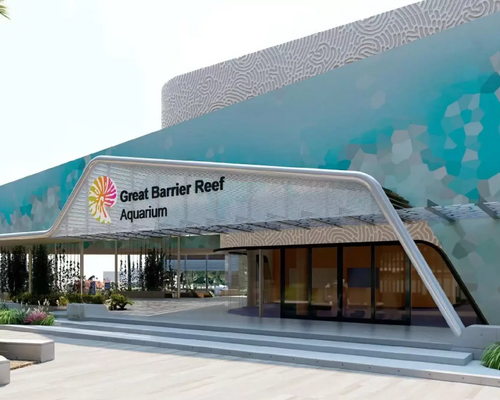
Great Barrier Reef attraction set for AU$180 million reinvention
Fairmont Cheshire, The Mere, has architecture by Leach Rhodes Walker and interiors by Bergman Design House.
Marriott International partners with Fitwel for wellness solutions across its residential portfolio
Preidlhof Luxury DolceVita Resort to unveil new spa in February 2027
Places Leisure is working with Roberts Limbrick to build £60m wellness flagship in Basingstoke
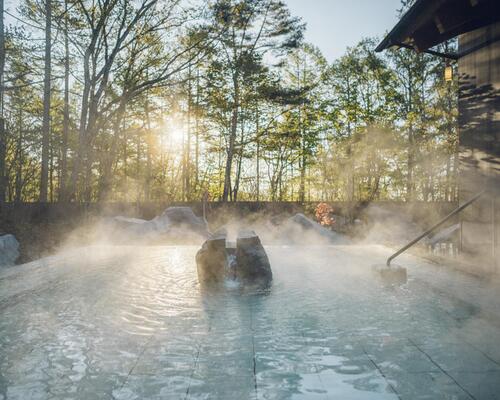
Hoshino Resorts opens Kai Kusatsu as it expands the Kai onsen ryokan brand
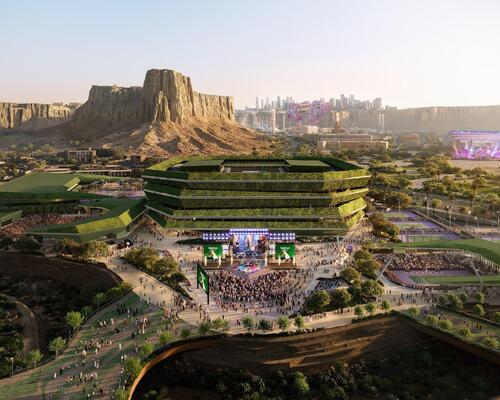
Qiddiya and Populous share details of Saudi Arabia’s National Tennis Centre

Disney confirms US$30 billion investment programme as it highlights its economic impact
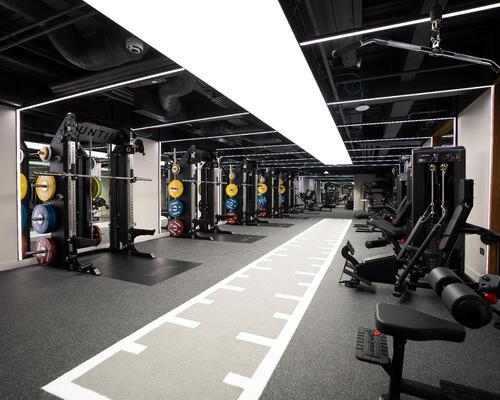
Until combines multiple disciplines at new Canary Wharf club
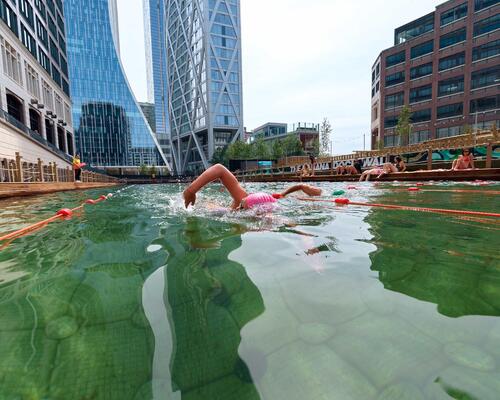
Sea Lanes opens following a partnership between The Eden Project and Canary Wharf Group
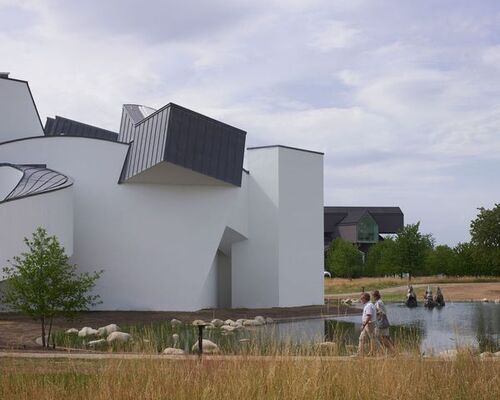
Bas Smets brings water and wilderness to Vitra
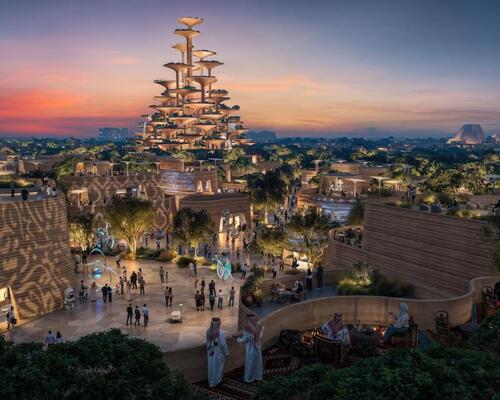
Expo 2030 Riyadh will create a permanent global destination
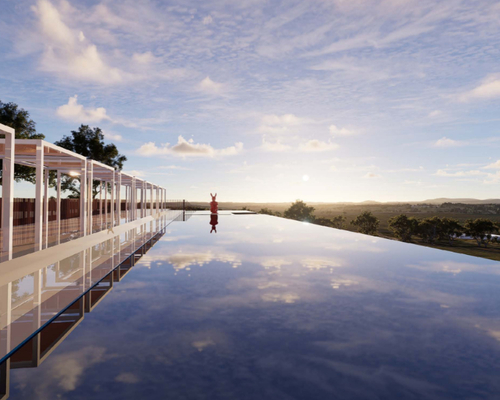
Luxury resort coming to Hunter Valley will have longevity spa
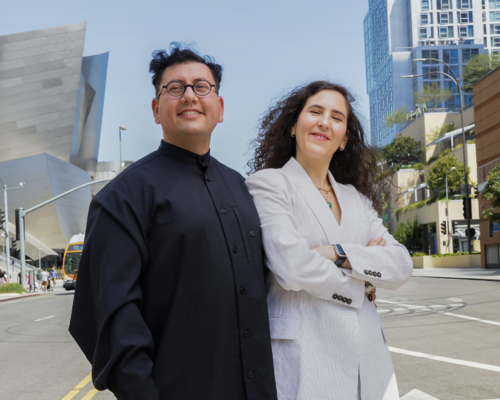
'Data chocolate', dreams made real and artworks shaped by visitors’ emotions: Refik Anadol’s AI art museum launches in Los Angeles
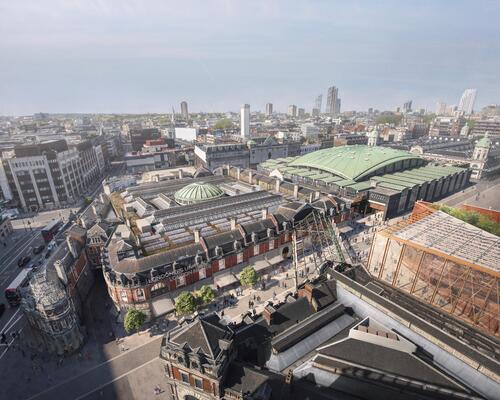
London Museum reveals 2026 opening date for new Smithfield home
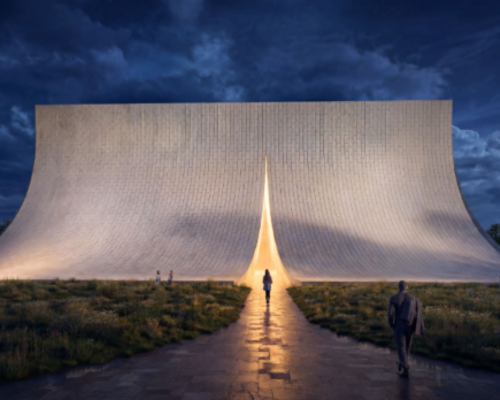
BIG unveils Eve Music Hall as Croatia venue nears completion
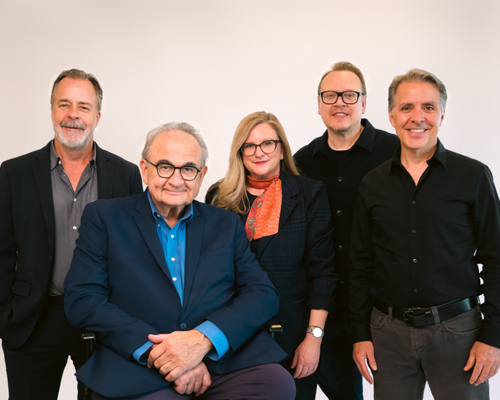
Bob Rogers hands BRC to long-serving leadership team

Palazzo di Varignana launches family wellbeing and longevity retreat in Emilia Romagna
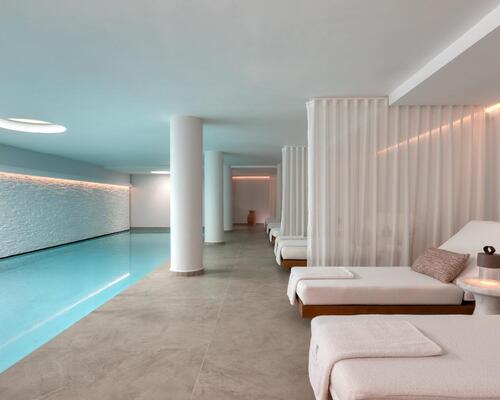
Anasa Wellness and Spa debuts at Patmos Aktis as it joins Marriott
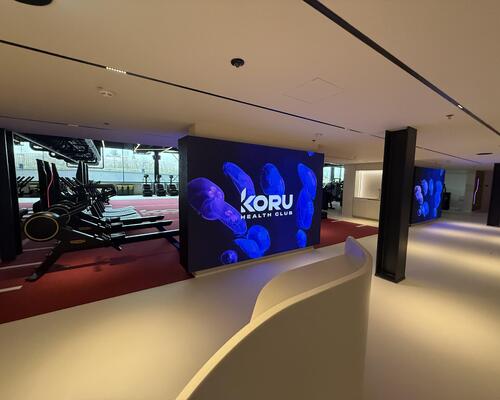
Design-led Koru Health Club combines high-performance training with recovery

Wellness care hospital opens in Vilnius with innovative spa and hospitality concept

Universal and Puy du Fou projects point to rise of Oxford–Cambridge corridor
A proposed Puy du Fou development near Bicester and Universal Destinations and Experiences’ planned resort in Bedford are emerging as part of a wider transformation of the Oxford–Cambridge Growth Corridor into a major centre for UK leisure and tourism investment.
For years, the corridor has been associated primarily with science, technology, housing and university-led economic growth. However, the clustering of large-scale visitor attraction projects along the
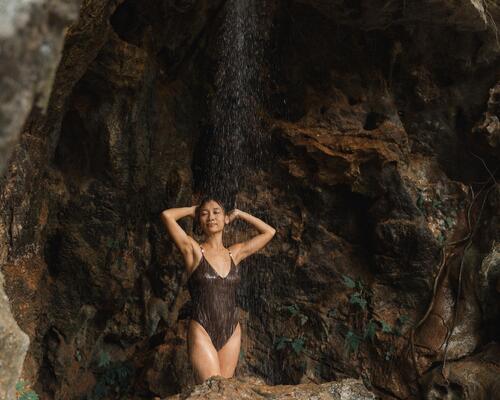
All-inclusive eco-wellness development Auko to open near Vietnam’s Son Doong caves