Sun's power and hot springs harnessed to freeze Russian ice rink all year round


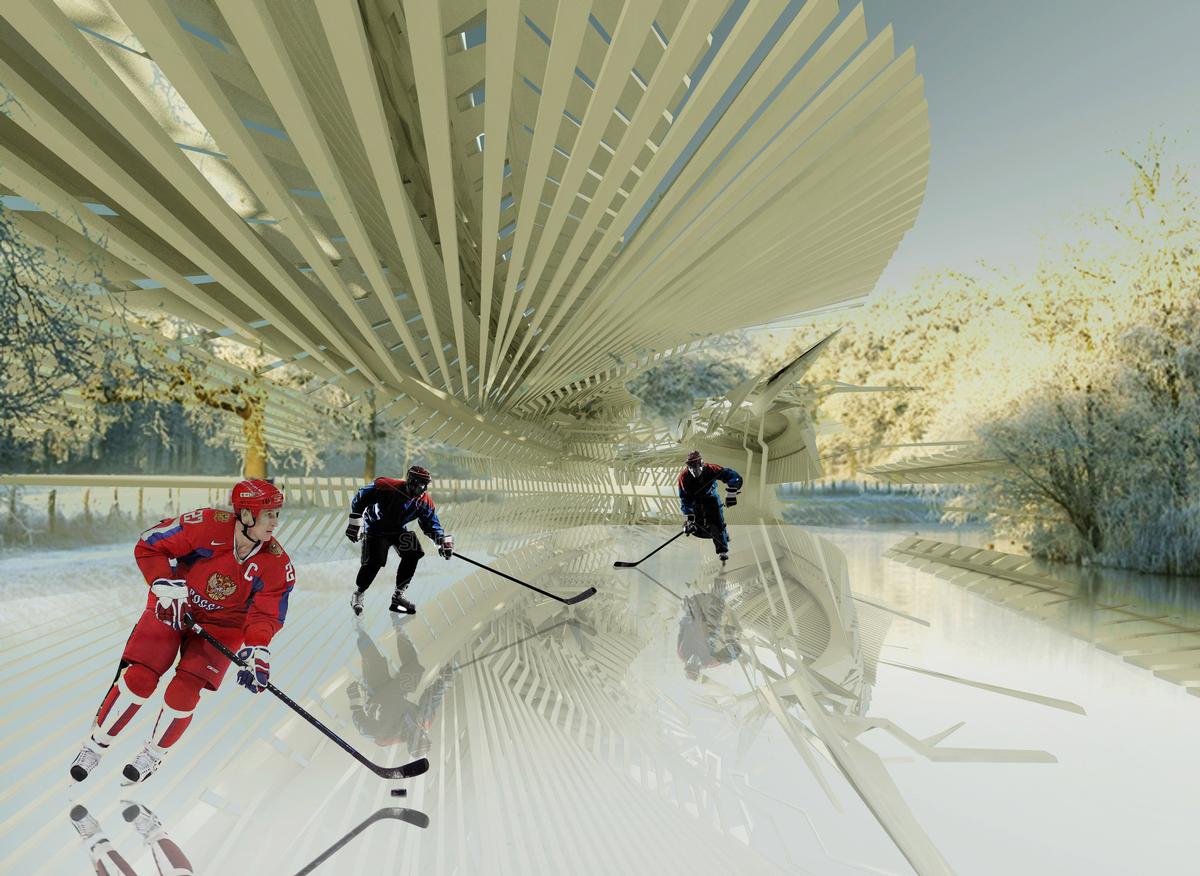
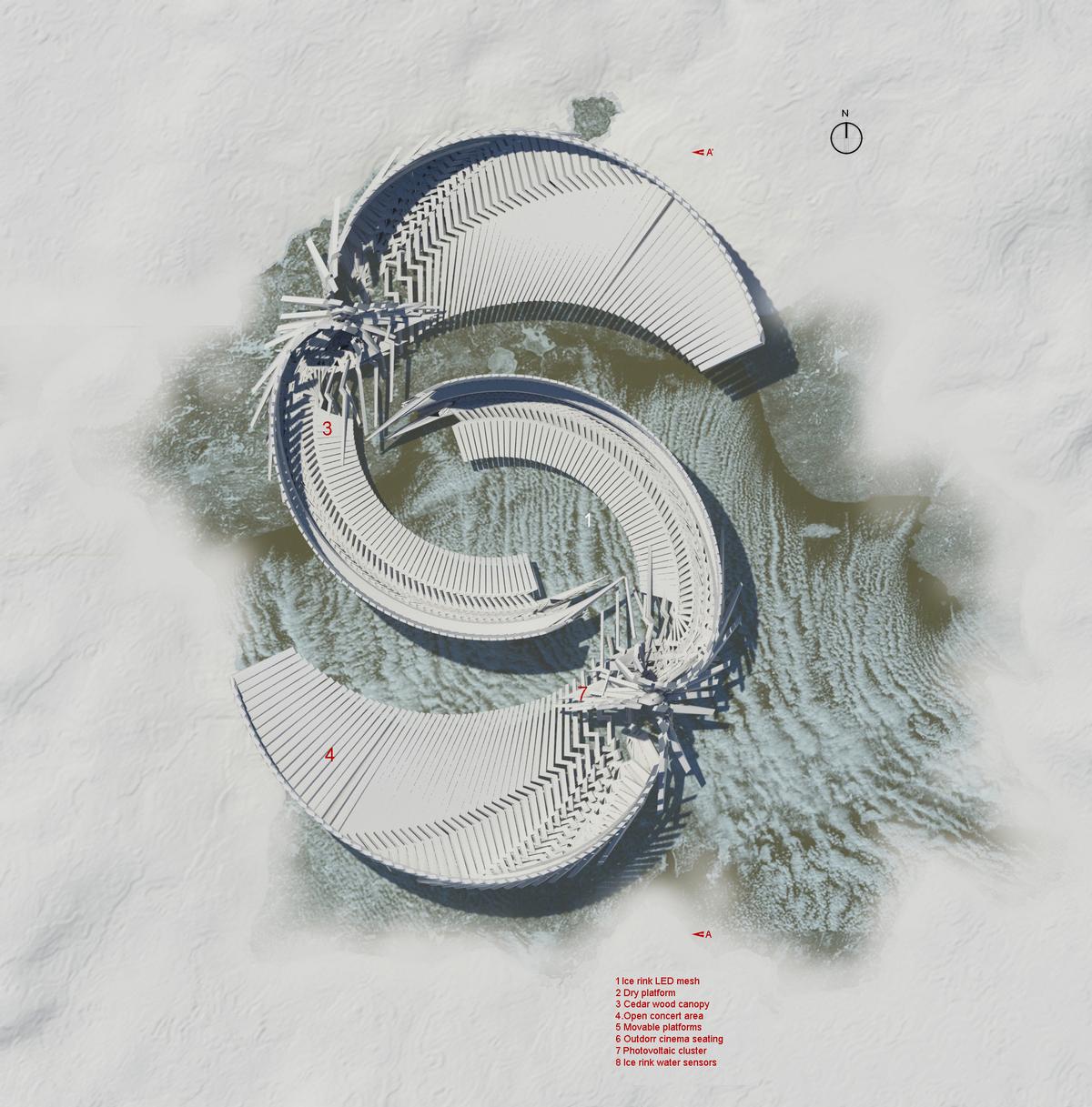
Architect Margot Krasojevic has designed an ice rink facility on a Russian lake that will use the power of the sun and geothermal energy to keep the surface frozen all year round.
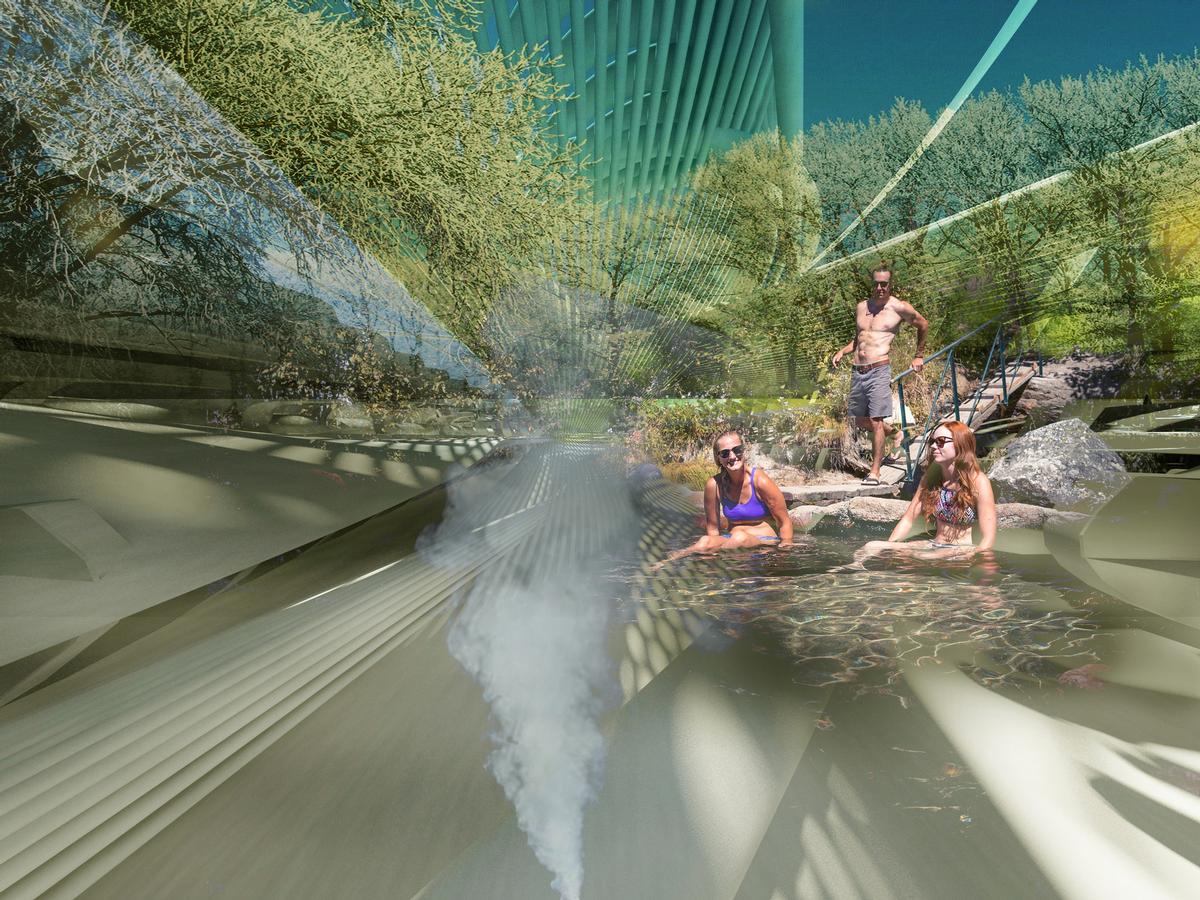
The ‘Liquid Skating Photovoltaic Ice Skating Rink’ will be located high in the mountains of the Kamchatka peninsula – a popular tourist hotspot due to its volcanic terrain, nature reserves and hot springs.
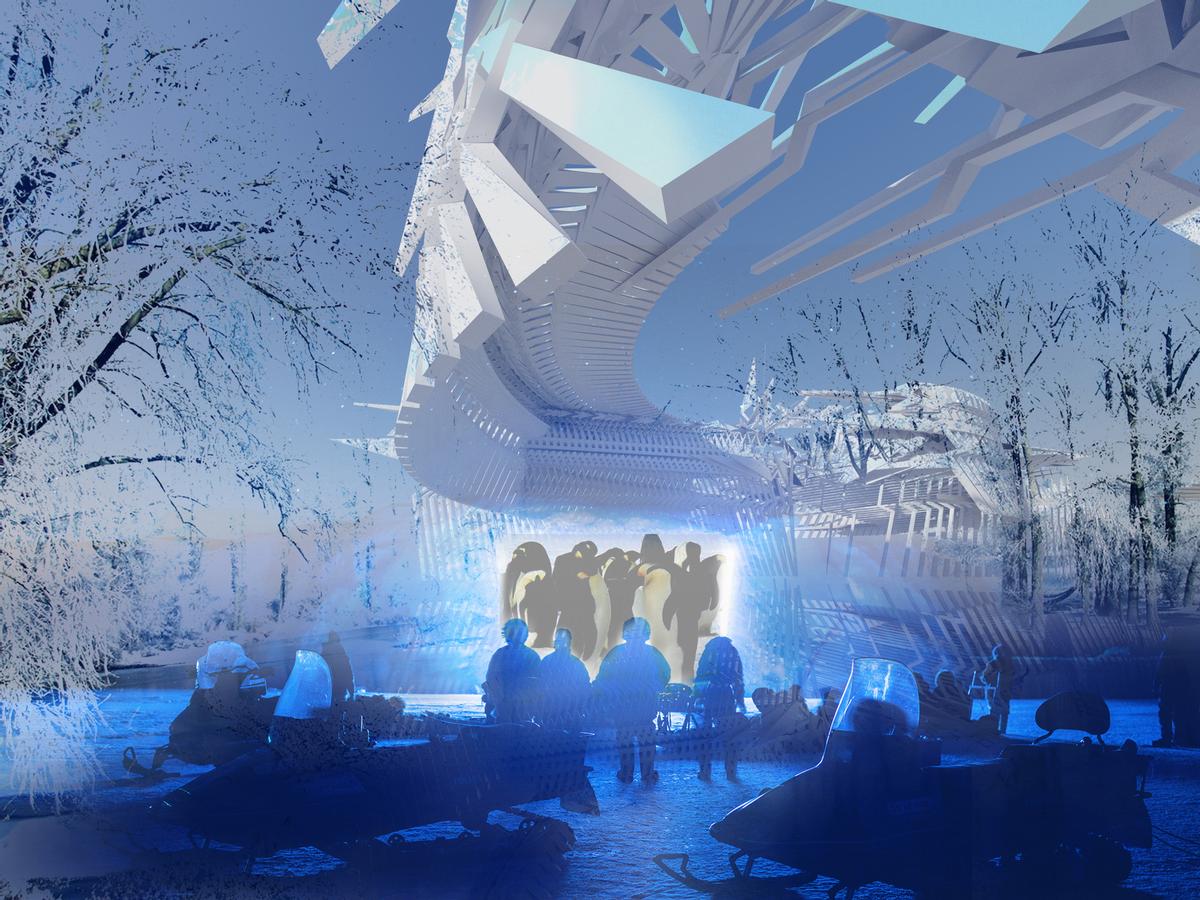
Krasojevic’s client, China Film House, wants to take advantage of this popularity by building a 2,500sq m (26,900sq ft) multi-purpose leisure scheme on the site, with an outdoor cinema, a natural geothermal spa and the outdoor ice rink on the lake.
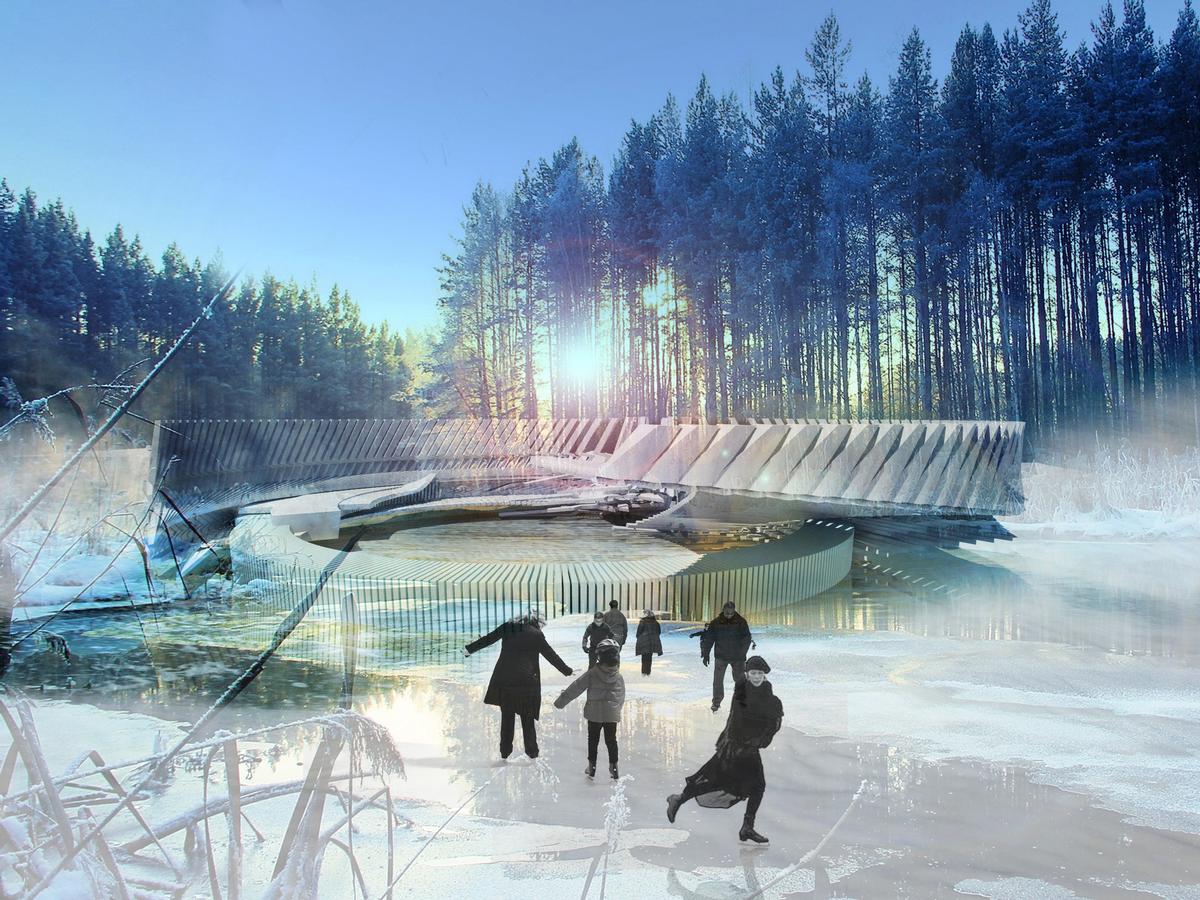
Winter temperatures average 20 degrees Fahrenheit (-6 degrees Celsius), meaning the lake remains frozen over the winter months and can be used for hockey tournaments and as a skate park.
Krasojevic and her eponymous design studio were challenged with developing a system to keep the rink usable when the days begin to get warmer.
Their solution is self-sufficient and environmentally friendly, with no need for harmful refrigerants or the creation of Carbon dioxide.
Renewable energy will be generated by solar-capturing photovoltaic cells attached to a striated canopy above the rink. By absorbing much of the location's bright sunlight, they will prevent the ice rink from melting. Further electricity will be created by geothermal turbines located in the nearby hot springs. This power will be recycled through the grid and used to keep the lake at a frozen temperature.
The rink will be flooded from below the surface to keep it frozen and strengthen the ice, while a biodegradable LED net spanning the net will provide further support.
Capacitors will store the electrical energy for nighttime use, when there is a downshift in electrical consumption.
As well as keeping the rink in use all year round, the innovative energy system will also power a unique solar cinema. A projector in the canopy will display films on the frozen surfaces of the rink. When not used for cinematic screenings, it can be used to animate the venue for sports or wellness events.
Krasojevic’s design of the facility is intended to reflect “the fluid nature and ever-changing state of the immediate environment.” The ice rink is partly enclosed by a sequence of striated cedar wood sections, the forms of which mimic frozen water, or moments captured from a choreographed continuous ice skating movement – “like the blades the sections cut through and across the lake.”
Foldable seating units will be spread around the main frame of the rink, creating a series of flexible spaces.
The tender process has begun to find construction and engineering partners to construct the facility.
A second stage of the project is also being considered, which would adapt the rink to be powered completely by solar energy generated in the Mongolian desert, located to the west of the peninsula.
Describing her philosophy, Krasojevic said: “Sustainability and smart materials are an inherent part of the design process, dictating the terms of the architectural design criteria rather than referring to sustainable technology as a polite afterthought.”
Renewable energy is increasingly being used for its capacity to freeze. Last year saw the opening of Icehotel 365 in the Swedish village of Jukkasjärvi. Despite its walls, floors and ceiling being made exclusively from ice and snow, a refrigerating plant powered by solar energy maintains a temperature of minus five degrees Celsius in the warmer months.
Solar power geothermal energy Russia architecture design ice rink China Film House Margot Krasojevic


Permanent ice hotel chilled by solar power opens near Arctic Circle
Elon Musk unveils camouflaged solar roofs as 'beautiful' solution to creating sustainable energy
This eco-friendly Maldives resort uses solar panels as a design feature
Power of the midnight sun harnessed to create an ice hotel that doesn't melt
AI firm Midjourney enters wellness with spa, fitness and body scanning concept
Hot spring wellness community Ameyalli sells residences and breaks ground on resort and spa

OMA completes New Museum transformation with landmark expansion and Oberon restaurant
OMA has completed a major transformation of New York's New Museum, creating a larger cultural campus that combines expanded exhibition spaces with learning, performance, hospitality and public programming. The latest addition, Oberon, extends the visitor experience beyond the gallery, reflecting a growing trend for museums to become all-day destinations.
The New Museum in New York has entered a new chapter with the completion of a major
David Rockwell creates immersive magic destination, The Hand and The Eye
Montana Heritage Center by Cushing Terrell opens after US$107 million investment

Universal launches new theme park model with Kids Resort
'Minor wellness hotels' recorded the strongest growth across top KPIs in 2025, finds RLA Global
Great Barrier Reef attraction set for AU$180 million reinvention
Fairmont Cheshire, The Mere, has architecture by Leach Rhodes Walker and interiors by Bergman Design House.
Marriott International partners with Fitwel for wellness solutions across its residential portfolio
Preidlhof Luxury DolceVita Resort to unveil new spa in February 2027
Places Leisure is working with Roberts Limbrick to build £60m wellness flagship in Basingstoke
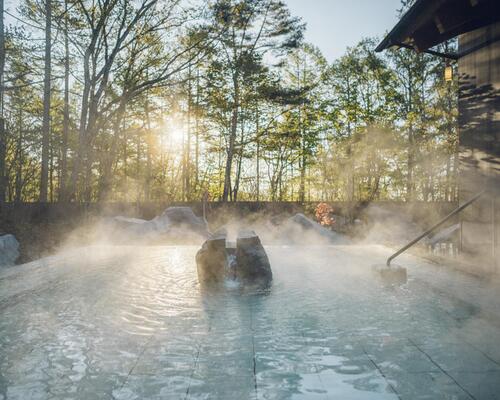
Hoshino Resorts opens Kai Kusatsu as it expands the Kai onsen ryokan brand
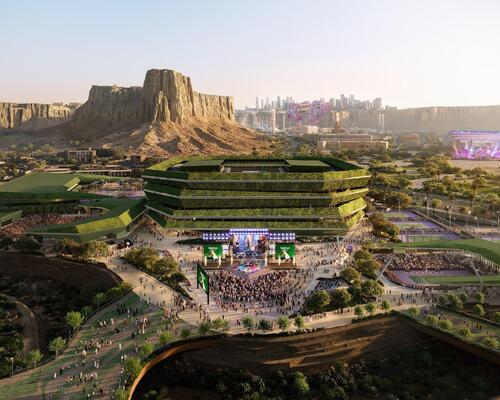
Qiddiya and Populous share details of Saudi Arabia’s National Tennis Centre

Disney confirms US$30 billion investment programme as it highlights its economic impact
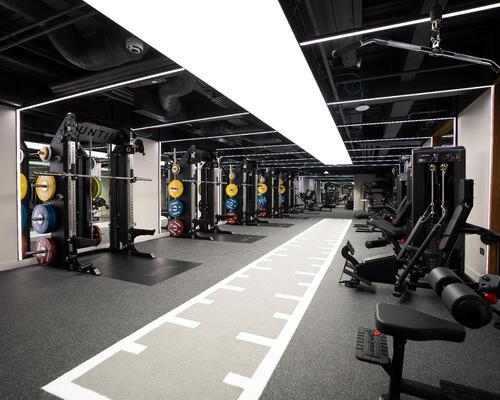
Until combines multiple disciplines at new Canary Wharf club
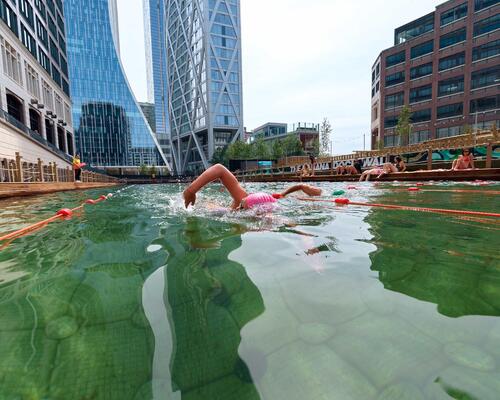
Sea Lanes opens following a partnership between The Eden Project and Canary Wharf Group
Bas Smets brings water and wilderness to Vitra
Expo 2030 Riyadh will create a permanent global destination
Luxury resort coming to Hunter Valley will have longevity spa
'Data chocolate', dreams made real and artworks shaped by visitors’ emotions: Refik Anadol’s AI art museum launches in Los Angeles
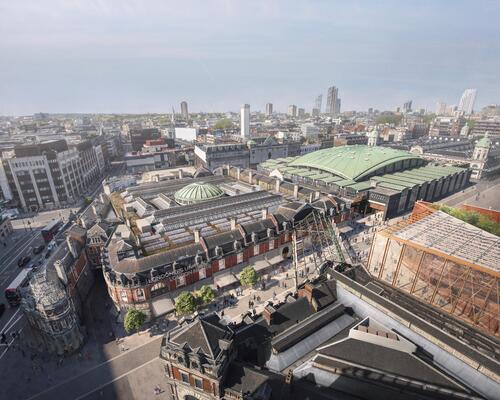
London Museum reveals 2026 opening date for new Smithfield home
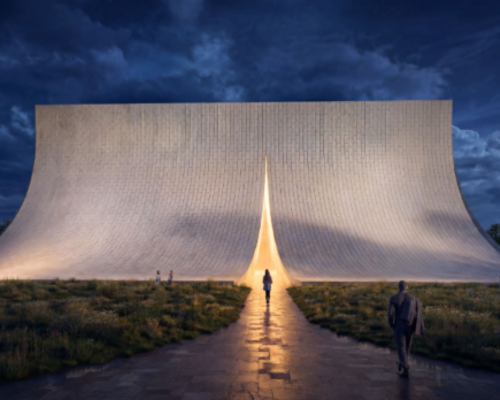
BIG unveils Eve Music Hall as Croatia venue nears completion
Bob Rogers hands BRC to long-serving leadership team

Palazzo di Varignana launches family wellbeing and longevity retreat in Emilia Romagna
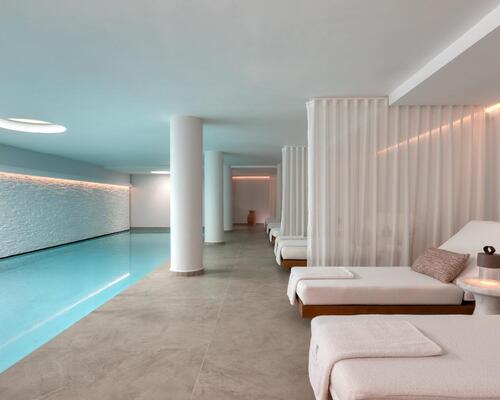
Anasa Wellness and Spa debuts at Patmos Aktis as it joins Marriott
Design-led Koru Health Club combines high-performance training with recovery

Wellness care hospital opens in Vilnius with innovative spa and hospitality concept

Universal and Puy du Fou projects point to rise of Oxford–Cambridge corridor
A proposed Puy du Fou development near Bicester and Universal Destinations and Experiences’ planned resort in Bedford are emerging as part of a wider transformation of the Oxford–Cambridge Growth Corridor into a major centre for UK leisure and tourism investment.
For years, the corridor has been associated primarily with science, technology, housing and university-led economic growth. However, the clustering of large-scale visitor attraction projects along the

All-inclusive eco-wellness development Auko to open near Vietnam’s Son Doong caves