What does Sadiq Khan's first London Plan mean for leisure architects and developers?


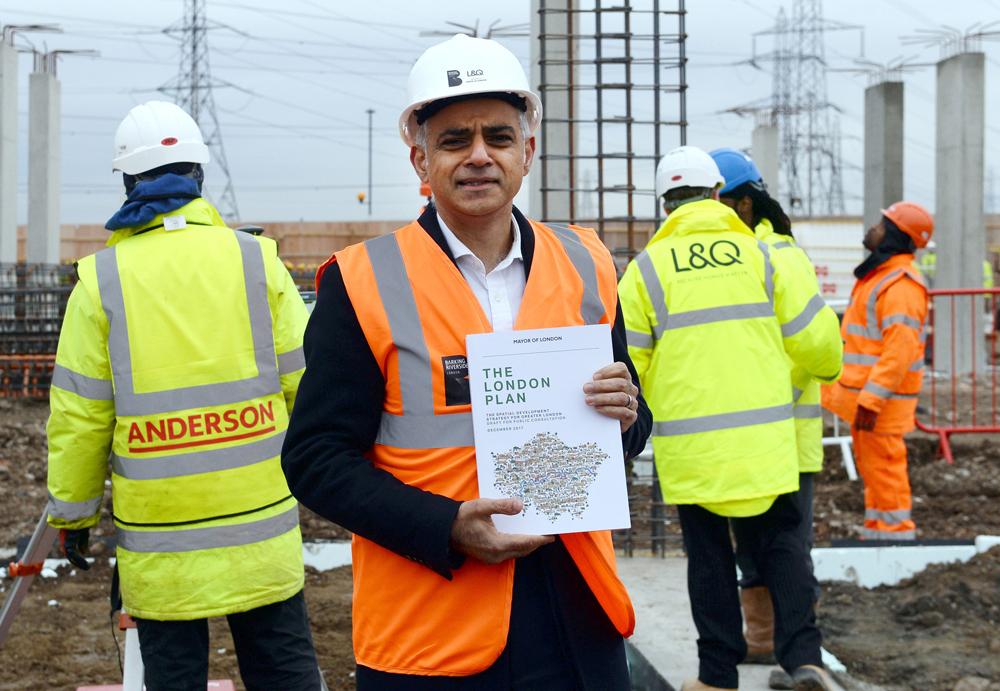
– Sadiq Khan, mayor of London
The mayor of London, Sadiq Khan, has launched the draft of his first London Plan – described as "the capital’s strategic planning bible".
The 524-page document sets out Khan’s vision for urban development and offers firm guidelines for architects and developers in a host of areas.
The plan focuses on tackling of London’s housing crisis – with proposals to build 65,000 homes per year and make 50 per cent of housing affordable. Density limits will be removed to encourage developers to build more housing near town centres and transport hubs.
The mayor has expanded on his previous pledge to make London the world’s first “National Park City” by setting a target for more than half of the capital to be green by 2050.
Design quality and suitability are of core importance to the plan across sectors – with leisure architects and developers among those urged to “deliver buildings and spaces that are positioned and of a scale, appearance and shape that responds successfully to the identity and character of the locality”.
Khan has said that all new developments in London should be of high quality, with architecture that pays attention to detail and gives thorough consideration to the practicality of use, flexibility, safety and building lifespan, through appropriate construction methods and the use of attractive, robust materials.
Meanwhile, designers are urged to ensure the public realm is “safe, accessible, inclusive, attractive, well-connected, easy to understand and maintain; relates to the local and historic context; and incorporates the highest quality design, landscaping, planting, street furniture and surfaces”.
“My London Plan sets out how we're planning for the challenges our great city faces, but crucially focuses on my vision of a London that welcomes growth, celebrates its diversity and ensures every Londoner gets the opportunity to fulfil their potential,” Khan said.
The Plan will be published for consultation on Friday (1 December), and a final version will be presented in March 2018.
CLADglobal has picked out the key points of the draft London Plan.
The planning process
The London Plan seeks to crack down on cases where a completed building is significantly different from the design initially approved.
Planning authorities are encouraged to scrutinise proposed designs in more detail, ensuring that its layout, scale, height, density, land uses, materials, architectural treatment, detailing and landscaping are all covered.
In particular, they are asked to:
• Have a sufficient level of design information, including key construction details provided as part of the application to ensure the quality of design can be maintained if the permitted scheme is subject to subsequent minor amendments
• Ensure the wording of the planning permission, and associated conditions and legal agreement, provide clarity regarding the quality of design
• Avoid deferring the assessment of the design quality of large elements of a development to the consideration of a planning condition or referred matter
• Use architect retention clauses in legal agreements where appropriate
• Identify whether tall buildings are being built in the right places and to high design and safety standards.
Fifty Mayor’s Design Advocates have been appointed “to help champion design through research, design review, capacity building, commissioning and advocacy.” Architects in this group include Sir David Adjaye, Alison Brooks, Monica von Schmalensee and Sadie Morgan.
Culture
The mayor has previously vowed to embed culture into city's planning system “in a way no world city has ever seen before” and this ambition has formed a significant section of the plan.
According to the mayor’s office, culture is growing at a faster rate than any other area of the economy – driving tourism, generating £42bn for London’s economy annually and employing one in six people. Despite this, it has lost 25 per cent of its pubs, 40 per cent of its music venues, 50 per cent of its nightclubs and 58 per cent of its LGBT+ venues due to its competitive land market.
To counter this, proposals include support for new Creative Enterprise Zones and Cultural Quarters, as well as moves to protect artist studio space and public houses.
Developers and architects are encouraged to build on the existing character of an area and encourage a mix of cafés, restaurants and bars alongside cultural venues, while ensuring mixed-use developments include cultural facilities. The opening hours of businesses like shops, cafés, libraries, galleries and museums will be extended to boost the night-time economy.
Boroughs are asked to consider the use of vacant properties and land for pop-ups, which can be used for cultural and creative activities during the day and at night-time. These aim to “stimulate vibrancy, vitality and viability in town centres by creating social and economic value from vacant properties” and ”help prevent blight in town centres and reduce the risk of arson, fly tipping and vandalism”.
They are also requested to regularly assess the need for sports and recreation facilities at local and sub-regional levels.
Khan said: “Culture plays a vital role in bringing people from all backgrounds together and I want every Londoner to have the opportunity to access culture on their doorstep. Without culture, London would lose its spirit and soul, and I’m proud that my draft London plan is the most pro-culture yet.”
Approach to heritage sites and buildings
According to the plan, “ensuring the identification and sensitive management of London’s heritage assets in tandem with the promotion of the highest standards of modern architecture will be essential to maintaining the blend of old and new that gives the capital its unique character”.
It states that London features over 1,000 conservation areas, 19,000 list entries for historic buildings, 150 registered parks and gardens, 160 scheduled monuments, and one battlefield, while non-designated assets include buildings of local interest, most archaeological remains, canals, docks and waterways, historic hedgerows and ancient woodland.
Boroughs are encouraged to work with Historic England and local communities to understand, conserve and enhance these assets, and, when planning development and regeneration, “to recognise and embed the role of heritage in place-making”.
“The built environment, combined with its historic landscapes, provides a unique sense of place, whilst layers of architectural history provide an environment that is of local, national and international value," the plan states.
“London’s heritage assets and historic environment are irreplaceable and an essential part of what makes London a vibrant and successful city, and their effective management is a fundamental component of achieving good growth.”
The plan also states an ambition to protect vistas of ‘strategically important landmarks’, including linear views, rivers and townscapes. The designation landmark viewing corridors and wider setting consultation areas will protect views of historic icons including St Paul’s Cathedral, the Palace of Westminster and the Tower of London, which campaigners believe have been compromised by dense developments around them.
The draft London Plan can be read in full, and commented on, by following this link.
Sadiq Khan Mayor of London London Plan architecture design planningRoadmap for London tourism predicts 30 per cent visitor increase by 2025
Sadiq Khan sets out vision for green London as mayor plans to make capital first National Park City
Bernard Donoghue named part of Sadiq Khan's Cultural Leadership Board for London
London mayor scraps plan for Garden Bridge
Sadiq Khan eyes more ‘world-class’ sports venues and permanent NFL franchise for London
London mayor Sadiq Khan vows to 'embed culture' into city's planning system

OMA completes New Museum transformation with landmark expansion and Oberon restaurant
OMA has completed a major transformation of New York's New Museum, creating a larger cultural campus that combines expanded exhibition spaces with learning, performance, hospitality and public programming. The latest addition, Oberon, extends the visitor experience beyond the gallery, reflecting a growing trend for museums to become all-day destinations.
The New Museum in New York has entered a new chapter with the completion of a major
David Rockwell creates immersive magic destination, The Hand and The Eye
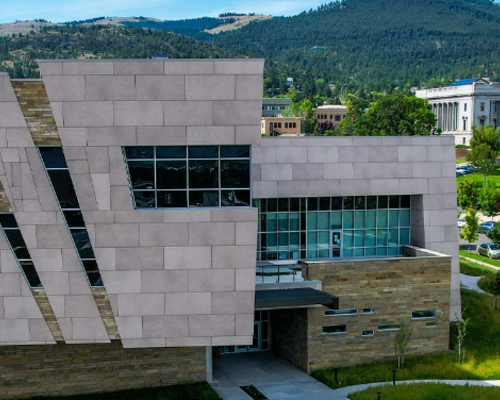
Montana Heritage Center by Cushing Terrell opens after US$107 million investment
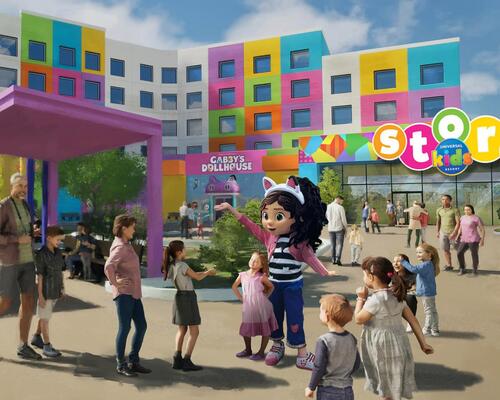
Universal launches new theme park model with Kids Resort
'Minor wellness hotels' recorded the strongest growth across top KPIs in 2025, finds RLA Global
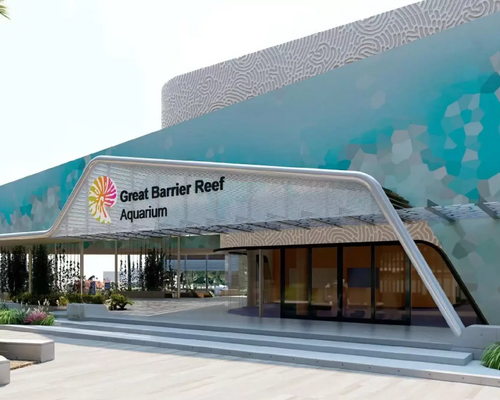
Great Barrier Reef attraction set for AU$180 million reinvention
Fairmont Cheshire, The Mere, has architecture by Leach Rhodes Walker and interiors by Bergman Design House.
Marriott International partners with Fitwel for wellness solutions across its residential portfolio
Preidlhof Luxury DolceVita Resort to unveil new spa in February 2027
Places Leisure is working with Roberts Limbrick to build £60m wellness flagship in Basingstoke

Hoshino Resorts opens Kai Kusatsu as it expands the Kai onsen ryokan brand
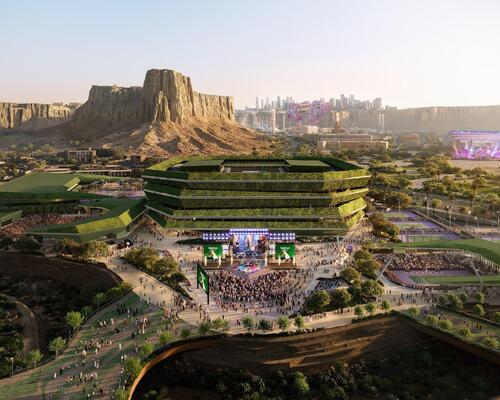
Qiddiya and Populous share details of Saudi Arabia’s National Tennis Centre
Disney confirms US$30 billion investment programme as it highlights its economic impact
Until combines multiple disciplines at new Canary Wharf club
Sea Lanes opens following a partnership between The Eden Project and Canary Wharf Group
Bas Smets brings water and wilderness to Vitra
Expo 2030 Riyadh will create a permanent global destination
Luxury resort coming to Hunter Valley will have longevity spa
'Data chocolate', dreams made real and artworks shaped by visitors’ emotions: Refik Anadol’s AI art museum launches in Los Angeles
London Museum reveals 2026 opening date for new Smithfield home
BIG unveils Eve Music Hall as Croatia venue nears completion
Bob Rogers hands BRC to long-serving leadership team
Palazzo di Varignana launches family wellbeing and longevity retreat in Emilia Romagna
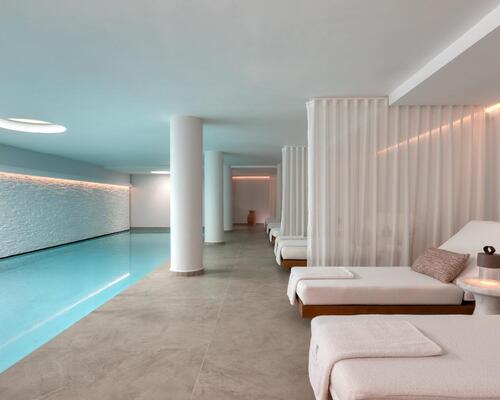
Anasa Wellness and Spa debuts at Patmos Aktis as it joins Marriott
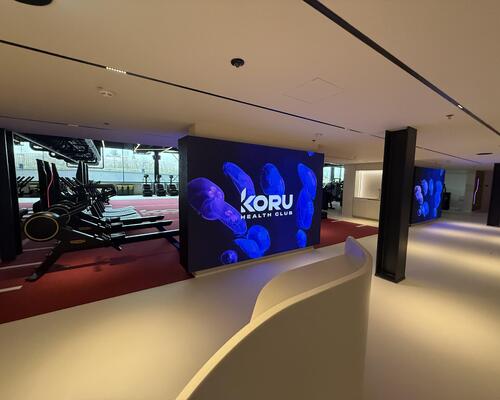
Design-led Koru Health Club combines high-performance training with recovery

Wellness care hospital opens in Vilnius with innovative spa and hospitality concept

Universal and Puy du Fou projects point to rise of Oxford–Cambridge corridor
A proposed Puy du Fou development near Bicester and Universal Destinations and Experiences’ planned resort in Bedford are emerging as part of a wider transformation of the Oxford–Cambridge Growth Corridor into a major centre for UK leisure and tourism investment.
For years, the corridor has been associated primarily with science, technology, housing and university-led economic growth. However, the clustering of large-scale visitor attraction projects along the

All-inclusive eco-wellness development Auko to open near Vietnam’s Son Doong caves
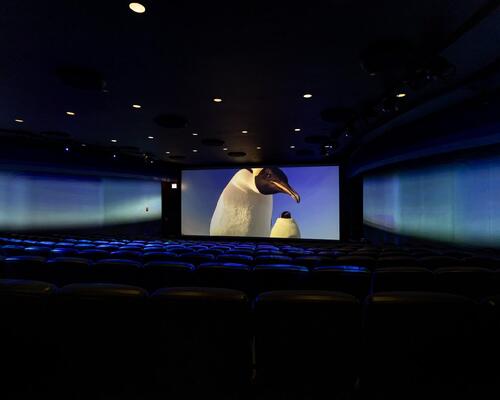
Shedd Aquarium upgrades its visitor experience with new Immersion Theater
Shedd Aquarium has opened the Immersion Theater developed in partnership with SimEx-Iwerks, as part of a wider strategy to enhance the guest experience and create additional revenue opportunities.
The attraction has transformed the aquarium’s Phelps Auditorium into a multi-sensory venue combining panoramic projection, environmental effects and interactive technology.
A new pre-show area allows visitors to engage with augmented reality marine animals before entering the
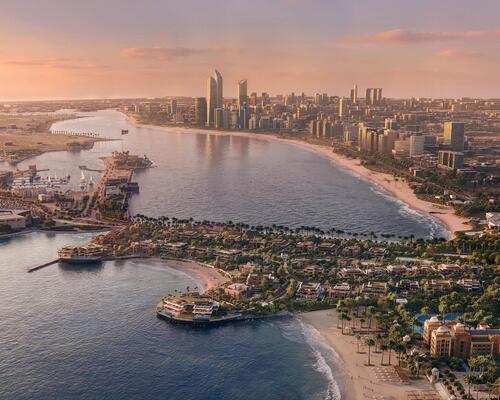
Mandarin Oriental announces standalone Mansions-branded residences for Abu Dhabi


















Designed to restore neglected land and renew the identity of Iraq’s capital city, Baghdad Sustainable Forests promises a new way of living surrounded by nature. Gensler’s Ian Mulcahay tells us why he thinks the project could become a model for the repair and enhancement of urban centres