Exclusive: Perkins + Will's LA design director on the architecture software revolution


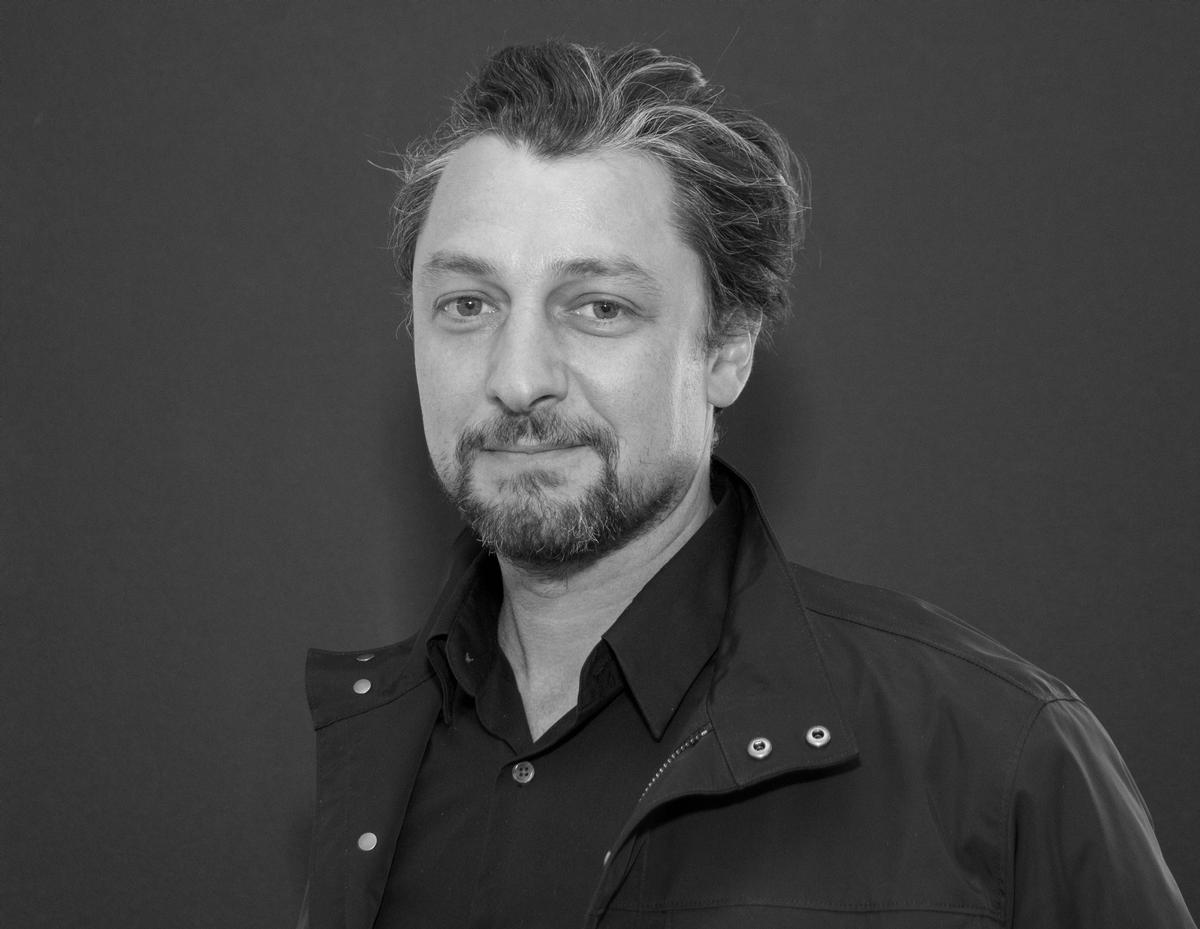
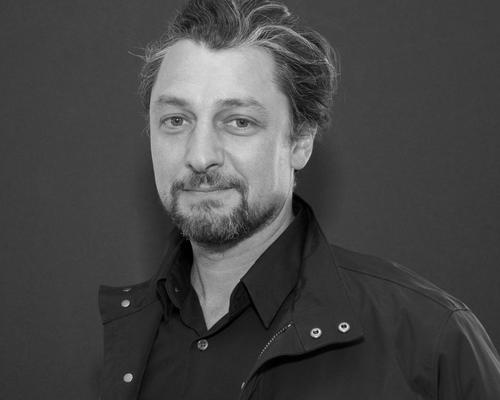
– Yan Krymsky
The Los Angeles office of global architecture and design firm Perkins+Will has appointed a new design director to “lead the LA practice into the digital age.”
Yan Krymsky will oversee the creative direction of the LA studio and lead the design of its major projects, including a master plan to convert the 125-acre Piggyback Yard rail facility by the Los Angeles River into a public space.
He assumes the role previously held by Nick Seierup, who served as design director for 18 years and who will now take up a role as a design principal.
Seierup said: “Frankly, this kind of leadership transition is unprecedented: rarely, if ever, does a sitting design director at a firm of our size voluntarily step aside to welcome an emerging generation of talent into a leadership role.”
The office’s managing director Eric Aukee added: “Yan brings not only a strong body of design work and innovation to our team, but also personal moxie and dynamism. His unique methods and fresh ideas will raise the bar and strengthen our reputation for pioneering architectural design in Los Angeles.”
Krymsky is a specialist in computer modelling, coding, and parametric design, which he said are “reshaping the creative process and the way we as designers think about solving problems.”
In an exclusive interview wit CLADglobal, featured below, he said that this is “a pivotal moment for the profession” and predicted that “in the future, scripting will be as essential to a designer’s tool kit as 3D modelling is today – ingrained as an integral part of the design process.”
How do you see the intersection between architecture and computational design evolving in the next few years?
There is a concept called linguistic relativity which suggests the language we communicate with influences our perceptions and experience of the world - essentially that language determines thought. I think this theory can also be applied to the language of computers and how we use them to operate as creative thinkers.
More and more, designers are turning to scripting to help solve complex, hard to quantify problems. As more of us incorporate the use of computation in our day to day process, it follows that our approach to problem-solving will also change. We’ll start to see creative thought being directed at designing systems to drive outcomes, instead of designing the outcomes themselves.
How is the relationship between architects and their tools changing?
For years, architects and designers have structured their creative process around common tools and software that already exist, but an evolution is happening. The relationship architects have always had with software is being reversed. We're evolving out of a purely consumerist mindset and looking for ways to augment our design process by combining, linking, customising and even writing custom software. We’re starting to look at which programs we can create ourselves as designers to best support the project. We could, and eventually will, craft a script that is capable of producing a set of drawings that documents an entire building design.
At Perkins + Will, we’re looking for ways to use these tools to improve our clients profitability or help them to reach operational or educational goals. By creating just in time scripts that allow our teams to gain a better understanding of the data we can collect, we’re beginning to tailor the toolset around the workflow instead of the workflow around the tools.
What is the digital advancement that will have the biggest impact on the industry, and why?
The biggest advancement will happen when we move away from traditional, pictorial way of documenting design and start capturing design decisions and gathered information in an interactive flow chart – in a way, creating the code for each project.
Moving away from these traditional drawing and documentation methods to using computation to drive the design process will have far reaching impacts. I think this is the next big shift for the industry.
For decades, we’ve recorded design decisions in a graphic format, from drawings that were drafted by hand to drawings that were drawn on the computer using CAD programs. The resulting lines and notes had no ability to capture why these decisions were made or what the the relationships were between them. There was no story of how things got to be the way they were. BIM was really the first time architects started to use the computer to more fully describe a design in documentation. By building a 3D model enriched with data that described each component, and using that to generate drawings, certain relationships became apparent. Among other things, BIM removed the tedium of coordinating between plan and section drawings because the relationship was already defined by the 3d model.
It’s obvious BIM isn’t the last step in the professions transition into the digital age so what’s next? Anyone who has used a visual programming tool like Grasshopper or Dynamo knows that these definitions or graphs are better at capturing the why and far more robust at establishing relationships or constraints between objects. If our drawings (or at least a large portion of them) are already being generated from a BIM model, why not generate them from a script?
I don't think architectural drawings are going away anytime soon, but as we get better at leveraging the power of computation, drawings, as we know them, will become an output that gets generated for legal or contractual purposes – more like receipt than the primary mode of communication. There will be other outputs as well, each formatted to suit a specific purpose whether it be engineering, construction or energy modeling – all based on an abstract coded description of the design as opposed to the place where decisions are made and are recorded.
An optimised computation process begins to codefiy the design rather than draw a picture of it. We’ll spend less time drafting and more time analyzing with these tools. These new processes will drive improved project metrics and changes the way we approach a design problem. T
How important is it for studios to develop their digital capabilities in house?
At Perkins + Will, we’re very aware of how computation can drive results through data conversion early on in the process. To be impactful, these tools need employed from the very beginning by designers rather than specialists. It’s less about having the tools in-house, and more about how they are being used.
I can give you plenty of examples of firms with specialised groups and computational experts who have seen very little impact in the quality of their work. The project team needs to use the tools from early stages to effectively inform the design.
The importance of computation will become much more apparent as we start to see the real-world application and optimized project outcomes resulting from pushing the boundaries of a design with these tools.
Does digital technology have a role to play in the design of public spaces people will be really drawn to?
The question suggests that somehow the computer is making decisions for us and that the cold calculating mind of a machine will never be able to replace the intuition, agility, and imagination of the human brain. I've never had that kind of experience using a computer. The software I use helps me be more imaginative, explore more and wilder options with greater variety. For example, the results of a solar optimization will never determine the design of a great facade in the same way that a mechanical system wouldn't be the only factor in setting the building orientation.
In terms of public spaces, a computational design model offers more opportunities for community, stakeholder and client input much later in the design process due to the ability to make major changes in later project phases. Computational data can also be used to educate and inform the public about possible outcomes during the development process.
These are just some considerations among many. Figuring out how to resolve conflicts between these drivers and capitalize on potential synergies is at the core of what we do. Computation only makes us better at doing that.

OMA completes New Museum transformation with landmark expansion and Oberon restaurant
OMA has completed a major transformation of New York's New Museum, creating a larger cultural campus that combines expanded exhibition spaces with learning, performance, hospitality and public programming. The latest addition, Oberon, extends the visitor experience beyond the gallery, reflecting a growing trend for museums to become all-day destinations.
The New Museum in New York has entered a new chapter with the completion of a major
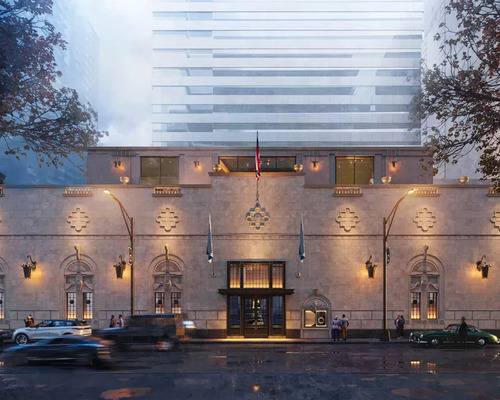
David Rockwell creates immersive magic destination, The Hand and The Eye
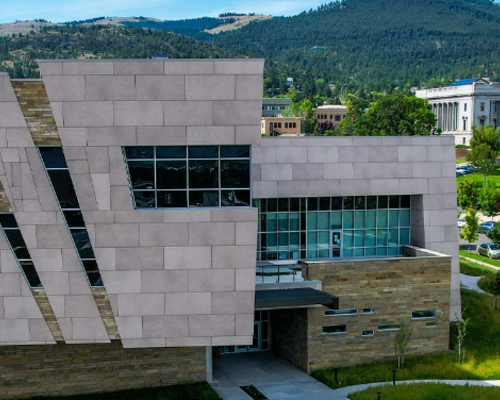
Montana Heritage Center by Cushing Terrell opens after US$107 million investment

Universal launches new theme park model with Kids Resort

'Minor wellness hotels' recorded the strongest growth across top KPIs in 2025, finds RLA Global
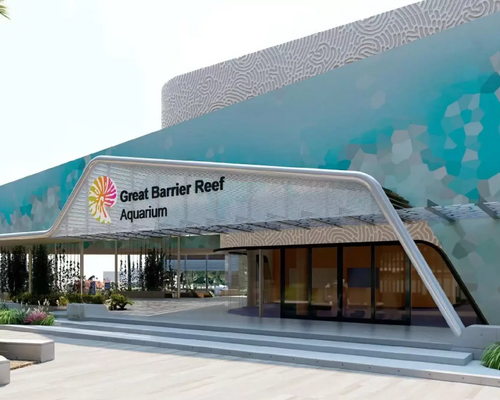
Great Barrier Reef attraction set for AU$180 million reinvention
Fairmont Cheshire, The Mere, has architecture by Leach Rhodes Walker and interiors by Bergman Design House.
Marriott International partners with Fitwel for wellness solutions across its residential portfolio
Preidlhof Luxury DolceVita Resort to unveil new spa in February 2027
Places Leisure is working with Roberts Limbrick to build £60m wellness flagship in Basingstoke

Hoshino Resorts opens Kai Kusatsu as it expands the Kai onsen ryokan brand
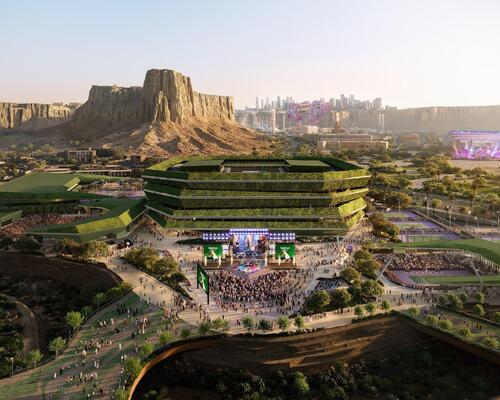
Qiddiya and Populous share details of Saudi Arabia’s National Tennis Centre

Disney confirms US$30 billion investment programme as it highlights its economic impact
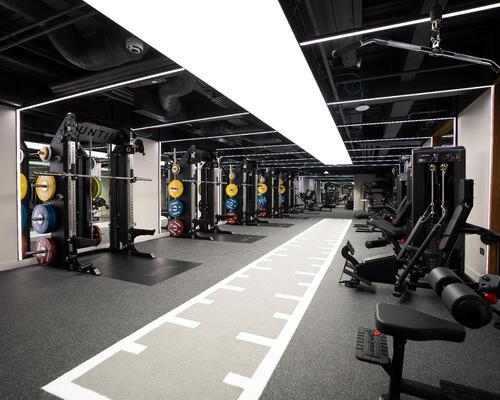
Until combines multiple disciplines at new Canary Wharf club

Sea Lanes opens following a partnership between The Eden Project and Canary Wharf Group
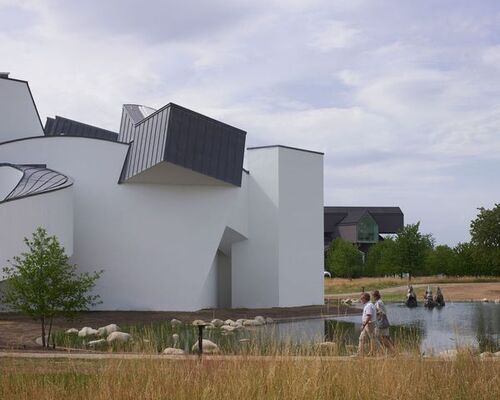
Bas Smets brings water and wilderness to Vitra
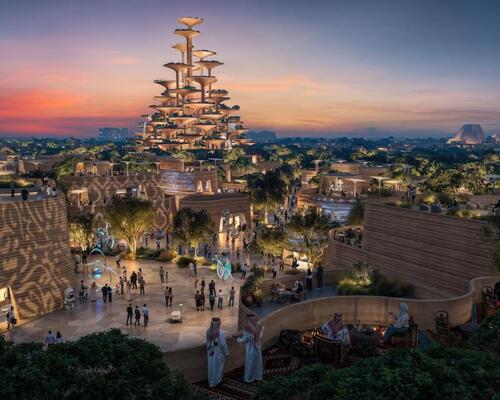
Expo 2030 Riyadh will create a permanent global destination
Luxury resort coming to Hunter Valley will have longevity spa
'Data chocolate', dreams made real and artworks shaped by visitors’ emotions: Refik Anadol’s AI art museum launches in Los Angeles
London Museum reveals 2026 opening date for new Smithfield home
BIG unveils Eve Music Hall as Croatia venue nears completion
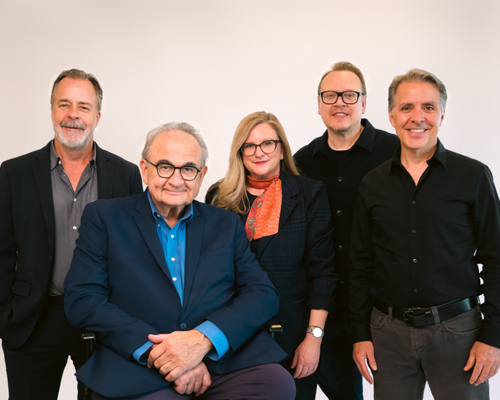
Bob Rogers hands BRC to long-serving leadership team
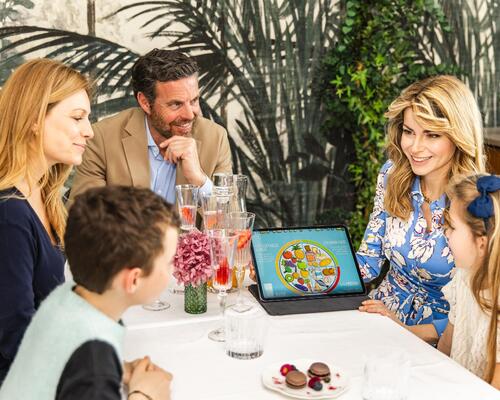
Palazzo di Varignana launches family wellbeing and longevity retreat in Emilia Romagna
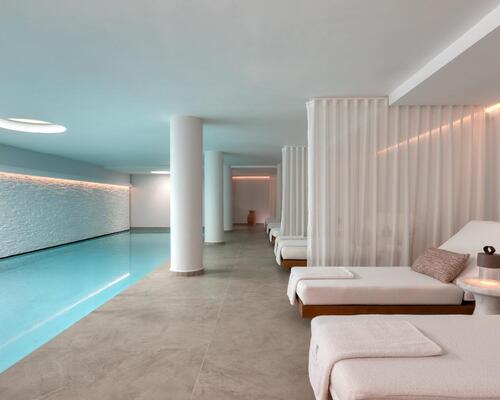
Anasa Wellness and Spa debuts at Patmos Aktis as it joins Marriott
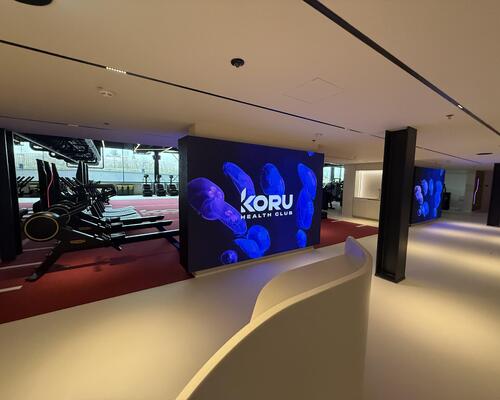
Design-led Koru Health Club combines high-performance training with recovery

Wellness care hospital opens in Vilnius with innovative spa and hospitality concept

Universal and Puy du Fou projects point to rise of Oxford–Cambridge corridor
A proposed Puy du Fou development near Bicester and Universal Destinations and Experiences’ planned resort in Bedford are emerging as part of a wider transformation of the Oxford–Cambridge Growth Corridor into a major centre for UK leisure and tourism investment.
For years, the corridor has been associated primarily with science, technology, housing and university-led economic growth. However, the clustering of large-scale visitor attraction projects along the

All-inclusive eco-wellness development Auko to open near Vietnam’s Son Doong caves
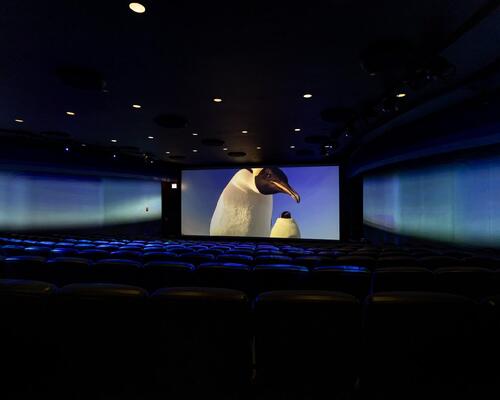
Shedd Aquarium upgrades its visitor experience with new Immersion Theater
Shedd Aquarium has opened the Immersion Theater developed in partnership with SimEx-Iwerks, as part of a wider strategy to enhance the guest experience and create additional revenue opportunities.
The attraction has transformed the aquarium’s Phelps Auditorium into a multi-sensory venue combining panoramic projection, environmental effects and interactive technology.
A new pre-show area allows visitors to engage with augmented reality marine animals before entering the

Mandarin Oriental announces standalone Mansions-branded residences for Abu Dhabi