In Japan, children are designing the cities of the future


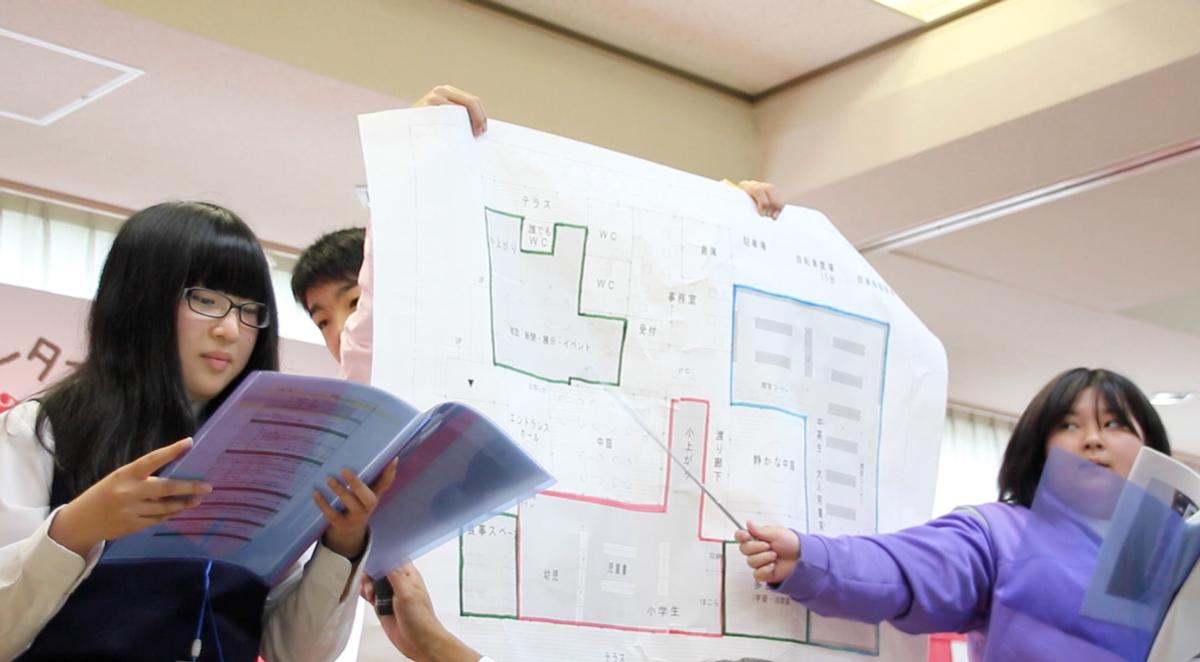
Japan is leading the way in the establishment of child-friendly cities with young people being given a say in the design of their urban environments.
UNICEF launched its Child Friendly City (CFC) initiative in 1996 as a way of implementing the Convention on the Rights of the Child (CRC) at local levels. Cities in which children are able to live happily and safely, express their opinions, influence decision making and participate in community and social life can apply for special international recognition.
In Japan, the cities of Fukuoka, Hiroshima and Sendai have been awarded special status for their initiatives and many local governments are following their example by increasing the participation of children in important urban planning decisions.
“The stream of children's participation has been significantly increasing,” said Dr Isami Kinoshita – an architecture professor at Chiba University and a leader of the CFC initiative in Japan – in an exclusive interview with CLAD. “After the Great East Japan Earthquake in 2011, children's participation has been promoted in several municipalities where rebuilding is taking place, with consultation and support from global NGOs and UNICEF.”
In the city of Ishinomaki, Save the Children Japan coordinated the building of a new children’s centre partly-designed by children and funded by the Suntory whisky company, as part of a wider initiative called Children's Community Building Clubs.
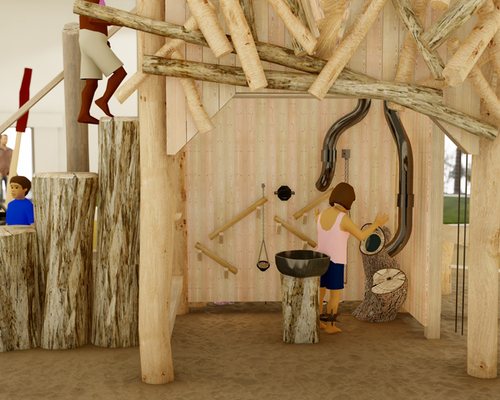
Similar projects have been launched in the cities of Kawasaki and Chiba – including children's playgrounds, wall paintings, landscaped parks and billboard designs all designed by children.
In the town of Niseko, Hokkaido prefecture, citizens under the age of 20 are regularly invited to participate in town planning committees and a special children’s parliament has been established for young citizens to give their input and feedback on important design decisions.
“Local governmental officers and citizen activists are working together to overcome conservative groups who do not understand and sometimes oppose children’s participation and the CRC,” said Dr Kinoshita. “Progress is being made though, and our network is widening every year as we exchange information and discuss new ideas. This helps us recognise the importance of continuing this initiative with the next generation.”
In a statement, UNICEF said: “There is already a great deal happening, in many states and many cities, to create Child Friendly Cities. Laws are challenging traditional ‘seen and not heard’ attitudes to children and placing duties on parents, teachers, care workers and others to listen and give due consideration to their views. Governments are holding special consultations with children and are in some cases seeking to build consultation into their everyday practice.
“This is the very essence of the process of building a Child Friendly City: informing and involving children and respecting their views and experiences; recognising children as partners and as individual human beings, rights-holders and equal, active citizens.”
Japan architecture design child friendly cities UNICEF Save the Children community urban planning built environment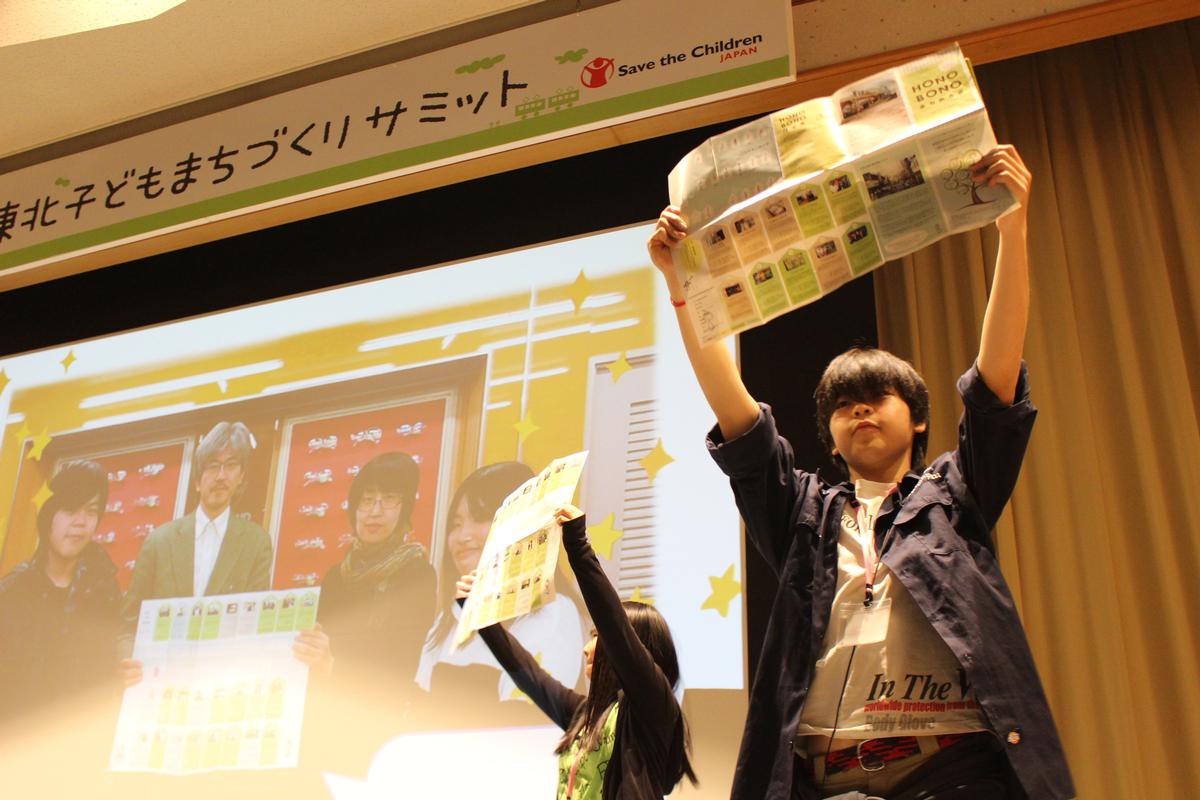


OMA completes New Museum transformation with landmark expansion and Oberon restaurant
OMA has completed a major transformation of New York's New Museum, creating a larger cultural campus that combines expanded exhibition spaces with learning, performance, hospitality and public programming. The latest addition, Oberon, extends the visitor experience beyond the gallery, reflecting a growing trend for museums to become all-day destinations.
The New Museum in New York has entered a new chapter with the completion of a major
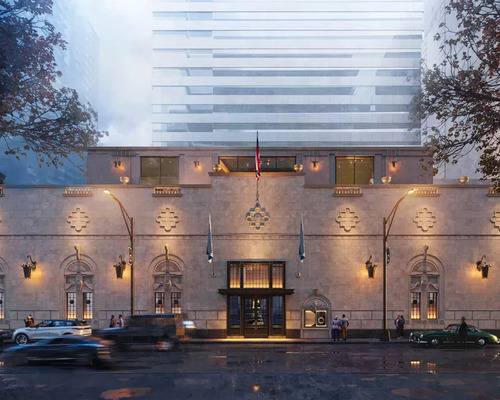
David Rockwell creates immersive magic destination, The Hand and The Eye
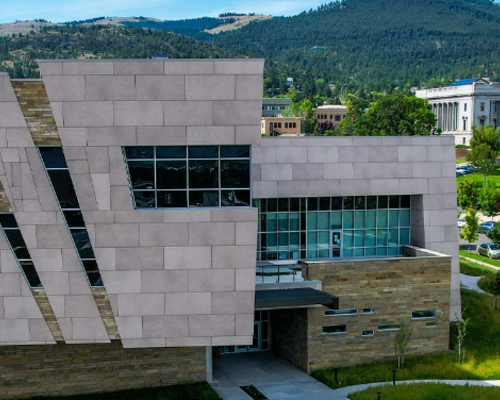
Montana Heritage Center by Cushing Terrell opens after US$107 million investment
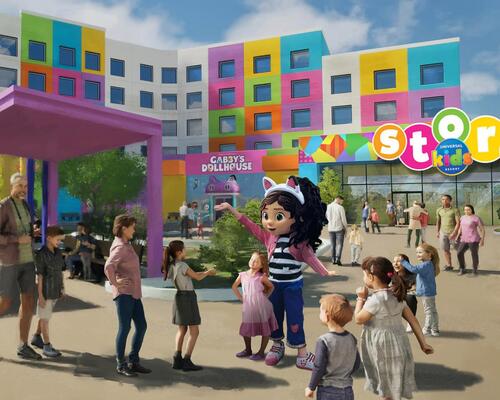
Universal launches new theme park model with Kids Resort
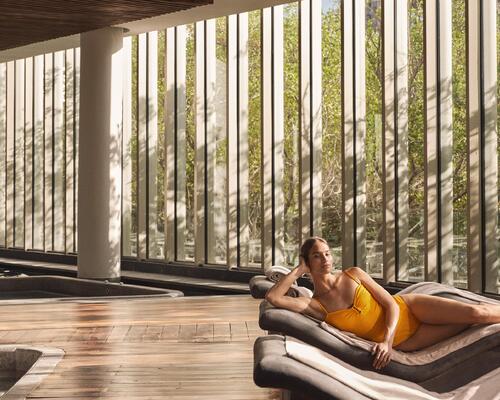
'Minor wellness hotels' recorded the strongest growth across top KPIs in 2025, finds RLA Global
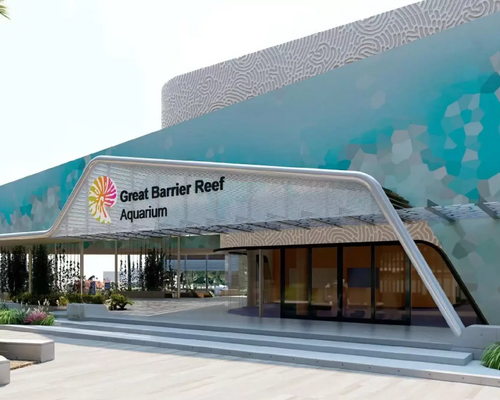
Great Barrier Reef attraction set for AU$180 million reinvention
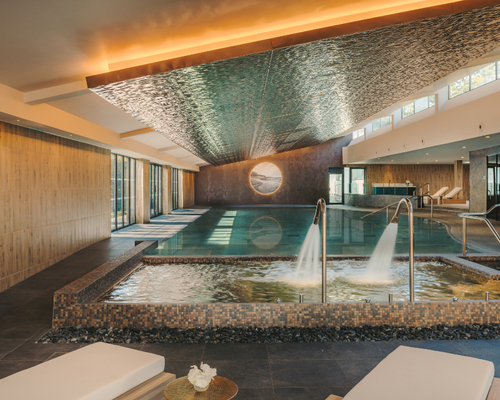
Fairmont Cheshire, The Mere, has architecture by Leach Rhodes Walker and interiors by Bergman Design House.
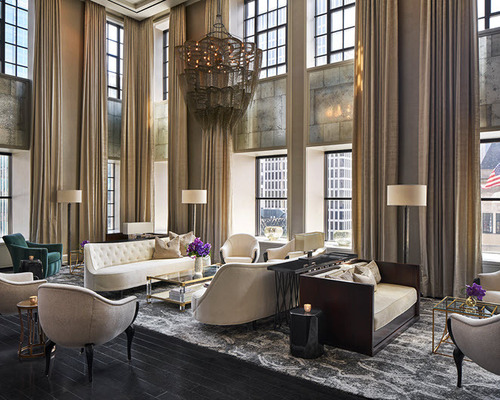
Marriott International partners with Fitwel for wellness solutions across its residential portfolio
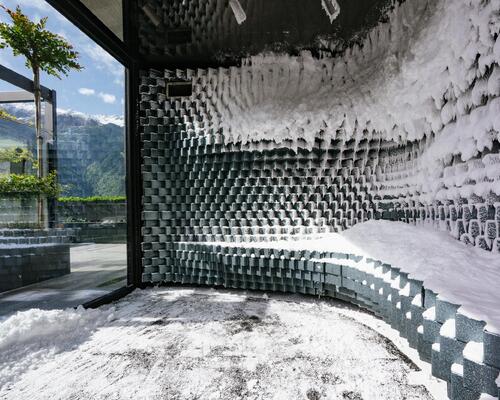
Preidlhof Luxury DolceVita Resort to unveil new spa in February 2027
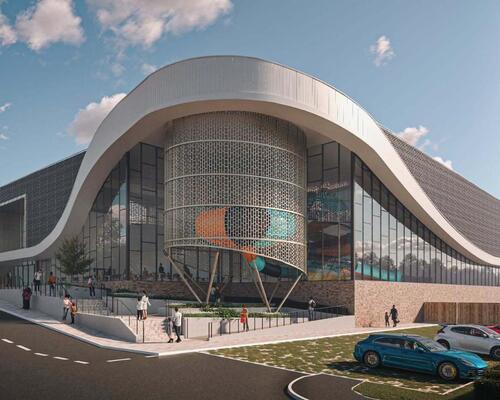
Places Leisure is working with Roberts Limbrick to build £60m wellness flagship in Basingstoke
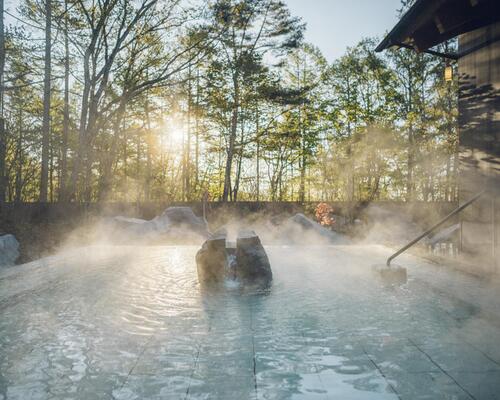
Hoshino Resorts opens Kai Kusatsu as it expands the Kai onsen ryokan brand
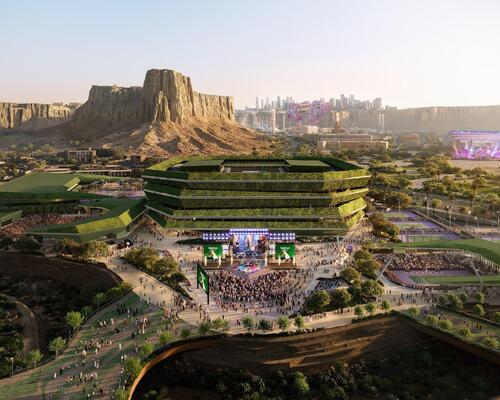
Qiddiya and Populous share details of Saudi Arabia’s National Tennis Centre
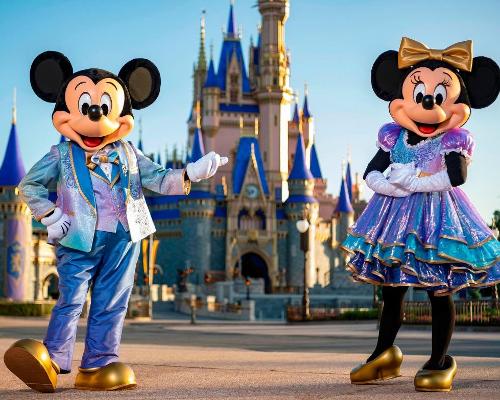
Disney confirms US$30 billion investment programme as it highlights its economic impact
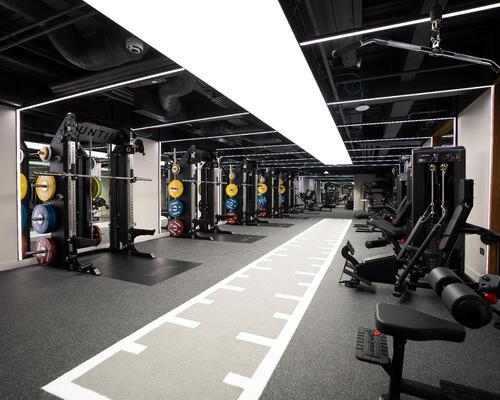
Until combines multiple disciplines at new Canary Wharf club
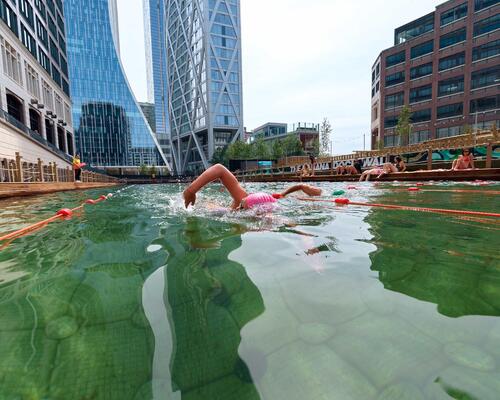
Sea Lanes opens following a partnership between The Eden Project and Canary Wharf Group
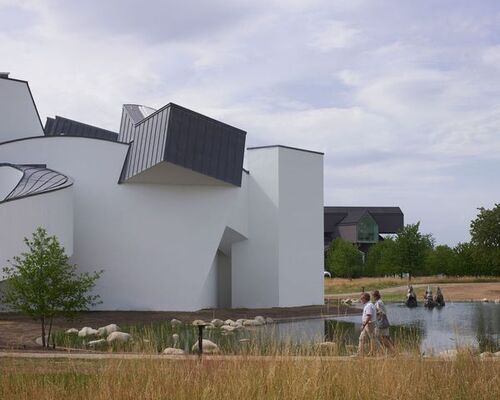
Bas Smets brings water and wilderness to Vitra
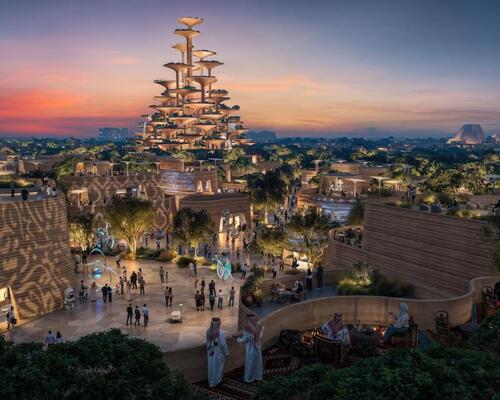
Expo 2030 Riyadh will create a permanent global destination
Luxury resort coming to Hunter Valley will have longevity spa
'Data chocolate', dreams made real and artworks shaped by visitors’ emotions: Refik Anadol’s AI art museum launches in Los Angeles
London Museum reveals 2026 opening date for new Smithfield home
BIG unveils Eve Music Hall as Croatia venue nears completion
Bob Rogers hands BRC to long-serving leadership team
Palazzo di Varignana launches family wellbeing and longevity retreat in Emilia Romagna
Anasa Wellness and Spa debuts at Patmos Aktis as it joins Marriott
Design-led Koru Health Club combines high-performance training with recovery

Wellness care hospital opens in Vilnius with innovative spa and hospitality concept

Universal and Puy du Fou projects point to rise of Oxford–Cambridge corridor
A proposed Puy du Fou development near Bicester and Universal Destinations and Experiences’ planned resort in Bedford are emerging as part of a wider transformation of the Oxford–Cambridge Growth Corridor into a major centre for UK leisure and tourism investment.
For years, the corridor has been associated primarily with science, technology, housing and university-led economic growth. However, the clustering of large-scale visitor attraction projects along the

All-inclusive eco-wellness development Auko to open near Vietnam’s Son Doong caves
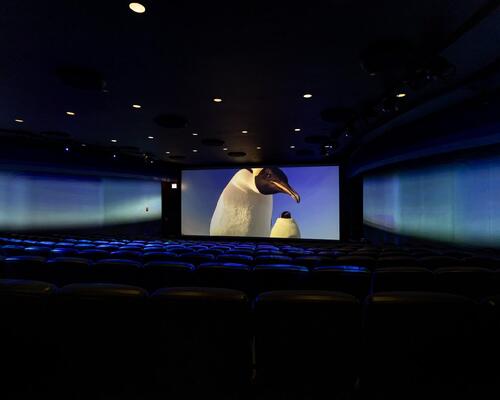
Shedd Aquarium upgrades its visitor experience with new Immersion Theater
Shedd Aquarium has opened the Immersion Theater developed in partnership with SimEx-Iwerks, as part of a wider strategy to enhance the guest experience and create additional revenue opportunities.
The attraction has transformed the aquarium’s Phelps Auditorium into a multi-sensory venue combining panoramic projection, environmental effects and interactive technology.
A new pre-show area allows visitors to engage with augmented reality marine animals before entering the
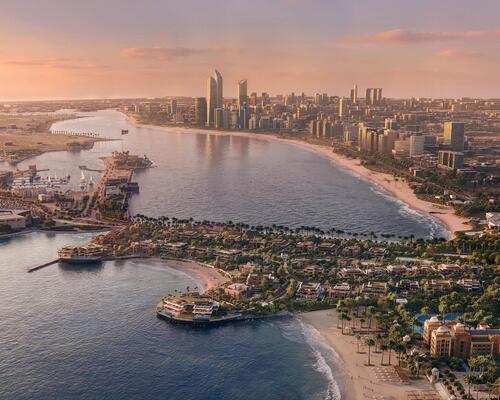
Mandarin Oriental announces standalone Mansions-branded residences for Abu Dhabi








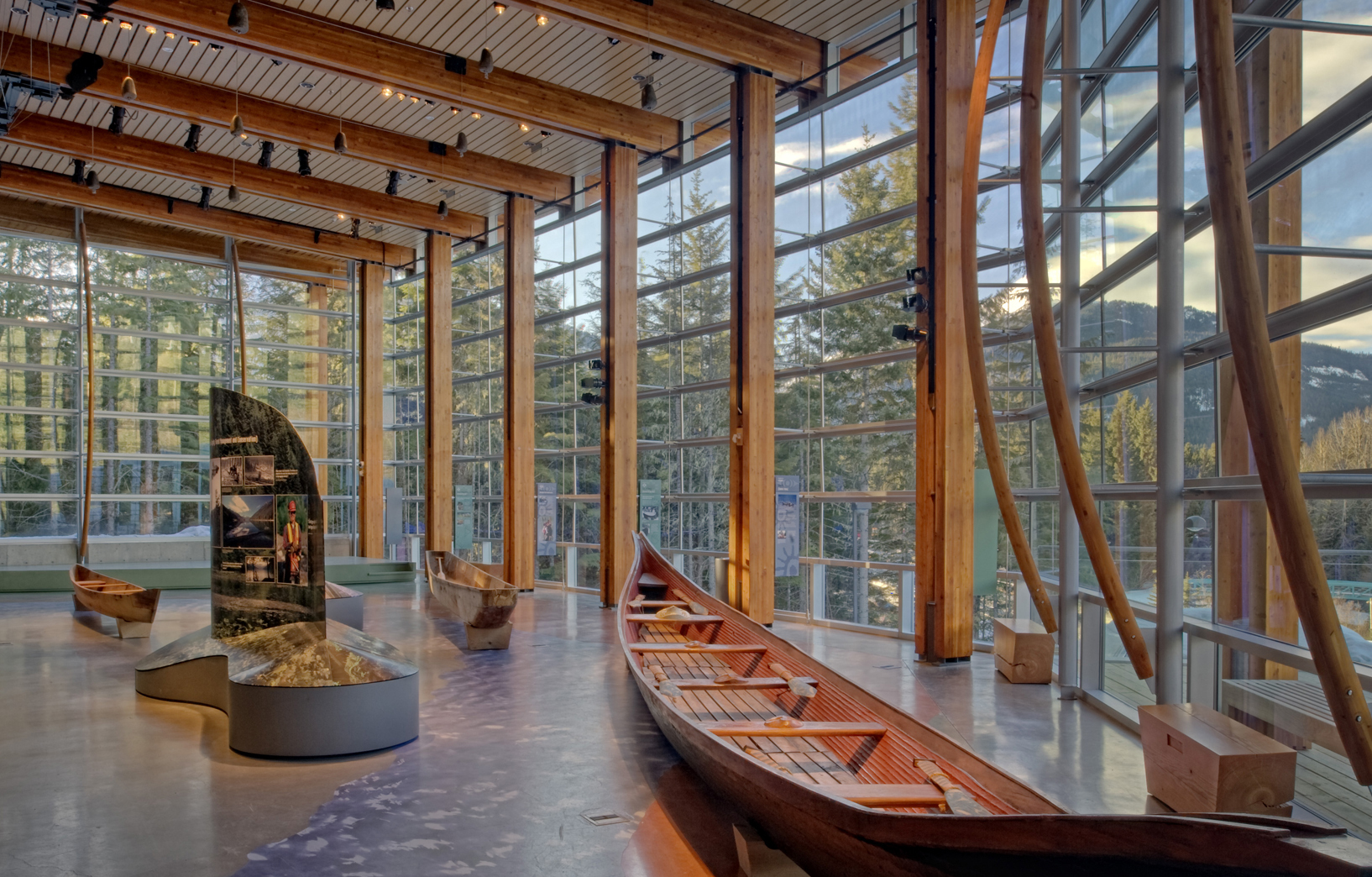









Designed to restore neglected land and renew the identity of Iraq’s capital city, Baghdad Sustainable Forests promises a new way of living surrounded by nature. Gensler’s Ian Mulcahay tells us why he thinks the project could become a model for the repair and enhancement of urban centres