Super-thin graphene 'wallpaper' will revolutionise our buildings, say scientists


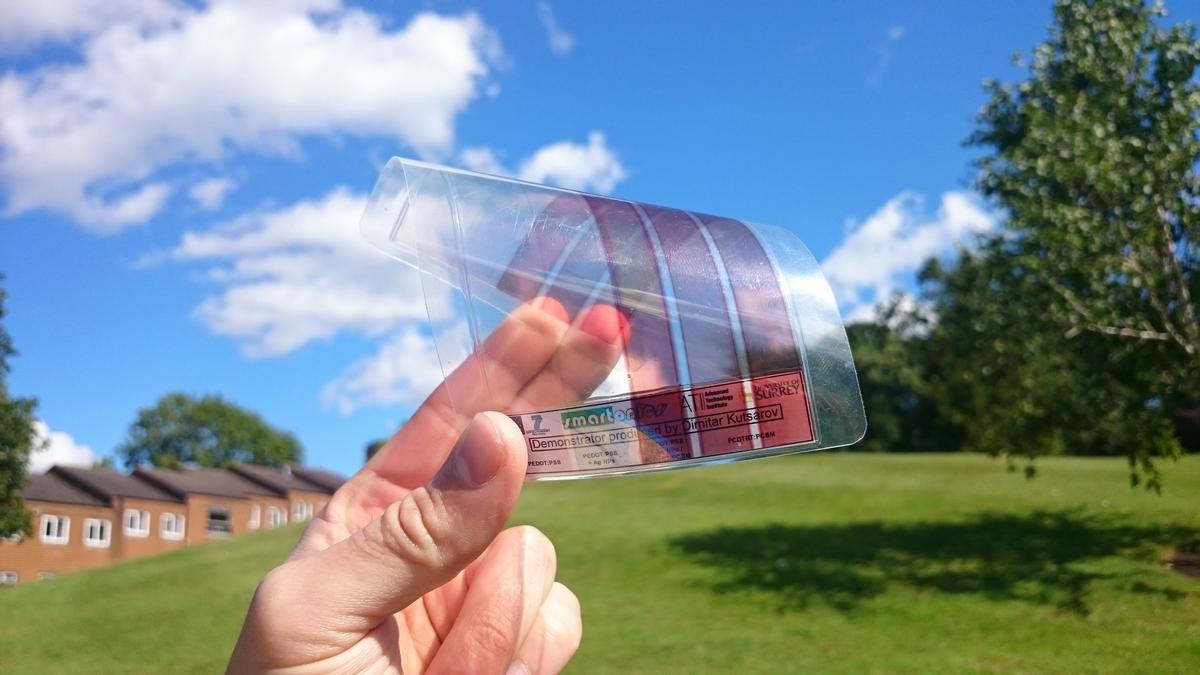
British scientists have discovered how graphene – the nanometre-thin material with remarkable electrical conductivity and mechanical strength – could be applied in buildings as ‘smart wallpaper’ to generate electricity from waste light or heat.
Inspired by the light-sensitive eyes of moths, scientists at the University of Surrey’s Advanced Technology Institute have used biomimicry to create ultra-thin graphene sheets that can effectively capture light for the first time.
The team found that by using a technique known as nanotexturing – which involves growing graphene around a textured metallic surface – light can be localised into the narrow spaces between the material’s surface, enhancing absorption by about 90 per cent.
“Nature has evolved simple yet powerful adaptations, from which we have taken inspiration in order to answer challenges of future technologies,” said Professor Ravi Silva, head of the institute. “Moths’ eyes have microscopic patterning that allows them to see in the dimmest conditions. These work by channelling light towards the middle of the eye, with the added benefit of eliminating reflections, which would otherwise alert predators of their location.
“We have used the same technique to make an amazingly thin, efficient, light-absorbent material by patterning graphene in a similar fashion.”
Silva revealed that solar cells coated with the graphene sheets would be able to harvest very dim light, generating electricity that could power “a numerous array of smart applications” – sensing and controlling different physical devices.
“The next step is to incorporate this material in a variety of existing and emerging technologies,” he said. “We are very excited about the potential to exploit this material in existing optical devices for performance enhancement, whilst looking towards new applications."
The institute is now seeking industry partners to develop this technology, and Silva called for “innovative companies” to make contact so the future applications of the technology can be developed.
In an exclusive interview with CLAD last month, the lead architect on the Millennium Dome project in London, Mike Davies, forecasted that nanotechnology could soon be used to form interactive skins and facades for buildings.
He said: “Windows and walls can be fitted with microchips to do everything from reading out data to transmitting energy. I can see a future of glass walls, display walls, energy collecting walls and radiators integrated into glass walls.”
Such a scenario was envisioned by CLAD editor Liz Terry at last year’s Global Wellness Summit in Mexico City, where she predicted a future of ‘living buildings’ which will “dim the lights or increase oxygen levels if you’re tired; make the air warmer if you’re cold; and scan your body, discover what nutrients you need and fabricate food for you if you’re hungry.”
In a report released last month by Samsung SmartThings, a team of researchers and scientists predicted that in the not-too-distant future, we will live in houses with sensors that can detect the presence of things like people, pets, smoke, humidity, lighting and moisture, and change the layouts and environments of our rooms accordingly.
Graphene material nanotechnology University of Surrey Advanced Technology Institute hi-tech architecture electricity future smart technologyBleeding edge glass technology is transforming the future of our buildings
Does the future of design lie underwater, in the clouds or even on the surface of the Moon?
Liz Terry predicts the creation of Living Buildings

OMA completes New Museum transformation with landmark expansion and Oberon restaurant
OMA has completed a major transformation of New York's New Museum, creating a larger cultural campus that combines expanded exhibition spaces with learning, performance, hospitality and public programming. The latest addition, Oberon, extends the visitor experience beyond the gallery, reflecting a growing trend for museums to become all-day destinations.
The New Museum in New York has entered a new chapter with the completion of a major
David Rockwell creates immersive magic destination, The Hand and The Eye

Montana Heritage Center by Cushing Terrell opens after US$107 million investment

Universal launches new theme park model with Kids Resort

'Minor wellness hotels' recorded the strongest growth across top KPIs in 2025, finds RLA Global
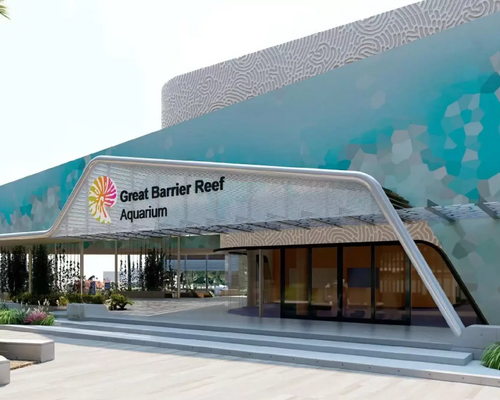
Great Barrier Reef attraction set for AU$180 million reinvention
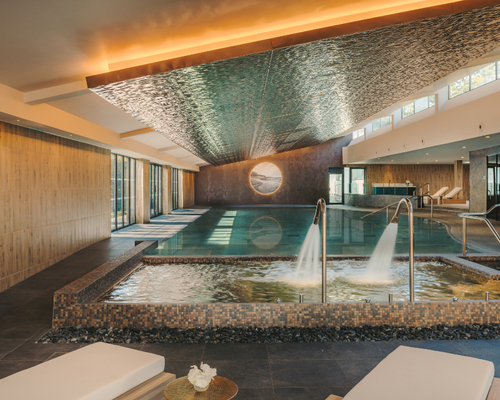
Fairmont Cheshire, The Mere, has architecture by Leach Rhodes Walker and interiors by Bergman Design House.
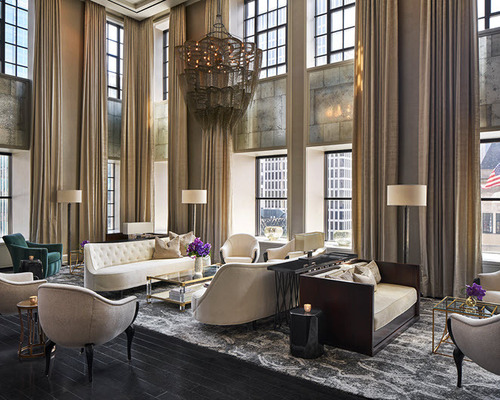
Marriott International partners with Fitwel for wellness solutions across its residential portfolio
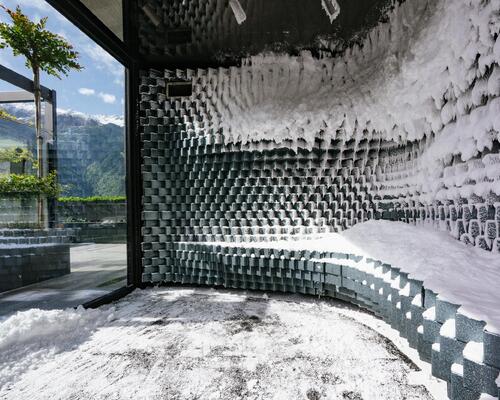
Preidlhof Luxury DolceVita Resort to unveil new spa in February 2027
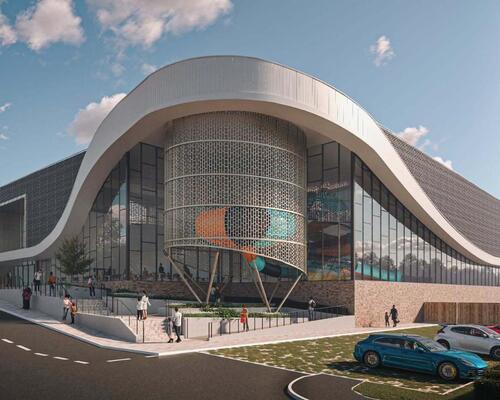
Places Leisure is working with Roberts Limbrick to build £60m wellness flagship in Basingstoke
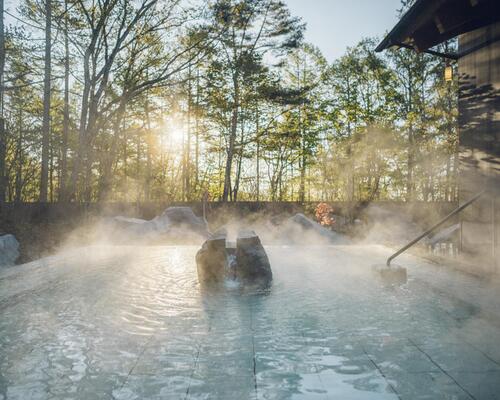
Hoshino Resorts opens Kai Kusatsu as it expands the Kai onsen ryokan brand
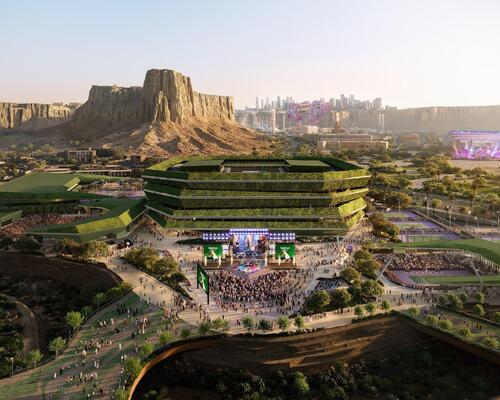
Qiddiya and Populous share details of Saudi Arabia’s National Tennis Centre

Disney confirms US$30 billion investment programme as it highlights its economic impact
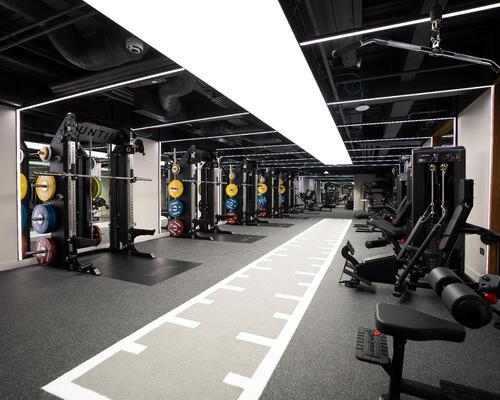
Until combines multiple disciplines at new Canary Wharf club
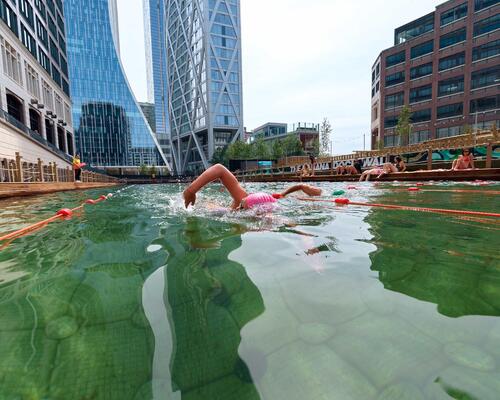
Sea Lanes opens following a partnership between The Eden Project and Canary Wharf Group
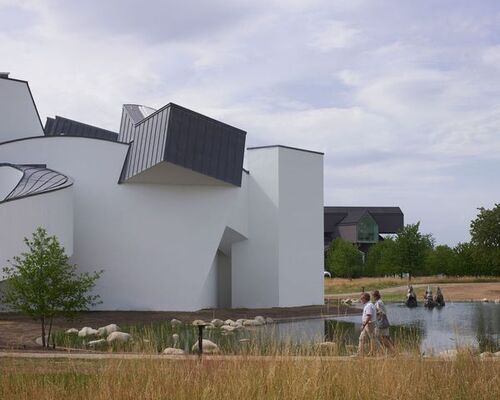
Bas Smets brings water and wilderness to Vitra

Expo 2030 Riyadh will create a permanent global destination
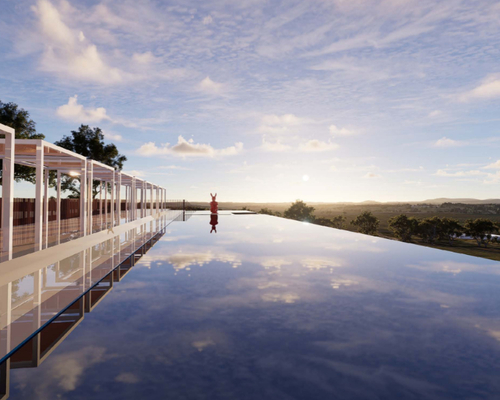
Luxury resort coming to Hunter Valley will have longevity spa

'Data chocolate', dreams made real and artworks shaped by visitors’ emotions: Refik Anadol’s AI art museum launches in Los Angeles
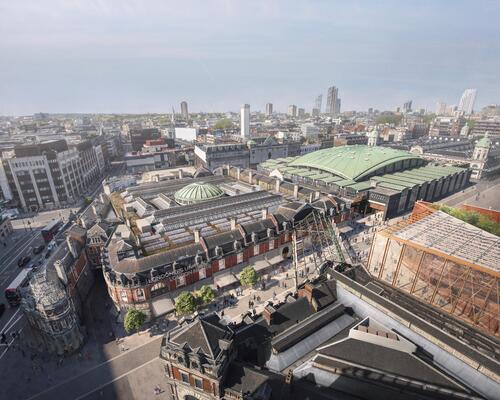
London Museum reveals 2026 opening date for new Smithfield home
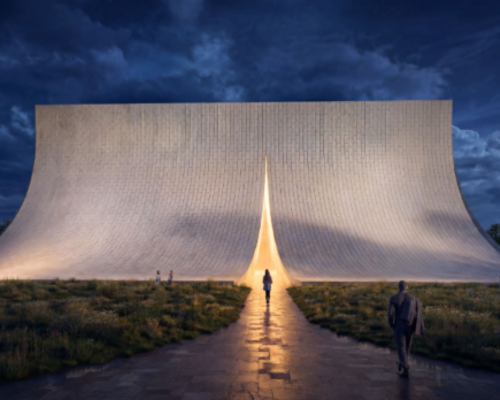
BIG unveils Eve Music Hall as Croatia venue nears completion

Bob Rogers hands BRC to long-serving leadership team
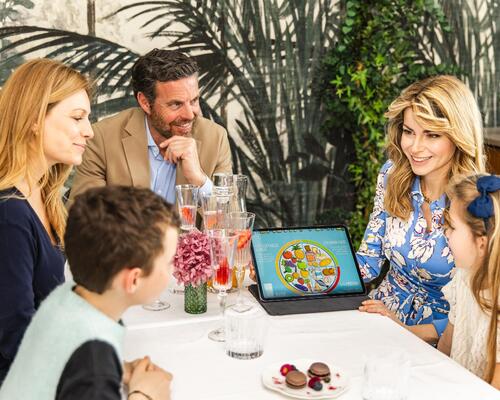
Palazzo di Varignana launches family wellbeing and longevity retreat in Emilia Romagna
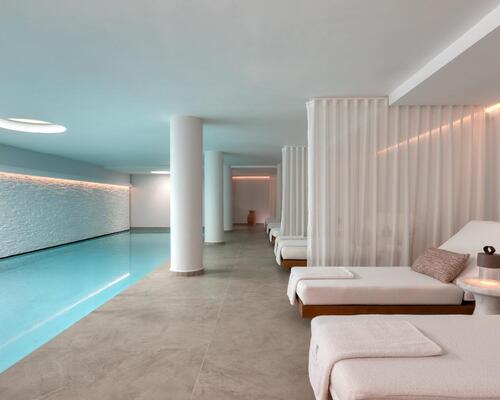
Anasa Wellness and Spa debuts at Patmos Aktis as it joins Marriott
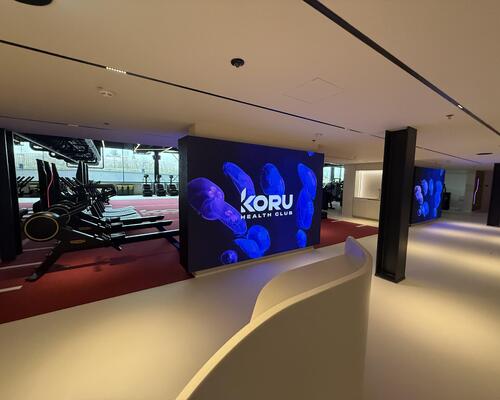
Design-led Koru Health Club combines high-performance training with recovery

Wellness care hospital opens in Vilnius with innovative spa and hospitality concept

Universal and Puy du Fou projects point to rise of Oxford–Cambridge corridor
A proposed Puy du Fou development near Bicester and Universal Destinations and Experiences’ planned resort in Bedford are emerging as part of a wider transformation of the Oxford–Cambridge Growth Corridor into a major centre for UK leisure and tourism investment.
For years, the corridor has been associated primarily with science, technology, housing and university-led economic growth. However, the clustering of large-scale visitor attraction projects along the

All-inclusive eco-wellness development Auko to open near Vietnam’s Son Doong caves
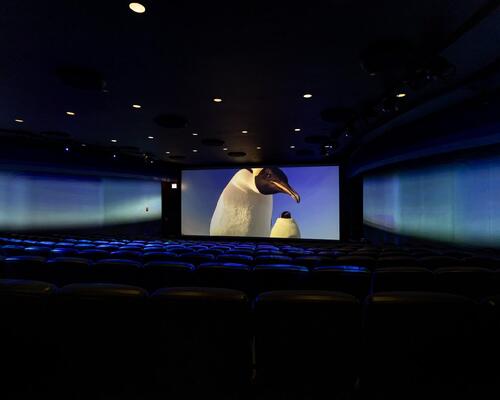
Shedd Aquarium upgrades its visitor experience with new Immersion Theater
Shedd Aquarium has opened the Immersion Theater developed in partnership with SimEx-Iwerks, as part of a wider strategy to enhance the guest experience and create additional revenue opportunities.
The attraction has transformed the aquarium’s Phelps Auditorium into a multi-sensory venue combining panoramic projection, environmental effects and interactive technology.
A new pre-show area allows visitors to engage with augmented reality marine animals before entering the
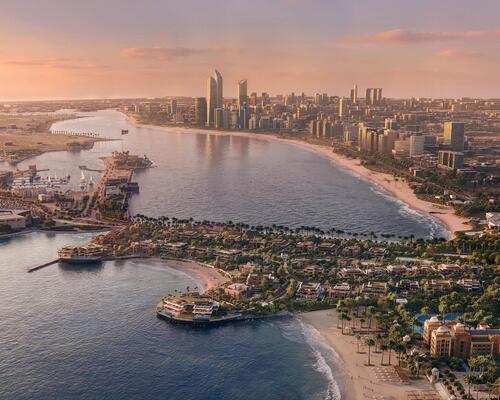
Mandarin Oriental announces standalone Mansions-branded residences for Abu Dhabi