Lack of diversity in renderings 'doesn't correspond to the real world', says Luxigon founder


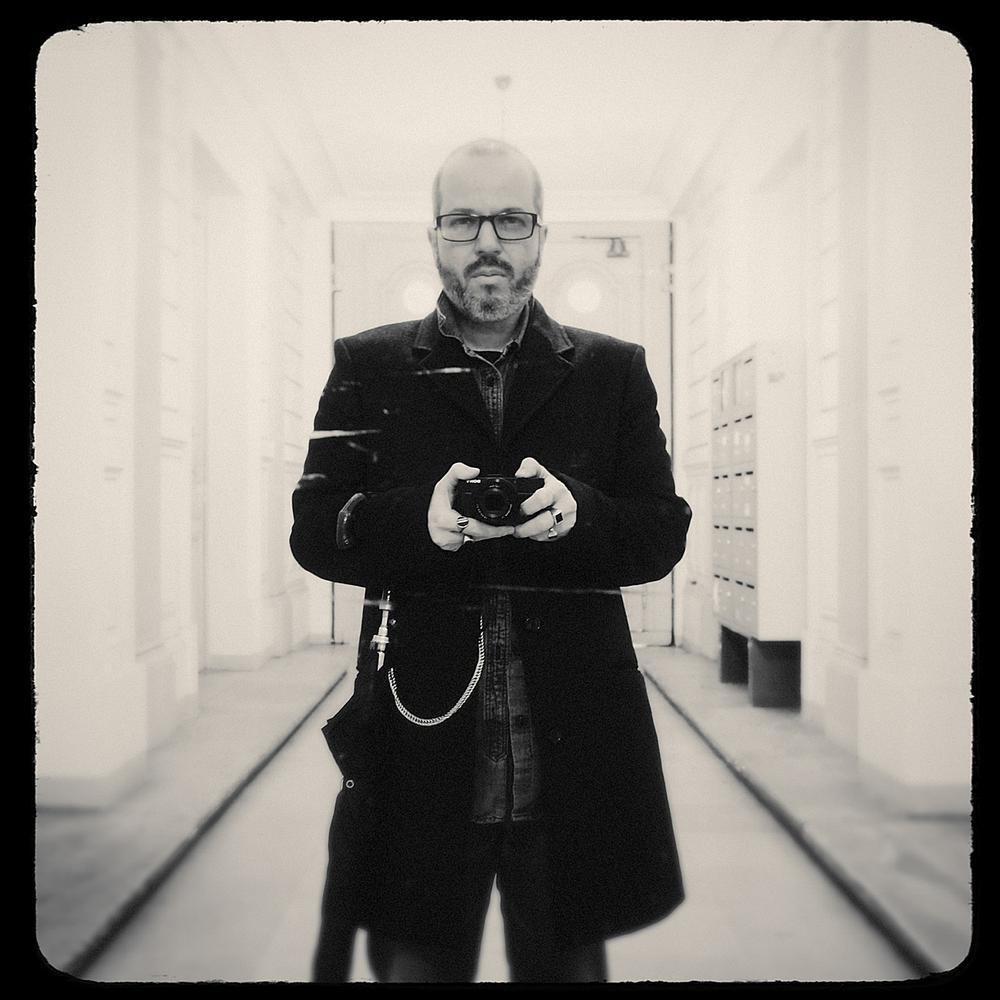
– Eric de Broches des Combes, Luxigon founder
Too many visual renderings of future architectural projects “do not correspond at all to the real world” because of a lack of diversity among the people depicted occupying these buildings.
That is the view of Eric de Broches des Combes, the founder of visualisation studio Luxigon, who has told CLAD “there’s sometimes a preconceived idea about who should and shouldn’t appear in renderings from the people who commission the images.”
Illustrators often include people in their renderings in order to offer scale and context to buildings they are presenting. However, campaigners have long argued that these people – predominantly young and Caucasian – are not representative of the multicultural and diverse urban areas they have been positioned in.
“We sometimes receive detailed ethnic demographic proportions to follow – for example 12 per cent black people, 24 per cent Asian people – which I think is stupid,” said des Combes, who has created renderings for many of the world's largest architecture studios and developers.
“We’re also often asked to only include young, healthy people, so that even hospitals are only populated with people who look so good you wouldn’t know they’re ill. There are no fat kids.
"Everybody seems to be ecstatic about being in the building, whatever it is; it could be a power plant. They’re obviously not real people, because they in no way correspond to the living.”
He added that while the demand for images to be true to life is growing, and the technology is in place to make this happen, “it’s up to [the clients] to make it socially realistic.”
He said: “When somebody is telling me ‘don’t put too many black people in the rendering,’ I say, ‘Why the hell would I not put black people in? There are lots of black people living in this area, so let’s represent that. I’m fighting for more diversity, but I’m even fighting to represent the idea that the sky is grey sometimes.
“We had an experience recently with a guy from Beijing who asked us to do extremely realistic images. He said, ‘I want it to be exactly like a real-life picture...except you remove all the fog and the pollution.’ Those battles are the fun of this job. I’m not just here to please the masters.”
In the wide-ranging interview for CLADmag, des Combes also warned that despite even when extremely realistic, “renderings are not a replacement for detailed plans, they just provide an illustration.”
“Architecture is an act of convincing,” he said. “It’s a very political act and visualisations are part of the whole vocabulary. A rendering is a guide, and if it’s used correctly by someone with a conscience, it should be a good way to illustrate their vision.
“The problem is that the people who are looking at drawings know nothing about what goes into architecture. They don’t want to read plans or sections. They just want to see a picture of people wandering around a building with balloons and happy kids. This is where simplification comes from.”
The new issue of CLADmag – our quarterly magazine – is available to read now online and on digital turning pages.
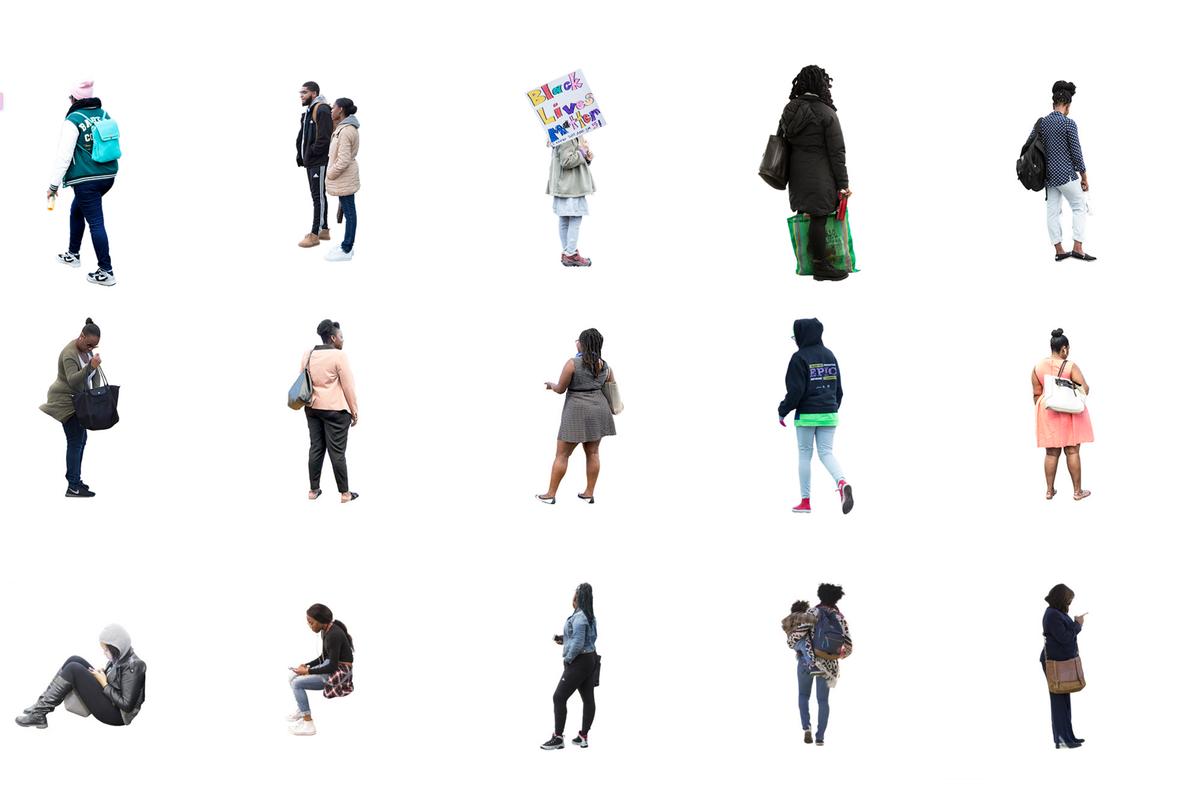
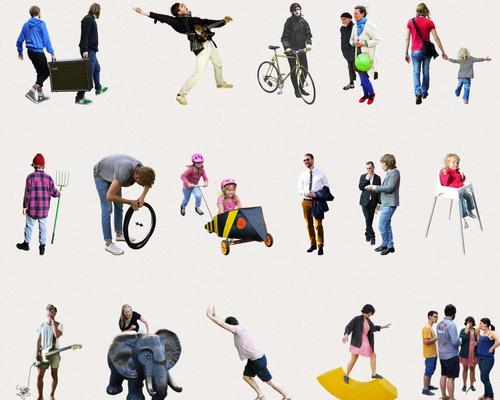
The debate surrounding diversity in renderings has grown in recent years, as online databases of ‘render people’ – cut-out characters who can populate the worlds created by visualisation teams – have become more popular.
The early databases originated in Scandinavia, and as a result the majority of people represented were from nations with predominantly Caucasian populations. According to campaigners, this has limited the diversity represented in renderings.
To counter this, new databases are being established to provide a broader selection of render people. These include Nonscandinavia, Escalalatina and Just Nøt The Same.
Rose Florian and Kordae Henry, creative directors of the latter, have said their mission is to create a digital catalogue of the “misrepresented, under-acknowledged and otherised populations that are so absent in traditional design imagery.”
They argue that as a representation of reality, an image “has the power to inspire us, limit us, lift us and oppress us” and can shape “not only how we see ourselves in the present, but also define the limits of what we can reach in the future.”

OMA completes New Museum transformation with landmark expansion and Oberon restaurant
OMA has completed a major transformation of New York's New Museum, creating a larger cultural campus that combines expanded exhibition spaces with learning, performance, hospitality and public programming. The latest addition, Oberon, extends the visitor experience beyond the gallery, reflecting a growing trend for museums to become all-day destinations.
The New Museum in New York has entered a new chapter with the completion of a major
David Rockwell creates immersive magic destination, The Hand and The Eye
Montana Heritage Center by Cushing Terrell opens after US$107 million investment
Universal launches new theme park model with Kids Resort
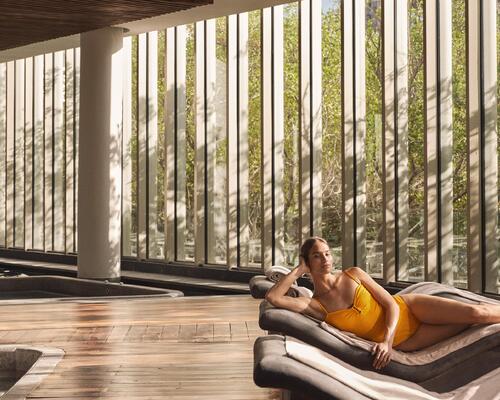
'Minor wellness hotels' recorded the strongest growth across top KPIs in 2025, finds RLA Global
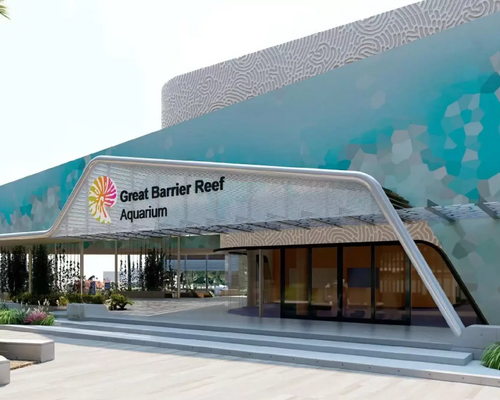
Great Barrier Reef attraction set for AU$180 million reinvention
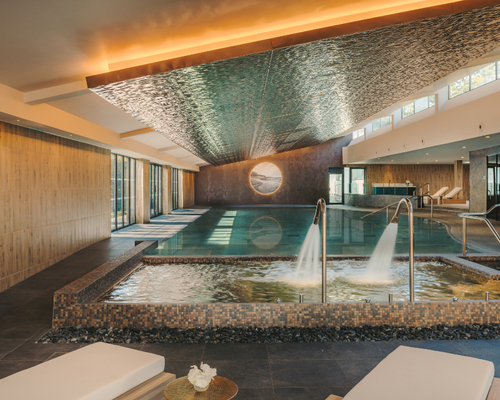
Fairmont Cheshire, The Mere, has architecture by Leach Rhodes Walker and interiors by Bergman Design House.
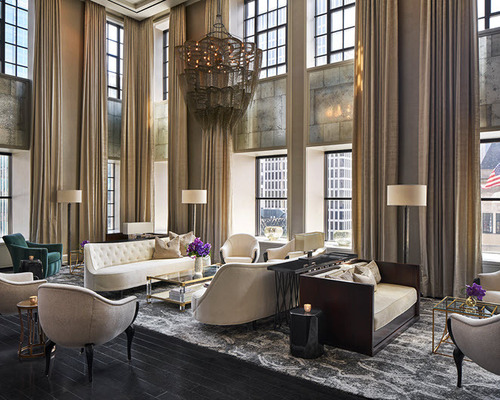
Marriott International partners with Fitwel for wellness solutions across its residential portfolio
Preidlhof Luxury DolceVita Resort to unveil new spa in February 2027
Places Leisure is working with Roberts Limbrick to build £60m wellness flagship in Basingstoke
Hoshino Resorts opens Kai Kusatsu as it expands the Kai onsen ryokan brand
Qiddiya and Populous share details of Saudi Arabia’s National Tennis Centre
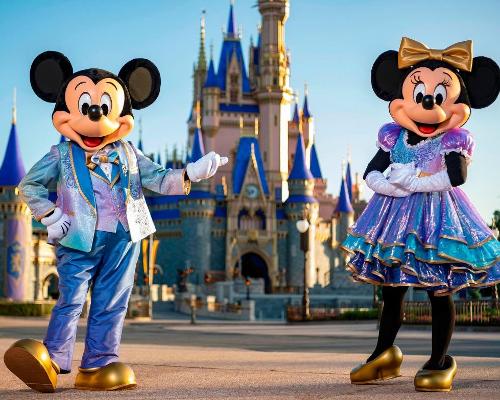
Disney confirms US$30 billion investment programme as it highlights its economic impact
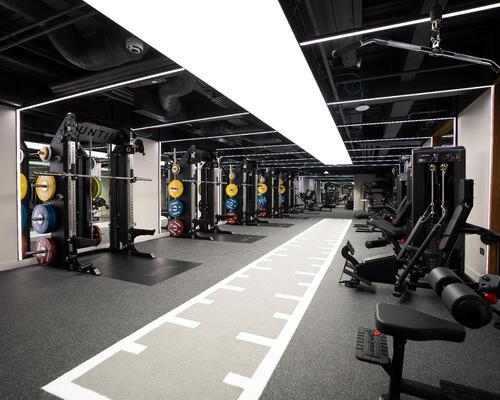
Until combines multiple disciplines at new Canary Wharf club
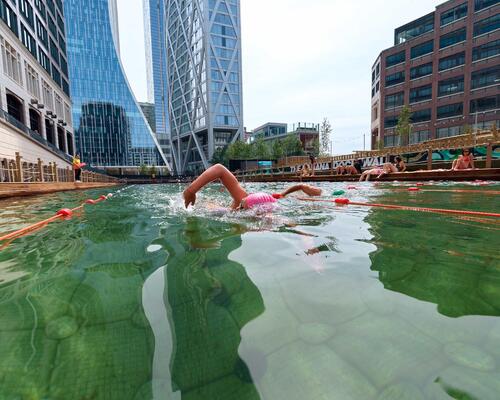
Sea Lanes opens following a partnership between The Eden Project and Canary Wharf Group
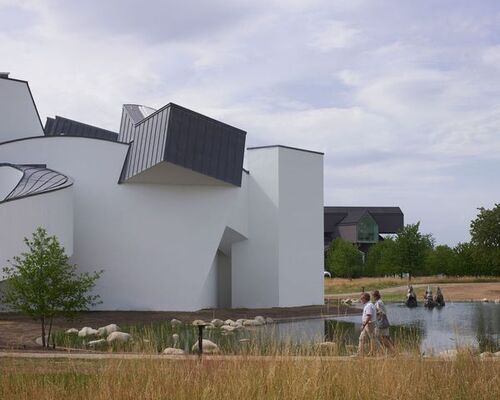
Bas Smets brings water and wilderness to Vitra
Expo 2030 Riyadh will create a permanent global destination
Luxury resort coming to Hunter Valley will have longevity spa
'Data chocolate', dreams made real and artworks shaped by visitors’ emotions: Refik Anadol’s AI art museum launches in Los Angeles
London Museum reveals 2026 opening date for new Smithfield home
BIG unveils Eve Music Hall as Croatia venue nears completion
Bob Rogers hands BRC to long-serving leadership team
Palazzo di Varignana launches family wellbeing and longevity retreat in Emilia Romagna
Anasa Wellness and Spa debuts at Patmos Aktis as it joins Marriott
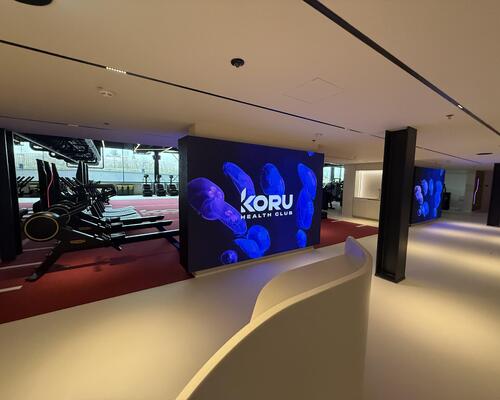
Design-led Koru Health Club combines high-performance training with recovery

Wellness care hospital opens in Vilnius with innovative spa and hospitality concept

Universal and Puy du Fou projects point to rise of Oxford–Cambridge corridor
A proposed Puy du Fou development near Bicester and Universal Destinations and Experiences’ planned resort in Bedford are emerging as part of a wider transformation of the Oxford–Cambridge Growth Corridor into a major centre for UK leisure and tourism investment.
For years, the corridor has been associated primarily with science, technology, housing and university-led economic growth. However, the clustering of large-scale visitor attraction projects along the
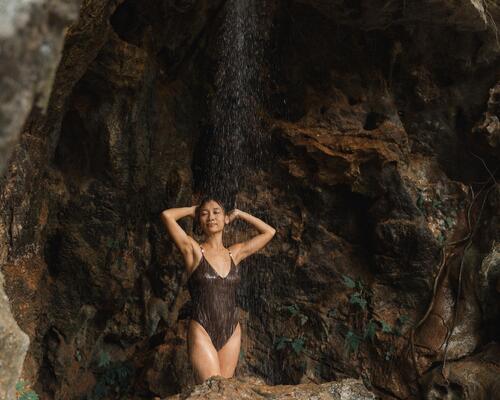
All-inclusive eco-wellness development Auko to open near Vietnam’s Son Doong caves
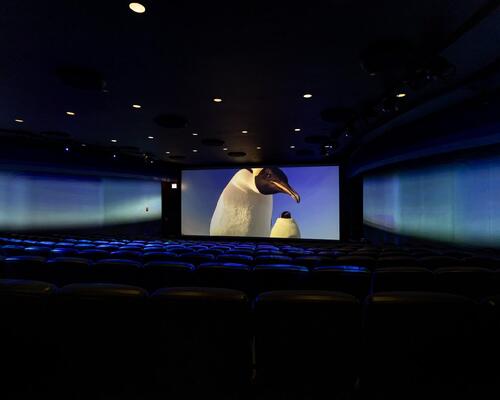
Shedd Aquarium upgrades its visitor experience with new Immersion Theater
Shedd Aquarium has opened the Immersion Theater developed in partnership with SimEx-Iwerks, as part of a wider strategy to enhance the guest experience and create additional revenue opportunities.
The attraction has transformed the aquarium’s Phelps Auditorium into a multi-sensory venue combining panoramic projection, environmental effects and interactive technology.
A new pre-show area allows visitors to engage with augmented reality marine animals before entering the
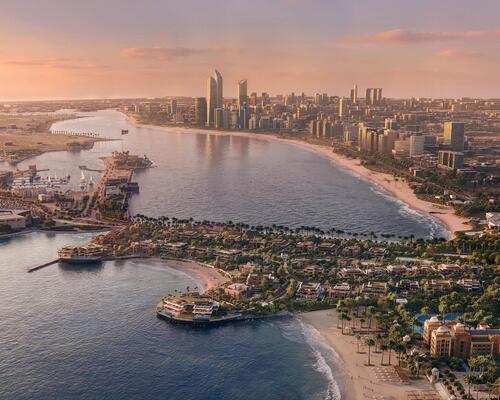
Mandarin Oriental announces standalone Mansions-branded residences for Abu Dhabi