Coconuts can inspire us to make stronger buildings, say scientists


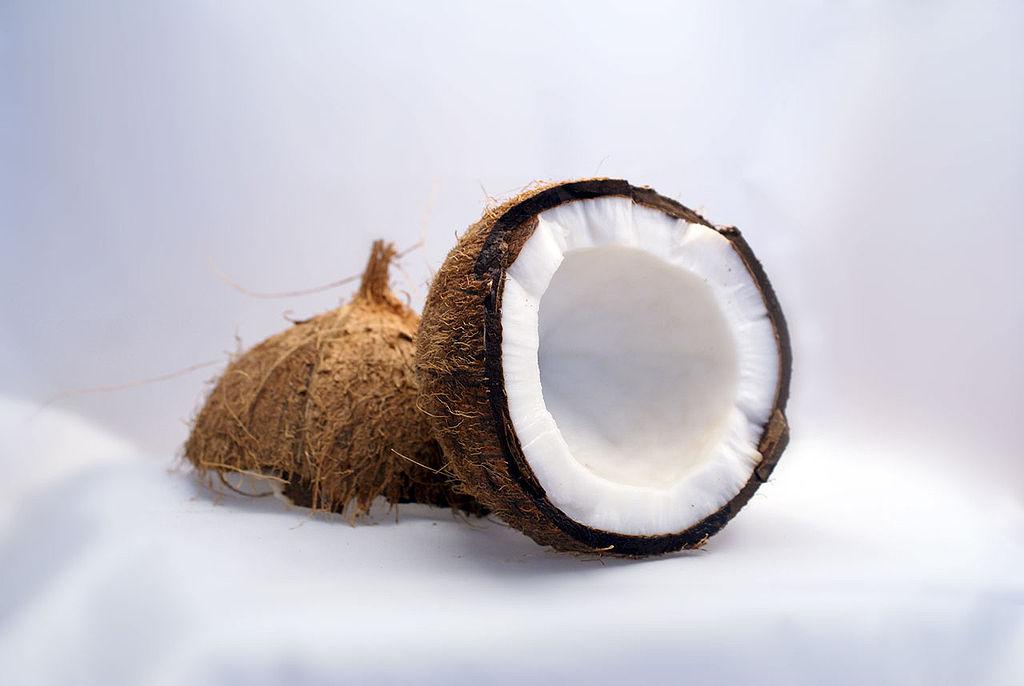
The hard shells of coconuts could hold the key to designing buildings able to withstand earthquakes and other natural disasters, researchers from the University of Freiburg have claimed.
Coconut palms can grow as high as 30m, and when the ripe fruits fall to the ground their walls must protect them from splitting open. To protect the internal seed, coconuts have a structure of three layers which allow them to withstand heavy impacts.
The university’s Plant Biomechanics Group believes this specialised structure could be applied in architecture, and has been working with civil engineers and material scientists to develop this idea as part of a programme called Biological Design and Integrative Structures.
"By analysing the fracture behaviour of the samples and combining this with knowledge about the coconut shell's anatomy gained from microscopy and computed tomography, we aimed to identify mechanically relevant structures for energy absorption," said plant biomechanist Stefanie Schmier.
The group found that the ladder-like design of vessels in the coconut’s inner endocarp layer “dissipates energy via crack deflection," meaning newly-developed cracks created by an impact don't run directly through the hard shell, but are diverted and stop before the crack separates the fruit.
Schmier believes a similar arrangement of textile fibres within functionally graded concrete could create the same effect. "This combination of lightweight structuring with high energy dissipation capacity is of increasing interest to protect buildings against earthquakes, rock fall and other natural or manmade hazards," she said.
Architects and constructors are increasingly looking at the natural world to create buildings that are stronger and more efficient.
Advances in technology and understanding of biomimicry gave lead to the development of pavilions inspired by sea urchins and beetle wings and hotels resembling coral.
Coconut shells architecture design biomimicry biomechanics University of Freiburg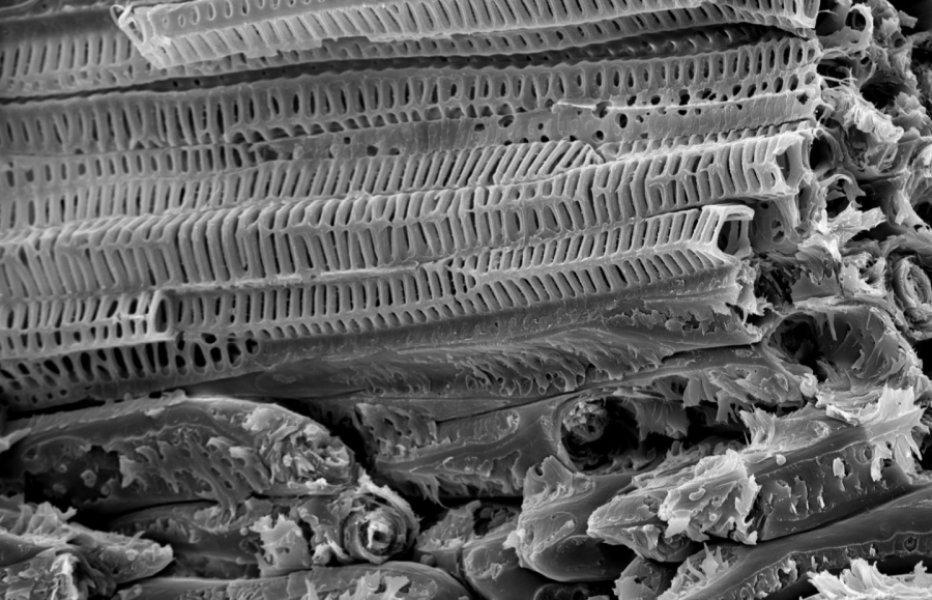
Architects of Invention turn to biomimicry for Seychelles hotel that resembles a sea creature
Robots build sea urchin prefab pavilion using biomimicry
FEATURE: Profile – Michael Pawlyn
FEATURE: Biomimicry – Learning from nature

OMA completes New Museum transformation with landmark expansion and Oberon restaurant
OMA has completed a major transformation of New York's New Museum, creating a larger cultural campus that combines expanded exhibition spaces with learning, performance, hospitality and public programming. The latest addition, Oberon, extends the visitor experience beyond the gallery, reflecting a growing trend for museums to become all-day destinations.
The New Museum in New York has entered a new chapter with the completion of a major
David Rockwell creates immersive magic destination, The Hand and The Eye
Montana Heritage Center by Cushing Terrell opens after US$107 million investment

Universal launches new theme park model with Kids Resort
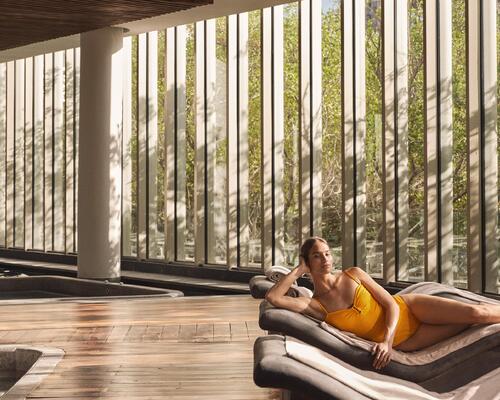
'Minor wellness hotels' recorded the strongest growth across top KPIs in 2025, finds RLA Global
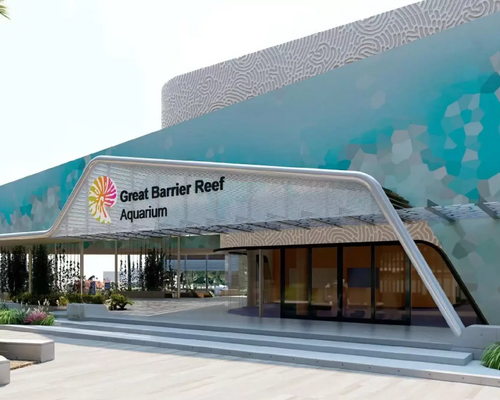
Great Barrier Reef attraction set for AU$180 million reinvention
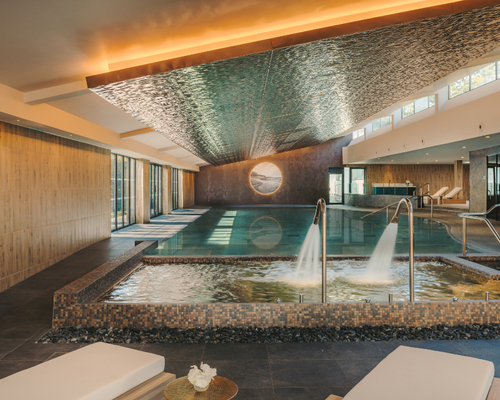
Fairmont Cheshire, The Mere, has architecture by Leach Rhodes Walker and interiors by Bergman Design House.
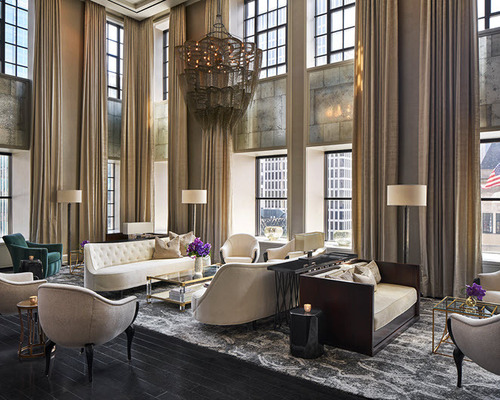
Marriott International partners with Fitwel for wellness solutions across its residential portfolio
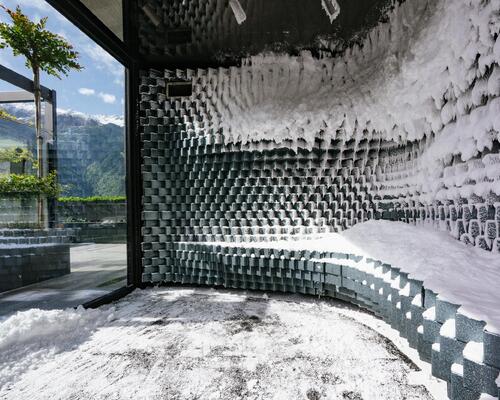
Preidlhof Luxury DolceVita Resort to unveil new spa in February 2027
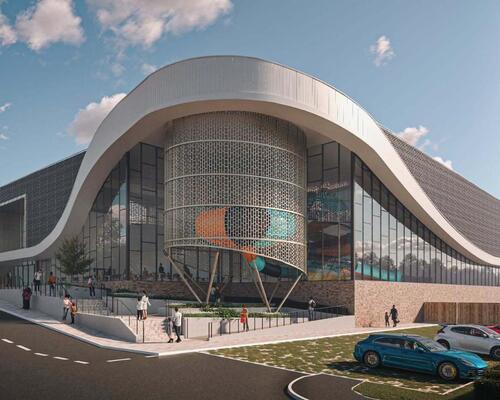
Places Leisure is working with Roberts Limbrick to build £60m wellness flagship in Basingstoke

Hoshino Resorts opens Kai Kusatsu as it expands the Kai onsen ryokan brand
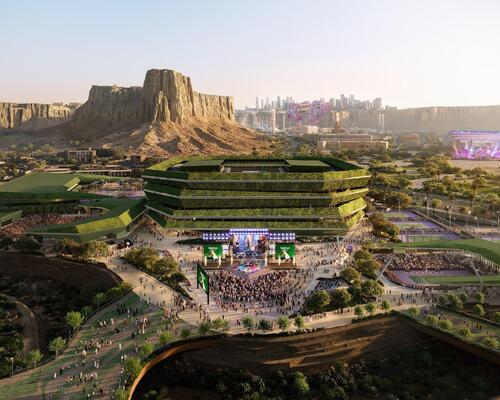
Qiddiya and Populous share details of Saudi Arabia’s National Tennis Centre
Disney confirms US$30 billion investment programme as it highlights its economic impact
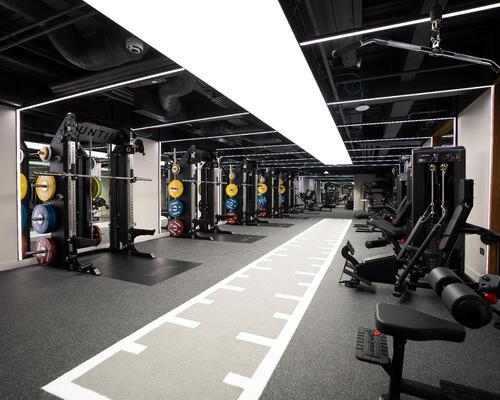
Until combines multiple disciplines at new Canary Wharf club
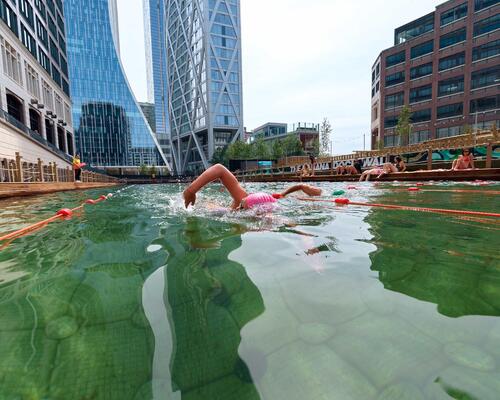
Sea Lanes opens following a partnership between The Eden Project and Canary Wharf Group
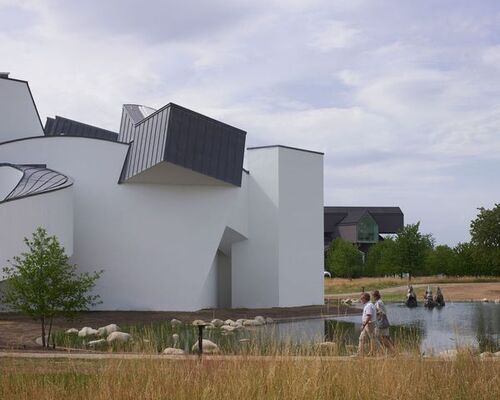
Bas Smets brings water and wilderness to Vitra
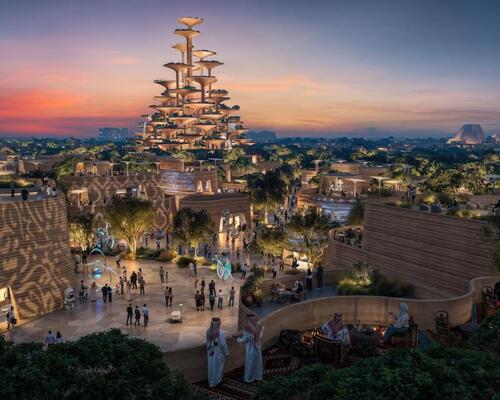
Expo 2030 Riyadh will create a permanent global destination
Luxury resort coming to Hunter Valley will have longevity spa
'Data chocolate', dreams made real and artworks shaped by visitors’ emotions: Refik Anadol’s AI art museum launches in Los Angeles
London Museum reveals 2026 opening date for new Smithfield home
BIG unveils Eve Music Hall as Croatia venue nears completion
Bob Rogers hands BRC to long-serving leadership team

Palazzo di Varignana launches family wellbeing and longevity retreat in Emilia Romagna
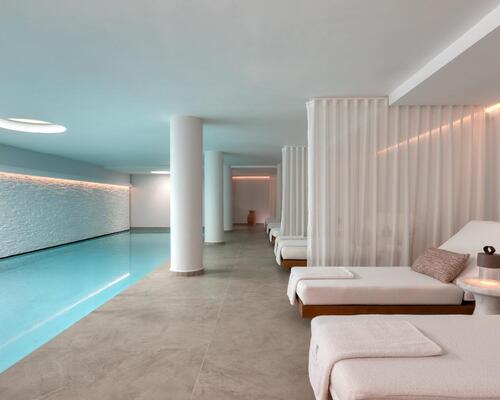
Anasa Wellness and Spa debuts at Patmos Aktis as it joins Marriott
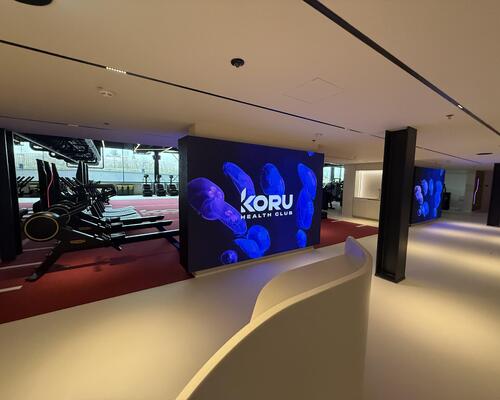
Design-led Koru Health Club combines high-performance training with recovery

Wellness care hospital opens in Vilnius with innovative spa and hospitality concept

Universal and Puy du Fou projects point to rise of Oxford–Cambridge corridor
A proposed Puy du Fou development near Bicester and Universal Destinations and Experiences’ planned resort in Bedford are emerging as part of a wider transformation of the Oxford–Cambridge Growth Corridor into a major centre for UK leisure and tourism investment.
For years, the corridor has been associated primarily with science, technology, housing and university-led economic growth. However, the clustering of large-scale visitor attraction projects along the

All-inclusive eco-wellness development Auko to open near Vietnam’s Son Doong caves
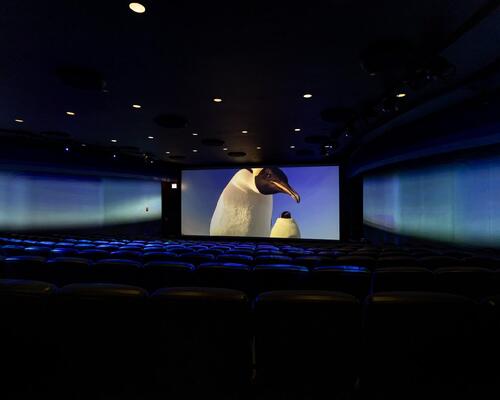
Shedd Aquarium upgrades its visitor experience with new Immersion Theater
Shedd Aquarium has opened the Immersion Theater developed in partnership with SimEx-Iwerks, as part of a wider strategy to enhance the guest experience and create additional revenue opportunities.
The attraction has transformed the aquarium’s Phelps Auditorium into a multi-sensory venue combining panoramic projection, environmental effects and interactive technology.
A new pre-show area allows visitors to engage with augmented reality marine animals before entering the
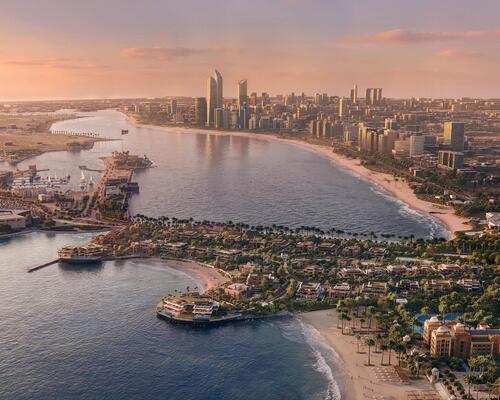
Mandarin Oriental announces standalone Mansions-branded residences for Abu Dhabi



Designed to restore neglected land and renew the identity of Iraq’s capital city, Baghdad Sustainable Forests promises a new way of living surrounded by nature. Gensler’s Ian Mulcahay tells us why he thinks the project could become a model for the repair and enhancement of urban centres