Exclusive: How MVRDV are transforming a museum art depot into a unique attraction for Rotterdam


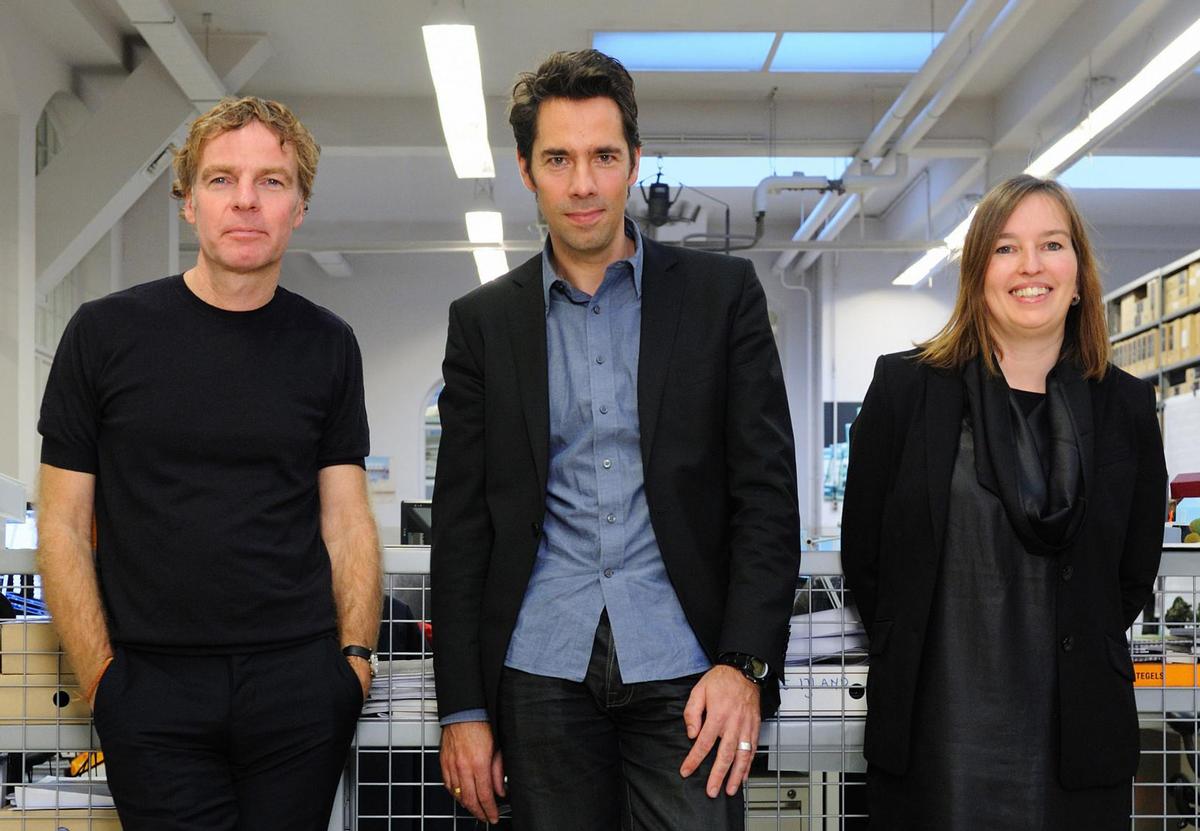
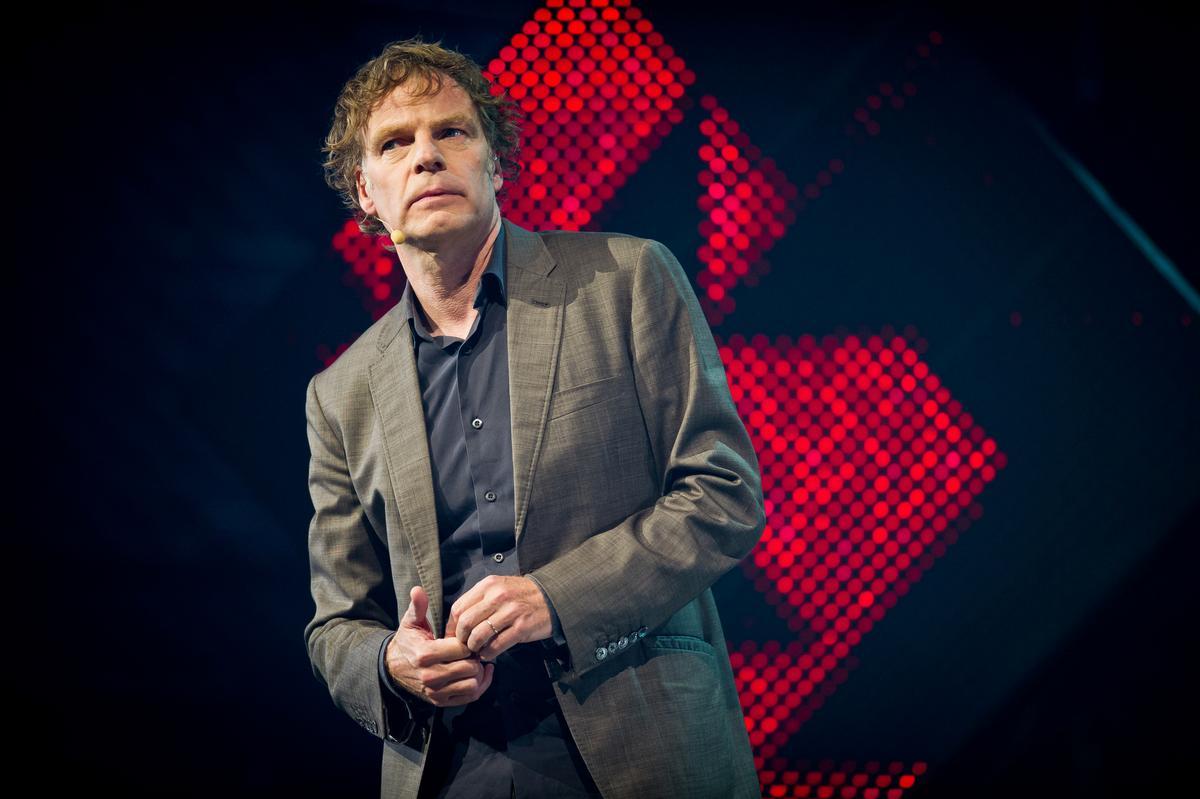
The founders of Dutch architecture studio MVRDV believe their project for Rotterdam’s Museum Boijmans van Beuningen offers a new model for how museums can take full advantage of their vast cultural collections.
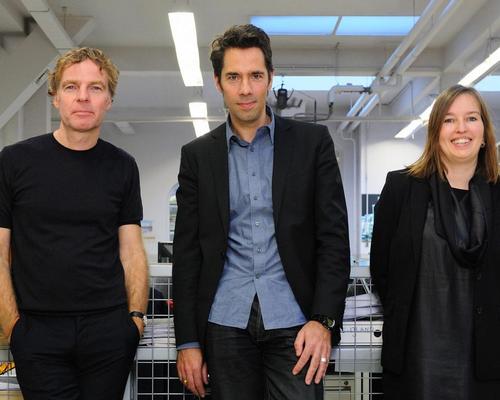
Winy Maas, Nathalie de Vries and Jacob Van Rijs – who are transforming what was an art storage depot into an attraction in its own right – told CLAD that rethinking the art storage facility as something that “can take people behind the scenes” offers a way to better showcase some of the world’s most important cultural artefacts.
Called the Collectiegebouw, the building will store 75,000 European art works belonging to the city’s Museum Boijmans van Beuningen – which owns a collection of more than 140,000 artworks, including paintings by Van Gogh and Rembrandt.
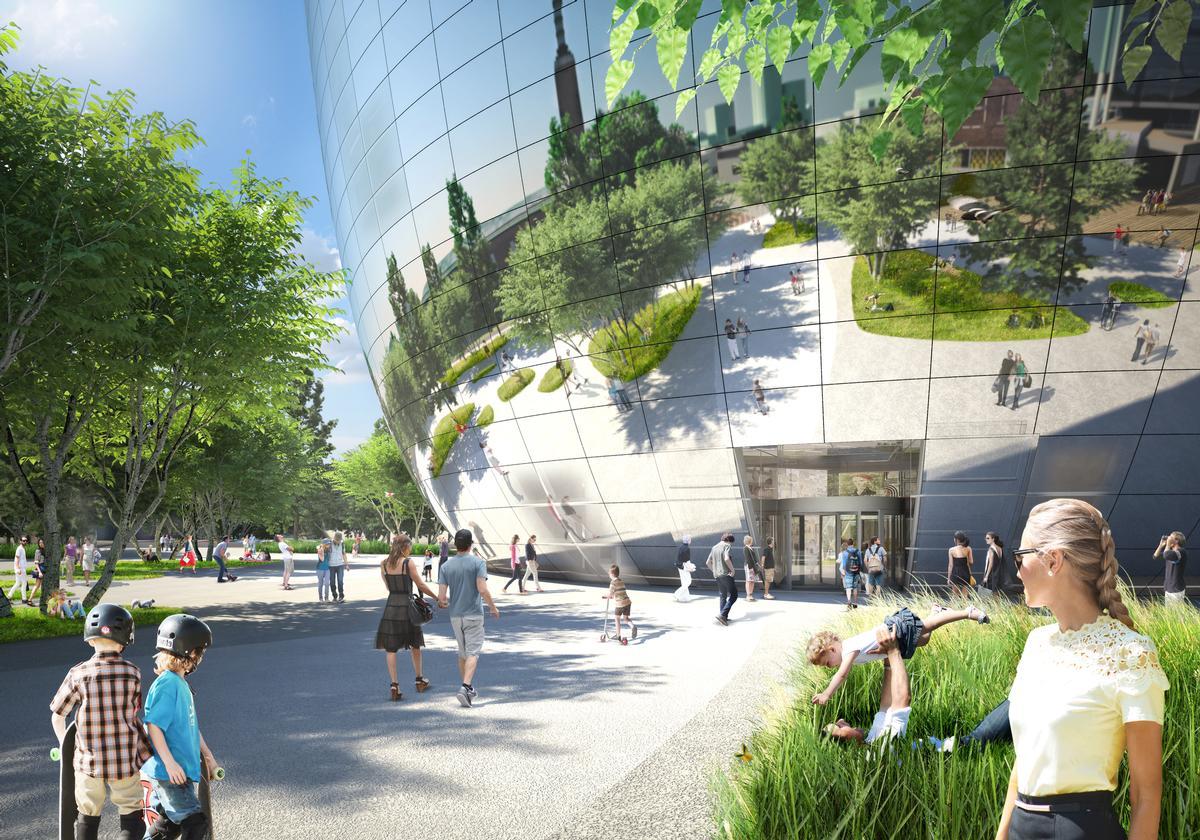
Located within the OMA-designed Museumpark in Rotterdam, the Collectiegebouw will be a 14,000sq m (150,000sq ft) cylindrical building. An ascending route will lead visitors around a central atrium, with walls lined with the stored art works. The journey will end on the roof, home to a restaurant and a sculpture garden featuring the trees removed to make way for the building. Guided tours will take people into the conservation facilities where the art is restored by specialists.
“We proposed a building that combines introversion with extroversion,” said Maas. “Why? Because it is technically highly protective; there are 'zillions' of euros worth of art stored there. How to combine that with an attempt to make it more extrovert as a public facility in a park. We suggested having a public programme on the ground floor, a public programme on the roof, and in the middle the hermetic art sealed in the central void.”
De Vries suggested different tickets will be available for different levels of access to the galleries, and said private collectors will be able to rent space in the building and pay to use the expertise of the museum to help maintain their collections. “Instead of having just a publicly or privately funded museum, you can have a kind of hybrid,” she said. “It's a very interesting idea.”
Van Rijs described every one of MVRDV’s projects as “a new adventure”. He said: “As you become more experienced, there’s a danger that you can lose your edge. To prevent this happening, we invent new things, so that each project contains a twist.”
The facade of the building will be completely mirrored, creating an effect Maas likened to being on a countryside road where a mirror “shows you what is around the corner.”
“The park will be enlarging itself,” he said. “You can look around the corner everywhere. Despite its size it wants to dissolve. In the end that's the central issue of an archive – you want to be there and not there.”
The design for Collectiegebouw has been approved by Rotterdam’s city council. Construction is expected to start imminently and the attraction should open its doors by the end of 2018. At that time it will replace the museum’s existing storage space, which is located below sea level and has been deemed a flood risk.
An extensive interview with MVRD’s founding partners, in which they reflect on their body of work and design philosophy, can be found in the latest issue of CLADmag.
Around 10 years ago the Boijmans museum looked around. They have a huge collection which cannot be shown normally, and it has to be stored in a poor condition or in a cellar where it's wet, or somewhere in the outskirts where it is hard to update it.
They thought, ‘why can't we show this better?’ Then they thought, ‘How can we do that because we don't have the finances for a public archive? Can we bring the private sector in?’ Then they found the key to solve the financial issue – from a public part only to restore the archive and to combine it with others to the public archives.
Then there was the question of where to put the building? It was a long discussion. Should it be in another neighbourhood like some other museums are doing? There was a decision to have it next to the current depot, so people would go from one place to another. Then we thought how can you design in this park, on a fairly vulnerable spot that was designed in the 1980s and 90s by Koolhaas and Eve Vigne? How can you dare combine this programme with the park?
You have the museum, the park, the huge monster that is the hospital. The site is full of contradictions. Initially we made a floating collection so there would be space – a public hall – underneath accessed by four legs. That wasn't acceptable to the government or for the price.
Next we asked, what should it look like? In the end we decided to make a building that is just round. We make the footprint as small as possible for a minimal impact and maximal effect. The green we took away has been replanted on the roof – it's actually bigger than the green space we took away.
The trick came that we would turn it completely into a mirror. When you go on a road in the countryside and at the end of the road you see a mirror so you can see around the corner – that effect will happen.
EXCLUSIVE: MVRDV founders speak to CLAD about the importance of leisure architecture
MVRDV strike again: Dutch innovators reveal public art depot which takes visitors 'behind closed doors' to enjoy unexhibited works
FEATURE: In conversation – MVRDV’S Winy Maas, Jacob van Rijs and Nathalie de Vries
BIG unveils Eve Music Hall as Croatia venue nears completion
Bob Rogers hands BRC to long-serving leadership team

Wellness care hospital opens in Vilnius with innovative spa and hospitality concept

Universal and Puy du Fou projects point to rise of Oxford–Cambridge corridor
A proposed Puy du Fou development near Bicester and Universal Destinations and Experiences’ planned resort in Bedford are emerging as part of a wider transformation of the Oxford–Cambridge Growth Corridor into a major centre for UK leisure and tourism investment.
For years, the corridor has been associated primarily with science, technology, housing and university-led economic growth. However, the clustering of large-scale visitor attraction projects along the
All-inclusive eco-wellness development Auko to open near Vietnam’s Son Doong caves
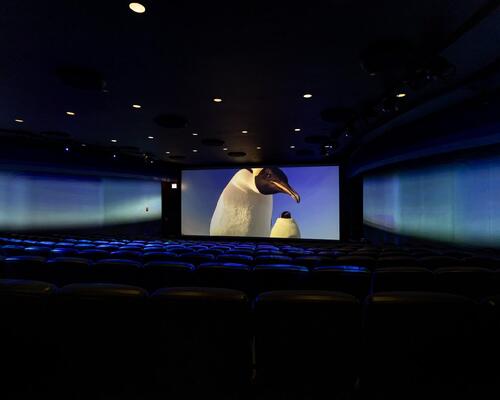
Shedd Aquarium upgrades its visitor experience with new Immersion Theater
Shedd Aquarium has opened the Immersion Theater developed in partnership with SimEx-Iwerks, as part of a wider strategy to enhance the guest experience and create additional revenue opportunities.
The attraction has transformed the aquarium’s Phelps Auditorium into a multi-sensory venue combining panoramic projection, environmental effects and interactive technology.
A new pre-show area allows visitors to engage with augmented reality marine animals before entering the
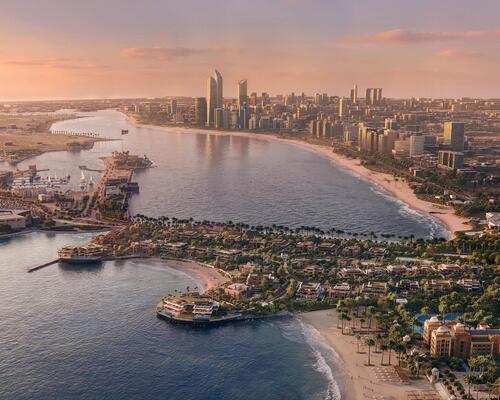
Mandarin Oriental announces standalone Mansions-branded residences for Abu Dhabi
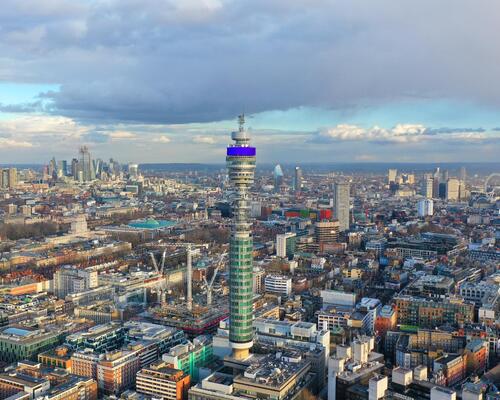
MCR is planning a luxury hotel for London's BT Tower
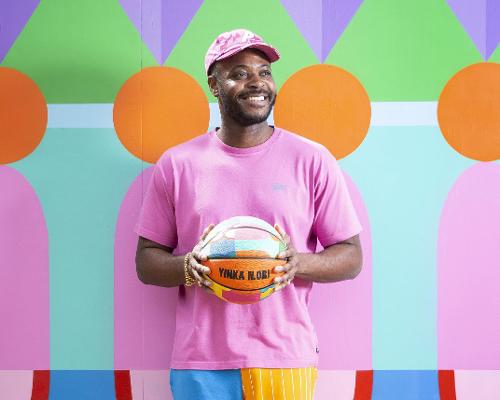
Joy as a radical act: Yinka Ilori launches solo exhibition celebrating the rebellious power of spreading happiness

Work gets underway on Madrid's €800 million leisure complex
Work is underway in Madrid on one of Europe’s most significant multi-functional complexes, combining sport, entertainment, culture and education.
The €800 million initiative to regenerate the former Olympic Aquatic Centre in the north-east of the city, next to the Riyadh Air Metropolitano stadium, is being led by Barsento – a joint venture between Live Nation Entertainment, Oak View Group and Atlético de Madrid. The project will
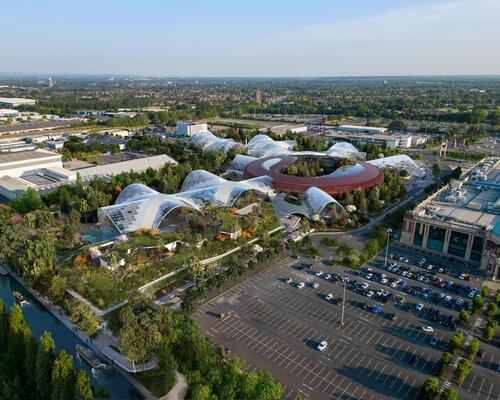
Therme Manchester reveals 90:90 strategy – 90 per cent of the UK population within a 90-minute drive of a Therme

Four Seasons’ Naples Beach Club opens 2,800sq m Sanctuary spa inspired by indigenous Calusa people
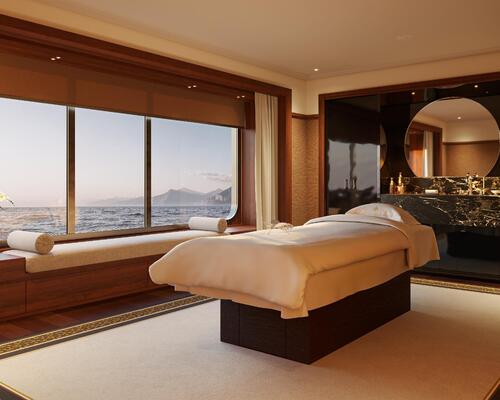
Orient Express Corinthian to host Ocean Rebirth wellness retreat in collaboration with Guerlain
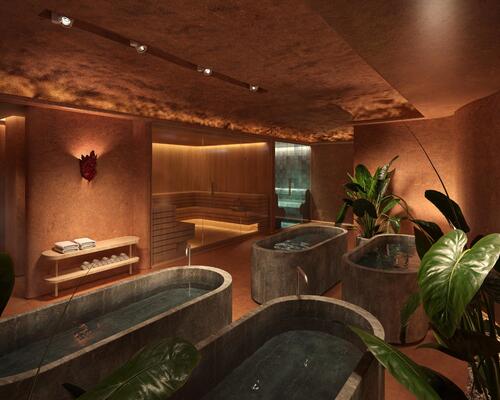
Famed London nightclub, Tramp, launches Tramp Health
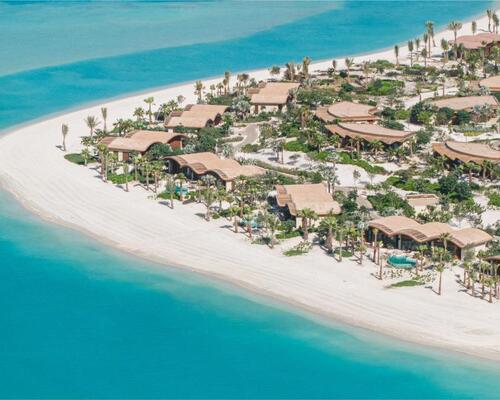
First look: Miraval opens on the Red Sea in Saudi Arabia

Hainan Science Museum by Ma Yansong, opens in China
A new science museum has opened to the public in Haikou after attracting more than 350,000 visitors during a four-month soft opening period.
Designed by Ma Yansong and his practice MAD Architects, the Hainan Science Museum is located on the edge of Wuyuan River National Wetland Park and has already recorded peak attendance of more than 5,800 visitors in a single day.
Commissioned by
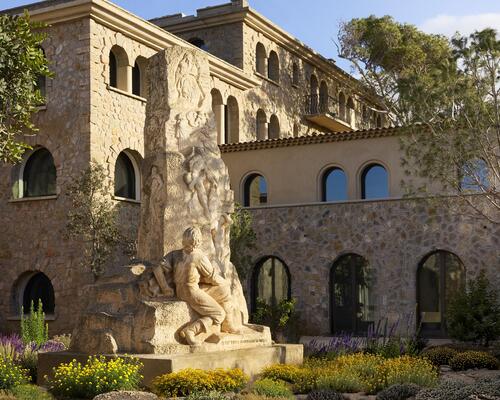
Zannier Île De Bendor launches with design by Hardel Le Bihan Architectes
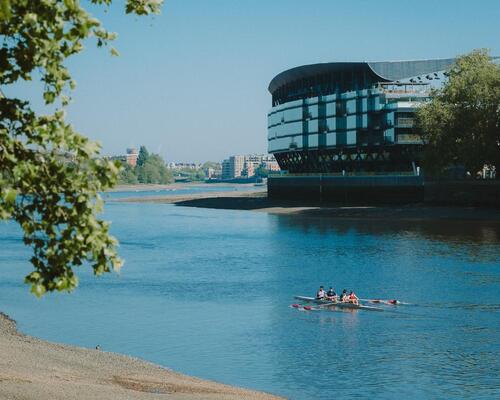
Sæl Spa readies for launch in London: “a modern British sanctuary”
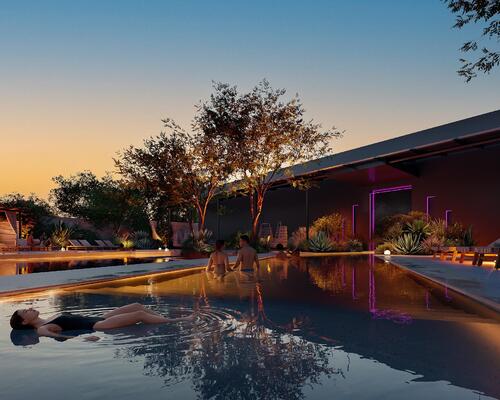
Immersive art bathhouse Submersive announces debut location in Austin

Construction begins on regenerative wellness destination The Shenandoah Nature Resort

Royal Caribbean reveals record-breaking cruise ship
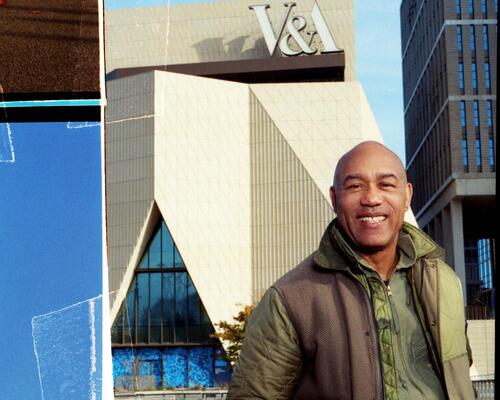
V&A East opens in London
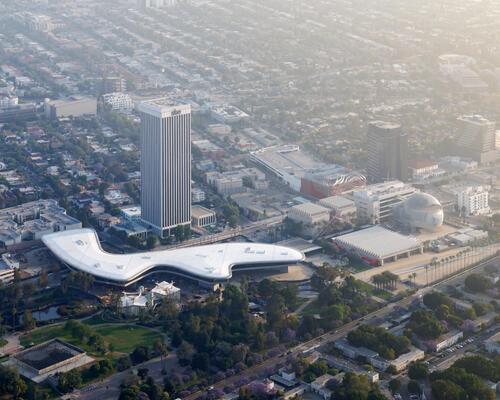
David Geffen galleries open at LACMA

New venue The Lands by Capella includes a longevity centre to complement sister hotel Capella Sydney
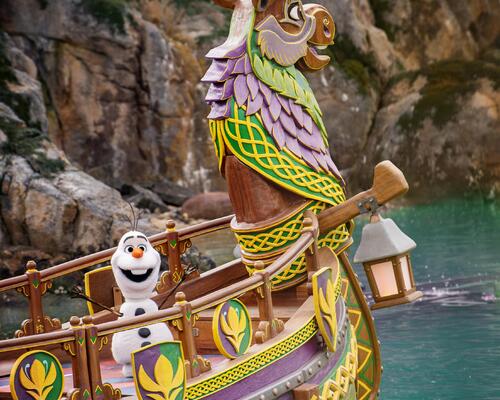
World of Frozen launches at Disneyland Paris
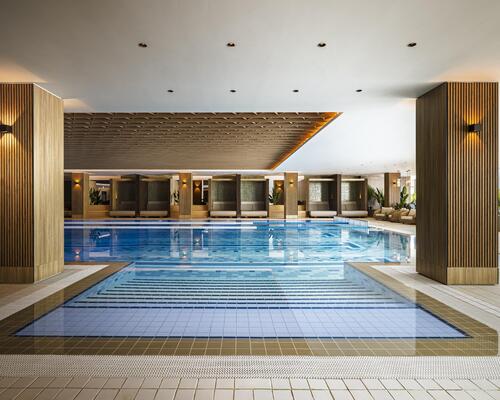
Pical Resort by Valamar reveals first Croatian spa under the ESPA brand

Mandarin Oriental creates end-to-end Egyptian journey with two new hotels and first-ever luxury river cruise

Designers Mendil + Meyer launch new division called Lām Concepts for strategic wellness projects
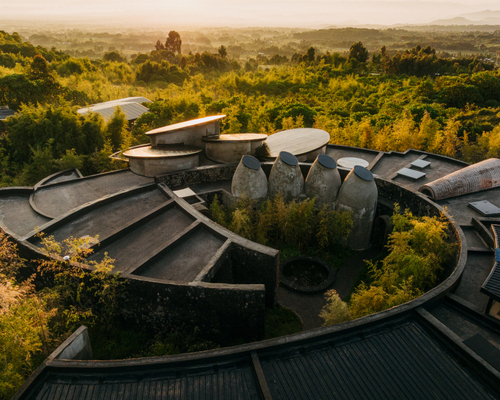
Wilderness Bisate in Rwanda reveals brand’s second Sanctuary spa
4a Architekten shares details of wellness extension at Salinarium Bad Dürkheim Thermal Spa