Bleeding edge glass technology is transforming the future of our buildings


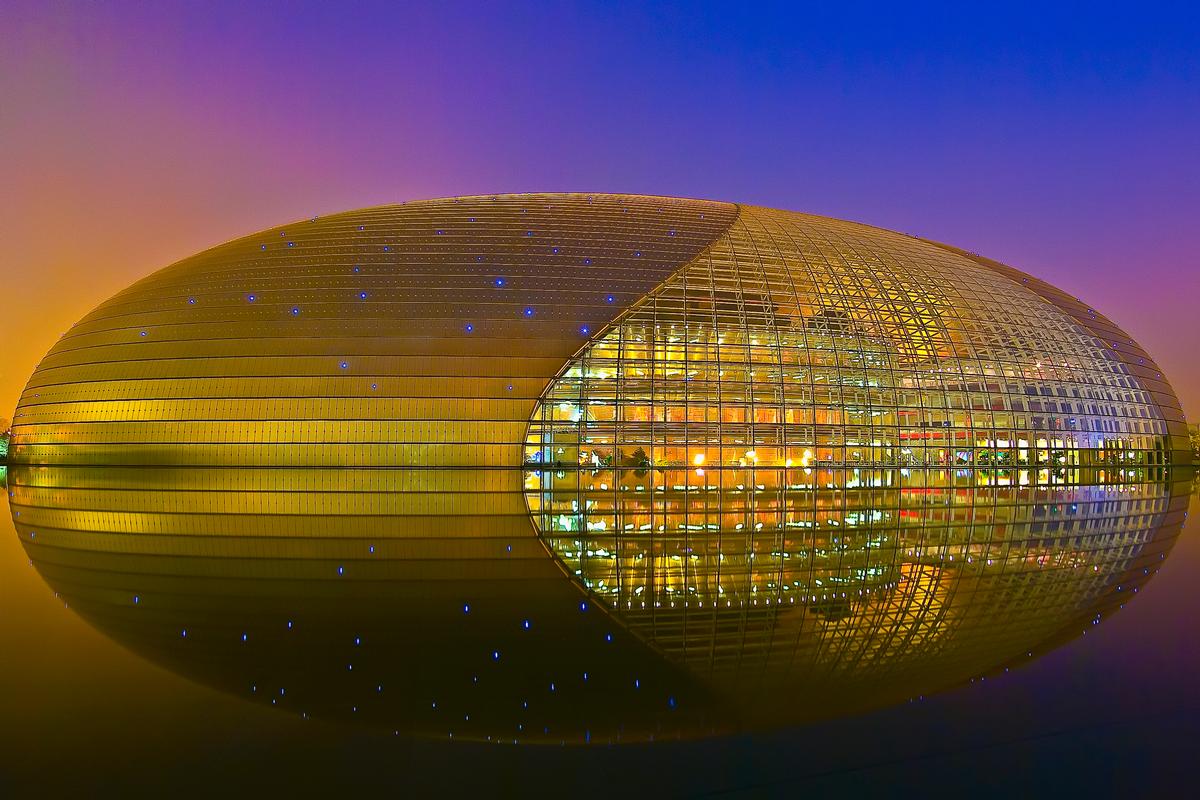
A trio of high-profile architects have called on the design and construction industries to embrace advancements in glass technology which are transforming the ways in which buildings can be created.
Millennium Dome architect Mike Davies, Marks Barfield managing director David Marks and OMA associate Alex de Jong told CLAD that boundaries are being pushed in the development of glass, making the material cheaper, more sustainable and much higher performing.
“Glass is the most incredible material and we’re constantly discovering new ways of using it,” said Davies. “I’ve been speaking a lot with nanotechnologists about how you can now make glass more complex, and their work is so exciting.
“It can form dynamic and interactive skins and facades. It can be fitted with microchips to do everything from reading out data to transmitting energy. It’s a completely different game to simply glazing windows.
“I’m looking forward to the next generation of buildings. I can see a future of glass walls, display walls, energy collecting walls, radiators integrated into glass walls.”
David Marks – a lead architect on the Brighton i360 tower and the London Eye before it – told CLAD that “technology is finding a solution to some of the problems glass buildings have suffered in the past.”
“A lot of architects have said that the age of the glass building is over, but I don't believe that to be the case at all,” he said. “I think as a material it has a great future.”
Marks said that the advance in glass technology has been enormous since his studio created the London Eye in 2000. “That was state-of-the-art at the time, using single-glazed laminated safety glass for the pods,” he said. “On our Brighton project, the glass is double-glazed, much bigger and has many more features to it, such as inbuilt solar shading and hydrophilic coating. It has a much higher level of performance.”
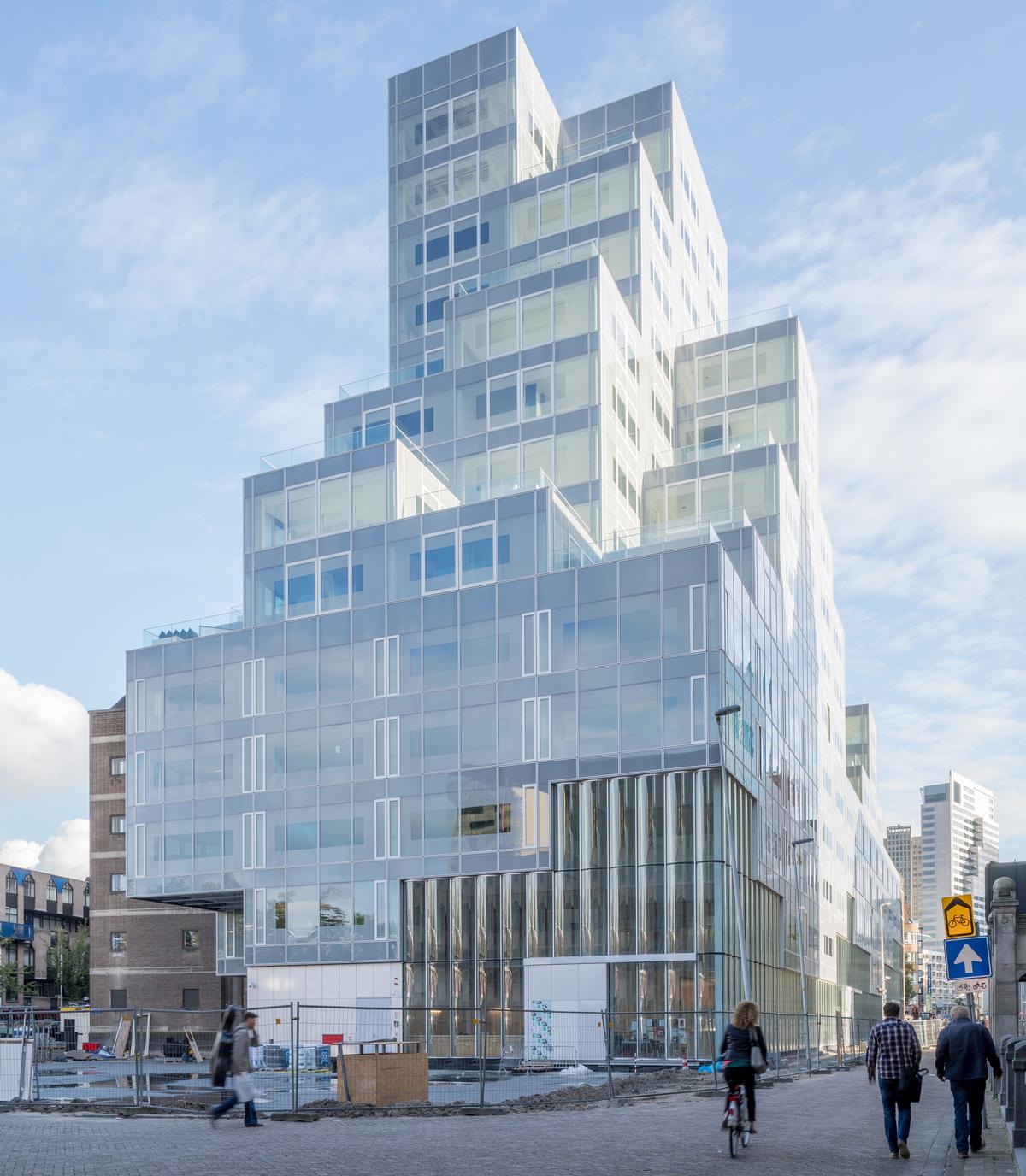
De Jong, a project leader on OMA’s newly-opened glass-filled Timmerhuis project in Rotterdam, told CLAD that the increased sustainability and lower cost of glass is having a huge impact on what architects can achieve.
“Five years ago, we wouldn’t have been able to build something like the Timmerhuis in Holland,” he said. “The glass would have been too expensive and not developed enough. It is much more affordable now and it gives you both the daylight and the insulation you need – which is a huge factor for sustainability and energy consumption.
“On the Timmerhuis project it's particularly striking, because from a distance the triple-glazed glass looks very solid, like a metal cladding, but from inside it seems very open and you can hardly see it. There's a weird vocabulary going on, a doubling of what you can see and what it really is.”
De Jong said that the possibilities of glass are being pushed by the phone and car industries, with technology such as Gorilla Glass from touchscreen phones now being used to clad elevators.
“These kinds of thing cross-fertilise each other and can be very hi-tech to begin with, because they are developed on very small pieces of glass,” he said. “They can then be gradually scaled up and implemented in cars, then small buildings, then finally big-scale applications.
“Eventually, our industry will benefit from it.”
“Architects can achieve so much with glass” said Davies. “The opportunities are there to be taken.
“If you walked in a room and said ‘hey guys, I’ve got this great idea: a transparent stone which will last 1,000 years and is totally waterproof and non-polluting,’ first they wouldn't believe you, and then they would be desperate to get hold of some.
“But it is available and abundant and constantly developing.”
CLAD glass architecture design OMA technology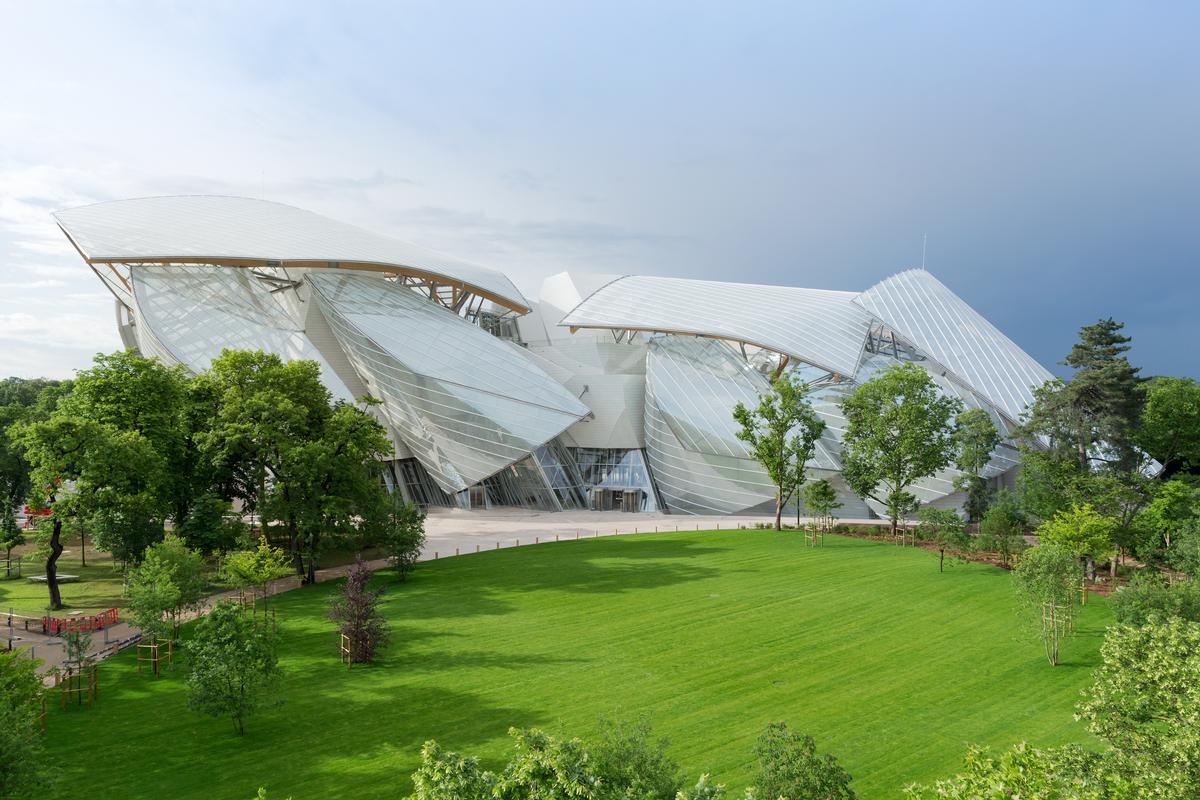
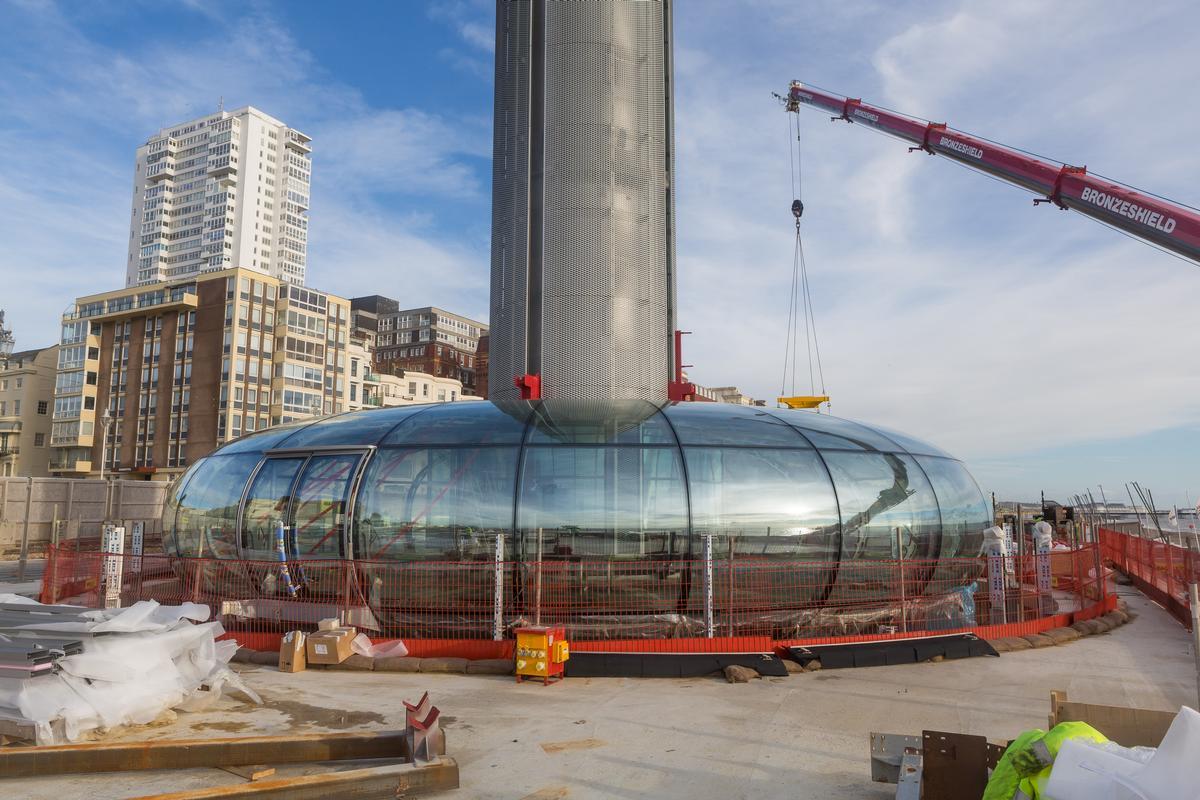
Excitement mounts as viewing pod completed for UK's first vertical cable car
Glass-bottomed skypool suspended over void wins design contest for Paris
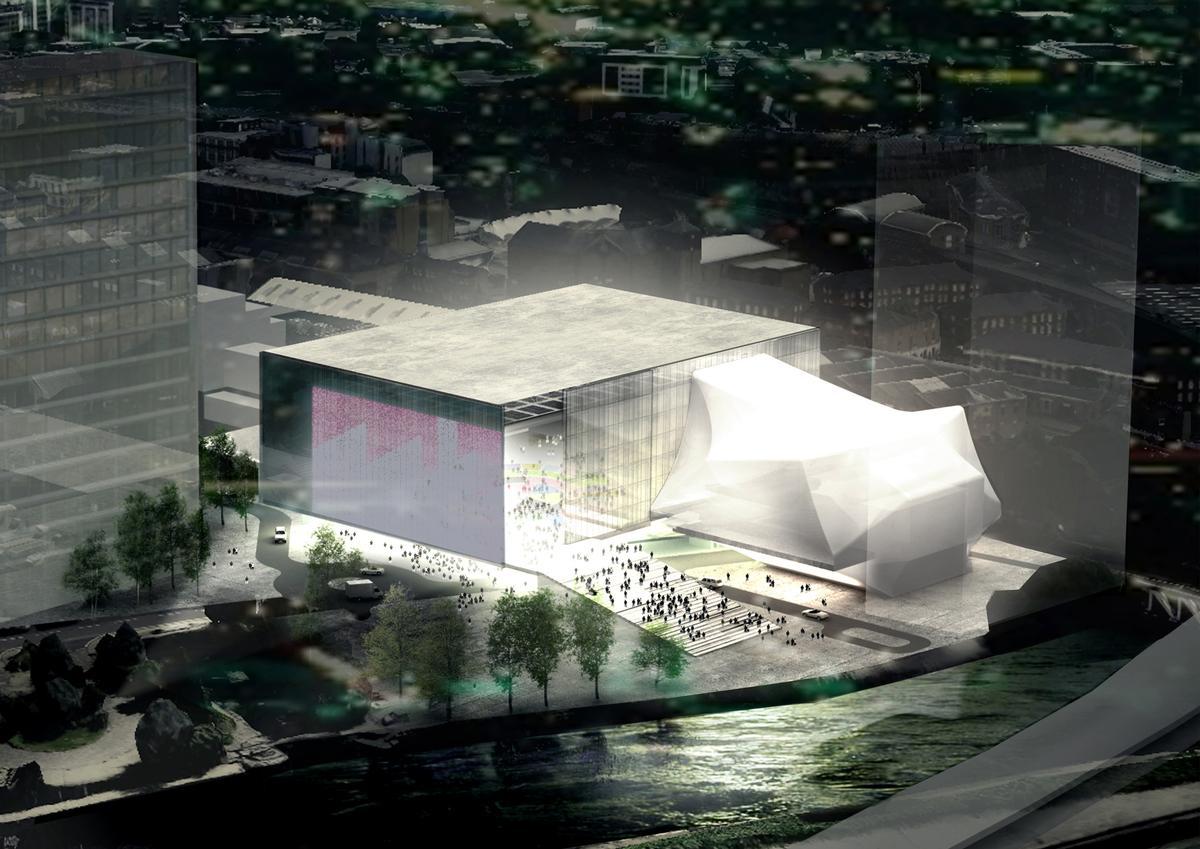
OMA design pixelated glass and steel mountain to house Rotterdam museum
Jürgen Engel wins competition for jutting, glass-clad Shenzhen Art Museum and Library
Gehry-designed Louis Vuitton foundation opens in Paris this October

OMA completes New Museum transformation with landmark expansion and Oberon restaurant
OMA has completed a major transformation of New York's New Museum, creating a larger cultural campus that combines expanded exhibition spaces with learning, performance, hospitality and public programming. The latest addition, Oberon, extends the visitor experience beyond the gallery, reflecting a growing trend for museums to become all-day destinations.
The New Museum in New York has entered a new chapter with the completion of a major
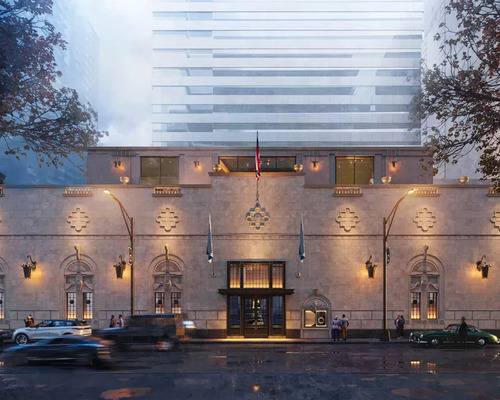
David Rockwell creates immersive magic destination, The Hand and The Eye
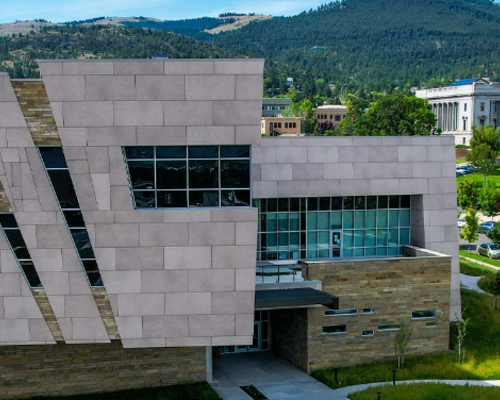
Montana Heritage Center by Cushing Terrell opens after US$107 million investment
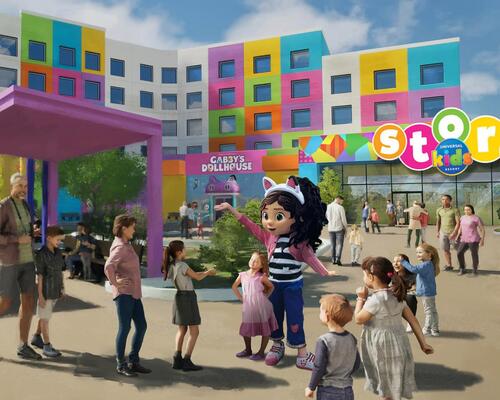
Universal launches new theme park model with Kids Resort
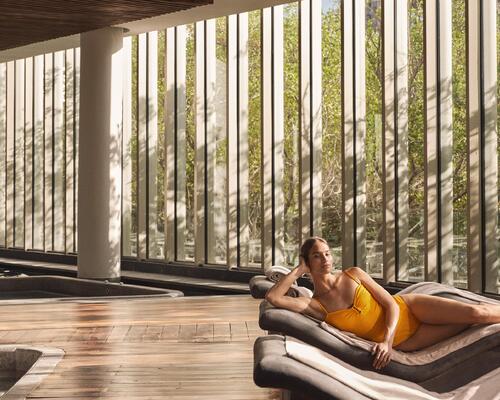
'Minor wellness hotels' recorded the strongest growth across top KPIs in 2025, finds RLA Global
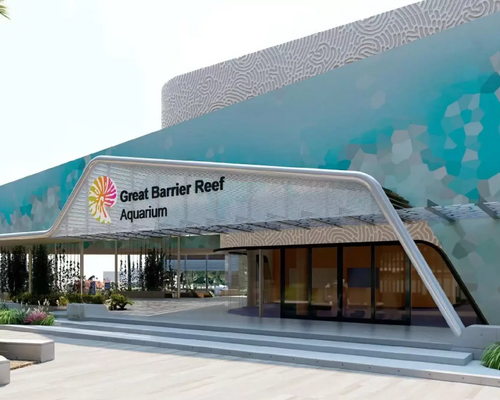
Great Barrier Reef attraction set for AU$180 million reinvention
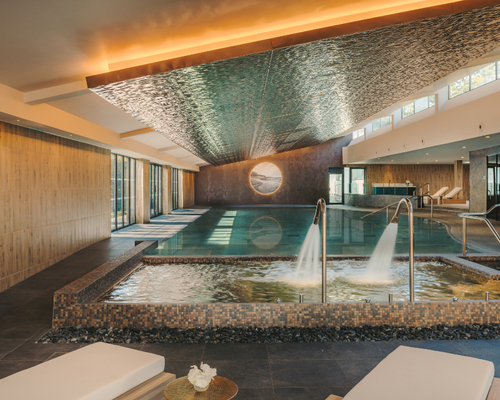
Fairmont Cheshire, The Mere, has architecture by Leach Rhodes Walker and interiors by Bergman Design House.
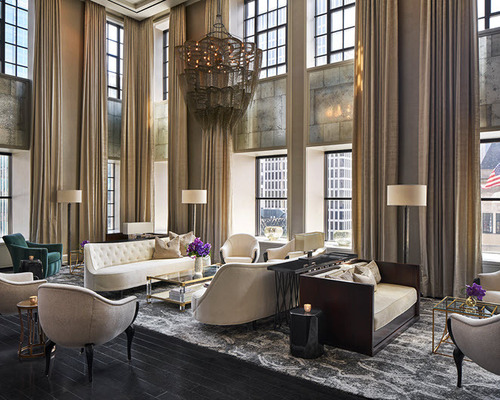
Marriott International partners with Fitwel for wellness solutions across its residential portfolio
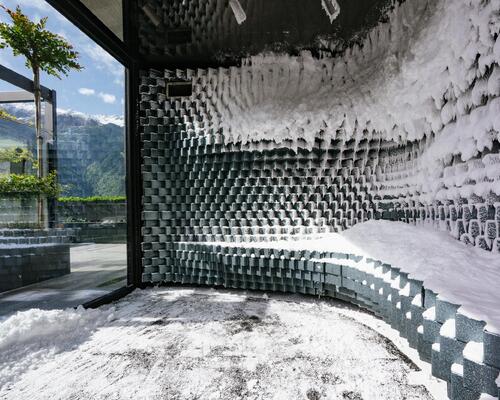
Preidlhof Luxury DolceVita Resort to unveil new spa in February 2027
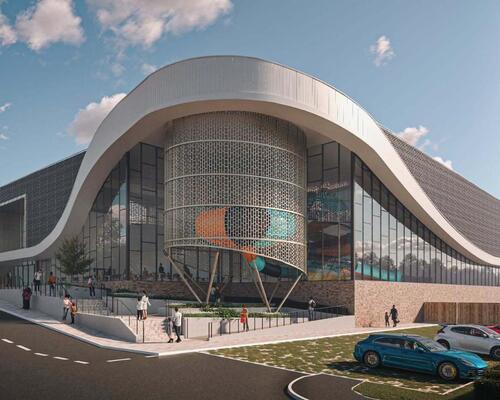
Places Leisure is working with Roberts Limbrick to build £60m wellness flagship in Basingstoke

Hoshino Resorts opens Kai Kusatsu as it expands the Kai onsen ryokan brand
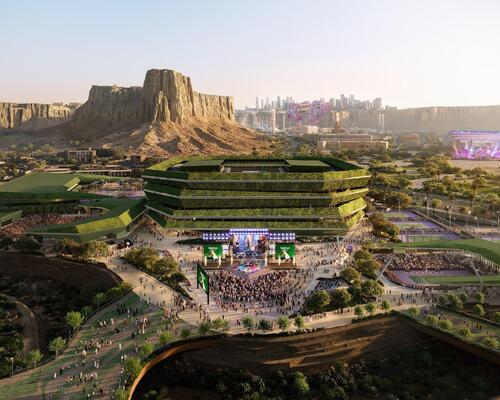
Qiddiya and Populous share details of Saudi Arabia’s National Tennis Centre
Disney confirms US$30 billion investment programme as it highlights its economic impact
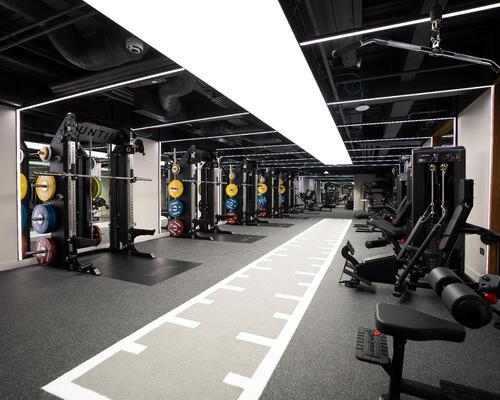
Until combines multiple disciplines at new Canary Wharf club
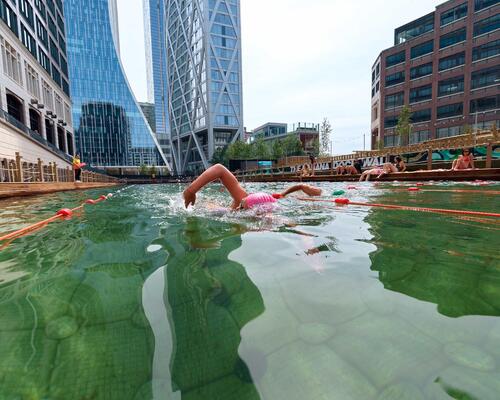
Sea Lanes opens following a partnership between The Eden Project and Canary Wharf Group
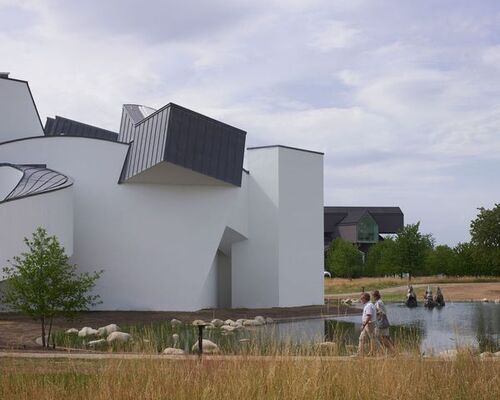
Bas Smets brings water and wilderness to Vitra
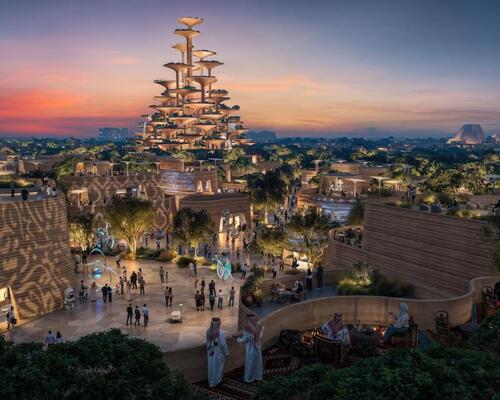
Expo 2030 Riyadh will create a permanent global destination
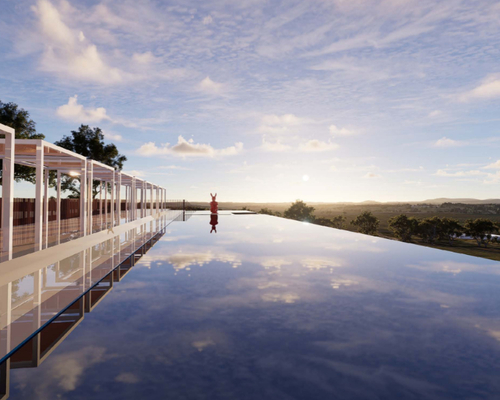
Luxury resort coming to Hunter Valley will have longevity spa
'Data chocolate', dreams made real and artworks shaped by visitors’ emotions: Refik Anadol’s AI art museum launches in Los Angeles
London Museum reveals 2026 opening date for new Smithfield home
BIG unveils Eve Music Hall as Croatia venue nears completion
Bob Rogers hands BRC to long-serving leadership team
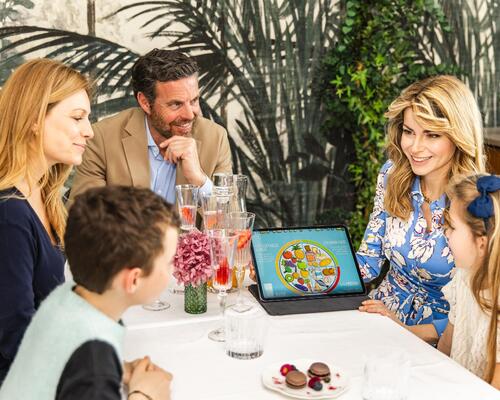
Palazzo di Varignana launches family wellbeing and longevity retreat in Emilia Romagna
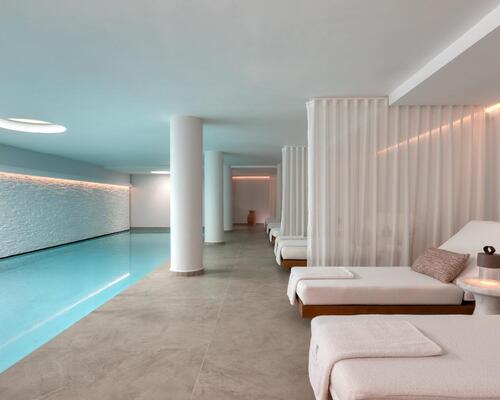
Anasa Wellness and Spa debuts at Patmos Aktis as it joins Marriott
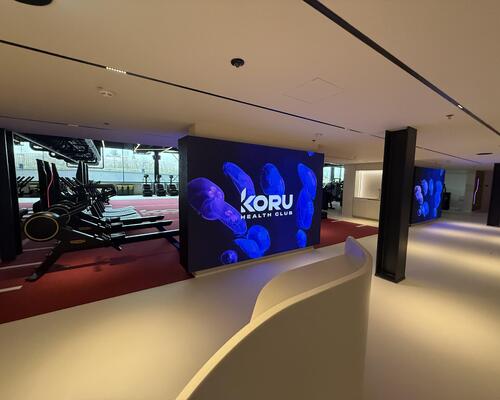
Design-led Koru Health Club combines high-performance training with recovery

Wellness care hospital opens in Vilnius with innovative spa and hospitality concept

Universal and Puy du Fou projects point to rise of Oxford–Cambridge corridor
A proposed Puy du Fou development near Bicester and Universal Destinations and Experiences’ planned resort in Bedford are emerging as part of a wider transformation of the Oxford–Cambridge Growth Corridor into a major centre for UK leisure and tourism investment.
For years, the corridor has been associated primarily with science, technology, housing and university-led economic growth. However, the clustering of large-scale visitor attraction projects along the

All-inclusive eco-wellness development Auko to open near Vietnam’s Son Doong caves
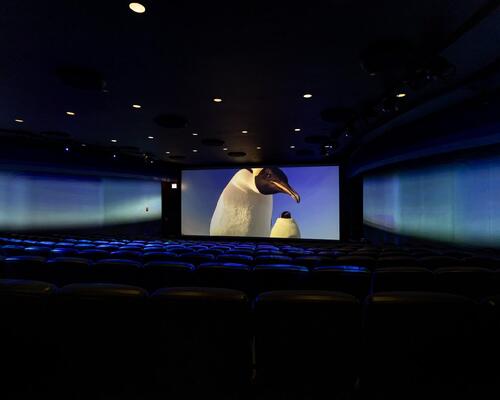
Shedd Aquarium upgrades its visitor experience with new Immersion Theater
Shedd Aquarium has opened the Immersion Theater developed in partnership with SimEx-Iwerks, as part of a wider strategy to enhance the guest experience and create additional revenue opportunities.
The attraction has transformed the aquarium’s Phelps Auditorium into a multi-sensory venue combining panoramic projection, environmental effects and interactive technology.
A new pre-show area allows visitors to engage with augmented reality marine animals before entering the
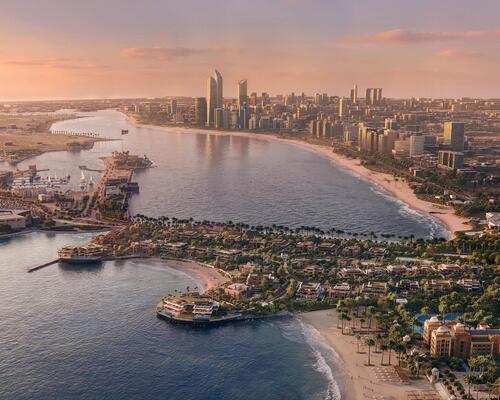
Mandarin Oriental announces standalone Mansions-branded residences for Abu Dhabi





Designed to restore neglected land and renew the identity of Iraq’s capital city, Baghdad Sustainable Forests promises a new way of living surrounded by nature. Gensler’s Ian Mulcahay tells us why he thinks the project could become a model for the repair and enhancement of urban centres