Can timber construction overcome the obstacles of urban development?


Architects, designers, engineers, planners and manufacturers gathered in London earlier this month to participate in a roundtable discussion on how timber can and should be used to meet the construction challenges they face.
The talks focused on how wooden materials can ease Britain’s housing crisis – it is projected that London alone requires 60,000 new houses a year, double the current rate, to meet demand – but the discussion also touched more generally on the urgent need for fast and sustainable construction methods across building sectors in an age of urbanisation.
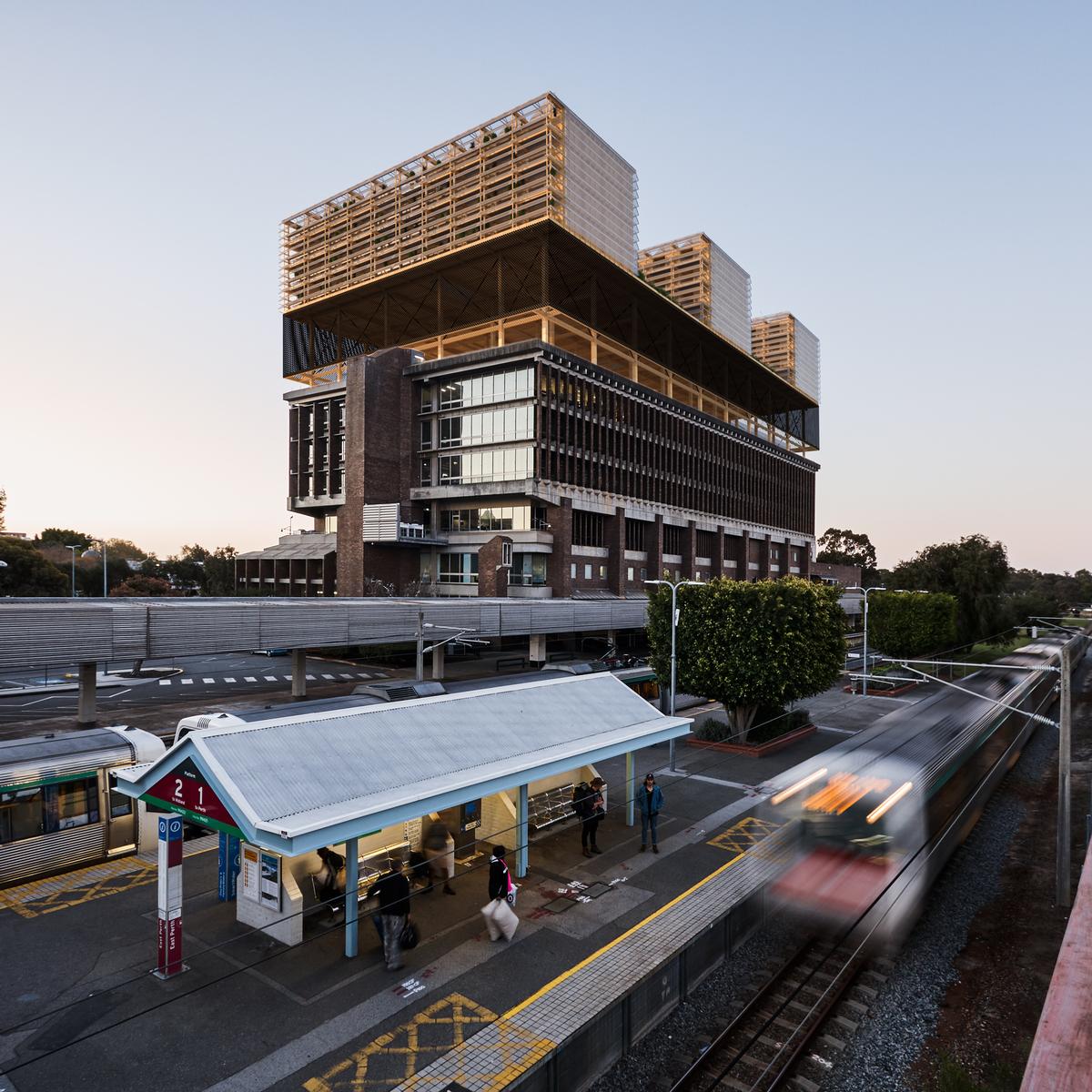
The event was hosted by specialist manufacturer Metsä Wood – which believes modern timber materials can “enable several storeys to be constructed on top of existing structures, allowing us to build up and stop tearing down.”
Topics discussed included the energy performance of new builds created using timber; the benefits of hybrid construction, using a range of materials including steel, concrete, brick and timber; and the need to raise awareness of the cost benefits of wooden materials.
“We find there’s still a lot of anxiety and lack of knowledge [among architects and developers], particularly on cost,” said Rory Bergin, a partner of architecture studio HTA Design. “The way to further innovation is to push at the sweet spots where the benefits are indisputable to the client.”
Nick Milestone, managing director of hybrid engineering firm B & K Structures, added: “The people we need to convince are quantity surveyors. I’m starting to see that firms are now measuring the costs of engineered timber against traditional construction. They are saying to developers they can now build it quicker, lighter and cheaper. It is now a competitive solution, because reinforced concrete is becoming very expensive.”
Linda Thiel of Sweden’s White Arkitekter discussed how timber can be used for commercial and public buildings, as well as housing, particularly in urban areas where space is at a premium.
“Too often engineered timber is being used simply to replace concrete,” she said. “Once designers see it as a different material, design will flourish and create a new architecture.”
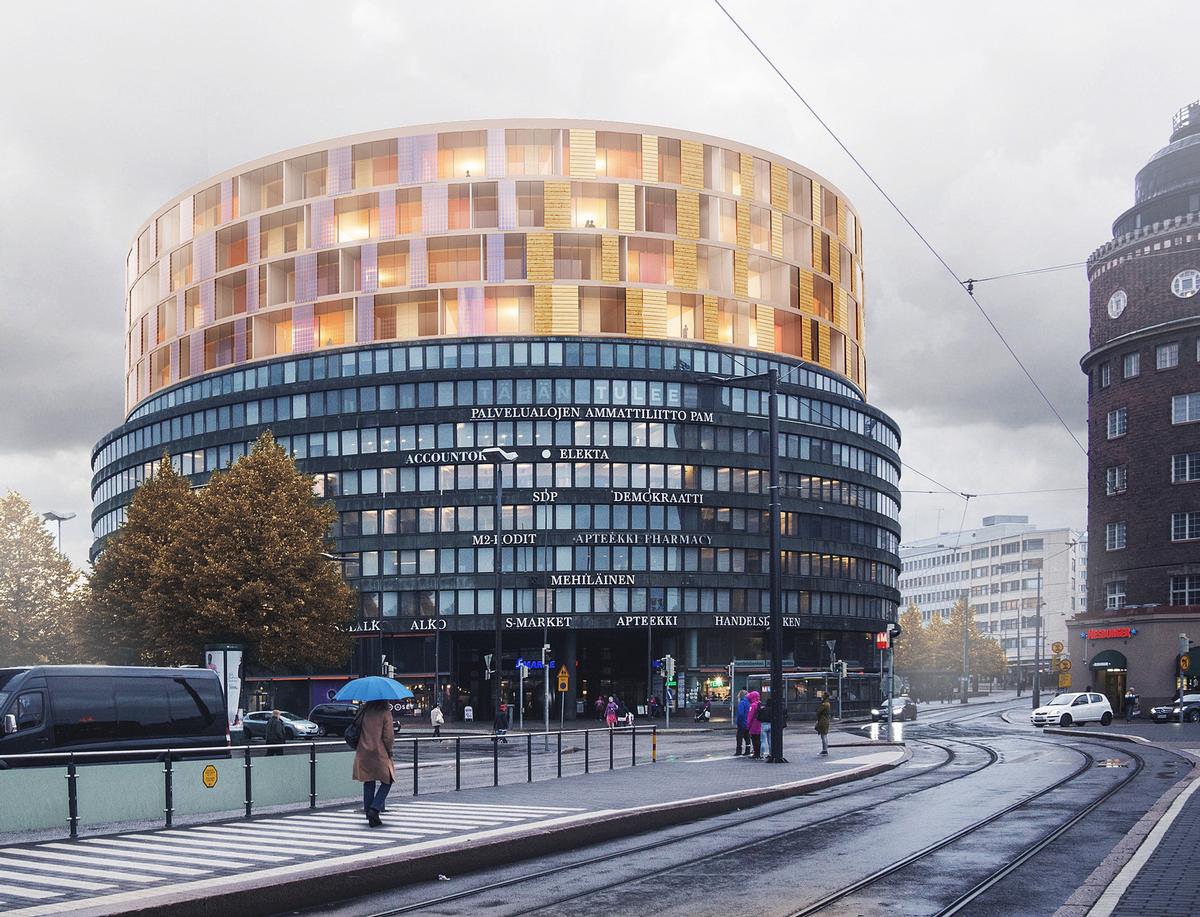
In order to explore this idea further, Metsä Wood recently ran a competition, called “City above the City’, inviting architects to design timber structure extensions to existing urban buildings in 69 cities worldwide, including Sydney, Shanghai, New York, Berlin, Paris and London.
Explaining its reason for promoting the potential of timber in this way, the company said: “Research shows that approximately a quarter of existing buildings are strong enough to carry additional floors made of wood. Moreover, it is the only material light enough to build quickly on to existing structures.
“This makes wood a highly promising building material for providing living space for billions of people – while also preserving the architectural heritage of our cities.”
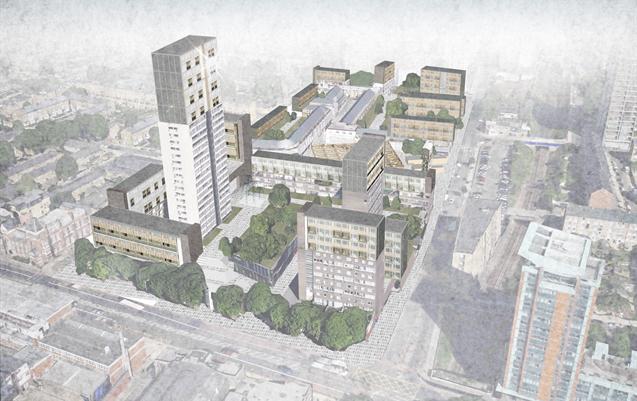
Chrisp Street Market is a 3.6 hectare site near Canary Wharf, built in the 1950s as part of the Festival of Britain, and having been active as a street market since Victorian times. There are currently plans to build 750 new homes while upgrading the existing retail units.
However, according to Gurung and Buss, this proposal will “destroy most of the site and, with it, businesses, homes and community”.
They have offered an alternative vision as part of the Metsä Wood ‘City above the City’ competition. Their idea is for the existing residential blocks are extended upwards, using Metsä’s Kerto-Q and Kerto-S LVL wooden modules, “while new blocks sitting on the podium itself use the same system.”
The timber would protected from the elements but visible through an aluminium-glazed screen. It would be exposed throughout the residential interiors.
Explaining their vision, they said: “London has a housing crisis but tackling this should not come at the expense of quality of life and the destruction of diverse and functioning communities. Our proposal seeks a sustainable future: environmentally and socially, for everyone, by building on the existing structure and community.
“We should address the difficult, but responsible challenge of augmenting the new with the old - both physical and social.
“This system could be adapted and replicated across London and other cities, as a way to address the tide of wholesale gentrification – a more human, slower paced and responsible method of regeneration and change, while adding significant density to the areas people want to live.”
Molecular 'glue' could hold the key to building towering timber skyscrapers, research finds
Architects invited to propose how timber buildings can save our cities for international competition
Will our skyscrapers soon be built from timber?
FEATURE: Ask the experts – Timber towers

Wellness care hospital opens in Vilnius with innovative spa and hospitality concept

Universal and Puy du Fou projects point to rise of Oxford–Cambridge corridor
A proposed Puy du Fou development near Bicester and Universal Destinations and Experiences’ planned resort in Bedford are emerging as part of a wider transformation of the Oxford–Cambridge Growth Corridor into a major centre for UK leisure and tourism investment.
For years, the corridor has been associated primarily with science, technology, housing and university-led economic growth. However, the clustering of large-scale visitor attraction projects along the

All-inclusive eco-wellness development Auko to open near Vietnam’s Son Doong caves
Shedd Aquarium upgrades its visitor experience with new Immersion Theater
Shedd Aquarium has opened the Immersion Theater developed in partnership with SimEx-Iwerks, as part of a wider strategy to enhance the guest experience and create additional revenue opportunities.
The attraction has transformed the aquarium’s Phelps Auditorium into a multi-sensory venue combining panoramic projection, environmental effects and interactive technology.
A new pre-show area allows visitors to engage with augmented reality marine animals before entering the
MCR is planning a luxury hotel for London's BT Tower

Joy as a radical act: Yinka Ilori launches solo exhibition celebrating the rebellious power of spreading happiness

Work gets underway on Madrid's €800 million leisure complex
Work is underway in Madrid on one of Europe’s most significant multi-functional complexes, combining sport, entertainment, culture and education.
The €800 million initiative to regenerate the former Olympic Aquatic Centre in the north-east of the city, next to the Riyadh Air Metropolitano stadium, is being led by Barsento – a joint venture between Live Nation Entertainment, Oak View Group and Atlético de Madrid. The project will
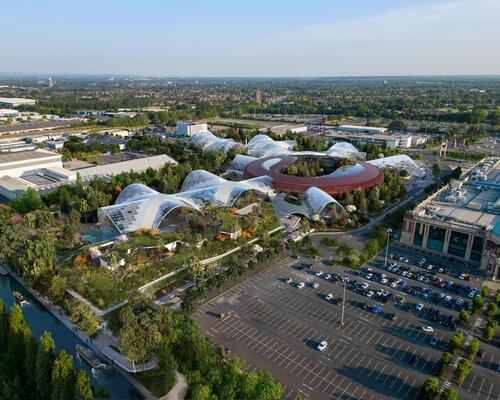
Therme Manchester reveals 90:90 strategy – 90 per cent of the UK population within a 90-minute drive of a Therme

Four Seasons’ Naples Beach Club opens 2,800sq m Sanctuary spa inspired by indigenous Calusa people
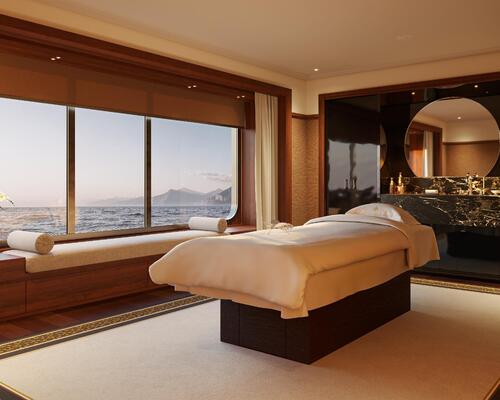
Orient Express Corinthian to host Ocean Rebirth wellness retreat in collaboration with Guerlain
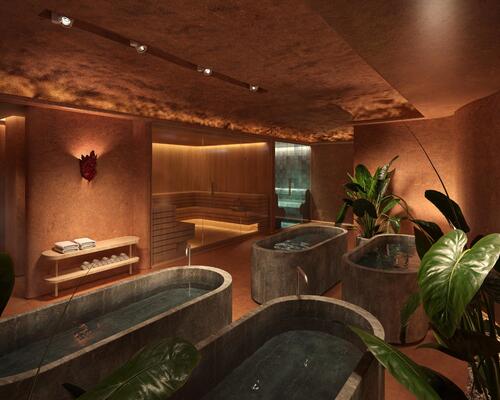
Famed London nightclub, Tramp, launches Tramp Health
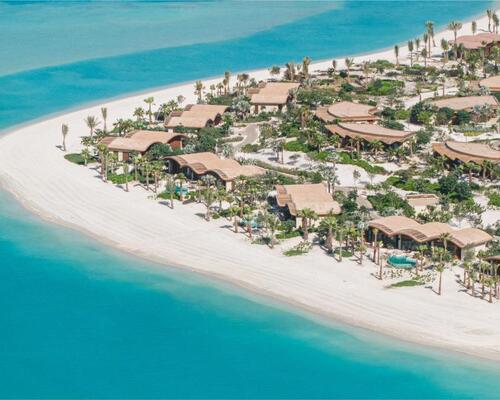
First look: Miraval opens on the Red Sea in Saudi Arabia

Hainan Science Museum by Ma Yansong, opens in China
A new science museum has opened to the public in Haikou after attracting more than 350,000 visitors during a four-month soft opening period.
Designed by Ma Yansong and his practice MAD Architects, the Hainan Science Museum is located on the edge of Wuyuan River National Wetland Park and has already recorded peak attendance of more than 5,800 visitors in a single day.
Commissioned by
Zannier Île De Bendor launches with design by Hardel Le Bihan Architectes
Sæl Spa readies for launch in London: “a modern British sanctuary”
Immersive art bathhouse Submersive announces debut location in Austin

Construction begins on regenerative wellness destination The Shenandoah Nature Resort

Royal Caribbean reveals record-breaking cruise ship
V&A East opens in London
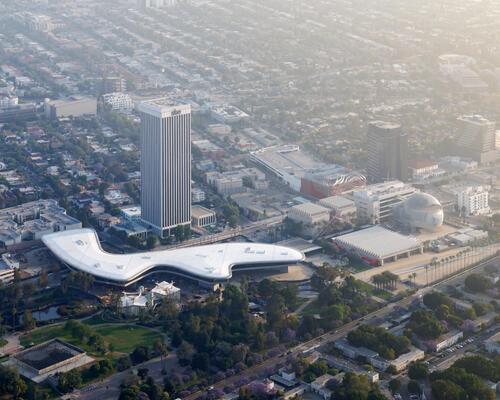
David Geffen galleries open at LACMA

New venue The Lands by Capella includes a longevity centre to complement sister hotel Capella Sydney

World of Frozen launches at Disneyland Paris
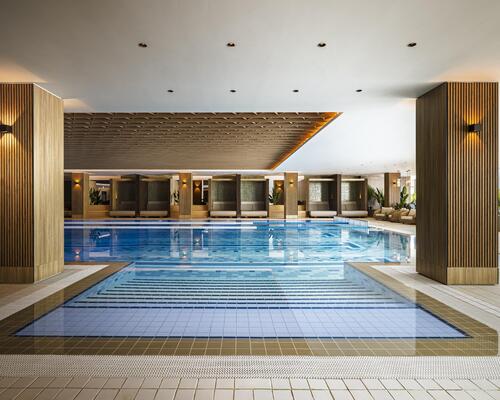
Pical Resort by Valamar reveals first Croatian spa under the ESPA brand

Mandarin Oriental creates end-to-end Egyptian journey with two new hotels and first-ever luxury river cruise

Designers Mendil + Meyer launch new division called Lām Concepts for strategic wellness projects
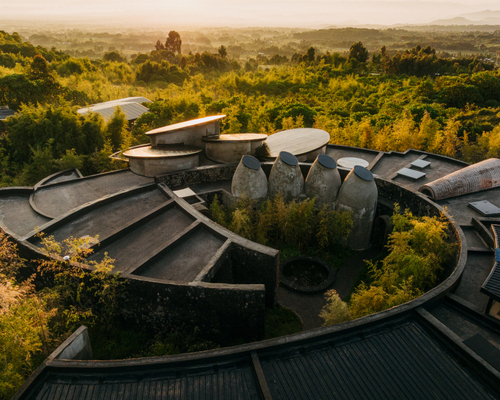
Wilderness Bisate in Rwanda reveals brand’s second Sanctuary spa
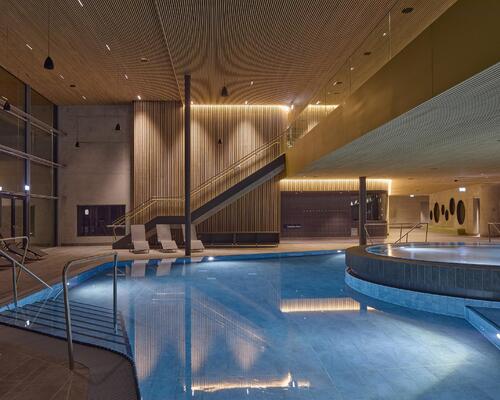
4a Architekten shares details of wellness extension at Salinarium Bad Dürkheim Thermal Spa
BodyHoliday plans 10-15 locations in the next 15 years
Floating wellbeing destination planned for London’s Royal Docks
Aman Group to open second Janu in Dubai with inaugural Janu Club