EXCLUSIVE: How can architects take advantage of 'the world's darkest material?'


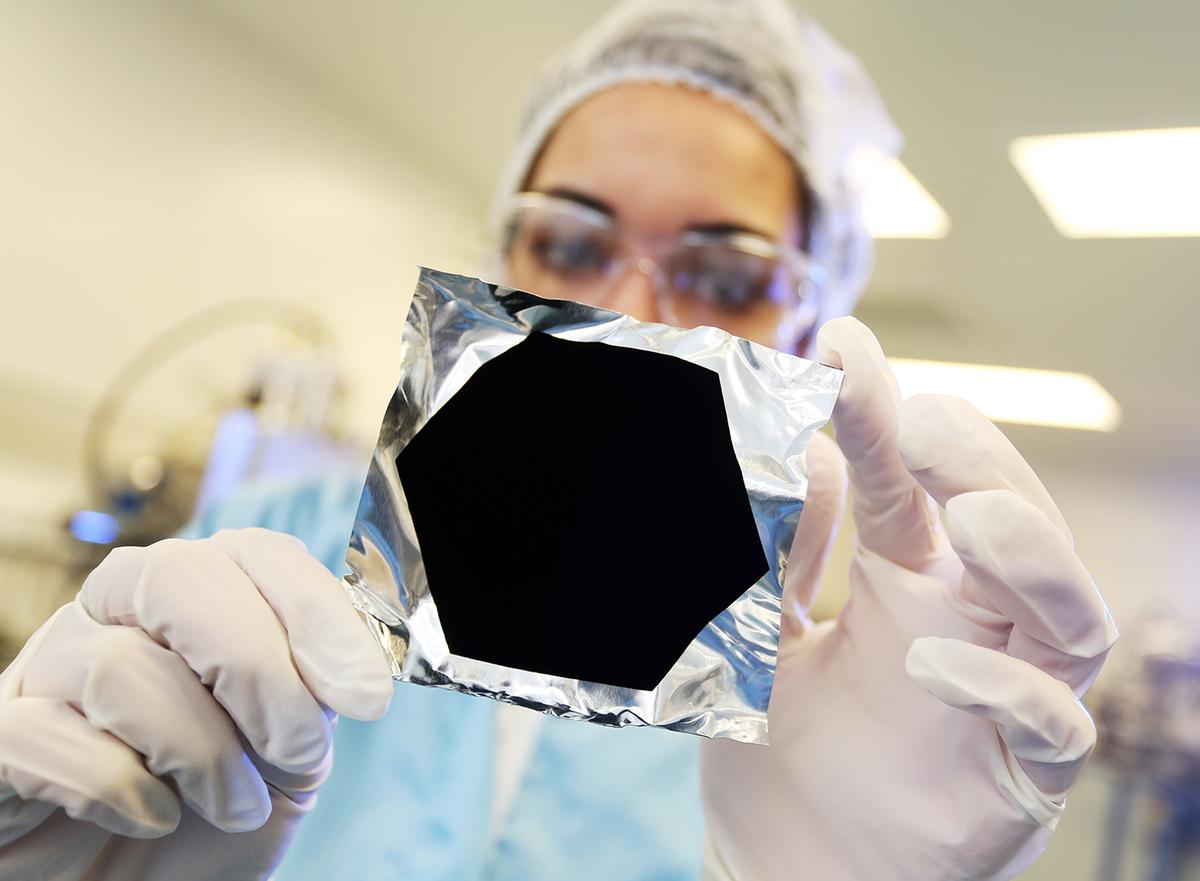
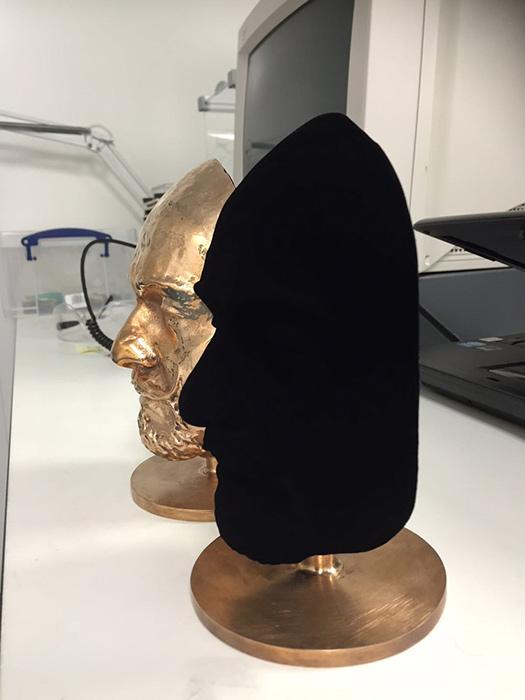
Architects around the world are locked in a secretive race to find creative applications for Vantablack S-VIS – a new spray version of the world's blackest material – according to the developers of the technology.
Vantablack, hailed by its British developer Surrey NanoSystems as "the world's darkest material", is 17 times less reflective than the super-black paint used to minimise stray light in the Hubble space telescope.
It has been described by artist Anish Kapoor – who has reportedly secured exclusive rights to use the colour in artwork – as “so deeply black it’s like staring into a black hole.”
Vantablack S-VIS – which traps 99.8 per cent of light compared to Vantablack’s 99.965 per cent – is a new development which allows the pigment to be applied to almost any stable material surface using a spray painting process.
The only major requirements are the surface must be able to withstand temperatures up to 100°C, and will be protected from people touching it – for example by covering it with glass panels – so as to avoid damage to its billions of nanometre-sized optical cavities.
Any company can apply to Surrey NanoSystems to use Vantablack S-VIS, although individuals are not allowed to purchase it.
In an interview with CLAD, the company’s Chief Technology Officer Ben Jensen revealed architects are in discussions with the company to use the spray “in loads of weird and wonderful and technically challenging ways.”
“There are so many possible uses of this technology and people are definitely looking at ways to use it quickly in exciting ways,” he said.
“There are two interesting applications that have been looked at particularly for architects. One is creating mood spaces with an optical or visual effect and lighting without backflash or scattered light. The other is to do with climate control within buildings on a large scale, and how heat is transferred around buildings and roof space areas.”
When applied to three dimensional surfaces, Vantablack S-VIS creates an illusion of extreme flatness, meaning it can be used to disguise bumpy air vents and other potentially unattractive features.
“The material has a unique effect,” said Jensen. “You only realise how black it is when you hold something you thought was black next to it and realise it looks very grey in comparison. This means it can be used by architects for mood spaces, neat optical effects or something more comprehensive. However, there’s a risk it could be uncomfortable because the almost complete absence of light makes people disoriented with no visual reference points.”
Jensen said that the company would have the final say in how the material is used, and any decision depends on “what the architects want to achieve with it.”
“No one else has been able to make a commercially available spray material which reflects so little light, and we’ve made a big investment in the technology,” he said. “It’s a huge step forward, so we want to make sure it’s used in a way that adds value to places. We don’t just want to chuck it out there and see if someone does something good. If used well, it can have a huge impact on buildings.”
Vantablack nanotechnology architecture design public space Surrey NanoSystems


Wellness care hospital opens in Vilnius with innovative spa and hospitality concept

Universal and Puy du Fou projects point to rise of Oxford–Cambridge corridor
A proposed Puy du Fou development near Bicester and Universal Destinations and Experiences’ planned resort in Bedford are emerging as part of a wider transformation of the Oxford–Cambridge Growth Corridor into a major centre for UK leisure and tourism investment.
For years, the corridor has been associated primarily with science, technology, housing and university-led economic growth. However, the clustering of large-scale visitor attraction projects along the
All-inclusive eco-wellness development Auko to open near Vietnam’s Son Doong caves
Shedd Aquarium upgrades its visitor experience with new Immersion Theater
Shedd Aquarium has opened the Immersion Theater developed in partnership with SimEx-Iwerks, as part of a wider strategy to enhance the guest experience and create additional revenue opportunities.
The attraction has transformed the aquarium’s Phelps Auditorium into a multi-sensory venue combining panoramic projection, environmental effects and interactive technology.
A new pre-show area allows visitors to engage with augmented reality marine animals before entering the
MCR is planning a luxury hotel for London's BT Tower

Joy as a radical act: Yinka Ilori launches solo exhibition celebrating the rebellious power of spreading happiness

Work gets underway on Madrid's €800 million leisure complex
Work is underway in Madrid on one of Europe’s most significant multi-functional complexes, combining sport, entertainment, culture and education.
The €800 million initiative to regenerate the former Olympic Aquatic Centre in the north-east of the city, next to the Riyadh Air Metropolitano stadium, is being led by Barsento – a joint venture between Live Nation Entertainment, Oak View Group and Atlético de Madrid. The project will
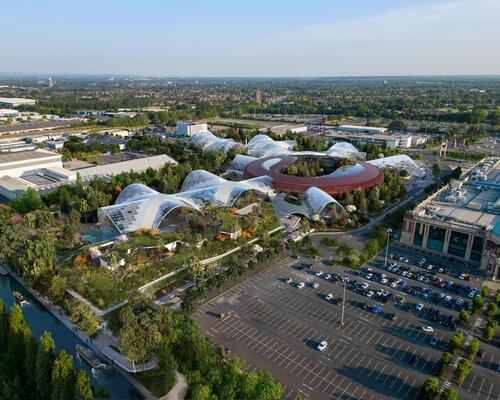
Therme Manchester reveals 90:90 strategy – 90 per cent of the UK population within a 90-minute drive of a Therme

Four Seasons’ Naples Beach Club opens 2,800sq m Sanctuary spa inspired by indigenous Calusa people
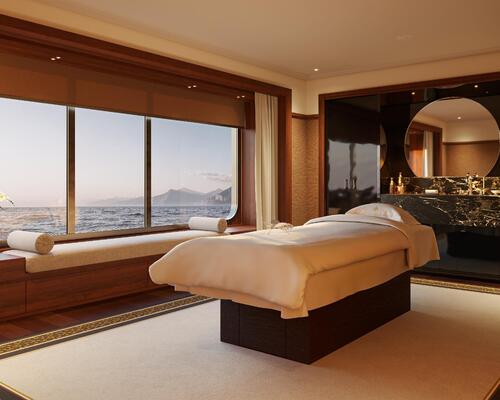
Orient Express Corinthian to host Ocean Rebirth wellness retreat in collaboration with Guerlain
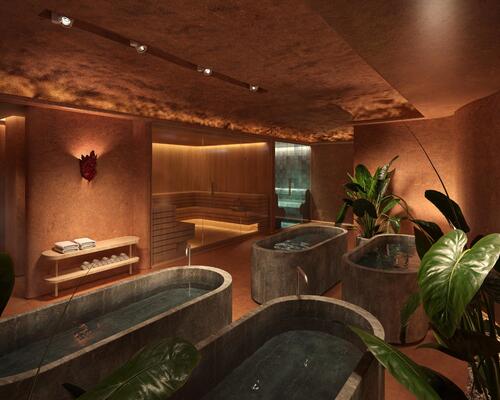
Famed London nightclub, Tramp, launches Tramp Health
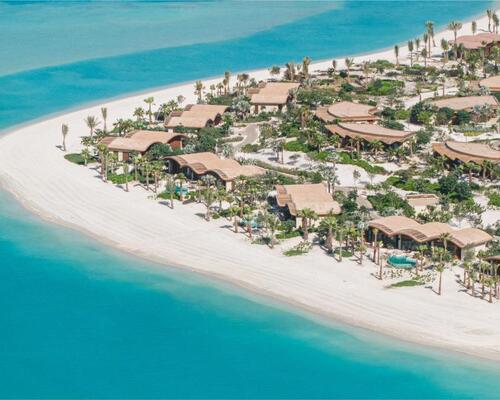
First look: Miraval opens on the Red Sea in Saudi Arabia

Hainan Science Museum by Ma Yansong, opens in China
A new science museum has opened to the public in Haikou after attracting more than 350,000 visitors during a four-month soft opening period.
Designed by Ma Yansong and his practice MAD Architects, the Hainan Science Museum is located on the edge of Wuyuan River National Wetland Park and has already recorded peak attendance of more than 5,800 visitors in a single day.
Commissioned by
Zannier Île De Bendor launches with design by Hardel Le Bihan Architectes
Sæl Spa readies for launch in London: “a modern British sanctuary”
Immersive art bathhouse Submersive announces debut location in Austin

Construction begins on regenerative wellness destination The Shenandoah Nature Resort

Royal Caribbean reveals record-breaking cruise ship
V&A East opens in London
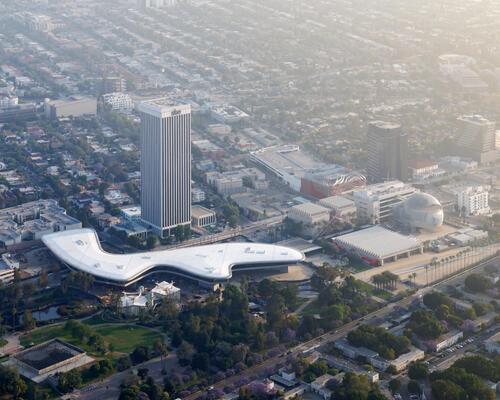
David Geffen galleries open at LACMA

New venue The Lands by Capella includes a longevity centre to complement sister hotel Capella Sydney

World of Frozen launches at Disneyland Paris
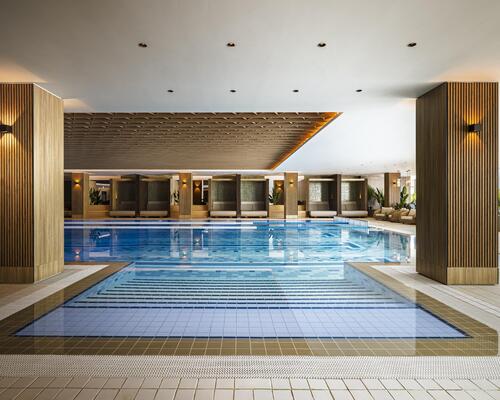
Pical Resort by Valamar reveals first Croatian spa under the ESPA brand

Mandarin Oriental creates end-to-end Egyptian journey with two new hotels and first-ever luxury river cruise

Designers Mendil + Meyer launch new division called Lām Concepts for strategic wellness projects
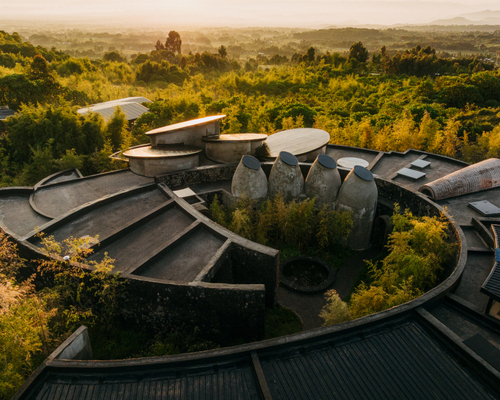
Wilderness Bisate in Rwanda reveals brand’s second Sanctuary spa
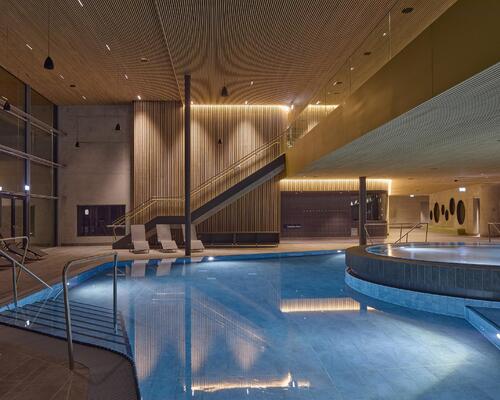
4a Architekten shares details of wellness extension at Salinarium Bad Dürkheim Thermal Spa
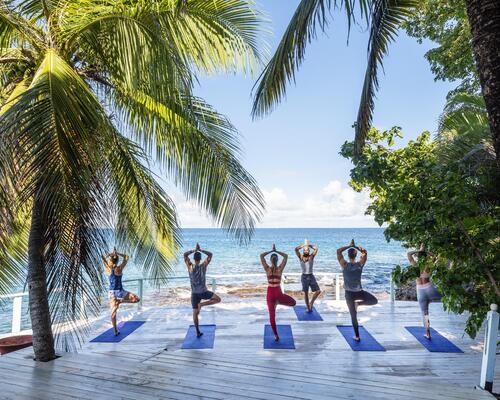
BodyHoliday plans 10-15 locations in the next 15 years
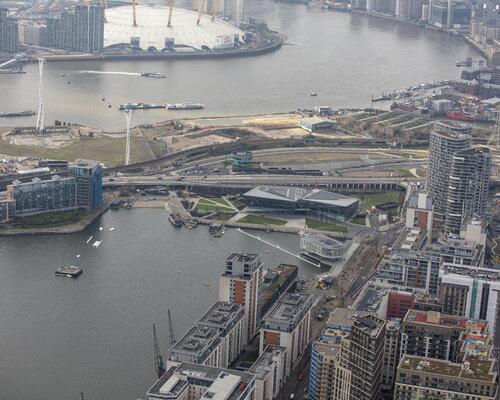
Floating wellbeing destination planned for London’s Royal Docks
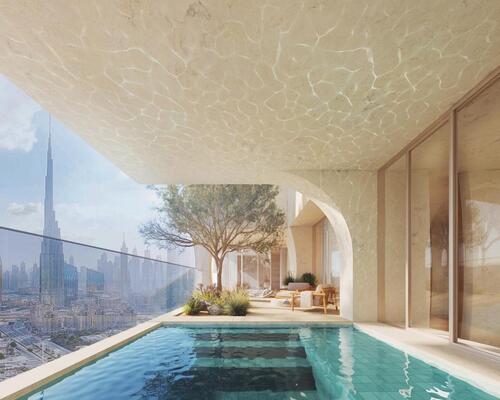
Aman Group to open second Janu in Dubai with inaugural Janu Club