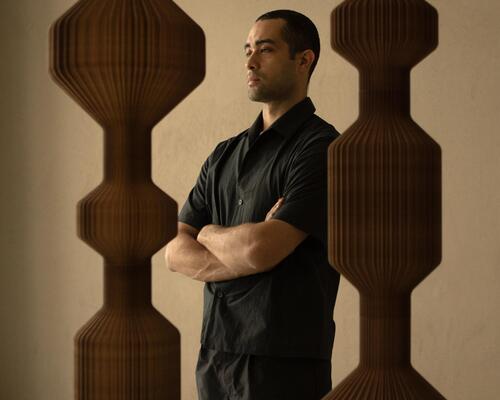
Wellness to play pivotal role in Minor Hotels’ ambitious global expansion strategy, says CEO Dillip Rajakarier


Minor Hotels is on a trajectory for significant expansion, with plans to open 200 extra hotels by 2026. According to CEO Dillip Rajakarier, wellness is a cornerstone of the company’s growth strategy, as he explained in an exclusive interview with Spa Business.
A subsidiary of Minor International (MINT), one of Asia's largest hospitality companies, Minor’s aggressive expansion plan will increase its global portfolio by nearly 40 per cent. Currently, the brand operates more than 70 spas across its 550 hotels, resorts and residences in 56 countries.
Plans already include the development of 10 additional spas and clinics by the end of 2024 as well as the launch of two new wellness brands: Life by Anantara, a medical-wellness resort clinic concept, and AvaniWell, Minor’s first wellbeing clinic model which launched in August.
The significant strategic expansion follows a record-breaking 2023 when Minor posted a core net profit of THB121.4 billion (US$3.4 billion, €3.1 billion, £2.5 billion), a 450 per cent jump from 2022.
Among its eight hospitality brands, Anantara, Avani, Oaks, Tivoli and NH Hotels are expected to be key drivers of growth, with Avani projected to more than double its properties to nearly 100.
Rajakarier says the long-term goal is to “drive wellness into all of Minor’s brands”.
“As a Thai-based company, wellness comes naturally to Minor and is ingrained in our DNA," he says. “It’s not a fad; it’s something we’ve authentically nurtured. Guests today are willing to spend more on wellness because they’re not only looking to live longer but also to lead better lifestyles.”
Now, the company is exploring ways to help customers of any age fulfil this need, both at its properties and after guests leave.
AvaniWell and Life by Anantara
Since 1999, Minor’s spas have been operated and conceptualised by its spa and wellness division, MSpa. The branch has two major cluster teams based in Bangkok and Dubai, with an emerging cluster in Europe, and has been spearheaded at the Bangkok headquarters by industry figure Sandie Johannessen as group director of spa and wellness Asia since late 2023.
Up until recently, MSpa managed four wellness brands. Anantara Spa and Avani Spa are both in-house concepts inspired by the company’s Thai heritage and it also has third-party partnerships with medi-wellness companies Clinique La Prairie and Verita Healthcare Group.
The addition of AvaniWell and Life by Anantara will take MSpa's in-house brands up to four – six if you also include the third-party partnerships.
Rajakarier emphasises that both the new launches are part of Minor’s plans to carve out its own distinctive wellness niche that’s accessible, fun and sociable.
He reveals: “We have plans to expand the Life by Anantara concept across other Anantara resorts worldwide but Thailand will serve as the initial testing ground, with the Phuket flagship setting the standard for forthcoming destinations.”
All outposts will prioritise medi-wellness but each will have a distinct offering inspired by the healing traditions and customs of their specific regions.
It's testing the waters with AvaniWell, but Rajakarier says Minor would be open to opportunities for expanding the concept in destinations where there's market demand.
Balancing actWhile Asia has always been the main market for Minor, the goal is to achieve a more balanced global distribution of brands in the future. Approximately half of the 200 expected openings will still be in Asia, with India being a particular focus.
However, more than 50 properties will be revealed in both Europe and the Middle East, Australia, New Zealand, the Americas and Africa will also see new openings.
With a personal passion for wellbeing, Rajakarier is clear that wellness will be a priority as it continues its international pipeline.
“Wellness used to be a nice to have and now it's a must-have. Based in Thailand, our home base is so famous for wellness and the care in which it’s delivered – it’s about transplanting that into other countries.
“Whether it’s a location in Thailand or Europe,” says Rajakarier, “the company wants to execute wellness to the highest standard. Our offering needs to be commercially viable – because wellness requires a lot of investment – and be exciting enough that guests are drawn to it like a magnet.
“We want to make wellness attractive to everyone and educate people about living healthier and longer lives. And, if in the process we can convert some of them to a better lifestyle, this will be a huge contribution to helping create a happier healthier society.”
To discover more about Minor's new wellness concepts, Rajakarier's personal passion for wellness, and his thoughts on China and the Middle East as crucial wellness markets of the future, visit the latest issue of Spa Business.
Dillip Rajakarier Minor Hotels Sandie Johannessen Clinique La Prairie MSpaBalinese mythology and dragons inspire tropical Anantara retreat launching in 2027
Avani Hotels' new wellness concept draws on Traditional Thai Medicine and seeks to inspire “adventurous approach to wellbeing”
Minor devises new medi-wellness concept for Anantara, debuting in Phuket in Q3
FEATURE: Interview – Dillip Rajakarier

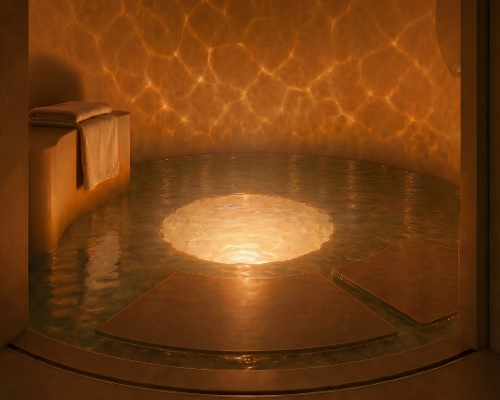
AI firm Midjourney enters wellness with spa, fitness and body scanning concept
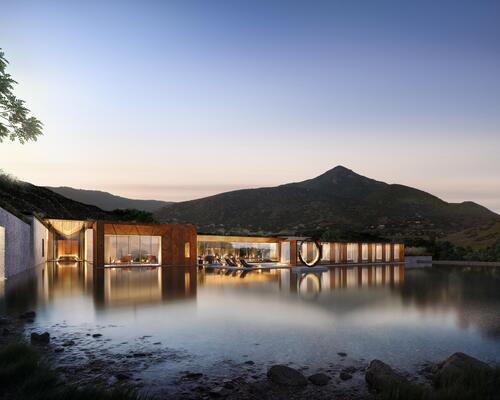
Hot spring wellness community Ameyalli sells residences and breaks ground on resort and spa

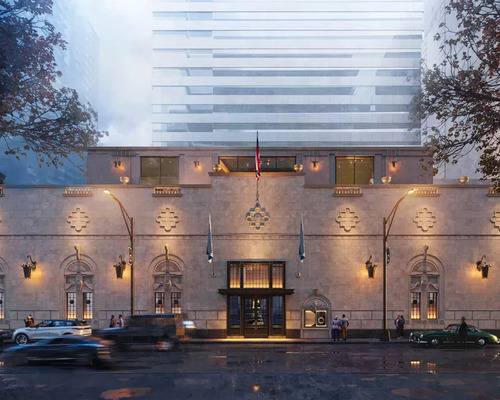
OMA completes New Museum transformation with landmark expansion and Oberon restaurant
OMA has completed a major transformation of New York's New Museum, creating a larger cultural campus that combines expanded exhibition spaces with learning, performance, hospitality and public programming. The latest addition, Oberon, extends the visitor experience beyond the gallery, reflecting a growing trend for museums to become all-day destinations.
The New Museum in New York has entered a new chapter with the completion of a major
David Rockwell creates immersive magic destination, The Hand and The Eye

Montana Heritage Center by Cushing Terrell opens after US$107 million investment

Universal launches new theme park model with Kids Resort
'Minor wellness hotels' recorded the strongest growth across top KPIs in 2025, finds RLA Global
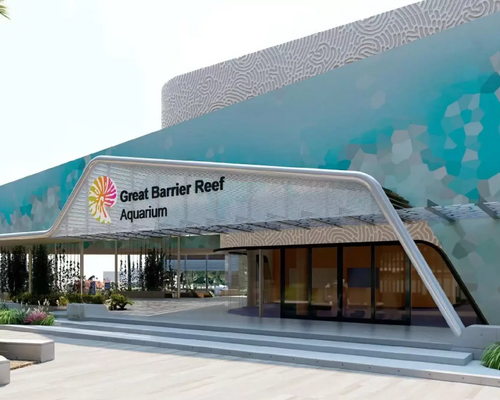
Great Barrier Reef attraction set for AU$180 million reinvention
Fairmont Cheshire, The Mere, has architecture by Leach Rhodes Walker and interiors by Bergman Design House.
Marriott International partners with Fitwel for wellness solutions across its residential portfolio
Preidlhof Luxury DolceVita Resort to unveil new spa in February 2027

Places Leisure is working with Roberts Limbrick to build £60m wellness flagship in Basingstoke
Hoshino Resorts opens Kai Kusatsu as it expands the Kai onsen ryokan brand
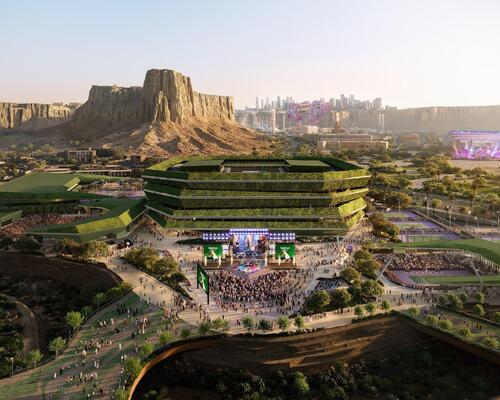
Qiddiya and Populous share details of Saudi Arabia’s National Tennis Centre

Disney confirms US$30 billion investment programme as it highlights its economic impact
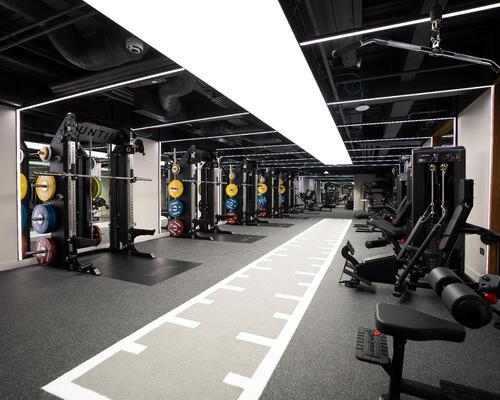
Until combines multiple disciplines at new Canary Wharf club
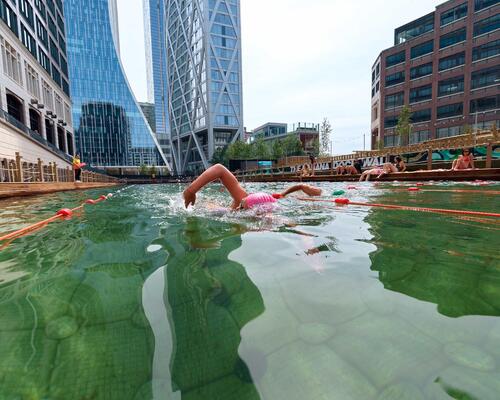
Sea Lanes opens following a partnership between The Eden Project and Canary Wharf Group
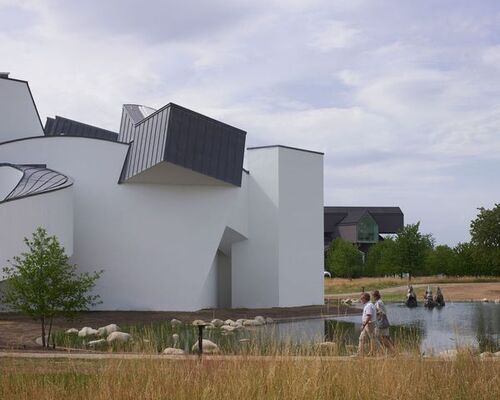
Bas Smets brings water and wilderness to Vitra
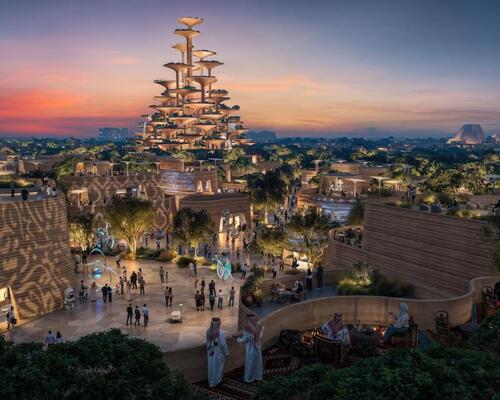
Expo 2030 Riyadh will create a permanent global destination
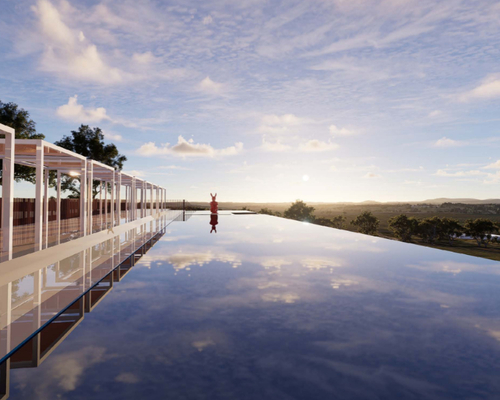
Luxury resort coming to Hunter Valley will have longevity spa
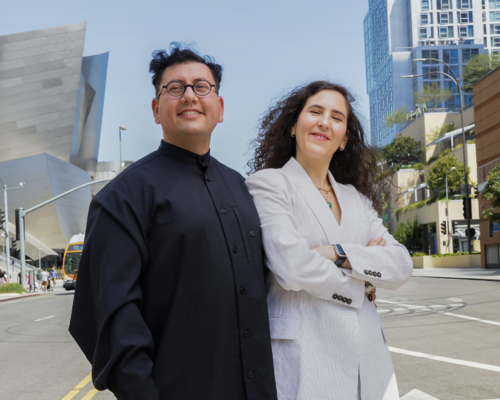
'Data chocolate', dreams made real and artworks shaped by visitors’ emotions: Refik Anadol’s AI art museum launches in Los Angeles
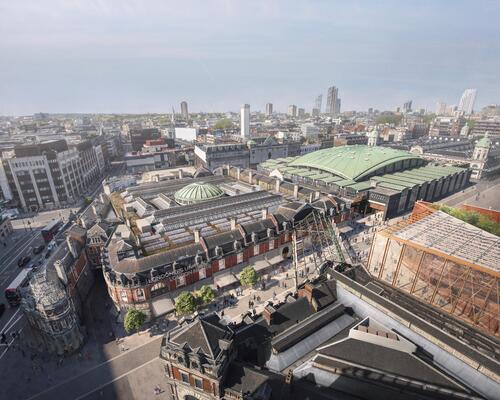
London Museum reveals 2026 opening date for new Smithfield home
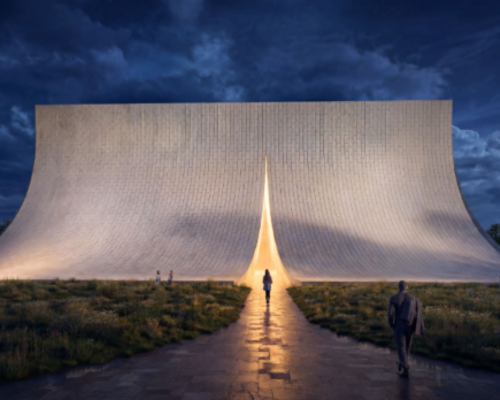
BIG unveils Eve Music Hall as Croatia venue nears completion
Bob Rogers hands BRC to long-serving leadership team
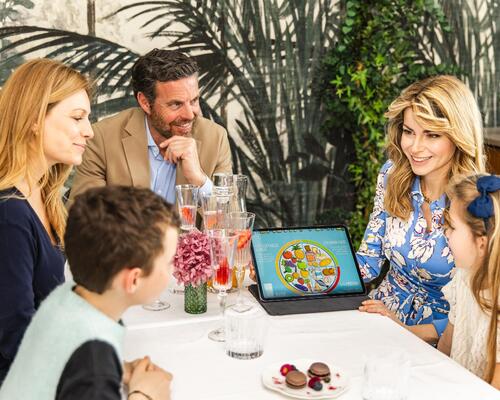
Palazzo di Varignana launches family wellbeing and longevity retreat in Emilia Romagna
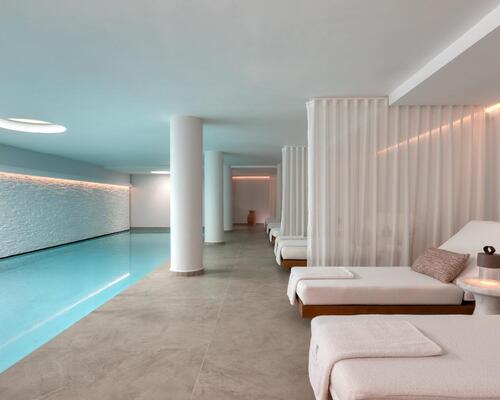
Anasa Wellness and Spa debuts at Patmos Aktis as it joins Marriott
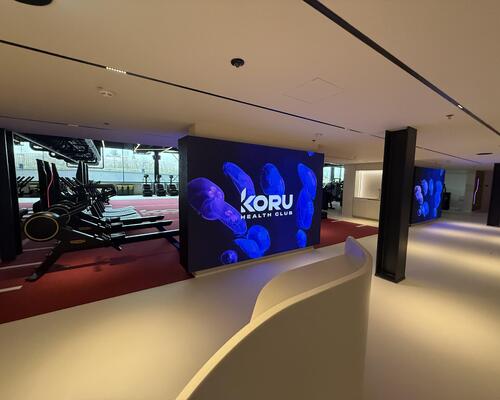
Design-led Koru Health Club combines high-performance training with recovery

Wellness care hospital opens in Vilnius with innovative spa and hospitality concept

Universal and Puy du Fou projects point to rise of Oxford–Cambridge corridor
A proposed Puy du Fou development near Bicester and Universal Destinations and Experiences’ planned resort in Bedford are emerging as part of a wider transformation of the Oxford–Cambridge Growth Corridor into a major centre for UK leisure and tourism investment.
For years, the corridor has been associated primarily with science, technology, housing and university-led economic growth. However, the clustering of large-scale visitor attraction projects along the

All-inclusive eco-wellness development Auko to open near Vietnam’s Son Doong caves