Sweden’s National Heritage Board wades into row over Chipperfield's Nobel Center


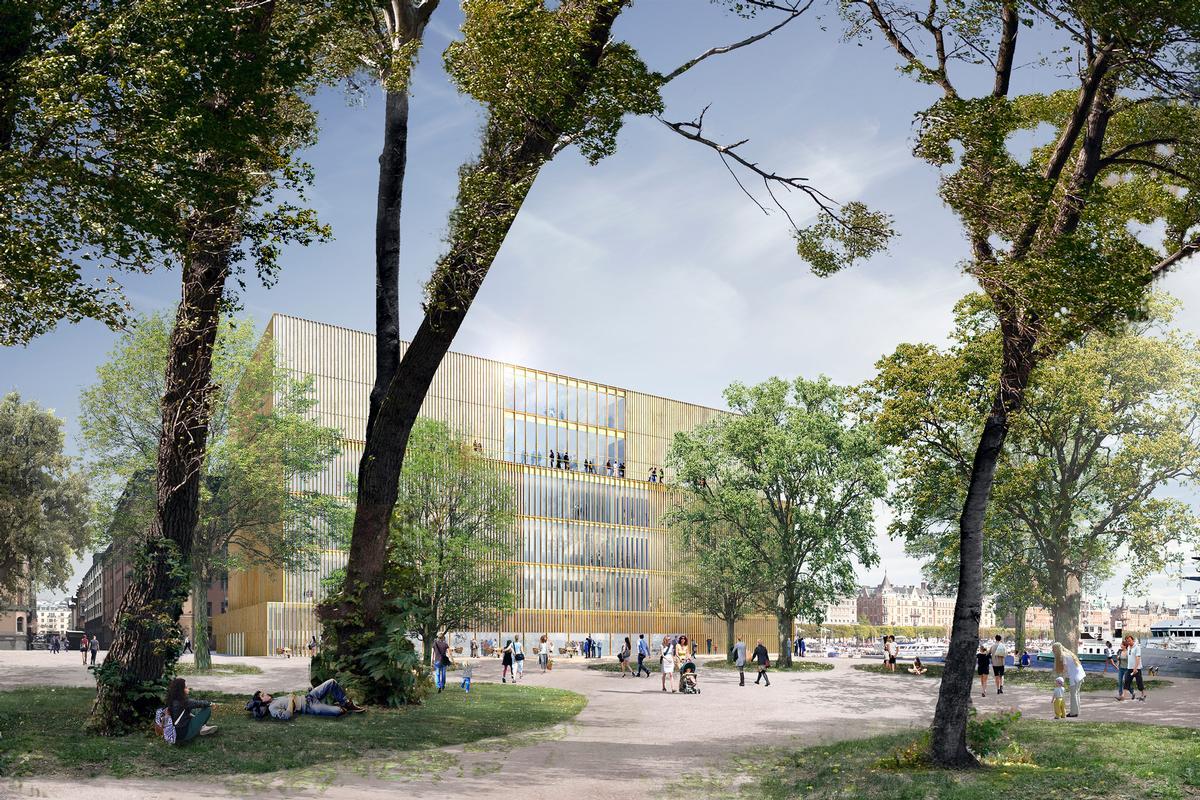
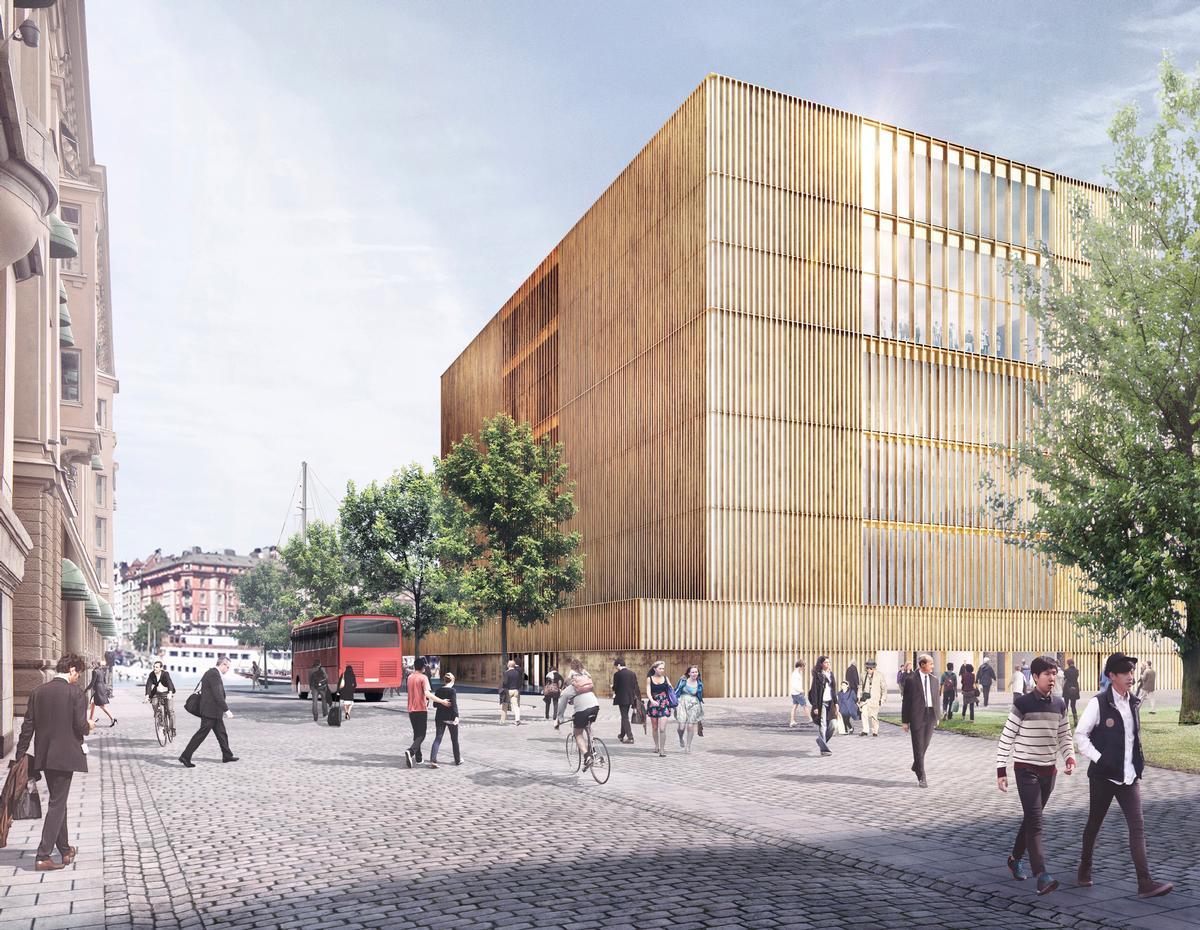
Sweden’s National Heritage Board has hit out at David Chipperfield's proposed design for the Nobel Center headquarters and museum in Stockholm.
The project, first announced in 2014, has navigated a complex series of legal challenges, with its opponents taking issue with its size and close proximity to many of the Swedish capital’s oldest landmarks and museums. Even the country’s king has voiced his doubts over its proposed location on the Blasieholmen peninsula.
Despite the controversy, the city council has supported plans for the Center – described by the Nobel Foundation’s executive director Lars Heikensten as “a unique opportunity to draw attention to science, knowledge, humanism and peace” – and in February 2017 the Stockholm County Administrative Board rejected all appeals against it, approving a detailed local plan.
However, in a new twist, the heritage board has waded into the row. After being posed four questions by the Land and Environment Court of the municipal Nacka district, it delivered a 2,000-word response, arguing that “the damage to the national interest of Stockholm’s inner city and [nearby] Djurgården island will be significant” if the project goes ahead as planned.
It criticised plans to demolish a 19th-century customs building and two warehouses to make space for the Nobel Center – some of the few historic remnants from the city's history as a hub of shipping, trade and industry.
In addition, it claimed the height, volume and placement of the building will block some “important vantage points” of the nearby Nationalmuseum, and that by extending the city closer to the water, the “centrally located, historical, visual and functional transition” between the maritime environment and the industrial-era city centre will disappear.
Previously, Heikensten had underlined the benefits of the project. Following the city council’s decision in February 2017, he said: “By constructing the Nobel Center, we're creating the home of the Nobel Prize in Stockholm – an intellectual living room with broad public activities including school programmes, scientific conferences, meetings and events.”
He added that such a facility is vital “in an era when facts are being challenged, when populism and nationalism are flourishing”.
The Nobel Foundation is yet to respond to the heritage board’s conclusions.
David Chipperfield and practice partner Christoph Felger were selected by a unanimous jury in April 2014 as the winners of the Nobel Center architectural competition.
Despite being revised in the years since, their concept has remained the same: a cuboid facility, organised with a tripartite division of base, middle and top, clad in clear and dress-like facade made up of vertical bronze fins.
The proposed Center will house nearly all the foundation’s activities, including the Nobel prize ceremony, a museum, a restaurant and bar, an auditorium for forums and debates, and public spaces.
Speaking about the design, Chipperfield said: "It has a certain classical simplicity and solidity. It tries to find a balance between being solid on the one hand and transparent on the other."
The Nobel Foundation, which is overseeing the scheme, has previously set the budget Skr1.2bn (US$152m, €122.5m, £108m), mostly raised in private funding.
Chipperfield has defended his design for the Nobel Center, which he has already altered once in order to strengthen its public character.
In an interview with CLAD in 2017, he said the ongoing discussion around the project “is not controversy, it’s dialogue.”
“I don’t think the criticisms were excessive,” he said. “If you’re putting a big building in the middle of a city, I would expect people to present concerns. Why not? It’s very healthy. It’s part of the planning process. It’s just the media starts saying it’s a controversy and ringing you up and asking about it.”
Explaining his approach to the “extraordinary” project, he said: “Nobel is an honourable institution. It’s quite a remarkable prize, to do with the betterment of society. By creating a headquarters for the organisation, we’ve had to think with the client about what Nobel could become; how it could do more of what it does – as a centre of dialogue and discussion as well as a celebration of individual achievement. That discussion has been really fascinating.”
Speaking about his philosophy more generally, he later added: “Architecture has a responsibility to the passing person, not just to the people that visit or work in the buildings we create. Primarily, we have a responsibility to the person that pays our bill, but we do not lose sight of the fact that we also have a responsibility to everybody else.”
Chipperfield has designed major cultural buildings around the world, including the Neus Museum in Berlin, The Museo Jumex in Mexico City and the St Louis Art Museum in Missouri.
He is currently working on a masterplan for the Minneapolis Institute of Art, the West Bund Art Museum in Shanghai, the Naqa Site Museum in Sudan, the Mughal Museum in Agra, the Zhejiang Museum of Natural History, and the refurbishment of Mies van der Rohe’s Neue Nationalgalerie in the German capital.
Swedish National Heritage Board David Chipperfield Stockholm Nobel Center Nobel Foundation Lars HeikenstenChipperfield's Nobel Center set for construction as Stockholm county throws out appeals
David Chipperfield Architects reveal design tweaks to Stockholm's controversial Nobel Center
David Chipperfield's golden Nobel Center gets the green light from Stockholm City Council
AI firm Midjourney enters wellness with spa, fitness and body scanning concept
Hot spring wellness community Ameyalli sells residences and breaks ground on resort and spa

OMA completes New Museum transformation with landmark expansion and Oberon restaurant
OMA has completed a major transformation of New York's New Museum, creating a larger cultural campus that combines expanded exhibition spaces with learning, performance, hospitality and public programming. The latest addition, Oberon, extends the visitor experience beyond the gallery, reflecting a growing trend for museums to become all-day destinations.
The New Museum in New York has entered a new chapter with the completion of a major
David Rockwell creates immersive magic destination, The Hand and The Eye
Montana Heritage Center by Cushing Terrell opens after US$107 million investment

Universal launches new theme park model with Kids Resort
'Minor wellness hotels' recorded the strongest growth across top KPIs in 2025, finds RLA Global
Great Barrier Reef attraction set for AU$180 million reinvention
Fairmont Cheshire, The Mere, has architecture by Leach Rhodes Walker and interiors by Bergman Design House.
Marriott International partners with Fitwel for wellness solutions across its residential portfolio
Preidlhof Luxury DolceVita Resort to unveil new spa in February 2027
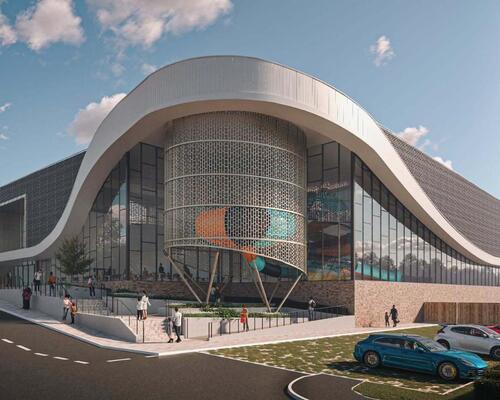
Places Leisure is working with Roberts Limbrick to build £60m wellness flagship in Basingstoke
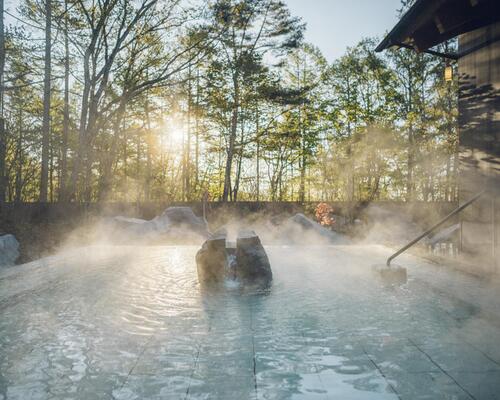
Hoshino Resorts opens Kai Kusatsu as it expands the Kai onsen ryokan brand
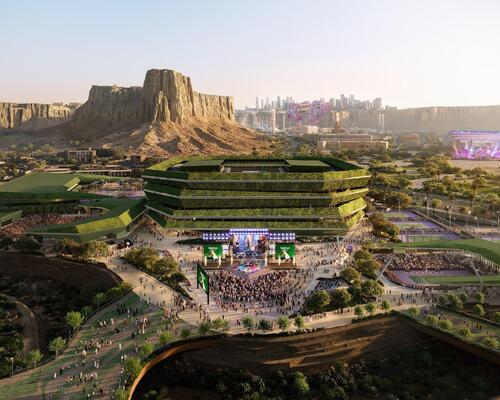
Qiddiya and Populous share details of Saudi Arabia’s National Tennis Centre
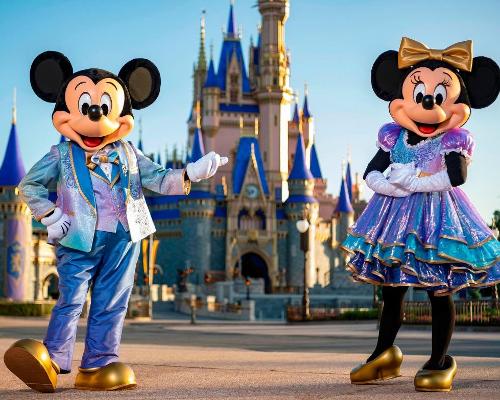
Disney confirms US$30 billion investment programme as it highlights its economic impact
Until combines multiple disciplines at new Canary Wharf club
Sea Lanes opens following a partnership between The Eden Project and Canary Wharf Group
Bas Smets brings water and wilderness to Vitra
Expo 2030 Riyadh will create a permanent global destination
Luxury resort coming to Hunter Valley will have longevity spa
'Data chocolate', dreams made real and artworks shaped by visitors’ emotions: Refik Anadol’s AI art museum launches in Los Angeles
London Museum reveals 2026 opening date for new Smithfield home
BIG unveils Eve Music Hall as Croatia venue nears completion
Bob Rogers hands BRC to long-serving leadership team

Palazzo di Varignana launches family wellbeing and longevity retreat in Emilia Romagna
Anasa Wellness and Spa debuts at Patmos Aktis as it joins Marriott
Design-led Koru Health Club combines high-performance training with recovery

Wellness care hospital opens in Vilnius with innovative spa and hospitality concept

Universal and Puy du Fou projects point to rise of Oxford–Cambridge corridor
A proposed Puy du Fou development near Bicester and Universal Destinations and Experiences’ planned resort in Bedford are emerging as part of a wider transformation of the Oxford–Cambridge Growth Corridor into a major centre for UK leisure and tourism investment.
For years, the corridor has been associated primarily with science, technology, housing and university-led economic growth. However, the clustering of large-scale visitor attraction projects along the

All-inclusive eco-wellness development Auko to open near Vietnam’s Son Doong caves

















Designed to restore neglected land and renew the identity of Iraq’s capital city, Baghdad Sustainable Forests promises a new way of living surrounded by nature. Gensler’s Ian Mulcahay tells us why he thinks the project could become a model for the repair and enhancement of urban centres