New survey reveals over a third of investors are looking to buy more hotels in Europe
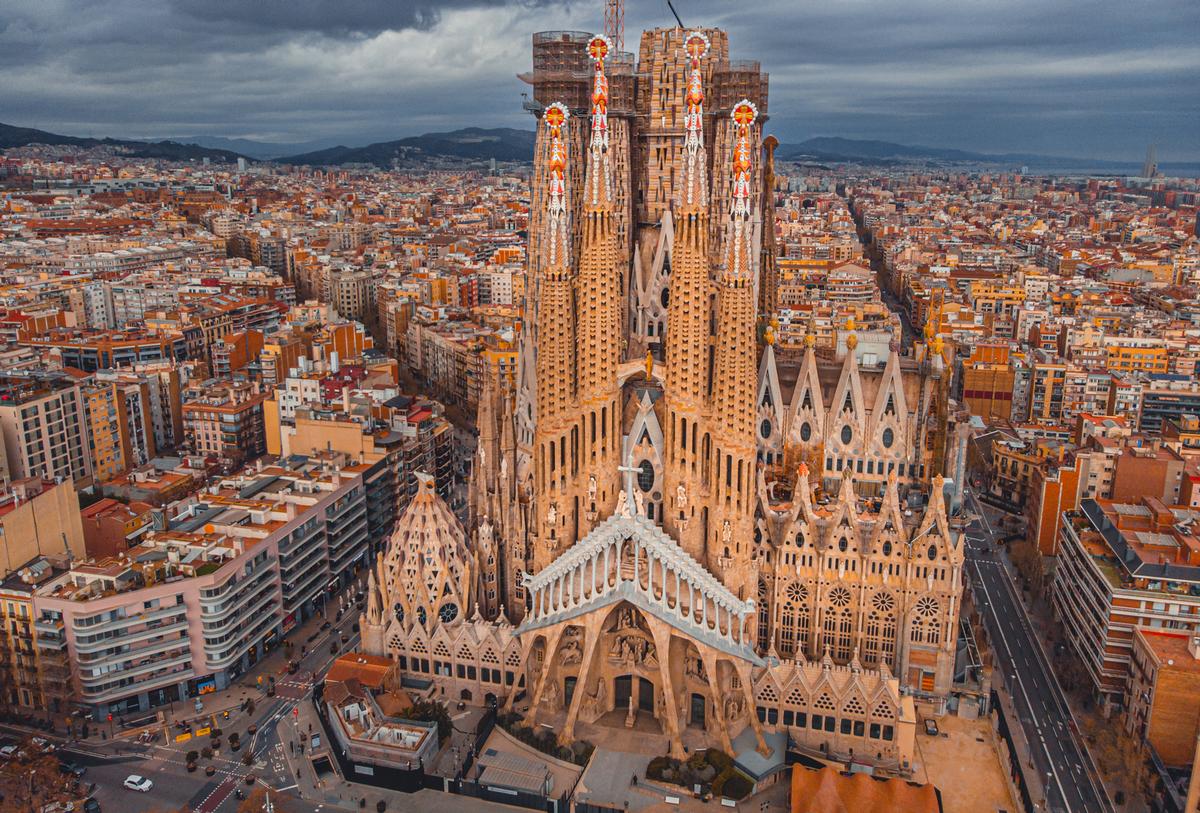

– Bořivoj Vokřínek
Over a third of real estate investors intend to buy more hotels across Europe, according to the latest research from real estate advisory firm Cushman & Wakefield.
Despite the pandemic’s disruption to the travel and tourism sector, only 21 per cent of investors intend to dial down their hotel acquisition activity while a mere 10 per cent have put plans on hold.
The results are part of a survey of more than 50 senior representatives of major private equity firms, funds, REITs and other institutional investors active in the European hotel real estate market.
The respondents’ firms invested in aggregate over €26bn (£22bn, US$31bn) over the last five years (2016-2020), accounting for approximately a quarter of all hotel transactions in Europe.
Bořivoj Vokřínek, head of hospitality research EMEA at Cushman & Wakefield, said: “The successful vaccination rollout, paired with rising consumer confidence, has revived the demand to resume foreign holidays, therefore boosting investor sentiment.
“The eagerness to acquire more hotel real estate heavily suggests investors are looking beyond the immediate impact of COVID-19 on the sector to a point when travel limitations are lifted and the hospitality, leisure and tourism industries can fully reopen, recognising that they will prove a strong hedge against inflation.”
Travelling for work or leisure?
Resorts, which typically have a stronger spa offering, were reportedly the most popular type of hotel amongst investors. Despite the complexity of their operation and seasonality, 70 per cent of respondents consider them to be more attractive than before the pandemic.
Serviced apartments have also become a more attractive asset type for investors (according to 60 per cent of participants), undoubtedly due to their resilience during the pandemic, high-profitability and low-cost base and their flexibility to shift to the medium and long-term rental sectors.
On the other hand, hotels centred around hosting meetings, incentives, conferences and events (MICE hotels), and those located at airports, have reduced in appeal for most investors, given the deeper impact of COVID.
That said, Cushman & Wakefield predicts a return of business travel and events, as the lack of personal interaction created through distant working creates a need for structured meetings and in-person events in the future.
Some investors recognise this, with 21 per cent stating their appetite for acquiring MICE hotels has not altered as a result of COVID.
Location, location, locationWhen asked about geographical locations, the UK & Ireland is the top target region for investors, followed by Germany, the Iberian Peninsula, France and Benelux.
At a city level, Barcelona achieved the highest interest ranking among hotel investors, followed by London, Paris, Amsterdam and Munich, all dominating the top five.
Market recovery
Broken down by market type, leisure destinations (such as Barcelona), are expected to recover faster, with 85 per cent of respondents anticipating performance to fully return to 2019 levels (RevPAR) by 2023.
Regional cities are expected to follow, with recovery anticipated between 2023 and 2024 by 77 per cent of respondents.
Major cities that are frequently more dependent on international travel are anticipated to recover at a slower pace.
Nevertheless, 75 per cent of surveyed investors expect recovery between 2023 and 2024 and 21 per cent in 2025.
As a sector within the hospitality industry, Cushman & Wakefield’s latest results are encouraging for the spa and wellness sector as it indicates investors are still confident and actively investing money into the industry.
Furthermore, with the pandemic shifting people’s mindset about the importance of health and wellness, many of these investors are likely to complete their hospitality offering with spa and wellness facilities.
Cushman & WakefieldStudy: ISPA’s latest research shows signs of hope for US spa industry's recovery
Hotel spa recovery hinges on vaccinations, consumer confidence and pent-up demand
FEATURE: Editor's letter – Where are the numbers?
FEATURE: News report – Industry indicator: ISPA's Big Five

AI firm Midjourney enters wellness with spa, fitness and body scanning concept


Hot spring wellness community Ameyalli sells residences and breaks ground on resort and spa

OMA completes New Museum transformation with landmark expansion and Oberon restaurant
OMA has completed a major transformation of New York's New Museum, creating a larger cultural campus that combines expanded exhibition spaces with learning, performance, hospitality and public programming. The latest addition, Oberon, extends the visitor experience beyond the gallery, reflecting a growing trend for museums to become all-day destinations.
The New Museum in New York has entered a new chapter with the completion of a major
David Rockwell creates immersive magic destination, The Hand and The Eye

Montana Heritage Center by Cushing Terrell opens after US$107 million investment

Universal launches new theme park model with Kids Resort

'Minor wellness hotels' recorded the strongest growth across top KPIs in 2025, finds RLA Global
Great Barrier Reef attraction set for AU$180 million reinvention
Fairmont Cheshire, The Mere, has architecture by Leach Rhodes Walker and interiors by Bergman Design House.
Marriott International partners with Fitwel for wellness solutions across its residential portfolio
Preidlhof Luxury DolceVita Resort to unveil new spa in February 2027

Places Leisure is working with Roberts Limbrick to build £60m wellness flagship in Basingstoke

Hoshino Resorts opens Kai Kusatsu as it expands the Kai onsen ryokan brand

Qiddiya and Populous share details of Saudi Arabia’s National Tennis Centre
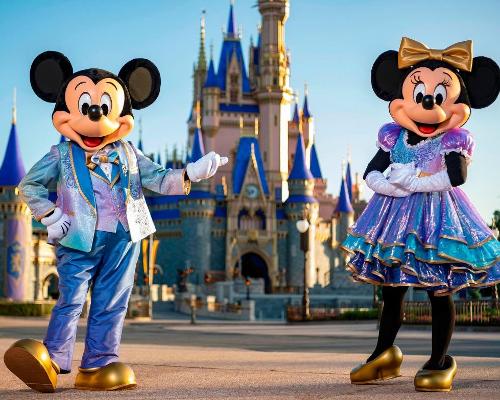
Disney confirms US$30 billion investment programme as it highlights its economic impact
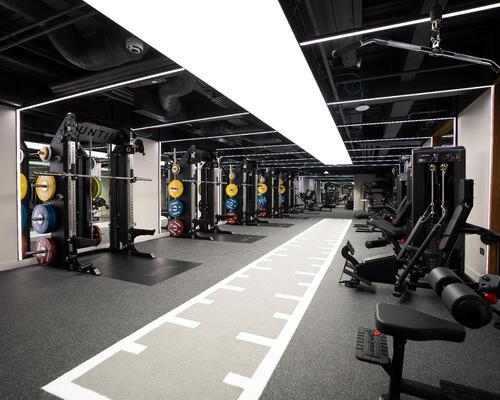
Until combines multiple disciplines at new Canary Wharf club

Sea Lanes opens following a partnership between The Eden Project and Canary Wharf Group
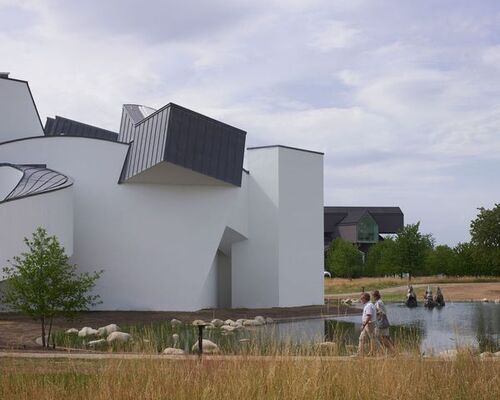
Bas Smets brings water and wilderness to Vitra

Expo 2030 Riyadh will create a permanent global destination
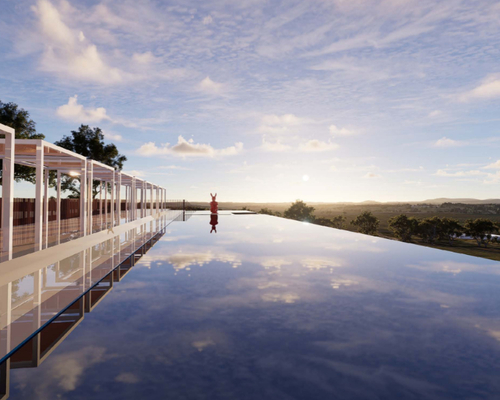
Luxury resort coming to Hunter Valley will have longevity spa

'Data chocolate', dreams made real and artworks shaped by visitors’ emotions: Refik Anadol’s AI art museum launches in Los Angeles
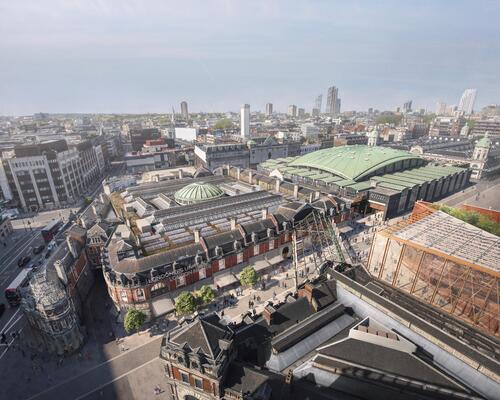
London Museum reveals 2026 opening date for new Smithfield home

BIG unveils Eve Music Hall as Croatia venue nears completion
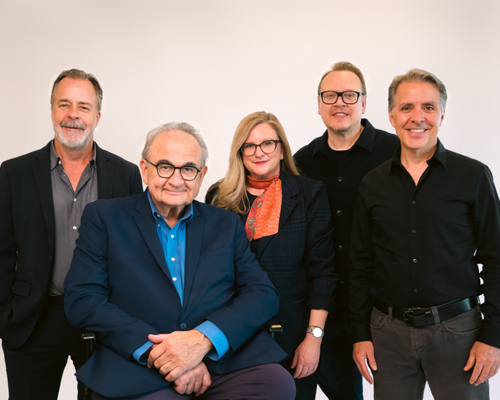
Bob Rogers hands BRC to long-serving leadership team

Palazzo di Varignana launches family wellbeing and longevity retreat in Emilia Romagna
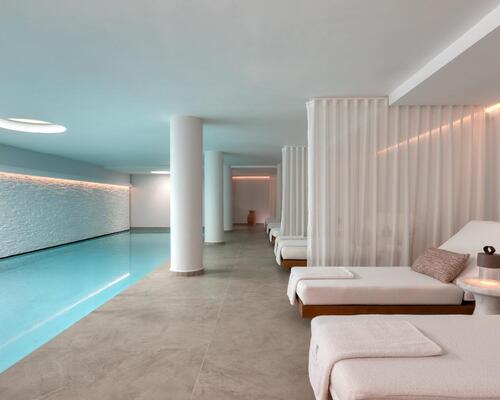
Anasa Wellness and Spa debuts at Patmos Aktis as it joins Marriott

Design-led Koru Health Club combines high-performance training with recovery

Wellness care hospital opens in Vilnius with innovative spa and hospitality concept

Universal and Puy du Fou projects point to rise of Oxford–Cambridge corridor
A proposed Puy du Fou development near Bicester and Universal Destinations and Experiences’ planned resort in Bedford are emerging as part of a wider transformation of the Oxford–Cambridge Growth Corridor into a major centre for UK leisure and tourism investment.
For years, the corridor has been associated primarily with science, technology, housing and university-led economic growth. However, the clustering of large-scale visitor attraction projects along the

All-inclusive eco-wellness development Auko to open near Vietnam’s Son Doong caves