Study: ISPA’s latest research shows signs of hope for US spa industry's recovery


– Colin McIlheney
The International Spa Association (ISPA) has revealed its annual five key spa industry financial indicators from its 2021 US Spa Industry Study – known as the Big Five – during its Stronger Together Summit.
Conducted by PricewaterhouseCoopers (PwC), this initial report outlines overall revenue, number of spa visits, number of spa locations, revenue per visit and total employees for the US spa industry during 2020.
“These statistics provide the clearest picture yet of the pandemic’s impact in the spa sector,” said Lynne McNees, ISPA president.
“We trust these figures, along with the full report coming later this year, will provide the industry at large with meaningful insights they can use to aid their recovery.”
The findings
Results showed that by the end of 2020, the industry had experienced a US$7bn drop in total revenue, decreasing from US$19.1bn at year’s end in 2019 to US$12.1bn (a 36.4 per cent decrease).
Findings indicated resort and hotel spas have been harder hit by this, with an average revenue fall of 46 per cent compared to day spas who had an average drop of 31 per cent.
Spa visits dropped from 192 million in 2019 to 124 million in 2020, while average revenue per visit shifted from US$99.5 to US$97.5.
In addition, as of December 2020, 21,560 spa businesses were recorded*, compared to 22,430 in December 2019.
Encouragingly, the study showed that, as of January 2021, roughly 305,000 spa employees had returned to US spas, compared to the previous 384,000 in January 2020. This represents only a 20.6 per cent drop.
Again, data showed that day spas fared better in these metrics, as one in two resort/hotel spas (51 per cent) reported a greater than 25 per cent decrease in staff, compared to one in five day spas (23 per cent).
McNees remarked: “The timeline for a full recovery is uncertain, but we’re confident that there is considerable demand for spa experiences and that as pandemic-related restrictions continue to lift, spas will make strong gains."
A bright futureRussel Donaldson, manager at Pwc Research, presented the Big Five today to ISPA attendees, alongside his colleague Colin McIlheney, PwC global research leader.
The two researchers told summit attendees that although this research reflects the impact of the pandemic, things look hopeful for the industry.
“It’s clear there’s pent-up demand to get out to spas. There are definitely grounds for optimism for the later quarters of this year and particularly for 2022,” McIlheney said.
Attendees were curious to know how long this increased demand would last and posed the question to the researchers during the Q&A session.
McIlheney responded saying it’s important not to just reflect on customers that used to come, but also focus on the great potential during rebuilding to bring in new customers who've never been to spas before but have been inspired to do so in light of the pandemic.
“Personally, I could see demand rolling on, not just driven by old existing customers but being driven by a new even more diverse base of guests.”
Analysis
For Donaldson, the most intriguing finding was “the fragmentation between different parts of the industry and the outcomes for day spas versus resorts/hotel spas”.
He also said he was struck that research reconfirmed that the spa industry has continued its historic role as a reliable bellwether for the broader economy.
McIlheney felt the location metrics were the most remarkable.
“With regards to locations, there were many people who thought numbers would fall off a cliff,” he said, “but the fact that there are still so many spas – over 20,000 – to choose from is very encouraging.
“In contrast, the drops in revenue and visits were expected and I anticipated they’d be in and around the mark they were.”
ISPA will release the full study in July 2021 packed full with even more insights and data.
The study has been an annual ISPA instalment since 1999 and this year it surveyed over 2,050 establishments including day spas, destination spas and medical spas.
*The count of spas includes spas that were temporarily closed at the end of the calendar year 2020.
International Spa Association ISPA Lynne McNees Russel Donaldson Colin McIlheney PricewaterhouseCoopers PwCHow can spas reimagine the future? Asks ISPA keynote Seth Mattison
Seth Godin leads ISPA masterclass on how spas can optimise their marketing strategy
ISPA celebrates creativity and reveals 2021 ISPA Innovate Awards winners
Lynne McNees: Spa visits will become part of broad approach to global wellbeing
ISPA and CIDESCO collaborate to foster growth and success for global spa workforce
ISPA launches new members-only virtual education series hosted by Patrick Huey

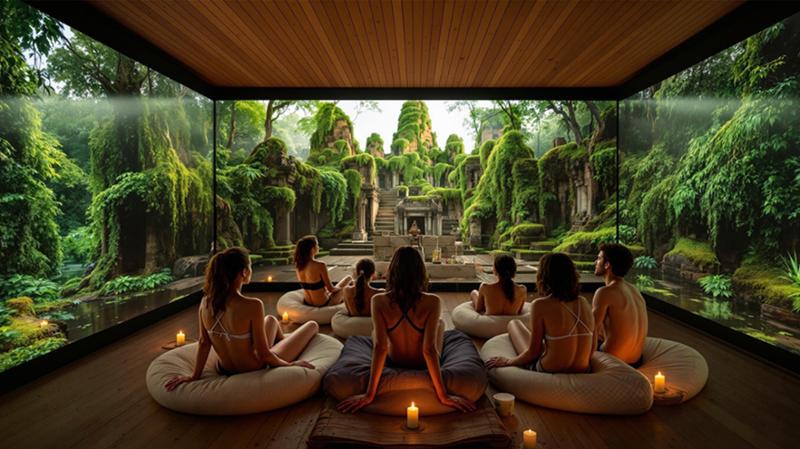
AI firm Midjourney enters wellness with spa, fitness and body scanning concept


Hot spring wellness community Ameyalli sells residences and breaks ground on resort and spa

OMA completes New Museum transformation with landmark expansion and Oberon restaurant
OMA has completed a major transformation of New York's New Museum, creating a larger cultural campus that combines expanded exhibition spaces with learning, performance, hospitality and public programming. The latest addition, Oberon, extends the visitor experience beyond the gallery, reflecting a growing trend for museums to become all-day destinations.
The New Museum in New York has entered a new chapter with the completion of a major
David Rockwell creates immersive magic destination, The Hand and The Eye
Montana Heritage Center by Cushing Terrell opens after US$107 million investment

Universal launches new theme park model with Kids Resort
'Minor wellness hotels' recorded the strongest growth across top KPIs in 2025, finds RLA Global
Great Barrier Reef attraction set for AU$180 million reinvention
Fairmont Cheshire, The Mere, has architecture by Leach Rhodes Walker and interiors by Bergman Design House.
Marriott International partners with Fitwel for wellness solutions across its residential portfolio
Preidlhof Luxury DolceVita Resort to unveil new spa in February 2027
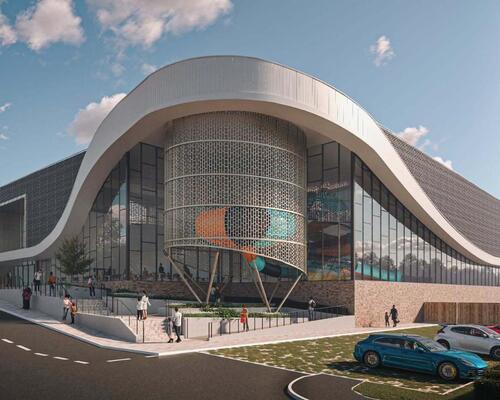
Places Leisure is working with Roberts Limbrick to build £60m wellness flagship in Basingstoke
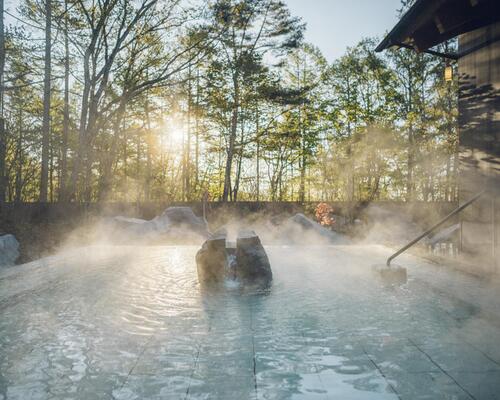
Hoshino Resorts opens Kai Kusatsu as it expands the Kai onsen ryokan brand
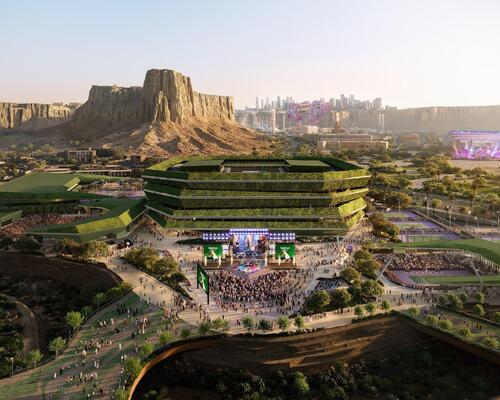
Qiddiya and Populous share details of Saudi Arabia’s National Tennis Centre
Disney confirms US$30 billion investment programme as it highlights its economic impact
Until combines multiple disciplines at new Canary Wharf club
Sea Lanes opens following a partnership between The Eden Project and Canary Wharf Group
Bas Smets brings water and wilderness to Vitra
Expo 2030 Riyadh will create a permanent global destination
Luxury resort coming to Hunter Valley will have longevity spa
'Data chocolate', dreams made real and artworks shaped by visitors’ emotions: Refik Anadol’s AI art museum launches in Los Angeles
London Museum reveals 2026 opening date for new Smithfield home
BIG unveils Eve Music Hall as Croatia venue nears completion
Bob Rogers hands BRC to long-serving leadership team

Palazzo di Varignana launches family wellbeing and longevity retreat in Emilia Romagna
Anasa Wellness and Spa debuts at Patmos Aktis as it joins Marriott

Design-led Koru Health Club combines high-performance training with recovery

Wellness care hospital opens in Vilnius with innovative spa and hospitality concept

Universal and Puy du Fou projects point to rise of Oxford–Cambridge corridor
A proposed Puy du Fou development near Bicester and Universal Destinations and Experiences’ planned resort in Bedford are emerging as part of a wider transformation of the Oxford–Cambridge Growth Corridor into a major centre for UK leisure and tourism investment.
For years, the corridor has been associated primarily with science, technology, housing and university-led economic growth. However, the clustering of large-scale visitor attraction projects along the

All-inclusive eco-wellness development Auko to open near Vietnam’s Son Doong caves








Designed to restore neglected land and renew the identity of Iraq’s capital city, Baghdad Sustainable Forests promises a new way of living surrounded by nature. Gensler’s Ian Mulcahay tells us why he thinks the project could become a model for the repair and enhancement of urban centres