Marriott signs deal for luxury hotel at US$3bn Water Street Tampa project


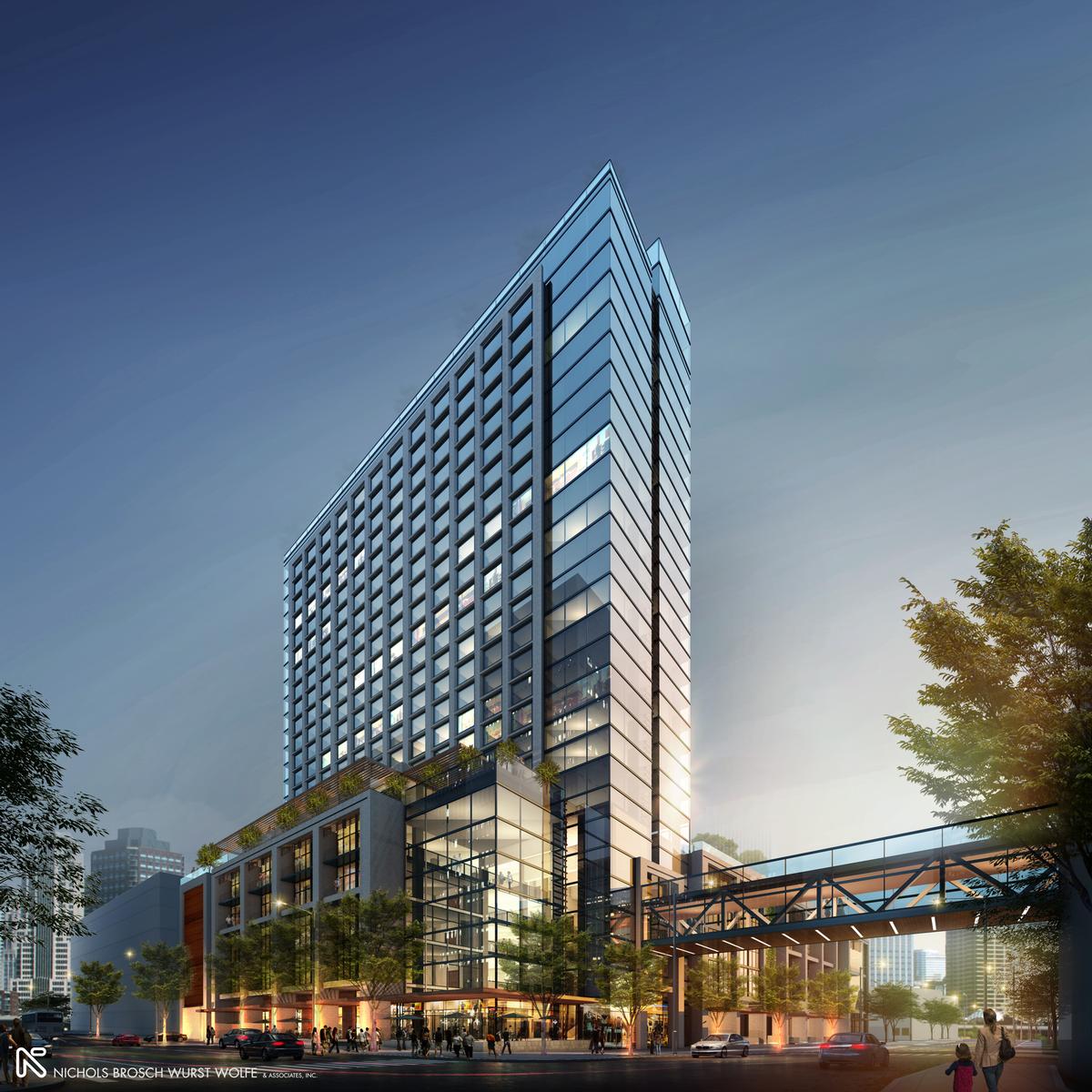
Marriott International will operate a luxury hotel at Water Street Tampa – a US$3bn (€2.4bn, £2.1bn) mixed-use development currently under construction in downtown Tampa, Florida, US.
The 519-room, 26-storey hotel will be operated under the JW Marriott Hotels & Resorts brand and will be designed by Nichols Brosch Wurst Wolfe & Associates with interiors by Champalimaud Design.
Construction on the hotel is set to start in early 2018, with a grand opening planned for 2020.
Designed to be a “centre of activity”, JW Marriott Tampa will offer multiple social spaces and amenities across six levels.
The entrance will include a four-storey atrium, designed to act as an active public hub and a meeting place.
There will also be a focus on wellness, and the hotel’s sixth floor will house an expansive luxury spa, health club, outdoor pool, an 'event lawn' and a restaurant with indoor and outdoor seating.
At the top floor, a rooftop lounge and terrace will offer sweeping views of downtown Tampa and will be the highest rooftop bar in the city.
The hotel will play a key role in the Water Street Tampa neighbourhood – one of the largest urban mixed-use real-estate developments in the US. The project includes more than nine million sq ft of commercial, hospitality, educational, entertainment, cultural and retail space.
Water Street Tampa is being developed by Strategic Property Partners (SPP), a partnership between Cascade Investment and financier Jeff Vinik, who owns the NHL ice hockey franchise Tampa Bay Lightning.
James Nozar, SPP CEO, said: “We're creating a unique hospitality experience for everyone to enjoy, with dynamic outdoor amenities seamlessly connected to the Tampa Riverwalk and adjacent marina.”
One of SPP’s early development partners on the Water Street scheme has been green developer Delos, which has worked on a number of high-profile wellness schemes.
As part of its focus on “well-living”, Water Street Tampa has become one of the first large-scale projects to have shown interest in achieving the new WELL Community Standard, launched by The International Well Building Institute (IWBI) last year.
Based on the principles of the WELL Building Standard – which measures, certifies and monitors built environment and its impact on humans – the WELL Community Standard is designed to become the new global benchmark for healthy communities.
It aims to set a new precedent for planning, building and development by providing a “thorough understanding” of how communities can employ actionable strategies and interventions to support the health and wellbeing of residents across all aspects of community life.
Developed in consultation with physicians, scientists and public health professionals – as well as architects, city planners and engineers – it includes a rating system centred on human health and wellness, and takes into consideration evidence-based research.
Jeff Vinik Delos Marriott Water Street Tampa Nichols Brosch Wurst Wolfe & Associates Champalimaud Design
AI firm Midjourney enters wellness with spa, fitness and body scanning concept
Hot spring wellness community Ameyalli sells residences and breaks ground on resort and spa

OMA completes New Museum transformation with landmark expansion and Oberon restaurant
OMA has completed a major transformation of New York's New Museum, creating a larger cultural campus that combines expanded exhibition spaces with learning, performance, hospitality and public programming. The latest addition, Oberon, extends the visitor experience beyond the gallery, reflecting a growing trend for museums to become all-day destinations.
The New Museum in New York has entered a new chapter with the completion of a major
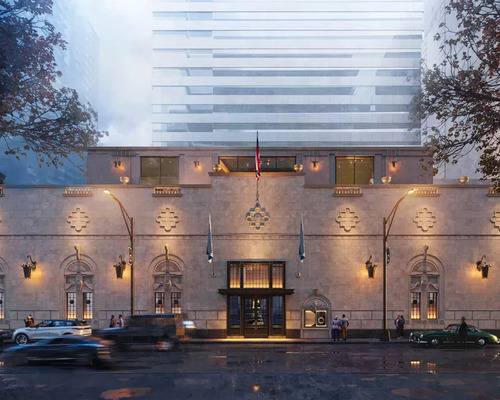
David Rockwell creates immersive magic destination, The Hand and The Eye
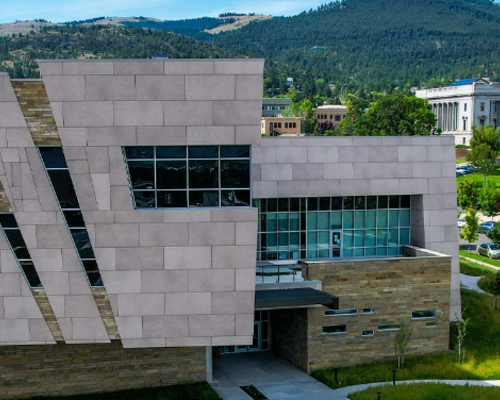
Montana Heritage Center by Cushing Terrell opens after US$107 million investment

Universal launches new theme park model with Kids Resort
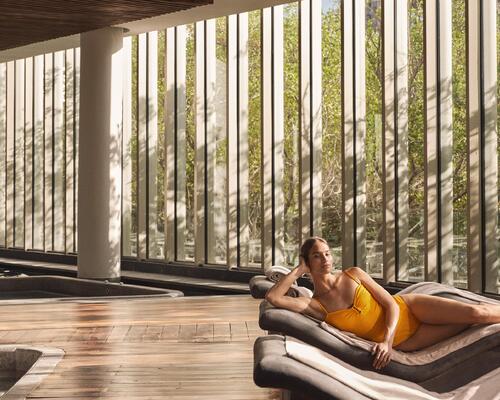
'Minor wellness hotels' recorded the strongest growth across top KPIs in 2025, finds RLA Global
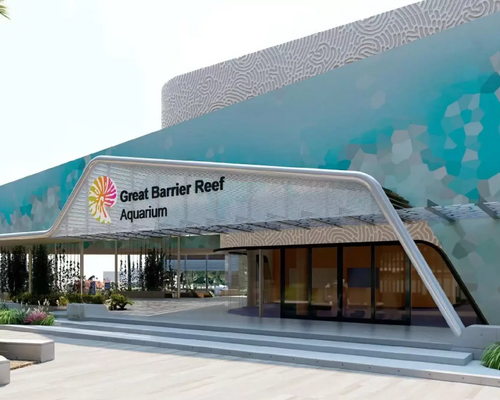
Great Barrier Reef attraction set for AU$180 million reinvention
Fairmont Cheshire, The Mere, has architecture by Leach Rhodes Walker and interiors by Bergman Design House.
Marriott International partners with Fitwel for wellness solutions across its residential portfolio
Preidlhof Luxury DolceVita Resort to unveil new spa in February 2027
Places Leisure is working with Roberts Limbrick to build £60m wellness flagship in Basingstoke
Hoshino Resorts opens Kai Kusatsu as it expands the Kai onsen ryokan brand
Qiddiya and Populous share details of Saudi Arabia’s National Tennis Centre

Disney confirms US$30 billion investment programme as it highlights its economic impact
Until combines multiple disciplines at new Canary Wharf club
Sea Lanes opens following a partnership between The Eden Project and Canary Wharf Group
Bas Smets brings water and wilderness to Vitra
Expo 2030 Riyadh will create a permanent global destination
Luxury resort coming to Hunter Valley will have longevity spa
'Data chocolate', dreams made real and artworks shaped by visitors’ emotions: Refik Anadol’s AI art museum launches in Los Angeles
London Museum reveals 2026 opening date for new Smithfield home
BIG unveils Eve Music Hall as Croatia venue nears completion
Bob Rogers hands BRC to long-serving leadership team
Palazzo di Varignana launches family wellbeing and longevity retreat in Emilia Romagna
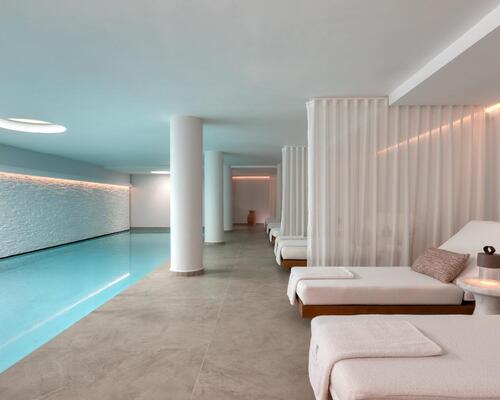
Anasa Wellness and Spa debuts at Patmos Aktis as it joins Marriott
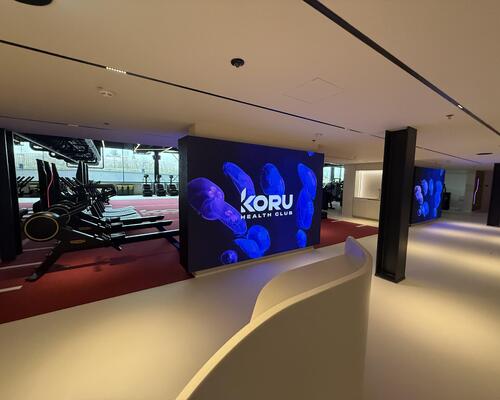
Design-led Koru Health Club combines high-performance training with recovery

Wellness care hospital opens in Vilnius with innovative spa and hospitality concept

Universal and Puy du Fou projects point to rise of Oxford–Cambridge corridor
A proposed Puy du Fou development near Bicester and Universal Destinations and Experiences’ planned resort in Bedford are emerging as part of a wider transformation of the Oxford–Cambridge Growth Corridor into a major centre for UK leisure and tourism investment.
For years, the corridor has been associated primarily with science, technology, housing and university-led economic growth. However, the clustering of large-scale visitor attraction projects along the

All-inclusive eco-wellness development Auko to open near Vietnam’s Son Doong caves