Wellness Architecture Initiative hosts inaugural roundtable


Wellness continues to infiltrate industries and disciplines, and now is gaining traction in the architecture, engineering, and construction fields.
With spa and wellness clients searching for authenticity in their experiences, it stands to reason that they are going to start looking deeper than the service menu or room décor. Millennials, especially, are seeking businesses that demonstrate a commitment to myriad social issues, including the environment, sustainable business practices, and the creation of healthy work environments.
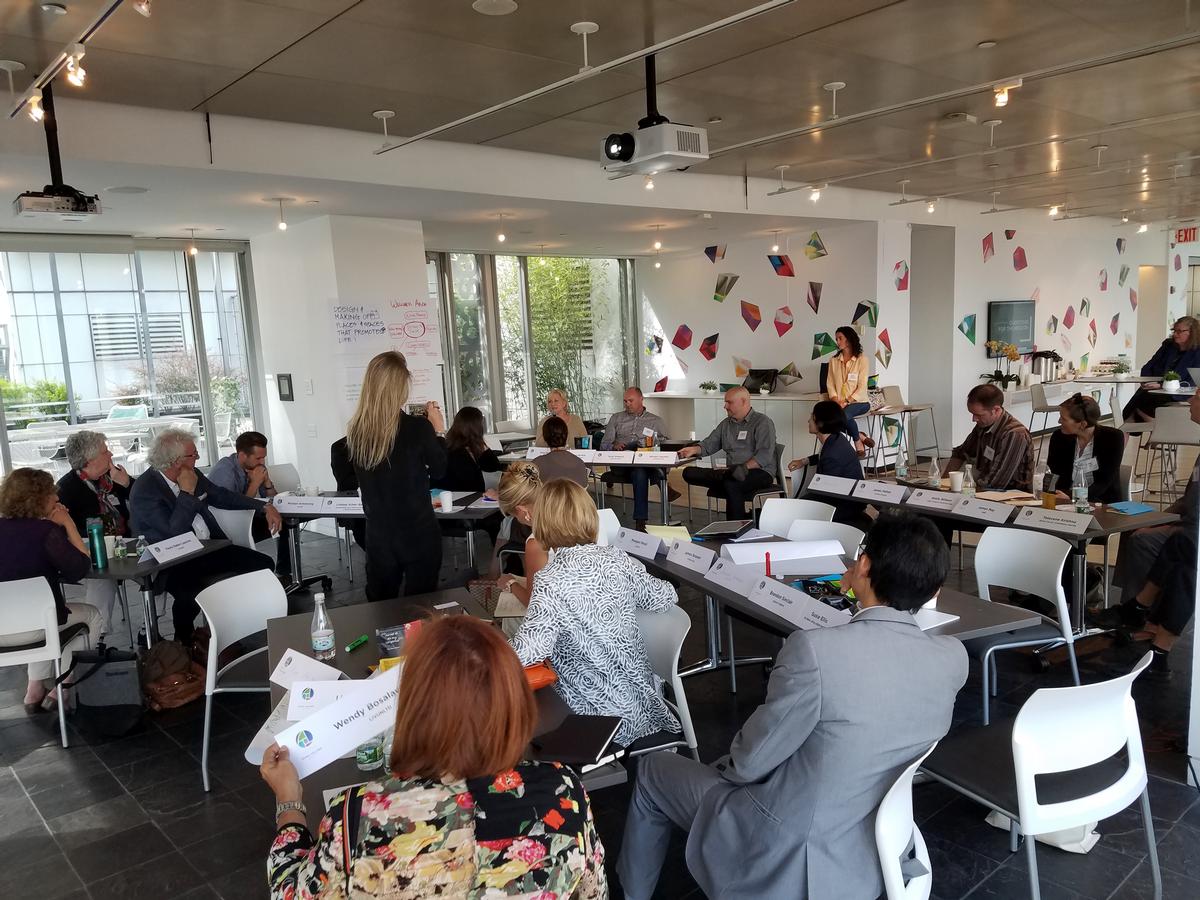
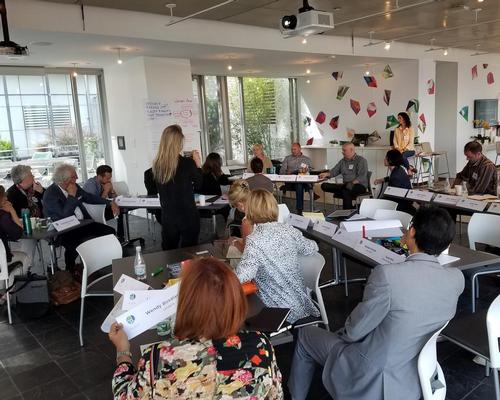
Last week, the Global Wellness Institute’s Wellness Architecture Initiative held its first global roundtable discussion at the headquarters of architecture, furniture and technology company Steelcase in New York City, which was attended by several dozen architects and designers from far-flung locales.
Initiative chair Veronica Schreibeis Smith, CEO and founding principal of US-based Vera Iconica Design, created an agenda that looked at the shifts in demand for wellness design, what meaningful results we’re seeing in enhancing health and wellbeing through design, and how the industry can move the conversation forward.
The roundtable discussion was made up of 15 participants, all experts in some aspect of architecture, engineering or design, and was moderated by Smith.
Many architects and engineers are thinking about ways to design and create buildings that make wellness more accessible to the mainstream, and there is already a quantity of research and information available to share.
Panel participants reported that clients today are increasingly interested in incorporating biophilic design principles and green walls, and there is a growing awareness of indoor air quality, awareness of light and its effect on people, and the need to avoid electromagnetic radiation. One designer commented, “We forget how much influence we have with every client and community contact where there is engagement.”
Businesses are starting to think holistically, across functions and industry, in both the public and private sector. From mayors of cities to parents of special-needs children, the number of inquiries into wellness design is increasing, the panel agreed.
From a financial standpoint, businesses are starting to see that environments created with wellness in mind are a way to differentiate themselves – as well as a way to increase ROI by keeping tenants longer.
But there was consensus that there is still some way to go to make the economics work, and a need to translate awareness of the opportunity into a widespread commitment. Government and regulatory bodies need to become involved, the panel agreed – the fact that wellness makes us feel good isn’t compelling enough to create regulations.
However, progress is being made; in the US, Fannie Mae, one of the biggest government-lending housing agencies, just launched its Healthy Housing Rewards initiative, which provides a financial incentive for healthy design features in newly constructed affordable rental properties. The first phase provides a pricing break for borrowers who incorporate design features that improve air quality, encourage physical activity, and incorporate common space, community gardens and playgrounds into their projects.
Panel participants explored how to elevate the conversations about emotional and spiritual aspects of wellness in design, which for now is mostly the realm of academic research. The key seems to be measurement; with organisations like Steelcase and Delos starting to measure social interactions and outcomes in wellness-designed spaces, there will be more support for the concept of wellness design as more data becomes available. Wearable technology can measure people’s reactions to wellness design by measuring heart rate or skin response, and seeing positive outcomes in places like hospitals and prisons with intentional design will also help the cause.
The roundtable also included individual presentations from Sally Augustin, PhD and principal of Design With Science, a firm that conducts studies and uses research to guide design principles; Paula Baker LaPorte, FAIA, a founder of EcoNest Homes, a designer and builder of natural and non-toxic structures; and James Brewer, workspace consultant at Steelcase, who showed a comparison of LEED, Fitwel, Well Building, and the Living Building Challenge – four of the current leaders in wellness architecture guidelines.
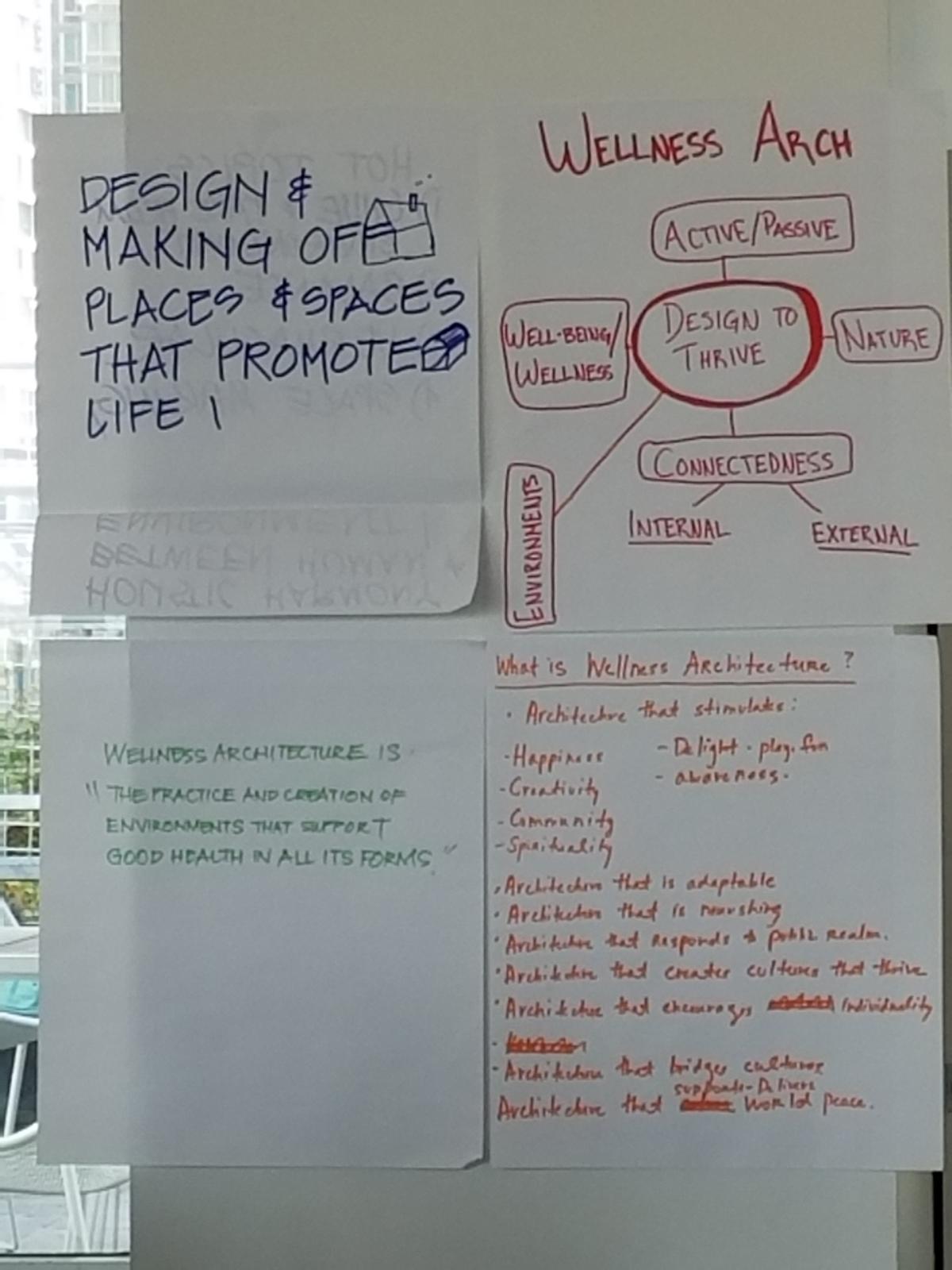
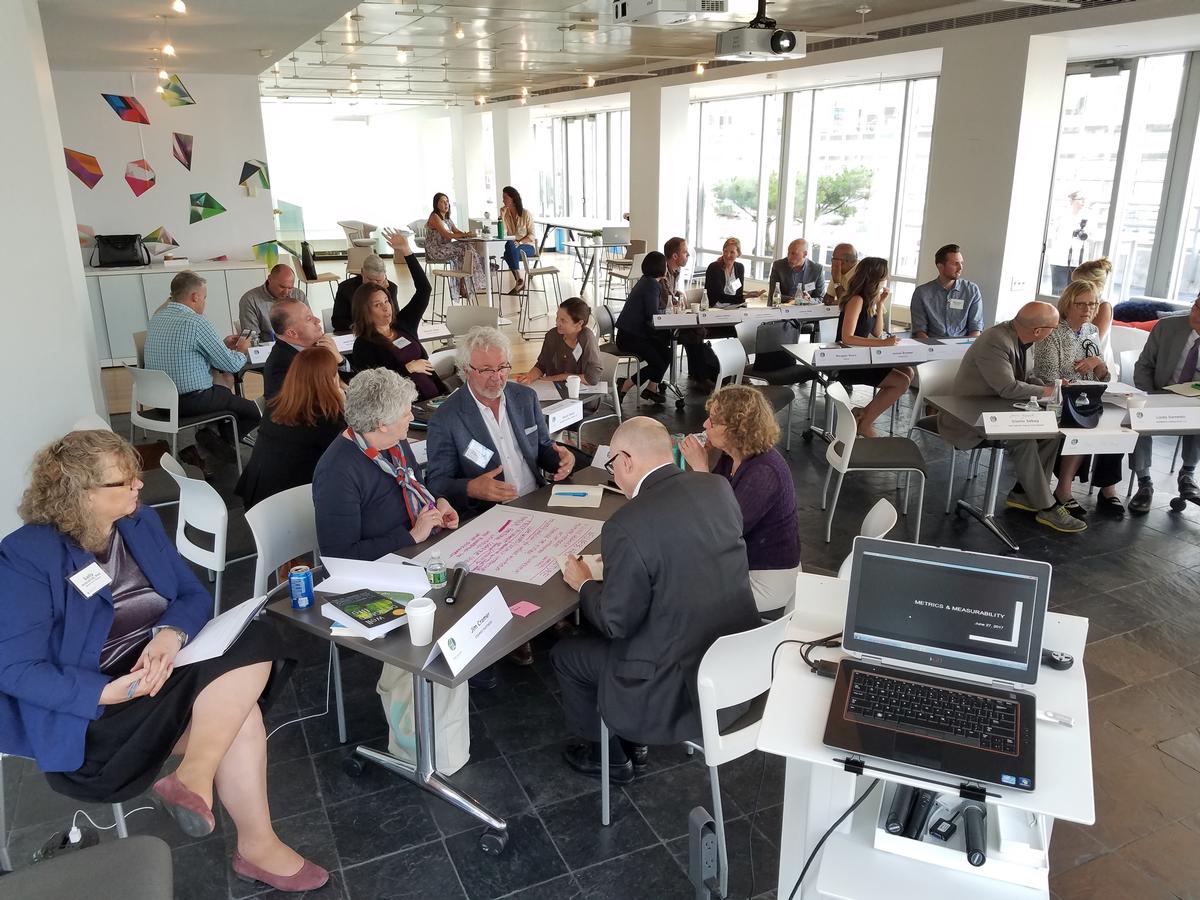
The afternoon was spent in several workshops, with all of the attendees gathering into groups to discuss topics such as defining wellness architecture, measuring and metrics, and identifying other industries that can positively influence wellness architecture.
Global Wellness Institute architecture well building roundtable
Wellness for Cancer’s inaugural roundtable builds bridges with medical community
GWI launches new initiatives to focus on children, low-income communities and women
How the Global Wellness Institute is looking to create wellbeing through architecture
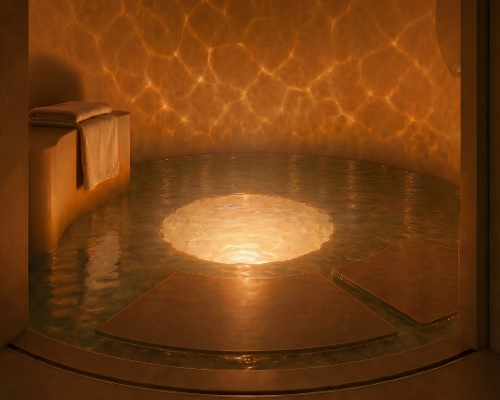
AI firm Midjourney enters wellness with spa, fitness and body scanning concept
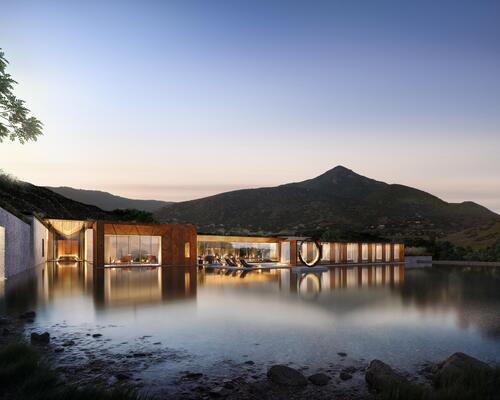
Hot spring wellness community Ameyalli sells residences and breaks ground on resort and spa

OMA completes New Museum transformation with landmark expansion and Oberon restaurant
OMA has completed a major transformation of New York's New Museum, creating a larger cultural campus that combines expanded exhibition spaces with learning, performance, hospitality and public programming. The latest addition, Oberon, extends the visitor experience beyond the gallery, reflecting a growing trend for museums to become all-day destinations.
The New Museum in New York has entered a new chapter with the completion of a major
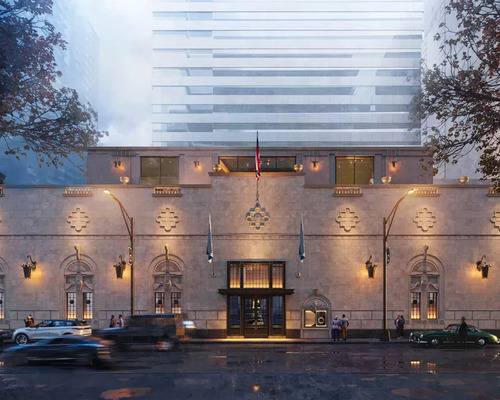
David Rockwell creates immersive magic destination, The Hand and The Eye
Montana Heritage Center by Cushing Terrell opens after US$107 million investment

Universal launches new theme park model with Kids Resort
'Minor wellness hotels' recorded the strongest growth across top KPIs in 2025, finds RLA Global
Great Barrier Reef attraction set for AU$180 million reinvention
Fairmont Cheshire, The Mere, has architecture by Leach Rhodes Walker and interiors by Bergman Design House.
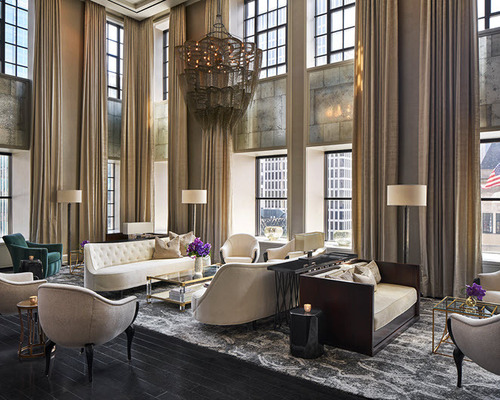
Marriott International partners with Fitwel for wellness solutions across its residential portfolio
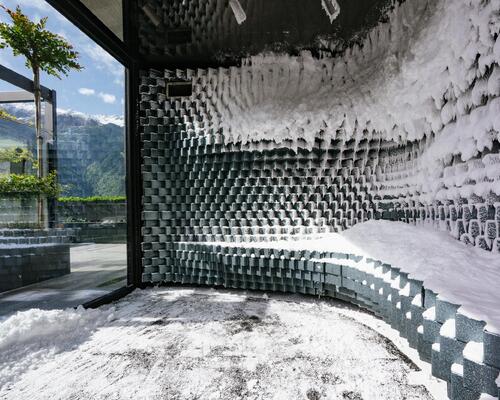
Preidlhof Luxury DolceVita Resort to unveil new spa in February 2027
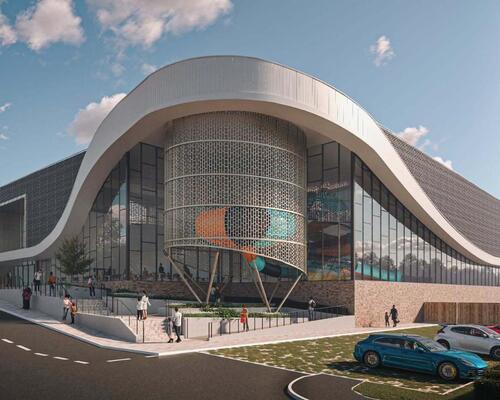
Places Leisure is working with Roberts Limbrick to build £60m wellness flagship in Basingstoke
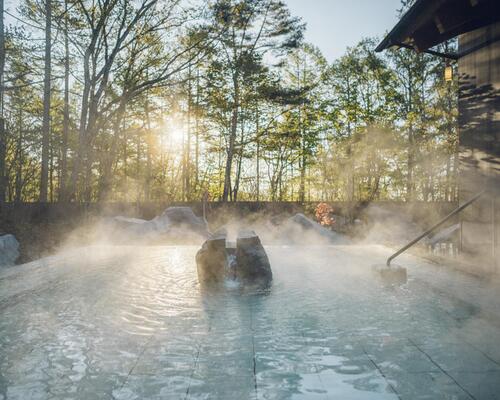
Hoshino Resorts opens Kai Kusatsu as it expands the Kai onsen ryokan brand
Qiddiya and Populous share details of Saudi Arabia’s National Tennis Centre
Disney confirms US$30 billion investment programme as it highlights its economic impact
Until combines multiple disciplines at new Canary Wharf club
Sea Lanes opens following a partnership between The Eden Project and Canary Wharf Group
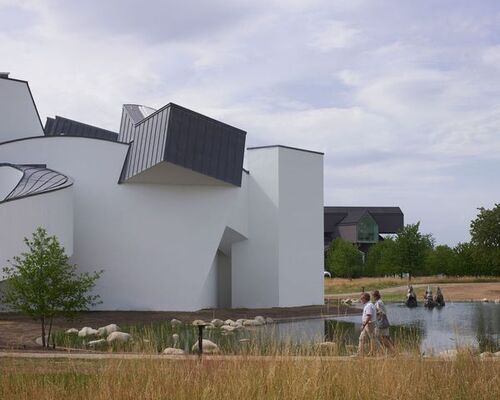
Bas Smets brings water and wilderness to Vitra
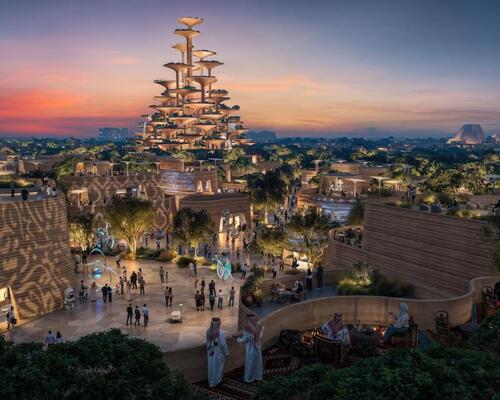
Expo 2030 Riyadh will create a permanent global destination
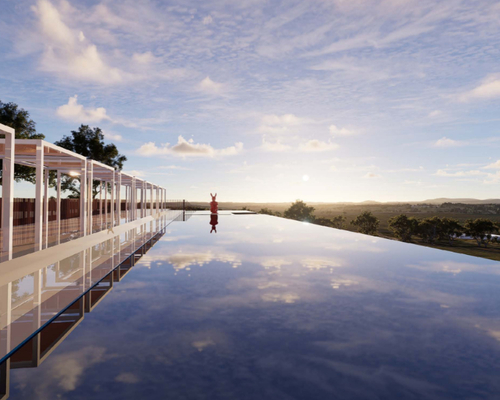
Luxury resort coming to Hunter Valley will have longevity spa
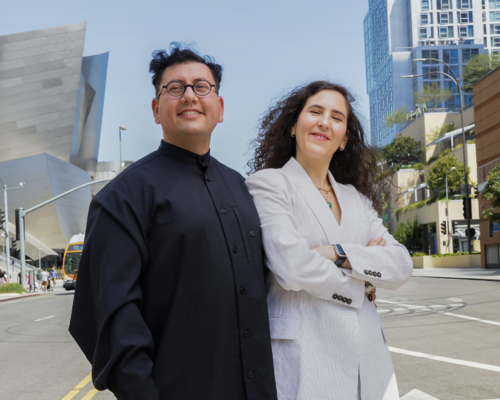
'Data chocolate', dreams made real and artworks shaped by visitors’ emotions: Refik Anadol’s AI art museum launches in Los Angeles
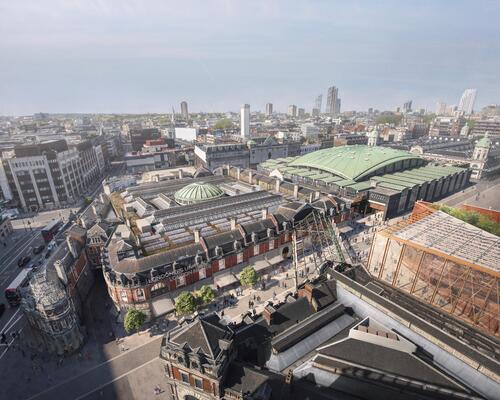
London Museum reveals 2026 opening date for new Smithfield home
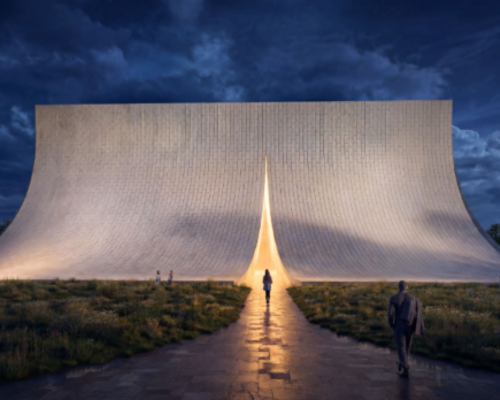
BIG unveils Eve Music Hall as Croatia venue nears completion
Bob Rogers hands BRC to long-serving leadership team
Palazzo di Varignana launches family wellbeing and longevity retreat in Emilia Romagna
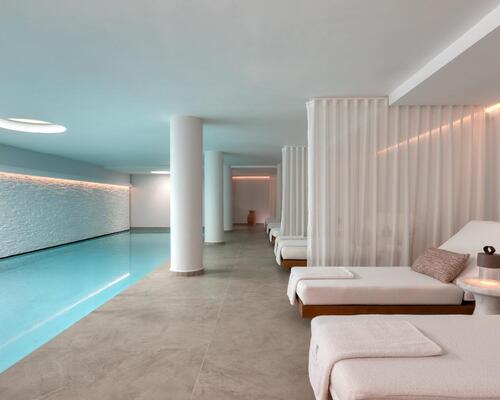
Anasa Wellness and Spa debuts at Patmos Aktis as it joins Marriott
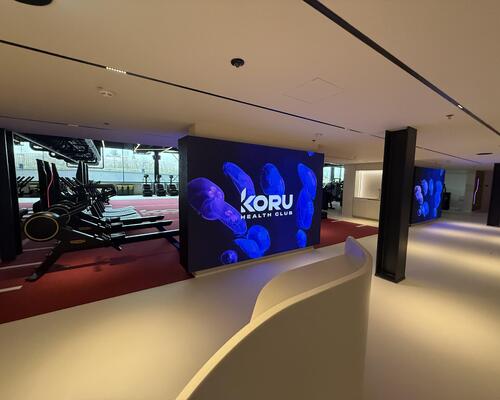
Design-led Koru Health Club combines high-performance training with recovery

Wellness care hospital opens in Vilnius with innovative spa and hospitality concept

Universal and Puy du Fou projects point to rise of Oxford–Cambridge corridor
A proposed Puy du Fou development near Bicester and Universal Destinations and Experiences’ planned resort in Bedford are emerging as part of a wider transformation of the Oxford–Cambridge Growth Corridor into a major centre for UK leisure and tourism investment.
For years, the corridor has been associated primarily with science, technology, housing and university-led economic growth. However, the clustering of large-scale visitor attraction projects along the

All-inclusive eco-wellness development Auko to open near Vietnam’s Son Doong caves