Andrew Gibson outlines fitness and spa concepts for FRHI's brands


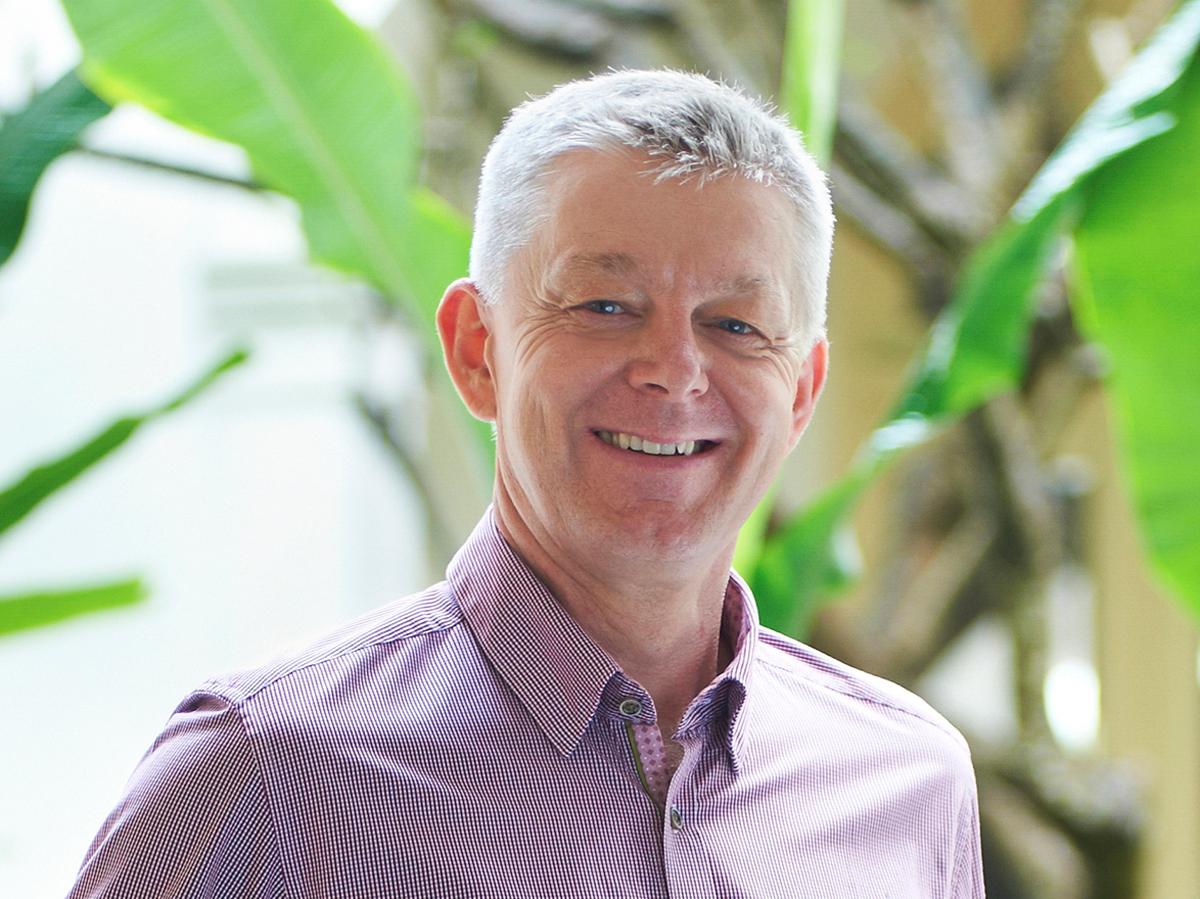
Andrew Gibson, VP of spa and wellness at Fairmont Raffles Hotels International (FRHI), has spoken exclusively to Spa Opportunities about the branding for each of the three hotel groups managed by the organisation – Fairmont, Raffles and Swissôtel – and how spa, fitness and wellness will be represented within each.
FRHI, owned by Doha-based Qatari Investment Authority and Saudi-based Kingdom Holding Company, has regionalised its business – instead of running the brands as separate entities, they will be streamlined for future growth opportunities, according to Gibson.
At a roundtable briefing with members of the media earlier this month at the Savoy in London – a Fairmont hotel – FRHI brand presidents Jennifer Fox of Fairmont and Peter French of Raffles outlined consumer research results which has helped them to better understand their respective target markets. This information has then been used to help Gibson design a framework for each branded properties’ spa concept.
The consumer research, conducted by international online market research agency YouGov, demonstrated that the Raffles brand caters for guests with an average age of 39. Seventy-seven per cent of Raffles consumers purchase luxury goods and services while on vacation, 91 per cent fly first class, 88 per cent like ‘rare’ brands and 53 per cent like to be regarded as wealthy.
In terms of spa, the three principles that will permeate each of its spas are space, privacy and time. “Excellent service is no longer a USP, it is an expected part of luxury service,” Gibson told Spa Opportunities away from the briefing. “To make the difference, we are designing our facilities with space and privacy in mind. For example, the spacing between fitness equipment will be thought through to give a degree of privacy when using the equipment. The treatment rooms will be capable of private changing and they will be adequately spaced to provide room to move.
“The spa facilities are also designed primarily for the hotel’s guests,” Gibson continued. While local clientele will be able to use the spa, the design and treatment menu will be geared toward hotel guest satisfaction. The pools and fitness facilities usually will be for hotel guest use only, but some locations may make different arrangements.
The Raffles spa imagery of a lotus flower from bud to bloom has been altered as part of the shift. The lotus now represents the body's different chakras, using different colours. “The colours are more organic in nature to imply that we will have natural-based products available wherever possible,” added Gibson.
In contrast, the Fairmont brand attracts consumers with an average age of 47. Seventy-four of these consumers feel successful, 89 per cent know what they want and what they are willing to pay for, and 81 per cent are concerned about the economy.
The Fairmont brand uses a mixture of Willow Stream, Fairmont and outsourced spas. “While Willow Stream is a clear concept it is only available in a minority of the Fairmont Hotels,” said Gibson. “It is important that a strong identity for the Fairmont Group is created irrespective of which ‘spa’ brand is operating the facility. Our first step, therefore, is to create an identity and then to deploy this in the hotels where we currently operate the facilities.”
The big difference between Fairmont and Raffles spas will be that facilities under the Fairmont brand will be designed to create social hubs, to attract the local community. This will be done by offering memberships or allowing local clientele to use the spa as regular guests. “The spa and fitness offerings will be designed to accommodate guests with two sets of changing facilities, one for spa and one for fitness-related activities/ pool,” said Gibson.
“Fairmont guests want results and we believe that our spas should provide treatments that our guests request,” said Gibson. “Technology will therefore be used to improve the skincare and facial programmes. Skincare doctors are also being introduced to some locations to provide specialist backup.”
To differentiate itself further, Fairmont will create spaces for social fitness and has started to rethink the way hotels offer fitness facilities and services. “Very few hotels allow space for functional training, which local clubs are concentrating on because it is seen as the most effective form of exercise,” said Gibson.
FRHI’s Swissôtel properties, however, have an established wellbeing brand, Pürovel Spa and Sport. These properties, located in essential urban spots, are growing at a rapid pace in Asia. The Swissôtel brand’s average consumer is 43 years old, with 43 per cent of consumers are interested in fashion, design and quality – and are willing to pay for it, according to the consumer data.
“We have decided to change the emphasis to Pürovel Sport,” said Gibson. “By this, we aim to provide the best fitness facilities that cater for unmanned services. Self-analysis and a choice of workout styles will be incorporated in the design. The changing rooms will be standard but efficiently-designed with a sauna and steamroom wherever possible. The spa will offer a basic list of 10 treatments, designed primarily for the hotel guest. They will concentrate on massage and utilise the special massage oils made with products from Swiss farms supported by the Pürovel programme.”
“We are also looking closely at how to integrate fitness and wellness into hotel rooms in an innovative way,” said Gibson. “Each hotel will try to add a parkour outdoor programme for guests too.”
Andrew Gibson opens first FRHI spa since his appointment in January
Beverley Hills-based investment group buys luxury Fairmont St Andrews hotel in Scotland for £32m
FRHI appoints Lindsay Madden-Nadeau as director of spa integration and operations
Fairmont Nanning hotel to open in 2019 as part of mixed-use development
SPATEC Europe 2014 review: perfect personnel are the priority
Andrew Gibson focuses on spa strategies for FRHI brands Fairmont, Raffles and Swissôtel
Industry networking event SPATEC Europe 2014 kicks off
Raffles Hotel and W Hotel expected at US$1.3bn 'megasuperblock' in Jakarta
FRHI Hotels and Resorts outlines seven new developments for 2014
Gibson leaves Mandarin for Fairmont
Swissôtel Hotels & Resorts expands into Azerbaijan with new hotel in Baku
FEATURE: Interview – Andrew Gibson
AI firm Midjourney enters wellness with spa, fitness and body scanning concept
Hot spring wellness community Ameyalli sells residences and breaks ground on resort and spa

OMA completes New Museum transformation with landmark expansion and Oberon restaurant
OMA has completed a major transformation of New York's New Museum, creating a larger cultural campus that combines expanded exhibition spaces with learning, performance, hospitality and public programming. The latest addition, Oberon, extends the visitor experience beyond the gallery, reflecting a growing trend for museums to become all-day destinations.
The New Museum in New York has entered a new chapter with the completion of a major
David Rockwell creates immersive magic destination, The Hand and The Eye
Montana Heritage Center by Cushing Terrell opens after US$107 million investment

Universal launches new theme park model with Kids Resort
'Minor wellness hotels' recorded the strongest growth across top KPIs in 2025, finds RLA Global
Great Barrier Reef attraction set for AU$180 million reinvention
Fairmont Cheshire, The Mere, has architecture by Leach Rhodes Walker and interiors by Bergman Design House.
Marriott International partners with Fitwel for wellness solutions across its residential portfolio
Preidlhof Luxury DolceVita Resort to unveil new spa in February 2027
Places Leisure is working with Roberts Limbrick to build £60m wellness flagship in Basingstoke
Hoshino Resorts opens Kai Kusatsu as it expands the Kai onsen ryokan brand
Qiddiya and Populous share details of Saudi Arabia’s National Tennis Centre
Disney confirms US$30 billion investment programme as it highlights its economic impact
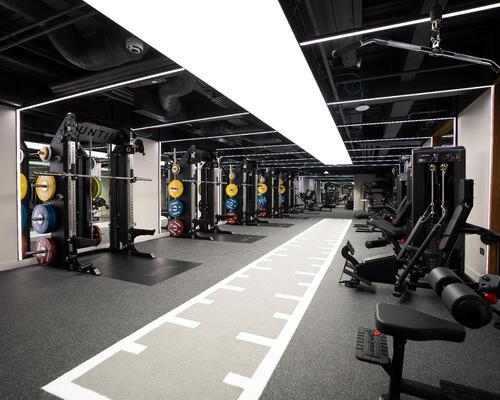
Until combines multiple disciplines at new Canary Wharf club
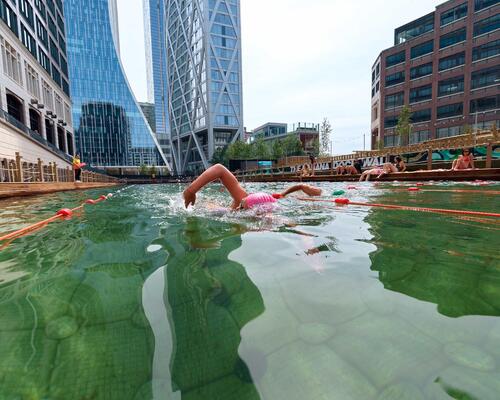
Sea Lanes opens following a partnership between The Eden Project and Canary Wharf Group
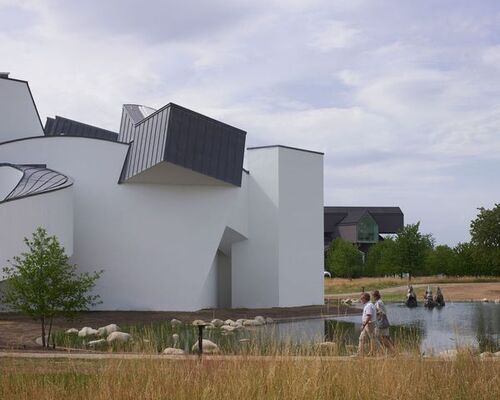
Bas Smets brings water and wilderness to Vitra
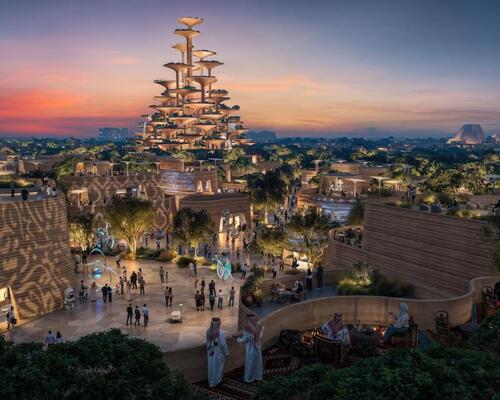
Expo 2030 Riyadh will create a permanent global destination
Luxury resort coming to Hunter Valley will have longevity spa
'Data chocolate', dreams made real and artworks shaped by visitors’ emotions: Refik Anadol’s AI art museum launches in Los Angeles
London Museum reveals 2026 opening date for new Smithfield home
BIG unveils Eve Music Hall as Croatia venue nears completion
Bob Rogers hands BRC to long-serving leadership team
Palazzo di Varignana launches family wellbeing and longevity retreat in Emilia Romagna
Anasa Wellness and Spa debuts at Patmos Aktis as it joins Marriott
Design-led Koru Health Club combines high-performance training with recovery

Wellness care hospital opens in Vilnius with innovative spa and hospitality concept
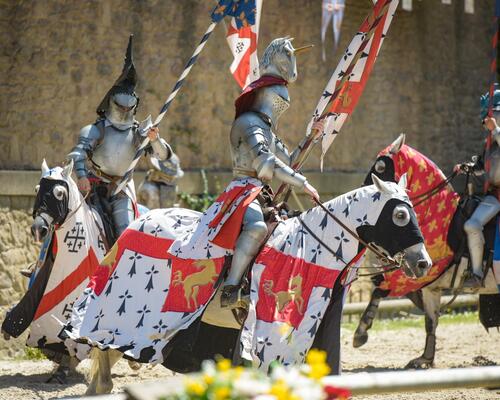
Universal and Puy du Fou projects point to rise of Oxford–Cambridge corridor
A proposed Puy du Fou development near Bicester and Universal Destinations and Experiences’ planned resort in Bedford are emerging as part of a wider transformation of the Oxford–Cambridge Growth Corridor into a major centre for UK leisure and tourism investment.
For years, the corridor has been associated primarily with science, technology, housing and university-led economic growth. However, the clustering of large-scale visitor attraction projects along the

All-inclusive eco-wellness development Auko to open near Vietnam’s Son Doong caves















Designed to restore neglected land and renew the identity of Iraq’s capital city, Baghdad Sustainable Forests promises a new way of living surrounded by nature. Gensler’s Ian Mulcahay tells us why he thinks the project could become a model for the repair and enhancement of urban centres