Interview
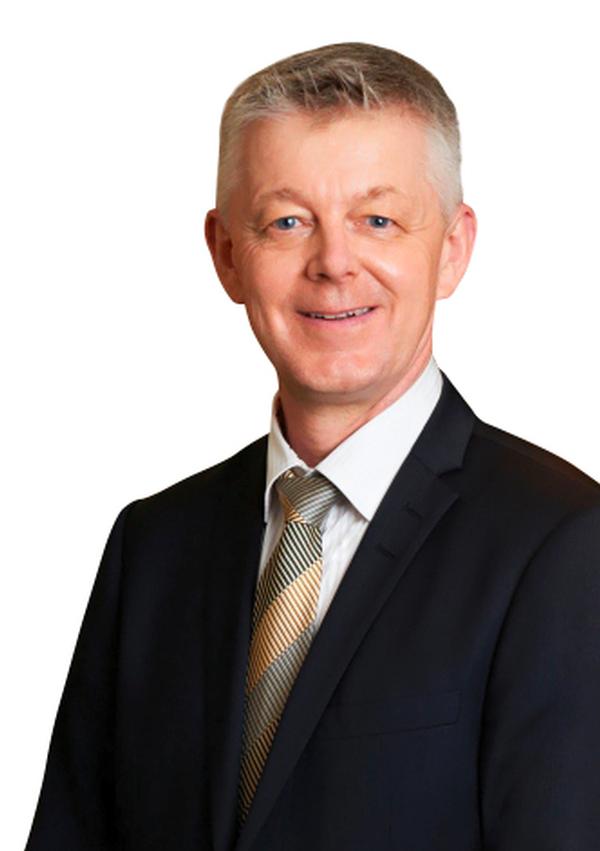
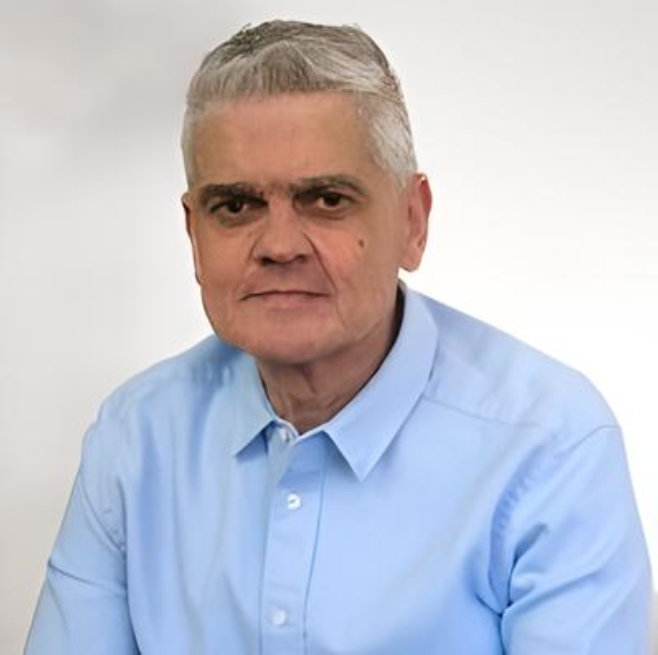
Andrew Gibson
The new vice president of spa and wellness at FRHI talks to Katie Barnes about the strategic development of spas in its three international hotel chains – Fairmont, Raffles and Swissôtel



Andrew Gibson is a respected figure in the global spa industry. Next year, he’ll celebrate 30 years in the sector, having worked with some of its most successful businesses – such as eco-focused operator Six Senses, leading spa consultancy Raison d’Etre and, most recently, the Mandarin Oriental Hotel Group.
So when a man of his pedigree takes on a new venture, people sit up and pay attention. “That’s probably the biggest question everyone’s asking me: why leave Mandarin Oriental [as group director of spa],” he says. He’s referring to the new job he started on 14 January as vice president of spa and wellness at Fairmont Raffles Hotels International (FRHI).
The private company, which is part-owned by Doha-based Qatari Investment Authority and Saudi-based Kingdom Holding Company (see p28), includes the Fairmont, Raffles and Swissôtel hotel brands – amounting to 130 hotels in 27 countries with more than 45 spas.
“I knew the position was going to become available, but I didn’t seek out the role,” says Gibson. He took over the post from good friend Anne McCall Wilson who’s gone on to set up her own independent spa consultancy. “I was very happy at Mandarin Oriental, it’s an outstanding company that looks after its employees very well and, of course, it has fantastic spas. However, when I was approached by the senior leaders of FRHI, I thought ‘wow: here’s an interesting challenge’. From a scale perspective, it’s not only three brands compared to one, but more than 100 hotels and an ambitious expansion programme, compared to 28 Mandarin Oriental hotels and perhaps eight new openings in the pipeline. That and the fact that FRHI is in a period of reorganisation and I’ll be given more latitude to play with some ideas that Mandarin might not have been so receptive to because it already had a very good tried and tested formula.”
So what will Gibson’s role entail and what new strategies is he planning to implement?
Defining spa brands
Gibson has joined FRHI at a time of change as it regionalises its business. Instead of the group running the brands as separate entities, it now has regional vice presidents who are responsible for all three brands. It’s a move that will help to streamline the corporation and give it a solid foundation for growth. “There was a lot of duplication of costs and people,” he explains. “Regionalisation reduces those overheads and also adds accountability. Plus, there’s an understanding of cultural nuances. Our head of the Middle East was born in the region, speaks Arabic and can go to Mecca. Imagine trying to have that kind of insight being based in Toronto [the headquarters of Fairmont].”
The brand vice-presidents are Jane Mackie at Fairmont; Diana Banks at Raffles and Lillian Roten at Swissôtel and Gibson will be working closely with them as a matter or priority. “There’s a pressing need to work with the brand managers to create a very clear understanding of what spa and wellness is for our [hotel] brands,” he says. The company already has two in-house spa brands: Willow Stream for Fairmont and Pürovel for Swissôtel, but Gibson feels they need to be brought more into alignment. “It’s very important that the definition of spas is seamless and aligned to hotel brand values which are clearly outlined,” he says. “If you have any ambiguity, the questions will come.”
In this case, he concedes that spa is almost secondary to hotel values. He cites Raffles, with its colonial heritage – the first hotel was name after Britain’s Stamford Raffles who founded Singapore – as an example. “Raffles is about bespoke, boutique luxury and its goal is to provide ‘an oasis for the well-travelled’,” he says. “Translate all of those standards into spa and that means each facility will be custom-built for a particular location and will offer everything that affluent, well-travelled guests demand, such as seamless service, space and privacy. But it’s the defining of the finer points that’s going to take a lot of work. If people want privacy, do we get rid of banks of treadmills in the fitness centre so others can’t see what you’re doing? If people want luxury, do we choose the best products in that particular market instead of having a set product house?”
As Fairmont is a Canadian brand, the philosophy centres around hospitality and humbleness. “Canadians have a way of welcoming you into their homes,” says Gibson. “So, where it’s culturally acceptable, we’ll look to include communal lounges in spas as part of this social aspect.”
Meanwhile, with Swissôtel it’s all about sticking to Swiss-style standards such as efficiency, unobtrusive service, vibrancy and energy. “The founders are Swissair and Nestlé: you couldn’t get more Swiss if you cut a Toblerone in half!” Its spa brand, Pürovel, launched in 2011 (see SB11/3 p20) and already incorporates many of these elements. Gibson says it’s likely that these spas will stay the same worldwide, but he might do some tweaking.
That said, he’s also open to trying out new things in any of the hotel spas should the market demand it. “Mandarin had it’s Oriental heritage brand that worked well and they didn’t want to experiment with it – why would they?” he says. “But here, there’s a bit more flexibility. There’s an opportunity to perhaps go more into beauty or fitness, or to introduce some edgy treatments. We’re discussing the possibility of not even having a spa, but instead having wellness facilities in the hotels that guests want – all the usual spa components will be there, but just not in a dedicated facility. But I can’t reveal any more about that yet.
“Trying any new concept will be challenging and it will have to be done in a style that matches hotel standards and locale. But I always enjoy a new test and it’s important not to get set in your ways.”
Getting strategic
Three months in and Gibson admits he doesn’t have the luxury of dedicating his time to just branding, however. “There’s no ‘first thing’ to work on as I’ve jumped feet first into the deep end of the pool,” he says. As people jostle for a sense of place in the FRHI reorg, he’s been busy meeting senior management teams globally – when we speak, he’s just attended a general managers’ meeting in the Middle East and has others planned in Europe, America and Asia. “I’m explaining my background to them and what my principles are. At this stage I’m not presenting on future plans as I’m still working my way through those myself,” he says.
With 52 hotels in the pipeline over the next three to five years, spa development is another obvious priority. Gibson’s already been pulled onto 12 new projects to offer his advice on the design and layout of spas. “The FRHI openings and integration team has a very efficient system where people from every department, including design and construction, purchasing and myself, can read notes [about upcoming projects] and add comments. I’m a creative person so I love seeing things evolve, grow and take shape.”
The work at FRHI isn’t hugely different to his job at Mandarin Oriental where he split his time between guiding the development team, which was led by Sean O’Connor and overseeing operations, which was headed up by Andrea Lomas. At FRHI though, Gibson feels everything’s “much more strategic and focused on motivating teams to perform”.
Due to the large number of spas already open, he’ll be taking the 80/20 approach by focusing primarily on the group’s 12 flagship properties plus some other key accounts (see above). One of his favourite aspects of the job comes in at this macro level. “I’m driven by motivating people and it’s amazing to visit a property and talk not only to the general manager and management team, but also to the spa therapists. I tell them what’s happening in the industry, what the trends are and how it affects them all. Quite often, having someone from the senior team come to see the spa means a lot. Sometimes it’s just a simple gesture, like explaining how valuable the team is, that can make the biggest difference to performance.”
When time won’t allow him to get so involved with facilities, he’ll work with regional group operators and general managers in a supporting capacity. “I won’t get involved with recruitment unless it’s a spa director, for example,” he says. “Or I’ll step in when there’s a problem. One hotel at the moment has some particular issues with setting KPIs so I’m helping them with that. Spa KPIs are a whole new thing for some general managers, but I’ve told them they’re going to have to learn. It’s not about me saying ‘this is the action plan you need to implement’, I’ll just be providing them with the tools and pointing out areas that they need to focus on.”
Outsourcing and mergers
It’s clear when talking to Gibson that in order to keep up with developments, he’ll need to set up his own supporting team quickly because at the moment it’s just him. He’s looking for someone to handle facilities in America – which has 14 spas – and possibly someone else to help with training: “I’m not sure how I’m going to tackle that element yet,” he admits. But the main post to fill will be a director of openings and operations based in Dubai. “They’ll work closely with me and develop into a global director,” says Gibson.
“As with most hotel groups, Asia – and predominantly China – is a big market for openings. But we’re also seeing good growth in eastern Europe, excellent growth in the Middle East and potential in India and Africa. America is quiet but not dormant and activity is starting to pick up.”
He hints that in the future, FRHI will be more likely to keep spas in-house rather than bringing in a third party operator. “I won’t give a definitive answer,” he says, “but what I will say is: why would you want to outsource a spa if you have the expertise in-house?”
If the international press is to be believed, there’s also much bigger news in the pipeline that could have an impact on the future direction of the company.
Last November, Prince Alwaleed, the owner of FRHI investment company Kingdom Holding, announced in a Bloomberg report that he’s looking for ways to monetise both FRHI and Four Seasons which – along with Microsoft founder Bill Gates – his company has a stake in (see p28). Analysts say that an FRHI/Four Seasons merger or an initial public offering are two possible scenarios.
Speculation aside, Gibson remains focused on the task ahead. One of the biggest challenges he foresees is convincing hoteliers about the benefits of spas.
“The competition for me isn’t the hotel or day spa across the road, it’s our own internal food and beverage, meeting or banquet departments that could be bringing in more revenue per 100sq m,” he points out. “I try to explain that it’s not just having a spa that adds value, it’s having a spa that’s well designed and well run. But it only adds value if you include it in your sales and marketing strategy and in the overall business plan of the hotel. So, it’s my job to educate everyone about this – the owners, the general managers, the development team and the designers. The penny hasn’t dropped yet, but when it does, it will have a big impact on hotel spas in the future.”
Knowing Gibson, it’s not a challenge he’s likely to shy away from. For now, he’s enjoying the buzz of a changing company and thinking out his strategies. “There’s an absolute air of excitement and energy throughout the company – a desire to get the new structural changes in place and to really start making a difference. I was very happy at Mandarin Oriental, it’s a brilliant company and I wish it the very best. But having been at FRHI for only a short while, I know I’ve made the right move.”
Fairmont Hotels
Raffles International
History and ownership
- Kingdom Holding Company (KHC) is a publicly listed investment company based in Riyadh, Saudi Arabia. Its involvement in FRHI dates back to a 1994 investment in what was then Fairmont Hotels Management.
- Twelve years later, in January 2006, KHC chair Prince Alwaleed led a US$5.5bn (€4bn, £3.3bn) deal to
privatise Fairmont and, at the same time, combine it with the Raffles and Swissôtel hotel brands which were owned by US equity firm Colony Capital. The newly formed company was Fairmont Raffles Hotels International (FRHI).
- Subsequently, in April 2010, FRHI sold a 40 per cent stake of its business to Voyager Partners – an affiliate of Qatar’s sovereign wealth fund Qatari Investment Authority (QIA) – for a reported US$847m (€610m, £505m) to help fund expansion plans.
- Last May, Colony Capital reportedly sold its interest in FRHI to QIA. According to a recent article Canada’s newspaper The Globe and Mail, QIA now has a controlling 63 per cent stake in FRHI, while KHC has a 35 per cent share.
- Other QIA investment companies range from Credit Suisse to Volkswagen and BlackBerry. It’s one of the biggest buyers of hotels, but didn’t have a management arm until the FRHI deal.
- Investments of KHC’s Alwaleed amount to more than US$20bn (€14.4bn, £11.9bn) and include interests in varied businesses such as Apple, Citibank and News Corp.
- In 2007, Alwaleed bought a 95 per cent share in Four Seasons with Microsoft founder Bill Gates. Mövenpick is another upscale hotel brand owned by KHC. In total, KHC’s hospitality platform is valued at US$13bn (€9.4bn, £7.7bn) and the portfolio is handled by Kingdom Hotel Investments.
- FRHI has around 47,000 employees and is projecting 50 per cent growth over the next five years. Most of the development will be international.
Notable hotels in the FRHI portfolio
Raffles
- Raffles Dubai, UAE
- Raffles Singapore
- Le Royal Monceau, Raffles Paris
Fairmont
- The Plaza, New York, USA
- The Savoy, London, UK
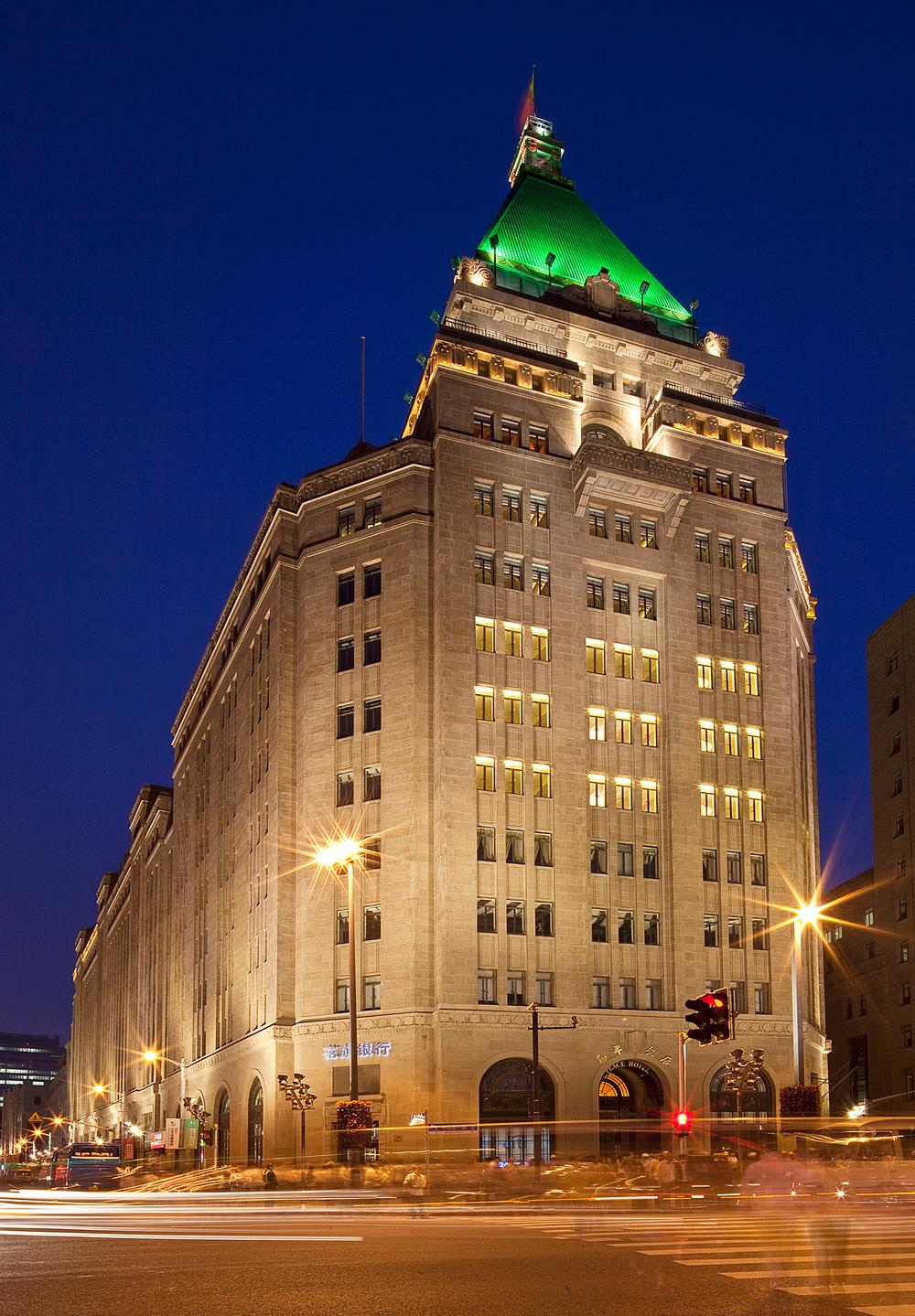
- Fairmont Peace Hotel, Shanghai, China
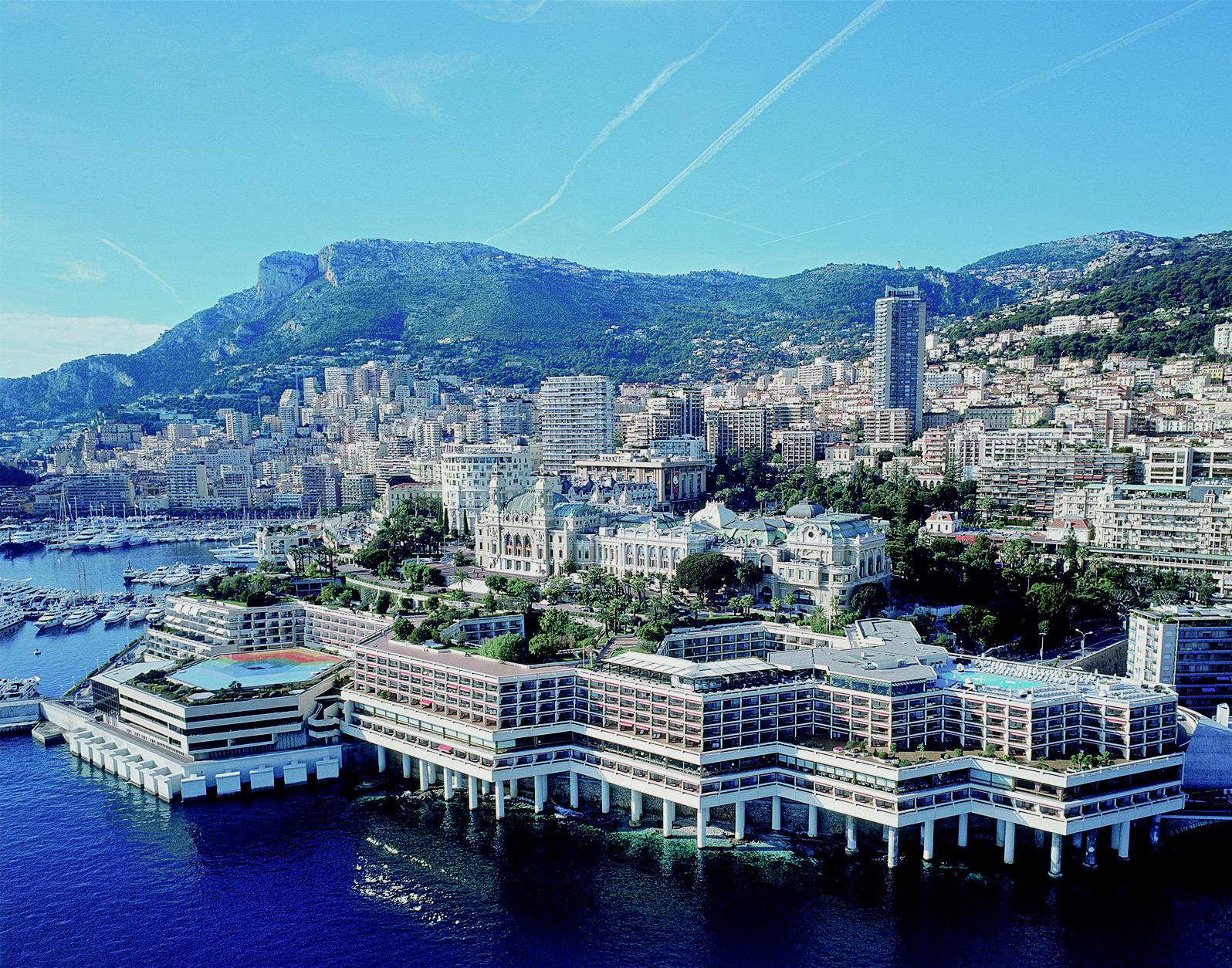
- Fairmont Monte Carlo, France
- Fairmont Le Montreux Palace, Switzerland
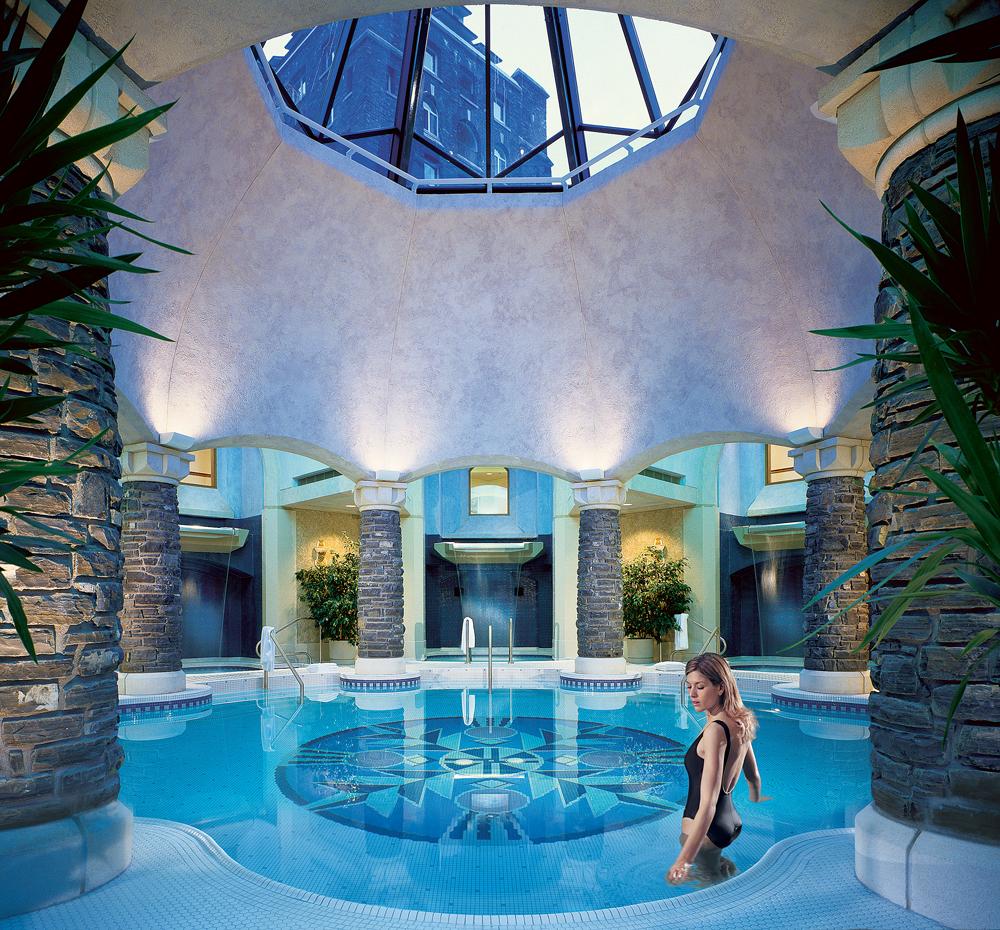
- Fairmont Banff Springs, Canada
Swissôtel
- Swissôtel The Bosphorus, Istanbul
- Swissôtel Krasnye Holmy Moscow, Russia
- Swissôtel Tallinn, Estonia
Andrew Gibson Favourites
Book:
Anything by Tom Stoppard. I’ve recently read The Opium War by Julia Lovell which was fascinating
Film:
Ronin
Food:
Japanese, Thai or Lebanese
Season:
Summer in Sweden
Leisure activity:
Running
Spa:
Any spa where a therapist really connects with you and delivers a tailored treatment
Treatments:
I love massage. Scrubs are OK too but I’m not keen on wraps
Best advice:
Don’t take things personally
Who you admire:
Margaret Thatcher. Whether you agree or disagree with her policies, she was a strong leader
Quote:
‘Motivation is the art of getting people to do what you want them to do because they want to do it’ Dwight D Eisenhower
Katie Barnes is the managing editor of Spa Business magazine
Email: [email protected]
Twitter: SpaBusinessKB







Designed to restore neglected land and renew the identity of Iraq’s capital city, Baghdad Sustainable Forests promises a new way of living surrounded by nature. Gensler’s Ian Mulcahay tells us why he thinks the project could become a model for the repair and enhancement of urban centres