After the pandemic: what will the European fitness sector look like?
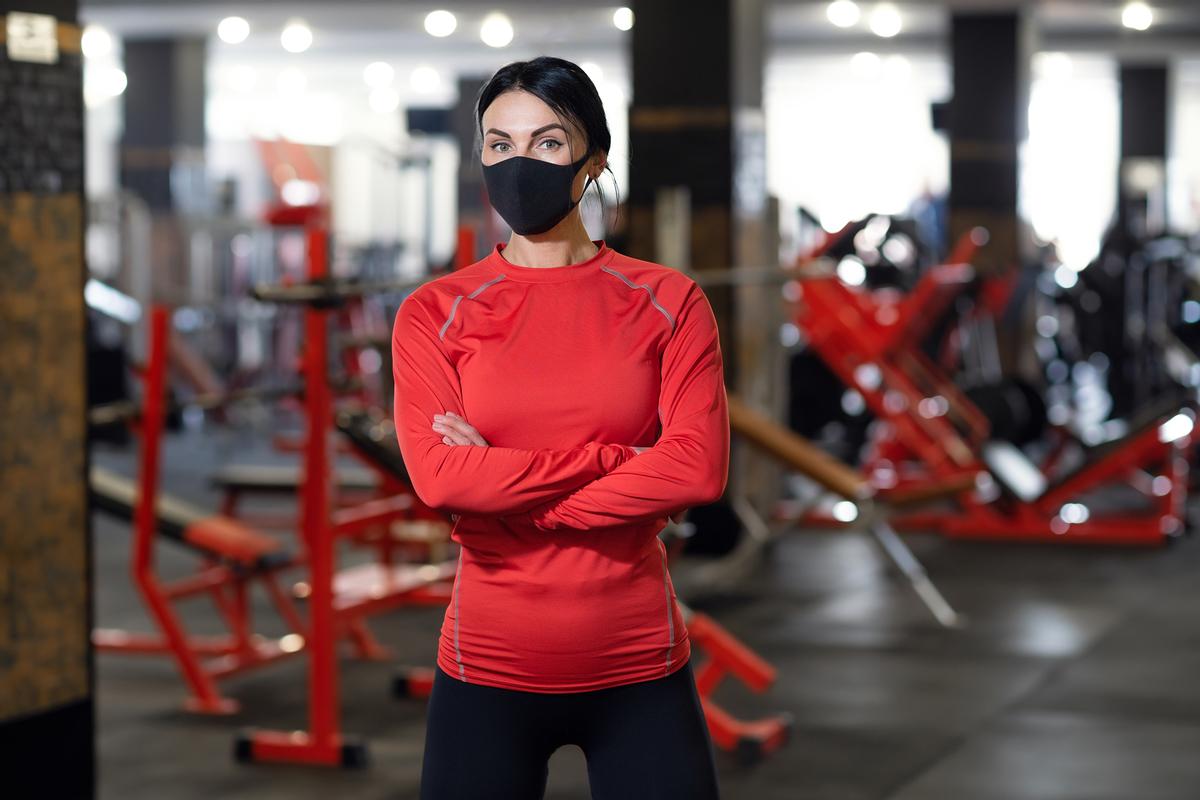
Club closures, a squeeze on consumer spending and facilitating social distancing within a gym environment are just some of the issues European fitness operators are likely to face once the COVID-19 restrictions begin to lift.
In an article published today (20 April), industry veteran and EuropeActive board member Herman Rutgers outlines the new landscape that awaits the sector, once businesses are allowed to reopen their doors.
Although most European countries are still in lockdown, all are discussing how to restart their economies.
Once restrictions begin to be lifted, it will mean a return to business for fitness operators in most European countries. The exception being Sweden and Finland, where gyms have been allowed to keep their doors open throughout the pandemic.
The article – the third written by Herman Rutgers for EuropeActive's dedicated COVID-19 webpage – is based on recently published material from analysts such as Deloitte, McKinsey and The Economist, as well as conversations with leading international fitness CEOs.
"The future of our sector will not be black or white," Rutgers writes. "Rather, the tones of grey it will depend in which country you are and in what kind of segment of our sector you operate in.
"One thing is for sure; it will not be business as usual."
Asian example
According to his analysis, countries such as China, Singapore and South Korea– which are ahead of the curve regarding the stage of the pandemic – might offer some clues as to what the first steps out of a strict lockdown might look like.
In major cities, such as Shanghai, fitness clubs reopened in early April, but under restrictions and with government approval. Many, for example, have installed thermal scanners at their entrances and people with high temperatures are denied access.
The Alipay Health Code (AHC) – a compulsory method for those wanting to leave COVID-19-affected areas – is also proving effective at present in curbing the threat of a "second wave".
AHC is based on an app that allows users to track their health status using a simple colour code. Users who have been confirmed negative through testing have a green code and can move freely, while users with amber (not tested or test result pending) or red (tested positive for coronavirus) codes must go into quarantine for seven or 14 days, respectively.
Adapting to a new normal
Europe’s public-sector leaders are evaluating initiatives used in Asia in order to identify the best ideas, with the view of determining how to adapt them where appropriate.
"EuropeActive has been producing materials to support operators in these difficult times and will support operators and national associations in their public policy activities," Rutgers writes.
"In Germany, DSSV (the association of fitness facilities) has written a letter to Angela Merkel to ask for approval to reopen EuropeActive fitness facilities under certain conditions. Others to have made similar requests are NL Actief in The Netherlands, ANIF in Italy, FranceActive and the Belgian federation Fitness.be."
The most detailed request to reopen, however, has been submitted by European operator, Basic-Fit, which has provided detailed plans for safeguarding the health and safety of employees and customers.
The plans entail drawings of redesigned club layouts to ensure 1.5 meter distances between people at all times. They also include limitations on the number of people at one time per club and the closure of showers and locker rooms.
Rutgers says that the document could be used to help the wider industry, due to the operator making it available to all.
"Basic-Fit has been very kind to share this detailed document with EuropeActive and it has now been translated into English," he says.
The four main areas
In the report, Rutgers has provided predictions across four key areas: overall business environment, fitness operations, fitness consumer behaviour and the supply chain.
See below the main insights into what the future might hold. To download and read the full report, click here.
Overall business environment
1. Many countries will be in a recession, resulting in a squeeze on consumer spending – more people unemployed and with less disposable income
2. Business plans for 2020 and beyond will need to be revised; short- and long-term strategic reviews will take place
3. Companies will be in crisis mode for the foreseeable future
4. There will be fewer clubs and further consolidation; depending on the country, 10-15 per cent fewer clubs is an educated guess. Chain operators may take this opportunity to weed out loss-making locations and not reopen those at all
5. Obtaining financing will be more difficult and at a higher cost, as banks become more risk-averse
6. Companies will focus less on growth per se, but will focus more on stabilising their business, achieving profitable growth, working with more conservative balance sheets and improving cashflow
7. Companies will have to work with larger reserves to allow for bad debts
8. More attention will be paid to to costs and the fixed versus variable relationship will be more critical
9. Leadership; the great and good ones have already shown their capabilities in a storm (or not)
10. Brand Image; Some operators have dealt with this situation very well and gained sympathy and brand loyalty; others have lost it
11. Intermediaries will be severely hit
Fitness Operations
1. Digital developments were already on the radar, but lockdown accelerated implementation of more live streaming and on-demand content
2. Wearables could be used as an early warning for detection of coronavirus
3. Less pay-as-you-go; innovative membership packages will emerge
4. Layoffs and small operators closing their business offer opportunities to search for talent for the surviving clubs
5. During lockdown, teams learned how to work together at a distance (and across departments and borders) and have engaged in agile working and as a result may have become stronger
6. Many operators have used the downtime to provide their staff with online educational programmes for upskilling and personal development
7. Reopening may not take place on a national level but be organised region by region, depending on the severity of prevalence of COVID-19
8. Hygiene will be vital – less physical contact, no handshaking (“namaste”), use of masks, cleaning of touchpoints of machines
9. Cleaning; more frequent and provide a supply of sanitisers, etc. This will also increase costs
10. Physical distancing – the 1.5 metre rule is here to stay, making it necessary to re-arrange machine layout in clubs
The fitness consumer
1. Biggest question; will the consumer have trust and confidence in going into a confined space to sweat and be close to other people in a group?
2. Will consumers go back to their pre-corona fitness routines?
3. Many consumers will have experienced for the first time home fitness during lockdown and may like it and want to continue using online fitness
4. Some will have developed the use of app and started to use more functionalities
5. Consumers will be more price-sensitive
6. There may be more sensitivities to engaging in longer-term contracts and more people will study the small print
7. Consumers may have developed a higher awareness for the health benefits of fitness
8. The will appreciate the social aspects of the sector more
9. Personalisation will become more important
Suppliers in the sector
1. Digital services providers are thriving
2. Online education is in higher demand
3. Home fitness equipment and accessories are doing well
4. Commercial equipment suppliers may have a tough 2020
5. Hygiene products are in high demand and short supply
6. Intermediaries and platforms are hurting; B2C ClassPass laid off around 22 per cent of its workforce, B2B Gympass 30 per cent (both corporate clients cutting budgets and clubs closed) and Mindbody laid off 30 per cent of its workforce
social distancing gym fitness COVID-19 EuropeActive Herman RutgersNew research shows exercise could help people survive COVID-19
Trump puts gyms at the front of the queue for reopening
Global pandemic – research shows how the fitness sector is responding
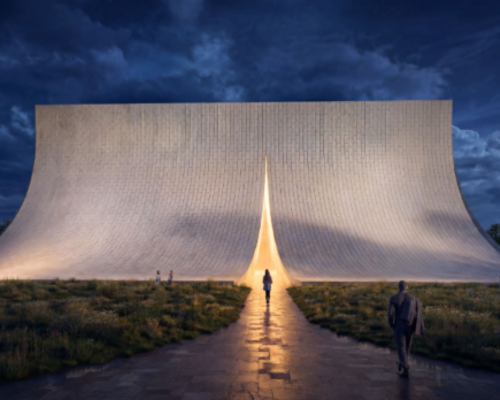
BIG unveils Eve Music Hall as Croatia venue nears completion


Bob Rogers hands BRC to long-serving leadership team

Wellness care hospital opens in Vilnius with innovative spa and hospitality concept

Universal and Puy du Fou projects point to rise of Oxford–Cambridge corridor
A proposed Puy du Fou development near Bicester and Universal Destinations and Experiences’ planned resort in Bedford are emerging as part of a wider transformation of the Oxford–Cambridge Growth Corridor into a major centre for UK leisure and tourism investment.
For years, the corridor has been associated primarily with science, technology, housing and university-led economic growth. However, the clustering of large-scale visitor attraction projects along the

All-inclusive eco-wellness development Auko to open near Vietnam’s Son Doong caves
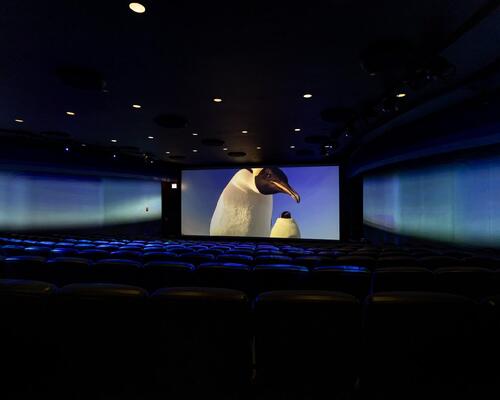
Shedd Aquarium upgrades its visitor experience with new Immersion Theater
Shedd Aquarium has opened the Immersion Theater developed in partnership with SimEx-Iwerks, as part of a wider strategy to enhance the guest experience and create additional revenue opportunities.
The attraction has transformed the aquarium’s Phelps Auditorium into a multi-sensory venue combining panoramic projection, environmental effects and interactive technology.
A new pre-show area allows visitors to engage with augmented reality marine animals before entering the
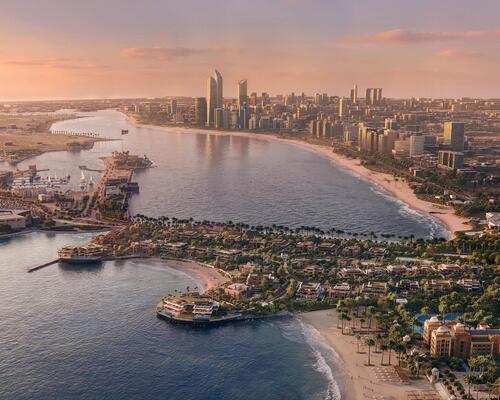
Mandarin Oriental announces standalone Mansions-branded residences for Abu Dhabi
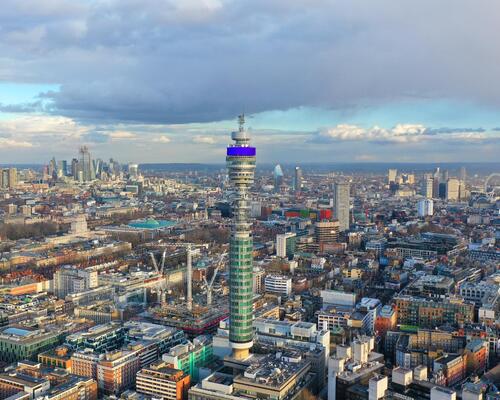
MCR is planning a luxury hotel for London's BT Tower
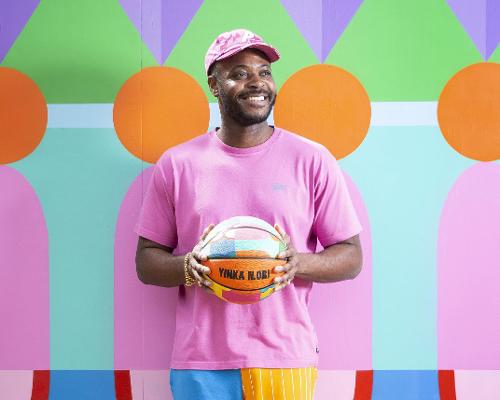
Joy as a radical act: Yinka Ilori launches solo exhibition celebrating the rebellious power of spreading happiness

Work gets underway on Madrid's €800 million leisure complex
Work is underway in Madrid on one of Europe’s most significant multi-functional complexes, combining sport, entertainment, culture and education.
The €800 million initiative to regenerate the former Olympic Aquatic Centre in the north-east of the city, next to the Riyadh Air Metropolitano stadium, is being led by Barsento – a joint venture between Live Nation Entertainment, Oak View Group and Atlético de Madrid. The project will
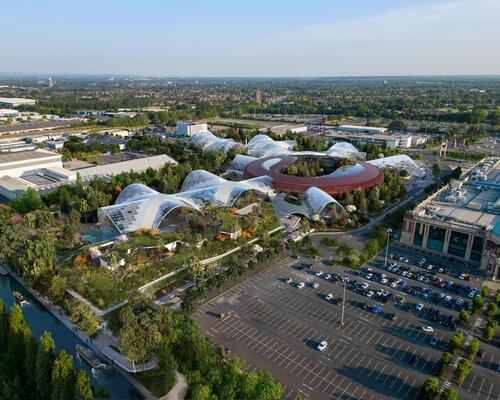
Therme Manchester reveals 90:90 strategy – 90 per cent of the UK population within a 90-minute drive of a Therme

Four Seasons’ Naples Beach Club opens 2,800sq m Sanctuary spa inspired by indigenous Calusa people
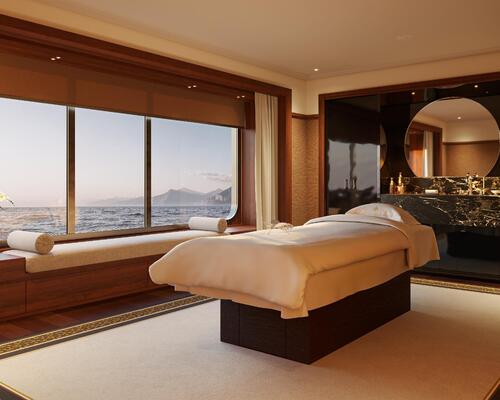
Orient Express Corinthian to host Ocean Rebirth wellness retreat in collaboration with Guerlain
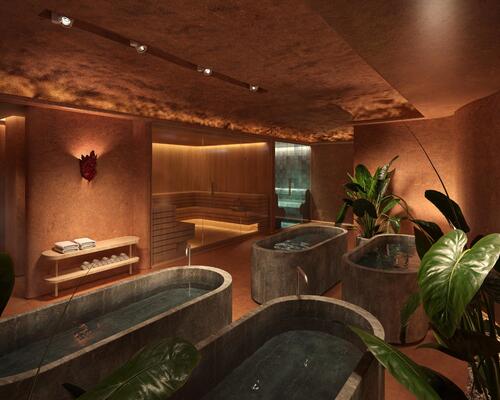
Famed London nightclub, Tramp, launches Tramp Health
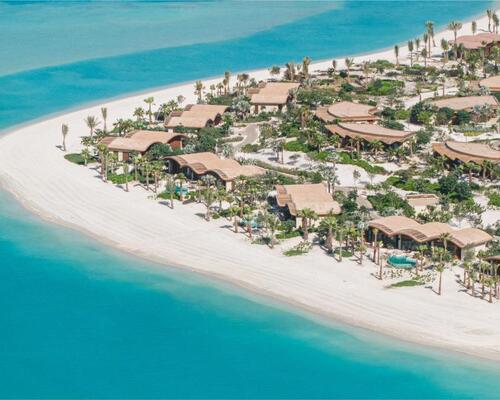
First look: Miraval opens on the Red Sea in Saudi Arabia

Hainan Science Museum by Ma Yansong, opens in China
A new science museum has opened to the public in Haikou after attracting more than 350,000 visitors during a four-month soft opening period.
Designed by Ma Yansong and his practice MAD Architects, the Hainan Science Museum is located on the edge of Wuyuan River National Wetland Park and has already recorded peak attendance of more than 5,800 visitors in a single day.
Commissioned by
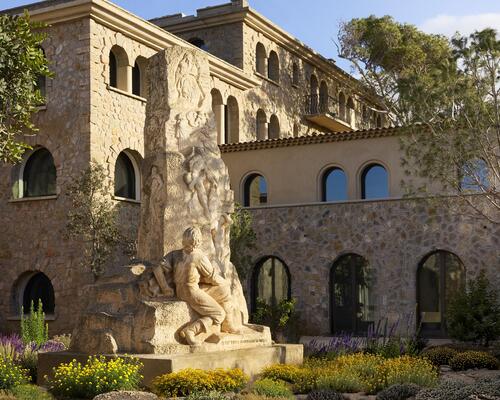
Zannier Île De Bendor launches with design by Hardel Le Bihan Architectes
Sæl Spa readies for launch in London: “a modern British sanctuary”
Immersive art bathhouse Submersive announces debut location in Austin

Construction begins on regenerative wellness destination The Shenandoah Nature Resort

Royal Caribbean reveals record-breaking cruise ship

V&A East opens in London
David Geffen galleries open at LACMA

New venue The Lands by Capella includes a longevity centre to complement sister hotel Capella Sydney

World of Frozen launches at Disneyland Paris
Pical Resort by Valamar reveals first Croatian spa under the ESPA brand

Mandarin Oriental creates end-to-end Egyptian journey with two new hotels and first-ever luxury river cruise

Designers Mendil + Meyer launch new division called Lām Concepts for strategic wellness projects

Wilderness Bisate in Rwanda reveals brand’s second Sanctuary spa
4a Architekten shares details of wellness extension at Salinarium Bad Dürkheim Thermal Spa











Designed to restore neglected land and renew the identity of Iraq’s capital city, Baghdad Sustainable Forests promises a new way of living surrounded by nature. Gensler’s Ian Mulcahay tells us why he thinks the project could become a model for the repair and enhancement of urban centres