Design shows swooping 2022 Winter Olympics culture and information hub



– Alina Valcarce, Group GSA principal
Australian architecture studio Group GSA have won a design competition to create an information hub for the ski resort hosting events during the 2022 Winter Olympics.
The Four Seasons Town Reception Center will welcome spectators to Fulong Four Seasons Resort – the Olympic venue located 90km (56 miles) northwest of Beijing in the city of Chongli, Hebei province.
Fulong is a master-planned, year-round community featuring 37 ski trails – the longest of which is 3.6km (2.2 miles) – and a total skiable area of approximately 750,000sq m (8 million sq ft).
The development will also boast 20,000 hotel beds and a host of leisure amenities.
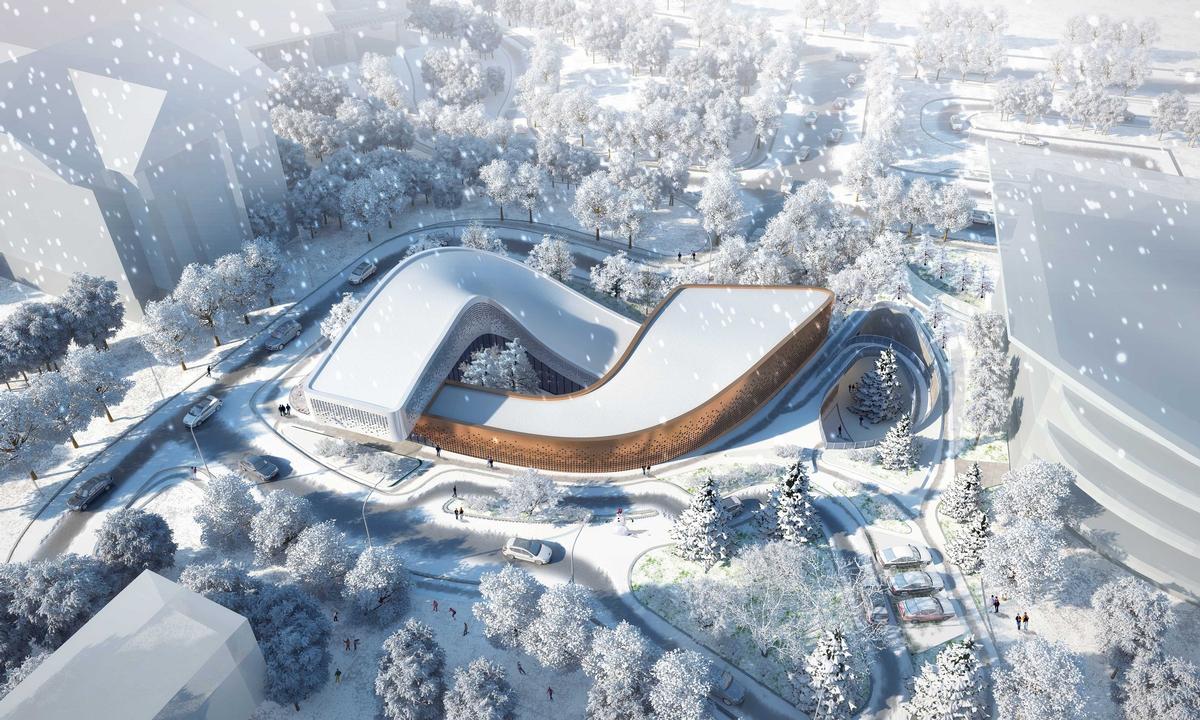
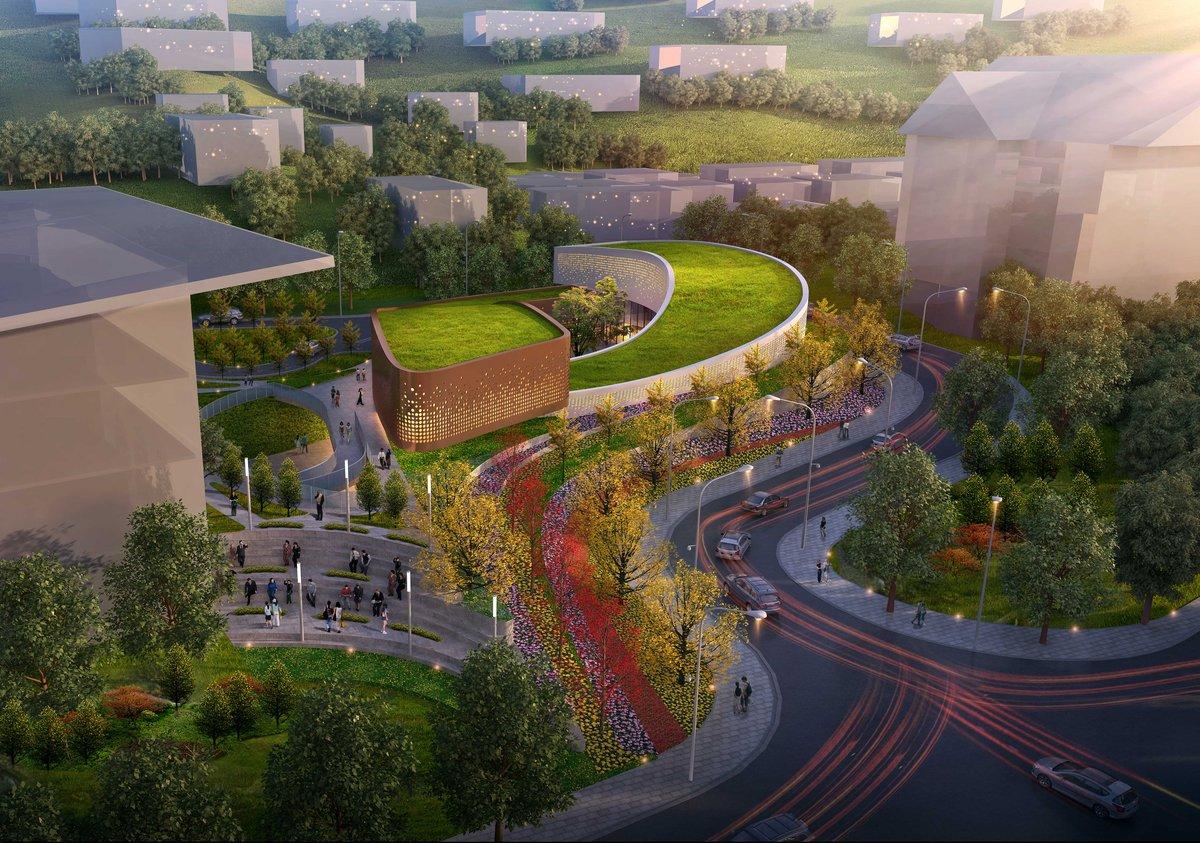
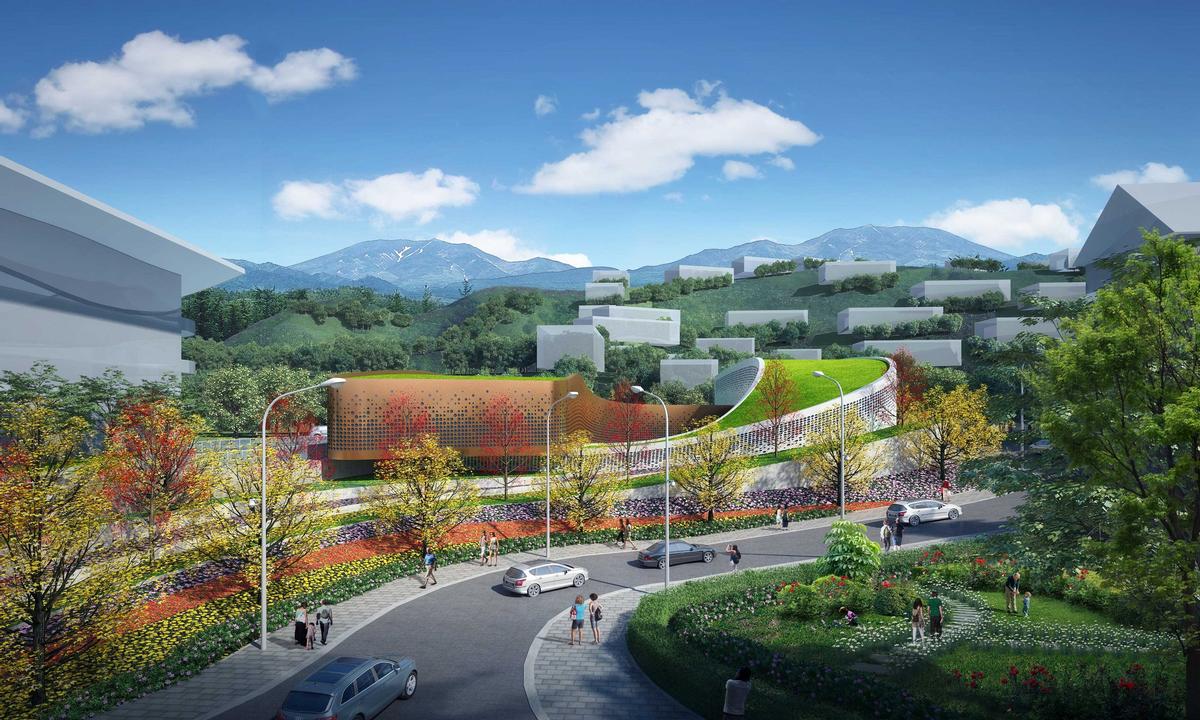
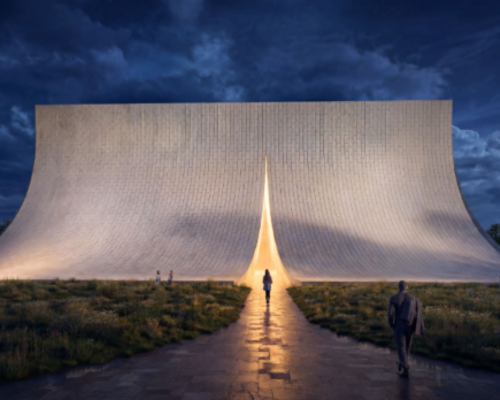
Located at the gateway to the resort, Group GSA’s reception centre has been designed as “a dynamic landmark to bring social, cultural and economic interests to Chongli and Fulong”. It will feature a dynamic swooping form that evokes a sense of movement and relates the building to the surrounding mountain slopes and ski tracks.
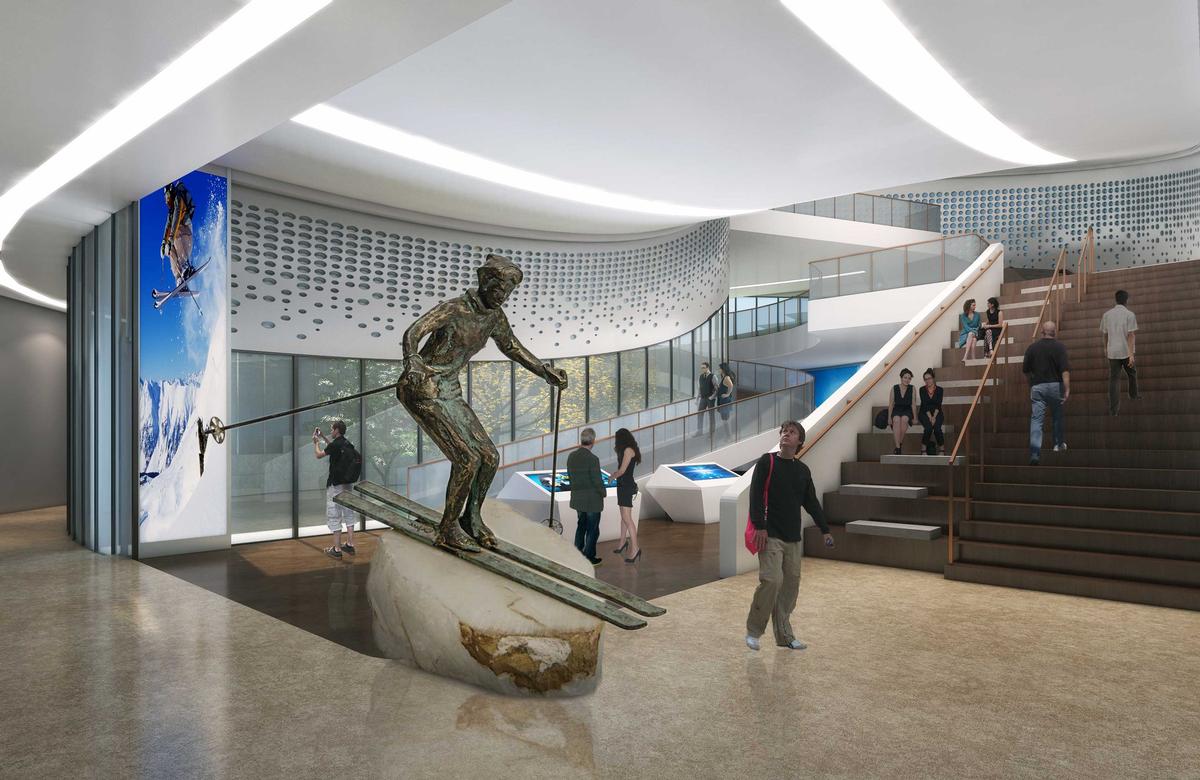
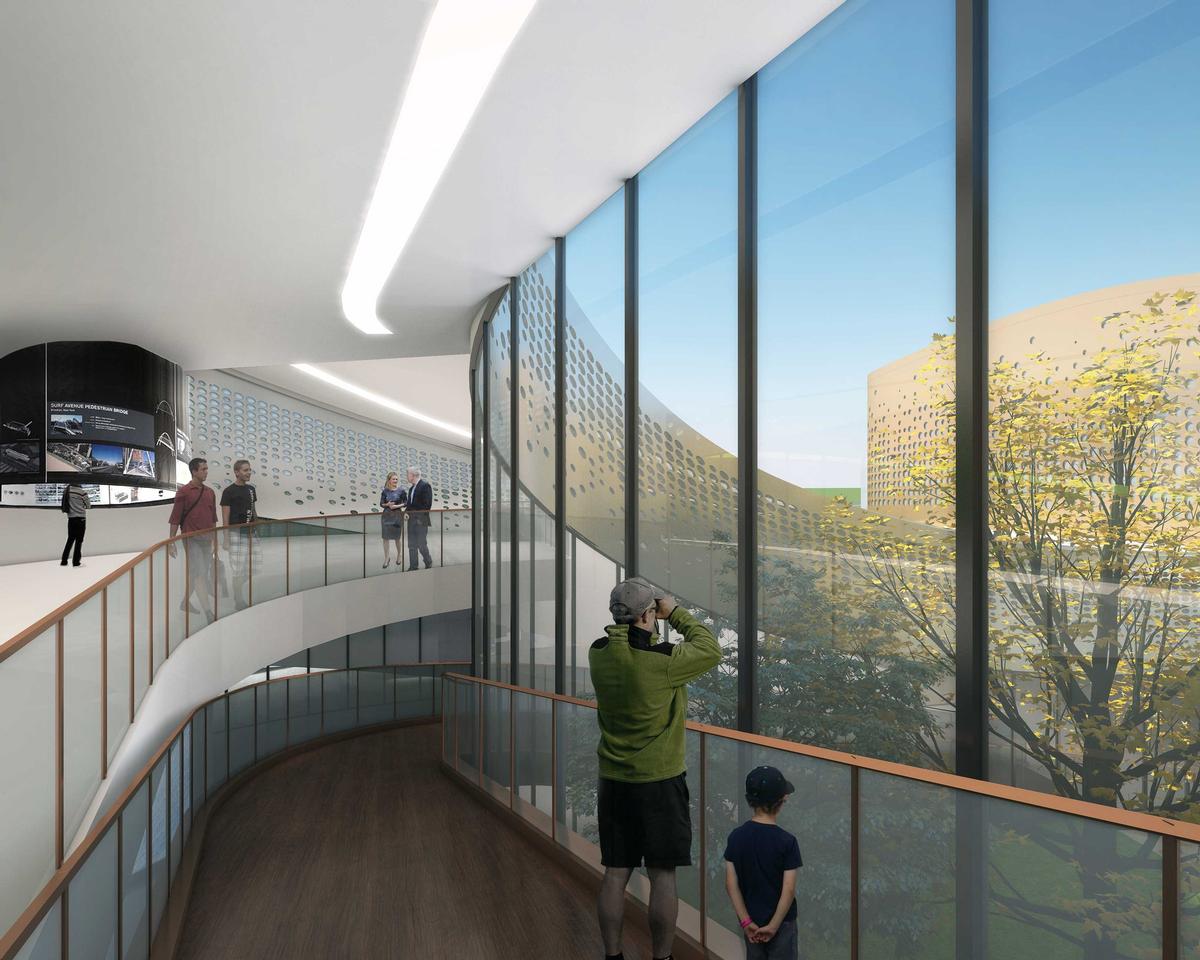
Inside, the 4,610sq m (49,600sq ft) facility will include a help desk, an information point with updates on the scheduled Olympic events, and exhibitions showcasing Chongli’s history, culture, economic progress and development plans. Meanwhile, observation points will offer visitors panoramic views from a range of levels.
Group GSA principal Alina Valcarce said: “The curvature and form was taken from the surrounding mountain slopes and the ski tracks left behind from travellers and visitors leaving a rotary mark to mimic the constantly evolving environment.
“This design was selected as it coupled seamlessly with not only the context, but also the evolving seasonal states that the site undergoes throughout the year, from summer to winter. Hence the theme of 'Fire & Ice' was pursued. Temperatures change very quickly from icy winter to hot summer in Chongli, so the architectural and design team implemented the integration of hot and cold in its façade design.”
This will be demonstrated by a silver-coloured exterior for half of the structure and a copper-coloured one for the other half. In the warmer months, the building’s green roof will be visible, blending in with the natural landscape, while in winter, snow will cover the undulating surface.
Construction is scheduled for completion by December 2018.
The 2022 Winter Olympics will take place from 4 to 20 February 2022. In addition to Fulong, events will be hosted in other towns across Hebei province and in Beijing itself.
Several of the facilities built for the 2008 Olympic Games will be converted to accommodate winter sports, with organisers keen to cut costs by reusing venues rather than building more expensive facilities.
The Water Cube Aquatics Centre – which has been converted into a public water park since the Games – will be renovated to host the curling events, while the National Indoor Stadium, designed by the Beijing Institute of Technology Design, will stage the ice hockey tournament.
2022 Winter Olympics Beijing Group GSA Fulong Four Seasons Resort Chiongli ski resort design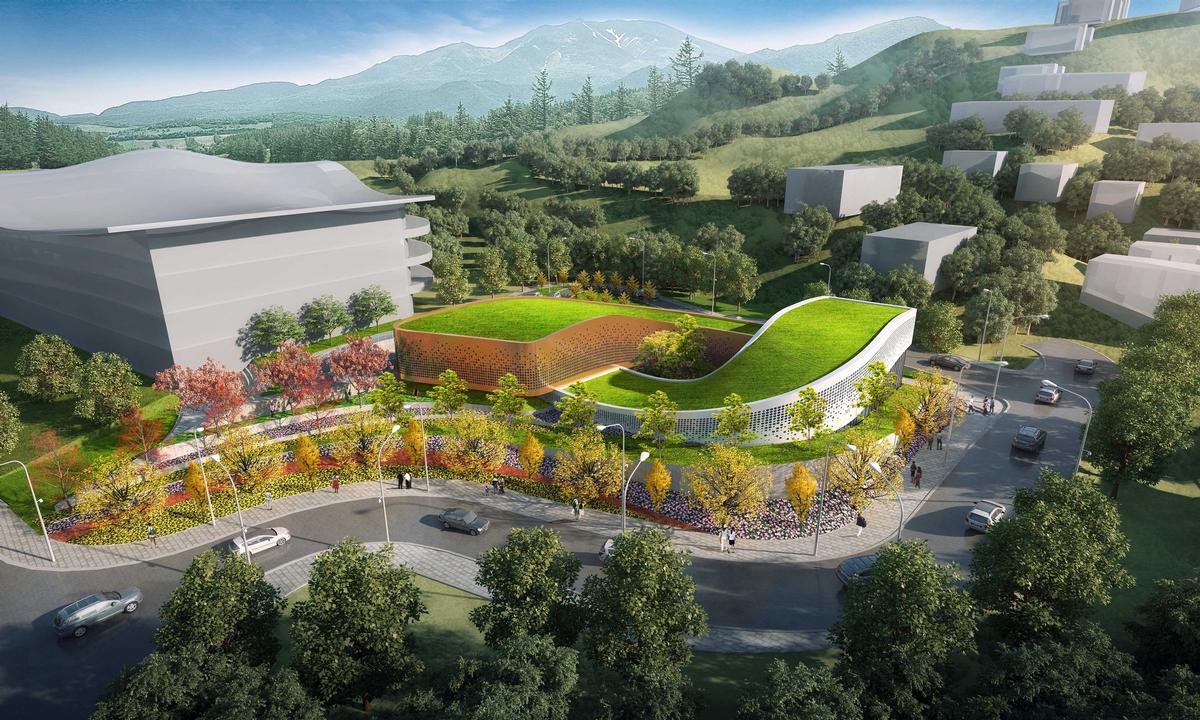

Beijing to transform 2008 Olympic venues for 2022 Winter Games
Organising committee gets to work on Beijing 2022 Olympics
Beijing’s 2022 'budget Games' to rely heavily on 2008 venues
AI firm Midjourney enters wellness with spa, fitness and body scanning concept
Hot spring wellness community Ameyalli sells residences and breaks ground on resort and spa

OMA completes New Museum transformation with landmark expansion and Oberon restaurant
OMA has completed a major transformation of New York's New Museum, creating a larger cultural campus that combines expanded exhibition spaces with learning, performance, hospitality and public programming. The latest addition, Oberon, extends the visitor experience beyond the gallery, reflecting a growing trend for museums to become all-day destinations.
The New Museum in New York has entered a new chapter with the completion of a major
David Rockwell creates immersive magic destination, The Hand and The Eye
Montana Heritage Center by Cushing Terrell opens after US$107 million investment

Universal launches new theme park model with Kids Resort
'Minor wellness hotels' recorded the strongest growth across top KPIs in 2025, finds RLA Global
Great Barrier Reef attraction set for AU$180 million reinvention
Fairmont Cheshire, The Mere, has architecture by Leach Rhodes Walker and interiors by Bergman Design House.
Marriott International partners with Fitwel for wellness solutions across its residential portfolio
Preidlhof Luxury DolceVita Resort to unveil new spa in February 2027
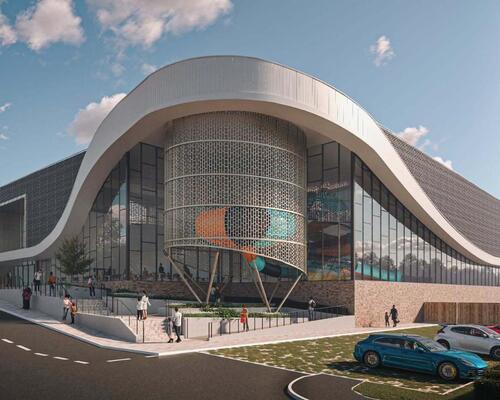
Places Leisure is working with Roberts Limbrick to build £60m wellness flagship in Basingstoke
Hoshino Resorts opens Kai Kusatsu as it expands the Kai onsen ryokan brand
Qiddiya and Populous share details of Saudi Arabia’s National Tennis Centre
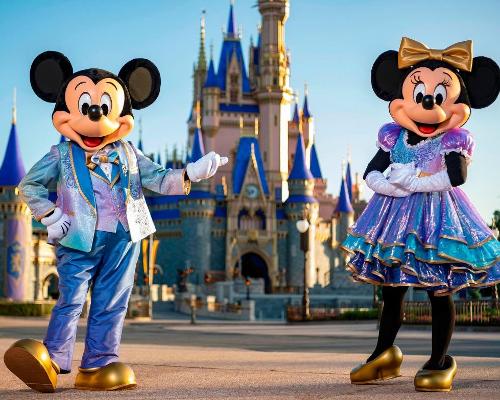
Disney confirms US$30 billion investment programme as it highlights its economic impact
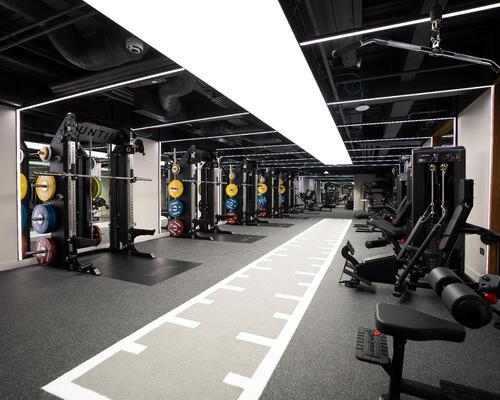
Until combines multiple disciplines at new Canary Wharf club
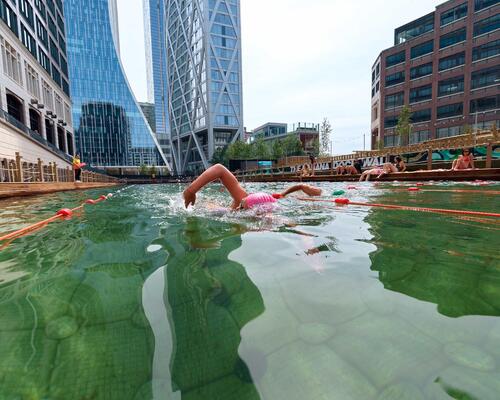
Sea Lanes opens following a partnership between The Eden Project and Canary Wharf Group
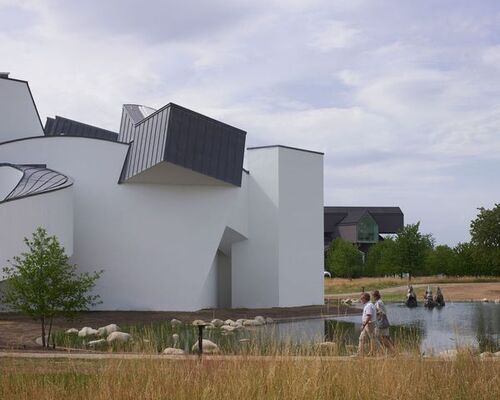
Bas Smets brings water and wilderness to Vitra
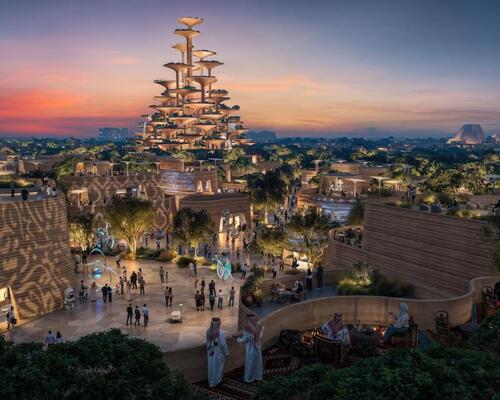
Expo 2030 Riyadh will create a permanent global destination
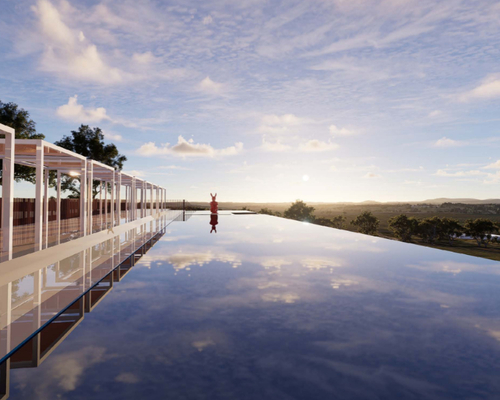
Luxury resort coming to Hunter Valley will have longevity spa
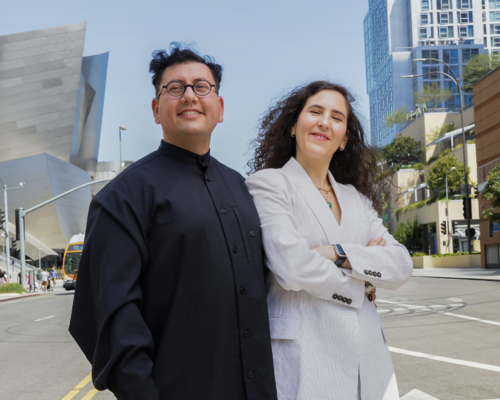
'Data chocolate', dreams made real and artworks shaped by visitors’ emotions: Refik Anadol’s AI art museum launches in Los Angeles
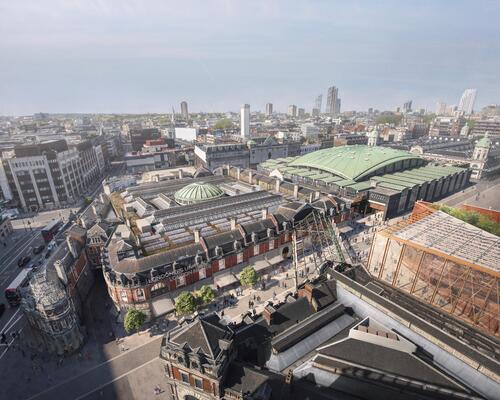
London Museum reveals 2026 opening date for new Smithfield home
BIG unveils Eve Music Hall as Croatia venue nears completion
Bob Rogers hands BRC to long-serving leadership team
Palazzo di Varignana launches family wellbeing and longevity retreat in Emilia Romagna
Anasa Wellness and Spa debuts at Patmos Aktis as it joins Marriott
Design-led Koru Health Club combines high-performance training with recovery

Wellness care hospital opens in Vilnius with innovative spa and hospitality concept

Universal and Puy du Fou projects point to rise of Oxford–Cambridge corridor
A proposed Puy du Fou development near Bicester and Universal Destinations and Experiences’ planned resort in Bedford are emerging as part of a wider transformation of the Oxford–Cambridge Growth Corridor into a major centre for UK leisure and tourism investment.
For years, the corridor has been associated primarily with science, technology, housing and university-led economic growth. However, the clustering of large-scale visitor attraction projects along the
All-inclusive eco-wellness development Auko to open near Vietnam’s Son Doong caves