Competition win: Architects wHY will design cultural pavilion by Edinburgh Castle


– Kulapat Yantrasast, founder and creative director of wHY
An international design team led by US architects wHY have won the international competition to design the £25m Ross Pavilion and West Princes Street Gardens project in Edinburgh.
The Ross Development Trust together with the City of Edinburgh Council are replacing a bandstand on the site, which has fallen into disrepair, with a new visitor centre, café and flexible platform for cultural programming. The surrounding landscape is also being improved.
Competition organisers Malcolm Reading Consultants led the five-month search for a design team to take the project forward.
In total, there were 125 first-stage submissions. Seven studios were shortlisted, including BIG, Adjaye Associates and William Matthews Associates with Sou Fujimoto Architects, who have been awarded a special commendation by the jury for their proposal.
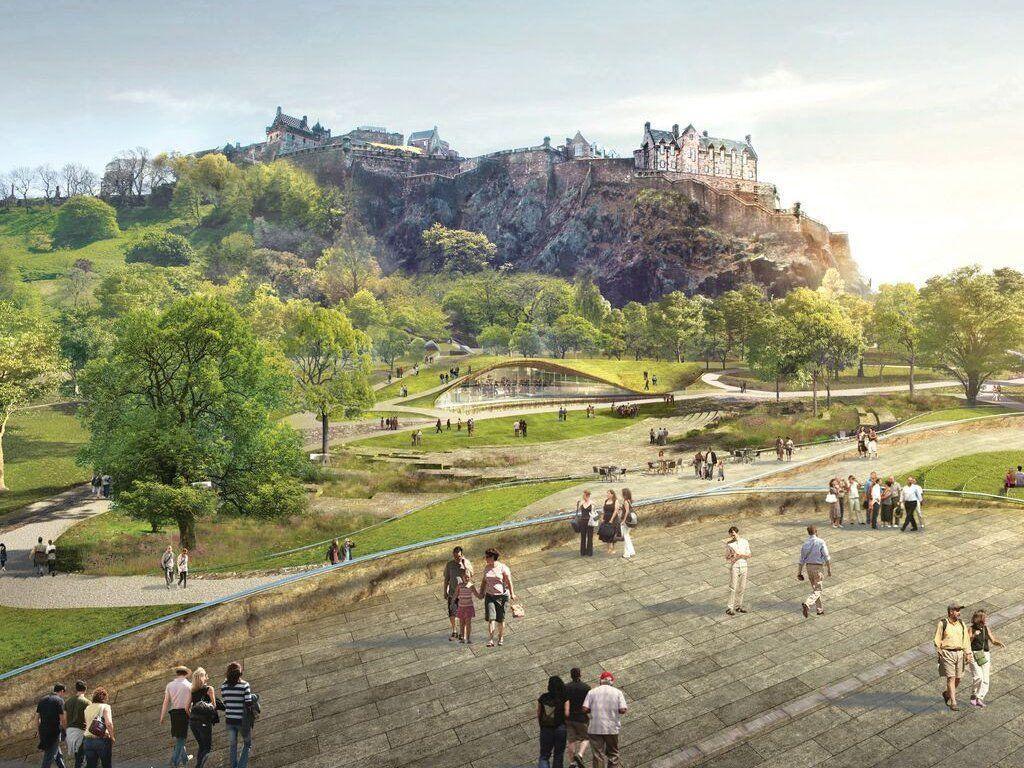
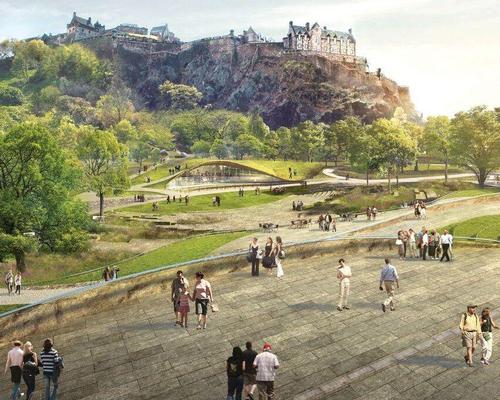
However, it is wHY’s collective of architects, landscape designers, makers and strategists who have won the unanimous approval of the judges with their vision for “an organic landscape-focused scheme that respects the historic setting but also animates the Gardens through the introduction of a new undulating promenade, transformed access from Princes Street, sculptural seating and dynamic open views.”
The jury praised the team’s concept design as “a beautiful and intensely appealing proposal that complemented, but did not compete with, the skyline of the City and the Castle.”
“We are confident that we have a winning concept that embodies an imaginative ensemble landscape approach, creating a wonderful stage for our iconic Edinburgh Castle,” said jury chair Norman Springford. “The design concept offers a creative energy and a series of unique elements which will all combine to create a new and contemporary landscape.”
Competition director Malcolm Reading added: “wHY is a creative force that has the rare skill of being able to produce design that is exciting yet also sensitive and humane – it is a delight to see them win so exuberantly.
“Their proposal is a landscape scheme that is really more like an energy-field: using animation and drama as well as open vistas, they transform the Gardens and create an experience that is much freer and organic. As is their style, they conscientiously sampled local opinion, and have come up with a design proposal that is engaging and refreshing.
“We would like to thank all the finalists for their hard work and enthusiasm – we were in no doubt over their connection to this wonderful project, and they produced diverse and well-reasoned concept designs.”
The team led by wHY also includes Edinburgh design studio GRAS, Groves-Raines Architects, Arup, Studio Yann Kersalé, O Street, Stuco, Creative Concern, Noel Kingsbury, Atelier Ten and Lawrence Barth.
The group will now work with the Trust, the council, other stakeholders and public to take forward the project. Construction is expected to begin in 2018.
Inspired by the Gardens’ geology and history – from the volcanic forces to the man-made energy of the Victorian pleasure garden – the design subtly positions the new visitor centre and the ‘butterfly’ Pavilion into the folds of the landscape, enabling the Castle to remain the main visual event. The scheme increases the amount of green space relative to hard surfaces within the Gardens and is, in the team’s words, ‘human scale with moments of drama… activating four layers of meaning within the Gardens: botanical, civic, commemorative and cultural.
Kulapat Yantrasast, Founder and Creative Director of wHY, said:
“wHY is built around an ecology of disciplines, the convergence of ideas, experience, nature and people. The Ross Pavilion and West Princes Street Gardens represent this convergence and this was the perfect ground to further our approach to design. To be selected from so many extraordinary thinkers is an honour. We felt a personal connection to the Gardens and believe our design embodies how important collaboration and people are to making a place remarkable.”
Mark Thomann, wHY’s Landscape Design Director, added:
“This is a special opportunity for a special place, not just for Edinburgh but the world. The new Ross Pavilion and Gardens draw from the rich natural history, heritage and creative spirit of Scotland, embodying a model approach for integrating public architecture and urban space in a top global city. Our team looks forward to realising this vision with the Ross Development Trust and the people of Edinburgh.”
Adjaye, Ingels, Ramstad and Fujimoto in the running to design Edinburgh theatre and gardens
AI firm Midjourney enters wellness with spa, fitness and body scanning concept
Hot spring wellness community Ameyalli sells residences and breaks ground on resort and spa

OMA completes New Museum transformation with landmark expansion and Oberon restaurant
OMA has completed a major transformation of New York's New Museum, creating a larger cultural campus that combines expanded exhibition spaces with learning, performance, hospitality and public programming. The latest addition, Oberon, extends the visitor experience beyond the gallery, reflecting a growing trend for museums to become all-day destinations.
The New Museum in New York has entered a new chapter with the completion of a major
David Rockwell creates immersive magic destination, The Hand and The Eye
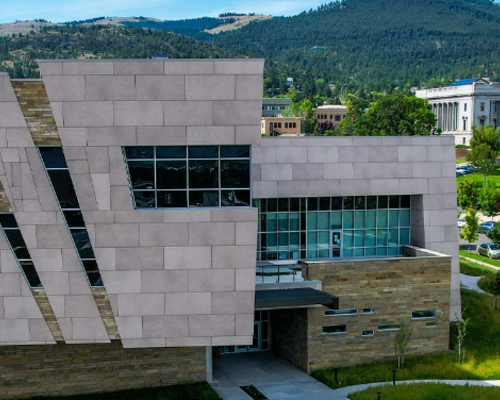
Montana Heritage Center by Cushing Terrell opens after US$107 million investment

Universal launches new theme park model with Kids Resort
'Minor wellness hotels' recorded the strongest growth across top KPIs in 2025, finds RLA Global
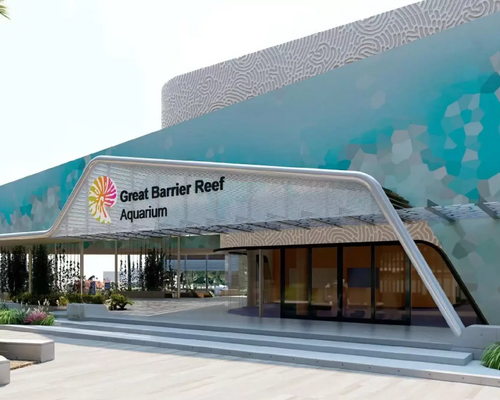
Great Barrier Reef attraction set for AU$180 million reinvention
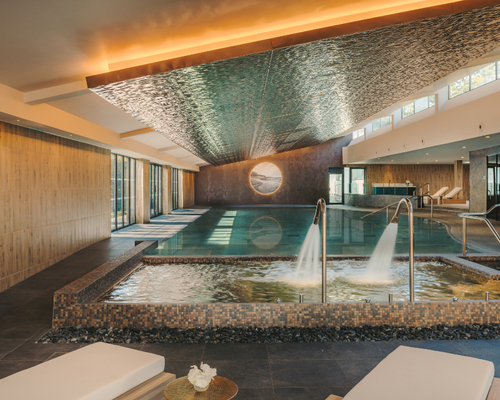
Fairmont Cheshire, The Mere, has architecture by Leach Rhodes Walker and interiors by Bergman Design House.
Marriott International partners with Fitwel for wellness solutions across its residential portfolio
Preidlhof Luxury DolceVita Resort to unveil new spa in February 2027
Places Leisure is working with Roberts Limbrick to build £60m wellness flagship in Basingstoke
Hoshino Resorts opens Kai Kusatsu as it expands the Kai onsen ryokan brand
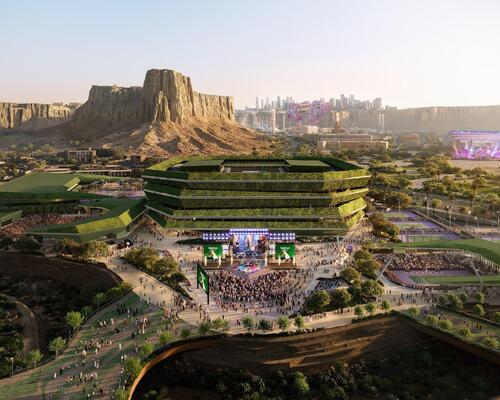
Qiddiya and Populous share details of Saudi Arabia’s National Tennis Centre

Disney confirms US$30 billion investment programme as it highlights its economic impact
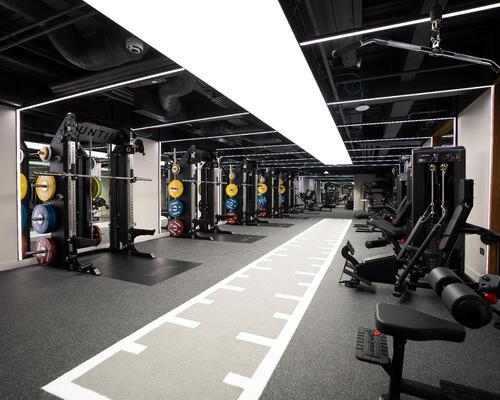
Until combines multiple disciplines at new Canary Wharf club
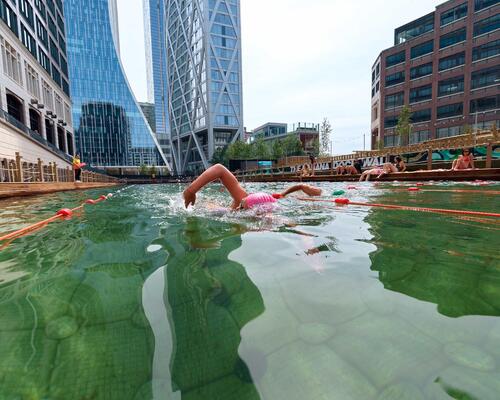
Sea Lanes opens following a partnership between The Eden Project and Canary Wharf Group
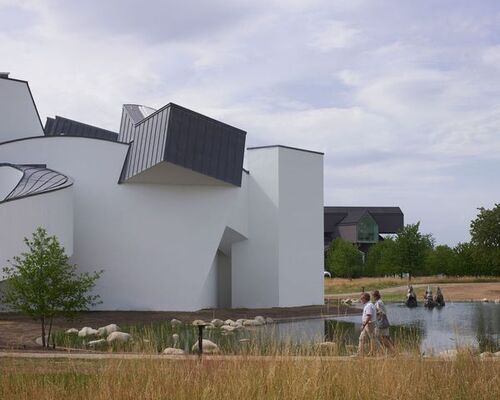
Bas Smets brings water and wilderness to Vitra
Expo 2030 Riyadh will create a permanent global destination
Luxury resort coming to Hunter Valley will have longevity spa
'Data chocolate', dreams made real and artworks shaped by visitors’ emotions: Refik Anadol’s AI art museum launches in Los Angeles
London Museum reveals 2026 opening date for new Smithfield home
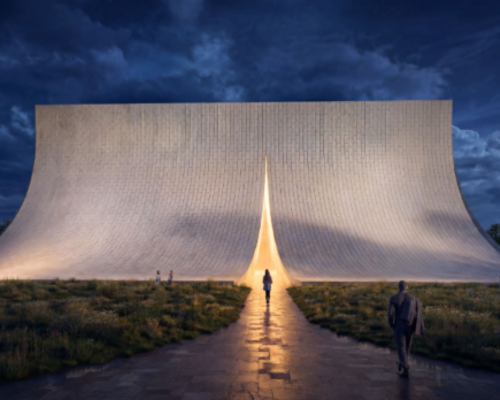
BIG unveils Eve Music Hall as Croatia venue nears completion
Bob Rogers hands BRC to long-serving leadership team
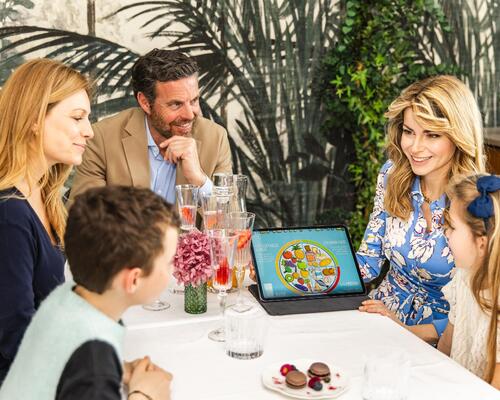
Palazzo di Varignana launches family wellbeing and longevity retreat in Emilia Romagna
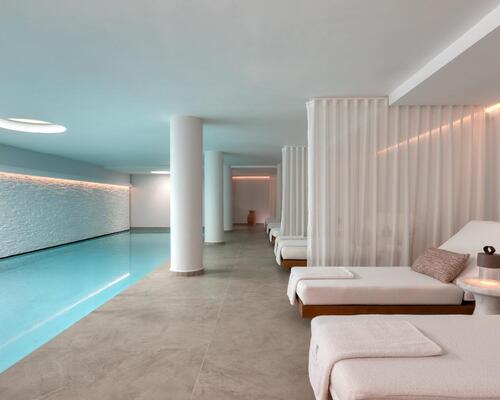
Anasa Wellness and Spa debuts at Patmos Aktis as it joins Marriott
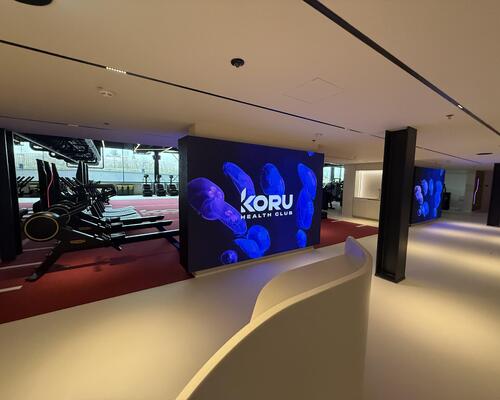
Design-led Koru Health Club combines high-performance training with recovery

Wellness care hospital opens in Vilnius with innovative spa and hospitality concept

Universal and Puy du Fou projects point to rise of Oxford–Cambridge corridor
A proposed Puy du Fou development near Bicester and Universal Destinations and Experiences’ planned resort in Bedford are emerging as part of a wider transformation of the Oxford–Cambridge Growth Corridor into a major centre for UK leisure and tourism investment.
For years, the corridor has been associated primarily with science, technology, housing and university-led economic growth. However, the clustering of large-scale visitor attraction projects along the

All-inclusive eco-wellness development Auko to open near Vietnam’s Son Doong caves









Designed to restore neglected land and renew the identity of Iraq’s capital city, Baghdad Sustainable Forests promises a new way of living surrounded by nature. Gensler’s Ian Mulcahay tells us why he thinks the project could become a model for the repair and enhancement of urban centres