Casson Mann revamp London's Natural History Museum, as giant blue whale replaces icon Dippy


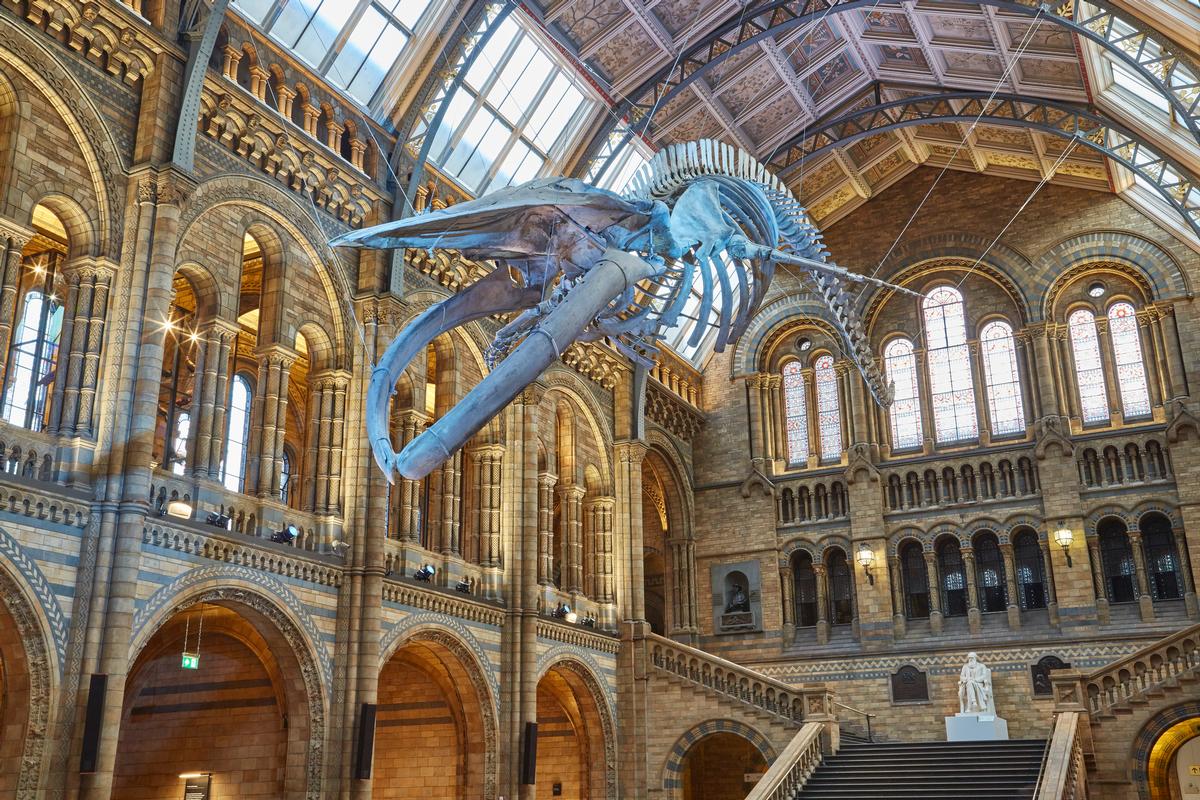
London’s Natural History Museum has completed a major revamp of its main hall, with its blue whale skeleton replacing the national institution’s much-loved Diplodocus replica – a sight which has welcomed visitors to the museum for more than 37 years.
The museum made the move as it aims to refresh its image, wanting to be known for living science rather than its fossil collection, with a focus on “authenticity” and learning new things relevant to the modern world.
Environmental and exhibition design practice Casson Mann were selected to reinvigorate the iconic Hintze Hall, working with historic building consultants Purcell, and refurbishment and restoration specialists Jerram Falkus Construction to carry out the hall’s first major refurbishment since the 1970s.
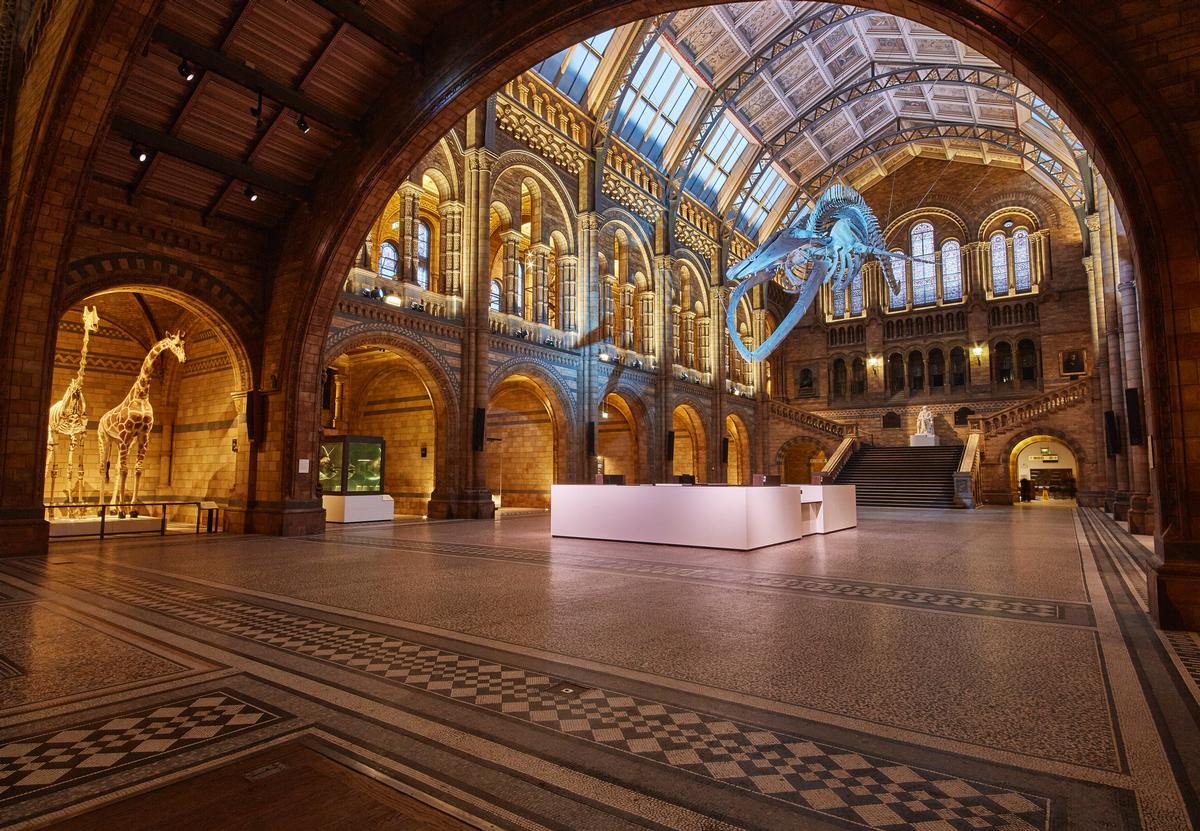
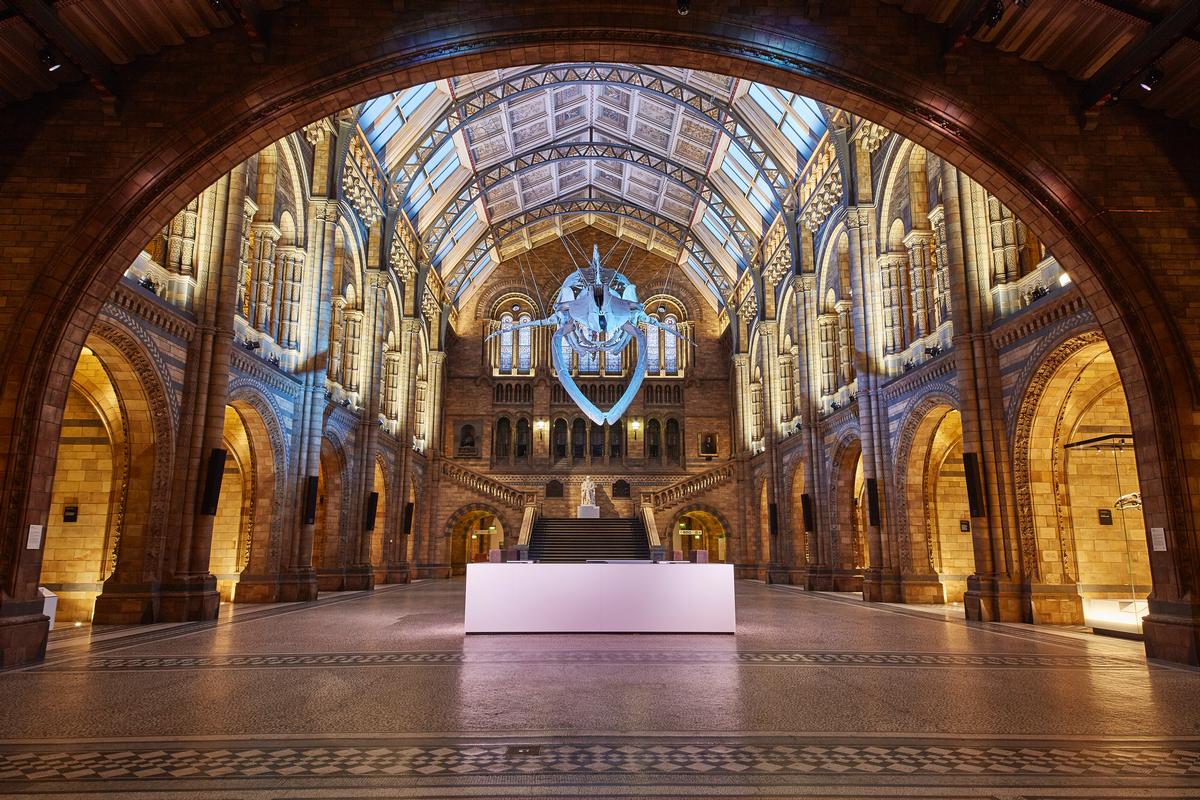
The suspended blue whale skeleton – named Hope – is the focal point of the revamp, with its placement meant to create a dynamic tension between the museum’s architectural and scientific narratives, with contemporary displays surrounded by the building’s Romanesque architecture.
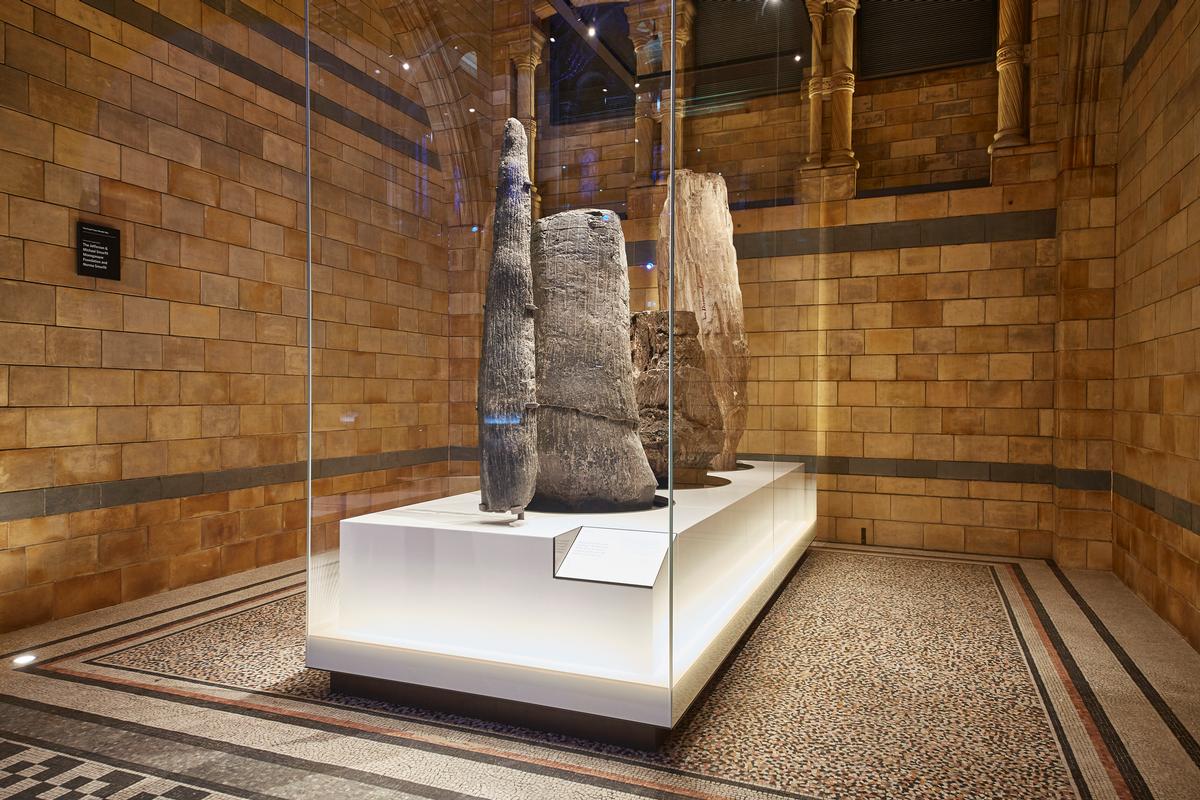
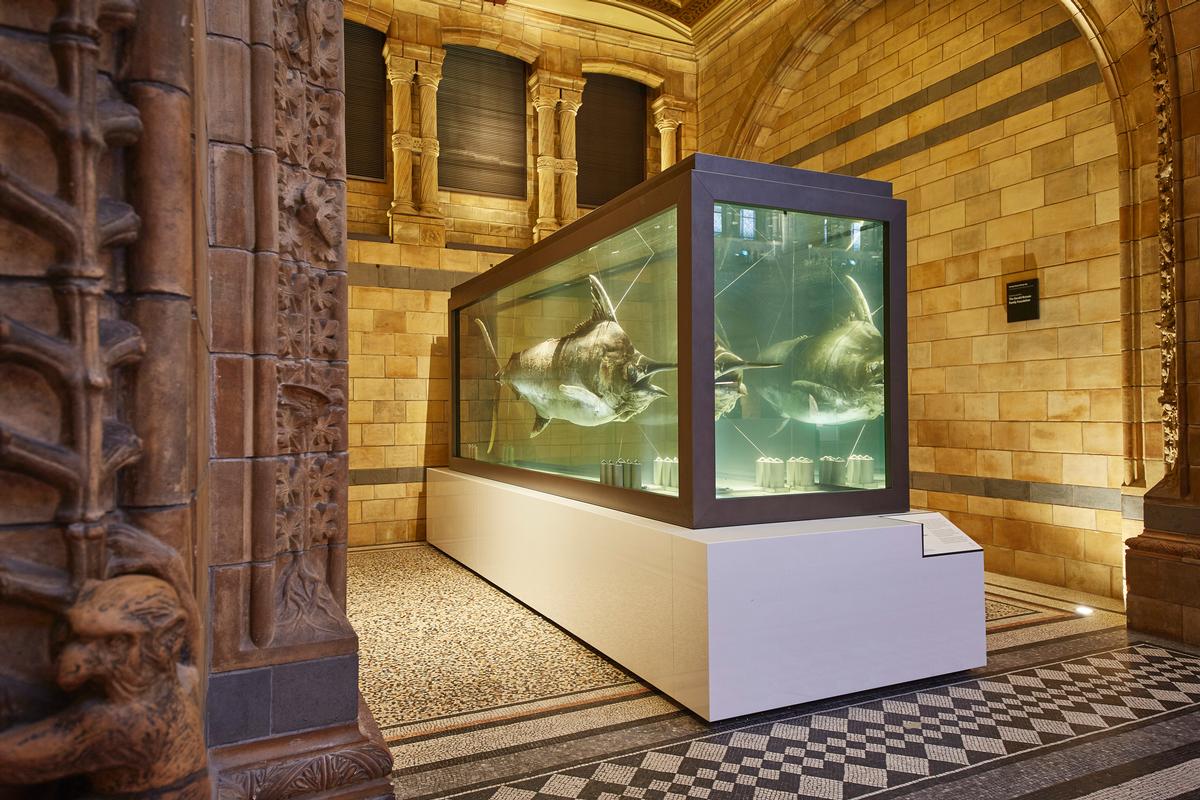
In addition to the whale’s installation, new plinths and modern display cases have been installed to showcase objects from the museum’s collection and to reflect areas of scientific endeavour, including origins, evolution and biodiversity. Casson Mann says the new displays and infrastructure will see the Grade 1 listed hall through at least the next 25 years.
“The transformation of Hintze Hall represents a new era for us as a natural history museum for the future,” said Sir Michael Dixon, director of the Natural History Museum
“Putting our blue whale at the centre of the museum, between living species on the West and extinct species on the East, is a powerful reminder of the fragility of life and the responsibility we have towards our planet.”
The whale skeleton replaces ‘Dippy’ – the museum’s iconic diplodocus – which has been in the museum’s collection for more than 112 years. The 21.3 metre-long dinosaur, with 292 replica bones made of plaster, will soon embark on a UK tour starting in February next year. The museum, which is also renovating its exterior grounds, has announced plans to cast Dippy in bronze upon its return to the museum and install it as an outdoor installation in its gardens.
The opening of Hintze Hall marks the end of a redevelopment programme that began with Casson Mann’s 2012 Treasures Gallery. According to the studio, "this final phase continues the design language and limited palette of materials, carefully combined to tie all spaces together into one coherent visual and intellectual whole."
“It’s a huge privilege to have been tasked with the Hintze Hall redevelopment,” said Roger Mann, co-founder and Director of Casson Mann. “I’m a Londoner and this has been my favourite museum to visit since I can remember, and as an environmental designer I’m passionate about its beautiful architecture and very excited about this fantastic opportunity to create suitably stunning contemporary displays within its extraordinary interior”.
Visitor attractions museums Casson Mann heritage Dippy blue whale Purcell architecture Hintze Hall Natural History Museum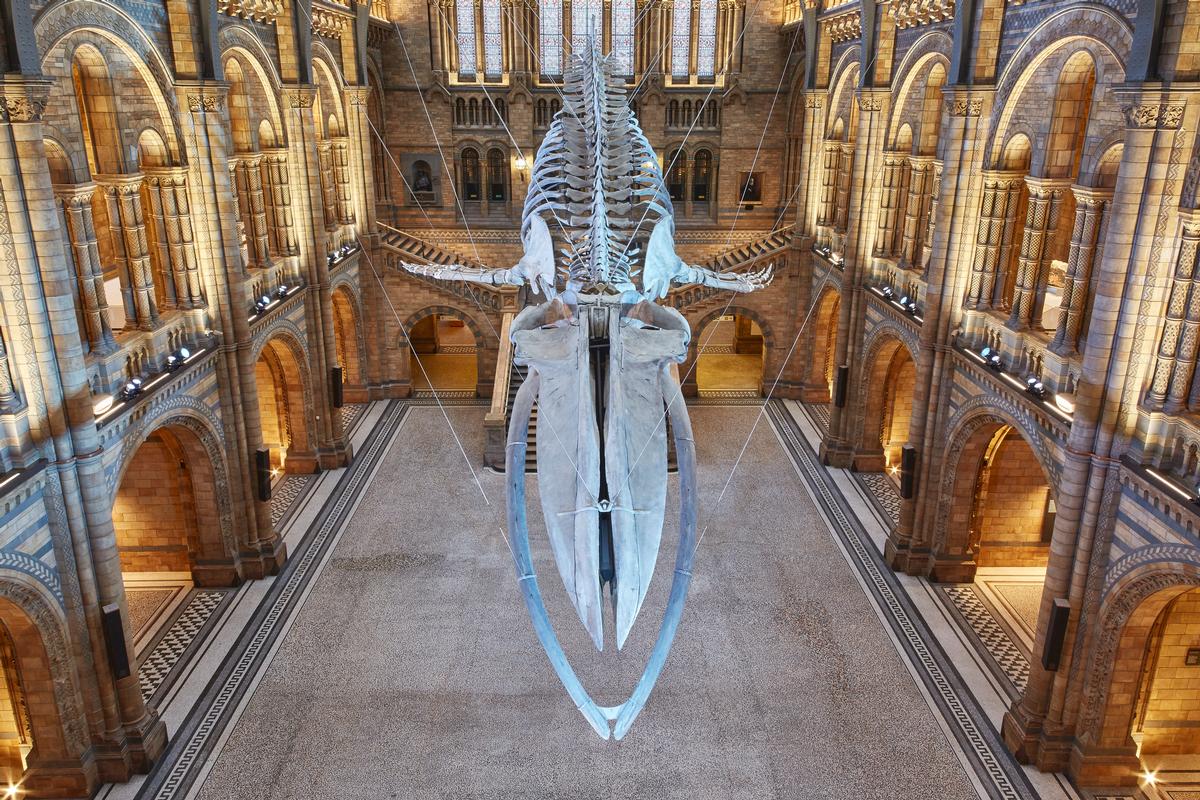
Natural History Museum's 'Dippy' set for UK tour in 2018
Science and Natural History museums enter preliminary discussions for west London sites
Natural History Museum's multi-million facelift by Niall McLaughlin Architects follows 'three great narratives'
Blue whale ousts dino in battle for centre stage at Natural History Museum
AI firm Midjourney enters wellness with spa, fitness and body scanning concept
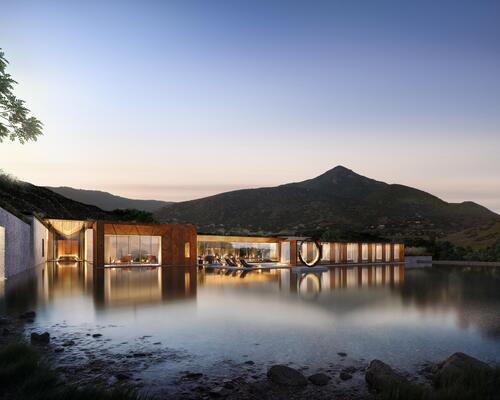
Hot spring wellness community Ameyalli sells residences and breaks ground on resort and spa

OMA completes New Museum transformation with landmark expansion and Oberon restaurant
OMA has completed a major transformation of New York's New Museum, creating a larger cultural campus that combines expanded exhibition spaces with learning, performance, hospitality and public programming. The latest addition, Oberon, extends the visitor experience beyond the gallery, reflecting a growing trend for museums to become all-day destinations.
The New Museum in New York has entered a new chapter with the completion of a major
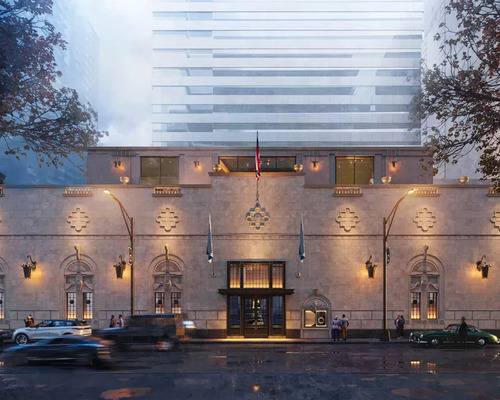
David Rockwell creates immersive magic destination, The Hand and The Eye
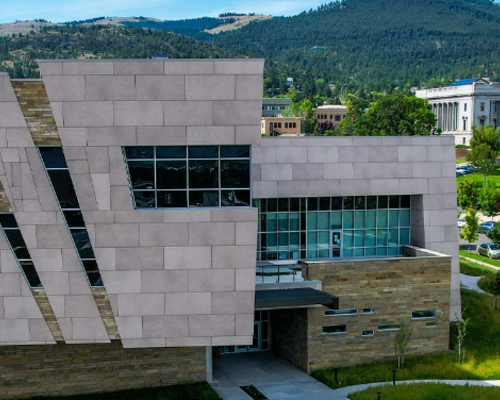
Montana Heritage Center by Cushing Terrell opens after US$107 million investment
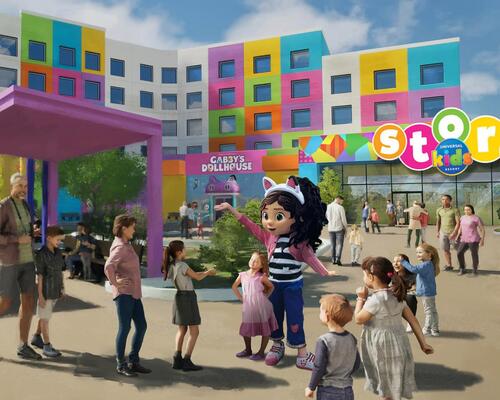
Universal launches new theme park model with Kids Resort
'Minor wellness hotels' recorded the strongest growth across top KPIs in 2025, finds RLA Global
Great Barrier Reef attraction set for AU$180 million reinvention
Fairmont Cheshire, The Mere, has architecture by Leach Rhodes Walker and interiors by Bergman Design House.
Marriott International partners with Fitwel for wellness solutions across its residential portfolio
Preidlhof Luxury DolceVita Resort to unveil new spa in February 2027
Places Leisure is working with Roberts Limbrick to build £60m wellness flagship in Basingstoke
Hoshino Resorts opens Kai Kusatsu as it expands the Kai onsen ryokan brand
Qiddiya and Populous share details of Saudi Arabia’s National Tennis Centre
Disney confirms US$30 billion investment programme as it highlights its economic impact
Until combines multiple disciplines at new Canary Wharf club
Sea Lanes opens following a partnership between The Eden Project and Canary Wharf Group
Bas Smets brings water and wilderness to Vitra
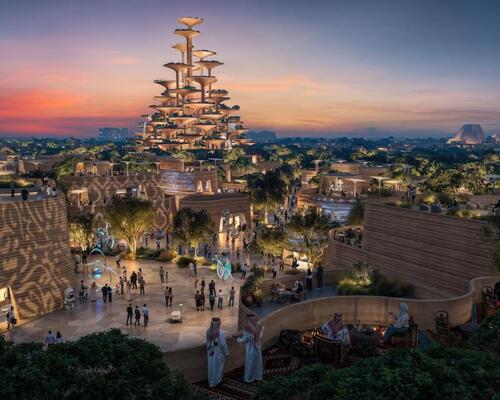
Expo 2030 Riyadh will create a permanent global destination
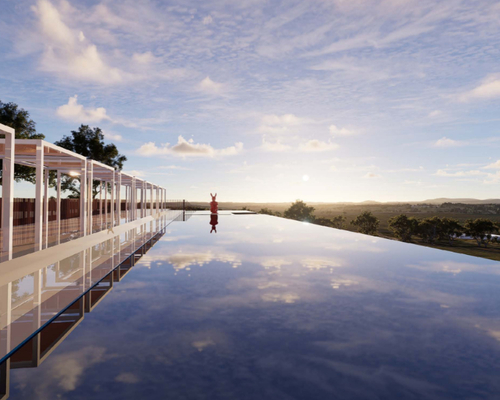
Luxury resort coming to Hunter Valley will have longevity spa
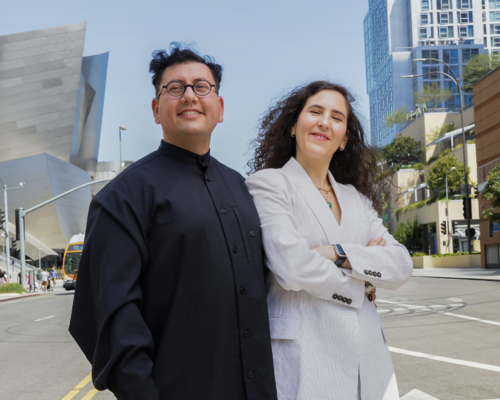
'Data chocolate', dreams made real and artworks shaped by visitors’ emotions: Refik Anadol’s AI art museum launches in Los Angeles
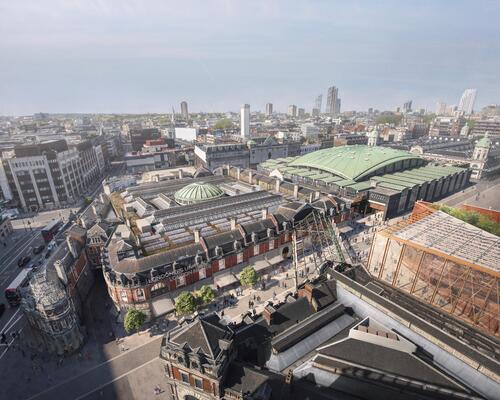
London Museum reveals 2026 opening date for new Smithfield home
BIG unveils Eve Music Hall as Croatia venue nears completion
Bob Rogers hands BRC to long-serving leadership team
Palazzo di Varignana launches family wellbeing and longevity retreat in Emilia Romagna
Anasa Wellness and Spa debuts at Patmos Aktis as it joins Marriott
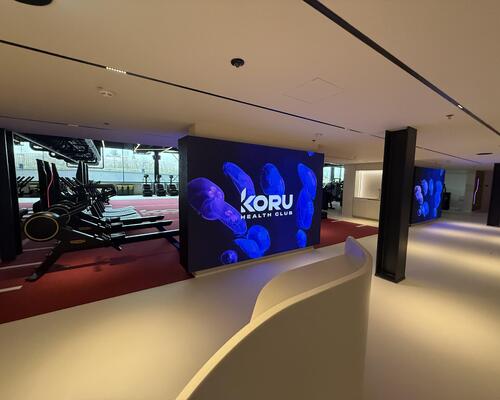
Design-led Koru Health Club combines high-performance training with recovery

Wellness care hospital opens in Vilnius with innovative spa and hospitality concept

Universal and Puy du Fou projects point to rise of Oxford–Cambridge corridor
A proposed Puy du Fou development near Bicester and Universal Destinations and Experiences’ planned resort in Bedford are emerging as part of a wider transformation of the Oxford–Cambridge Growth Corridor into a major centre for UK leisure and tourism investment.
For years, the corridor has been associated primarily with science, technology, housing and university-led economic growth. However, the clustering of large-scale visitor attraction projects along the
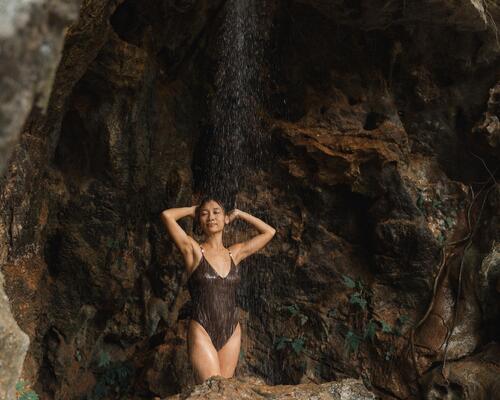
All-inclusive eco-wellness development Auko to open near Vietnam’s Son Doong caves









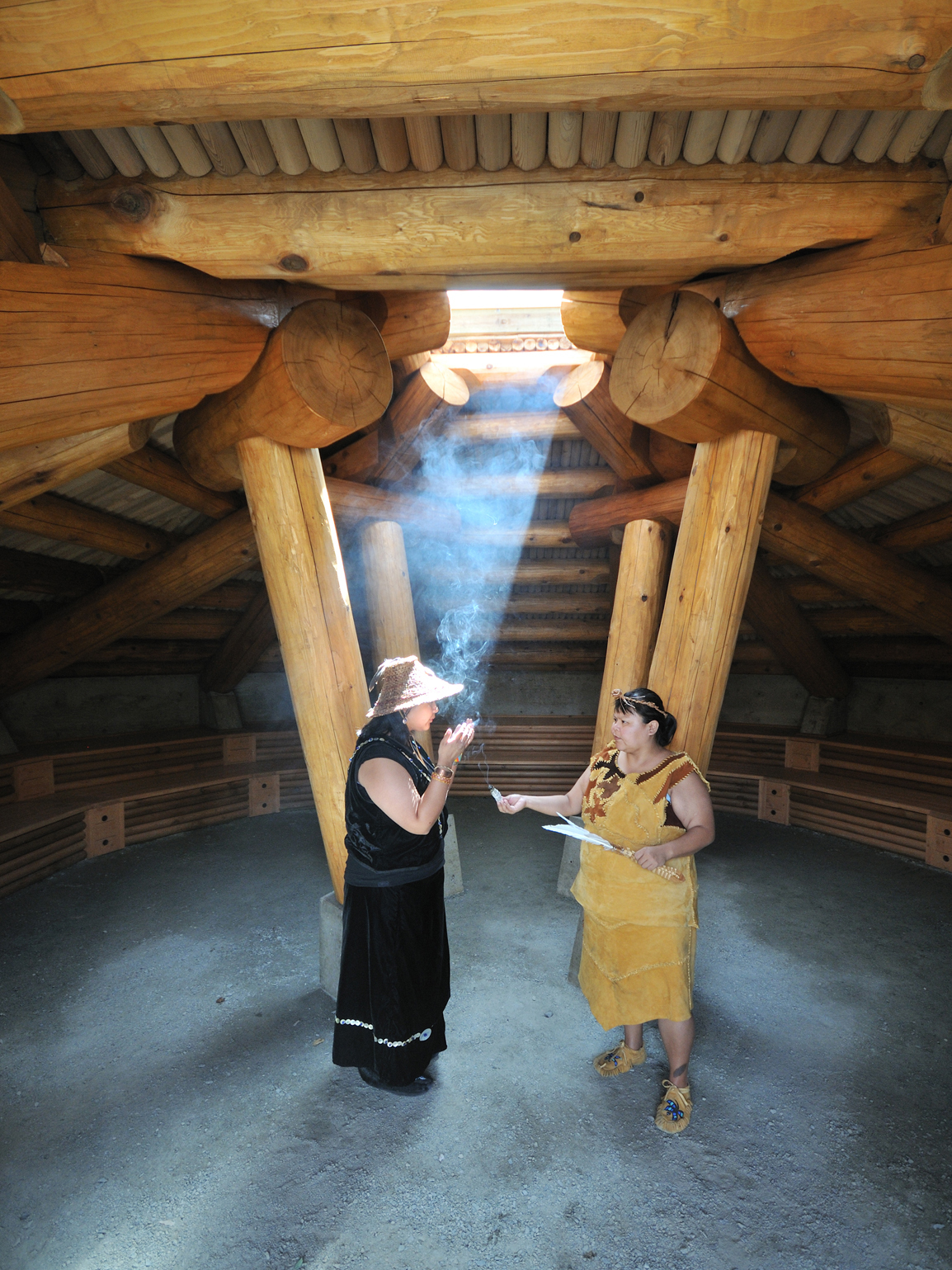








Designed to restore neglected land and renew the identity of Iraq’s capital city, Baghdad Sustainable Forests promises a new way of living surrounded by nature. Gensler’s Ian Mulcahay tells us why he thinks the project could become a model for the repair and enhancement of urban centres