Sofitel commissions scientific study to improve travellers’ sleep and develop new restful rituals


Global hotel brand Sofitel has partnered with researchers at Paris City University to gain deeper insights into how people sleep when staying away from home.
Sleep, a crucial pillar of health and wellbeing, has become a top priority for wellness-focused consumers, with the Global Wellness Institute reporting that the sleep market contributes US$77.3 billion to the US$5.6 trillion global wellness economy.
Compared to previous years, consumers now have access to a diverse range of products aimed at enhancing sleep quality, including wearables, smart mattresses, and supplements. As a result, many spas, wellness destinations and hotels are embracing this trend by rolling out programmes and retreats designed to improve guests' sleep.
Sofitel's new study, published in the Journal of Sleep Disorders and Therapy*, specifically looked at what conditions help travellers to minimise the ‘first-night effect’.
The first-night effect occurs when people go to bed in an unfamiliar place for the first time and their brains display heightened activity even after they close their eyes. Sofitel identified this as a widespread issue, given that 45 per cent of its guests only stayed for one night last year.
Special sleep room
The sleep quality of 49 participants – based on duration, depth, regularity, interruptions, time to fall asleep and the wake-up phase – was first measured at home using a sensor under the mattress. Respiratory and cardiac rhythms were also recorded.
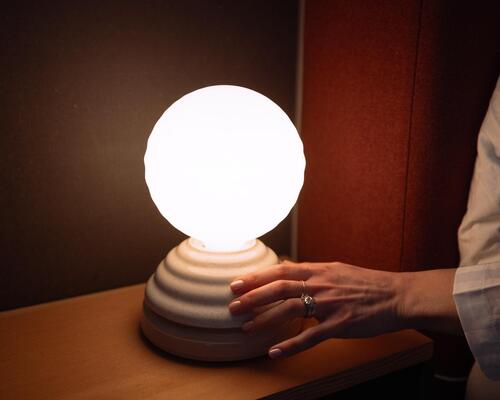
The same metrics were then observed for one night in a specially fitted-out room at Sofitel Paris Arc de Triomphe. The experience included a box spring mattress, topper, comforter and extensive selection of pillows – features that Sofitel has been offering in its MyBed experience since 2003.
On top of this, it took into account a host of other variables, including: • A food menu with meals that avoid excess fat, salt, sugar and spice.
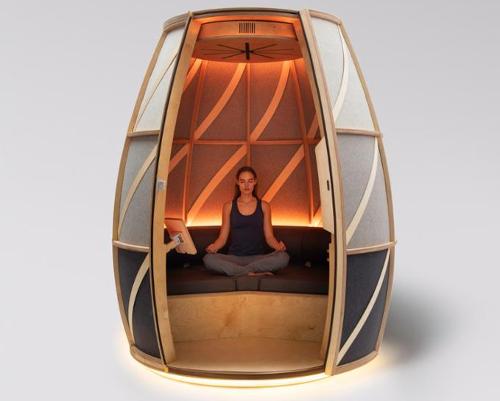
• A pre-sleep meditation session and herbal tea.• Essential oil pillow spray.
• Lip balm.• Warm socks.
• A silk sleep mask to provide total darkness.• Calming white and pink noise generators during the process of falling asleep.
• An optimal room temperature of 18˚C.• Silicone earplugs.
Extra shut-eye
On average, the participant’s sleep quality in the hotel room was 13.7 per cent higher than at home. They had 65 minutes extra shut-eye and 64 per cent fell asleep within 30 minutes.
Drawing on the study findings, Sofitel started phasing in new sleep rituals in its 120-plus hotels globally in July.
The offerings include light meals formulated to help guests fall asleep quicker, bespoke treatment protocols to improve sleep quality, relaxing playlists curated specially for the brand’s hotels and precise lighting and temperature adjustments.
*Alkobtawi, M et al. Enhancing First-Night Sleep Quality in Hotels: A Preliminary Study Utilizing Withings to Measure Sleep Patterns at Home and in Hotel Settings. Journal of Sleep Disorders & Therapy. Issue 1, 2024.
Sofitel sleep
AI firm Midjourney enters wellness with spa, fitness and body scanning concept
Hot spring wellness community Ameyalli sells residences and breaks ground on resort and spa

OMA completes New Museum transformation with landmark expansion and Oberon restaurant
OMA has completed a major transformation of New York's New Museum, creating a larger cultural campus that combines expanded exhibition spaces with learning, performance, hospitality and public programming. The latest addition, Oberon, extends the visitor experience beyond the gallery, reflecting a growing trend for museums to become all-day destinations.
The New Museum in New York has entered a new chapter with the completion of a major
David Rockwell creates immersive magic destination, The Hand and The Eye
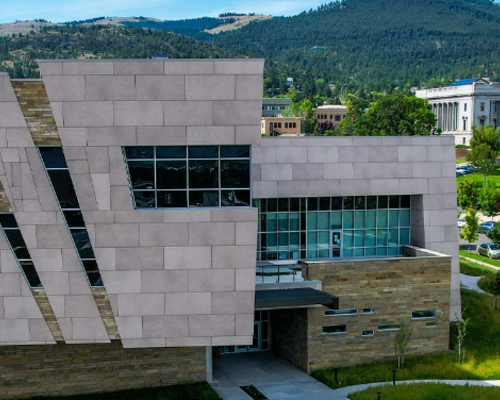
Montana Heritage Center by Cushing Terrell opens after US$107 million investment

Universal launches new theme park model with Kids Resort
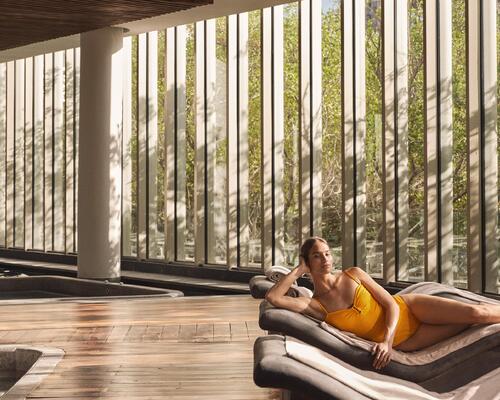
'Minor wellness hotels' recorded the strongest growth across top KPIs in 2025, finds RLA Global
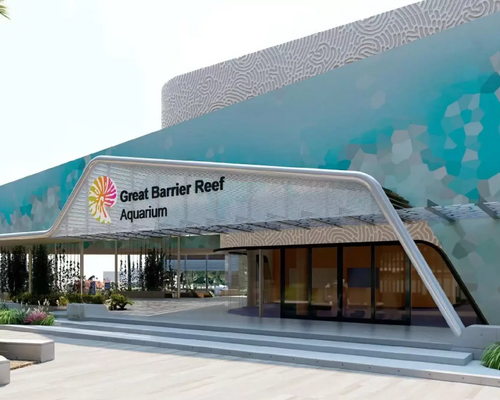
Great Barrier Reef attraction set for AU$180 million reinvention
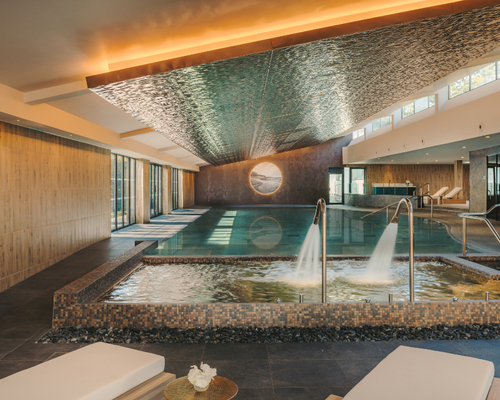
Fairmont Cheshire, The Mere, has architecture by Leach Rhodes Walker and interiors by Bergman Design House.
Marriott International partners with Fitwel for wellness solutions across its residential portfolio
Preidlhof Luxury DolceVita Resort to unveil new spa in February 2027
Places Leisure is working with Roberts Limbrick to build £60m wellness flagship in Basingstoke
Hoshino Resorts opens Kai Kusatsu as it expands the Kai onsen ryokan brand
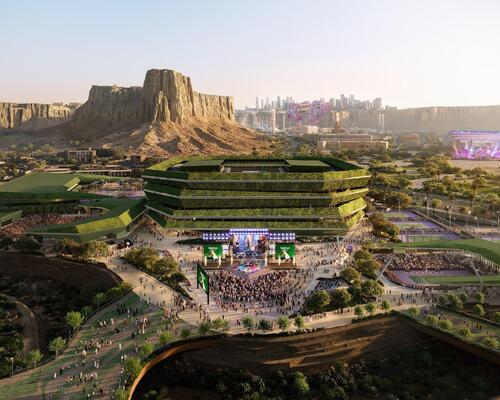
Qiddiya and Populous share details of Saudi Arabia’s National Tennis Centre
Disney confirms US$30 billion investment programme as it highlights its economic impact
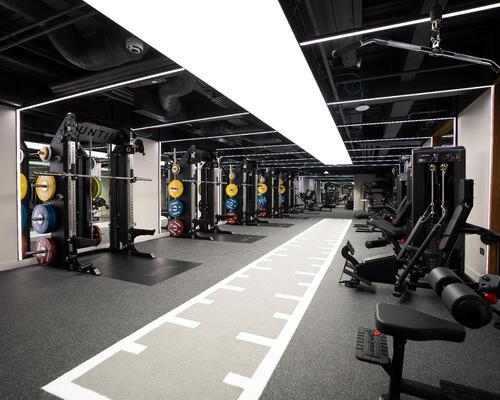
Until combines multiple disciplines at new Canary Wharf club
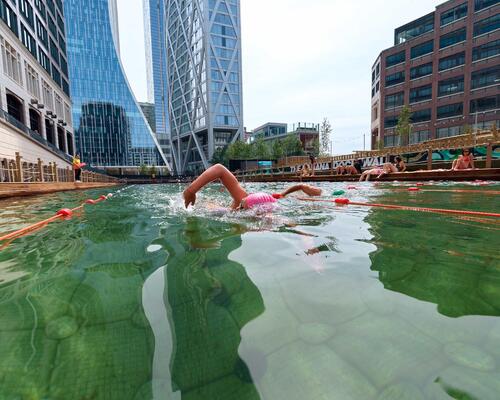
Sea Lanes opens following a partnership between The Eden Project and Canary Wharf Group
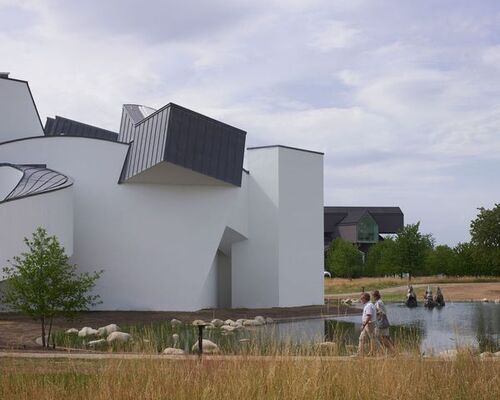
Bas Smets brings water and wilderness to Vitra

Expo 2030 Riyadh will create a permanent global destination
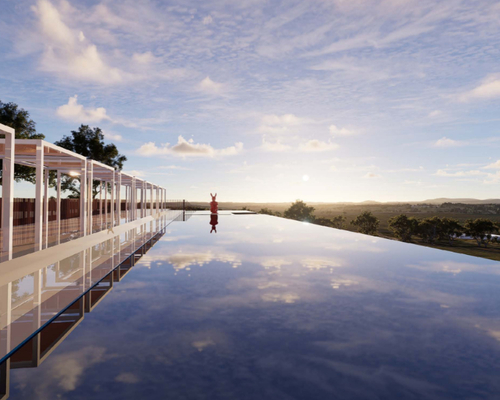
Luxury resort coming to Hunter Valley will have longevity spa
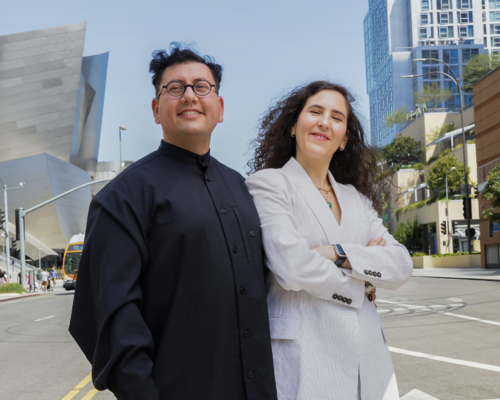
'Data chocolate', dreams made real and artworks shaped by visitors’ emotions: Refik Anadol’s AI art museum launches in Los Angeles
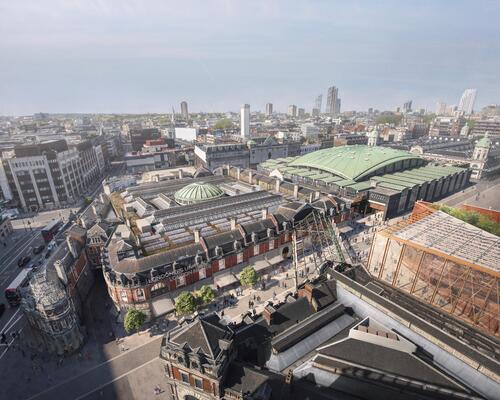
London Museum reveals 2026 opening date for new Smithfield home
BIG unveils Eve Music Hall as Croatia venue nears completion
Bob Rogers hands BRC to long-serving leadership team
Palazzo di Varignana launches family wellbeing and longevity retreat in Emilia Romagna
Anasa Wellness and Spa debuts at Patmos Aktis as it joins Marriott
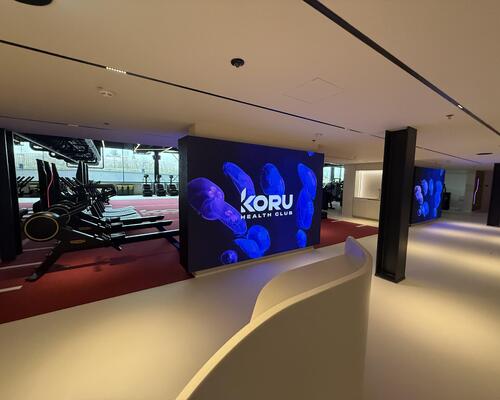
Design-led Koru Health Club combines high-performance training with recovery

Wellness care hospital opens in Vilnius with innovative spa and hospitality concept

Universal and Puy du Fou projects point to rise of Oxford–Cambridge corridor
A proposed Puy du Fou development near Bicester and Universal Destinations and Experiences’ planned resort in Bedford are emerging as part of a wider transformation of the Oxford–Cambridge Growth Corridor into a major centre for UK leisure and tourism investment.
For years, the corridor has been associated primarily with science, technology, housing and university-led economic growth. However, the clustering of large-scale visitor attraction projects along the

All-inclusive eco-wellness development Auko to open near Vietnam’s Son Doong caves















Designed to restore neglected land and renew the identity of Iraq’s capital city, Baghdad Sustainable Forests promises a new way of living surrounded by nature. Gensler’s Ian Mulcahay tells us why he thinks the project could become a model for the repair and enhancement of urban centres