Sofitel commissions scientific study to improve travellers’ sleep and develop new restful rituals


Global hotel brand Sofitel has partnered with researchers at Paris City University to gain deeper insights into how people sleep when staying away from home.
Sleep, a crucial pillar of health and wellbeing, has become a top priority for wellness-focused consumers, with the Global Wellness Institute reporting that the sleep market contributes US$77.3 billion to the US$5.6 trillion global wellness economy.
Compared to previous years, consumers now have access to a diverse range of products aimed at enhancing sleep quality, including wearables, smart mattresses, and supplements. As a result, many spas, wellness destinations and hotels are embracing this trend by rolling out programmes and retreats designed to improve guests' sleep.
Sofitel's new study, published in the Journal of Sleep Disorders and Therapy*, specifically looked at what conditions help travellers to minimise the ‘first-night effect’.
The first-night effect occurs when people go to bed in an unfamiliar place for the first time and their brains display heightened activity even after they close their eyes. Sofitel identified this as a widespread issue, given that 45 per cent of its guests only stayed for one night last year.
Special sleep room
The sleep quality of 49 participants – based on duration, depth, regularity, interruptions, time to fall asleep and the wake-up phase – was first measured at home using a sensor under the mattress. Respiratory and cardiac rhythms were also recorded.
The same metrics were then observed for one night in a specially fitted-out room at Sofitel Paris Arc de Triomphe. The experience included a box spring mattress, topper, comforter and extensive selection of pillows – features that Sofitel has been offering in its MyBed experience since 2003.
On top of this, it took into account a host of other variables, including: • A food menu with meals that avoid excess fat, salt, sugar and spice.
• A pre-sleep meditation session and herbal tea.• Essential oil pillow spray.
• Lip balm.• Warm socks.
• A silk sleep mask to provide total darkness.• Calming white and pink noise generators during the process of falling asleep.
• An optimal room temperature of 18˚C.• Silicone earplugs.
Extra shut-eye
On average, the participant’s sleep quality in the hotel room was 13.7 per cent higher than at home. They had 65 minutes extra shut-eye and 64 per cent fell asleep within 30 minutes.
Drawing on the study findings, Sofitel started phasing in new sleep rituals in its 120-plus hotels globally in July.
The offerings include light meals formulated to help guests fall asleep quicker, bespoke treatment protocols to improve sleep quality, relaxing playlists curated specially for the brand’s hotels and precise lighting and temperature adjustments.
*Alkobtawi, M et al. Enhancing First-Night Sleep Quality in Hotels: A Preliminary Study Utilizing Withings to Measure Sleep Patterns at Home and in Hotel Settings. Journal of Sleep Disorders & Therapy. Issue 1, 2024.
Sofitel sleep
BIG unveils Eve Music Hall as Croatia venue nears completion
Bob Rogers hands BRC to long-serving leadership team

Wellness care hospital opens in Vilnius with innovative spa and hospitality concept

Universal and Puy du Fou projects point to rise of Oxford–Cambridge corridor
A proposed Puy du Fou development near Bicester and Universal Destinations and Experiences’ planned resort in Bedford are emerging as part of a wider transformation of the Oxford–Cambridge Growth Corridor into a major centre for UK leisure and tourism investment.
For years, the corridor has been associated primarily with science, technology, housing and university-led economic growth. However, the clustering of large-scale visitor attraction projects along the
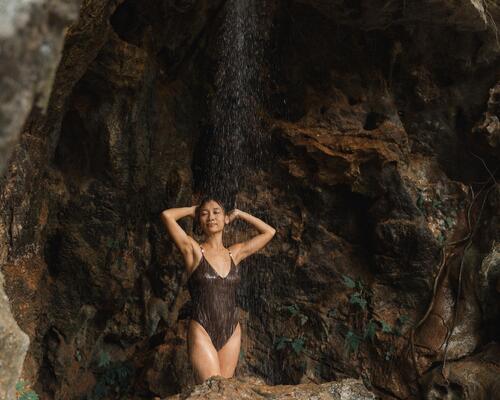
All-inclusive eco-wellness development Auko to open near Vietnam’s Son Doong caves
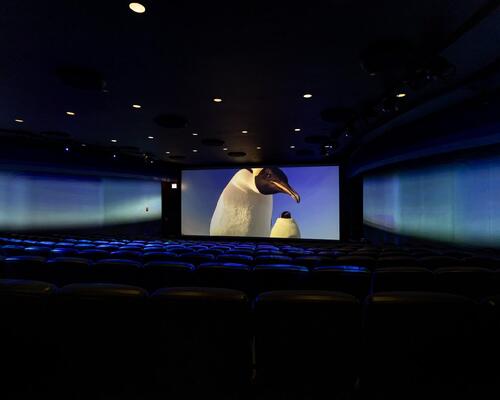
Shedd Aquarium upgrades its visitor experience with new Immersion Theater
Shedd Aquarium has opened the Immersion Theater developed in partnership with SimEx-Iwerks, as part of a wider strategy to enhance the guest experience and create additional revenue opportunities.
The attraction has transformed the aquarium’s Phelps Auditorium into a multi-sensory venue combining panoramic projection, environmental effects and interactive technology.
A new pre-show area allows visitors to engage with augmented reality marine animals before entering the
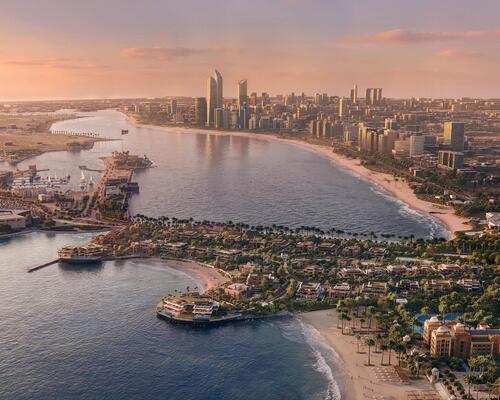
Mandarin Oriental announces standalone Mansions-branded residences for Abu Dhabi
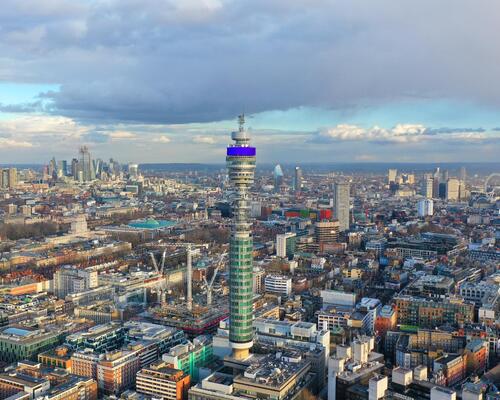
MCR is planning a luxury hotel for London's BT Tower
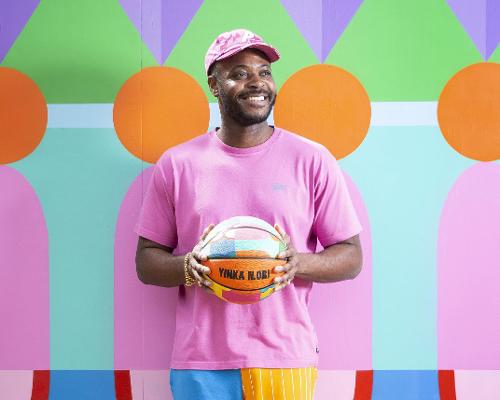
Joy as a radical act: Yinka Ilori launches solo exhibition celebrating the rebellious power of spreading happiness

Work gets underway on Madrid's €800 million leisure complex
Work is underway in Madrid on one of Europe’s most significant multi-functional complexes, combining sport, entertainment, culture and education.
The €800 million initiative to regenerate the former Olympic Aquatic Centre in the north-east of the city, next to the Riyadh Air Metropolitano stadium, is being led by Barsento – a joint venture between Live Nation Entertainment, Oak View Group and Atlético de Madrid. The project will
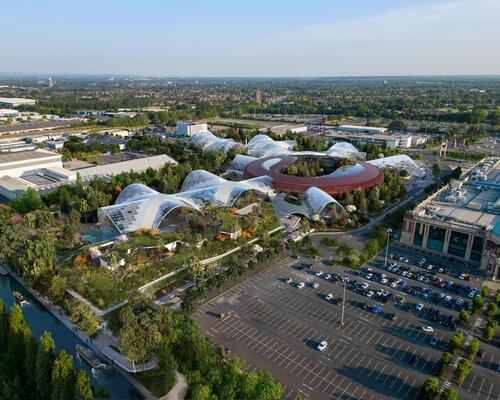
Therme Manchester reveals 90:90 strategy – 90 per cent of the UK population within a 90-minute drive of a Therme

Four Seasons’ Naples Beach Club opens 2,800sq m Sanctuary spa inspired by indigenous Calusa people
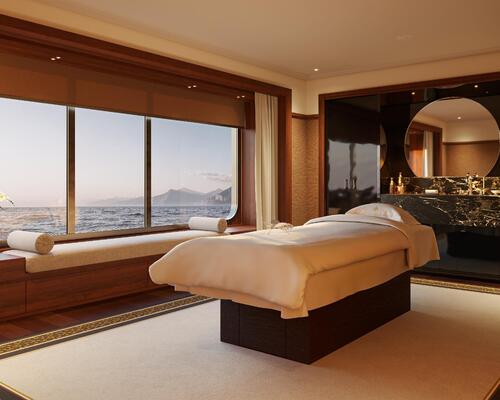
Orient Express Corinthian to host Ocean Rebirth wellness retreat in collaboration with Guerlain
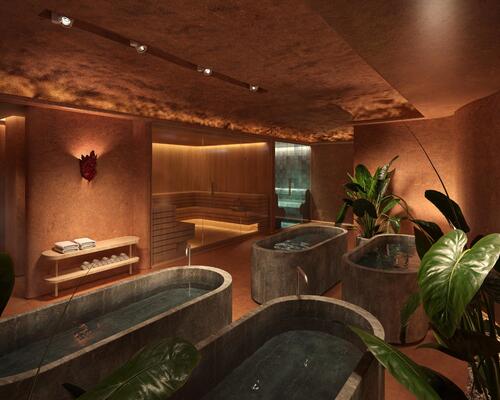
Famed London nightclub, Tramp, launches Tramp Health
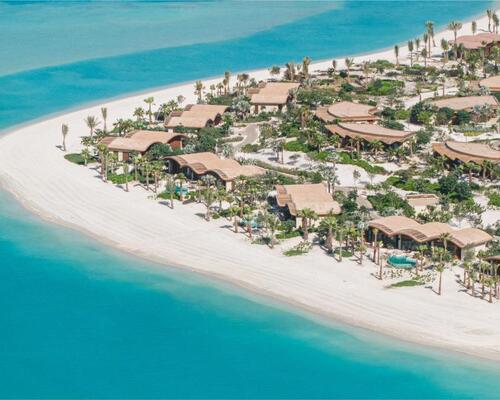
First look: Miraval opens on the Red Sea in Saudi Arabia

Hainan Science Museum by Ma Yansong, opens in China
A new science museum has opened to the public in Haikou after attracting more than 350,000 visitors during a four-month soft opening period.
Designed by Ma Yansong and his practice MAD Architects, the Hainan Science Museum is located on the edge of Wuyuan River National Wetland Park and has already recorded peak attendance of more than 5,800 visitors in a single day.
Commissioned by
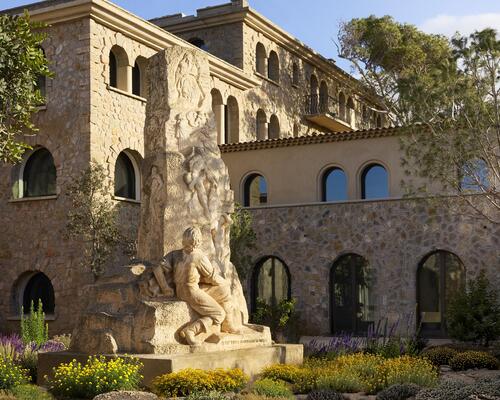
Zannier Île De Bendor launches with design by Hardel Le Bihan Architectes
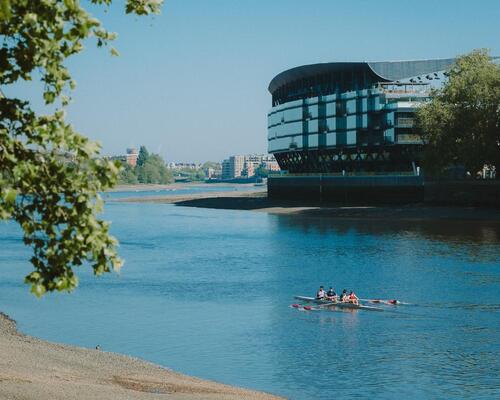
Sæl Spa readies for launch in London: “a modern British sanctuary”
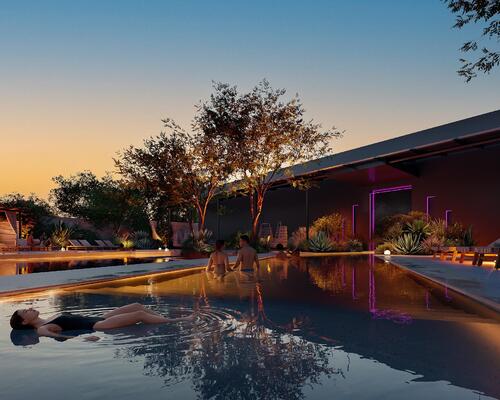
Immersive art bathhouse Submersive announces debut location in Austin

Construction begins on regenerative wellness destination The Shenandoah Nature Resort

Royal Caribbean reveals record-breaking cruise ship
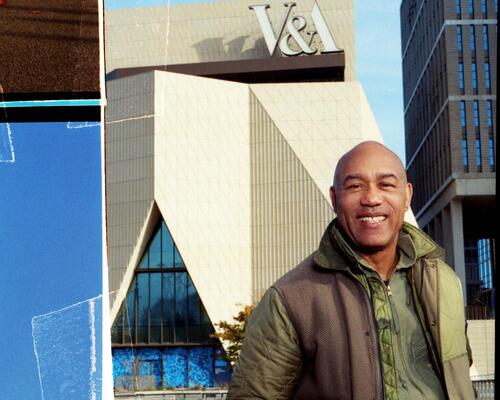
V&A East opens in London

David Geffen galleries open at LACMA

New venue The Lands by Capella includes a longevity centre to complement sister hotel Capella Sydney
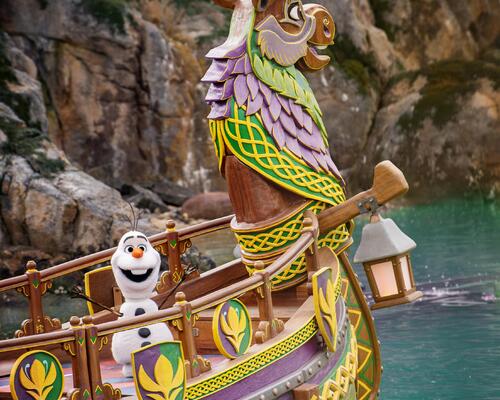
World of Frozen launches at Disneyland Paris
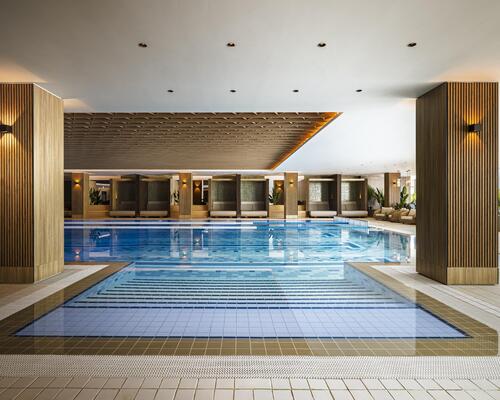
Pical Resort by Valamar reveals first Croatian spa under the ESPA brand

Mandarin Oriental creates end-to-end Egyptian journey with two new hotels and first-ever luxury river cruise

Designers Mendil + Meyer launch new division called Lām Concepts for strategic wellness projects
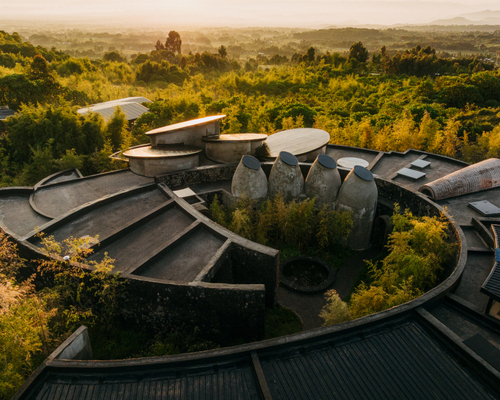
Wilderness Bisate in Rwanda reveals brand’s second Sanctuary spa
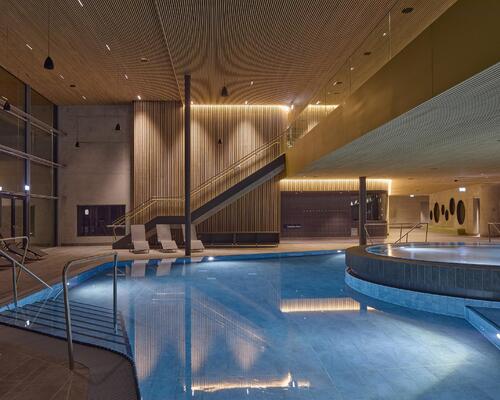
4a Architekten shares details of wellness extension at Salinarium Bad Dürkheim Thermal Spa