Snøhetta create 'Europe's first underwater restaurant'


Snøhetta have revealed designs for the international architects' latest leisure project – the first underwater restaurant to open in Europe.
Located at the southernmost point of the Norwegian coastline, the restaurant, called Under, will double as an aquarium and marine research centre.
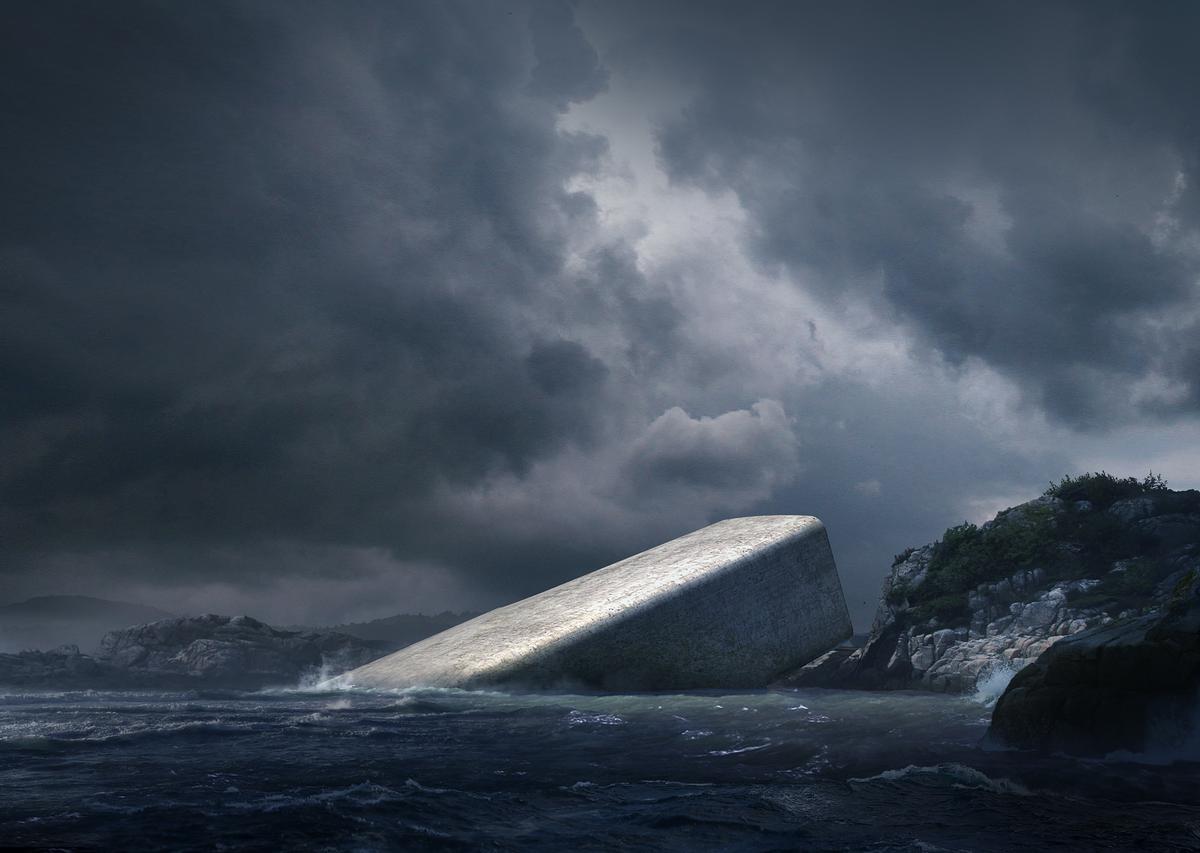
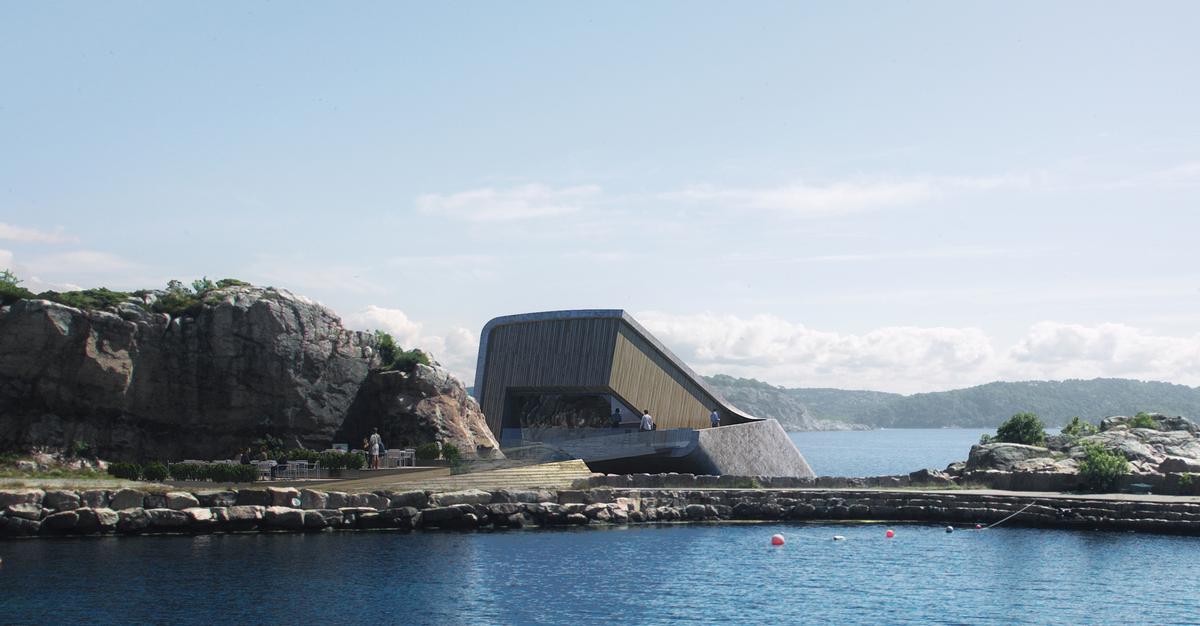
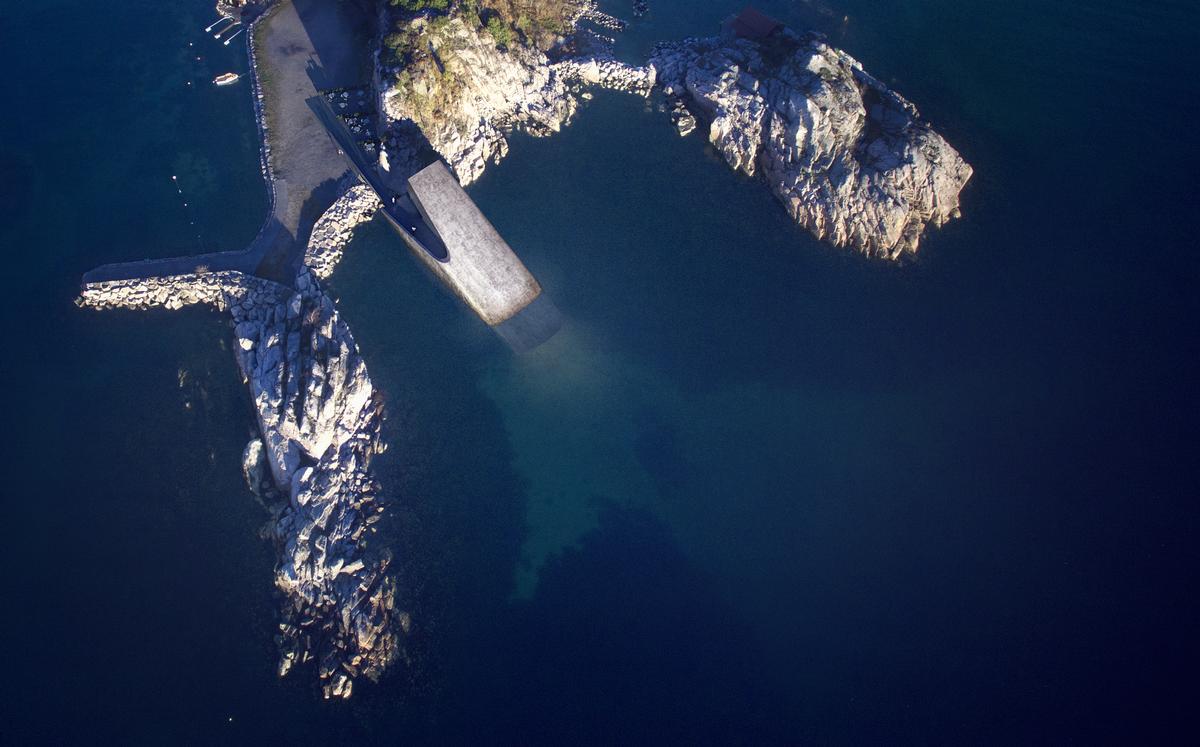
Snøhetta's design is inspired by the country's rocky coast, with a monolithic structure breaking from the surface of the sea to rest on the craggy shoreline.
The bottom of the building will rest directly on the seabed, 5m (16.4m) underwater. To withstand pressure and shock from the rugged conditions, the walls will be a metre thick and formed of concrete. The coarse surface will invite mussels to attach themselves to the restaurant, gradually creating an artificial reef “that functions dually to rinse the sea and naturally attract more marine life to its purified waters”.
The seafood restaurant, run by Danish chef Nicolai Ellitsgaard Pedersen, will be able to accommodate up to 100 guests. They will be led on a journey from the shore and into the building, with plaques along the route providing information about the region's marine history.
From the entrance, they can descend three levels, through a wardrobe area, champagne bar and finally the restaurant itself.
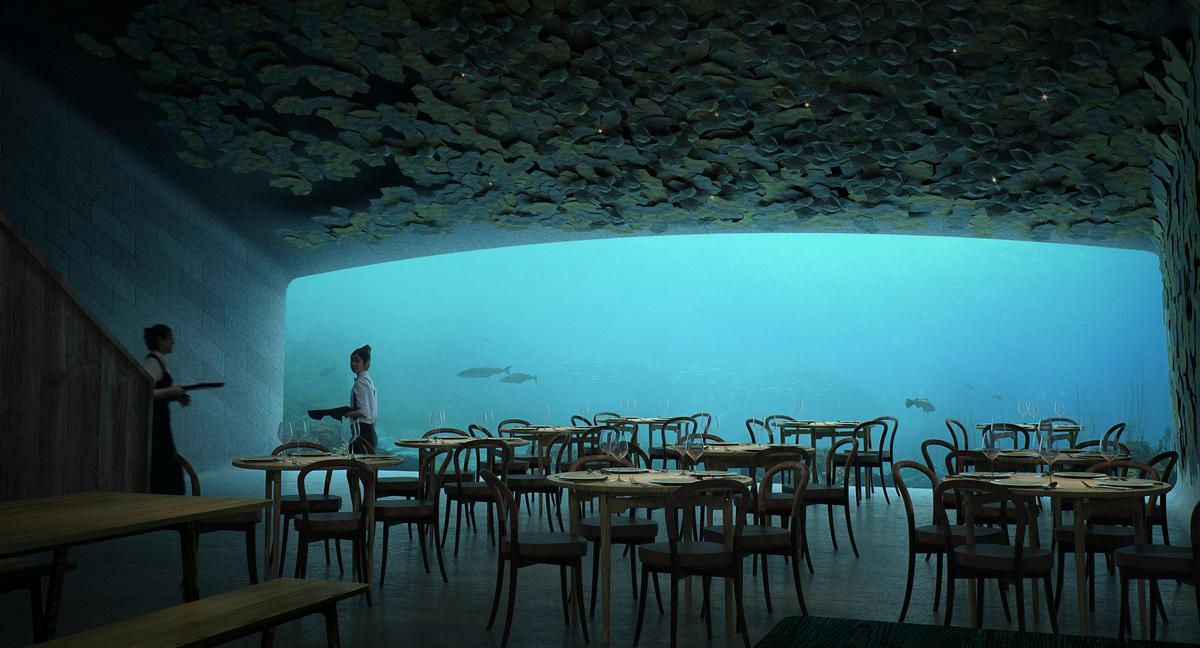
Here, a vast panoramic acrylic window will offer a view of the seabed as it changes throughout the seasons and varying weather conditions.
The transition between the shoreline and the ocean will be articulated through the use of colour and materials. The bar will be characterised by a subdued palette evoking the sediment of shells, rocks and sand, while the dining room will “be submerged in darker blue and green colours inspired by the seabed, seaweed and rough sea.”
Researchers from Norwegian marine centres will use the site to explore whether fish behave differently throughout the shifting seasons. They will also create conditions on the seabed that allow fish and shellfish to thrive in proximity to the restaurant.
In a statement, Snøhetta said: “In Norwegian, the word ‘under’ can just as well be translated into ‘wonder.’ More than an aquarium, the structure will become a part of its marine environment.
“Through its architecture, menu and mission of informing the public about the biodiversity of the sea, Under will provide an underwater experience inspiring a sense of awe and delight, activating all the senses – both physical and intellectual.”
Snøhetta underwater restaurant Norway archiotecture aquarium design Nicolai Ellitsgaard Pedersen
Food and drink of Nordic cultures inspires Snøhetta's Copenhagen restaurant for noma
Snøhetta unveil dramatic riverwalk design for North America's second largest waterfall
Replicating heritage: Snøhetta's Kjetil Trædal Thorsen weighs in on 'original versus copy' debate
Snøhetta go back to basics with wooden 'social cabin' designed for any landscape
Europe's first underwater museum completed off Lanzarote
Floating Seahorse villas: CLAD gets exclusive first glimpse of underwater residence
Airbnb offers glass room submerged in shark-filled aquarium
'World's largest' underwater restaurant set to star at luxury Maldives resort
AI firm Midjourney enters wellness with spa, fitness and body scanning concept
Hot spring wellness community Ameyalli sells residences and breaks ground on resort and spa

OMA completes New Museum transformation with landmark expansion and Oberon restaurant
OMA has completed a major transformation of New York's New Museum, creating a larger cultural campus that combines expanded exhibition spaces with learning, performance, hospitality and public programming. The latest addition, Oberon, extends the visitor experience beyond the gallery, reflecting a growing trend for museums to become all-day destinations.
The New Museum in New York has entered a new chapter with the completion of a major
David Rockwell creates immersive magic destination, The Hand and The Eye
Montana Heritage Center by Cushing Terrell opens after US$107 million investment

Universal launches new theme park model with Kids Resort
'Minor wellness hotels' recorded the strongest growth across top KPIs in 2025, finds RLA Global
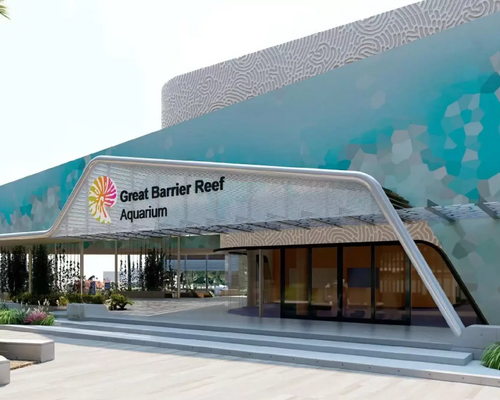
Great Barrier Reef attraction set for AU$180 million reinvention
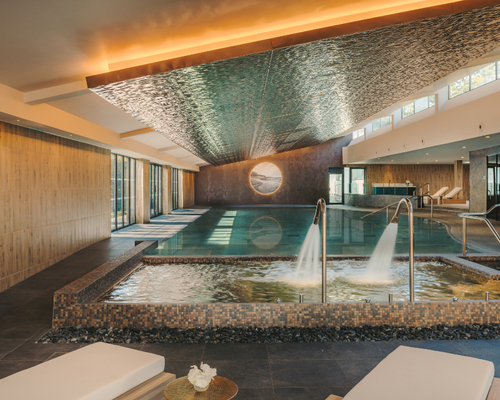
Fairmont Cheshire, The Mere, has architecture by Leach Rhodes Walker and interiors by Bergman Design House.
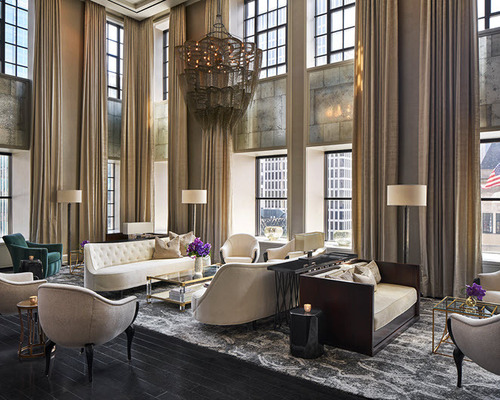
Marriott International partners with Fitwel for wellness solutions across its residential portfolio
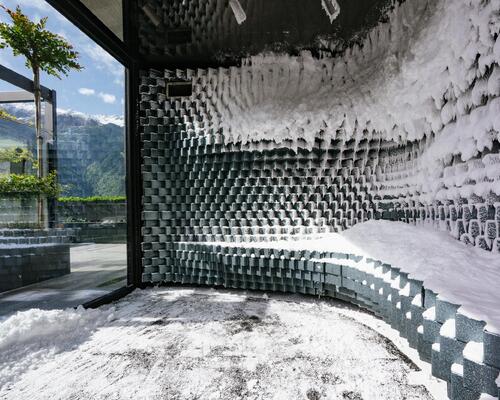
Preidlhof Luxury DolceVita Resort to unveil new spa in February 2027
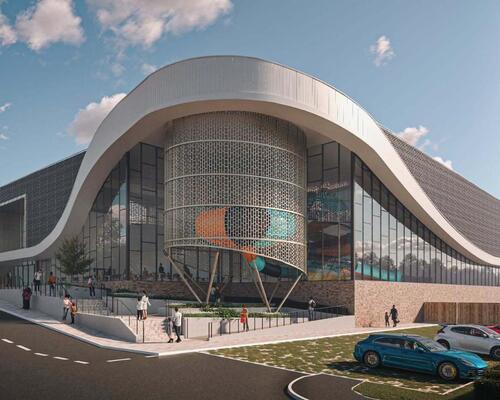
Places Leisure is working with Roberts Limbrick to build £60m wellness flagship in Basingstoke
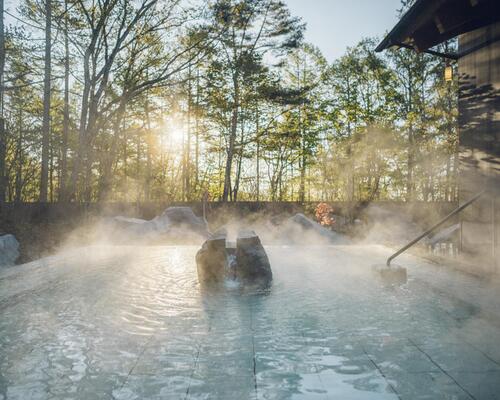
Hoshino Resorts opens Kai Kusatsu as it expands the Kai onsen ryokan brand
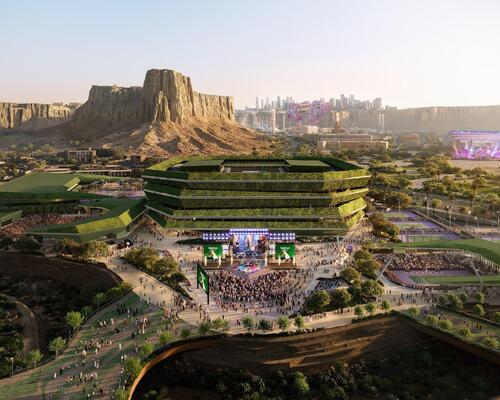
Qiddiya and Populous share details of Saudi Arabia’s National Tennis Centre
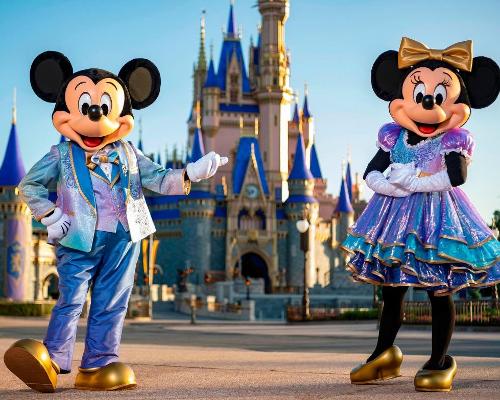
Disney confirms US$30 billion investment programme as it highlights its economic impact
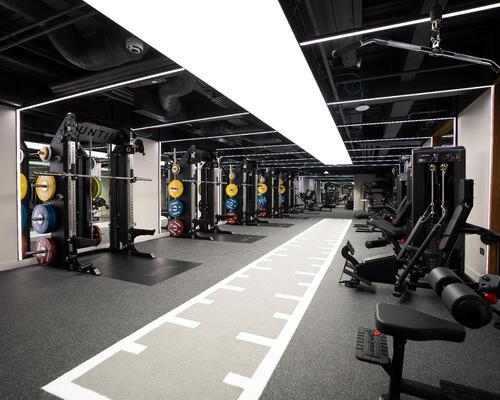
Until combines multiple disciplines at new Canary Wharf club
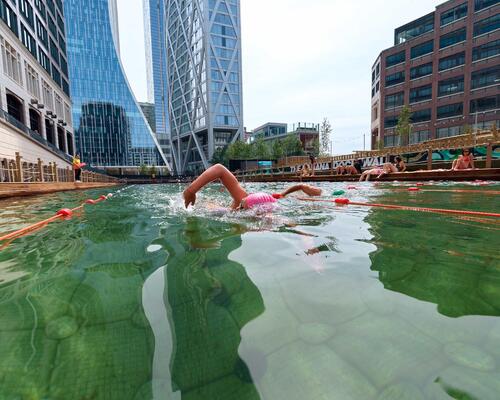
Sea Lanes opens following a partnership between The Eden Project and Canary Wharf Group
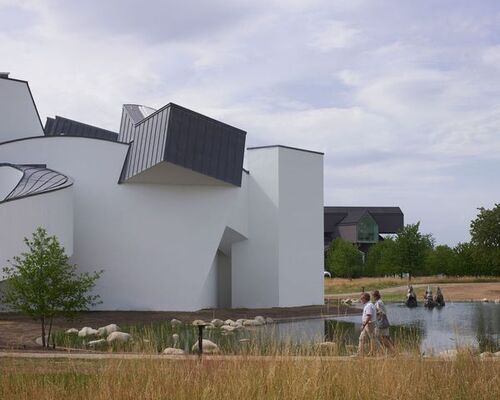
Bas Smets brings water and wilderness to Vitra
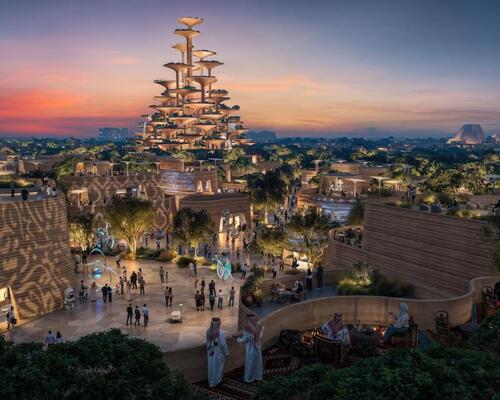
Expo 2030 Riyadh will create a permanent global destination
Luxury resort coming to Hunter Valley will have longevity spa
'Data chocolate', dreams made real and artworks shaped by visitors’ emotions: Refik Anadol’s AI art museum launches in Los Angeles
London Museum reveals 2026 opening date for new Smithfield home
BIG unveils Eve Music Hall as Croatia venue nears completion
Bob Rogers hands BRC to long-serving leadership team
Palazzo di Varignana launches family wellbeing and longevity retreat in Emilia Romagna
Anasa Wellness and Spa debuts at Patmos Aktis as it joins Marriott
Design-led Koru Health Club combines high-performance training with recovery

Wellness care hospital opens in Vilnius with innovative spa and hospitality concept

Universal and Puy du Fou projects point to rise of Oxford–Cambridge corridor
A proposed Puy du Fou development near Bicester and Universal Destinations and Experiences’ planned resort in Bedford are emerging as part of a wider transformation of the Oxford–Cambridge Growth Corridor into a major centre for UK leisure and tourism investment.
For years, the corridor has been associated primarily with science, technology, housing and university-led economic growth. However, the clustering of large-scale visitor attraction projects along the
All-inclusive eco-wellness development Auko to open near Vietnam’s Son Doong caves