LAVA's learning centre uses social, spatial and leisure elements to optimise education
– Tobias Wallisser
Laboratory for Visionary Architecture (LAVA) has collaborated with agricultural collective Cityplot to design a lifelong learning centre in Germany that uses social, spatial and leisure elements to optimise the learning process.
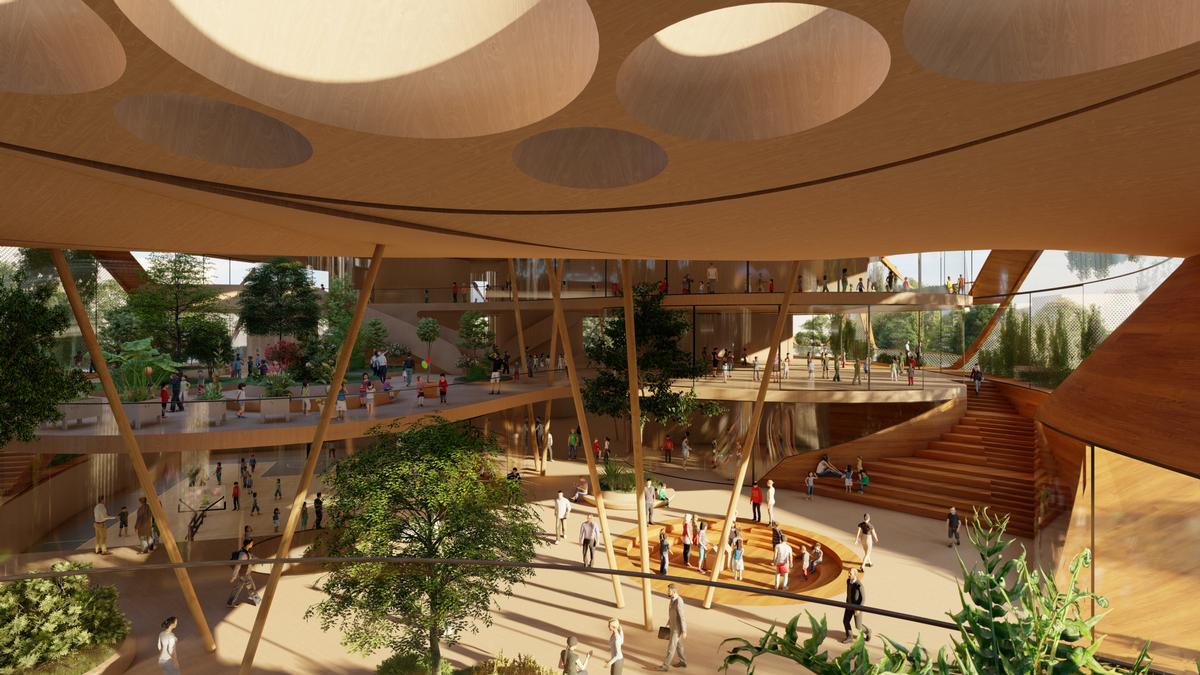
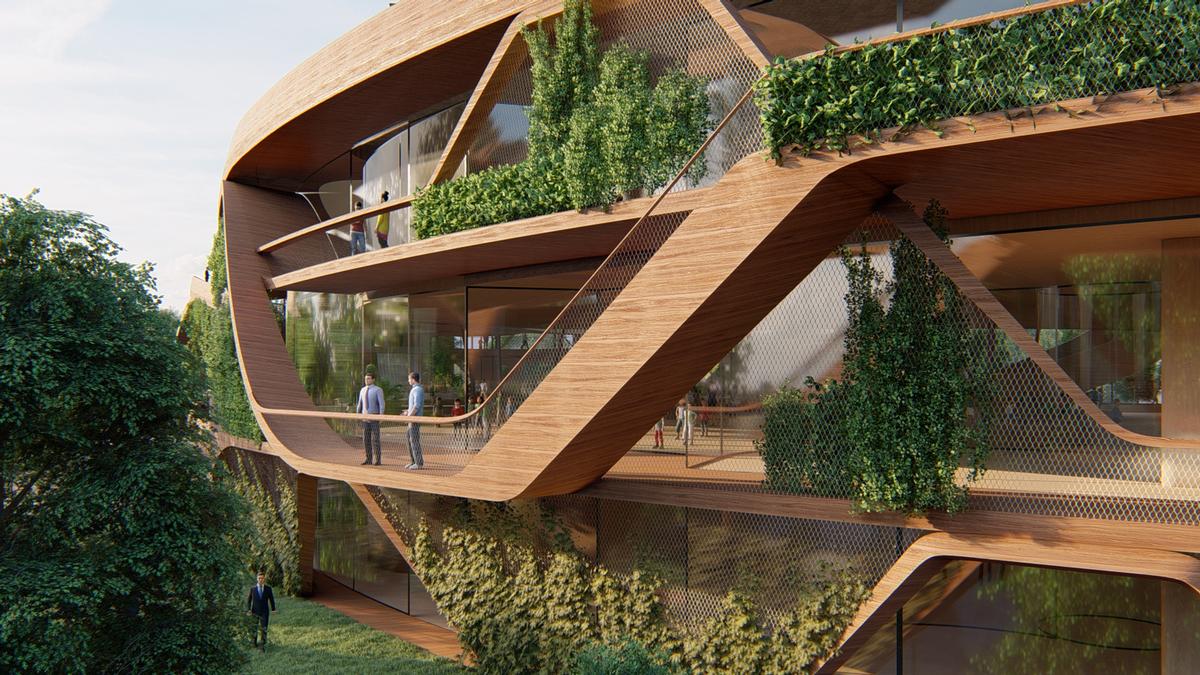
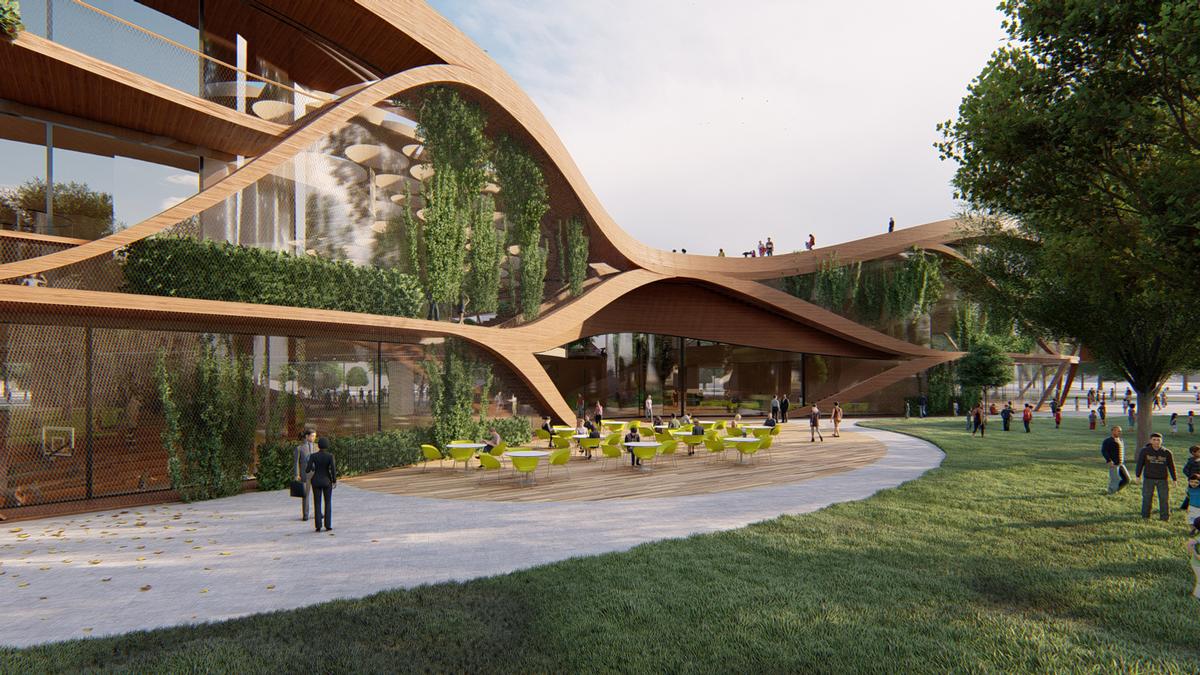
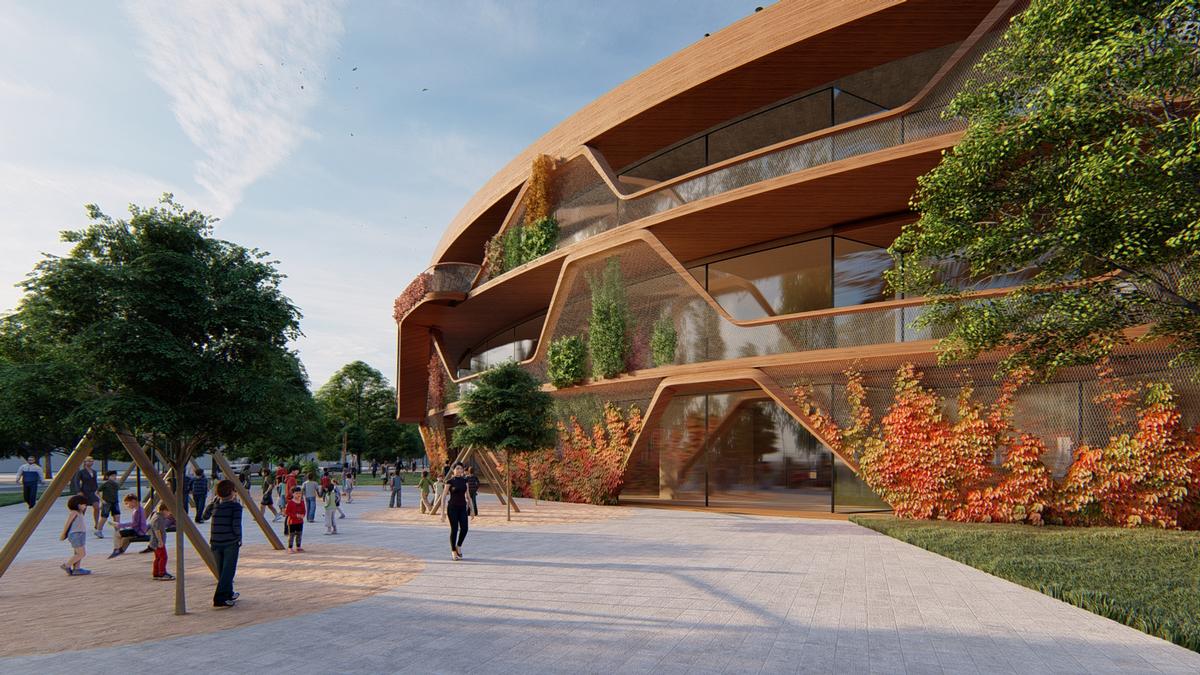
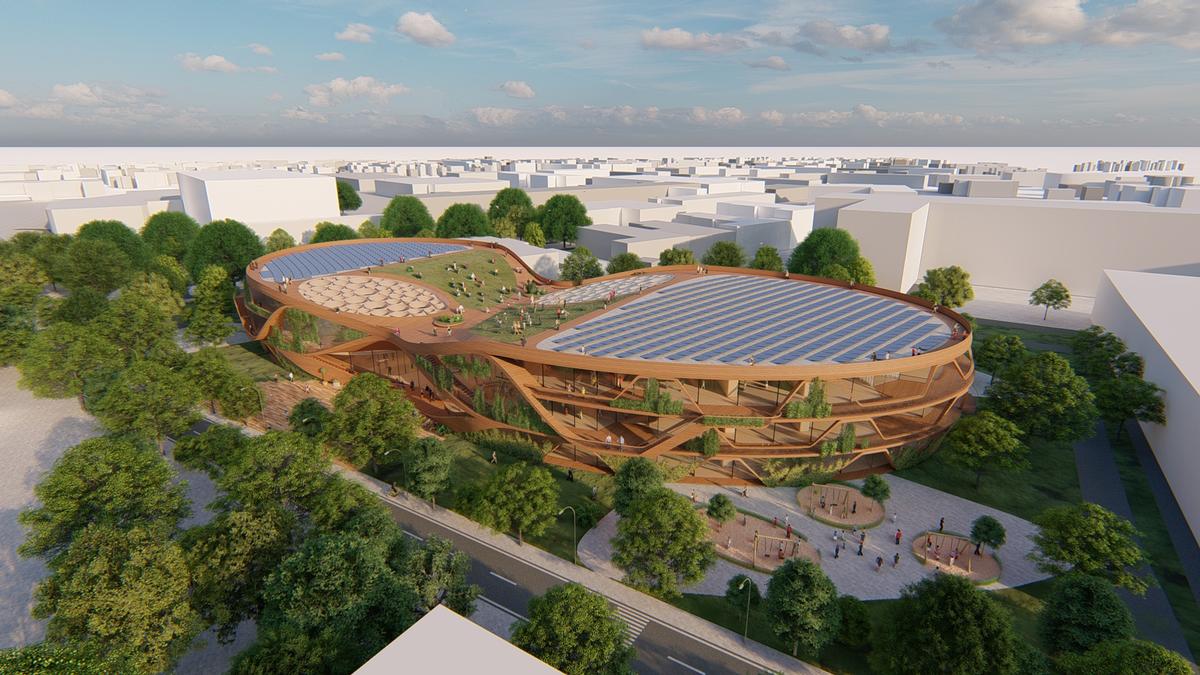
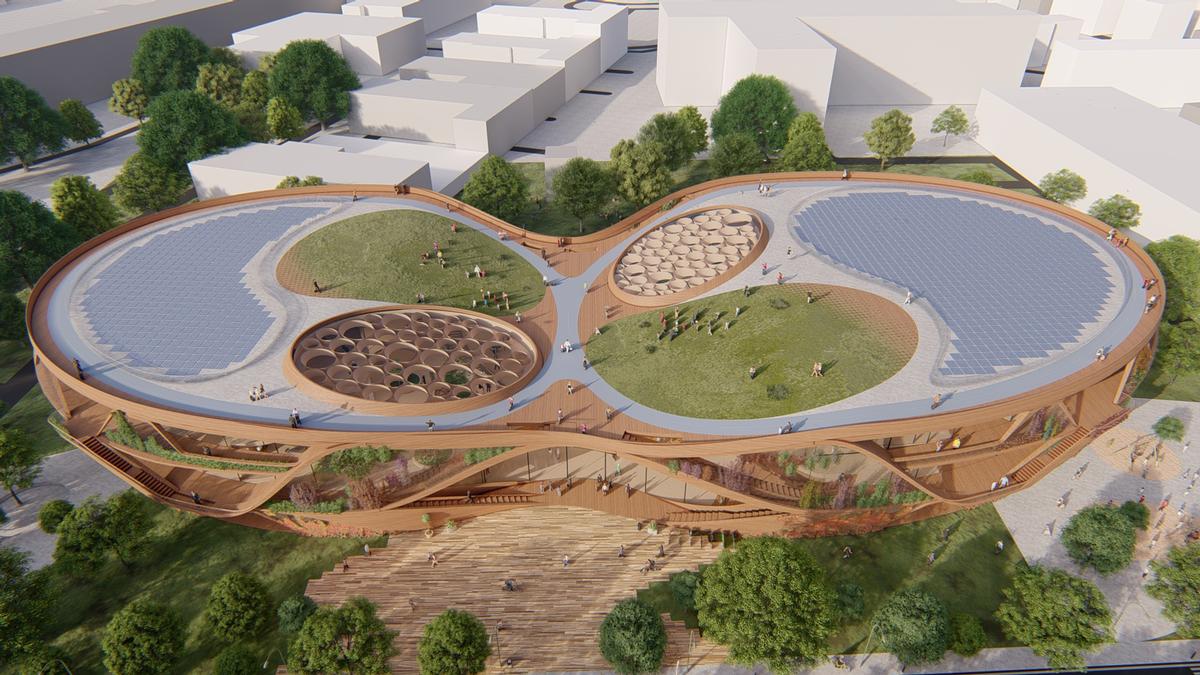
Life Hamburg will be a 12,000sq m (129,000sq ft) figure-of-eight-shaped building that is aimed at reinventing learning for 800 children and 800 adults.
The centre's design is based on the purpose-inspired and personal learning educational principles of Learnlife and the spatial typologies for learning identified by American futurist David Thornburg.
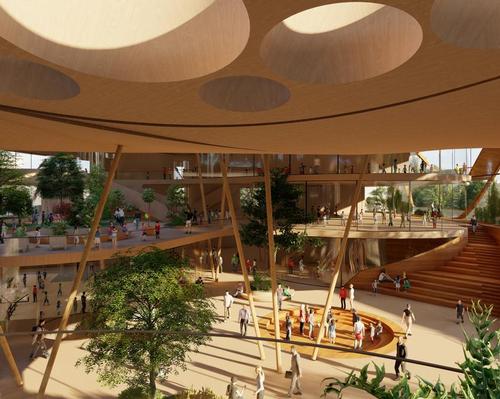
There are campfire-type spaces where groups can gather to listen to and learn from experts, cave-type spaces where individuals can think, reflect and internalise learning and watering hole-type spaces where peers can share information and discoveries democratically.
Learning facilities include a kindergarten, a school, a coding university, a handicraft and gadget lab, a sports centre and a startup campus.
In addition, though, there will be a daycare centre, micro offices for investors, relaxation areas, a health centre, performance areas, a food court and social spaces on site.
By combining educational facilities with other elements that people need in life – regardless of their age or situation – the intention is to create an integrated, seamless and effective learning environment.
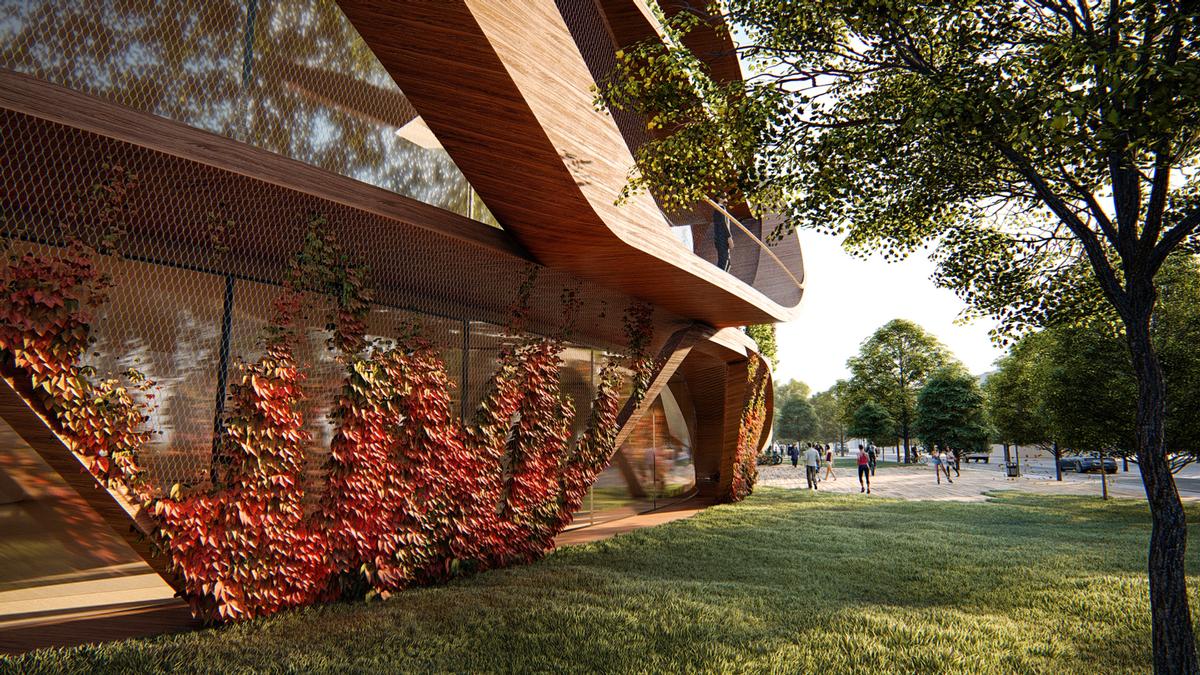
Nature has inspired the centre's design, with waves, spirals, cells, branches and nests informing layouts, structural systems, ceilings and plantings.
These elements are manifested in the likes of wave-shaped balconies, spiral terrace layouts, branching structural systems, honeycomb ceilings and nesting greenery.
Elsewhere, split-levels and connecting staircases are intended to make for flexible use of the spaces, while garden landscapes flow from outside to inside, connecting social spaces like a central agora, terraces and outdoor gathering areas.
Tobias Wallisser, LAVA director, said: "Variety and diversity are the spatial prerequisites for creative learning. And LAVA's design enables the optimal conditions: connection to outdoors, integration of green spaces, fresh air and daylight, unobtrusive technical support and flexibility."
Sustainability has also been taken into account, with the building designed to be CO2 neutral.
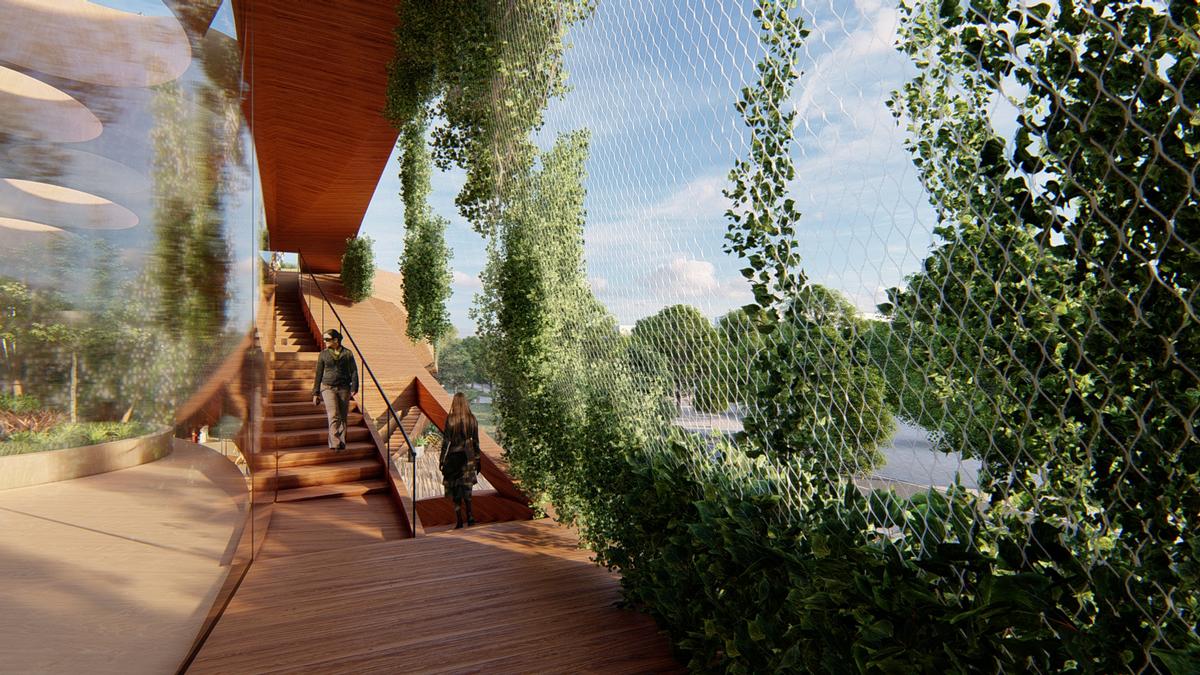
A highly insulated envelope will be accompanied by a façade planted with seasonal greenery to absorb CO2, wooden elements will help to balance the CO2 use of construction materials and power will be generated by photovoltaic installations on the roof.
Leonie Woidt-Wallisser, founder of Cityplot, said: "We use principles of permaculture and edible landscapes to help shape local built environments. By co-developing this project with LAVA from the very beginning, green spaces will not only offer places of contrast, beauty and repose, but will also perform important educational, social and ecological functions. The opportunities to cultivate organic food will strengthen the role we play in nature’s cycles, right across the generational spectrum."
"New spatial typologies combine with innovative social and natural landscapes and self-sufficiency. The open, inventive and sustainable building offers optimal conditions for learning – kids, teens and grannies together."
LAVA won a competition to design Life Hamburg earlier this year and construction is expected to be completed in 2023.
LAVA Germany Hamburg Cityplot Life Hamburg learning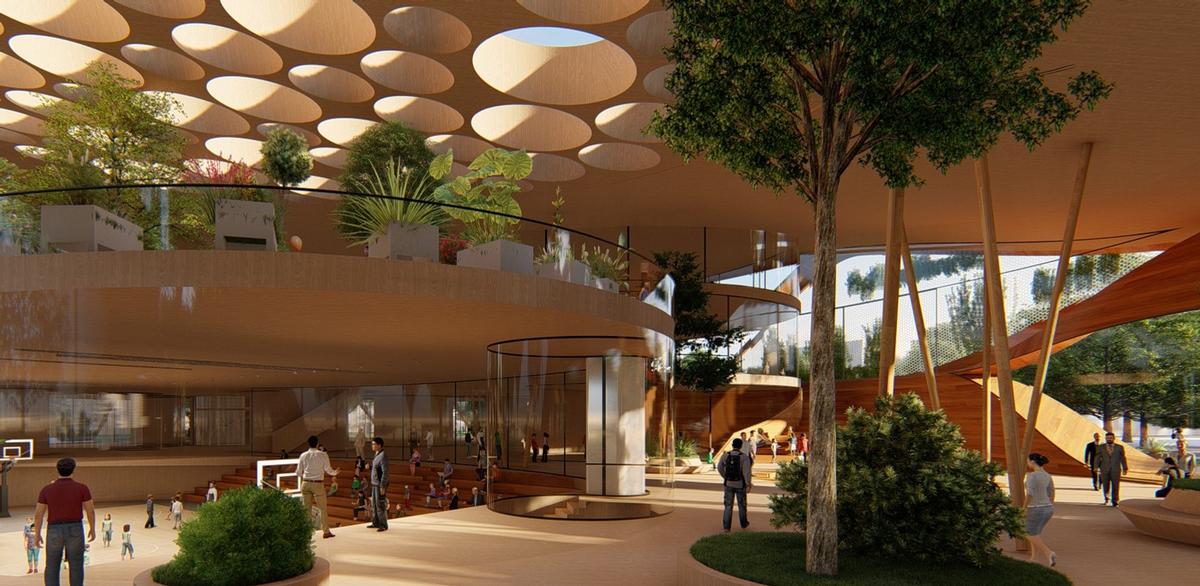

OMA completes New Museum transformation with landmark expansion and Oberon restaurant
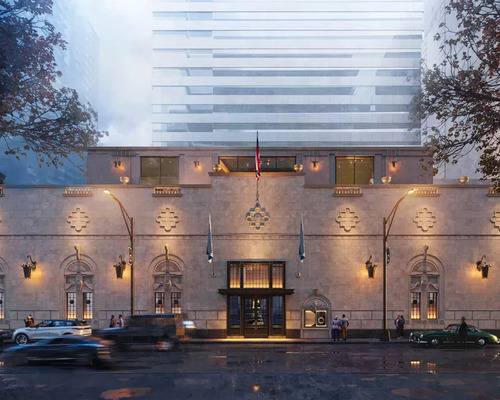
OMA has completed a major transformation of New York's New Museum, creating a larger cultural campus that combines expanded exhibition spaces with learning, performance, hospitality and public programming. The latest addition, Oberon, extends the visitor experience beyond the gallery, reflecting a growing trend for museums to become all-day destinations.
The New Museum in New York has entered a new chapter with the completion of a major


David Rockwell creates immersive magic destination, The Hand and The Eye
Montana Heritage Center by Cushing Terrell opens after US$107 million investment
Universal launches new theme park model with Kids Resort
'Minor wellness hotels' recorded the strongest growth across top KPIs in 2025, finds RLA Global
Great Barrier Reef attraction set for AU$180 million reinvention
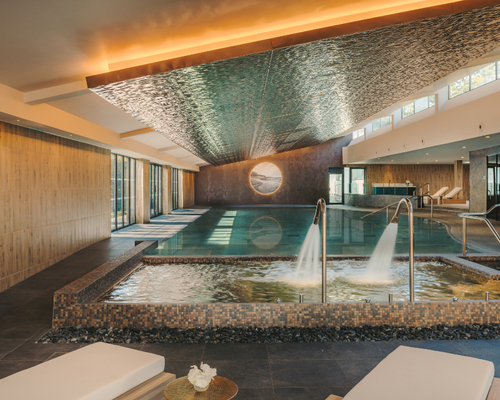
Fairmont Cheshire, The Mere, has architecture by Leach Rhodes Walker and interiors by Bergman Design House.
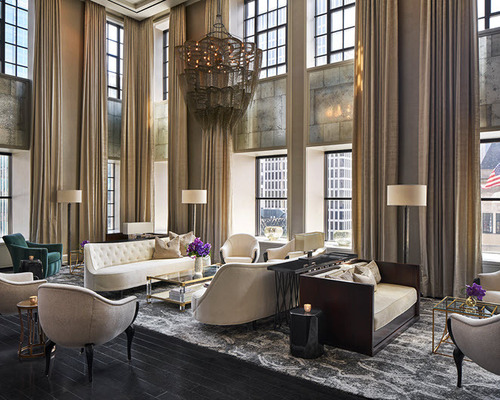
Marriott International partners with Fitwel for wellness solutions across its residential portfolio
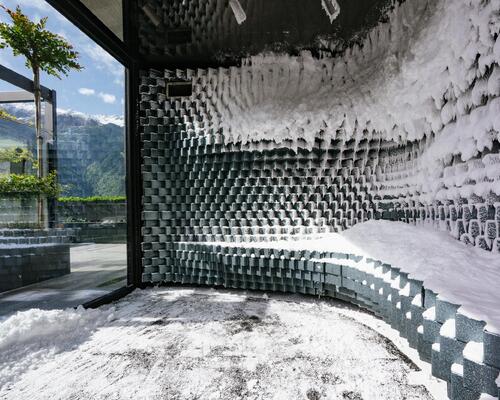
Preidlhof Luxury DolceVita Resort to unveil new spa in February 2027
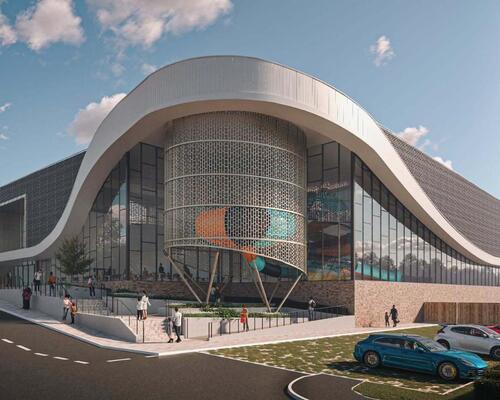
Places Leisure is working with Roberts Limbrick to build £60m wellness flagship in Basingstoke
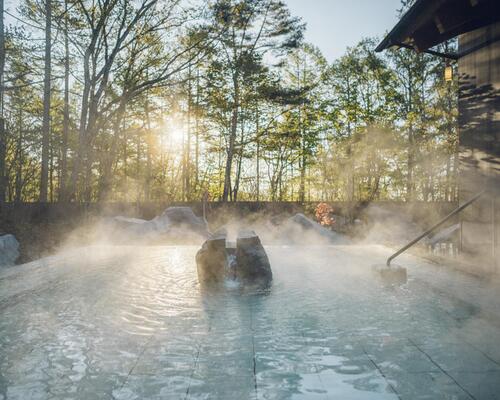
Hoshino Resorts opens Kai Kusatsu as it expands the Kai onsen ryokan brand
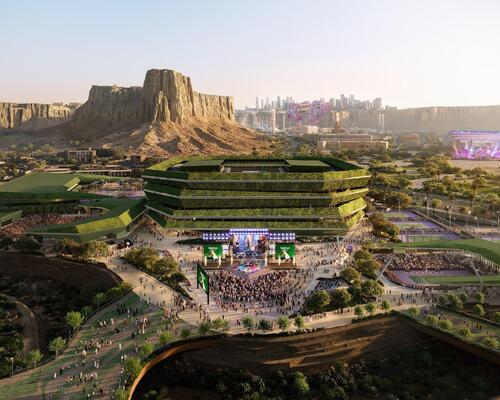
Qiddiya and Populous share details of Saudi Arabia’s National Tennis Centre
Disney confirms US$30 billion investment programme as it highlights its economic impact
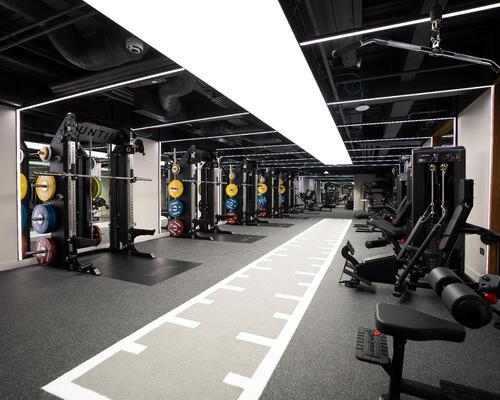
Until combines multiple disciplines at new Canary Wharf club
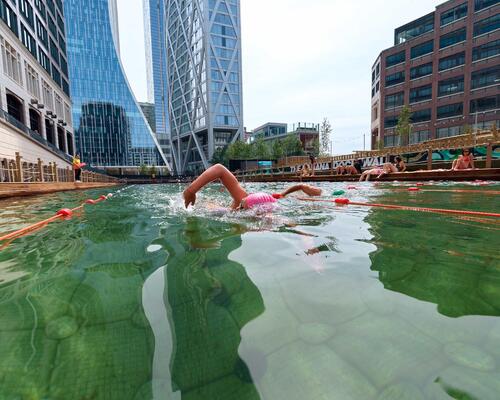
Sea Lanes opens following a partnership between The Eden Project and Canary Wharf Group
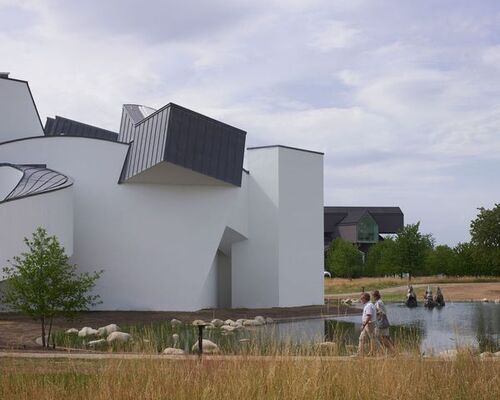
Bas Smets brings water and wilderness to Vitra
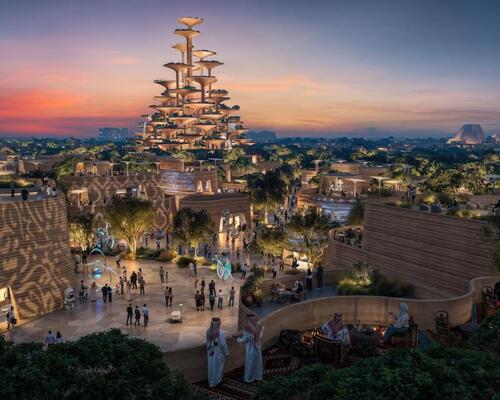
Expo 2030 Riyadh will create a permanent global destination
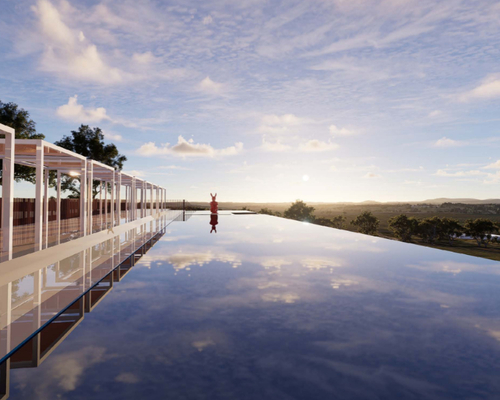
Luxury resort coming to Hunter Valley will have longevity spa
'Data chocolate', dreams made real and artworks shaped by visitors’ emotions: Refik Anadol’s AI art museum launches in Los Angeles
London Museum reveals 2026 opening date for new Smithfield home
BIG unveils Eve Music Hall as Croatia venue nears completion
Bob Rogers hands BRC to long-serving leadership team
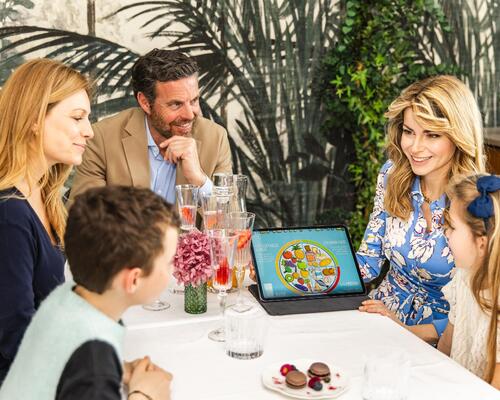
Palazzo di Varignana launches family wellbeing and longevity retreat in Emilia Romagna
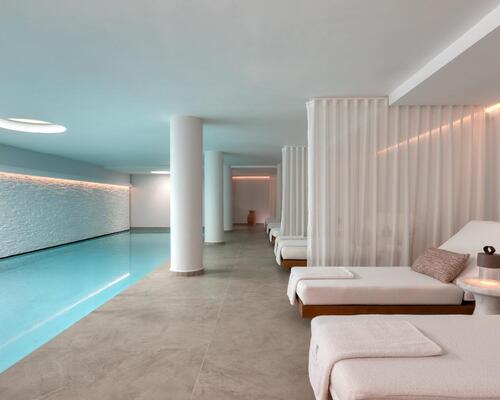
Anasa Wellness and Spa debuts at Patmos Aktis as it joins Marriott
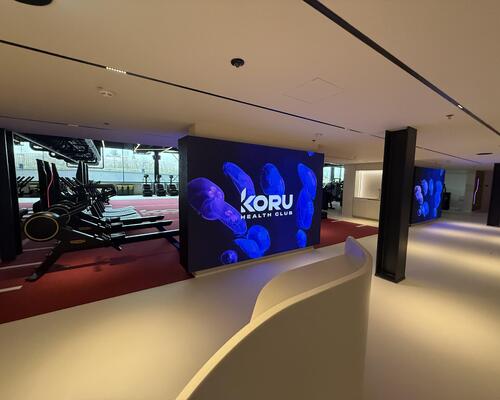
Design-led Koru Health Club combines high-performance training with recovery

Wellness care hospital opens in Vilnius with innovative spa and hospitality concept

Universal and Puy du Fou projects point to rise of Oxford–Cambridge corridor
A proposed Puy du Fou development near Bicester and Universal Destinations and Experiences’ planned resort in Bedford are emerging as part of a wider transformation of the Oxford–Cambridge Growth Corridor into a major centre for UK leisure and tourism investment.
For years, the corridor has been associated primarily with science, technology, housing and university-led economic growth. However, the clustering of large-scale visitor attraction projects along the
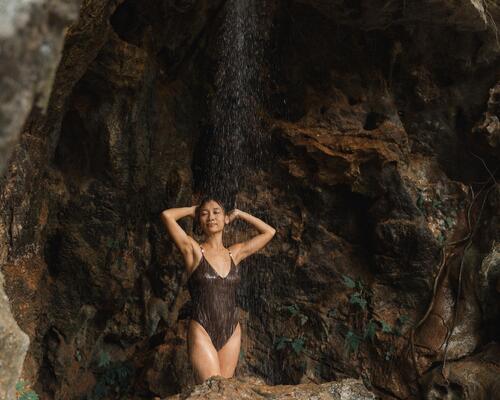
All-inclusive eco-wellness development Auko to open near Vietnam’s Son Doong caves
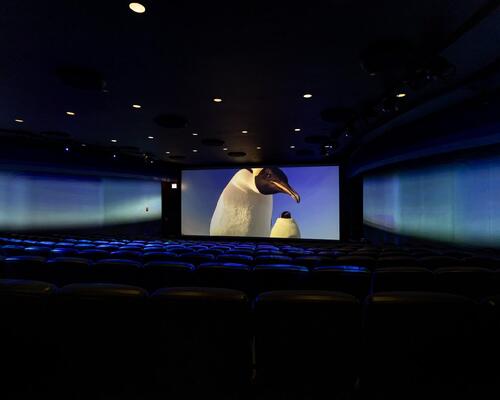
Shedd Aquarium upgrades its visitor experience with new Immersion Theater
Shedd Aquarium has opened the Immersion Theater developed in partnership with SimEx-Iwerks, as part of a wider strategy to enhance the guest experience and create additional revenue opportunities.
The attraction has transformed the aquarium’s Phelps Auditorium into a multi-sensory venue combining panoramic projection, environmental effects and interactive technology.
A new pre-show area allows visitors to engage with augmented reality marine animals before entering the
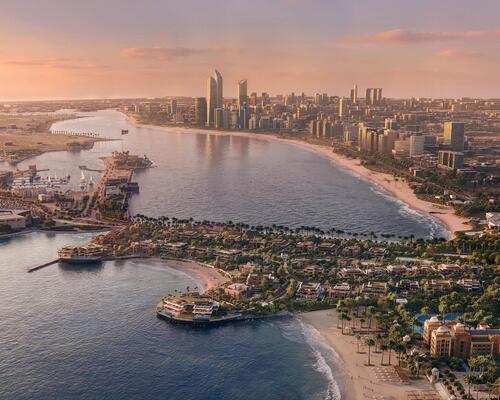
Mandarin Oriental announces standalone Mansions-branded residences for Abu Dhabi