American Air Museum in UK prepares to reopen after people-focused revamp of Norman Foster building


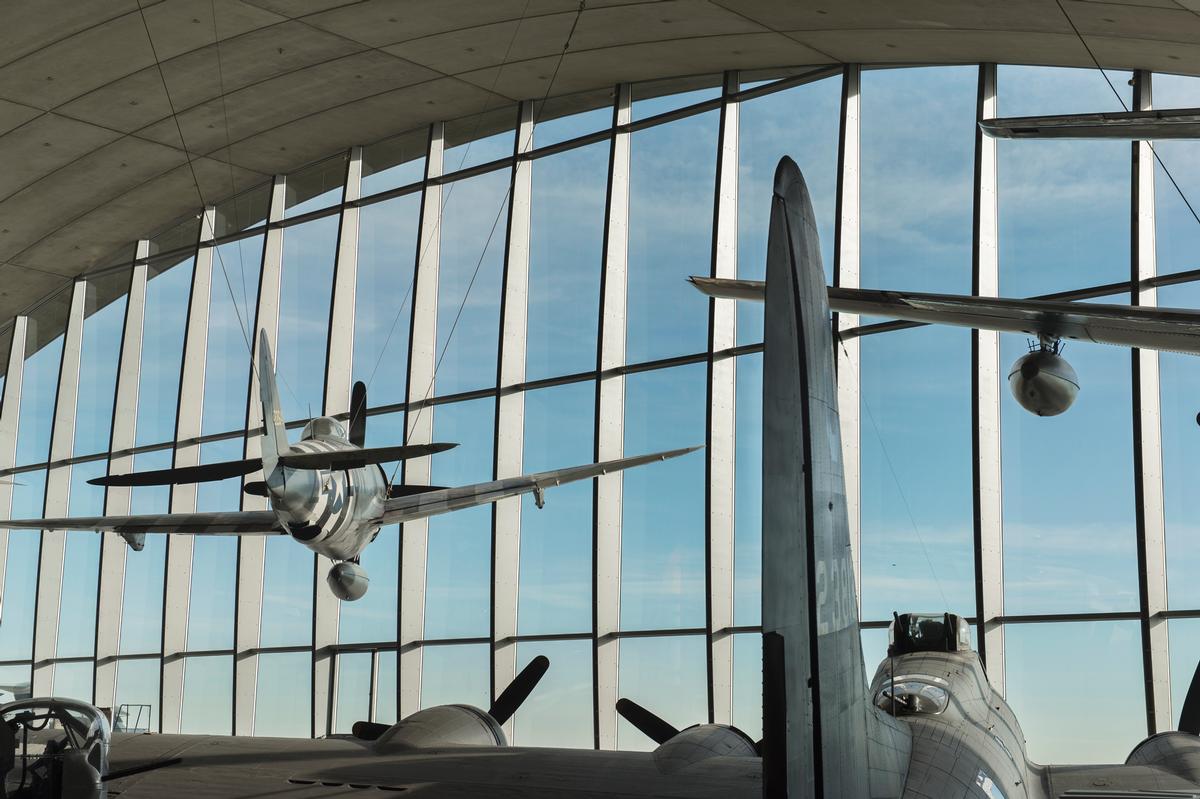
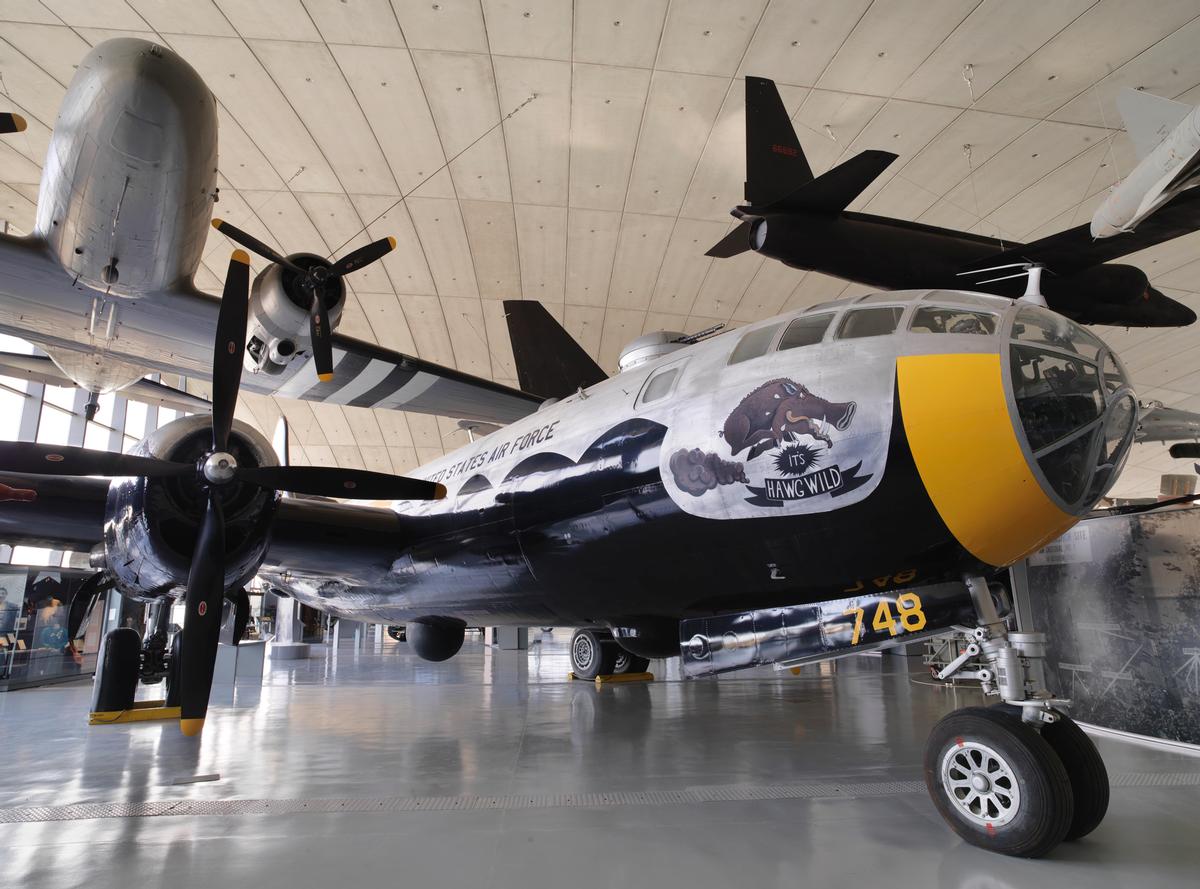
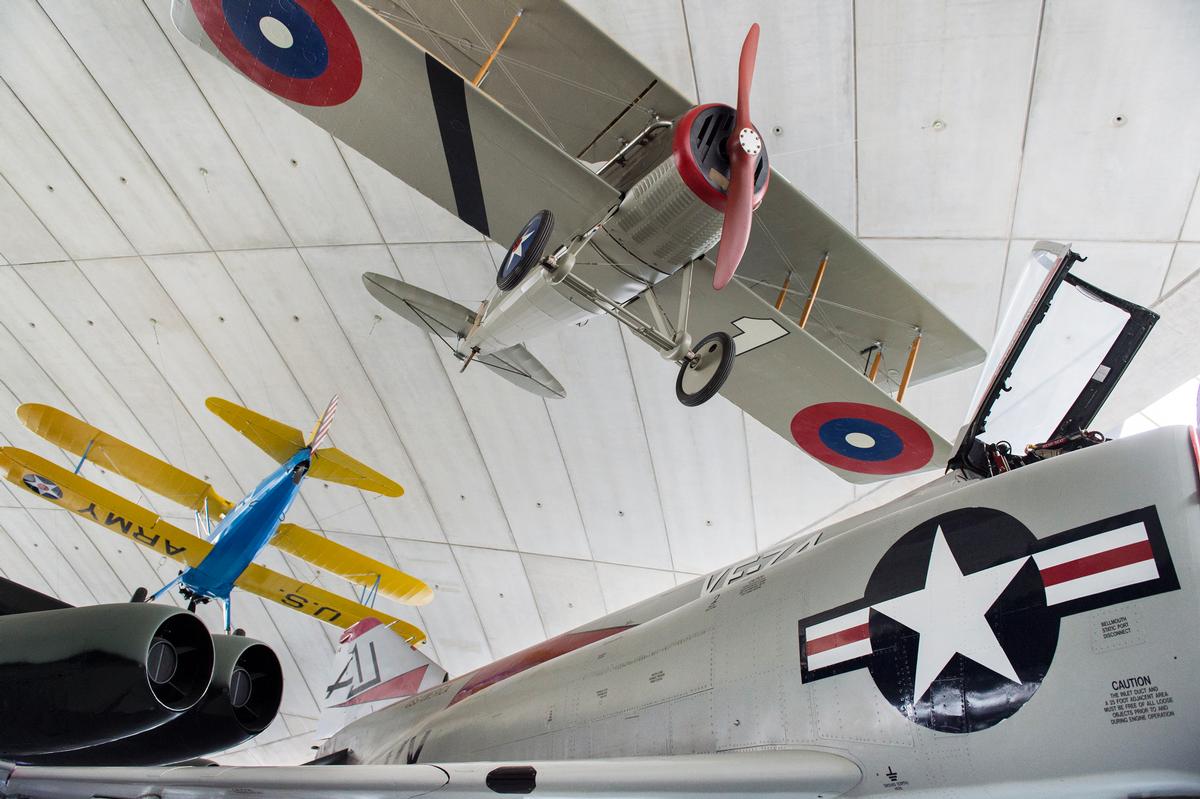
The Imperial War Museum (IWM) in Duxford, UK, is about to relaunch its American Air Museum following a five-year redevelopment project, switching the focus of exhibits from the aircraft on display to a collection of extraordinary people linked with those machines.
Reopening to the public on 19 March, IWM’s newly-transformed American Air Museum has undergone a £3m (US$4.2m, €3.8m) redevelopment, with financial support provided by the Heritage Lottery Fund (HLF) and exhibition redesign by UK-based Redman.
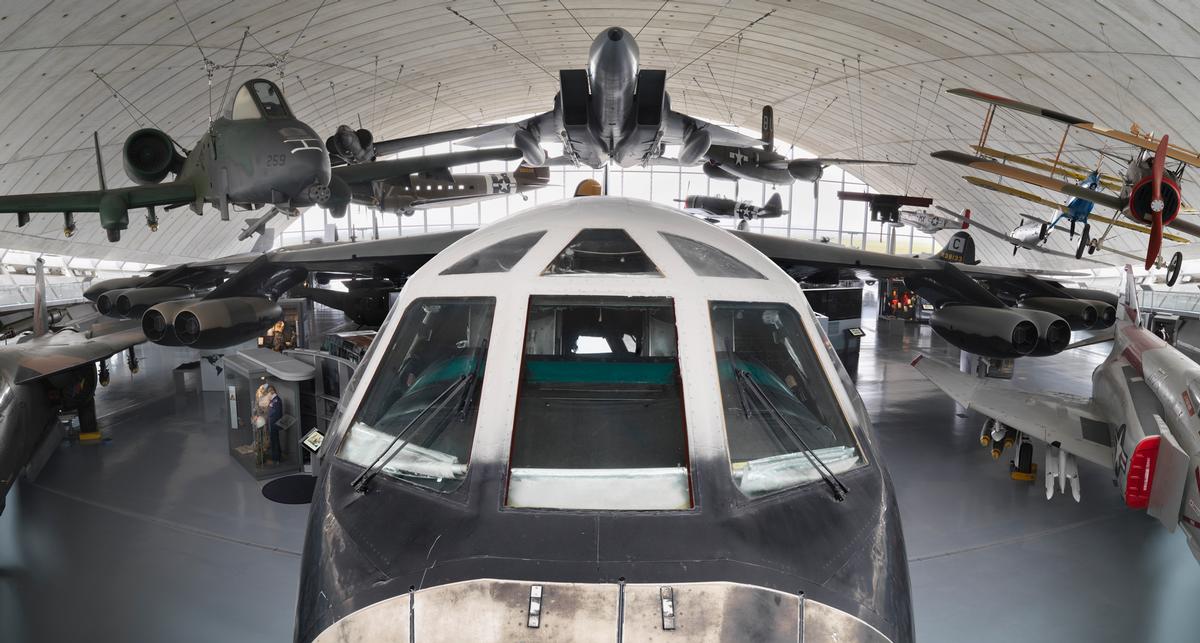
As part of the project, the front section of the museum's Norman Foster-designed 70,000sq ft (21,300sq m) home – which won the 1998 Stirling Prize RIBA Building of the Year Award – was removed so planes could be shuffled around, before being restored.
“The project has taken five years to develop, with the museum being closed for one year of that time,” project leader Jennie Cousins told CLAD.
“We’ve taken advantage of the redevelopment to do some important conservation work on the aircrafts themselves, but more importantly we’ve re-presented the museum to tell the stories of people connected with the aircraft. We really wanted to change our approach, change the way we looked at the aircraft. Obviously they’re dominating and impressive machines but they’re operated by people and that’s what we wanted to look at."
“Almost everything has moved other than the on-display B-52 Bomber, which Norman Foster used to design the building based around its dimensions," Cousins added.
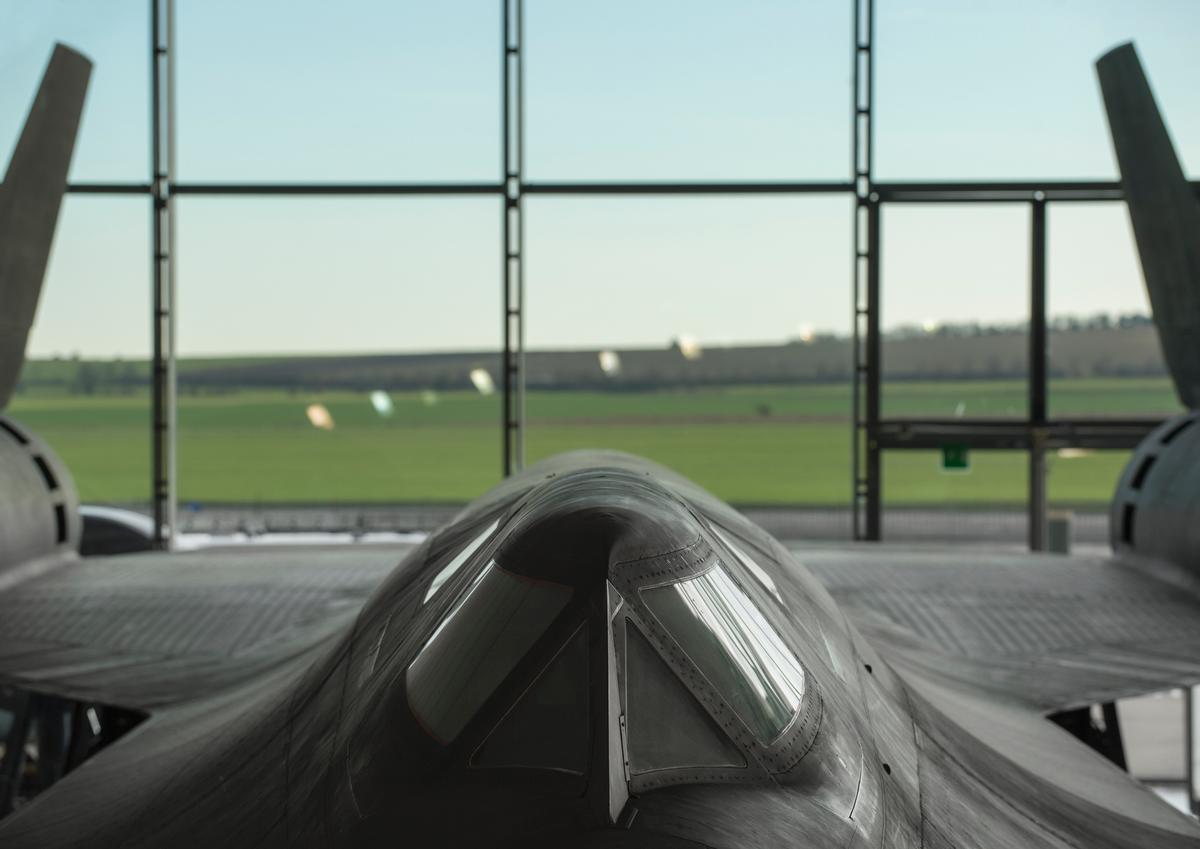
“This is the only piece of proper landmark architecture for purpose across the IWM site. Foster created this vast glass wall so you could see the runway and see the active planes behind. The story we’re trying to tell in here – particularly of the American air force during World War Two – is very connected with the airfield outside. As you’re looking at history you can look across the airport at actual aircraft flying beyond the suspended aircraft on display."
The refocused museum looks at the key role played by American air power in conflicts from 1918, with the dramatic displays of historic and contemporary aircraft. Among the 85 people who have their story told through the exhibition, IWM has sought out people from the past two decades, telling the story of modern conflict as well as historical.
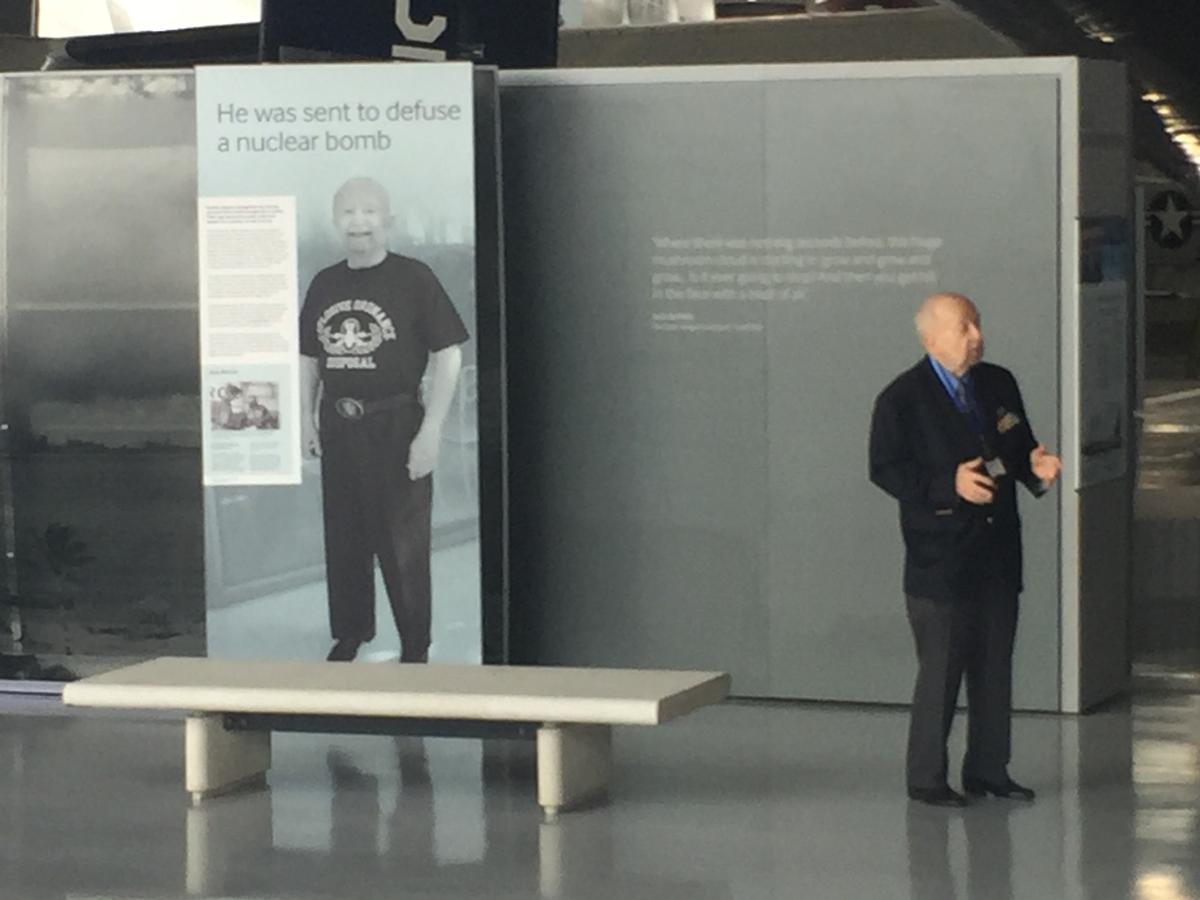
“85 remarkable individuals talked about their lives and their relationships to these aircrafts,” said Cousins. “Those people shared their story, we collected their objects and put them on display. We’ve tried to present those stories in a way that our visitors will be able to get a sense of what it’s like to be able to sit opposite these amazing people.”
Imperial War Museum Duxford World War II Gulf war Aircraft Museum Heritage Lottery Fund HLF IWM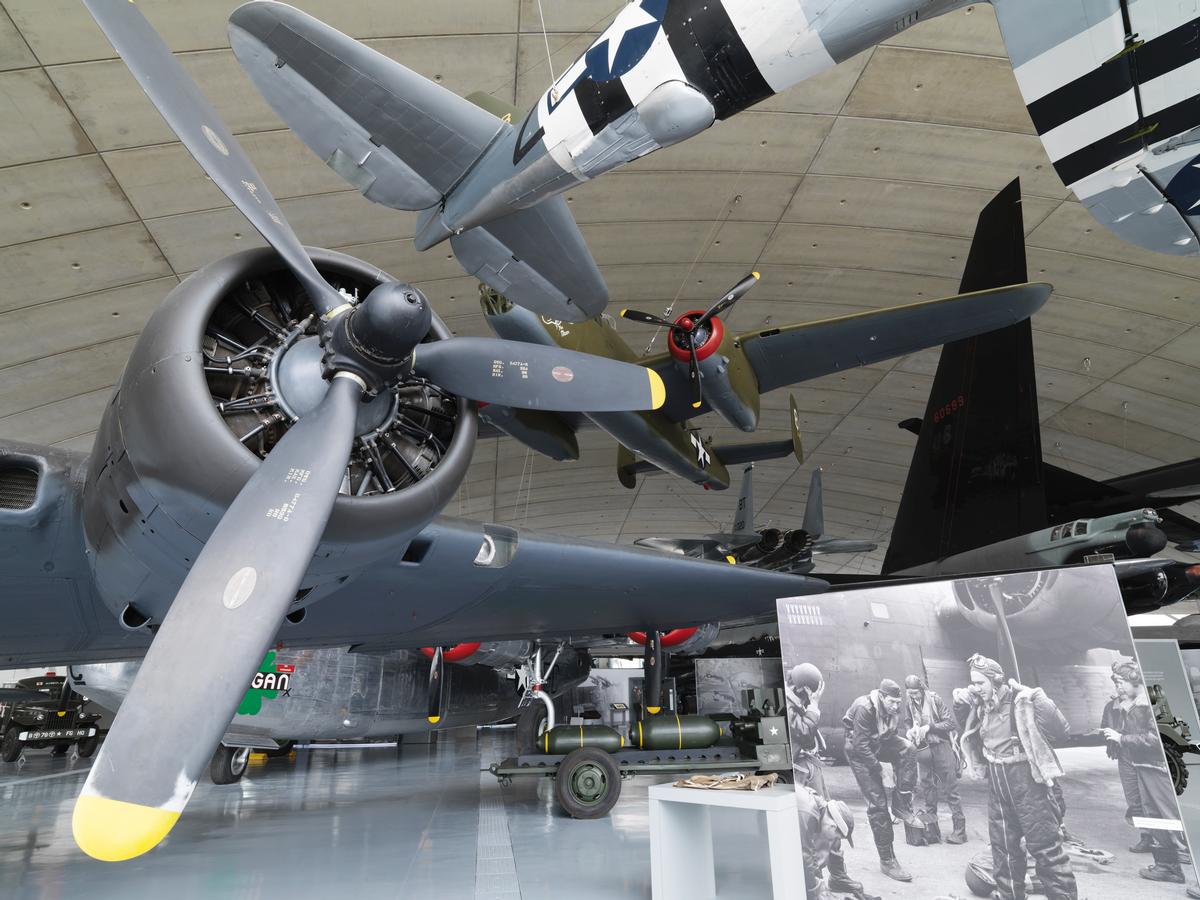
Charitable donation kickstarts £15m redevelopment of Imperial War Museum's Holocaust exhibition
UK's Imperial War Museum to benefit from banker fines
Prime Minister and Duke of Cambridge on hand for reopening of London's Imperial War Museum
Imperial War Museum Duxford to invest £15m in facilities
AI firm Midjourney enters wellness with spa, fitness and body scanning concept
Hot spring wellness community Ameyalli sells residences and breaks ground on resort and spa

OMA completes New Museum transformation with landmark expansion and Oberon restaurant
OMA has completed a major transformation of New York's New Museum, creating a larger cultural campus that combines expanded exhibition spaces with learning, performance, hospitality and public programming. The latest addition, Oberon, extends the visitor experience beyond the gallery, reflecting a growing trend for museums to become all-day destinations.
The New Museum in New York has entered a new chapter with the completion of a major
David Rockwell creates immersive magic destination, The Hand and The Eye

Montana Heritage Center by Cushing Terrell opens after US$107 million investment

Universal launches new theme park model with Kids Resort
'Minor wellness hotels' recorded the strongest growth across top KPIs in 2025, finds RLA Global
Great Barrier Reef attraction set for AU$180 million reinvention
Fairmont Cheshire, The Mere, has architecture by Leach Rhodes Walker and interiors by Bergman Design House.
Marriott International partners with Fitwel for wellness solutions across its residential portfolio
Preidlhof Luxury DolceVita Resort to unveil new spa in February 2027
Places Leisure is working with Roberts Limbrick to build £60m wellness flagship in Basingstoke
Hoshino Resorts opens Kai Kusatsu as it expands the Kai onsen ryokan brand
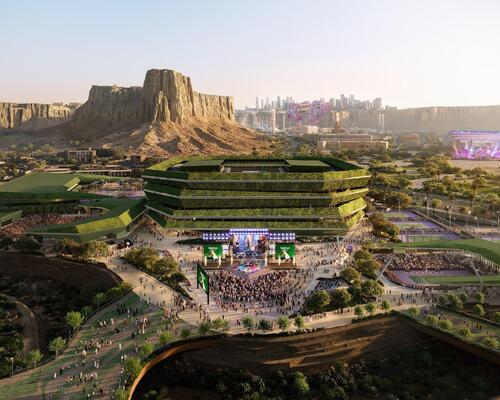
Qiddiya and Populous share details of Saudi Arabia’s National Tennis Centre

Disney confirms US$30 billion investment programme as it highlights its economic impact
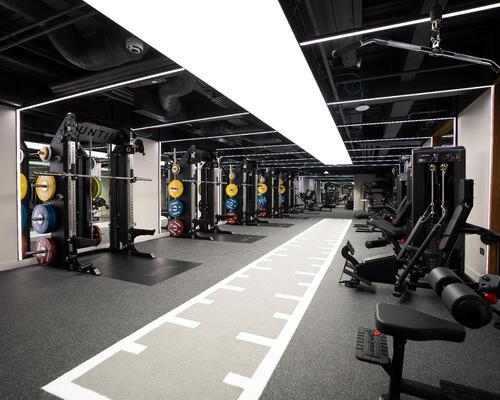
Until combines multiple disciplines at new Canary Wharf club
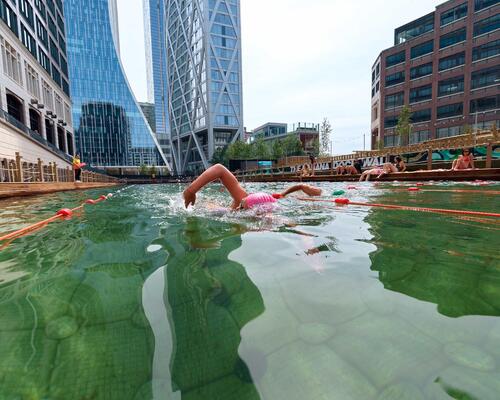
Sea Lanes opens following a partnership between The Eden Project and Canary Wharf Group
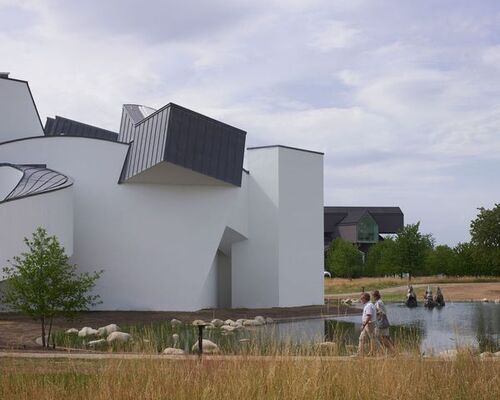
Bas Smets brings water and wilderness to Vitra
Expo 2030 Riyadh will create a permanent global destination
Luxury resort coming to Hunter Valley will have longevity spa
'Data chocolate', dreams made real and artworks shaped by visitors’ emotions: Refik Anadol’s AI art museum launches in Los Angeles
London Museum reveals 2026 opening date for new Smithfield home
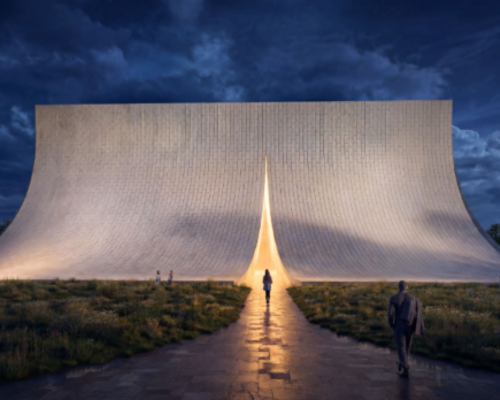
BIG unveils Eve Music Hall as Croatia venue nears completion
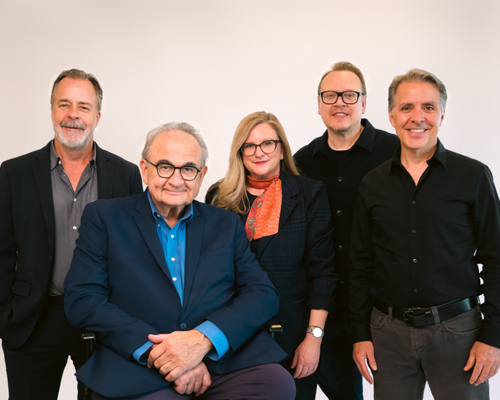
Bob Rogers hands BRC to long-serving leadership team

Palazzo di Varignana launches family wellbeing and longevity retreat in Emilia Romagna
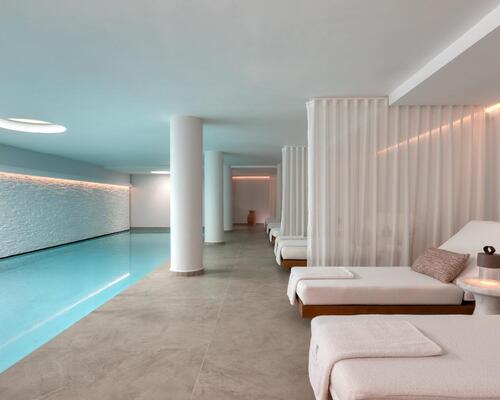
Anasa Wellness and Spa debuts at Patmos Aktis as it joins Marriott
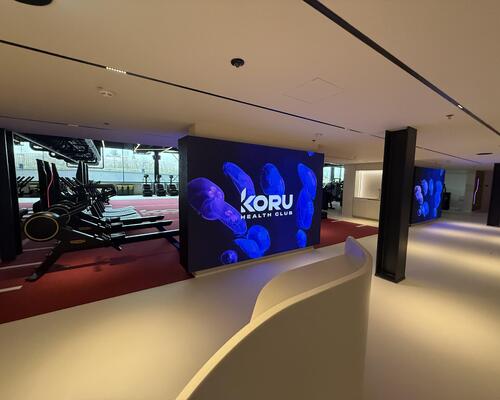
Design-led Koru Health Club combines high-performance training with recovery

Wellness care hospital opens in Vilnius with innovative spa and hospitality concept

Universal and Puy du Fou projects point to rise of Oxford–Cambridge corridor
A proposed Puy du Fou development near Bicester and Universal Destinations and Experiences’ planned resort in Bedford are emerging as part of a wider transformation of the Oxford–Cambridge Growth Corridor into a major centre for UK leisure and tourism investment.
For years, the corridor has been associated primarily with science, technology, housing and university-led economic growth. However, the clustering of large-scale visitor attraction projects along the

All-inclusive eco-wellness development Auko to open near Vietnam’s Son Doong caves