GWI estimates value of wellness real estate at US$134bn in landmark report


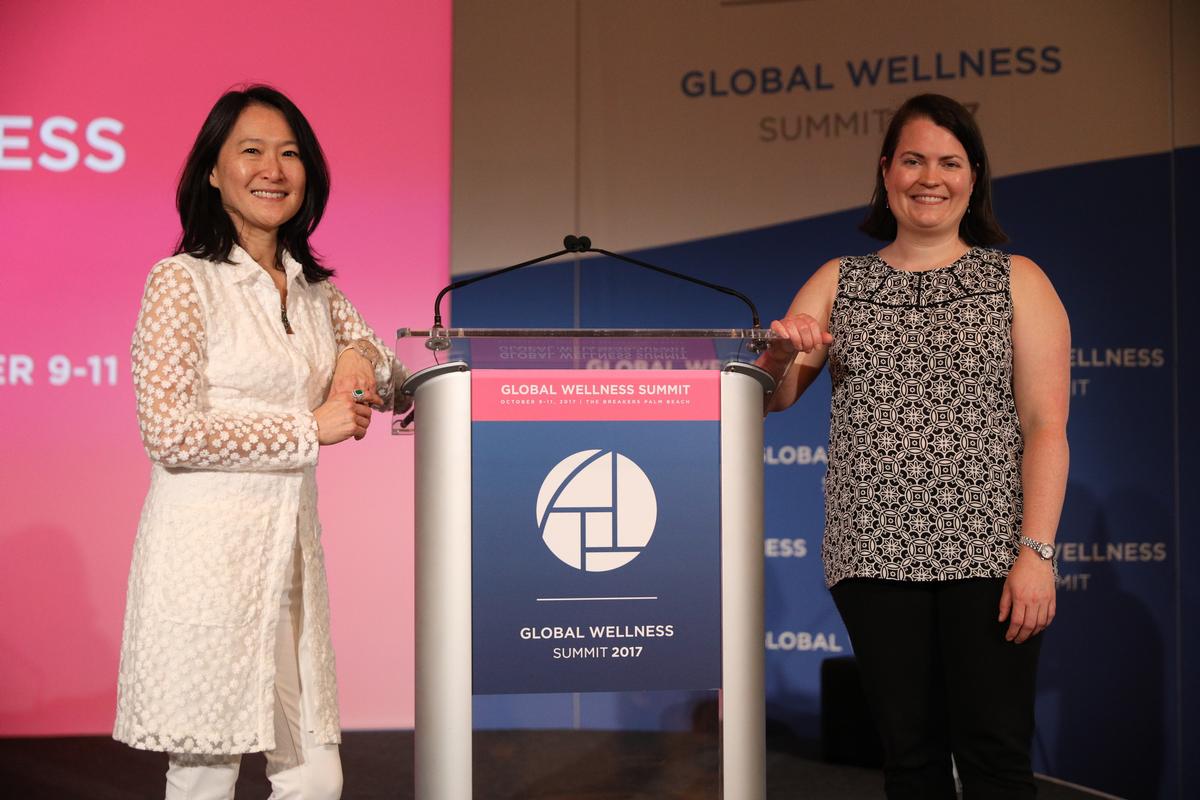
The Global Wellness Institute has released its first report on wellness real estate and communities, Build Well to Live Well.
The organisation estimates that the global wellness real estate market was worth US$134bn (€108bn, £94bn) in 2017, and projects it will grow six per cent a year, to US$180bn (€145bn, £126bn), by 2022.
The US is the largest market, worth US$52.5bn (€42bn, £37bn), followed by China, Australia and the UK, and the GWI estimates that there are 740 projects worldwide in the pipeline that meet the criteria for wellness real estate.
The 150-plus page report defines wellness real estate and communities as facilities that "intentionally put people’s health at the centre of design, creation and redevelopment".
The GWI says consumer demand for healthy homes is outstripping supply: in the US, for example, there are 1.3 million potential buyers each year but with a pipeline of 355 projects.
“Collectively, we must shake-up our thinking: healthy homes are as important as immunisations; parks, paths, and plants are as beneficial as prescriptions; friends and neighbours are far more important than Fitbits,” said Katherine Johnston, GWI senior research fellow.
“All the industries that create our home environments – real estate investors, urban planners/designers, architects, transportation planners, the construction industry – play a massive role in human health.
"And they need to partner to meet the desperate need – and fast-rising demand – for healthier homes and communities.”
The report found that wellness real estate has grown 6.4 per cent annually since 2015, and represents 1.5 per cent of the annual global construction market, and half the size of the global green building industry (US$260bn). The US, along with a few key Asian countries (China, Australia, India) and Europe (UK, Germany), account for three-quarters of the market.
In five years, the pipeline for wellness lifestyle real estate and communities has gone from a handful of projects to over 740 built, partially built, or in development, across 34 countries today.
Among more than 740 projects, GWI estimates that there are over 1.5 million units or homes either already built, or planned to be built out, over the next two decades. They account for more than 560,000 acres of land and will house more than 4.1 million people.
The GWI posits that emerging wellness living concepts will drive future development.
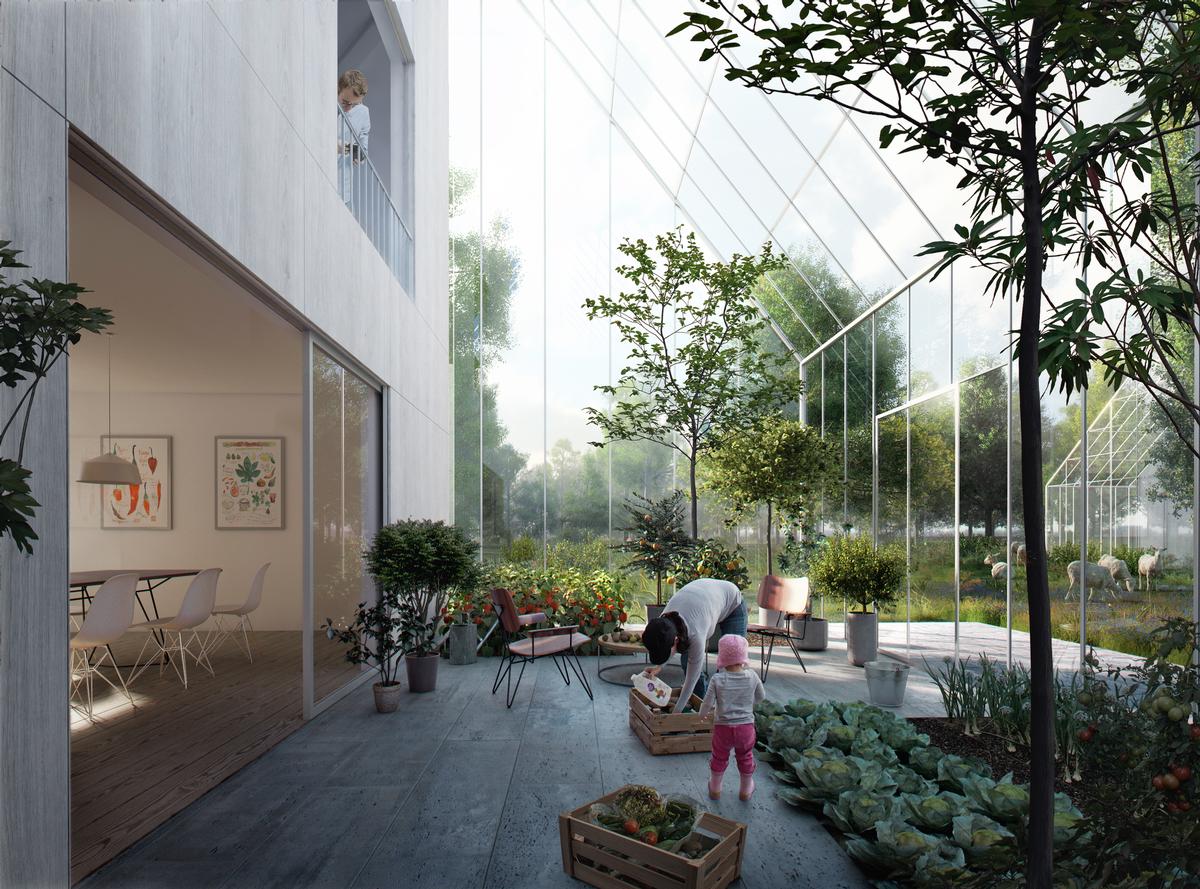
These include: a trend towards the strategic integration of homes, co-working facilities and wellness programming; a move by developers to collaborate with governments to bring wellness-infused homes to lower-income populations; a renewed interest in multigenerational and diverse neighbourhoods; a concentration of hospitals and health services for consumers mixed with wellness-focused neighbourhoods; a move from green to regenerative living, where communities produce their own food and renewable energy; a leveraging of technologies to create smart-healthy homes and cities; and a rediscovering of hot springs as a wellness living anchor.
“Our existing built environment has a massive and increasingly negative impact on our physical and mental health,” said Ophelia Yeung, GWI senior researcher.
“We'll never address skyrocketing chronic disease and health costs without dramatically transforming where and how we live.
"We’ve got to shift investment into the places that give us the most outsized health returns: our homes and communities.”
• US US$52.5bn
• China US$19.9bn
• Australia US$9.5bn
• UK US$9bn
• Germany US$6.4bn
• India US$6bn
• France US$5.8bn
• South Korea US$4.2bn
• Canada US$2.4bn
• Japan US$2.2bn
• US 355
• Australia 189
• UK 42
• China 39
• India 17
• Canada 17
• Malaysia 12
• Singapore 9
• Vietnam 6
• Indonesia 6

Delos forms alliance with engineers Glumac to boost integration of wellness and design
Delos expanding healthy building with partnerships for cruise ships, airport lounges
What three things are necessary to be considered a 'wellness community'?
Marriott introducing Delos Stay Well hotel rooms at six US properties
Delos introduces wellness building standards to China
Wellness real estate concept Delos is not just for the high-end, founder Paul Scialla tells Spa Business
FEATURE: Wellness – Living well
FEATURE: Wellness Communities – Living Well
AI firm Midjourney enters wellness with spa, fitness and body scanning concept
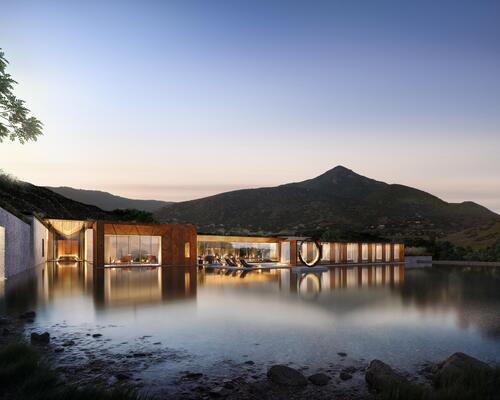
Hot spring wellness community Ameyalli sells residences and breaks ground on resort and spa

OMA completes New Museum transformation with landmark expansion and Oberon restaurant
OMA has completed a major transformation of New York's New Museum, creating a larger cultural campus that combines expanded exhibition spaces with learning, performance, hospitality and public programming. The latest addition, Oberon, extends the visitor experience beyond the gallery, reflecting a growing trend for museums to become all-day destinations.
The New Museum in New York has entered a new chapter with the completion of a major
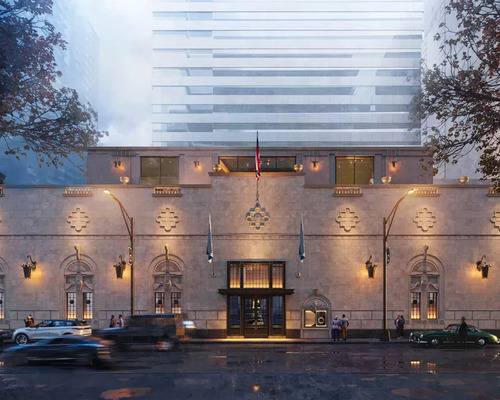
David Rockwell creates immersive magic destination, The Hand and The Eye
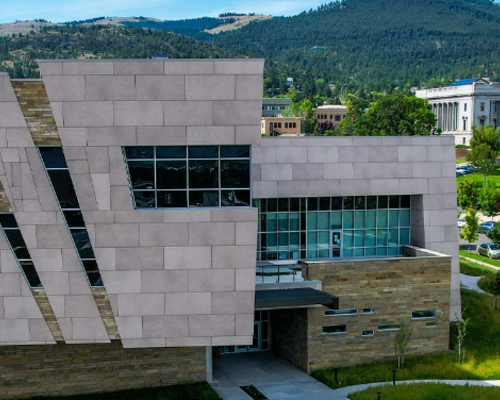
Montana Heritage Center by Cushing Terrell opens after US$107 million investment

Universal launches new theme park model with Kids Resort
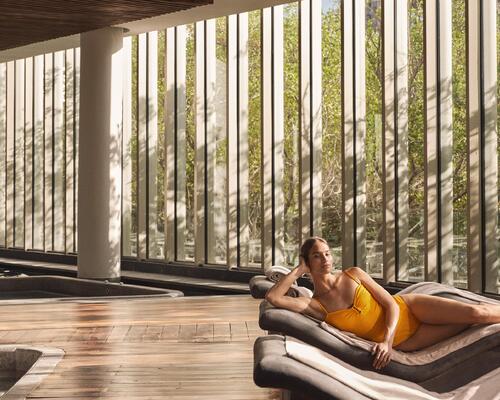
'Minor wellness hotels' recorded the strongest growth across top KPIs in 2025, finds RLA Global
Great Barrier Reef attraction set for AU$180 million reinvention
Fairmont Cheshire, The Mere, has architecture by Leach Rhodes Walker and interiors by Bergman Design House.
Marriott International partners with Fitwel for wellness solutions across its residential portfolio
Preidlhof Luxury DolceVita Resort to unveil new spa in February 2027
Places Leisure is working with Roberts Limbrick to build £60m wellness flagship in Basingstoke
Hoshino Resorts opens Kai Kusatsu as it expands the Kai onsen ryokan brand
Qiddiya and Populous share details of Saudi Arabia’s National Tennis Centre
Disney confirms US$30 billion investment programme as it highlights its economic impact
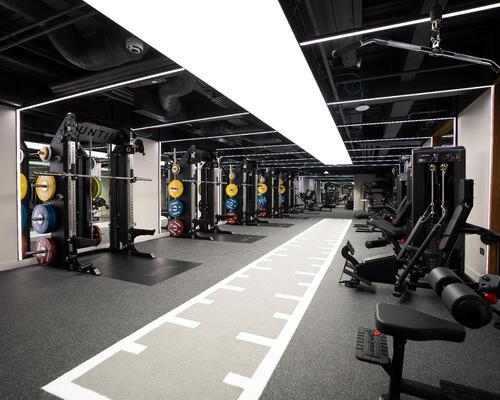
Until combines multiple disciplines at new Canary Wharf club
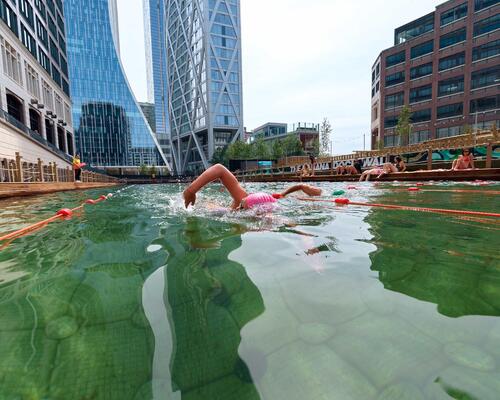
Sea Lanes opens following a partnership between The Eden Project and Canary Wharf Group
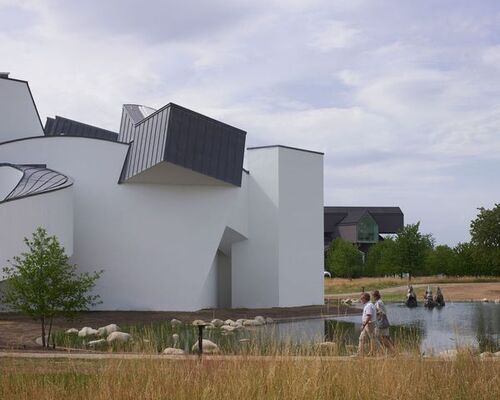
Bas Smets brings water and wilderness to Vitra
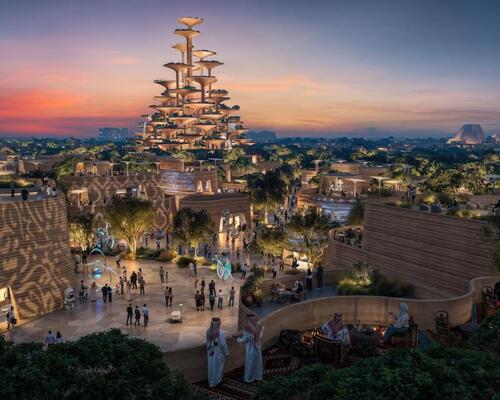
Expo 2030 Riyadh will create a permanent global destination
Luxury resort coming to Hunter Valley will have longevity spa
'Data chocolate', dreams made real and artworks shaped by visitors’ emotions: Refik Anadol’s AI art museum launches in Los Angeles
London Museum reveals 2026 opening date for new Smithfield home
BIG unveils Eve Music Hall as Croatia venue nears completion
Bob Rogers hands BRC to long-serving leadership team
Palazzo di Varignana launches family wellbeing and longevity retreat in Emilia Romagna
Anasa Wellness and Spa debuts at Patmos Aktis as it joins Marriott
Design-led Koru Health Club combines high-performance training with recovery

Wellness care hospital opens in Vilnius with innovative spa and hospitality concept

Universal and Puy du Fou projects point to rise of Oxford–Cambridge corridor
A proposed Puy du Fou development near Bicester and Universal Destinations and Experiences’ planned resort in Bedford are emerging as part of a wider transformation of the Oxford–Cambridge Growth Corridor into a major centre for UK leisure and tourism investment.
For years, the corridor has been associated primarily with science, technology, housing and university-led economic growth. However, the clustering of large-scale visitor attraction projects along the

All-inclusive eco-wellness development Auko to open near Vietnam’s Son Doong caves



















Designed to restore neglected land and renew the identity of Iraq’s capital city, Baghdad Sustainable Forests promises a new way of living surrounded by nature. Gensler’s Ian Mulcahay tells us why he thinks the project could become a model for the repair and enhancement of urban centres