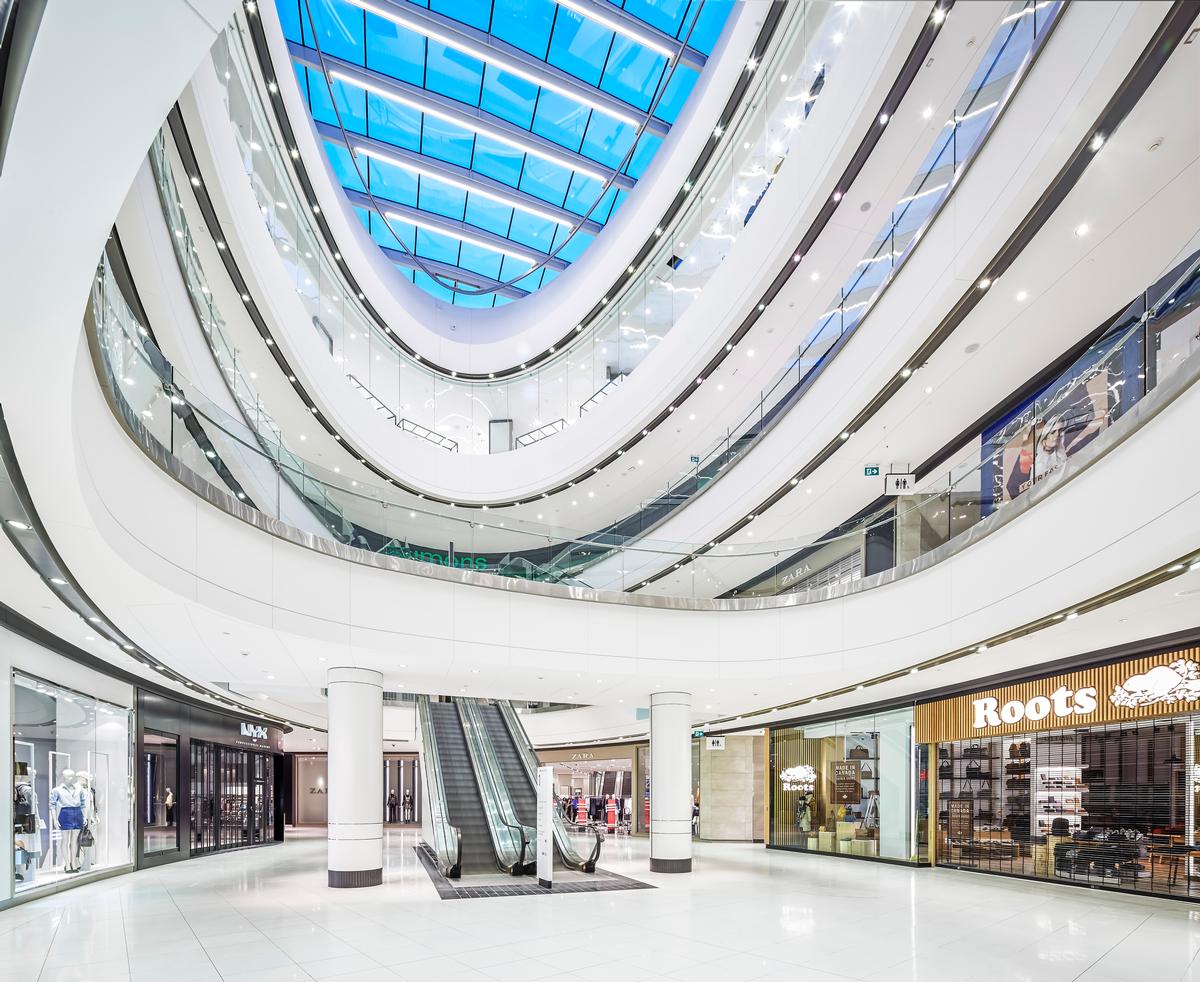
How should architects design the malls of tomorrow?



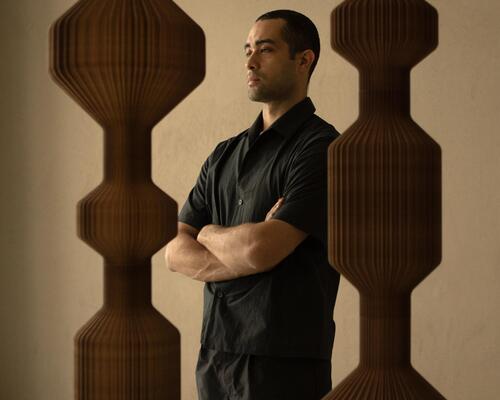
– Bryan Croeni, B+H Advance Strategy director
The advent of the sharing economy, the growing prominence of drones and our increasing demand for authentic and memorable experiences are among some of the factors architects must take into account when designing the malls and shopping destinations of tomorrow.
That’s the view of Bryan Croeni, Advance Strategy director at global architecture and urban planning giant B+H, who revealed to CLADglobal the practice’s findings into the future of the mall as a design typology.
“While designers may intuitively feel they have a pulse on the future of retail, in today’s highly disruptive environment it’s impossible to predict how the mall will evolve,” he said.
“Many malls are dying today, many are struggling to reinvent themselves and still – amidst the chaos – others are flourishing. It’s clear that the greatest threat facing the shopping mall is e-commerce; however, this isn’t the only consideration.
“Our firm recently gathered all of our design leaders for a two-day design charrette to explore the future of ‘the mall’, and the first thing we did was acknowledge that we don’t have all the answers. However, by studying the trends impacting mall design, we were able to establish markers to guide our exploration.
"This led to the team breaking up the mall into its individual attributes. Analysing and re-imagining each individual component, allowed us to piece together a range of future scenarios that will guide us as we design the malls of tomorrow.”
Croeni set out eight specific considerations designers working on large-scale projects should start to consider.
B+H’s vision of the Mall of Tomorrow
MOBILITY – WAR OF THE PARKING SPACES
As the car becomes detached from consumer habits, designers will need to account for emerging modes of transportation and embed future mobility options into present-day shopping experiences. The world is preparing for the autonomous vehicle and empty parking lots are already presenting opportunities to introduce mixed uses. But we need to think bolder. Taking the Hyperloop home, for instance, will be more appealing if a drone is there to carry your shopping bags.
SPACES – EXPLODE THE BOX
Traditional big box anchor tenants and corridors full of rigid spaces make less sense in the domain of online shopping. Since physical space no longer dictates where and how we do commerce, a shift to modular flexible spaces that can expand and contract based on the needs of the shopper will become the norm. At its core, the mall is a forum for experiences and commerce – the reasons to confine both to a prescribed physical space are rapidly dwindling.
TECHNOLOGY – THE DIGITAL DIVIDE
Today, the mobile share of global e-commerce is estimated at 70 per cent, fueled by the 6 per cent of the global population that owns a smartphone. Malls need to fight fire with fire, by ensuring the integration of technology acts in service to human experience and not as the experience itself. Technology can be best leveraged to make spaces instantly programmable and customisable.
INFRASTRUCTURE – PLUG AND PLAY
Building on technology, the increasing pressure to update antiquated infrastructure to align with the global energy transition is the perfect opportunity to embed flexibility and customisation into the makeup of the mall. The mall can act as the spine that everything plugs into – receiving and sending the information to potential retailers, programmers, vendors and guests.
TENANT MIX – SYSTEMIC CHANGE
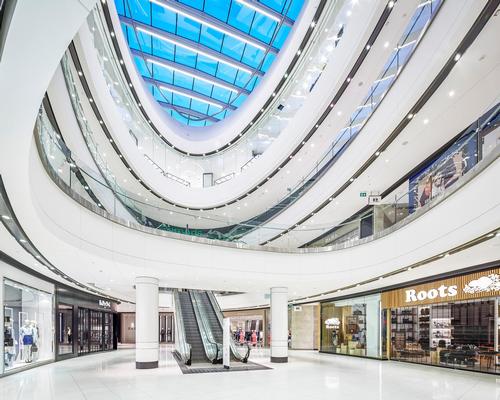
A mall programmed around social attractors that draw people together can invariably change based on shifting user wants, needs and desires. At the Crystal Galleria in Shanghai, B+H designed space for food offerings in 40 per cent of the six-level building to accommodate for a shifting focus to experience and good. Flexibility and change should be embedded into the mall’s structure to allow for pivots in use and function. An extension of the Airbnb/Uber models can be leveraged to facilitate an element of purposefully transient tenant spaces.
USER EXPERIENCE – CAMPFIRE
Buying stuff will not survive as the primary purpose of the mall. In the future, we’ll go to the mall to 'wake up'. Retailers are already increasing their programming with a focus on experiences. As the lines between live, work, and play continue to blur, community and social activity will become the generators of retail and not the other way around.
INVESTORS – SHARING SPACES
Change, not growth, is shaping an increasingly global investment market. A mall that is a collection of experiences and opportunities for commerce lends itself to a new kind of ownership model built around multiple stakeholders, community ownership and the sharing economy.
GUESTS – THE NEXT DISRUPTORS
Just three major consumer groups will generate 50 per cent of total global urban consumption growth between now and 2030: the retiring and elderly in developed economies, China’s working-age population, and North America’s working-age population. The next disruptors are Generation Z, who have demonstrated a willingness to trade in technology for authentic experiences that can’t be replicated anywhere else.
The growing need for investors, retailers, architects and designers to consider consumer demand for real experiences is a trend that has been highlighted by a number of industry figures in recent times.
Last November, Nathalie Depetro, director of the International Retail Real Estate Market (MAPIC) told CLADglobal that “diversification in design has become more important than ever in this age where we like to capture our experiences online and on social media”.
She said: “Architects have a larger role than ever planning our retail spaces because now people don’t just go there to shop – they want to be entertained, meet friends, hang out with family, socialise and leave with memories.”
Design futurism architecture mall B+H Bryan Croeni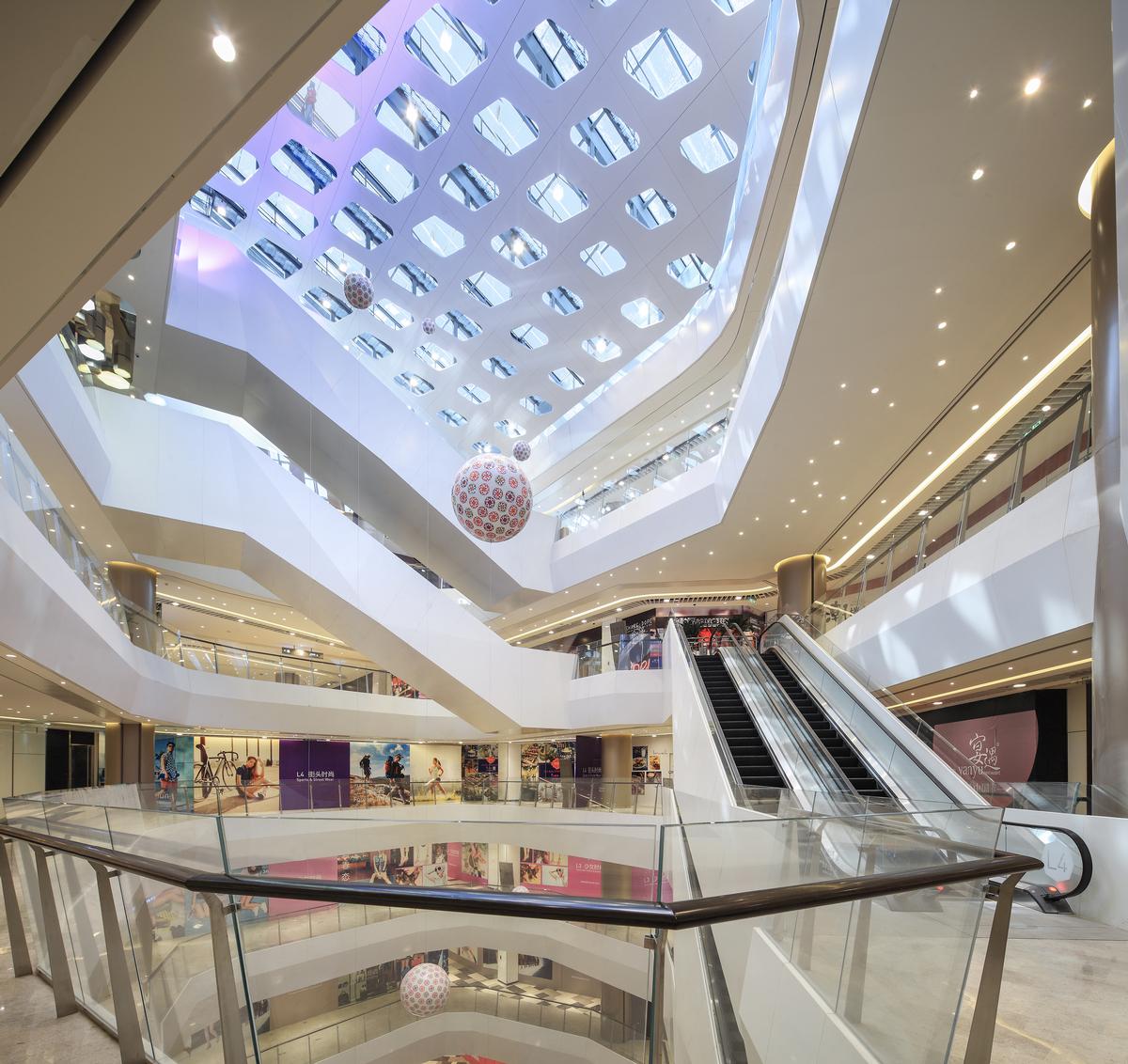
Diversity in design the focus as MAPIC 2017 kicks off in Cannes
Work begins on MVRDV's public promenade and man-made lagoon in Tainan
BDP design £300m leisure-oriented extension to Meadowhall mall
Indoor-skydiving to star at new experiential mixed-use Berlin development
Hoshino Resorts opens Kai Kusatsu as it expands the Kai onsen ryokan brand
Qiddiya and Populous share details of Saudi Arabia’s National Tennis Centre
Disney confirms US$30 billion investment programme as it highlights its economic impact
Until combines multiple disciplines at new Canary Wharf club
Sea Lanes opens following a partnership between The Eden Project and Canary Wharf Group
Bas Smets brings water and wilderness to Vitra
Expo 2030 Riyadh will create a permanent global destination
Luxury resort coming to Hunter Valley will have longevity spa
'Data chocolate', dreams made real and artworks shaped by visitors’ emotions: Refik Anadol’s AI art museum launches in Los Angeles
London Museum reveals 2026 opening date for new Smithfield home
BIG unveils Eve Music Hall as Croatia venue nears completion
Bob Rogers hands BRC to long-serving leadership team
Palazzo di Varignana launches family wellbeing and longevity retreat in Emilia Romagna
Ansana Wellness and Spa debuts at Patmos Aktis as it joins Marriott
Design-led Koru Health Club combines high-performance training with recovery

Wellness care hospital opens in Vilnius with innovative spa and hospitality concept

Universal and Puy du Fou projects point to rise of Oxford–Cambridge corridor
A proposed Puy du Fou development near Bicester and Universal Destinations and Experiences’ planned resort in Bedford are emerging as part of a wider transformation of the Oxford–Cambridge Growth Corridor into a major centre for UK leisure and tourism investment.
For years, the corridor has been associated primarily with science, technology, housing and university-led economic growth. However, the clustering of large-scale visitor attraction projects along the

All-inclusive eco-wellness development Auko to open near Vietnam’s Son Doong caves
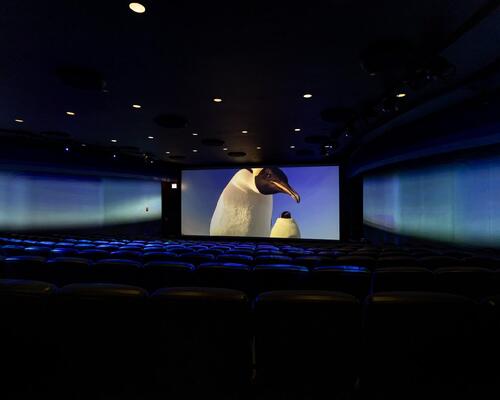
Shedd Aquarium upgrades its visitor experience with new Immersion Theater
Shedd Aquarium has opened the Immersion Theater developed in partnership with SimEx-Iwerks, as part of a wider strategy to enhance the guest experience and create additional revenue opportunities.
The attraction has transformed the aquarium’s Phelps Auditorium into a multi-sensory venue combining panoramic projection, environmental effects and interactive technology.
A new pre-show area allows visitors to engage with augmented reality marine animals before entering the
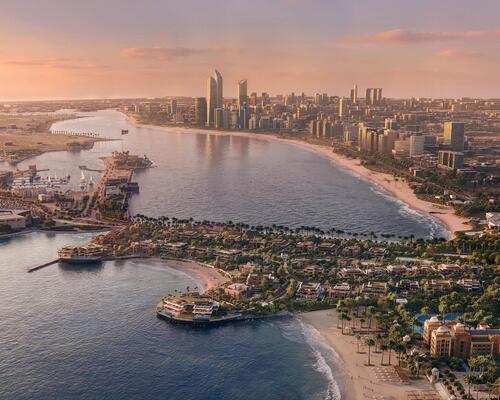
Mandarin Oriental announces standalone Mansions-branded residences for Abu Dhabi
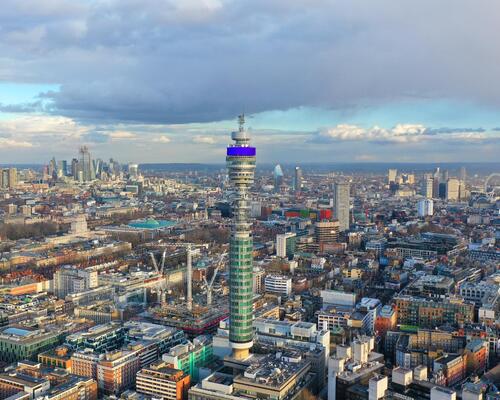
MCR is planning a luxury hotel for London's BT Tower
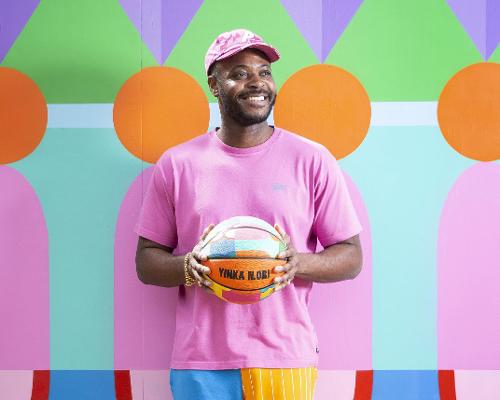
Joy as a radical act: Yinka Ilori launches solo exhibition celebrating the rebellious power of spreading happiness

Work gets underway on Madrid's €800 million leisure complex
Work is underway in Madrid on one of Europe’s most significant multi-functional complexes, combining sport, entertainment, culture and education.
The €800 million initiative to regenerate the former Olympic Aquatic Centre in the north-east of the city, next to the Riyadh Air Metropolitano stadium, is being led by Barsento – a joint venture between Live Nation Entertainment, Oak View Group and Atlético de Madrid. The project will
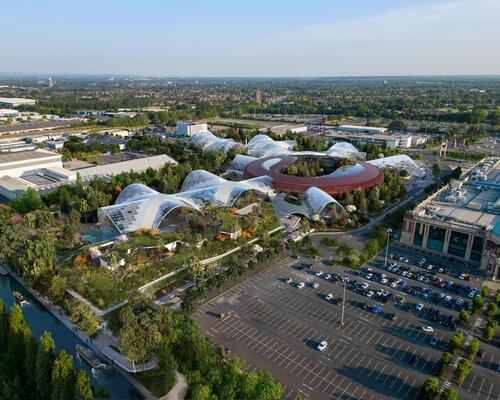
Therme Manchester reveals 90:90 strategy – 90 per cent of the UK population within a 90-minute drive of a Therme

Four Seasons’ Naples Beach Club opens 2,800sq m Sanctuary spa inspired by indigenous Calusa people
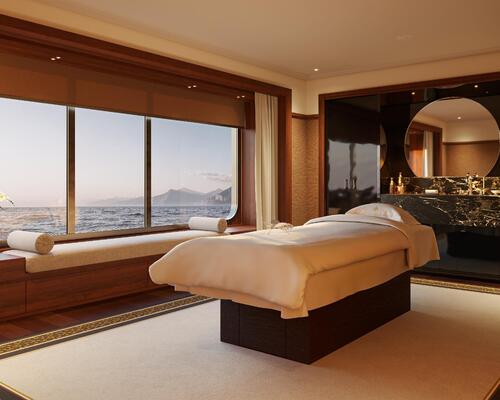
Orient Express Corinthian to host Ocean Rebirth wellness retreat in collaboration with Guerlain
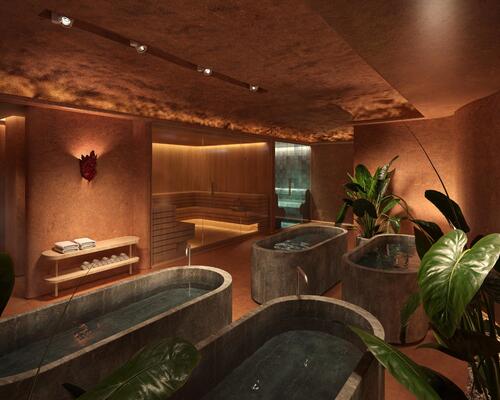
Famed London nightclub, Tramp, launches Tramp Health
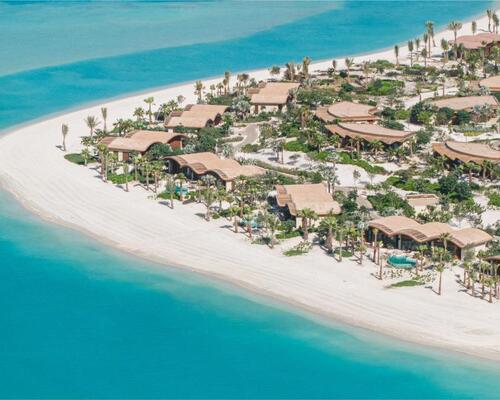
First look: Miraval opens on the Red Sea in Saudi Arabia

Hainan Science Museum by Ma Yansong, opens in China
A new science museum has opened to the public in Haikou after attracting more than 350,000 visitors during a four-month soft opening period.
Designed by Ma Yansong and his practice MAD Architects, the Hainan Science Museum is located on the edge of Wuyuan River National Wetland Park and has already recorded peak attendance of more than 5,800 visitors in a single day.
Commissioned by
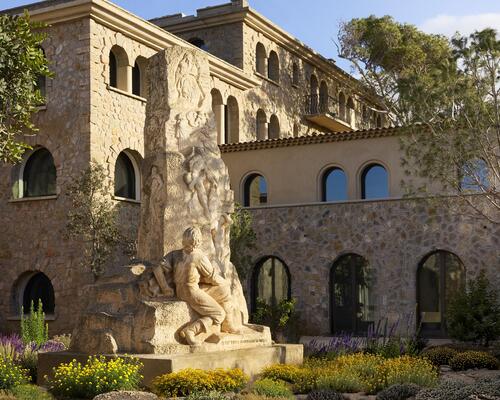
Zannier Île De Bendor launches with design by Hardel Le Bihan Architectes








Designed to restore neglected land and renew the identity of Iraq’s capital city, Baghdad Sustainable Forests promises a new way of living surrounded by nature. Gensler’s Ian Mulcahay tells us why he thinks the project could become a model for the repair and enhancement of urban centres