Exclusive: Daniel Libeskind urges more democracy in design


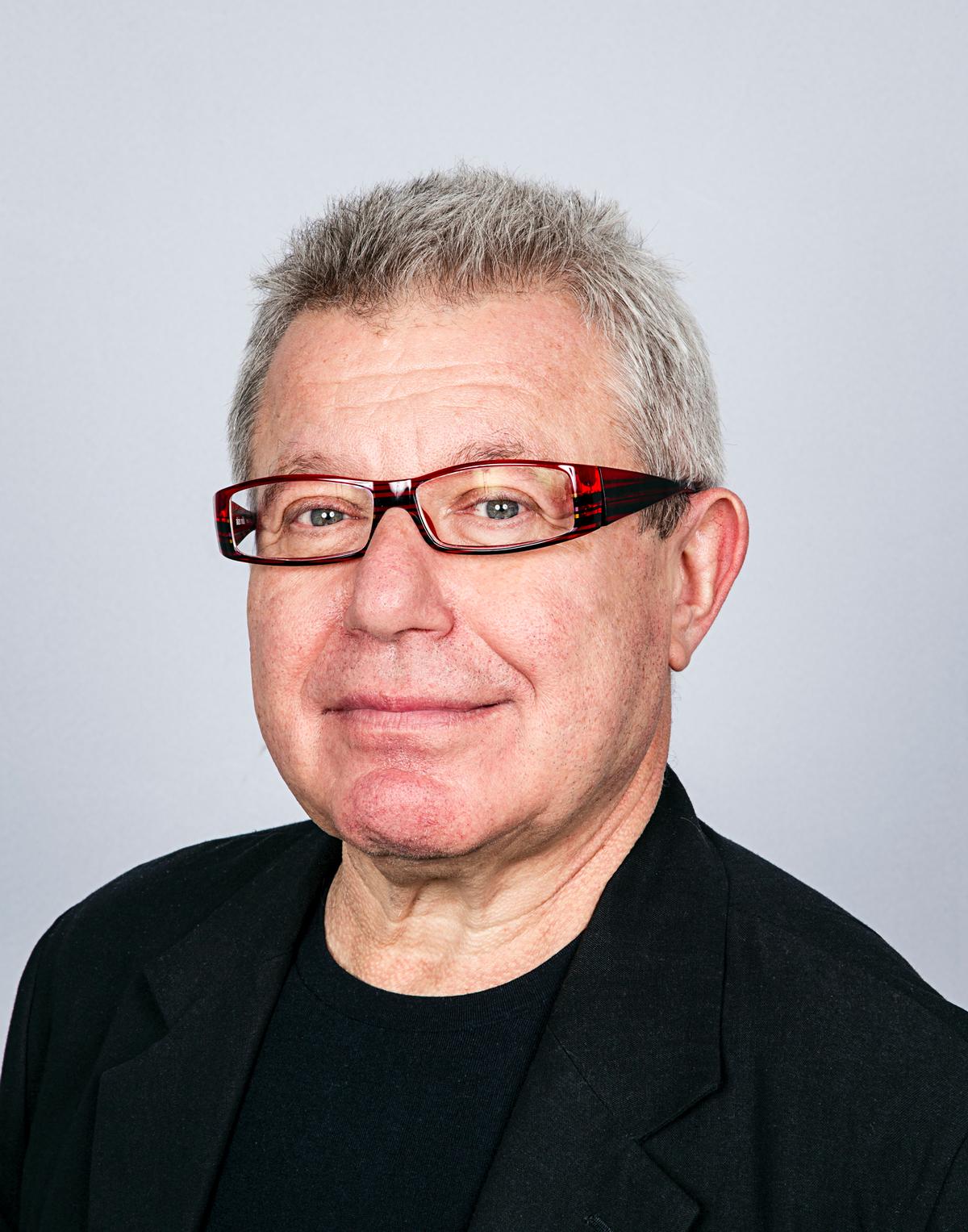
– Daniel Libeskind
Citizens should be empowered to play a much more active role in the design of the built environment as part of democratic society, the architect Daniel Libeskind has argued.
In an exclusive interview with CLADglobal, Libeskind said that the need to enhance public participation in the design process is “the biggest challenge facing architecture today.”
“I think architecture can only thrive in a democratic environment, and that means through involving people,” he said.
“More than just voting ‘I like it, I don't like it’, people should be actively encouraged to engage in the conversation of architecture itself. I’m a true believer that given some tools and the right discourse, people are very creative. We see it in art. Why shouldn't people have that same chance to participate in architecture?”
Libeskind has previously served as a professor at Leuphana University in the historic city of Lüneburg in Germany, running an experimental programme to encourage civic design.
“The school had no architects,” he said. “They [the students] were scientists, educators and lawyers. We decided to hold many workshops to get them designing a project for the city, which they developed over many years.
“I gave them pencils, paper, some computer software and I said, ‘You’re smart enough to design anything you want.’
“Through a series of discussions, I asked the students to tell me how the building should look. Should it have windows? How much should it cost? Should it have a door? Who’s it for? What materials should it be made of? That's the conversation that empowers people to see they are the architects.
“Aristotle said the mayor the city should know every citizen. That was for small cities in Greece, but I think he had the right idea. If you can empower people you can create a democratic society. I really believe that is coming in the future.”
Libeskind said such a consensus-building approach is important to combat the continuing threat of xenophobia, misogyny and fundamentalism in society.
The architect, who is known for projects including the Jewish Museum Berlin and the World Trade Center masterplan in New York, also hit out at Donald Trump’s actions as US president as “a throwback to a dark time.”
“I think building walls, withdrawing from climate agreements, isolating the country and blaming others is very bad, and people in America don't really accept it,” he said.
“Of course it will change. What it has done is mobilise many people to be interested in politics, who before couldn't care less about the representative they were voting for in their local election. I think it has had an electrifying effect on young people. So I’m very optimistic about the future, actually. It bodes well that more people are wanting to participate.”
Libeskind and his firm Studio Libeskind are currently developing a number of high-profile projects around the world, including the Kurdistan Museum in Erbil and the mixed-use k18b tower in Vilnius.
Daniel Libeskind architecture design public participationDaniel Libeskind vows to build '24/7 public space for the Baltic states' with Vilnius tower plan
Daniel Libeskind wins competition for mixed-use glass tower in Lithuania
Daniel Libeskind unveils secret seven-year design plans for Kurdistan Museum
AI firm Midjourney enters wellness with spa, fitness and body scanning concept
Hot spring wellness community Ameyalli sells residences and breaks ground on resort and spa

OMA completes New Museum transformation with landmark expansion and Oberon restaurant
OMA has completed a major transformation of New York's New Museum, creating a larger cultural campus that combines expanded exhibition spaces with learning, performance, hospitality and public programming. The latest addition, Oberon, extends the visitor experience beyond the gallery, reflecting a growing trend for museums to become all-day destinations.
The New Museum in New York has entered a new chapter with the completion of a major
David Rockwell creates immersive magic destination, The Hand and The Eye
Montana Heritage Center by Cushing Terrell opens after US$107 million investment

Universal launches new theme park model with Kids Resort
'Minor wellness hotels' recorded the strongest growth across top KPIs in 2025, finds RLA Global
Great Barrier Reef attraction set for AU$180 million reinvention
Fairmont Cheshire, The Mere, has architecture by Leach Rhodes Walker and interiors by Bergman Design House.
Marriott International partners with Fitwel for wellness solutions across its residential portfolio
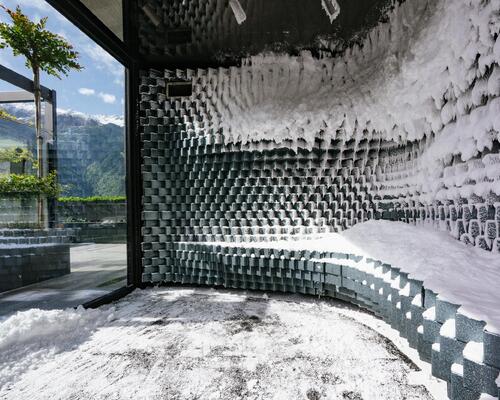
Preidlhof Luxury DolceVita Resort to unveil new spa in February 2027
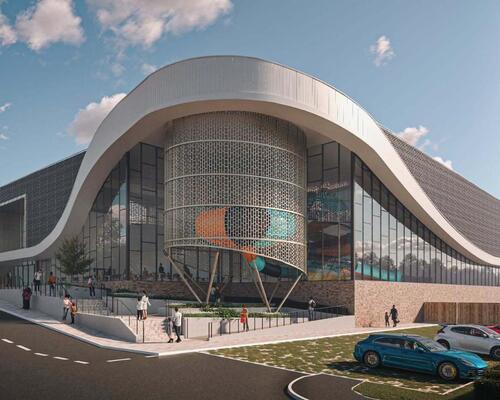
Places Leisure is working with Roberts Limbrick to build £60m wellness flagship in Basingstoke
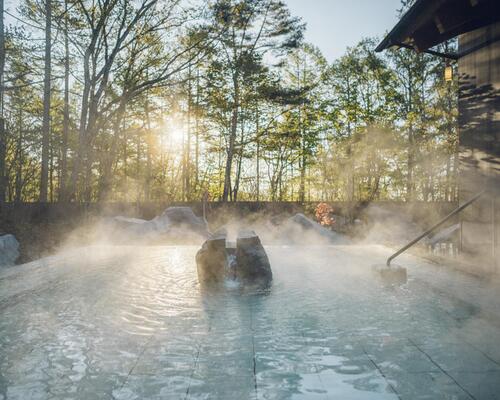
Hoshino Resorts opens Kai Kusatsu as it expands the Kai onsen ryokan brand
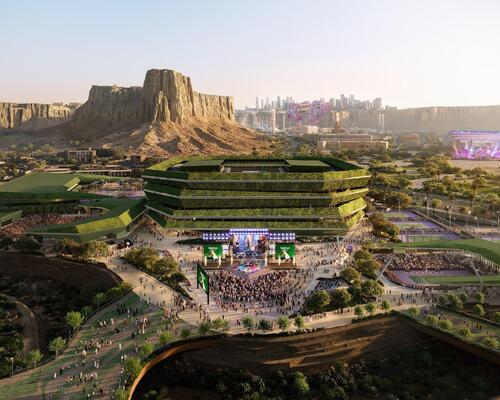
Qiddiya and Populous share details of Saudi Arabia’s National Tennis Centre
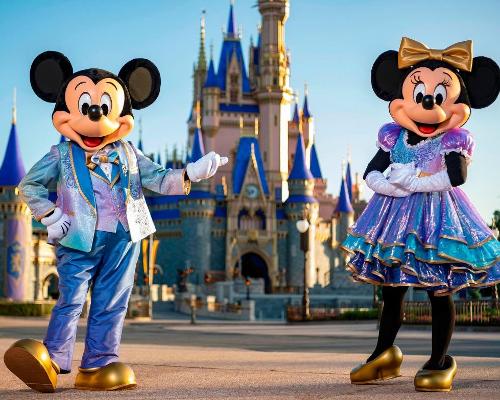
Disney confirms US$30 billion investment programme as it highlights its economic impact
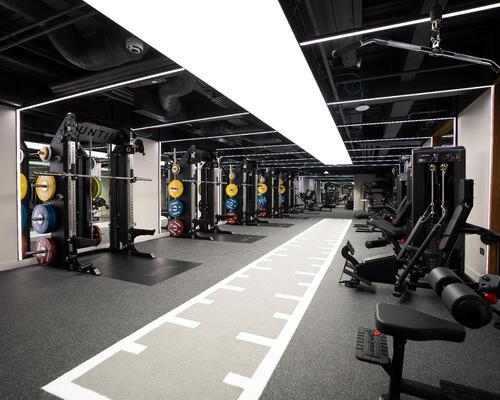
Until combines multiple disciplines at new Canary Wharf club
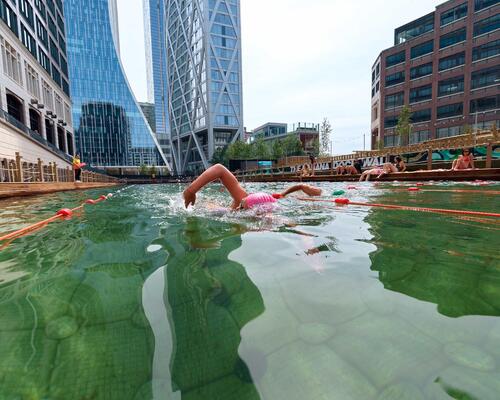
Sea Lanes opens following a partnership between The Eden Project and Canary Wharf Group
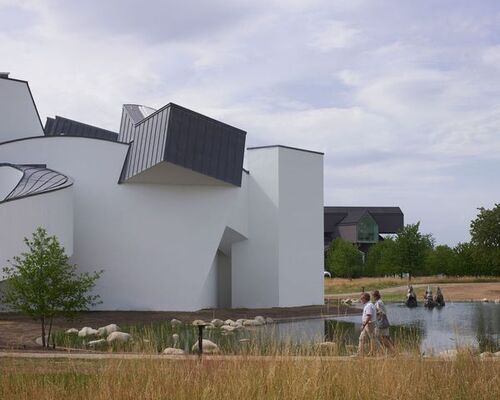
Bas Smets brings water and wilderness to Vitra
Expo 2030 Riyadh will create a permanent global destination
Luxury resort coming to Hunter Valley will have longevity spa
'Data chocolate', dreams made real and artworks shaped by visitors’ emotions: Refik Anadol’s AI art museum launches in Los Angeles
London Museum reveals 2026 opening date for new Smithfield home
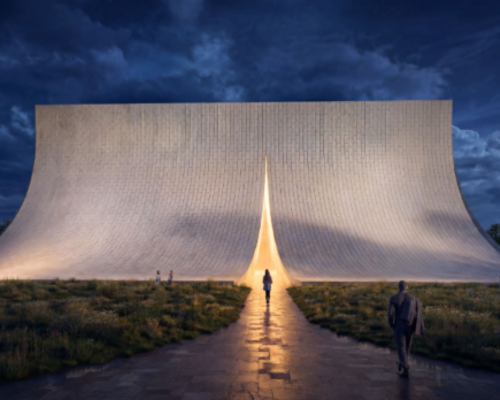
BIG unveils Eve Music Hall as Croatia venue nears completion
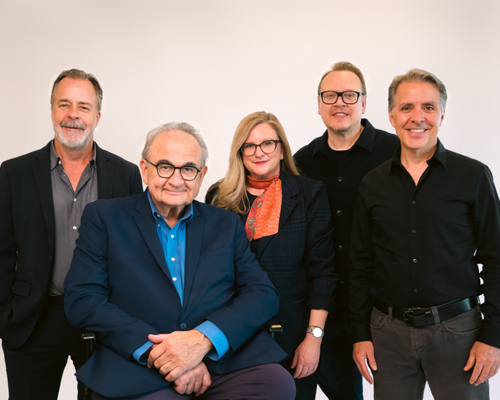
Bob Rogers hands BRC to long-serving leadership team
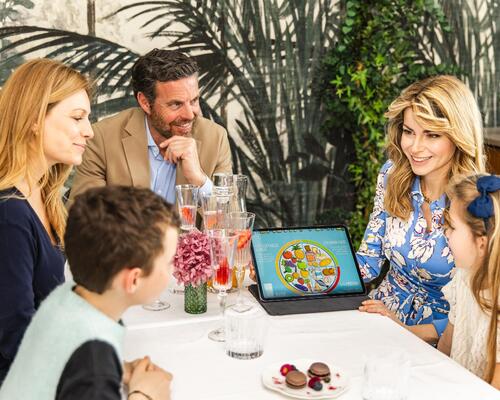
Palazzo di Varignana launches family wellbeing and longevity retreat in Emilia Romagna
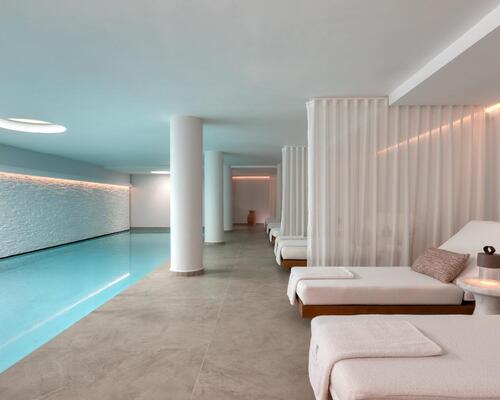
Anasa Wellness and Spa debuts at Patmos Aktis as it joins Marriott
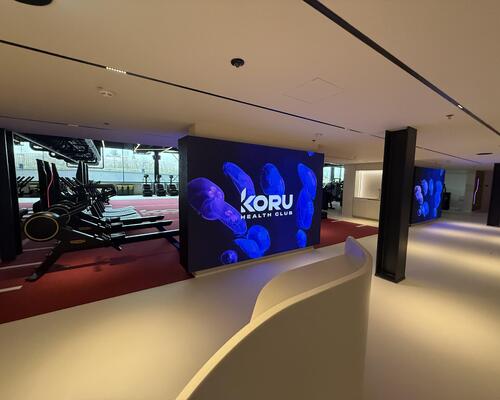
Design-led Koru Health Club combines high-performance training with recovery

Wellness care hospital opens in Vilnius with innovative spa and hospitality concept

Universal and Puy du Fou projects point to rise of Oxford–Cambridge corridor
A proposed Puy du Fou development near Bicester and Universal Destinations and Experiences’ planned resort in Bedford are emerging as part of a wider transformation of the Oxford–Cambridge Growth Corridor into a major centre for UK leisure and tourism investment.
For years, the corridor has been associated primarily with science, technology, housing and university-led economic growth. However, the clustering of large-scale visitor attraction projects along the
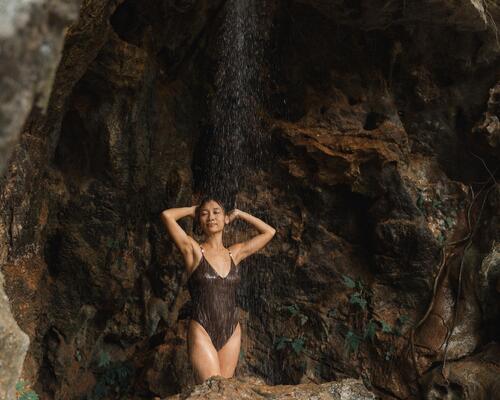
All-inclusive eco-wellness development Auko to open near Vietnam’s Son Doong caves















Designed to restore neglected land and renew the identity of Iraq’s capital city, Baghdad Sustainable Forests promises a new way of living surrounded by nature. Gensler’s Ian Mulcahay tells us why he thinks the project could become a model for the repair and enhancement of urban centres