China clamping down on unsustainable theme park boom


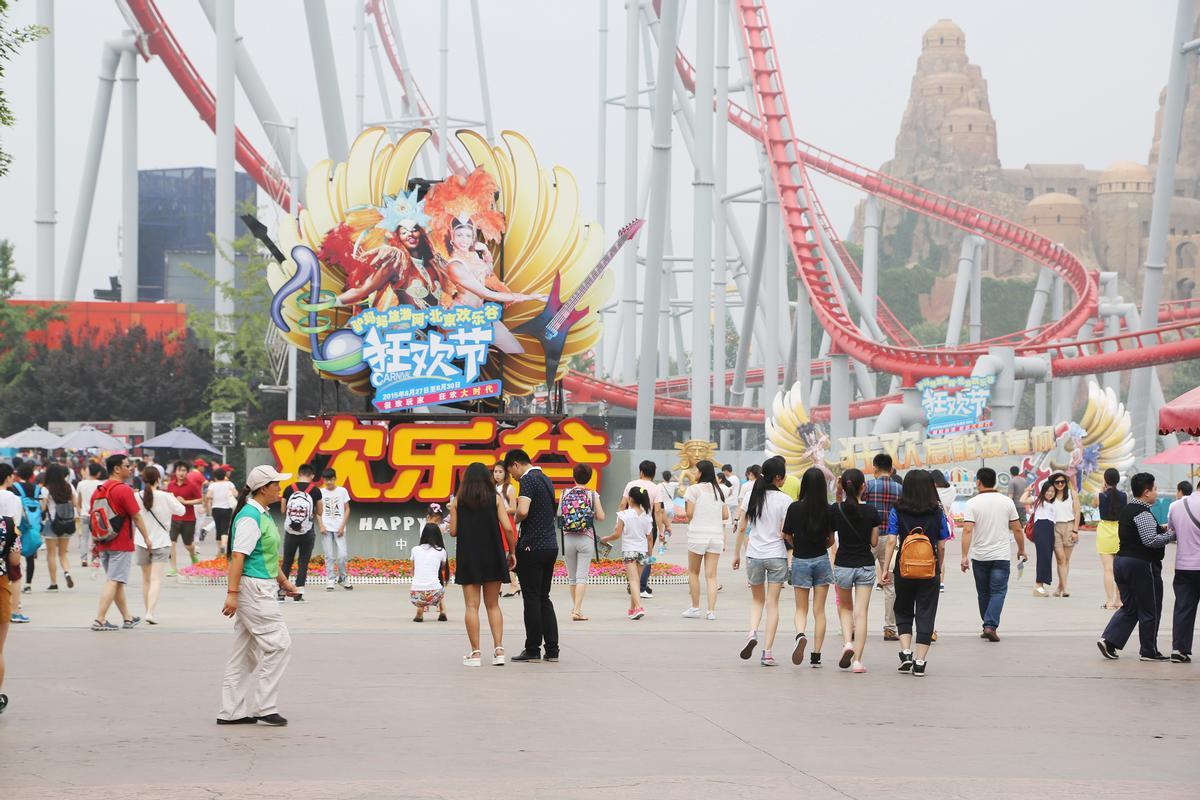
China’s central planning body has warned developers about the country’s ongoing theme park boom, raising concerns over potentially unpayable debts and low grade or copycat developments, as new parks continue to spring up across the country.
As of the end of 2015, China had 59 parks planned or under construction, with the figure now thought to be in the hundreds. This explosion in theme park development in the country is due in part to the Chinese government lifting a ban on theme park approvals in 2013, enabling parks under CN¥5bn (US$800m, €717m, £633m) to be approved at a provincial level, encouraging further investors.
According to the National Development and Reform Commission (NDRC) – which has broad administrative and planning control over the Chinese economy – theme park developers should strengthen supervision to “prevent the formation of local debt risks, social risks and financial risks.”
“In the development of theme parks we’ve seen unclear concepts, blind construction, imitations and plagiarism, low-standard duplication and other issues,” said an NDRC statement, which also added that in certain areas “local debt risks” were starting to emerge.
For future plans, the NDRC says that entertainment firms should involve the government more planning such developments, with particular care placed on developments worth more than CN¥1.5bn (US$237m, €191.8m, £166.8m).
Attractions sales in China grew significantly last year, increasing 27 per cent to CN¥39.5bn (€5.1bn, £4.4bn), with Mintel data predicting the market to more than double in size to CN¥89.2bn (US$14.2bn, €11.5bn, £10bn) by 2022.
In June last year, China’s government removed restrictions on foreign investment in large-scale theme park projects as part of a pledge to open the country’s economy – the second largest in the world – to wider foreign investment.
Major developments in the country include those from the likes of Disney, Universal, Wanda and now Sunac. The NDRC says that new property developments around theme parks, including commercial and residential properties, will be closer scrutinised and must gain separate approval.
As its theme park sector continues to thrive, China predicts spending at its parks to reach nearly US$12bn (€10.7bn, £9.5bn) by 2020, with visitor numbers surpassing 330 million people. As Chinese disposable income rises, attractions are reaping the rewards, with tourism numbers increasing as more leisure opportunities become available to tourists.
China government theme park National Development and Reform Commission Disney Universal Wanda Sunac MintelChina theme park boom driving Asian tourism, says Global Trends Report
Ferrari inks deal for China theme park
Visions of China theme park developers sign deal with Rotherham council

AI firm Midjourney enters wellness with spa, fitness and body scanning concept
Hot spring wellness community Ameyalli sells residences and breaks ground on resort and spa

OMA completes New Museum transformation with landmark expansion and Oberon restaurant
OMA has completed a major transformation of New York's New Museum, creating a larger cultural campus that combines expanded exhibition spaces with learning, performance, hospitality and public programming. The latest addition, Oberon, extends the visitor experience beyond the gallery, reflecting a growing trend for museums to become all-day destinations.
The New Museum in New York has entered a new chapter with the completion of a major
David Rockwell creates immersive magic destination, The Hand and The Eye
Montana Heritage Center by Cushing Terrell opens after US$107 million investment
Universal launches new theme park model with Kids Resort
'Minor wellness hotels' recorded the strongest growth across top KPIs in 2025, finds RLA Global
Great Barrier Reef attraction set for AU$180 million reinvention
Fairmont Cheshire, The Mere, has architecture by Leach Rhodes Walker and interiors by Bergman Design House.
Marriott International partners with Fitwel for wellness solutions across its residential portfolio
Preidlhof Luxury DolceVita Resort to unveil new spa in February 2027
Places Leisure is working with Roberts Limbrick to build £60m wellness flagship in Basingstoke
Hoshino Resorts opens Kai Kusatsu as it expands the Kai onsen ryokan brand
Qiddiya and Populous share details of Saudi Arabia’s National Tennis Centre
Disney confirms US$30 billion investment programme as it highlights its economic impact
Until combines multiple disciplines at new Canary Wharf club
Sea Lanes opens following a partnership between The Eden Project and Canary Wharf Group
Bas Smets brings water and wilderness to Vitra
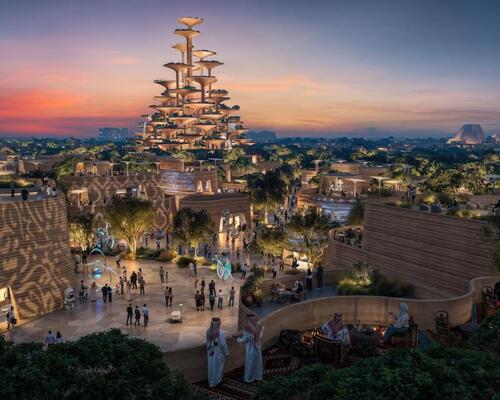
Expo 2030 Riyadh will create a permanent global destination
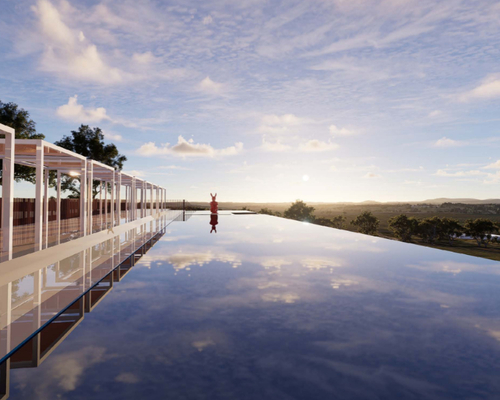
Luxury resort coming to Hunter Valley will have longevity spa
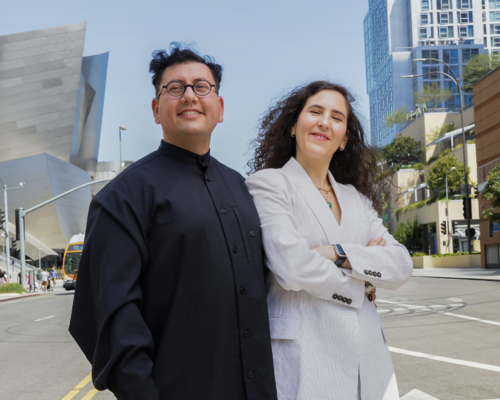
'Data chocolate', dreams made real and artworks shaped by visitors’ emotions: Refik Anadol’s AI art museum launches in Los Angeles
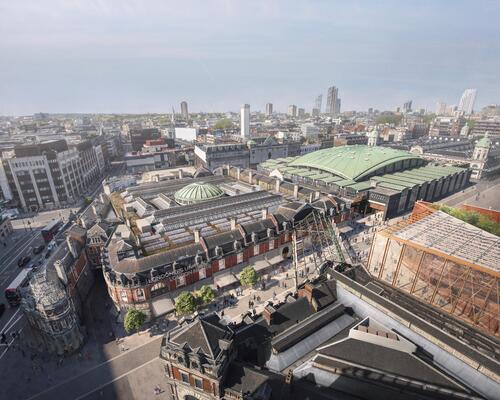
London Museum reveals 2026 opening date for new Smithfield home
BIG unveils Eve Music Hall as Croatia venue nears completion
Bob Rogers hands BRC to long-serving leadership team

Palazzo di Varignana launches family wellbeing and longevity retreat in Emilia Romagna
Anasa Wellness and Spa debuts at Patmos Aktis as it joins Marriott
Design-led Koru Health Club combines high-performance training with recovery

Wellness care hospital opens in Vilnius with innovative spa and hospitality concept

Universal and Puy du Fou projects point to rise of Oxford–Cambridge corridor
A proposed Puy du Fou development near Bicester and Universal Destinations and Experiences’ planned resort in Bedford are emerging as part of a wider transformation of the Oxford–Cambridge Growth Corridor into a major centre for UK leisure and tourism investment.
For years, the corridor has been associated primarily with science, technology, housing and university-led economic growth. However, the clustering of large-scale visitor attraction projects along the

All-inclusive eco-wellness development Auko to open near Vietnam’s Son Doong caves




Designed to restore neglected land and renew the identity of Iraq’s capital city, Baghdad Sustainable Forests promises a new way of living surrounded by nature. Gensler’s Ian Mulcahay tells us why he thinks the project could become a model for the repair and enhancement of urban centres