i360 'vertical cable car' wins prize for excellence at 2017 Structural Awards as leisure projects triumph


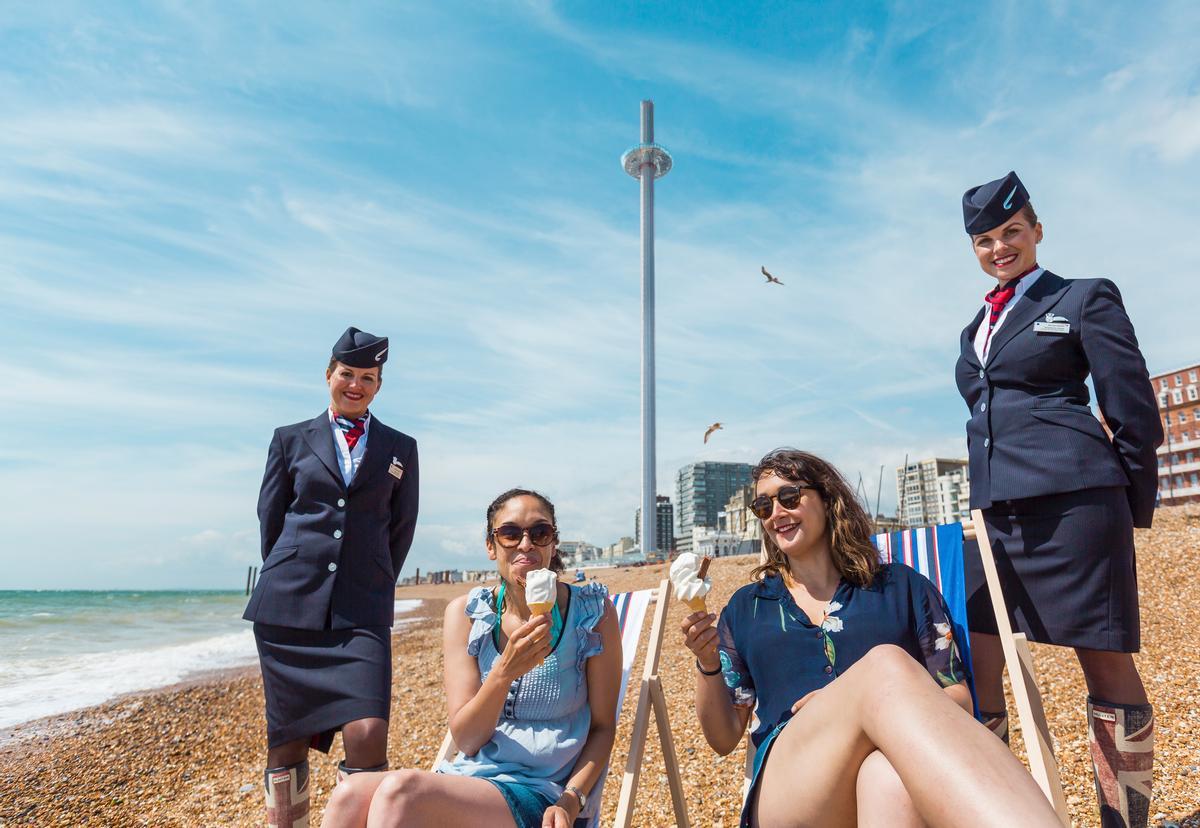
The winners of The Structural Awards 2017 have been announced, with multiple leisure projects celebrated for their design and engineering excellence.
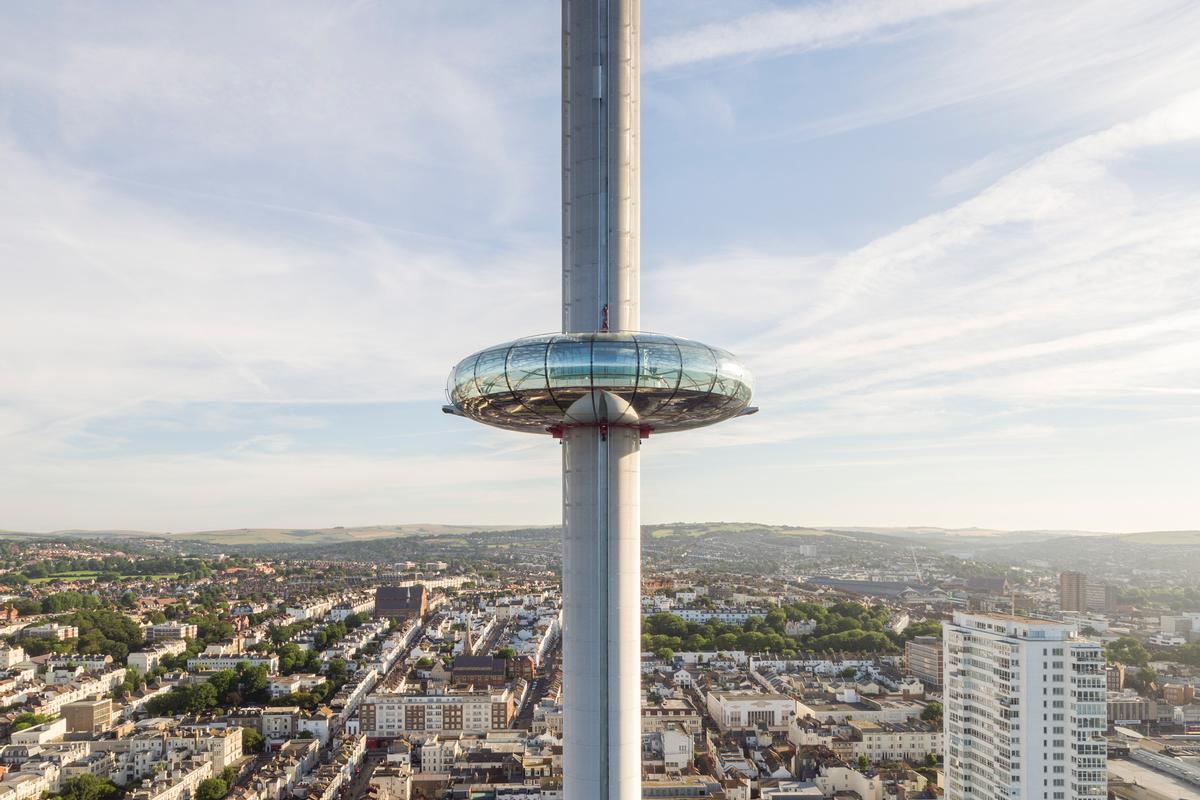
The British Airways i360 in Brighton, UK, was honoured with The Supreme Award for Structural Engineering Excellence – one of the highest accolades in world engineering.
In a unanimous decision, the judging panel, made up of industry experts, described the project as “a remarkable feat of engineering” and praised the tower’s structural designer, engineering group Jacobs.
The i360 was designed by architecture firm Marks Barfield, whose co-founder David Marks passed away in October.
The aim of the awards, organised by The Institution of Structural Engineers in the UK, is to recognise the world’s most talented structural designers, showcase the projects that lead industry development and "raise awareness of structural engineers’ role as the guardians of public safety and as creative, innovative design professionals”.
Previous winners include the Grandview Heights Aquatics Centre in Canada, the Singapore Sports Hub, Taizhou Bridge in China and the London 2012 velodrome.
Innovative structures were recognised across 14 categories. The full list of leisure winners can be seen below, along with the judge’s descriptions and comments.
Winner: The Supreme Award for Structural Excellence and the Award for Tall or Slender Structure
Structural Designer: Jacobs
Principal Contractor: Hollandia Infra b.v.
Main Contractor: Nardo Hoogendijk
Architect: Marks Barfield
Location: Brighton, UK
Project description: British Airways i360 is the world's tallest moving observation tower. It carries 200 passengers in a circular glass viewing pod, which rises slowly from beach level to a height of 138m. The tower is 162m high and only 3.9m in diameter (holding the Guinness Record for the "world's most slender tower"). The tower was delivered by barge directly to the beach and erected by a novel "top-down" method without the use of cranes. It features purpose-designed perforated cladding to minimise vortex shedding and sloshing liquid dampers to limit wind-induced dynamic movements.
Judge's comments:
“The steel tower is clad in perforated aluminium Expamet sheet, which cleverly reduces the wind forces on the tower, allowing it to be so slender. To help still further in resisting any dynamic movements when the wind is blowing, the tower has another trick up its sleeve. It hides 78 containers on the inside of the tower, each filled with Australian water, positioned perfectly to help resist movements which the tower might otherwise want to make under wind gusting.
“Another innovation lies in the manner in which the tower was constructed. It comprises 17 ‘cans’, each weighing between 50 and 100 tonnes, which were jacked up one by one in a top-down method of construction by using a jacking frame. This avoided the use of unfeasibly large cranes, and ensured that all construction occurred safely at ground level. And you’ll be happy to know that over 60 per cent of the energy used to lift the pod each time is recovered on its descent. A remarkable feat of engineering.”
Winner: The Award for Long Span Structures
San Mames Football Stadium Cable Roof Extension
Structural Designer: Idiom
Principal Contractor: INBISA and PFEIFER
Architect ACXT-IDOM (IDOM Group)
Location: Bilbao, Spain
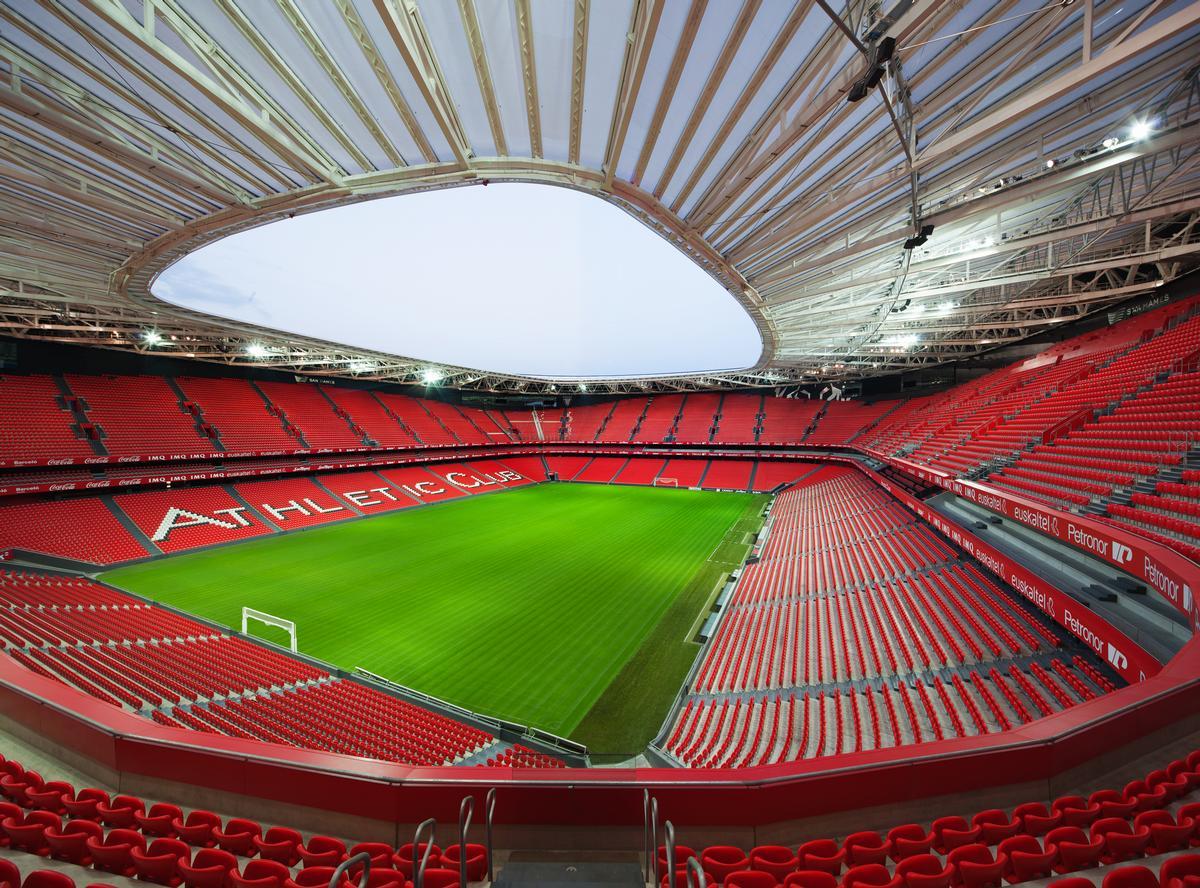
Project description: During the summer break of 2016, the roof of San Mames football stadium in Bilbao, Spain, was upgraded with the aim of improving the spectators’ comfort on rainy days. The selected solution, an innovative double-layer cable-roof extension designed by IDOM, increased the roof span by 13m to 23m, minimised the required reinforcements on the original roof, and enabled a record construction time without any disruption to football games.
Judge's comments:
“The extension of the San Mames football stadium roof in Bilbao is a triumph of structural engineering in several different ways. Arising from a need to improve spectator comfort on rainy days, a new lightweight, translucent 4,700sq m oculus of ETFE-clad roofing has been delicately poised within the existing stadium roof opening. The new structure extends the cantilevered distance of the original roof by between 13m and 23m, resulting in maximum projections of up to 75m.
“The structure comprises an oval prismatic truss compression ring of structural steel linked by radial cables to a two-layer internal cable tension ring. The total weight of the roof extension structure, including the compression ring, purlins and reinforcement of the existing cantilevered roof, is around 500 tonnes, while the cable system and connections add a further 180 tonnes.
“The entire roof extension structure was assembled, lifted into position and sequentially tensioned in a period of just two months during the stadium’s summer closure period.
“The engineering design relied heavily upon the ability to accurately predict the complex non-linear interaction between the existing cantilevered roof and the new cable net. This required the development of a 3D BIM model and the non-linear computer analysis of the new and existing structures, supplemented by wind tunnel testing, CFD modelling and wind-driven rain simulation, and the use of a 1:30 scale operating mock-up of the roof to simulate and assess the complex processes of lifting and tensioning the new structure without overstressing the existing roof.”
Winner: The Award for Structural Transformation
Structural Designer: Arup
Principal Contractor: Mace
Fit-out Contractor: Willmott Dixon
Architect: OMA and Allies & Morrison
Location: London, UK
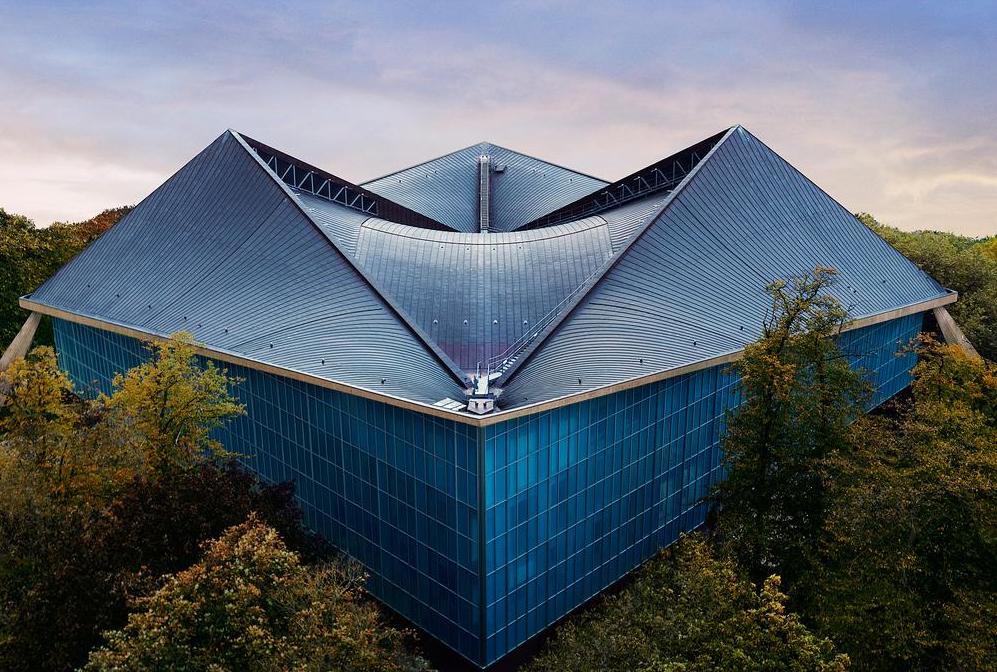
Project description: Arup provided a radical engineering solution to enable the successful re-invigoration of the Grade II* Listed Commonwealth Institute exhibition building, creating a new home for the Design Museum.
The sophisticated solution involved strengthening and then retaining the building’s 2,000-tonne (55m x 55m) roof and primary structure by temporarily suspending it 20m above ground, supported entirely by temporary works. This enabled the replacement of the existing façade and internal structure and the creation of a significant new basement covering the entire building plan. The building’s amazing transformation has continued to entice and delight visitors since opening in November 2016.
Judge’s comments:
“Used frequently in the 1960s and 70s, hyperbolic paraboloid roofs are smoothly curving in shape, but are formed from a series of straight pieces.
“The copper-covered hyperbolic paraboloid roof of the Grade II* listed Commonwealth Institute exhibition building, originally constructed in 1962, weighs 2,000 tonnes and measures some 55m x 55m – the same area as 15 tennis courts. It was strengthened and then supported on temporary supports, in its original position some 20m above ground. Then its walls and floors were demolished. Below the temporarily supported roof, new basement and floor structures were constructed, ultimately being built up to provide permanent support for the roof. The roof is very thin – so damage to it could be caused if movements in the temporary supports exceeded a tiny + or – 5mm.
“Particularly impressive is the way in which the risks associated with supporting such a large fragile roof so high in the air were dealt with, by initial painstaking investigation, the design of strengthening and analysis of various scenarios, for example, the supports moving after initially being set up.”
Winner: Construction Integration
Structural Designer: Arup
Principal Contractor: Lee Ming Construction Co.
Architect: Toyo Ito & Associates
Location: Taichung, Taiwan
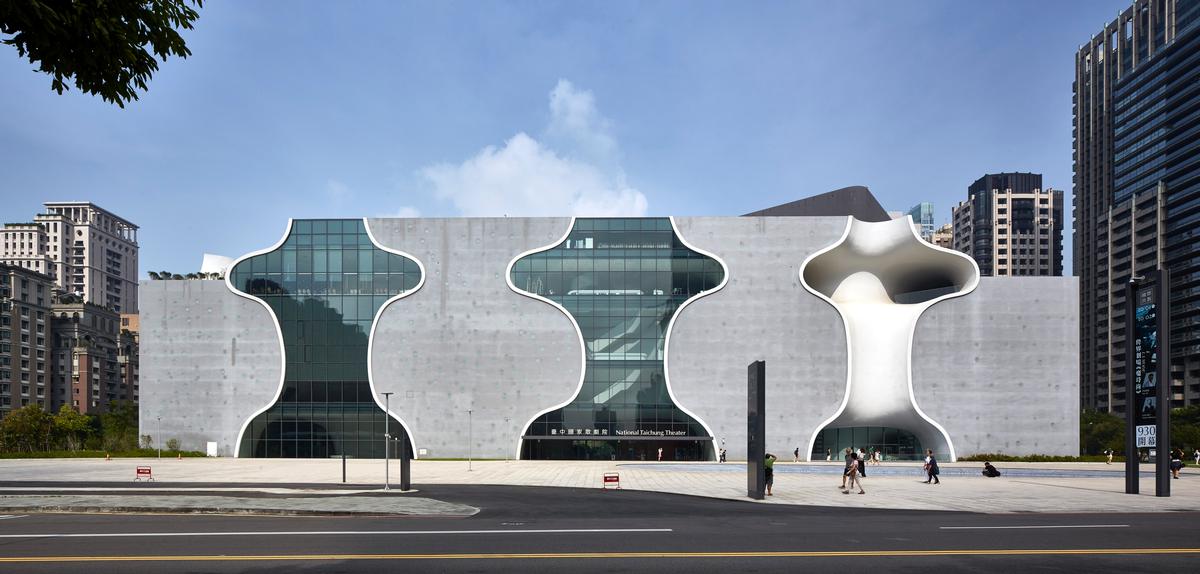
Project description: The Taichung National Theater is one of the most structural ambitious spaces constructed in recent decades. The main structure, a free-form, doubly curved, reinforced concrete shell, is a single continuous surface. It is an innovative combination of a sophisticated construction technology and local knowledge and craftsmanship. Taiwan has the highest seismic loads, and the engineering team used advanced analysis and optimisation processes to deliver a robust structural design and a highly optimised structure to keep the project on budget.
Judge's comments:
“The Taichung National Theatre houses an opera house with 2009 seats, a playhouse with 800 seats and a small theatre space with 160 seats. Its construction has transformed Taichung through the creation of a cultural hub in the city.
“The free-form, doubly curved, reinforced concrete shell is an astonishing built form, unlike any other, with its sweeping curves and folds. A new construction method was developed to achieve this, allowing complex forms to be constructed off-site and then brought together on site without the need for traditional form-work. As the site is severely seismic, the engineers employed methods of analysis more commonly used for nuclear power stations.
“This is a tour de force of engineering, using advanced analytical techniques to deliver a building that that will undoubtedly inspire people who experience its complex and unexpected form in pursuit of culture.”
The full list of winners from The Structural Awards 2017 can be read here.
British Airways i360 Brighton Mace Arup Marks Barfield Structural Awards Design Museum San Mames Stadium Toyo Ito Wilmott Dixon OMAArchitect David Marks dies aged 64
Leisure projects dominate 2016 Structural Awards
Toyo Ito's completed Taichung Opera House inspired by the human body
Ferris Wheel reinvented with Brighton's world-first i360
AI firm Midjourney enters wellness with spa, fitness and body scanning concept
Hot spring wellness community Ameyalli sells residences and breaks ground on resort and spa

OMA completes New Museum transformation with landmark expansion and Oberon restaurant
OMA has completed a major transformation of New York's New Museum, creating a larger cultural campus that combines expanded exhibition spaces with learning, performance, hospitality and public programming. The latest addition, Oberon, extends the visitor experience beyond the gallery, reflecting a growing trend for museums to become all-day destinations.
The New Museum in New York has entered a new chapter with the completion of a major
David Rockwell creates immersive magic destination, The Hand and The Eye
Montana Heritage Center by Cushing Terrell opens after US$107 million investment
Universal launches new theme park model with Kids Resort
'Minor wellness hotels' recorded the strongest growth across top KPIs in 2025, finds RLA Global
Great Barrier Reef attraction set for AU$180 million reinvention
Fairmont Cheshire, The Mere, has architecture by Leach Rhodes Walker and interiors by Bergman Design House.
Marriott International partners with Fitwel for wellness solutions across its residential portfolio
Preidlhof Luxury DolceVita Resort to unveil new spa in February 2027
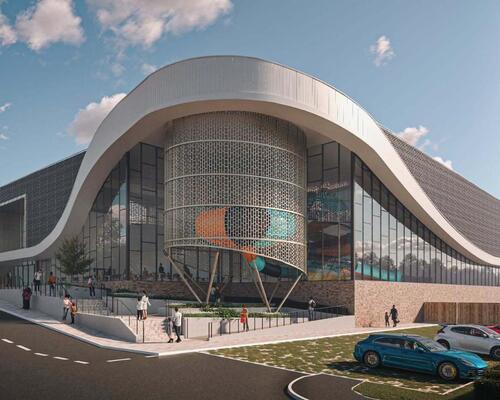
Places Leisure is working with Roberts Limbrick to build £60m wellness flagship in Basingstoke
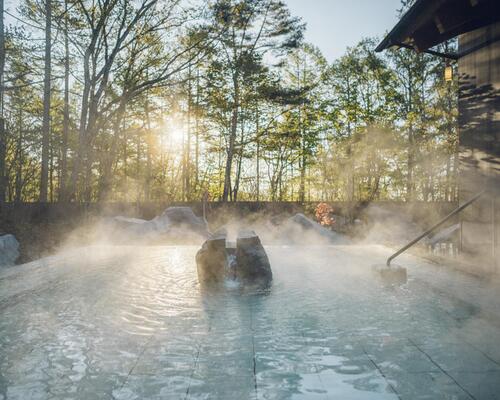
Hoshino Resorts opens Kai Kusatsu as it expands the Kai onsen ryokan brand
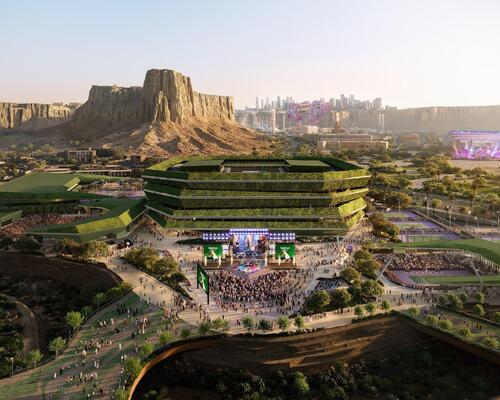
Qiddiya and Populous share details of Saudi Arabia’s National Tennis Centre
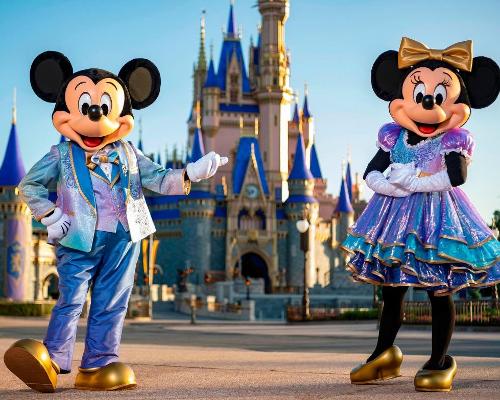
Disney confirms US$30 billion investment programme as it highlights its economic impact
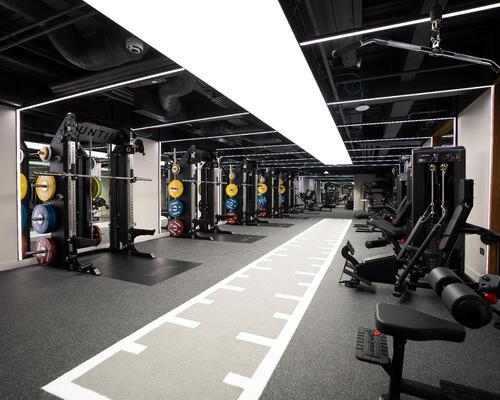
Until combines multiple disciplines at new Canary Wharf club
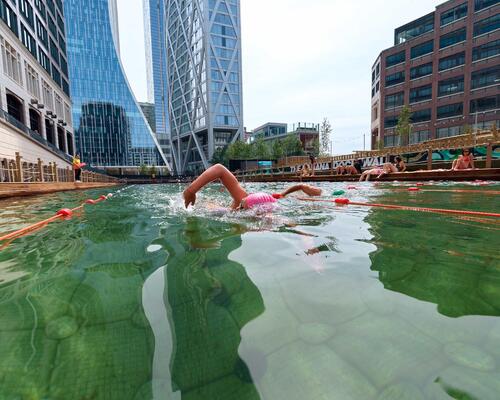
Sea Lanes opens following a partnership between The Eden Project and Canary Wharf Group
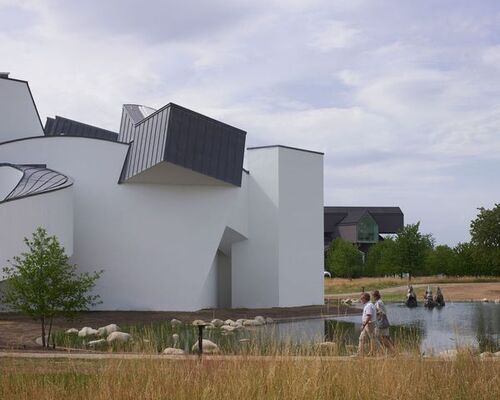
Bas Smets brings water and wilderness to Vitra
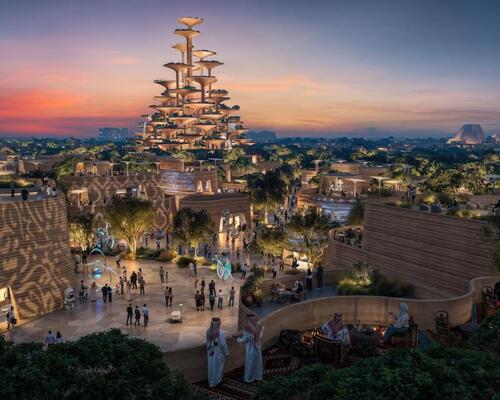
Expo 2030 Riyadh will create a permanent global destination
Luxury resort coming to Hunter Valley will have longevity spa
'Data chocolate', dreams made real and artworks shaped by visitors’ emotions: Refik Anadol’s AI art museum launches in Los Angeles
London Museum reveals 2026 opening date for new Smithfield home
BIG unveils Eve Music Hall as Croatia venue nears completion
Bob Rogers hands BRC to long-serving leadership team

Palazzo di Varignana launches family wellbeing and longevity retreat in Emilia Romagna
Anasa Wellness and Spa debuts at Patmos Aktis as it joins Marriott
Design-led Koru Health Club combines high-performance training with recovery

Wellness care hospital opens in Vilnius with innovative spa and hospitality concept

Universal and Puy du Fou projects point to rise of Oxford–Cambridge corridor
A proposed Puy du Fou development near Bicester and Universal Destinations and Experiences’ planned resort in Bedford are emerging as part of a wider transformation of the Oxford–Cambridge Growth Corridor into a major centre for UK leisure and tourism investment.
For years, the corridor has been associated primarily with science, technology, housing and university-led economic growth. However, the clustering of large-scale visitor attraction projects along the
All-inclusive eco-wellness development Auko to open near Vietnam’s Son Doong caves