Architects chosen to design Milan Cortina 2026 Olympic Games village


A global team of architects has been chosen to design the masterplan for the Milan Cortina 2026 Olympic village.
The team, called Outcomist, includes Diller Scofidio + Renfro, Arup, Nigel Dunnett Studio, Carlo Ratti Associati, Gross Max, Portland Design, Systematica, Studio Zoppini, Aecom, LAND, Artelia and PLP Architecture.
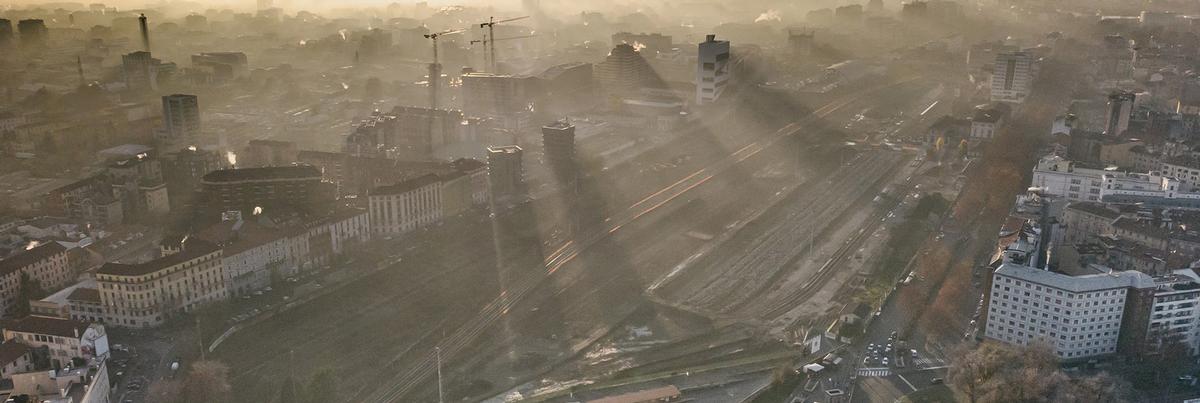
The project – called Parco Romana – will transform the vast Porta Romana railway yard area in Milan, creating a Athletes’ Village and a large 100,000sq m public park.
The 216,779sq m disused train depot will be "rehabilitated" and turned into a vibrant area linking the southeast area of Milan to the city center.
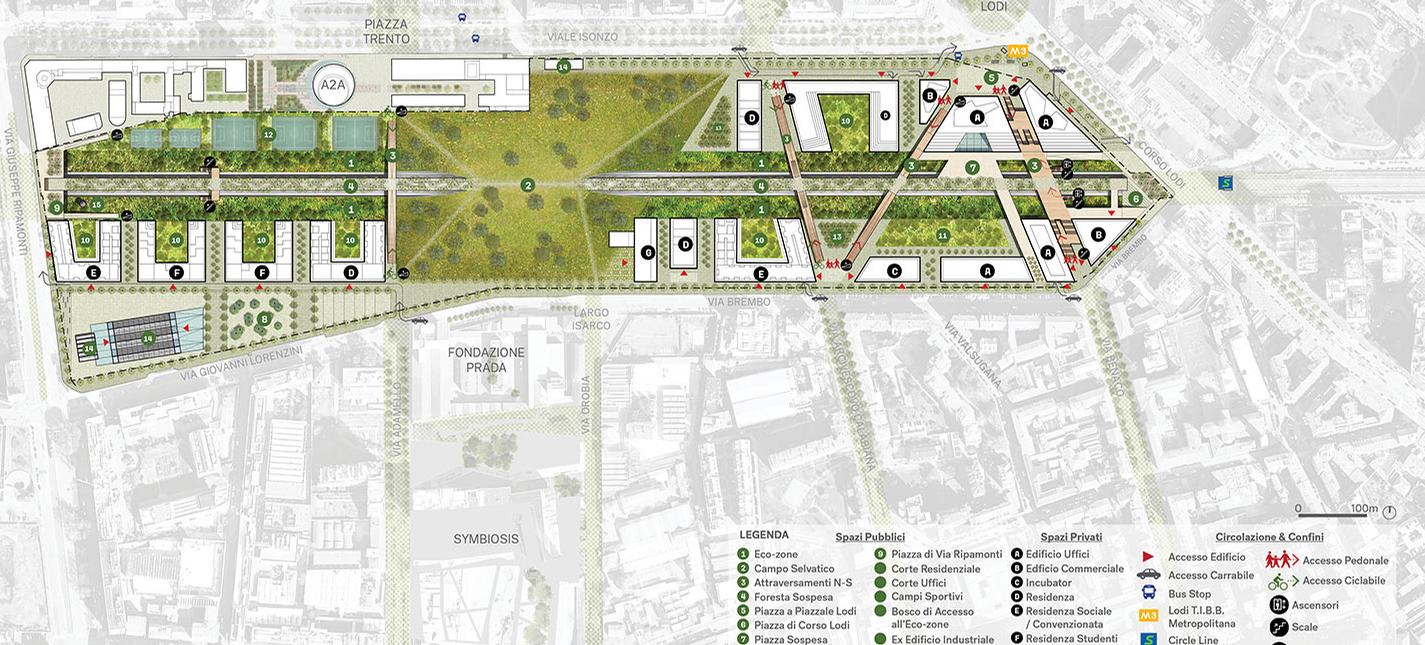
The athlete's village will occupy the south-west quadrant and the spaces for the athletes' accommodation will be "kept as simple and regular as possible", to allow maximum flexibility and their conversion into a residential component.
The decision to place the Olympic village in the south west was determined by its temporary function and by the future residential destination that will allow to maintain a general balance of the neighbourhood.
Following the games, the village will include social housing and offices and the development will also generate a rich biodiverse public space.
Outcomist beat 46 other submissions for the project and was picked from a final short list of six architectural teams.
The winning team was announced by Porta Romana – a real estate investment fund managed by Coima SGR and subscribed by Covivio and Prada Holding. Coima, Covivio and Prada won the tender for the €180m purchase of Porta Romana in November 2020.
"Parco Romana proposes a new model of integration between nature and city," the site owners described the plans.
"On the one hand, the project regenerates a railway axis, on the other, the development brings together residents, 2026 Olympics athletes and visitors in a community with its own identity."
The integrated planning of the neighbourhood encourages pedestrian travel, creating a car free area for gentle mobility.
The mix of public spaces and accessible paths hosts essential services and proximity trade as integral and living parts of the project.
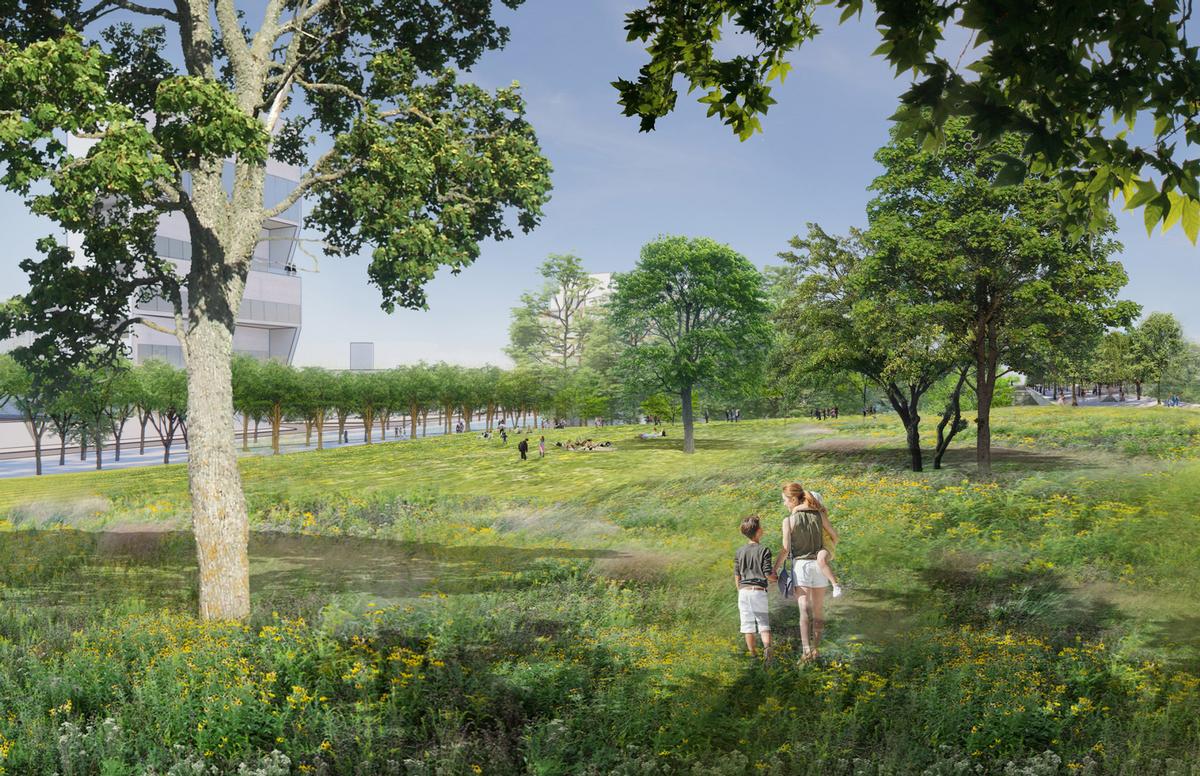
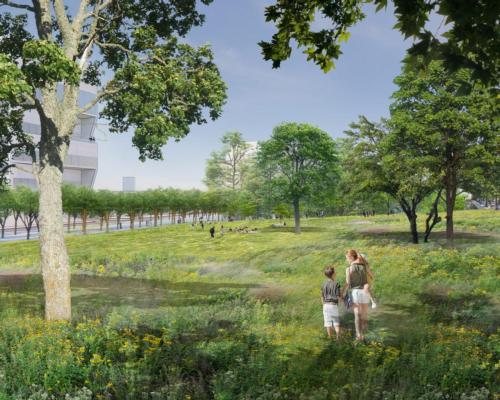
The public park, Parco Romana, is described as the natural heart of the development, a "lawn without architectural barriers" that naturalises the former industrial site within the surrounding urban fabric, creating a new public asset which is rich in biodiversity.
PLP Architecture said: "The park itself forms a unique topographic feature extending over the active railway that currently bisects the site, creating an accessible and multifunctional green space for the neighbourhood.
"The Suspended Forest – a linear elevated greenway that helps to contain, rather than erase, existing railway infrastructure – includes hundreds of trees providing dedicated walking routes with unexpected views overlooking the surrounding area.
"A biodiverse woodland and wetland Eco-zone interspersed with community gardens runs alongside the tracks at grade, offering a range of communal activities focused on health and wellbeing while dovetailing with Milan’s Rotaie Verdi environmental network."
An east-west connection inspires further railway mitigation interventions, including a potential Milanese highline above the track beam to "recreate permeability".
This has the ambitious goal of allowing residents and visitors to cross the entire length of the Yard, transforming the most obstructive feature of the former industrial area into a connector between public and private spaces.
Urban blocks trace the edges of the surrounding streets; their tree-lined perimeters, the ground floors with neighbourhood services and retail activities for the communities, extend into the areas to the north and south of the site.
This creates a center of attraction also for the adjacent neighbourhoods; at the center of the residential architecture, courtyards that recall the Milanese tradition, create semi-public areas within which to socialize, work and relax.
Meanwhile, the new Lodi District is characterised by a multi-level public square that acts as a bridge on the active tracks to connect the large park Piazza Lodi, the Circle Line Station and the office buildings planned in the eastern sector of the Yard.
The 2026 Winter Olympics are set to take place from 6 to 22 February 2026 in Milan and Cortina d'Ampezzo.
Diller Scofidio + Renfro Arup Nigel Dunnett Studio Carlo Ratti Associati Gross Max Portland Design Systematica Studio Zoppini Aecom LAND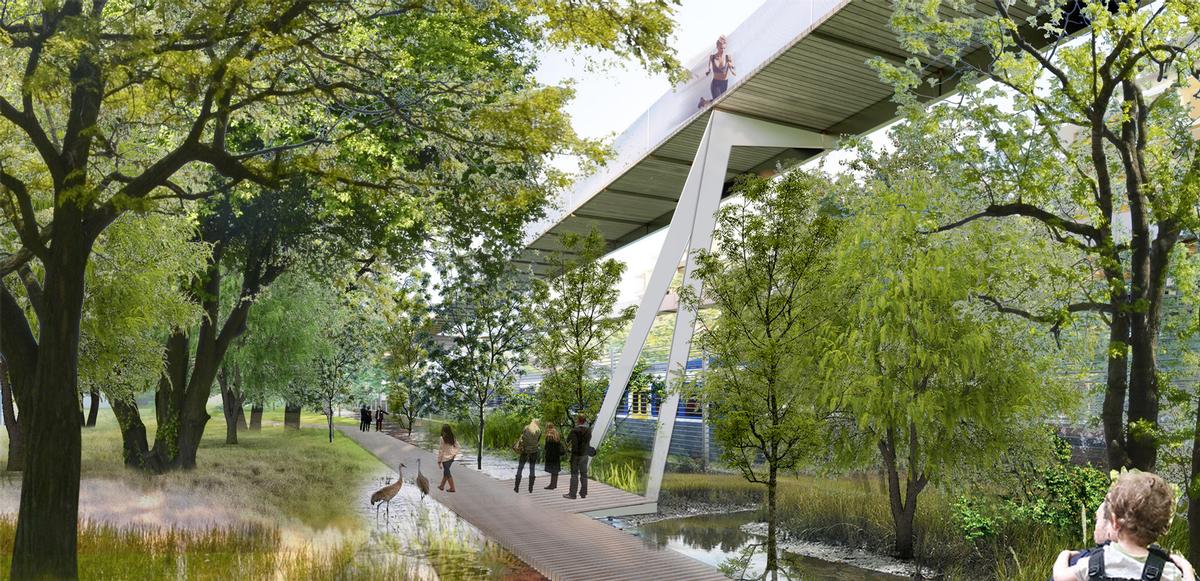
Coronavirus: Tokyo Olympic Games postponed to 2021
Bids are in for 2026 Winter Olympic Games – Stockholm and Milan to contest two-horse race

OMA completes New Museum transformation with landmark expansion and Oberon restaurant
OMA has completed a major transformation of New York's New Museum, creating a larger cultural campus that combines expanded exhibition spaces with learning, performance, hospitality and public programming. The latest addition, Oberon, extends the visitor experience beyond the gallery, reflecting a growing trend for museums to become all-day destinations.
The New Museum in New York has entered a new chapter with the completion of a major
David Rockwell creates immersive magic destination, The Hand and The Eye
Montana Heritage Center by Cushing Terrell opens after US$107 million investment
Universal launches new theme park model with Kids Resort
'Minor wellness hotels' recorded the strongest growth across top KPIs in 2025, finds RLA Global
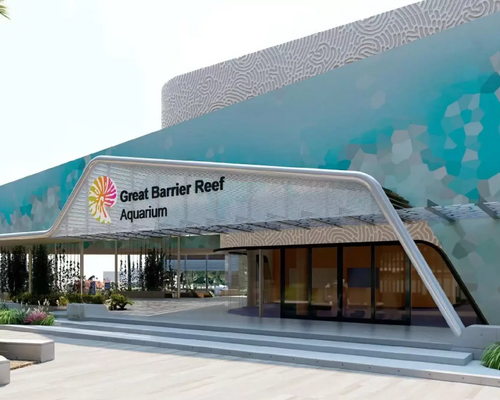
Great Barrier Reef attraction set for AU$180 million reinvention
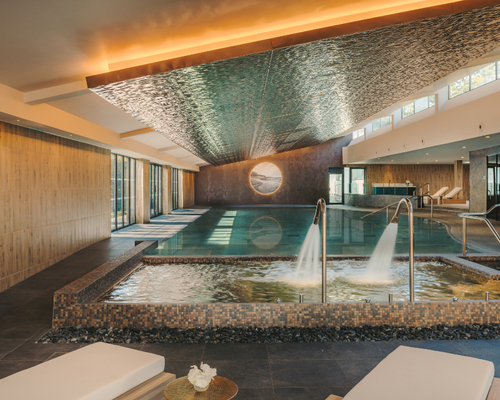
Fairmont Cheshire, The Mere, has architecture by Leach Rhodes Walker and interiors by Bergman Design House.
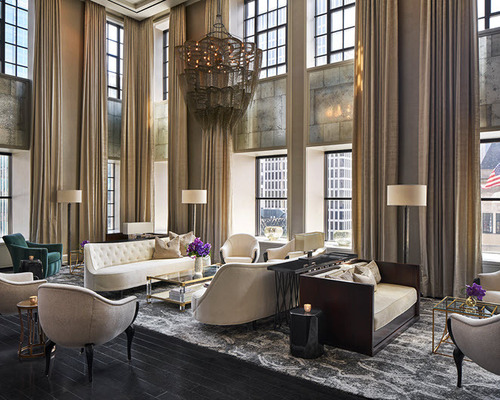
Marriott International partners with Fitwel for wellness solutions across its residential portfolio
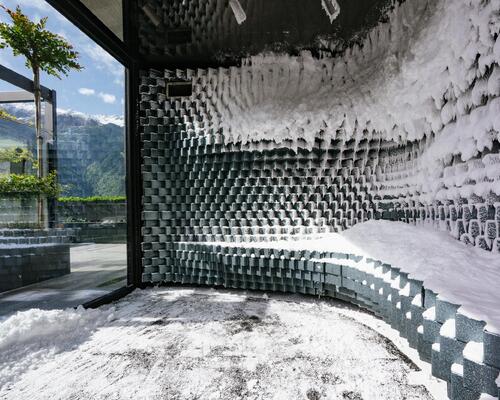
Preidlhof Luxury DolceVita Resort to unveil new spa in February 2027
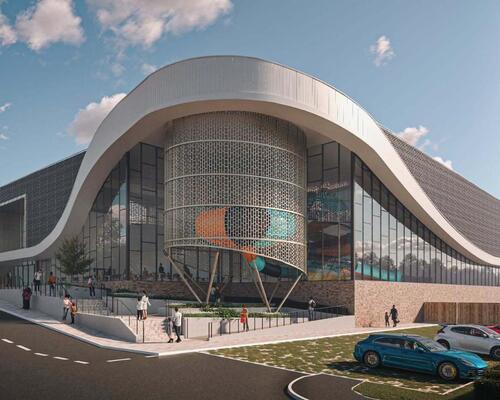
Places Leisure is working with Roberts Limbrick to build £60m wellness flagship in Basingstoke
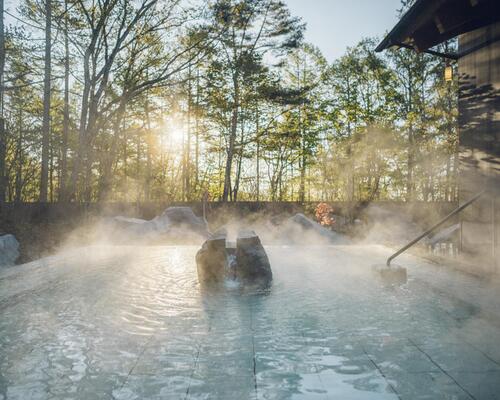
Hoshino Resorts opens Kai Kusatsu as it expands the Kai onsen ryokan brand
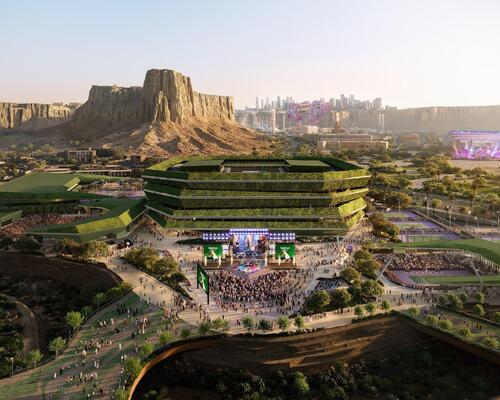
Qiddiya and Populous share details of Saudi Arabia’s National Tennis Centre
Disney confirms US$30 billion investment programme as it highlights its economic impact
Until combines multiple disciplines at new Canary Wharf club
Sea Lanes opens following a partnership between The Eden Project and Canary Wharf Group
Bas Smets brings water and wilderness to Vitra
Expo 2030 Riyadh will create a permanent global destination
Luxury resort coming to Hunter Valley will have longevity spa
'Data chocolate', dreams made real and artworks shaped by visitors’ emotions: Refik Anadol’s AI art museum launches in Los Angeles
London Museum reveals 2026 opening date for new Smithfield home
BIG unveils Eve Music Hall as Croatia venue nears completion
Bob Rogers hands BRC to long-serving leadership team
Palazzo di Varignana launches family wellbeing and longevity retreat in Emilia Romagna
Anasa Wellness and Spa debuts at Patmos Aktis as it joins Marriott
Design-led Koru Health Club combines high-performance training with recovery

Wellness care hospital opens in Vilnius with innovative spa and hospitality concept

Universal and Puy du Fou projects point to rise of Oxford–Cambridge corridor
A proposed Puy du Fou development near Bicester and Universal Destinations and Experiences’ planned resort in Bedford are emerging as part of a wider transformation of the Oxford–Cambridge Growth Corridor into a major centre for UK leisure and tourism investment.
For years, the corridor has been associated primarily with science, technology, housing and university-led economic growth. However, the clustering of large-scale visitor attraction projects along the
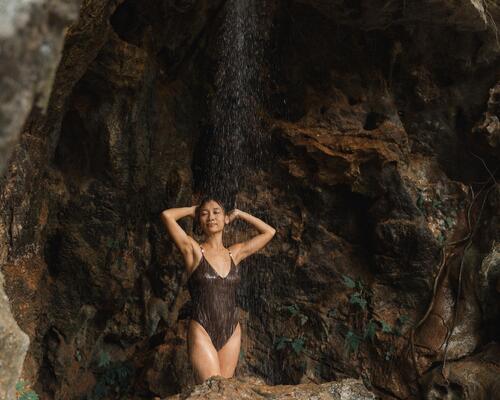
All-inclusive eco-wellness development Auko to open near Vietnam’s Son Doong caves
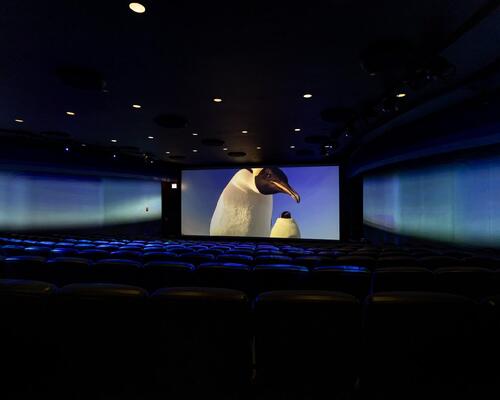
Shedd Aquarium upgrades its visitor experience with new Immersion Theater
Shedd Aquarium has opened the Immersion Theater developed in partnership with SimEx-Iwerks, as part of a wider strategy to enhance the guest experience and create additional revenue opportunities.
The attraction has transformed the aquarium’s Phelps Auditorium into a multi-sensory venue combining panoramic projection, environmental effects and interactive technology.
A new pre-show area allows visitors to engage with augmented reality marine animals before entering the
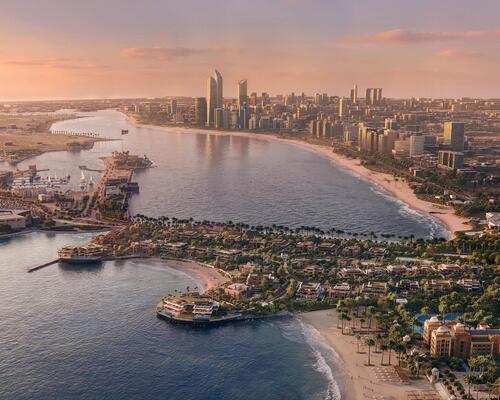
Mandarin Oriental announces standalone Mansions-branded residences for Abu Dhabi




Designed to restore neglected land and renew the identity of Iraq’s capital city, Baghdad Sustainable Forests promises a new way of living surrounded by nature. Gensler’s Ian Mulcahay tells us why he thinks the project could become a model for the repair and enhancement of urban centres