Panel examines the future of healthy building


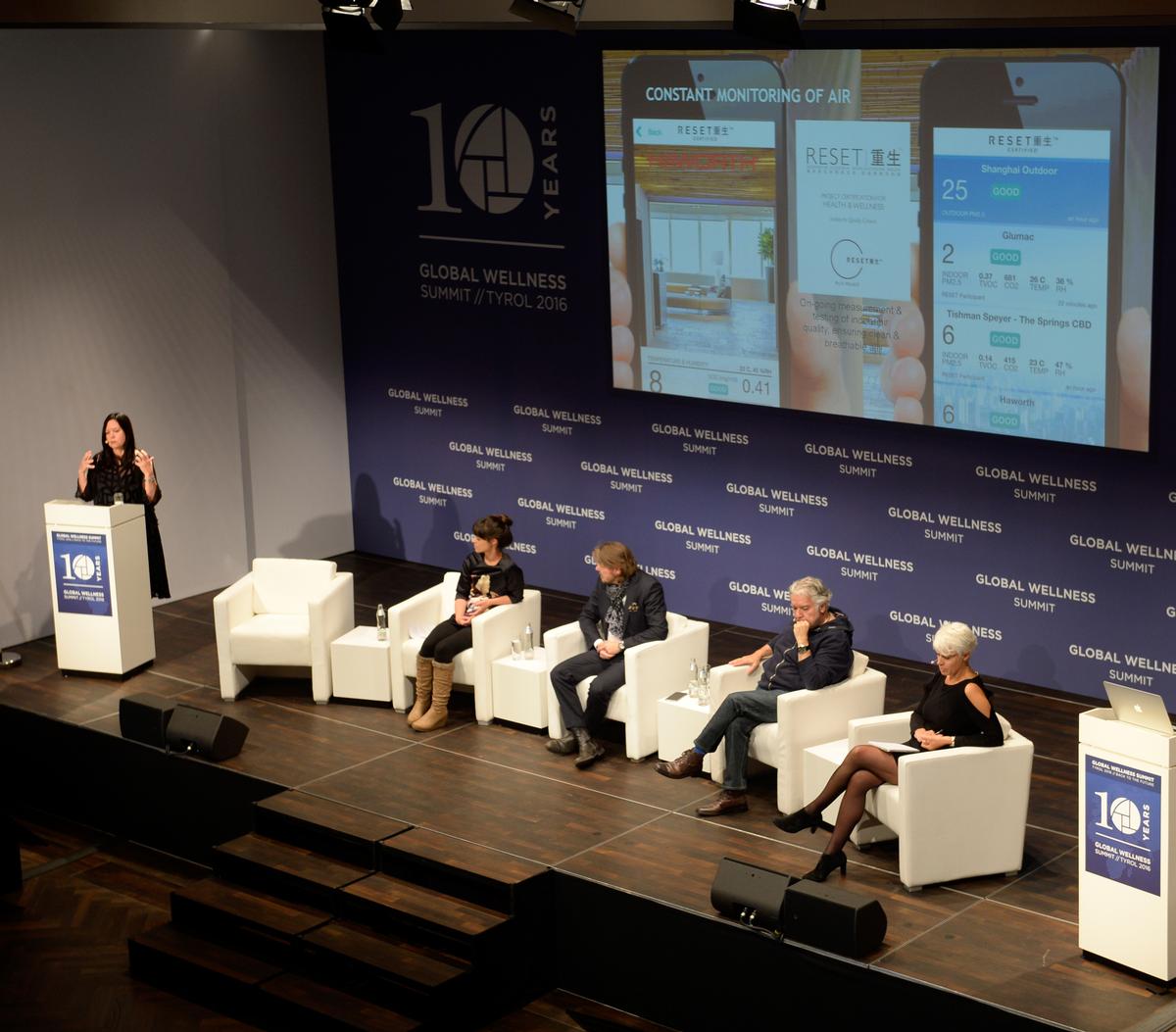
Wellness in architecture was a key topic at the Global Wellness Summit in Austria last month, as a panel featuring two health and wellbeing specialists from global architecture and engineering firm Arup took the stage to discuss the ways in which building design affects everything from health to mood – and how quickly the space is changing.
CLAD editor Liz Terry moderated the panel, which featured Ann Marie Aguilar, who is associate director at Arup and also works in international relations for the International WELL Building Institute; and Vicki Lockhart, a senior specialist in health and wellbeing at Arup.
Terry opened the session by detailing the importance of the subject matter for the spa industry.
“This matters to every one of you,” said Terry. “All of you rely on there being a building of some kind in order to do your business. We spend millions creating these facilities, and we need to be sure that they’re not only fit for purpose now, but also for tomorrow and the lifetime of the building.”
Terry painted a picture of the not-so-distant future, when people carrying personal pollution sensors will refuse to enter buildings if they’re toxic, rendering the real estate valueless.
“Indoor air is even more toxic than outdoor air – and for people who run spa and wellness facilities, that’s a huge issue,” said Terry.
Aguilar detailed how indoor air quality is ranked as one of the world’s greatest public health risks, with off-gassing from furniture, sealants, paints and fabric adding invisible pollution to the spaces we live and work.
“It’s very concerning that we don’t measure this,” she said. “Even the slightest change in air quality has an immediate effect both on a person’s health and their ability to concentrate.”
And while a move towards green design has made for improved sustainability and energy efficiency, often energy-saving measures like sealing windows can have a negative impact on indoor air quality.
“We can’t just focus on sustainability, and we can’t just focus on health and wellbeing – the two need to be intrinsically tied together,” said Aguilar.
She looked at examples of healthy building, including a living building that includes an algae facade that grows its own energy; outdoor paint that traps and absorbs air pollution; a filtration media that can be installed in an HVAC system; and drywall that absorbs VOCs and chemicals from the air.
Aguilar advised owners and operators to get together a list of toxic materials that they refuse to put in their buildings, and to look for alternative materials.
“If you want a healing environment, you need to provide that for your guests all the way through,” she said.
Lockhart then looked at the ways technology is helping to build a new generation of buildings – by establishing accurately how they affect the people who use them.
Arup has developed a Sound Lab that can create the acoustic performance of a building before it’s built, so clients can experience what it will sound like – a huge boon for architects designing things like retreats, where sound is of the utmost importance, and also useful in the wider world for the likes of large-scale retail, residential or rail projects, where noise pollution is a potential disruptor.
Arup is also using virtual reality (VR) to find out how people react to spaces before they’re built, and Lockhart presented a video that explained how this works.
The team at Arup wire people up with biometric sensors and then – using VR headsets – immerse them in different environments, some proposed and rendered in virtual format and some existing and shown photographically.
Arup can then measure people’s physiological response to the environments, enabling rapid prototyping of buildings before construction.
“We no longer have to be neuroscientists to understand how people are perceiving different environments,” said Lockhart. “Ultimately, the VR process will enable architects to design in the customer reaction they want for a space by better understanding the way people respond to it.
“The VR system enables architects to see people’s physiological response and what their body is actually responding to. This makes it possible to iterate much more quickly through different design elements and understand what the impact is.”
Wellness architecture Arup Virtual reality sustainabilityAmazon subsidiary reveals interest in wellness hotels
Linser: ‘There is a movement from doing to being’
Hauser, Schmitz honoured at GWS
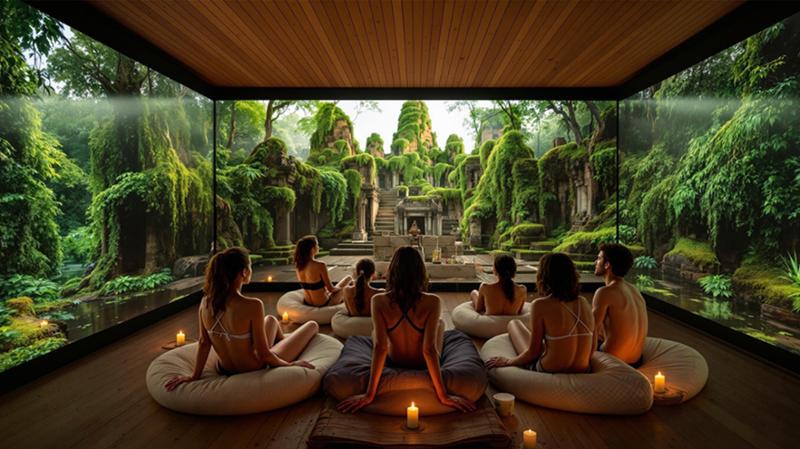
AI firm Midjourney enters wellness with spa, fitness and body scanning concept
Hot spring wellness community Ameyalli sells residences and breaks ground on resort and spa

OMA completes New Museum transformation with landmark expansion and Oberon restaurant
OMA has completed a major transformation of New York's New Museum, creating a larger cultural campus that combines expanded exhibition spaces with learning, performance, hospitality and public programming. The latest addition, Oberon, extends the visitor experience beyond the gallery, reflecting a growing trend for museums to become all-day destinations.
The New Museum in New York has entered a new chapter with the completion of a major
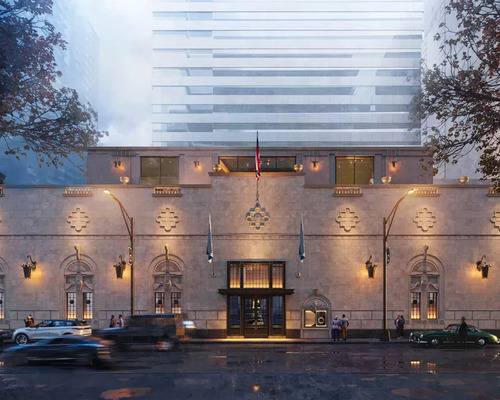
David Rockwell creates immersive magic destination, The Hand and The Eye
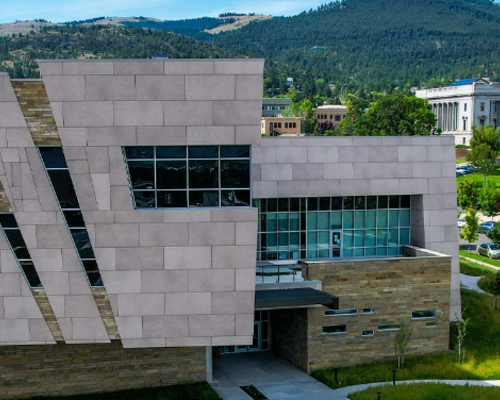
Montana Heritage Center by Cushing Terrell opens after US$107 million investment

Universal launches new theme park model with Kids Resort
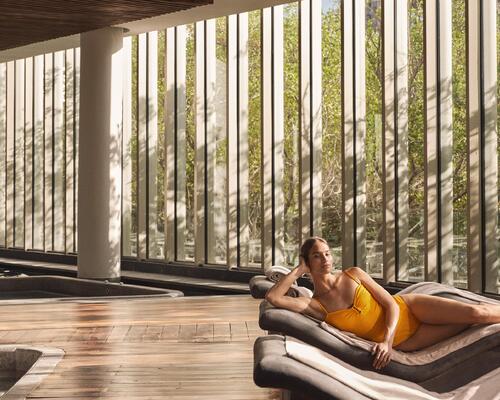
'Minor wellness hotels' recorded the strongest growth across top KPIs in 2025, finds RLA Global
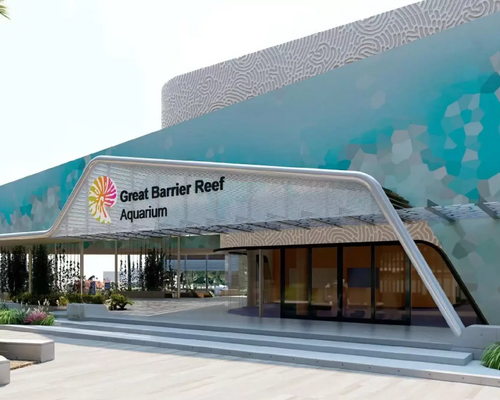
Great Barrier Reef attraction set for AU$180 million reinvention
Fairmont Cheshire, The Mere, has architecture by Leach Rhodes Walker and interiors by Bergman Design House.
Marriott International partners with Fitwel for wellness solutions across its residential portfolio
Preidlhof Luxury DolceVita Resort to unveil new spa in February 2027
Places Leisure is working with Roberts Limbrick to build £60m wellness flagship in Basingstoke
Hoshino Resorts opens Kai Kusatsu as it expands the Kai onsen ryokan brand
Qiddiya and Populous share details of Saudi Arabia’s National Tennis Centre
Disney confirms US$30 billion investment programme as it highlights its economic impact
Until combines multiple disciplines at new Canary Wharf club
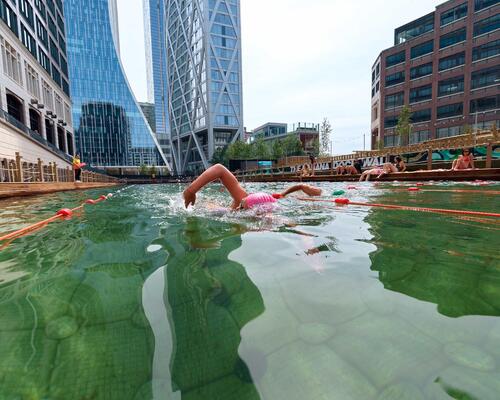
Sea Lanes opens following a partnership between The Eden Project and Canary Wharf Group
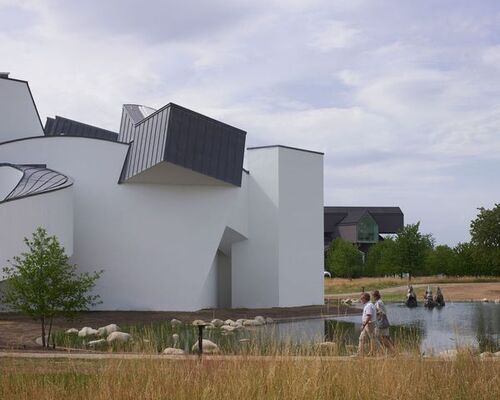
Bas Smets brings water and wilderness to Vitra
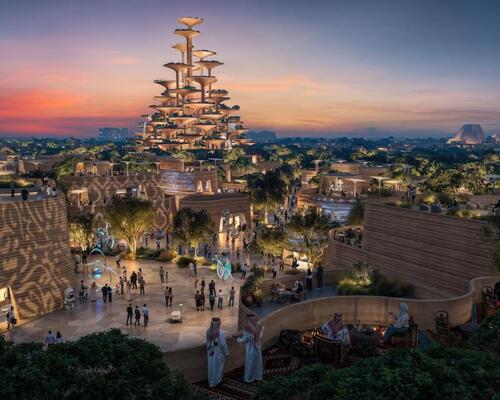
Expo 2030 Riyadh will create a permanent global destination
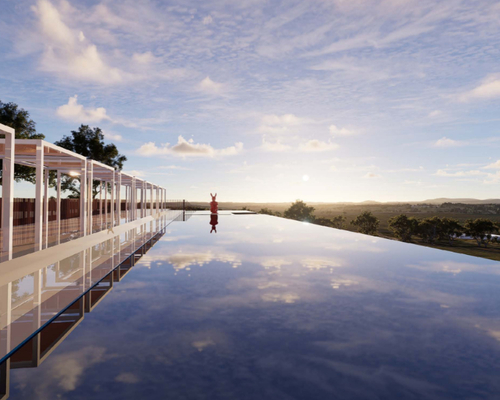
Luxury resort coming to Hunter Valley will have longevity spa
'Data chocolate', dreams made real and artworks shaped by visitors’ emotions: Refik Anadol’s AI art museum launches in Los Angeles
London Museum reveals 2026 opening date for new Smithfield home
BIG unveils Eve Music Hall as Croatia venue nears completion
Bob Rogers hands BRC to long-serving leadership team
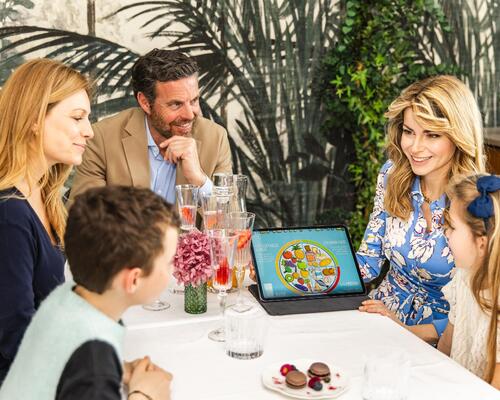
Palazzo di Varignana launches family wellbeing and longevity retreat in Emilia Romagna
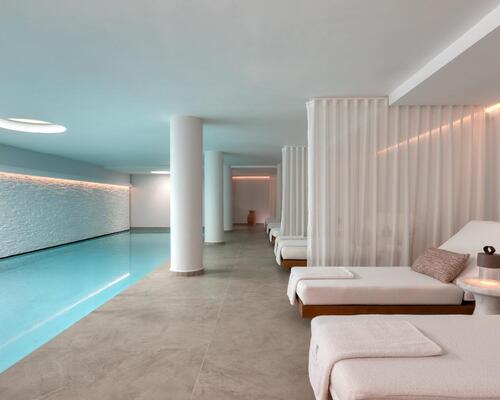
Anasa Wellness and Spa debuts at Patmos Aktis as it joins Marriott
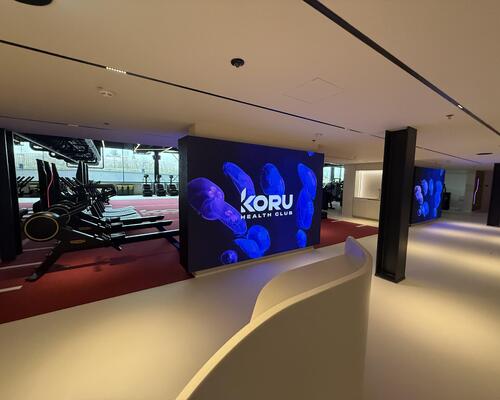
Design-led Koru Health Club combines high-performance training with recovery

Wellness care hospital opens in Vilnius with innovative spa and hospitality concept

Universal and Puy du Fou projects point to rise of Oxford–Cambridge corridor
A proposed Puy du Fou development near Bicester and Universal Destinations and Experiences’ planned resort in Bedford are emerging as part of a wider transformation of the Oxford–Cambridge Growth Corridor into a major centre for UK leisure and tourism investment.
For years, the corridor has been associated primarily with science, technology, housing and university-led economic growth. However, the clustering of large-scale visitor attraction projects along the

All-inclusive eco-wellness development Auko to open near Vietnam’s Son Doong caves















Designed to restore neglected land and renew the identity of Iraq’s capital city, Baghdad Sustainable Forests promises a new way of living surrounded by nature. Gensler’s Ian Mulcahay tells us why he thinks the project could become a model for the repair and enhancement of urban centres