Thirty stadiums in 27 cities: Inside Turkey's plan to host major football tournaments


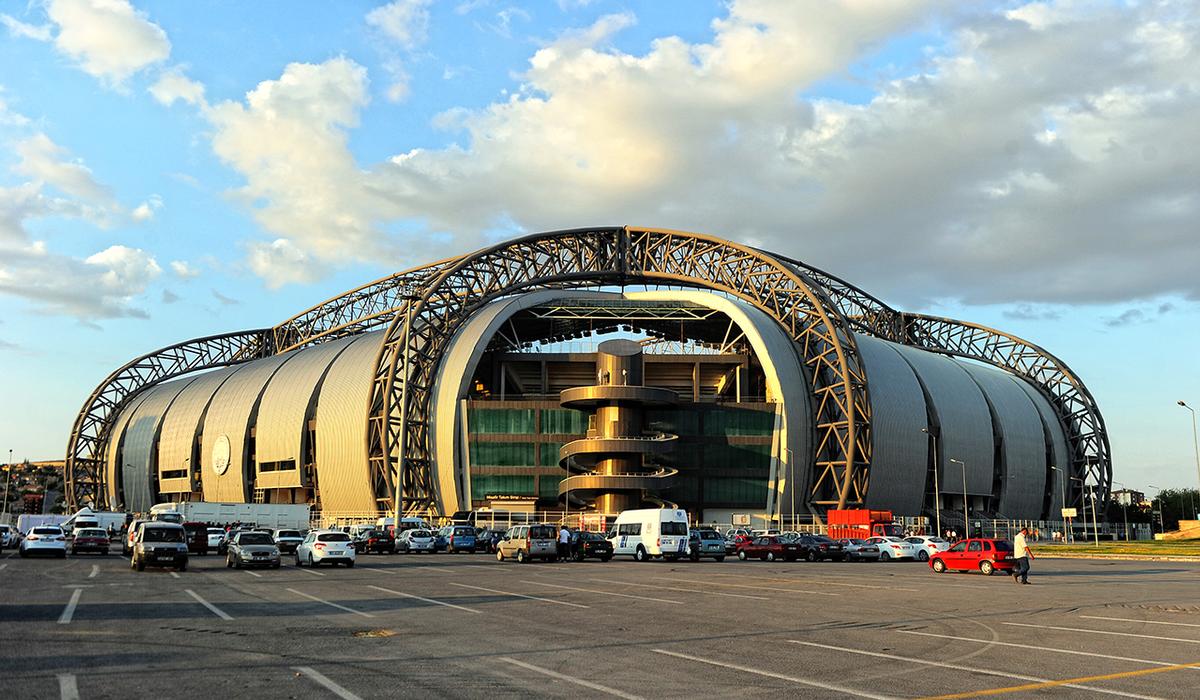
The football association of Turkey has lifted the lid the country’s huge stadium-building drive, and how it can help the nation win the right to host the world’s biggest tournaments.
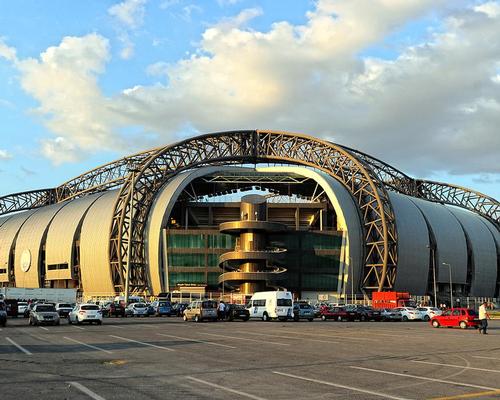
Eighteen modern grounds have been constructed in the country since 2007, with a further 12 to open in the next few years and several set for completion in 2017.
This is the result of a concerted push by the government to build “30 stadiums in 27 cities” in a wide-ranging revamp of Turkey’s sporting infrastructure.
A spokesperson from the Turkish Football Federation (TFF) told CLAD that the new prevalence of modern multipurpose stadiums means the country could “easily host international competitions,” such as the World Cup and European Championship.
“Most of the Turkey’s stadiums were made in the 1950s and were not big enough for modern demands of match operation, spectator comfort, media facilities and fan engagement,” the spokesperson said. “Clubs were unable to earn additional income on their matchday revenues because of the poor infrastructure.
“Now the Sports Ministry and the Housing Estate and Construction Department of the Prime Minister’s Office (TOKi) are working together to destroy the old stadiums and construct new residential buildings, shopping centres, parks and modern 15,000-50,000 capacity stadiums on the old land, improving these areas of the city.”
The spokesperson said that a number of the stadiums have been built to minimise their negative environmental impact by using low-carbon materials and introducing rainwater harvesting and renewable energy sources.
According to Akif Çagatay Kilic, the youth and sport minister, the government has so far invested 3.4bn Turkish Lira (US$898.8m, €832.3m, £717.4m) in the 30 stadiums, including seven that are currently in the tender and bidding phase. His ministry, which owns most of the land surrounding the country’s sporting facilities, will share the income from new residential, leisure and retail developments with TOKi in return for its part of the investment.
The “30 stadiums in 27 cities” project has been inspired by the success of the Kadir Has Stadium in Kayseri Municipality. City officials agreed with the Sports Ministry to demolish the old ground and replace it with a modern 30,000 capacity stadium, designed by Turkish architects Ofiss Mimarca, for local clubs Kayserispor and Kayseri Erciyesspor.
At the same time, a congress centre and a sports complex housing an athletics stadium, an Olympic pool, a handball and volleyball arena, two facilities for amateur sports and two mini indoor sports halls were built around the ground. In order to cover the ministry’s costs for developing the land, it runs and profits from the new sporting facilities.
The project, which started in 2006 and was completed in 2008, caught the attention of Recep Tayyip Erdogan – then prime minister and now president – who started the sweeping collaboration between TOKi and the ministry with a view to Turkey bidding for future international tournaments.
According to TFF president Yildirim Demirören, the new stadiums will “give a facelift to the future of football” by increasing the number of spectators and ensuring they have a safer and more enjoyable experience. He told national media that the stadium-building drive will also “make a major contribution to the development of sports outside football and transform cities by creating a new centre of gravity that boosts social and economic development.”
Afyon (cap: 15,000)
Antalya (cap: 33,032)
Bursa (cap: 43,877)
Eskisehir (cap: 33,000)
Gaziantep (cap: 33,000)
Konya (cap: 42,059)
Mersin (cap: 25,534)
Sivas (cap: 27,532)
Trabzon (cap: 41,461)
Istanbul (Galatasaray) (cap: 52,647)
Adana (cap: 33,000)
Batman (cap:15,000)
Çorum (cap: 33,000)
Diyarbakir (cap: 33,000)
Giresun (cap: 20,000)
Hatay (cap: 25,000)
Izmir Karsiyaka (cap: 33,000)
Izmir Göztepe (cap: 33,000)
Kocaeli (cap: 33,000)
Malatya (cap: 25,000)
Manisa (cap: 25,000)
Sakarya (cap: 25,000)
Samsun (cap: 33,000)
Seven other projects are currently in the bidding phase.
Universal launches new theme park model with Kids Resort
'Minor wellness hotels' recorded the strongest growth across top KPIs in 2025, finds RLA Global
Great Barrier Reef attraction set for AU$180 million reinvention
Fairmont Cheshire, The Mere, opens with spa philosophy of ‘Wellness without Walls’
Marriott International partners with Fitwel for wellness solutions across its residential portfolio
Preidlhof Luxury DolceVita Resort to unveil new spa in February 2027
Places Leisure is working with Roberts Limbrick to build £60m wellness flagship in Basingstoke
Hoshino Resorts opens Kai Kusatsu as it expands the Kai onsen ryokan brand
Qiddiya and Populous share details of Saudi Arabia’s National Tennis Centre
Disney confirms US$30 billion investment programme as it highlights its economic impact
Until combines multiple disciplines at new Canary Wharf club
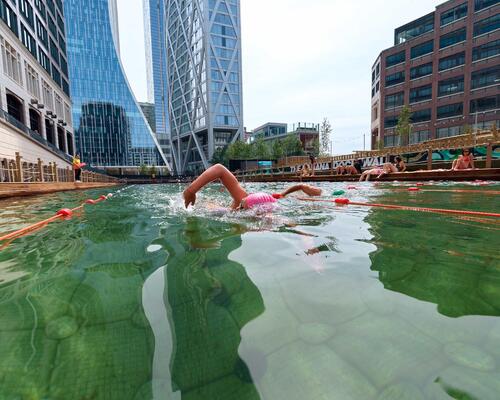
Sea Lanes opens following a partnership between The Eden Project and Canary Wharf Group
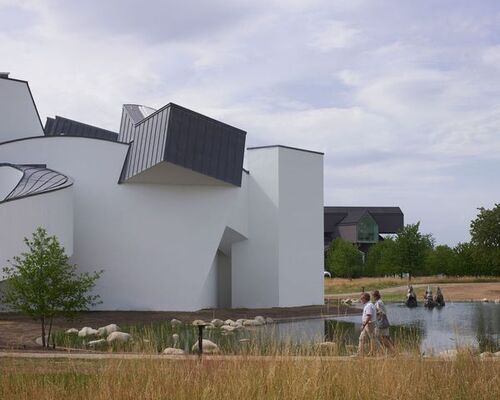
Bas Smets brings water and wilderness to Vitra
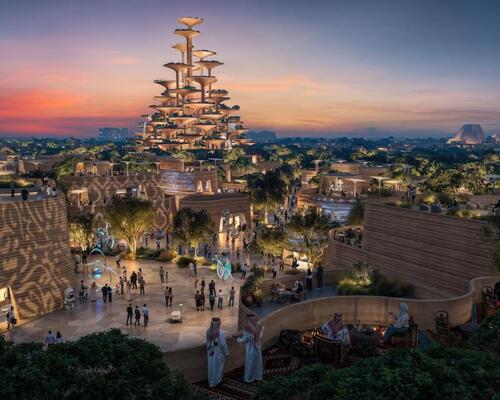
Expo 2030 Riyadh will create a permanent global destination
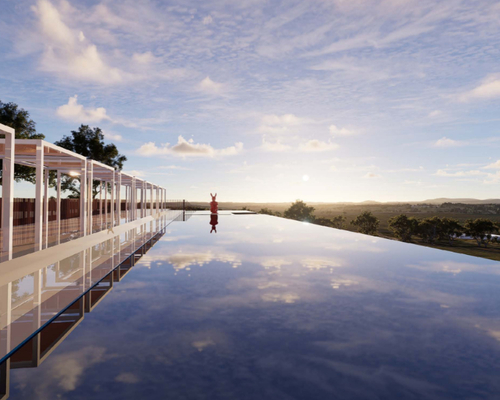
Luxury resort coming to Hunter Valley will have longevity spa
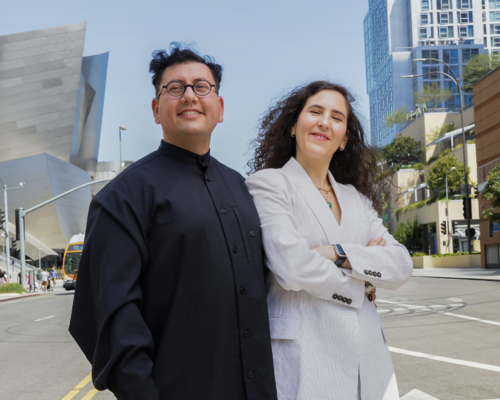
'Data chocolate', dreams made real and artworks shaped by visitors’ emotions: Refik Anadol’s AI art museum launches in Los Angeles
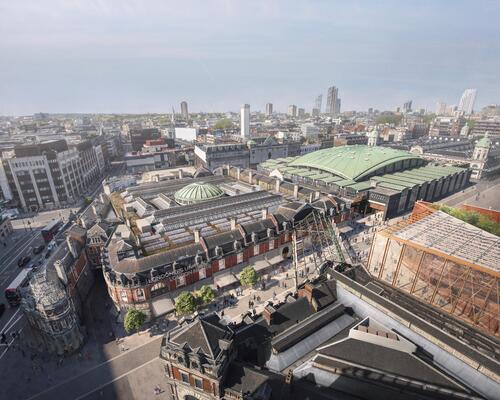
London Museum reveals 2026 opening date for new Smithfield home
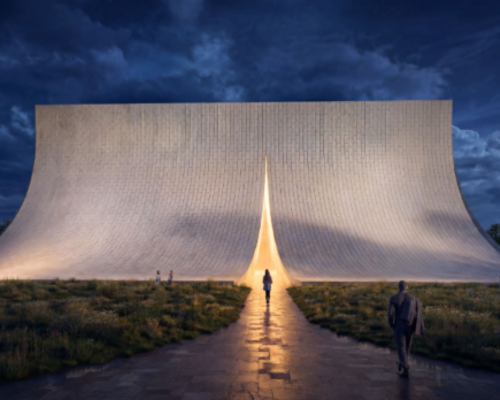
BIG unveils Eve Music Hall as Croatia venue nears completion
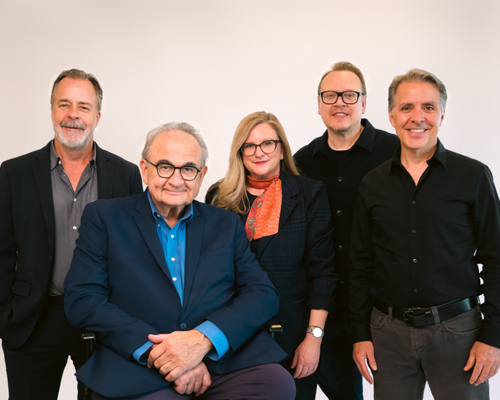
Bob Rogers hands BRC to long-serving leadership team
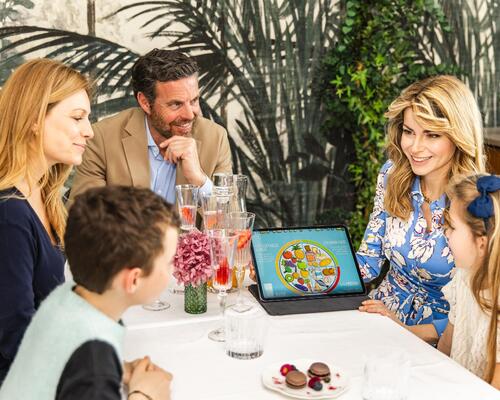
Palazzo di Varignana launches family wellbeing and longevity retreat in Emilia Romagna
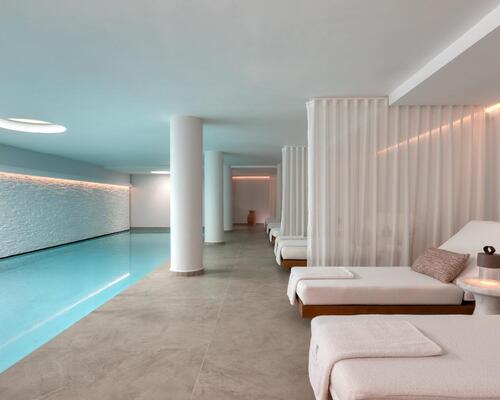
Anasa Wellness and Spa debuts at Patmos Aktis as it joins Marriott
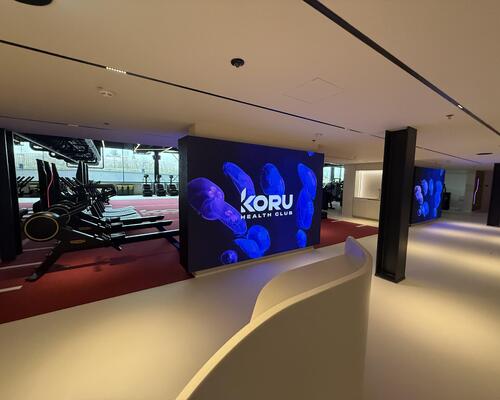
Design-led Koru Health Club combines high-performance training with recovery

Wellness care hospital opens in Vilnius with innovative spa and hospitality concept
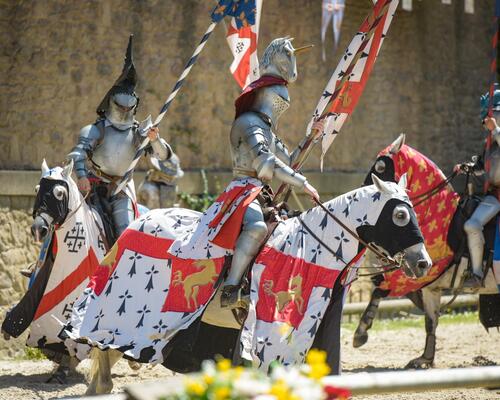
Universal and Puy du Fou projects point to rise of Oxford–Cambridge corridor
A proposed Puy du Fou development near Bicester and Universal Destinations and Experiences’ planned resort in Bedford are emerging as part of a wider transformation of the Oxford–Cambridge Growth Corridor into a major centre for UK leisure and tourism investment.
For years, the corridor has been associated primarily with science, technology, housing and university-led economic growth. However, the clustering of large-scale visitor attraction projects along the

All-inclusive eco-wellness development Auko to open near Vietnam’s Son Doong caves
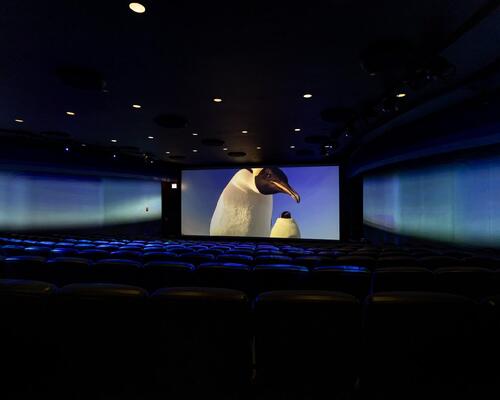
Shedd Aquarium upgrades its visitor experience with new Immersion Theater
Shedd Aquarium has opened the Immersion Theater developed in partnership with SimEx-Iwerks, as part of a wider strategy to enhance the guest experience and create additional revenue opportunities.
The attraction has transformed the aquarium’s Phelps Auditorium into a multi-sensory venue combining panoramic projection, environmental effects and interactive technology.
A new pre-show area allows visitors to engage with augmented reality marine animals before entering the
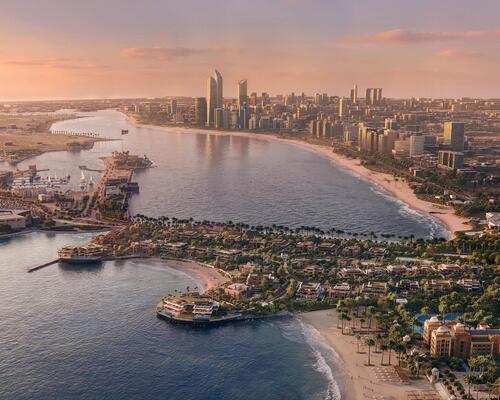
Mandarin Oriental announces standalone Mansions-branded residences for Abu Dhabi
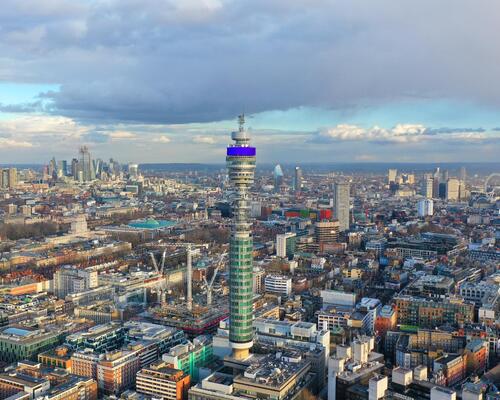
MCR is planning a luxury hotel for London's BT Tower
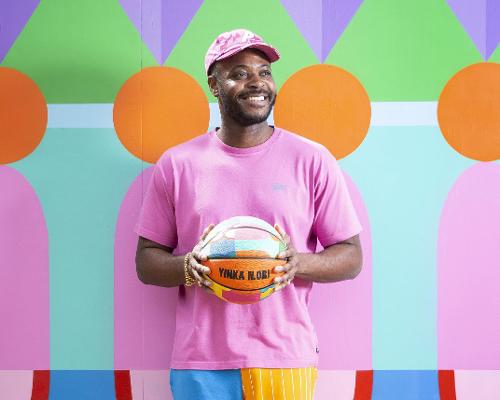
Joy as a radical act: Yinka Ilori launches solo exhibition celebrating the rebellious power of spreading happiness

Work gets underway on Madrid's €800 million leisure complex
Work is underway in Madrid on one of Europe’s most significant multi-functional complexes, combining sport, entertainment, culture and education.
The €800 million initiative to regenerate the former Olympic Aquatic Centre in the north-east of the city, next to the Riyadh Air Metropolitano stadium, is being led by Barsento – a joint venture between Live Nation Entertainment, Oak View Group and Atlético de Madrid. The project will


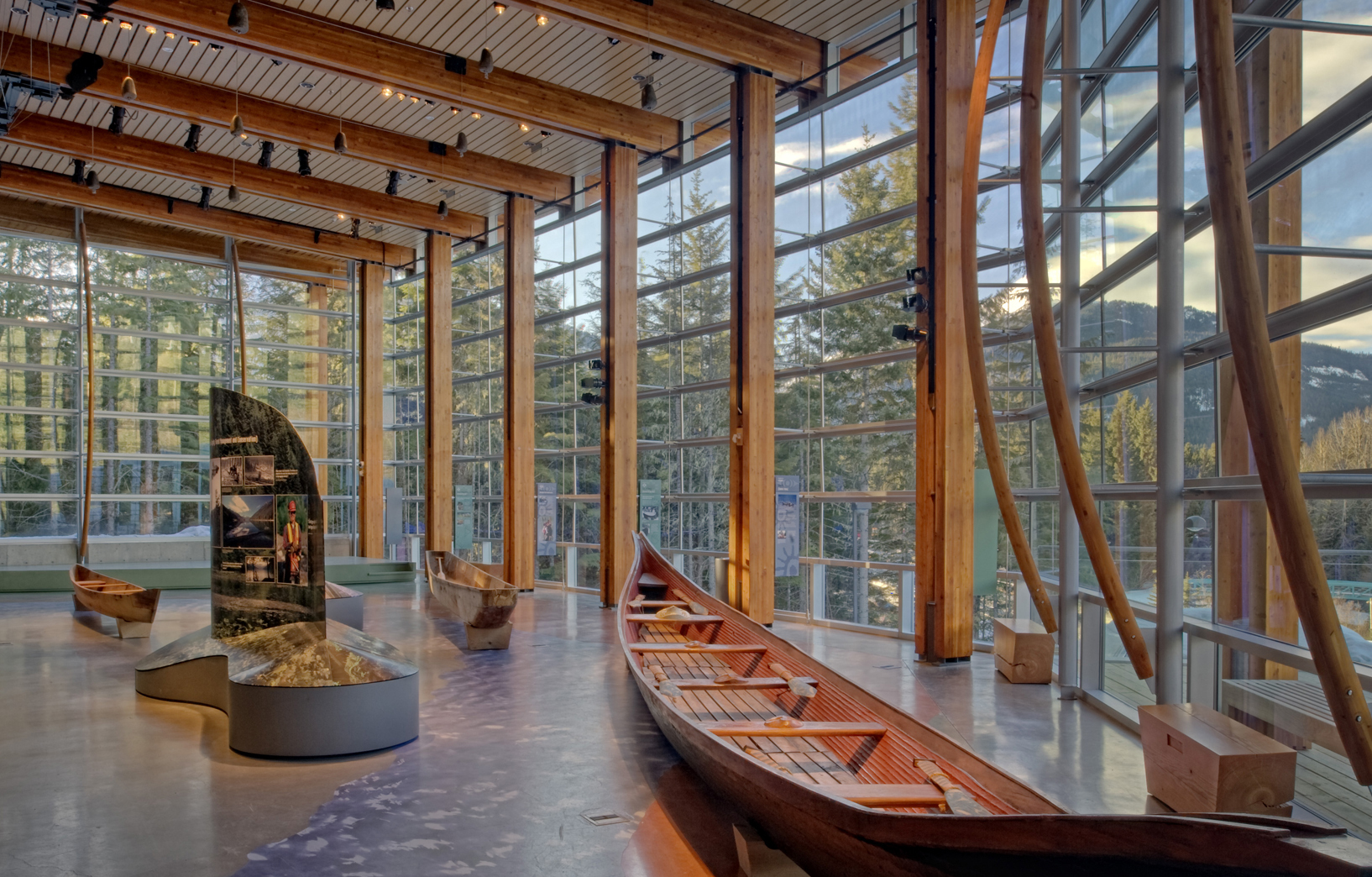

Designed to restore neglected land and renew the identity of Iraq’s capital city, Baghdad Sustainable Forests promises a new way of living surrounded by nature. Gensler’s Ian Mulcahay tells us why he thinks the project could become a model for the repair and enhancement of urban centres