Richard Meier designs 'beautiful and humanist' South Korean hotel for Winter Olympics


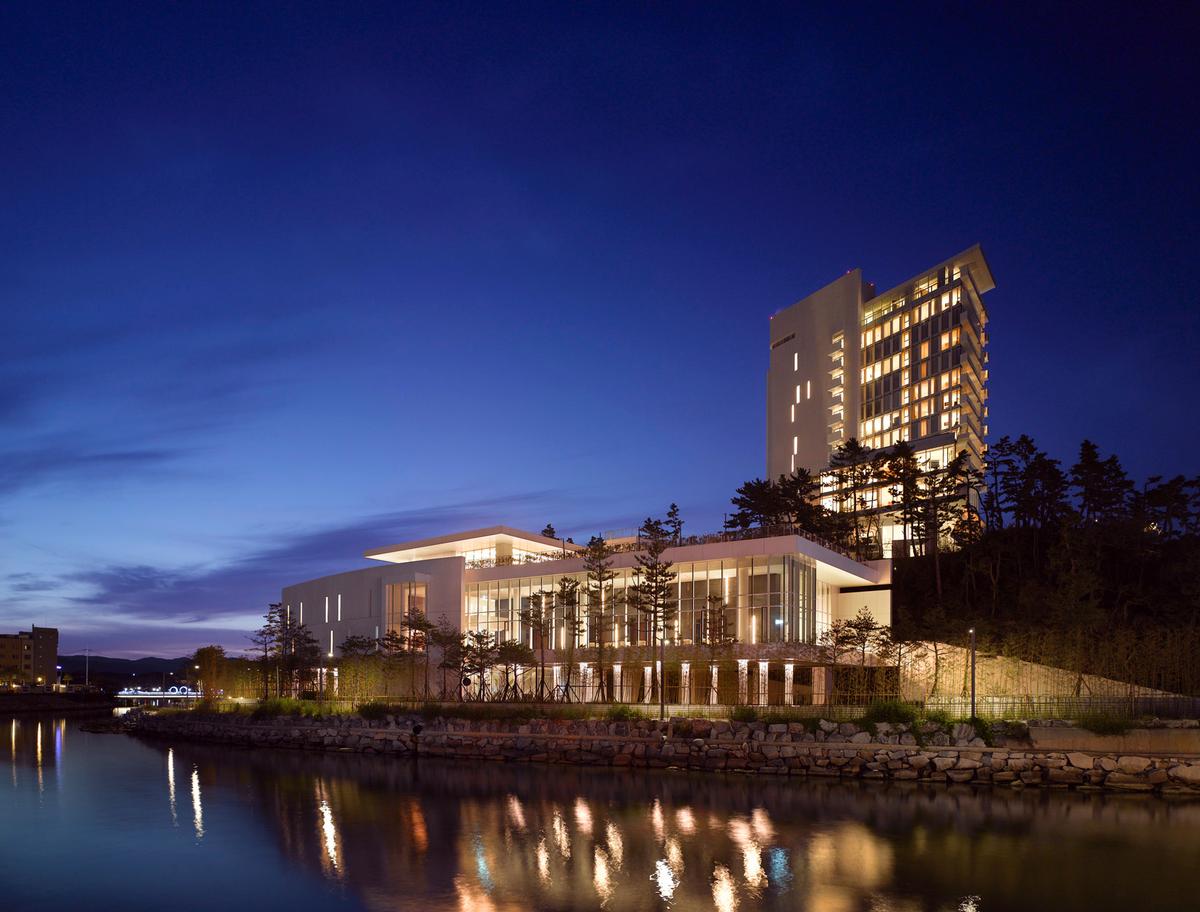
Richard Meier & Partners have completed their first major hotel project – the new Seamarq Hotel in South Korea.
Located in the city of Gangneun, where it faces the country’s East Sea, the hotel has been rebuilt as part of a regional regeneration scheme in preparation for the 2018 Winter Olympics in nearby PyeongChang.
The 52,830sq m (568,700sq ft) area contains two main structures – a hotel tower and a banquet hall – situated at different levels on a small hill of dense pine trees and connected by a four-storey base building.
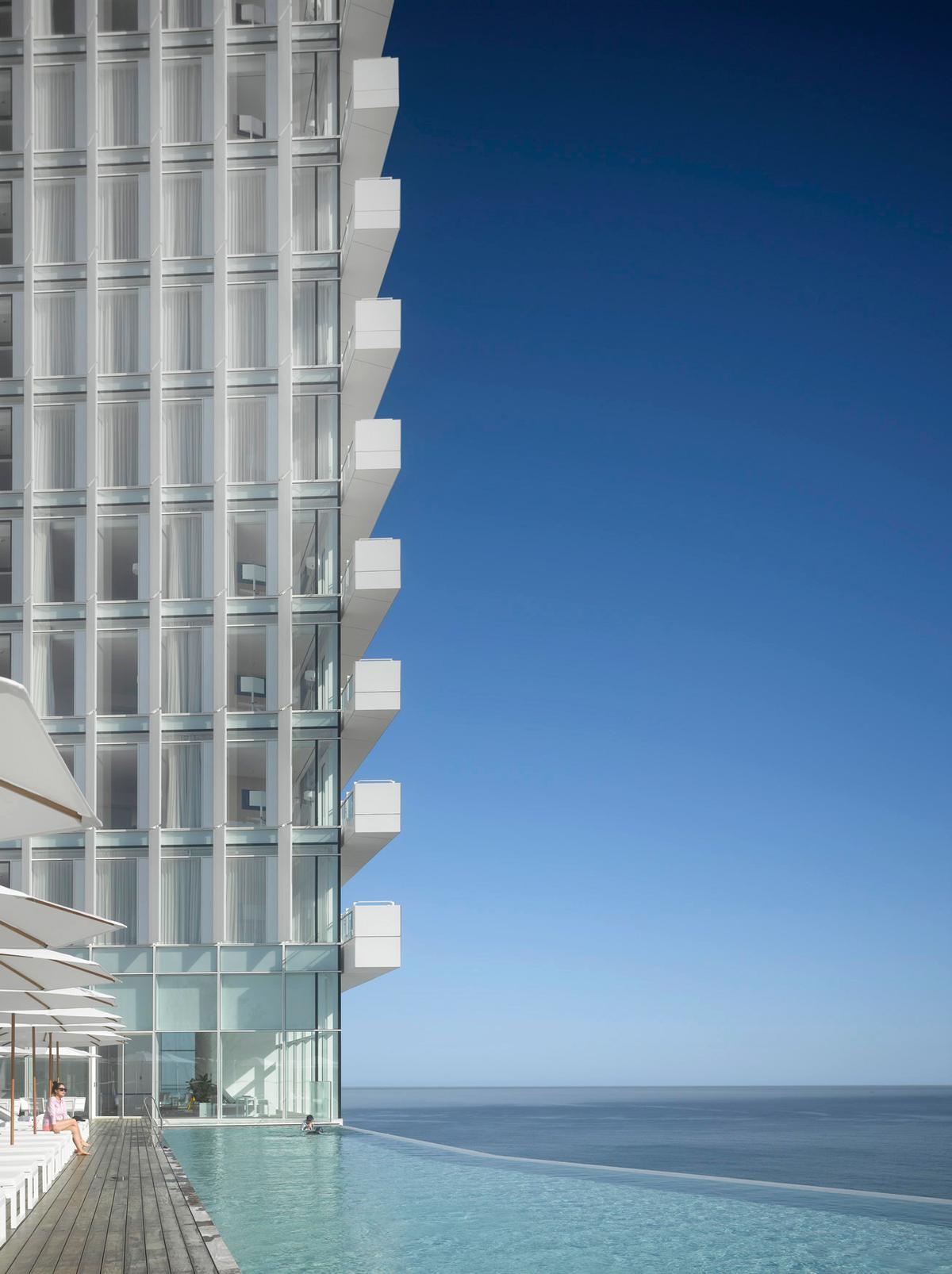
The form of the 11-storey trapezium-shaped tower contrasts with the soft shape and contours of the hill. It contains 150 guestrooms, a private sky garden, a restaurant, a wellness spa, a gym and indoor and outdoor swimming pools – including an ocean-facing infinity pool on an outdoor deck.
The banquet hall features an amphitheatre, exhibition hall and further dining facilities.
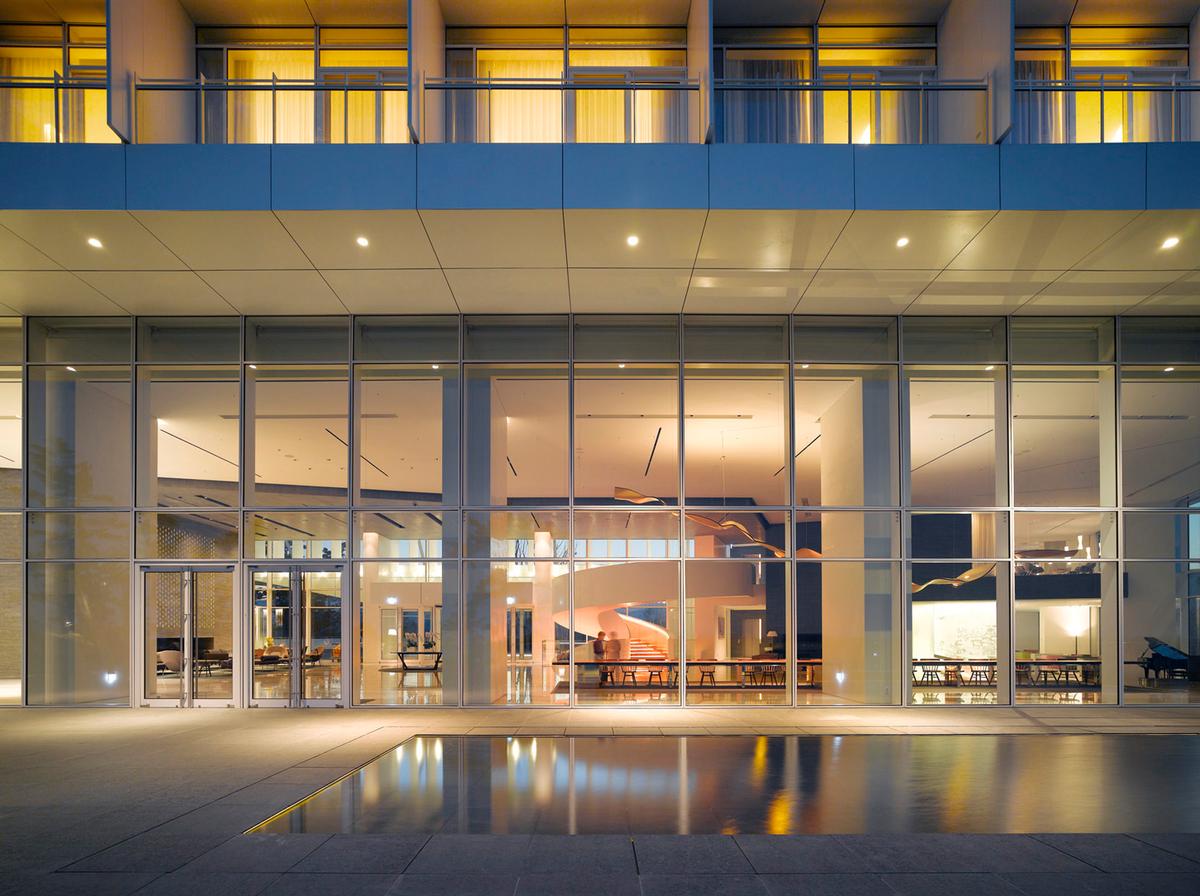
A sequence of outdoor spaces surrounds the structures, featuring landscape design concepts – developed in collaboration with New York High Line designers James Corner Field Operations – which offer various views of the hotel’s floating balconies, overhanging canopies and reflective white metal and aluminium facade.
“Our primary goal for the Seamarq Hotel has been to create a strong sense of place by enhancing and transforming the existing site in a dramatic way,” said Pritzker Prize-winning studio principal Richard Meier. “Many of the cues for the design came from the site – its light, its landscape, its topography.
“Perhaps the most important initial decision was to work with the configuration of the land and to design the hotel complex in relation to the existing topography.
“My purpose was to deliver thoughtful, original modern architecture that is as accessible as it is beautiful, as humanist as it is disciplined. This is an architecture which is concerned with the individual as well as the community at large.”
The Seamarq Hotel was formerly known as Hotel Gyeongpodae, which originally opened in 1971 and closed in 2013 for work on the re-design to begin. The property is owned by South Korean corporation Hyundai Heavy Industries.
Local practices Hyundai Architects & Engineers Associates and Doojin Hwang Architects collaborated on the project.
The Seamarq Hotel will soon be joined by another Gangneun-based hotel being built for the Winter Olympics: a twisted loop hotel inspired by the ecological structure of plankton.
Richard Meier South Korea Seamarq Hotel architecture design hotels Winter Olympics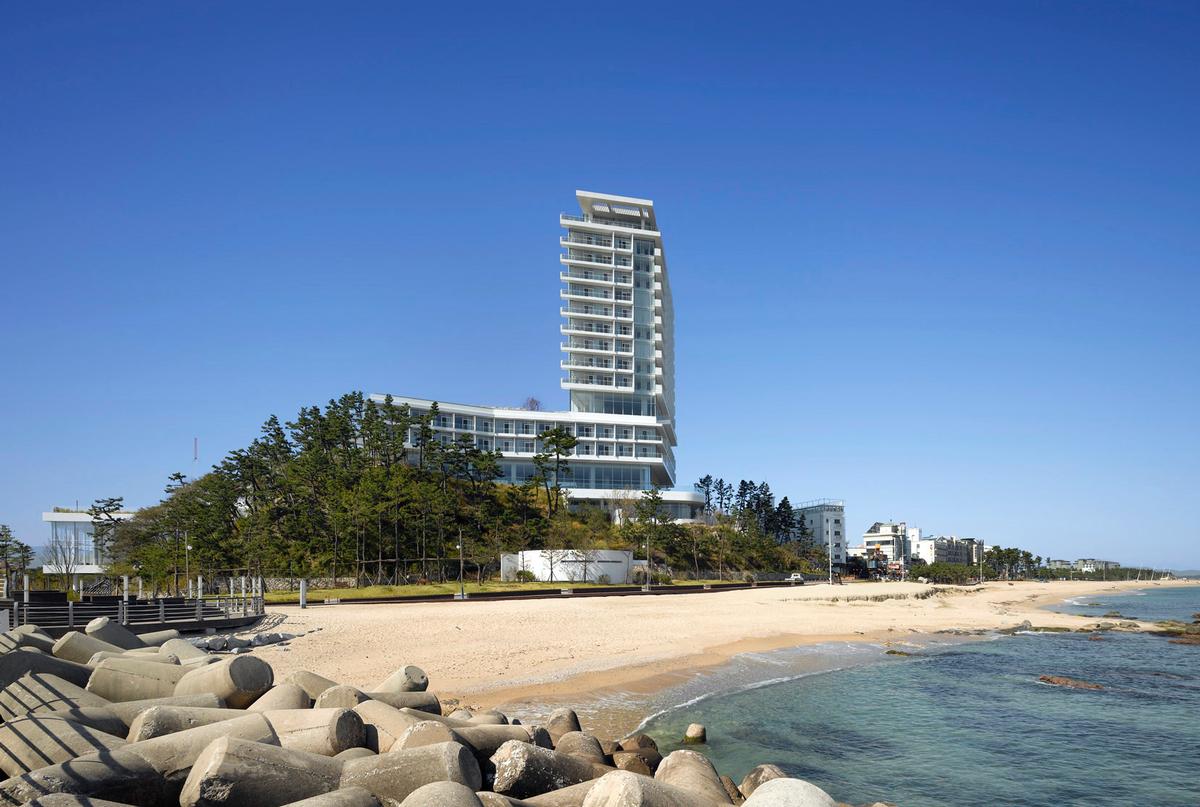



Richard Meier, Bjarke Ingels, Annabelle Selldorf and Rick Cook debate the future of New York's skyline
Architects Planning Korea design looping beachfront resort hotel for 2018 Winter Olympics
Work starts on South Korea's US$1.8bn Resorts World Jeju development
South Korea plans US$23.3bn investment to boost tourism
AI firm Midjourney enters wellness with spa, fitness and body scanning concept
Hot spring wellness community Ameyalli sells residences and breaks ground on resort and spa

OMA completes New Museum transformation with landmark expansion and Oberon restaurant
OMA has completed a major transformation of New York's New Museum, creating a larger cultural campus that combines expanded exhibition spaces with learning, performance, hospitality and public programming. The latest addition, Oberon, extends the visitor experience beyond the gallery, reflecting a growing trend for museums to become all-day destinations.
The New Museum in New York has entered a new chapter with the completion of a major
David Rockwell creates immersive magic destination, The Hand and The Eye
Montana Heritage Center by Cushing Terrell opens after US$107 million investment

Universal launches new theme park model with Kids Resort
'Minor wellness hotels' recorded the strongest growth across top KPIs in 2025, finds RLA Global
Great Barrier Reef attraction set for AU$180 million reinvention
Fairmont Cheshire, The Mere, has architecture by Leach Rhodes Walker and interiors by Bergman Design House.
Marriott International partners with Fitwel for wellness solutions across its residential portfolio
Preidlhof Luxury DolceVita Resort to unveil new spa in February 2027
Places Leisure is working with Roberts Limbrick to build £60m wellness flagship in Basingstoke
Hoshino Resorts opens Kai Kusatsu as it expands the Kai onsen ryokan brand
Qiddiya and Populous share details of Saudi Arabia’s National Tennis Centre
Disney confirms US$30 billion investment programme as it highlights its economic impact
Until combines multiple disciplines at new Canary Wharf club
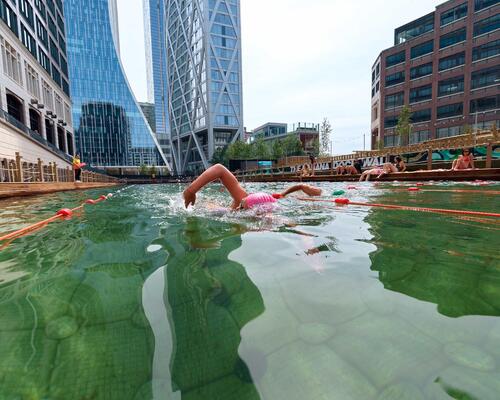
Sea Lanes opens following a partnership between The Eden Project and Canary Wharf Group
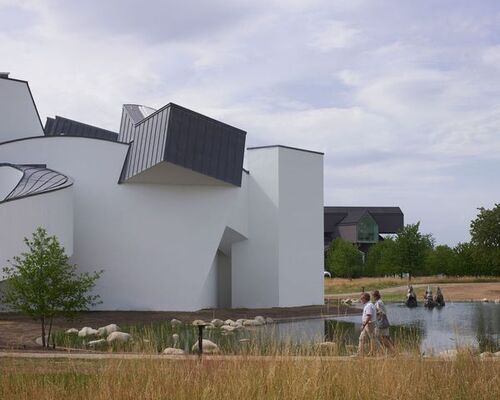
Bas Smets brings water and wilderness to Vitra
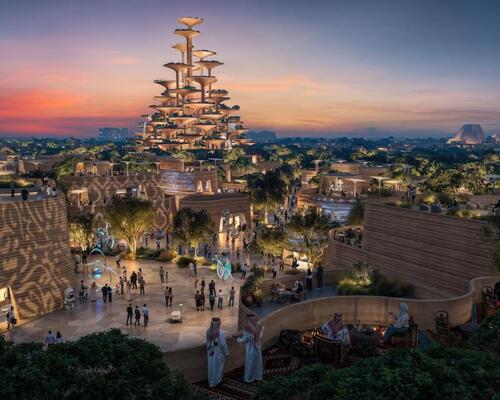
Expo 2030 Riyadh will create a permanent global destination
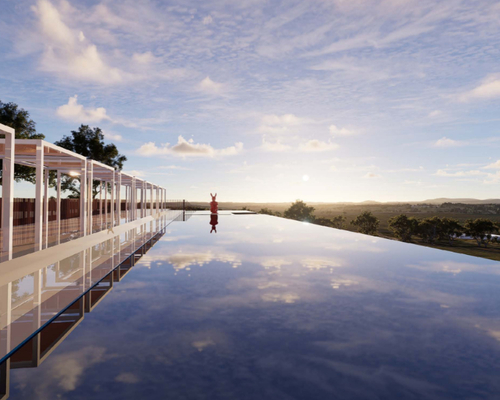
Luxury resort coming to Hunter Valley will have longevity spa
'Data chocolate', dreams made real and artworks shaped by visitors’ emotions: Refik Anadol’s AI art museum launches in Los Angeles
London Museum reveals 2026 opening date for new Smithfield home
BIG unveils Eve Music Hall as Croatia venue nears completion
Bob Rogers hands BRC to long-serving leadership team

Palazzo di Varignana launches family wellbeing and longevity retreat in Emilia Romagna
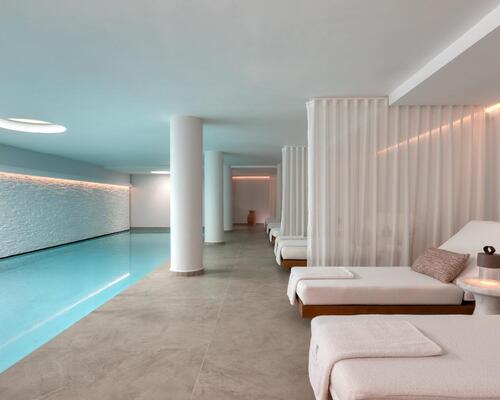
Anasa Wellness and Spa debuts at Patmos Aktis as it joins Marriott
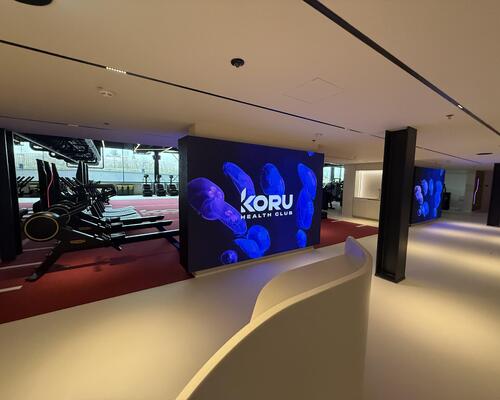
Design-led Koru Health Club combines high-performance training with recovery

Wellness care hospital opens in Vilnius with innovative spa and hospitality concept

Universal and Puy du Fou projects point to rise of Oxford–Cambridge corridor
A proposed Puy du Fou development near Bicester and Universal Destinations and Experiences’ planned resort in Bedford are emerging as part of a wider transformation of the Oxford–Cambridge Growth Corridor into a major centre for UK leisure and tourism investment.
For years, the corridor has been associated primarily with science, technology, housing and university-led economic growth. However, the clustering of large-scale visitor attraction projects along the
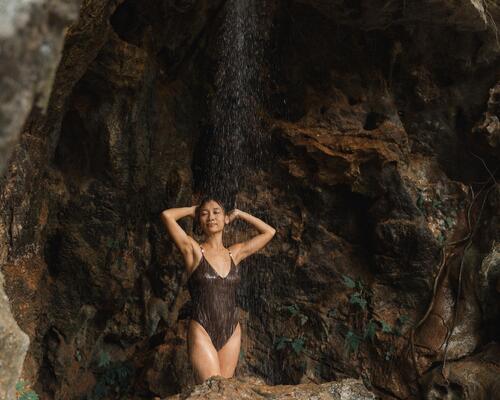
All-inclusive eco-wellness development Auko to open near Vietnam’s Son Doong caves



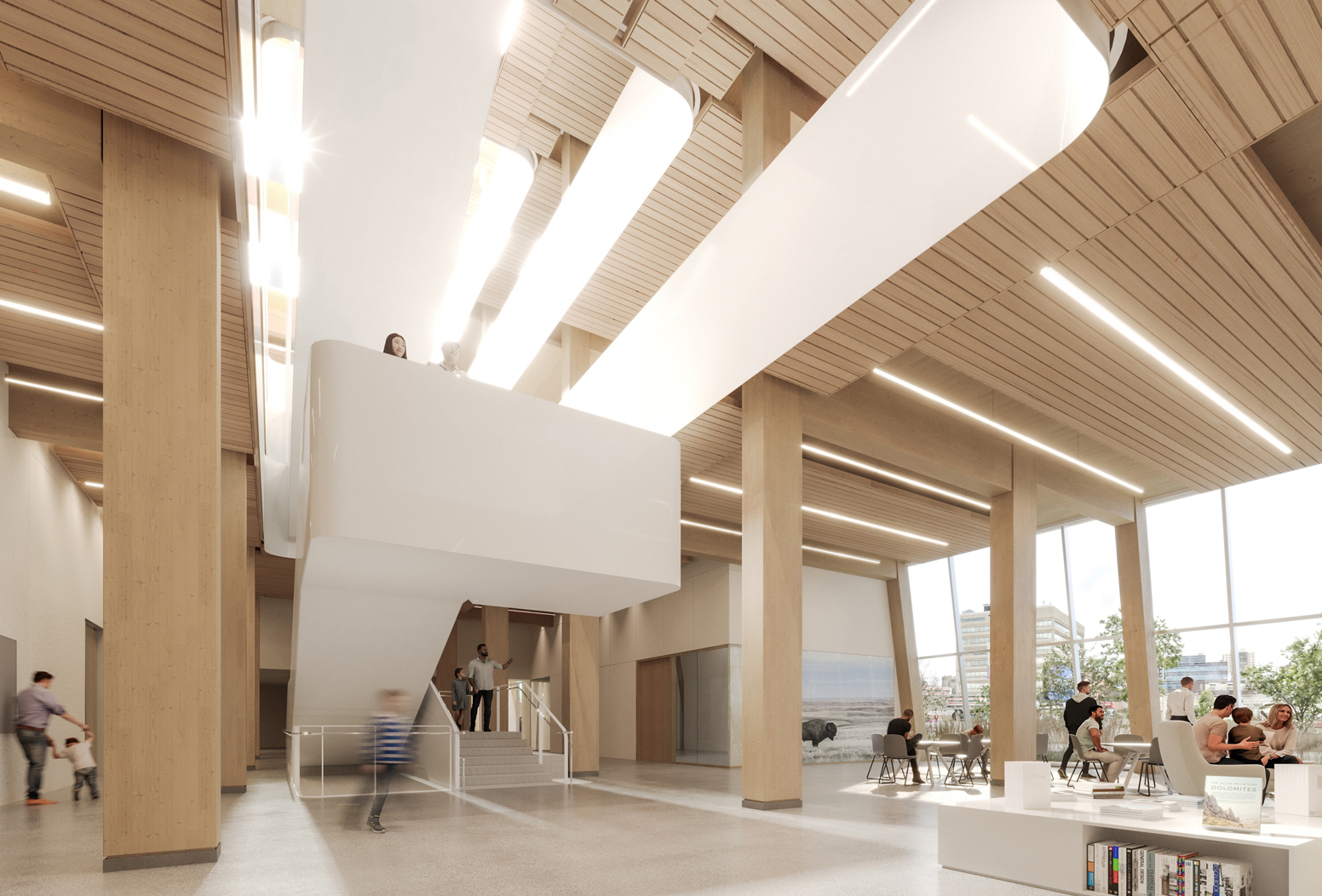














Designed to restore neglected land and renew the identity of Iraq’s capital city, Baghdad Sustainable Forests promises a new way of living surrounded by nature. Gensler’s Ian Mulcahay tells us why he thinks the project could become a model for the repair and enhancement of urban centres