Could our future cities use technology to bring fun and surprise into our lives?


A leading architect in the conscious cities movement – which is exploring how architecture and urban design can better consider and respond to our needs – has told CLAD how emotionally-aware urban environments could add a necessary element of fun and surprise into our day-to-day lives.
Architect Itai Palti, founder of research group Conscious Cities, called for academics, scientists, developers, policy makers, architects and designers to collaborate on making our built environments more responsive, interactive and lively.
“When you talk about embedding technology into our cities, as with the Smart Cities movement, the way we’ve historically approached it is how do we make services and movement more efficient,” said Palti, in an exclusive interview.
“Something we've completely glossed over is how we recreate the characteristics of what we love about the street through technology.”
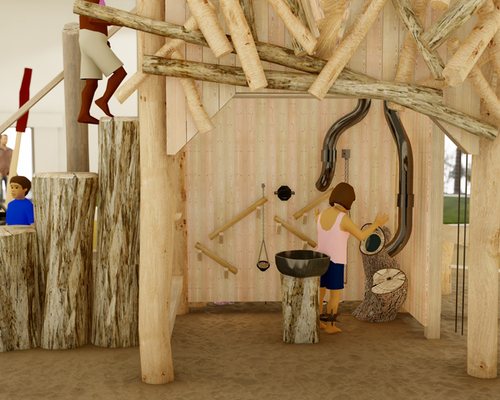
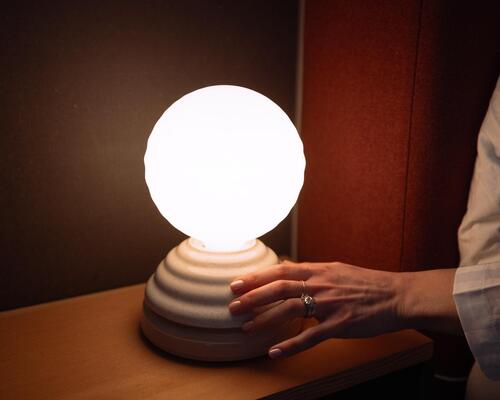
Palti explained how simple interactive features – such as street lamps that project colourful animations or interactive word games – could lift our spirits, prevent loneliness and educate us, meeting our “human need to fire curiosity and our imagination.”
“We should be discussing how through technology we can bring an element of surprise, disruption, novelty and unpredictability to daily life and how can we encourage interaction between strangers,” he said. “Technology has played its part in distancing people from one another, but I think it can bring people together too. A conscious city should answer to that.
“The first facet to consider is the city becomes aware of the needs of the people,” he continued. “You can see plenty of urban psychological studies into suburbs and how these impact teenagers in terms of boredom. If the city becomes aware of teenagers feeling bored, through sensors or emotion mapping, and understands this, then it can respond by creating adventures for people, fostering interactions and learning.
“We’re already seeing this with things like augmented reality and the gameification of our physical environment.”
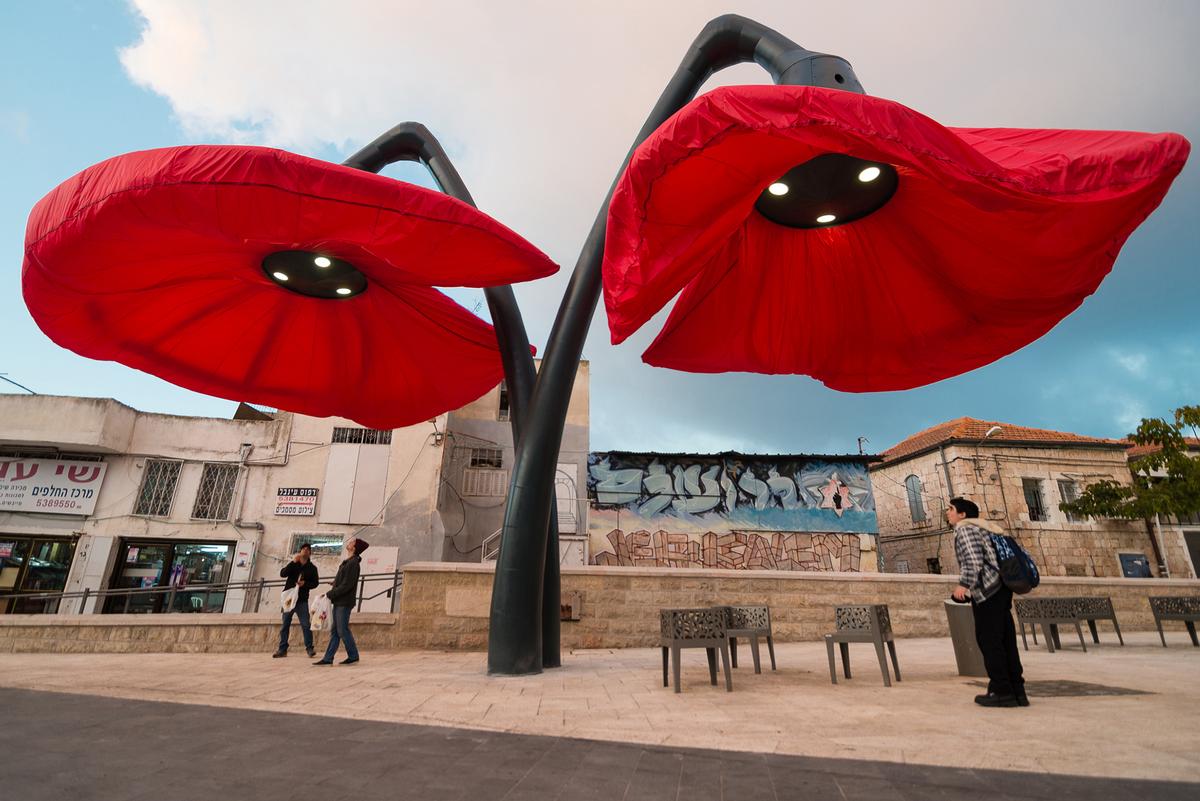
A current example of how technology and design can enliven an environment is a pair of giant, self-inflating flowers in Jerusalem’s Vallero Square. The installations, created by HQ Architects, bloom whenever they sense someone approaching, brightening that part of the city.
At a London conference last week on the subject of conscious cities – which featured Palti as a guest speaker – a number of figures from the worlds of science, architecture and real estate spoke about the strides forward in suitable technology, such as EEG brain sensing, and the likelihood of conscious cities emerging in the near future.
In the keynote speech, Sarah Robinson, an architect and academic, said: “We can no longer think of buildings as objects – they are active agents of our survival and there are simple ways we can enhance the experience of the built environment by responding to human context and physiology.”
However, several speakers warned about the ethical issues that arise in a world without privacy, where our cities know everything about us.
Ruari Glynn, director of British studio Interactive Architecture Lab, asked: “How do conscious cities take knowledge and use it in the right way? What is right and who decides?”
Juliette Morgan, the head of property at Tech City UK, posed the question: “Can walls forget what they’ve heard in offices? What happens to that data?”
Palti admitted to CLAD that “there is a darker element to conscious cities which could be dystopian in the wrong hands.”
“We have to tackle it in a pragmatic way through sensible policy,” he said. “There is an Orwellian nature to this concept, but you could also say taxing cigarettes is Orwellian, but we do it because smoking is bad for our health. Policies always scare people really early on.
“We’re the sharing generation and someone's ability to express things will soon become a really big commodity – almost more powerful than voting. We need to discuss how democratic, inclusive policy around these issues can affect us in a positive way. That’s a debate that needs to happen.”
Conscious cities architecture design neuroscience future technology privacy ethics
Arup predict a future of smart, interactive, conscious cities
Architecture and neuroscience – Conscious Cities conference will explore the connection
Bleeding edge glass technology is transforming the future of our buildings
Does the future of design lie underwater, in the clouds or even on the surface of the Moon?
Stunning digital installations encourage creativity, play and immersion at Silicon Valley art show
Alterface opens up world of ride possibilities with new interactive technologies

Wellness care hospital opens in Vilnius with innovative spa and hospitality concept

Universal and Puy du Fou projects point to rise of Oxford–Cambridge corridor
A proposed Puy du Fou development near Bicester and Universal Destinations and Experiences’ planned resort in Bedford are emerging as part of a wider transformation of the Oxford–Cambridge Growth Corridor into a major centre for UK leisure and tourism investment.
For years, the corridor has been associated primarily with science, technology, housing and university-led economic growth. However, the clustering of large-scale visitor attraction projects along the

All-inclusive eco-wellness development Auko to open near Vietnam’s Son Doong caves
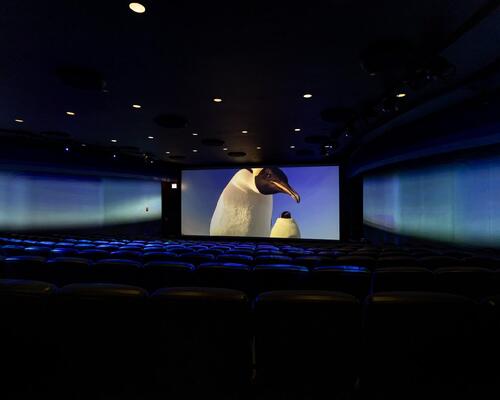
Shedd Aquarium upgrades its visitor experience with new Immersion Theater
Shedd Aquarium has opened the Immersion Theater developed in partnership with SimEx-Iwerks, as part of a wider strategy to enhance the guest experience and create additional revenue opportunities.
The attraction has transformed the aquarium’s Phelps Auditorium into a multi-sensory venue combining panoramic projection, environmental effects and interactive technology.
A new pre-show area allows visitors to engage with augmented reality marine animals before entering the
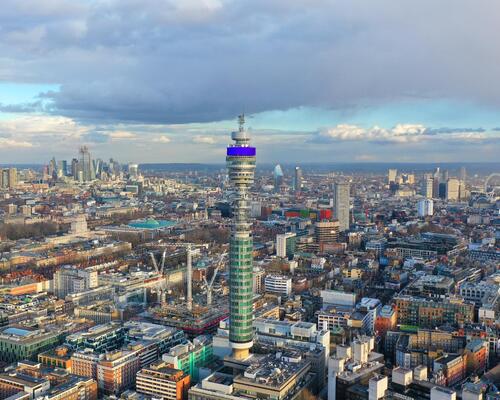
MCR is planning a luxury hotel for London's BT Tower
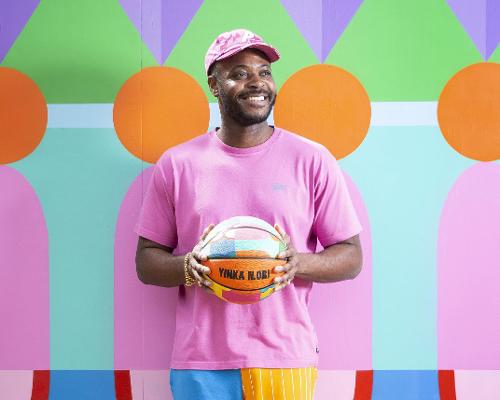
Joy as a radical act: Yinka Ilori launches solo exhibition celebrating the rebellious power of spreading happiness

Work gets underway on Madrid's €800 million leisure complex
Work is underway in Madrid on one of Europe’s most significant multi-functional complexes, combining sport, entertainment, culture and education.
The €800 million initiative to regenerate the former Olympic Aquatic Centre in the north-east of the city, next to the Riyadh Air Metropolitano stadium, is being led by Barsento – a joint venture between Live Nation Entertainment, Oak View Group and Atlético de Madrid. The project will
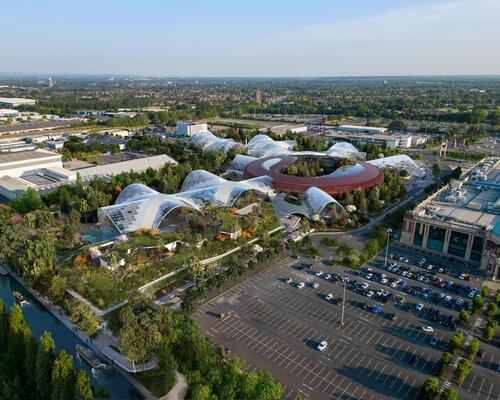
Therme Manchester reveals 90:90 strategy – 90 per cent of the UK population within a 90-minute drive of a Therme

Four Seasons’ Naples Beach Club opens 2,800sq m Sanctuary spa inspired by indigenous Calusa people
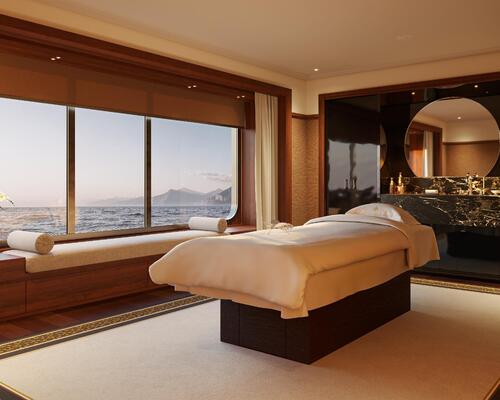
Orient Express Corinthian to host Ocean Rebirth wellness retreat in collaboration with Guerlain
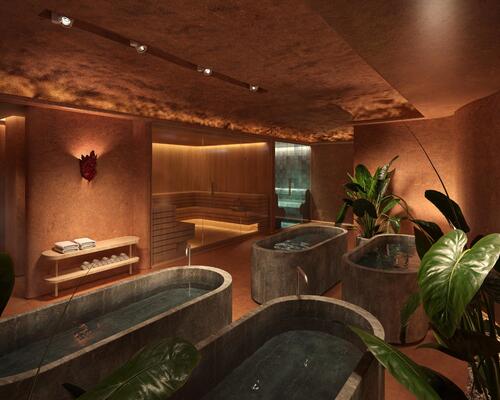
Famed London nightclub, Tramp, launches Tramp Health
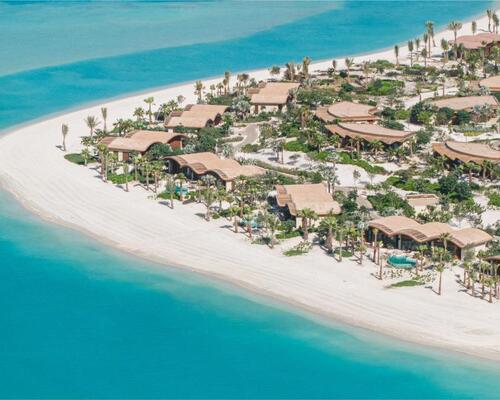
First look: Miraval opens on the Red Sea in Saudi Arabia

Hainan Science Museum by Ma Yansong, opens in China
A new science museum has opened to the public in Haikou after attracting more than 350,000 visitors during a four-month soft opening period.
Designed by Ma Yansong and his practice MAD Architects, the Hainan Science Museum is located on the edge of Wuyuan River National Wetland Park and has already recorded peak attendance of more than 5,800 visitors in a single day.
Commissioned by
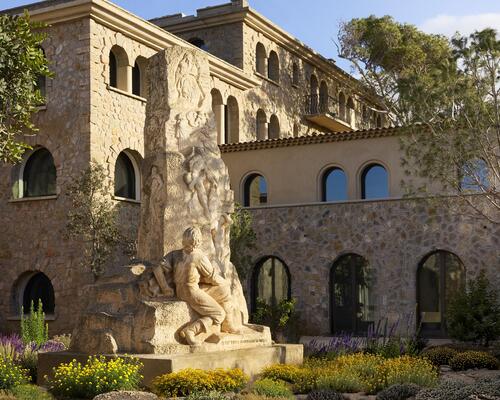
Zannier Île De Bendor launches with design by Hardel Le Bihan Architectes
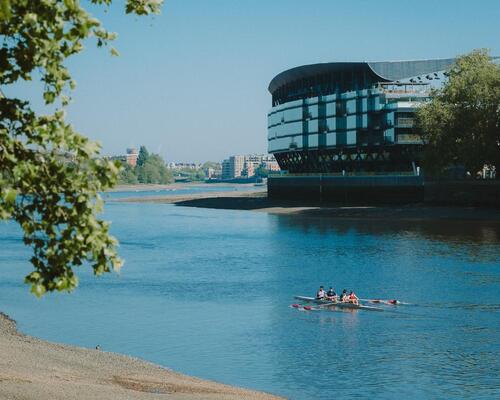
Sæl Spa readies for launch in London: “a modern British sanctuary”
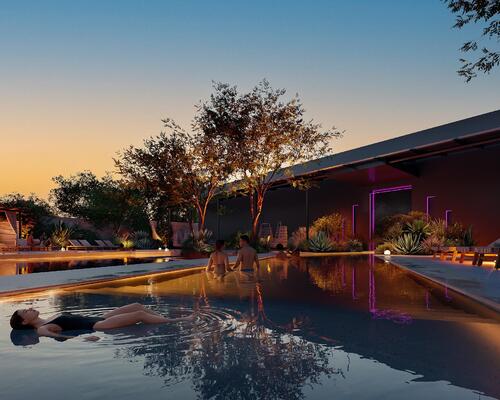
Immersive art bathhouse Submersive announces debut location in Austin

Construction begins on regenerative wellness destination The Shenandoah Nature Resort

Royal Caribbean reveals record-breaking cruise ship
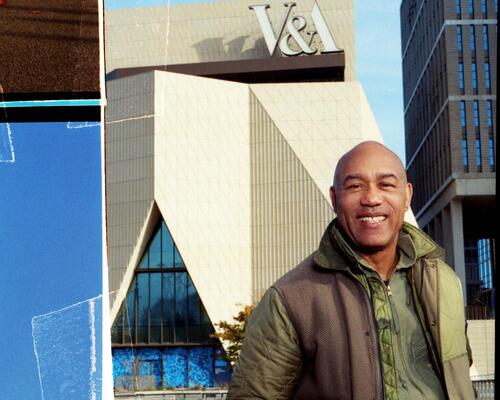
V&A East opens in London
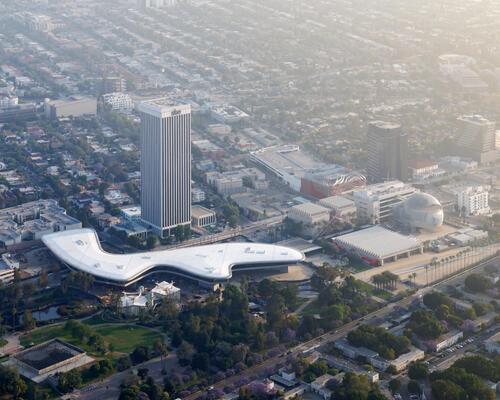
David Geffen galleries open at LACMA

New venue The Lands by Capella includes a longevity centre to complement sister hotel Capella Sydney

World of Frozen launches at Disneyland Paris
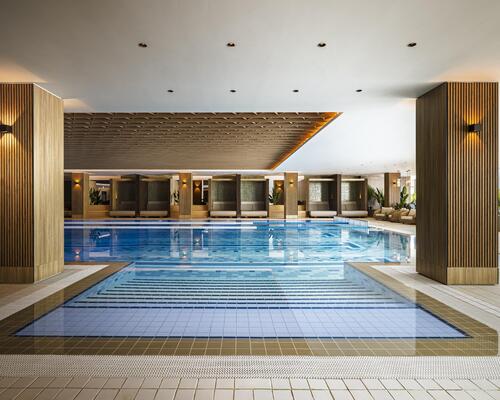
Pical Resort by Valamar reveals first Croatian spa under the ESPA brand

Mandarin Oriental creates end-to-end Egyptian journey with two new hotels and first-ever luxury river cruise

Designers Mendil + Meyer launch new division called Lām Concepts for strategic wellness projects
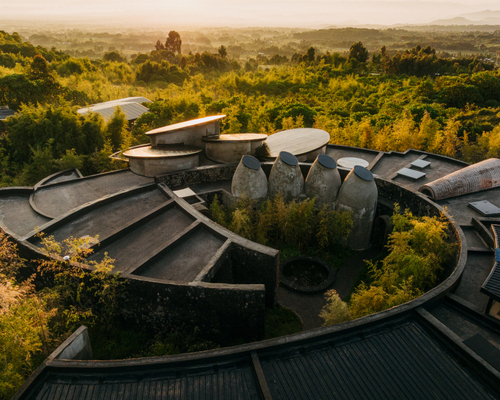
Wilderness Bisate in Rwanda reveals brand’s second Sanctuary spa
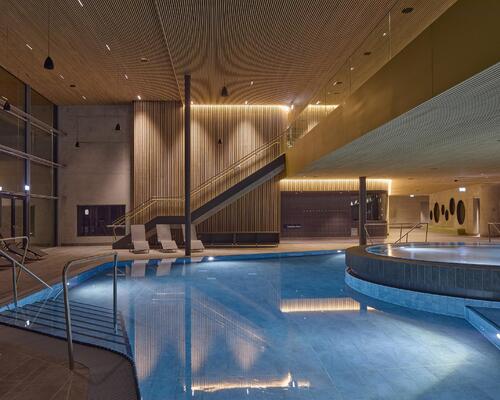
4a Architekten shares details of wellness extension at Salinarium Bad Dürkheim Thermal Spa

BodyHoliday plans 10-15 locations in the next 15 years
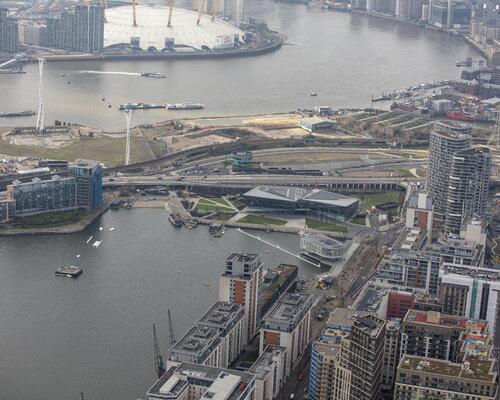
Floating wellbeing destination planned for London’s Royal Docks
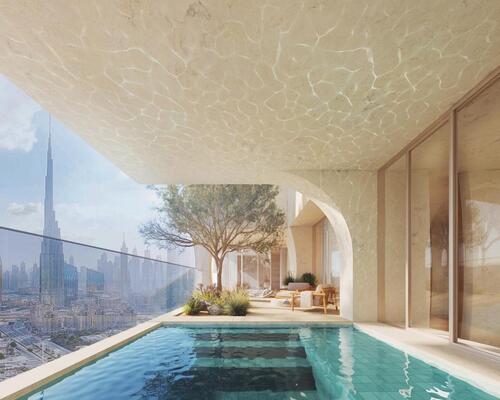
Aman Group to open second Janu in Dubai with inaugural Janu Club














Designed to restore neglected land and renew the identity of Iraq’s capital city, Baghdad Sustainable Forests promises a new way of living surrounded by nature. Gensler’s Ian Mulcahay tells us why he thinks the project could become a model for the repair and enhancement of urban centres