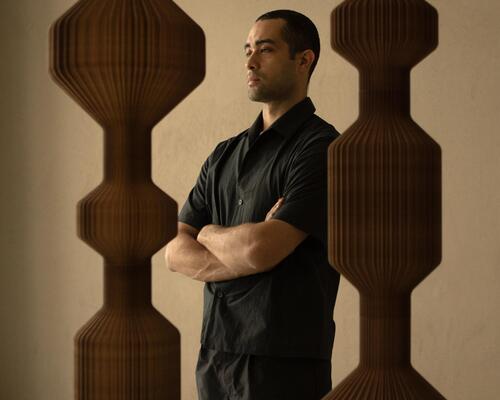
Inside story: Maximiliano Arrocet on AL_A’s sparkling new Lisbon landmark


In an exclusive interview with CLAD, the architect who oversaw the creation of Lisbon’s sparkling new Museum of Art, Architecture and Technology explains the inspiration behind the acclaimed design.
Maximiliano Arrocet, a director at architecture practice AL_A, discusses the choices that informed the building’s unique façade, it’s rooftop gathering space and the importance of integrating public realm in high-profile leisure projects.
The full feature can be read below. The new issue of CLADmag – our quarterly magazine – is available to read now online and on digital turning pages.
A LANDMARK FOR LISBON
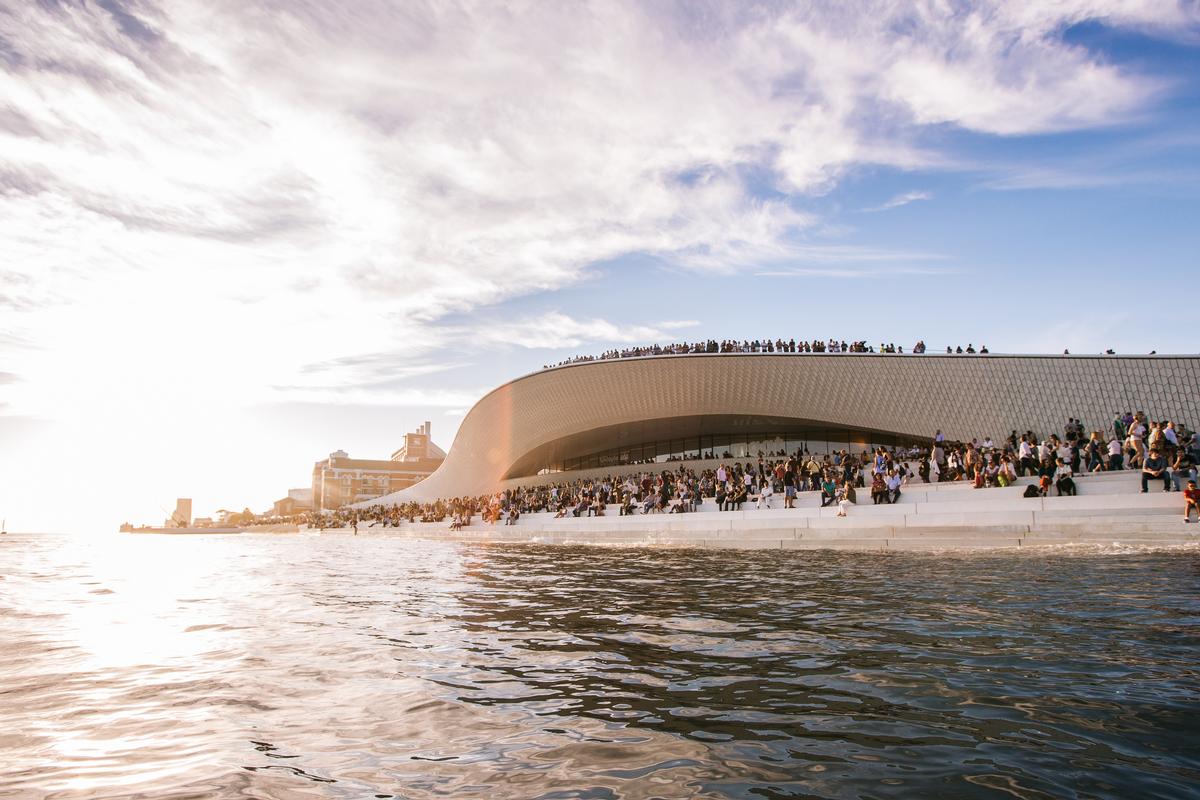
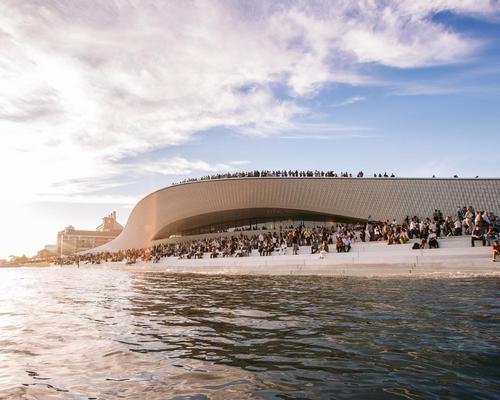
A curving, low-rise structure and a recently renovated power station together form the new waterfront home for Lisbon’s Museum of Art, Architecture and Technology (MAAT), which explores contemporary culture through visual arts, new media, architecture, technology and science.
Electricity and gas provider EDP has funded the project through its EDP Foundation, and MAAT is the focus of the organisation’s cultural campus in the district of Belém. While the main exhibition room at the heart of the building was unveiled at a soft opening in October 2016, the other galleries and a museum park will open over the next few months. The completion of a pedestrian bridge connecting the site with the heart of the city is tentatively scheduled for March 2017.
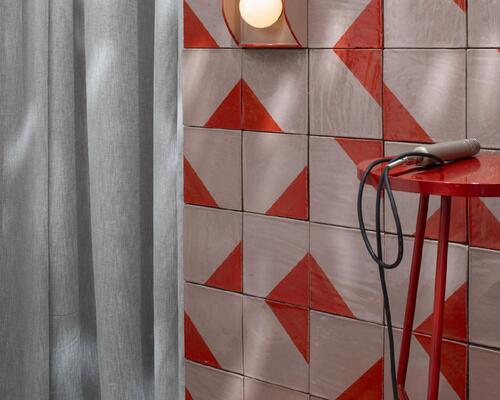
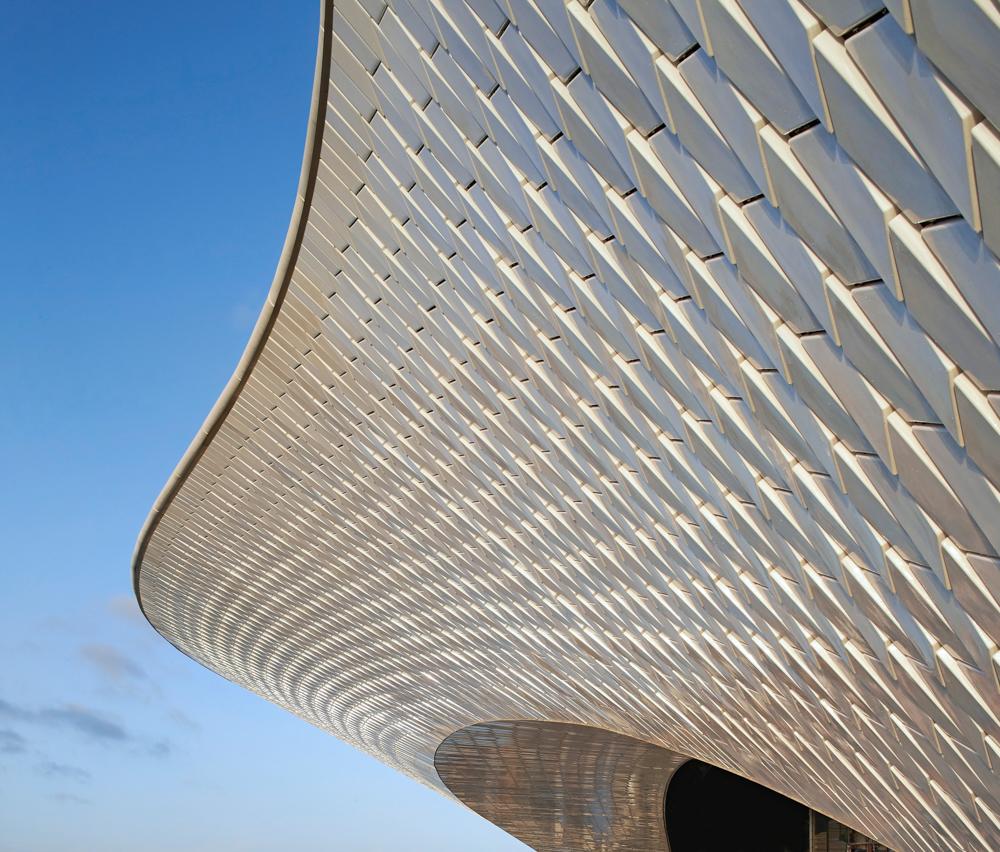
Building on Portugal’s rich tradition of craft and ceramics, 15,000 3D glazed tiles articulate the façade, reflecting light, shadow and the water.
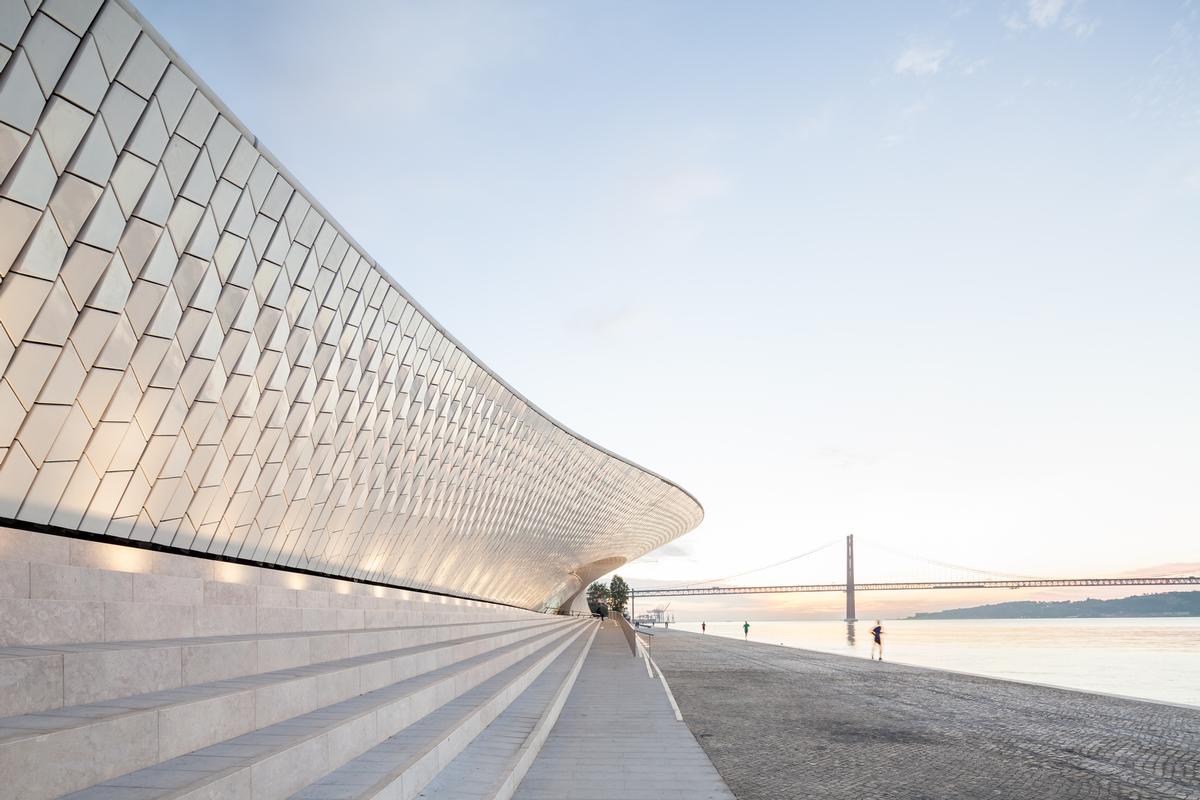
Four distinct gallery spaces sit beneath the gently undulating roof of the new building, which creates significant new public spaces both on the roof and along the waterfront of the River Tagus. As a result, visitors can walk over, under and through the building. Museum gardens stretch to the water’s edge, creating a new area of public realm for the city.
“Our design draws on the context of the site, creating both physical and conceptual connections to the waterfront and back to the heart of the city,” said Amanda Levete, principal at AL_A. “The waterfront is so essential to the project that the design literally reflects it.”
AL_A collaborated on the project with local architects Aires Mateus e Associados, structural engineers Afaconsult and Lebanese architectural studio Vladimir Djurovic Landscape Architecture.
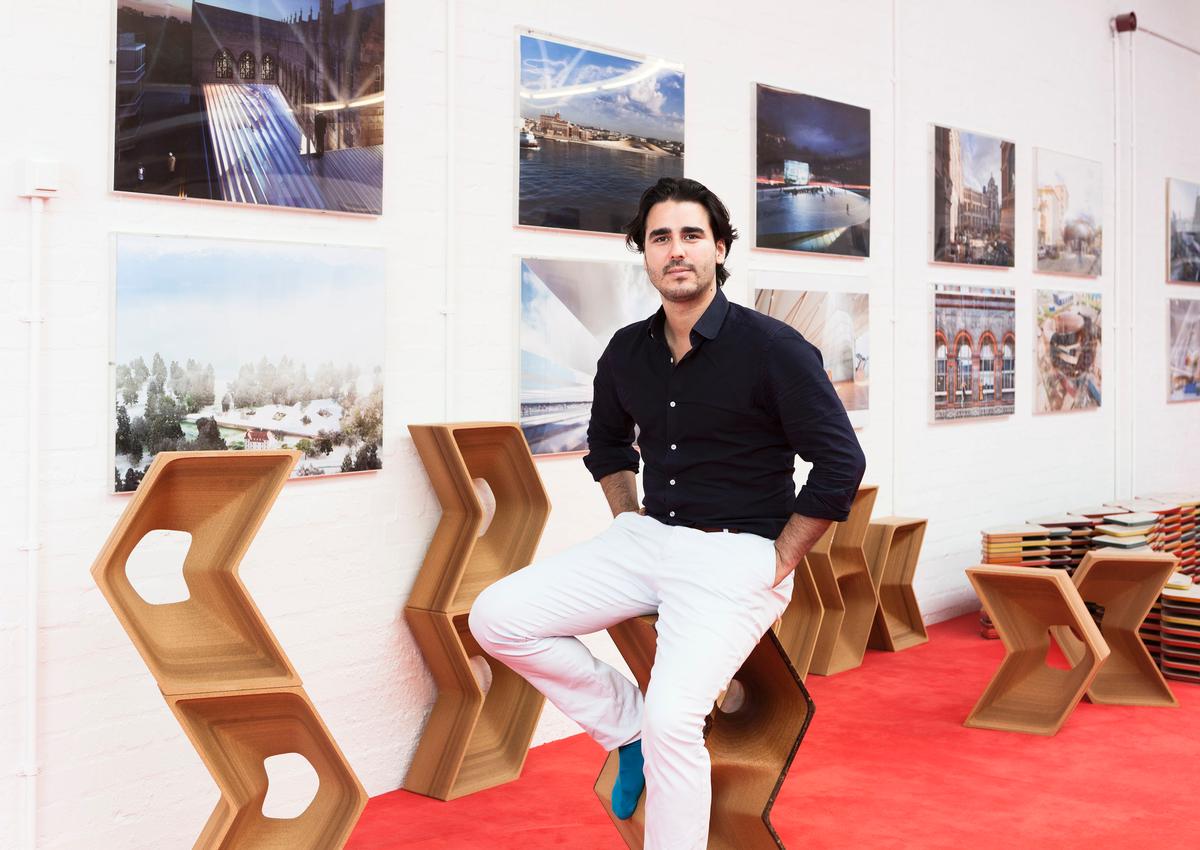
Below, AL_A director Maximiliano Arrocet, who worked on the project, explains the thought processes behind the building’s design.
THE SITE
“When we first visited the site, we went at midday on a day in November, and we stayed until the sun was setting. What really impressed us was the quality of the light. To begin with, it was so bright you needed sunglasses, then it became a really vivid red. There was also the amazing rippling effect on the water. We understood immediately we were dealing with a very special site. It’s the river, but you feel you’re on the sea.
“The other big driver for us was the existing historic building, with its very defined architecture and spaces. We understood that it was important not to create a type of architecture that took anything away from what was already there.
“We looked at the disconnection between the site and the city centre – which is quite common in cities with industrial areas – and we decided to bring back the connection to the river and create a space that could be used by the public. So our design represents a movement or a gesture that extends out of the landscape, remains lower than the existing building, creates a new public realm and maximises accessibility.
“It was very important to choose materials really rooted in Lisbon culture. In the city, the use of white Moleanos limestone designates a public space, so it was important we included a non-slippery version of this on the ground surfaces and the steps down to the river.”
THE ROOF
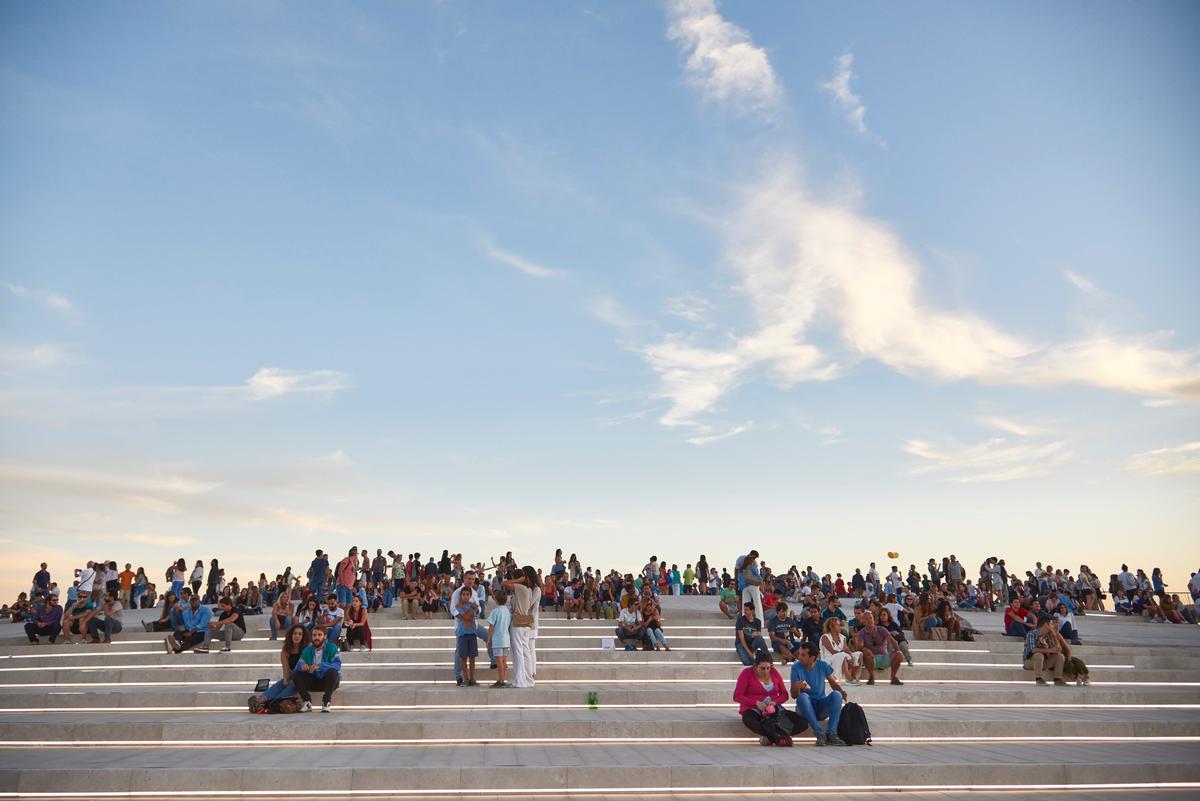
“Because of the sloping gesture we created, we had the opportunity to bring people to the rooftop, which becomes an elevated public space. This is my favourite part of the building. I think when you go up there, you suddenly experience the river in a completely different way and for the first time you’re connecting visually back to the city. People go and they can look across the river, look towards the impressive bridges, and turn and look towards the city and the Royal Palace, which can now be seen from a new angle. This space can be used as an outdoor cinema, it can be a curated arts space, it can host pop-up events and it can be used in ways we haven’t even thought of yet.”
THE WATERFRONT
“Even if you’re not interested in the building you can gather here. We introduced steps down to the river, which is something that only historically happened in Lisbon’s Praça do Comércio. You can gather in the shaded area created by the overhanging roof, and walk straight down to have contact with the river. Even without the building, this would be an area of attraction. Creating exciting spaces was crucial for this project. The re-appropriation of cultural buildings as public spaces is very important. We’re interested in breaking down this notion of art being elitist. An art museum can be for everyone.”
THE FACADE
“In Lisbon, the more important the space, the more intricate the pattern on the façade. For this reason we eventually chose to use a hexagonal pattern. We discovered if we dislocated ceramic tiles, we would have the same pattern as the rippling water. This creates a surface that plays with light and casts shadows like a sundial. At midday the building has a completely different appearance from the one it has in the evening.
“There’s always a moment of initial excitement when you have an idea like this; a Eureka! moment. Then there’s always a terrible moment of doubt, usually a week later, that last for a few months. You think, ‘How are we going to fix this element and fabricate it and glaze it?’ Doubting is an important part of the design process, because you need to question the idea to prove it works.
“The façade material took us a long time to choose. We had budget limitations, and we needed to find the right combination of weight and strength. The ceramic universe is huge and there are thousands of shades of white. It had to be possible to mechanically fix the tiles because of the wind, and porosity had to be very low so that the tiles won’t crack when the temperature changes. To get the right tile took us nearly three years. We’re very happy with the result; different people will give a different description of the building and its colour depending on what time of day they go and what angle they see it from.”
THE GALLERIES
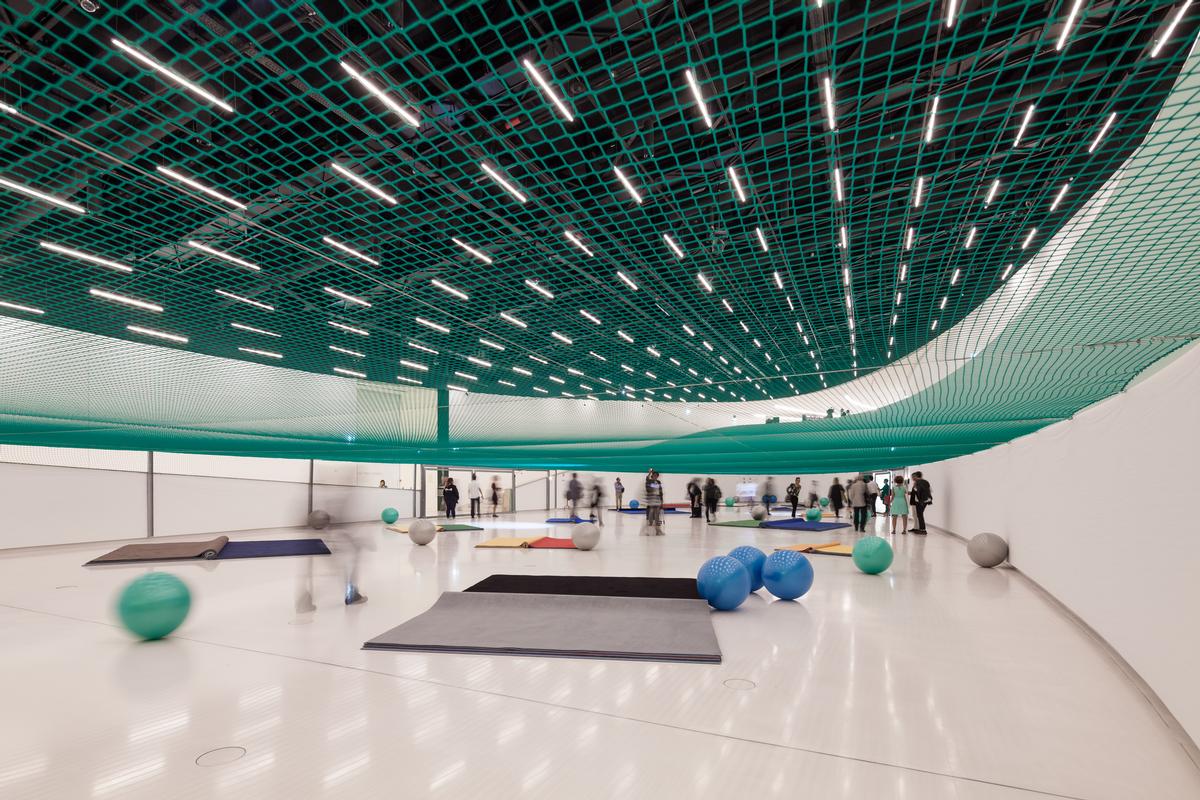
“It was always very important for us to make the inside of the building a fluid extension of the public space outside and the landscape, so a large ramp takes you down into the galleries. It’s counterintuitive; you enter and then have to go down, past the restaurant and café and into the elliptical free main gallery.
“We’ve included very flexible roof rigs, with different lighting and sound setups, pass rails and trusses, so artists will really be able to respond to the possibilities of the space.
“The oval gallery can be experienced three dimensionally and from different angles – you observe it from the top, then come down and enter it. Dominique Gonzalez-Foerster, who did the first installation (called Pynchon Park) really took the opportunity of the space to create something unique. People inside the gallery, underneath a netted canopy, interact with visitors above them, and so they themselves become part of the art.”
Amanda Levete's sparkling art museum brings new cultural heart to Lisbon
Shell-shaped Museum of Art, Architecture and Technology nears completion in Lisbon
FEATURE: Project in focus – A landmark for Lisbon
BIG unveils Eve Music Hall as Croatia venue nears completion
Bob Rogers hands BRC to long-serving leadership team

Wellness care hospital opens in Vilnius with innovative spa and hospitality concept

Universal and Puy du Fou projects point to rise of Oxford–Cambridge corridor
A proposed Puy du Fou development near Bicester and Universal Destinations and Experiences’ planned resort in Bedford are emerging as part of a wider transformation of the Oxford–Cambridge Growth Corridor into a major centre for UK leisure and tourism investment.
For years, the corridor has been associated primarily with science, technology, housing and university-led economic growth. However, the clustering of large-scale visitor attraction projects along the
All-inclusive eco-wellness development Auko to open near Vietnam’s Son Doong caves
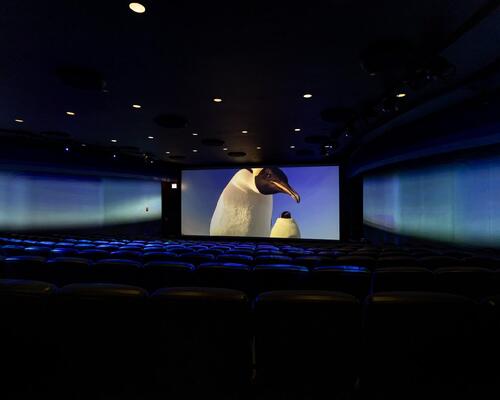
Shedd Aquarium upgrades its visitor experience with new Immersion Theater
Shedd Aquarium has opened the Immersion Theater developed in partnership with SimEx-Iwerks, as part of a wider strategy to enhance the guest experience and create additional revenue opportunities.
The attraction has transformed the aquarium’s Phelps Auditorium into a multi-sensory venue combining panoramic projection, environmental effects and interactive technology.
A new pre-show area allows visitors to engage with augmented reality marine animals before entering the
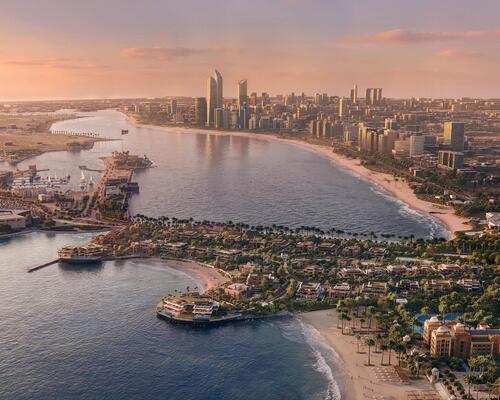
Mandarin Oriental announces standalone Mansions-branded residences for Abu Dhabi
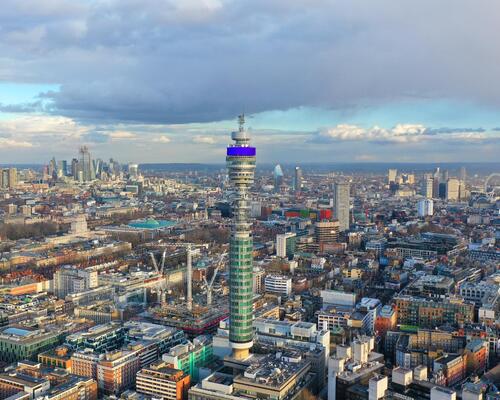
MCR is planning a luxury hotel for London's BT Tower
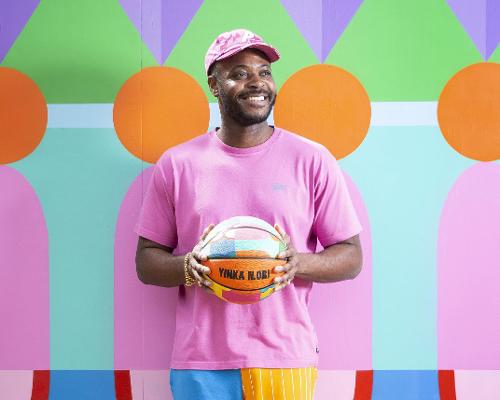
Joy as a radical act: Yinka Ilori launches solo exhibition celebrating the rebellious power of spreading happiness

Work gets underway on Madrid's €800 million leisure complex
Work is underway in Madrid on one of Europe’s most significant multi-functional complexes, combining sport, entertainment, culture and education.
The €800 million initiative to regenerate the former Olympic Aquatic Centre in the north-east of the city, next to the Riyadh Air Metropolitano stadium, is being led by Barsento – a joint venture between Live Nation Entertainment, Oak View Group and Atlético de Madrid. The project will
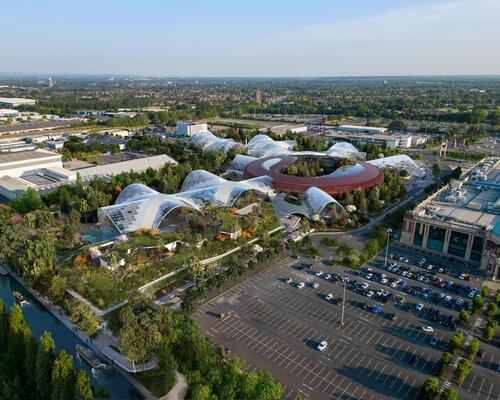
Therme Manchester reveals 90:90 strategy – 90 per cent of the UK population within a 90-minute drive of a Therme

Four Seasons’ Naples Beach Club opens 2,800sq m Sanctuary spa inspired by indigenous Calusa people
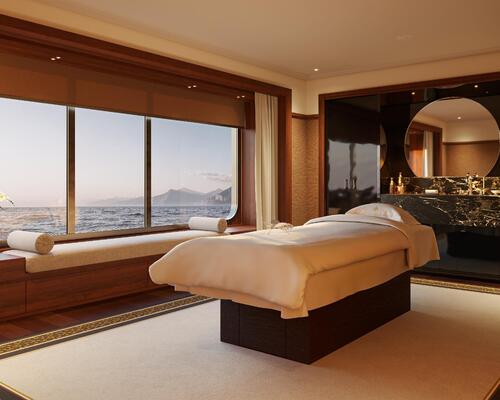
Orient Express Corinthian to host Ocean Rebirth wellness retreat in collaboration with Guerlain
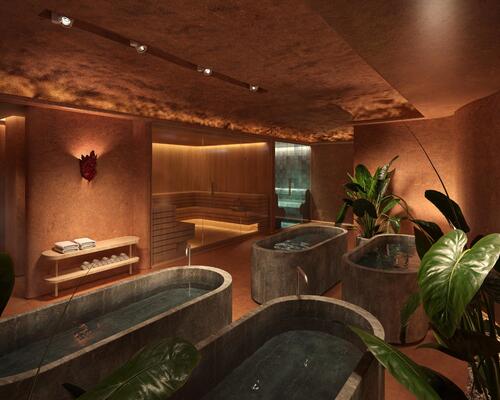
Famed London nightclub, Tramp, launches Tramp Health
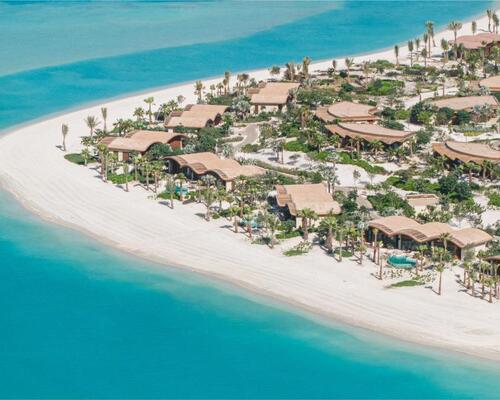
First look: Miraval opens on the Red Sea in Saudi Arabia

Hainan Science Museum by Ma Yansong, opens in China
A new science museum has opened to the public in Haikou after attracting more than 350,000 visitors during a four-month soft opening period.
Designed by Ma Yansong and his practice MAD Architects, the Hainan Science Museum is located on the edge of Wuyuan River National Wetland Park and has already recorded peak attendance of more than 5,800 visitors in a single day.
Commissioned by
Zannier Île De Bendor launches with design by Hardel Le Bihan Architectes
Sæl Spa readies for launch in London: “a modern British sanctuary”
Immersive art bathhouse Submersive announces debut location in Austin

Construction begins on regenerative wellness destination The Shenandoah Nature Resort

Royal Caribbean reveals record-breaking cruise ship
V&A East opens in London
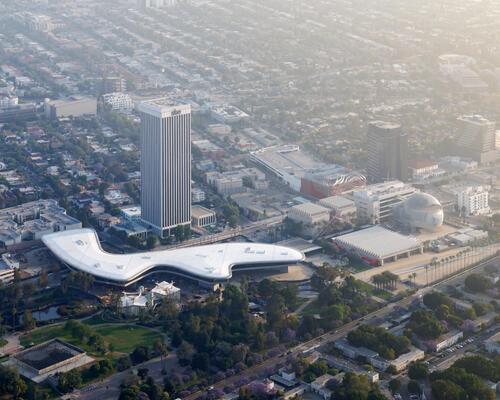
David Geffen galleries open at LACMA

New venue The Lands by Capella includes a longevity centre to complement sister hotel Capella Sydney

World of Frozen launches at Disneyland Paris
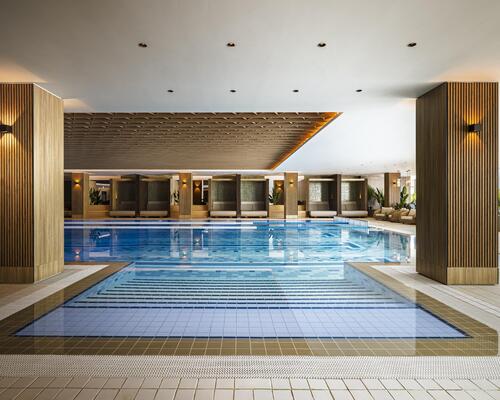
Pical Resort by Valamar reveals first Croatian spa under the ESPA brand

Mandarin Oriental creates end-to-end Egyptian journey with two new hotels and first-ever luxury river cruise

Designers Mendil + Meyer launch new division called Lām Concepts for strategic wellness projects
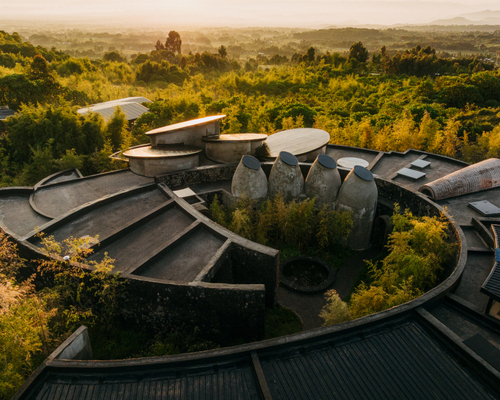
Wilderness Bisate in Rwanda reveals brand’s second Sanctuary spa
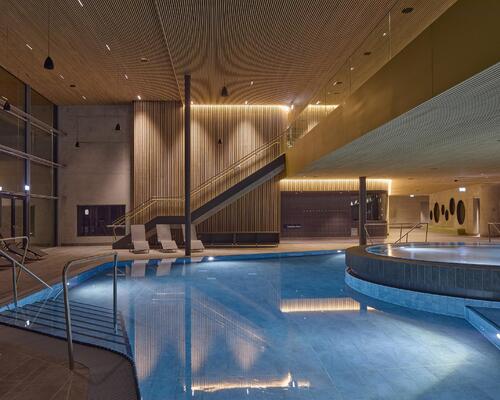
4a Architekten shares details of wellness extension at Salinarium Bad Dürkheim Thermal Spa

















Designed to restore neglected land and renew the identity of Iraq’s capital city, Baghdad Sustainable Forests promises a new way of living surrounded by nature. Gensler’s Ian Mulcahay tells us why he thinks the project could become a model for the repair and enhancement of urban centres